


ABOUT THIS EPISODE
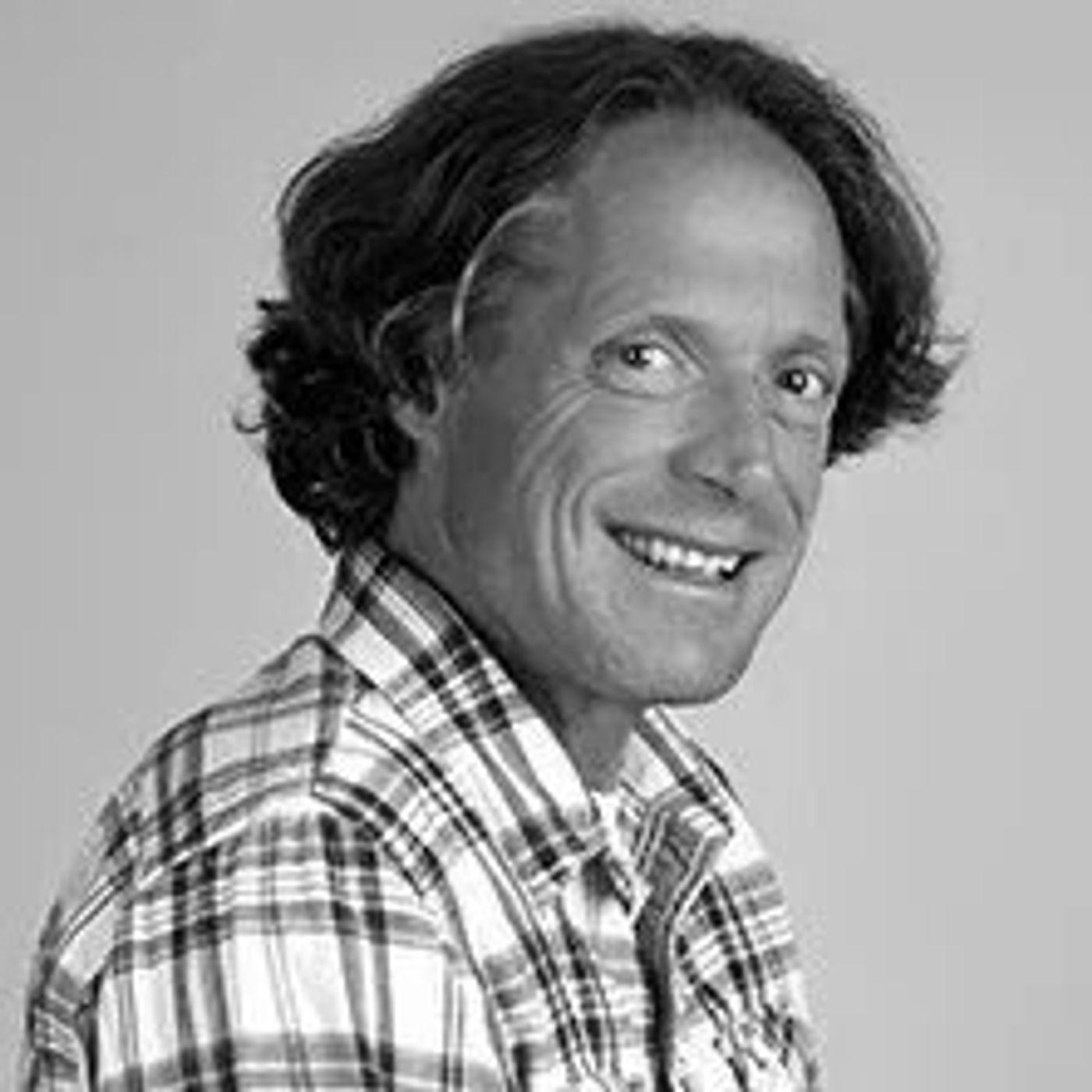
In this episode, Fred discusses how in college he got very interested in spiritual questions and read books, learned how to meditate, thought a lot about deeper meaning and opened a vegetarian restaurant in Santa Cruz. After having his first child, he went to graduate school and decided to do his dissertation on the topic of forgiveness, which was something that he struggled with in his own life, describing himself as “dramatically unable to forgive”. He shared that the dissertation was a great success and received a lot of media attention, which set him in this direction in his research. He shared how they went for a secular approach, because a religious approach involved a lot of tribalism, and they were all essentially different portals to enter into the work of forgiveness. They integrated mindfulness and a Buddhist influenced Cognitive Behavioral Therapy, which were not common in psychotherapy then. We discussed my interpretation of his work and how I’ve conceptualized is as forgiveness is for you, not for the other person who did the harm. Fred discusses the term “trauma” and how sometimes it is used in situations that may not be trauma, and labeling it that way can lead to blame, rather than the empathy for what one has gone through and allowing the person to cope with their life right now. He discussed how forgiveness can allow us to be more connected to what is happening with one’s life, right now, in the present. He shared that an essential part of forgiveness is acknowledging our vulnerability, which never goes away, and accepting that vulnerability and not blaming that which reminds us of how vulnerable we are. He said he learned more about mindfulness from Jon Kabat Zinn, Ph.D. and how when you increase awareness, you increase choice. We discussed his work with people from Northern Ireland, Israel, Palestine, Sierra Leon, Columbia and people after 9-11 and how one of the hardest parts related to forgiveness is when there are different sides, as forgiveness may lead the person’s “side” to label them as a traitor. In discussing how to forgive when the person is not safe because they may not be out of the situation, like Israel and Gaza, this lead to a discussion of what makes us safe. He shared that often armoring up, becoming bitter, and trusting others less and being more guarded may feel like it’s protecting us, but it also limits our capacity for love and joy. He shared that mindfulness helps us bring ourselves back to the now and in this very moment, we are usually safe. He explained that our threat response overreaches, and combatting that overreach is important to connect us to our present safety and abundance that we may have. He discusses his new workbook, The Forgive for Good Recovery Workbook, that helps people through a process of forgiveness. He leaves us with one of his favorite quotes about forgiveness: "It’s giving up all hope for a better past".
Frederic Luskin, Ph.D. is a psychologist in Counseling and Health Psychology from Stanford University where he has been teaching for the past 30 years. Currently, he is on the faculty for the Stanford School of Business Executive Education program where he teaches mindfulness, emotional intelligence, psychological safety, and positive psychology to executives from all over the world. He serves as Director of the Stanford University Forgiveness Projects, researching the positive effects of forgiveness for a healthy and happy life. Fred is one of the world’s recognized authorities on forgiveness of self and others. He’s been interviewed and featured in such media outlets as The New York Times, O Magazine, Today Show, LA Times, Time Magazine, Huffington Post, and CBS Morning News. In addition, he’s published 3 books and dozens of articles on forgiveness. His book Forgive for Good is the best-selling secular self-help book published on the topic of forgiveness.
Frederic Luskin, Ph.D. is a psychologist in Counseling and Health Psychology from Stanford University where he has been teaching for the past 30 years. Currently, he is on the faculty for the Stanford School of Business Executive Education program where he teaches mindfulness, emotional intelligence, psychological safety, and positive psychology to executives from all over the world. He serves as Director of the Stanford University Forgiveness Projects, researching the positive effects of forgiveness for a healthy and happy life. Fred is one of the world’s recognized authorities on forgiveness of self and others. He’s been interviewed and featured in such media outlets as The New York Times, O Magazine, Today Show, LA Times, Time Magazine, Huffington Post, and CBS Morning News. In addition, he’s published 3 books and dozens of articles on forgiveness. His book Forgive for Good is the best-selling secular self-help book published on the topic of forgiveness.
English
United States
TRANSCRIPT 🔗
Are you the producer of this podcast?
Add a podcast transcript
Need Audio-to-Text?
Transcribe with Listen411 in Just 60 Seconds
SEARCH PAST EPISODES
Search past episodes of Therapy on the Cutting Edge.
OTHER EPISODES IN THIS PODCAST
In this episode, I speak with psychologist Kenneth Perlmutter about his work with wounded family systems and how his background shaped his therapeutic approach. Kenneth shared that he originally planned to go to medical school but switched to journalism, then worked in advertising in San Francisco …
In this episode, I speak with Matt about his work with veterans, PTSD and his research on AI's ability to diagnose mental health disorders. Matt explained that he got into the field of psychotherapy after being a patient, working through his own issues after being in the Marines. He found the pro…

In this episode, Alecia explores the critical intersection of women's mental health, ADHD, and reproductive psychiatry—an area where science is only beginning to catch up with women's lived experiences. Alecia's journey into psychiatry began in Sacramento, California, where she witnessed profound …
In this episode, I speak with Peter about his work on narcissism and its place within the broader spectrum of personality disorders. He shares that when he was in graduate school for literature, he was required to participate in a course of psychotherapy—an experience that sparked his interest in t…
Disclaimer: The podcast and artwork embedded on this page are from W Keith Sutton PsyD, which is the property of its owner and not affiliated with or endorsed by Listen Notes, Inc.
EDIT
Thank you for helping to keep the podcast database up to date.
