ABOUT THIS EPISODE

- Why Jason Ellis’s own go-to after a bad night is stimulus control
- Getting out of bed before frustration becomes part of the bedroom
- Sleep pressure and why staying awake temporarily can make the next attempt easier
- Where acute insomnia ends and chronic insomnia begins
- Why the three-month threshold is a diagnostic convention rather than a biological switch
- Ellis’s research into the transition from acute to chronic insomnia
- The original 2015 “single-shot” CBT-I randomized trial
- What the famous 73% number actually represented
- Why “73% cured after one hour” oversold a promising small study
- The 2026 randomized primary-care trial of one-session CBT-I
- What newer research says about extending time in bed after a poor night
- Why CBT-I remains first-line treatment in current insomnia guidelines
- Why access to trained CBT-I providers remains a problem
- Alcohol as a sedative — and why it can fragment sleep later in the night
- Ellis’s early COVID-era prediction of a surge in acute insomnia
- What later pandemic sleep meta-analyses actually found
- CBT-I when restless legs or periodic limb movements are also present
- Why treating insomnia is not the same as eliminating RLS or PLMs
- The unusual pilot study using lucid-dream training for insomnia
- Why promising pilot results are not the same as an established treatment
About Professor Jason Ellis
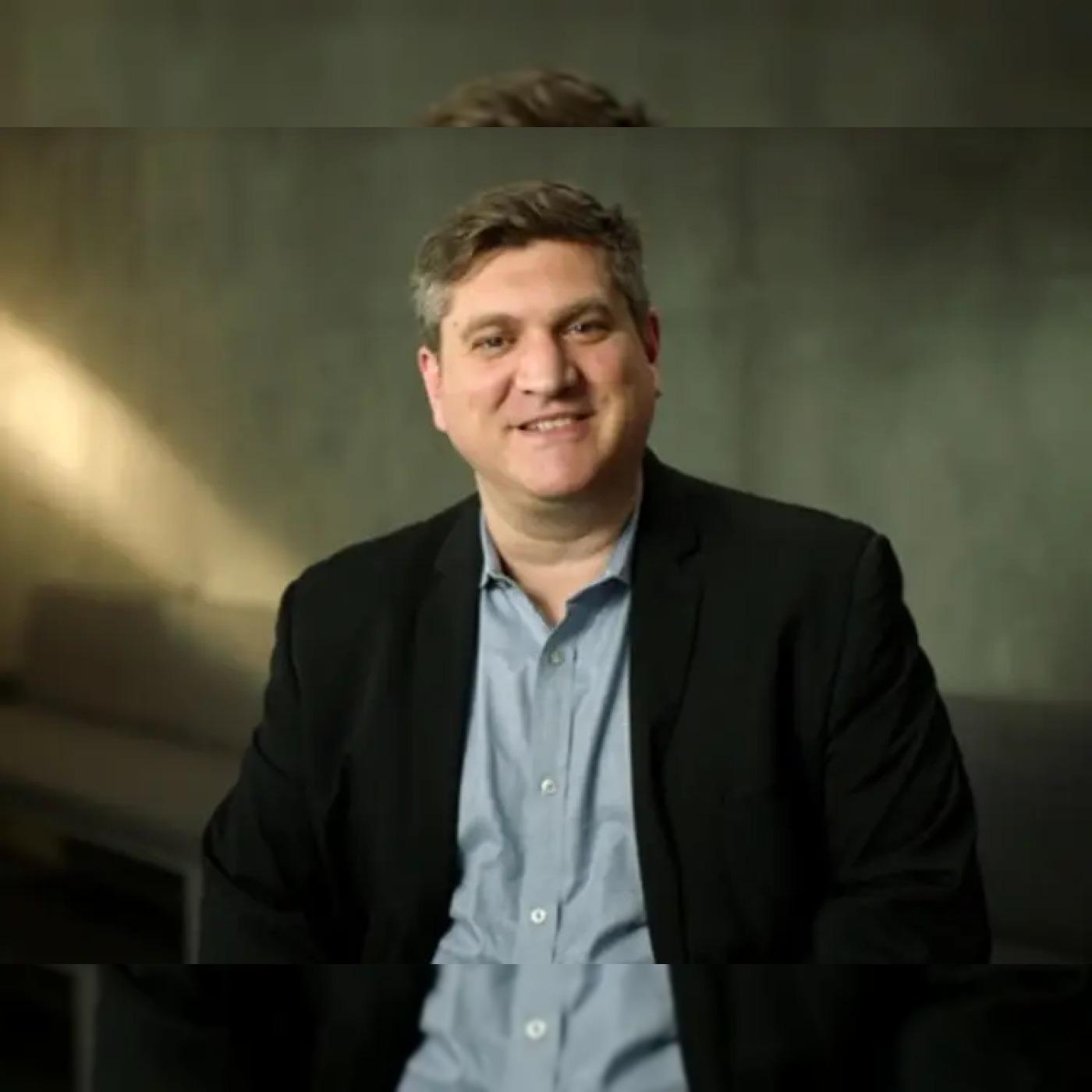
Jason Ellis, PhD, is Professor of Psychology at Northumbria University and Director of the Northumbria Centre for Sleep Research. His work focuses on insomnia, the transition from acute to chronic insomnia, cognitive behavioral therapy for insomnia, behavioral sleep medicine and new ways of delivering effective insomnia treatment in settings where traditional multi-session therapy can be difficult to access.
MENTIONEDProfessor Jason Ellis — Northumbria University
Ellis’s current faculty profile, research interests and recent publications.
Jason Ellis at Northumbria University
The One-Week Insomnia Cure
Ellis’s 2017 book applying CBT-I, mindfulness and related behavioral approaches to sleep problems.
The One-Week Insomnia Cure — Penguin
Treating Acute Insomnia: A Randomized Controlled Trial of a “Single-Shot” of CBT-I
The 2015 randomized trial at the heart of this episode: 40 adults, one CBT-I session plus a pamphlet versus wait-list control.
Group vs. Individual Treatment for Acute Insomnia
A later pilot testing whether Ellis’s one-shot intervention could retain its effect when delivered in groups.
Read the group-treatment study
One-Session CBT-I in Integrated Primary Care
The 2026 randomized preliminary study showing that the one-session approach is still being actively tested.
Read the 2026 primary-care trial
Sleep Opportunity Extension and the Transition to Chronic Insomnia
A 2026 study of 1,243 participants, co-authored by Ellis and Michael Grandner, challenging the idea that extending sleep opportunity after a poor night is the main driver of chronic insomnia.
Read the 2026 natural-history study
Cognitive Behavioral Therapy for Insomnia in Restless Legs Syndrome
A randomized study of CBT-I for people with RLS and comorbid insomnia.
Managing Insomnia Using Lucid Dreaming Training
The Ellis, Joseph De Koninck and Célyne Bastien open-label pilot discussed at the end of the episode.
2025 VA/DoD Clinical Practice Guideline for Chronic Insomnia
Current guideline recommending CBT-I for chronic insomnia and favoring it over medication as first-line treatment.