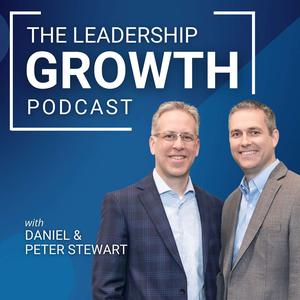
WEBVTT
00:00:07.875 -->
00:00:12.458Hello, and welcome to another episode of the Leadership Growth Podcast.
00:00:12.458 -->
00:00:15.791I'm your host, Daniel Stewart, along with my brother Peter Stewart.
00:00:16.125 -->
00:00:20.500And today, a fantastic guest, Angela Finlay.
00:00:20.500 -->
00:00:22.832Welcome to the Leadership Growth Podcast.
00:00:23.041 -->
00:00:24.500-Thank you for having me.
00:00:24.500 -->
00:00:25.541Excited to be here.
00:00:25.750 -->
00:00:30.666-And especially around this topic, this topic of skills.
00:00:30.875 -->
00:00:36.707And we're going to be talking through what this looks like, especially as we are all navigating our careers.
00:00:36.875 -->
00:00:43.040Oftentimes, we think of how do we develop our career but we want to suggest shifting.
00:00:43.375 -->
00:00:46.457And now, how do we develop our skills?
00:00:46.915 -->
00:00:48.250And so we'll dive into this.
00:00:48.250 -->
00:00:52.082But first, let me do a brief intro around Angela.
00:00:52.082 -->
00:00:53.957So Angela Finlay.
00:00:54.500 -->
00:01:01.625Chief Human Capital Strategist, Fractional and Interim Chief HR Officer,
00:01:01.625 -->
00:01:08.957Taking Ownership of Your Career in Changing Times.
00:01:09.582 -->
00:01:20.250She has over twenty five plus years leading talent strategy inside Fortune 150 enterprises, global organizations and growth stage companies.
00:01:20.540 -->
00:01:24.707So with that as a background, Angela, let's jump in.
00:01:25.082 -->
00:01:30.207Let's get this first question going, which is really what's with skills?
00:01:30.500 -->
00:01:32.165What, what is there...
00:01:32.165 -->
00:01:34.625What is there that we need to be paying attention to?
00:01:34.625 -->
00:01:39.415What's this kind of resurgence and emphasis and focus around skills?
00:01:39.415 -->
00:01:40.707Talk to us about that.
00:01:41.457 -->
00:01:44.500-Of course, and my favorite topic these days.
00:01:44.500 -->
00:01:53.625So, for me to explain how I ended up talking about skills I'll back up a little and just kind of give you my frame of mind.
00:01:53.625 -->
00:01:56.582So I started writing this book about two years ago.
00:01:56.582 -->
00:02:03.125This is where it was before AI was the main buzzword, but it certainly was a conversation.
00:02:03.625 -->
00:02:21.332And I often say I was living in this interesting Venn diagram where there's me inside of organizations talking about what the future of work looks like, what all of our structures are going to change to, how do we start to think about changing positions.
00:02:21.540 -->
00:02:32.625And then there's the piece where I am a professor, and so I have students that I know are going about into the workplace and starting to think about what that'll look like.
00:02:32.625 -->
00:02:36.082And then I'm also a mom and I've got teenagers about to enter it.
00:02:36.082 -->
00:02:40.957And I really started to dive in and say, what does the future of work look like?
00:02:41.457 -->
00:02:46.250How do you start to think about careers when I know things are changing quite dramatically?
00:02:46.250 -->
00:02:46.875-Mm hmm.
00:02:46.875 -->
00:02:51.250-And so that is how I ended up on the dirty of diving into this topic.
00:02:51.750 -->
00:02:53.332Purely curiosity.
00:02:53.332 -->
00:02:59.625I still do fractional interim work as my day job, but this was more of a curiosity of what it will look like.
00:02:59.625 -->
00:03:07.875And that's where you really started to get into, well, when we're in changing times, right, there's this term called BANI.
00:03:07.875 -->
00:03:09.915Have you heard BANI used?
00:03:10.125 -->
00:03:10.665-Yep.
00:03:10.665 -->
00:03:11.415-No, please.
00:03:11.415 -->
00:03:11.957-Yeah.
00:03:11.957 -->
00:03:12.915-Yeah, dive on in.
00:03:12.915 -->
00:03:16.165-Yeah, the whole brittle and you know, anxious.
00:03:16.165 -->
00:03:19.750-Non-linear and then illogical I think is the last one.
00:03:19.750 -->
00:03:20.582-Non-linear and then illogical I think is the last one.
00:03:19.750 -->
00:03:20.582-Yup. That's the last one.
00:03:20.582 -->
00:03:21.290I could be wrong.
00:03:21.290 -->
00:03:23.375I'm sure someone will let you know if I told you wrong.
00:03:23.375 -->
00:03:26.957(laughing) There's like this world we're living in and it's the BANI world, right?
00:03:26.957 -->
00:03:27.415Brittle.
00:03:27.415 -->
00:03:29.207Everything could break tomorrow, right?
00:03:29.207 -->
00:03:31.415We're all anxious about what the future looks like.
00:03:31.415 -->
00:03:32.707Everything's not going the way....
00:03:32.957 -->
00:03:34.250-Yeah, it's the new VUCA.
00:03:34.250 -->
00:03:39.082You know, VUCA was so COVID, and now BANI is the new world.
00:03:39.832 -->
00:03:40.332Yeah.
00:03:41.415 -->
00:03:42.915-We've moved beyond VUCA.
00:03:42.915 -->
00:03:44.125We're now in BANI.
00:03:44.125 -->
00:03:50.125So when you're in this world, there is no clear path, right?
00:03:50.125 -->
00:03:53.707Like, there's no guarantee that my next position will look like this.
00:03:53.707 -->
00:03:57.957Or the next position will do what I expect it to do, right?
00:03:58.375 -->
00:04:03.540And so then it comes back to the whole concept of skill stacking, which has been around for a while.
00:04:03.540 -->
00:04:12.125It was actually brought up by the cartoonist for “Dilbert” back in the day, like 2016, I think is where it first emerged.
00:04:12.500 -->
00:04:18.415But it's become more critical now because we don't know what tomorrow's position looks like.
00:04:18.415 -->
00:04:29.125And so it's critical that we really start to hone in on thinking about our skills being our currency and not our job titles and not our resume.
00:04:29.540 -->
00:04:33.665But the skills we bring to the table will be the most critical piece.
00:04:34.040 -->
00:04:34.415-Yeah.
00:04:34.665 -->
00:04:45.958Now, I love the way you're setting this up, Angela, as we'll be able to dive into not just looking at what skills are, but like how individuals can build them and the value behind it.
00:04:46.165 -->
00:04:50.833But that context of we're trying to, in many ways, be futurists.
00:04:51.333 -->
00:04:58.625Predict the future, whether it's those that we care about at a work level because we want to help develop and grow their careers.
00:04:58.625 -->
00:05:01.000We might be focused on our own career.
00:05:01.000 -->
00:05:07.290We might be focused on our own kids, our loved ones, our nieces, our nephews, those ones that we're thinking about.
00:05:07.290 -->
00:05:09.915What is life going to be like in 10, 20 years?
00:05:09.915 -->
00:05:11.915And how do we help get them ready for it?
00:05:12.375 -->
00:05:20.040So I think we're tapping into that source of angst that I think we all can relate to at a certain level.
00:05:20.375 -->
00:05:25.290So let's break down when we say skills, like how do you define skill?
00:05:25.290 -->
00:05:30.290Like what do we mean by skill, before we dive into really more describing them?
00:05:31.375 -->
00:05:38.208-So I would say it's important to distinguish between strength and skill, right?
00:05:38.208 -->
00:05:44.500Because somebody said to me the other day, which was a question I had not thought of, so I'm not gonna take credit for it.
00:05:44.500 -->
00:05:48.833But someone said to me,“Well, skills are your strengths” and I said, “Not necessarily,” right?
00:05:48.833 -->
00:05:50.500That's the interesting part of it.
00:05:50.500 -->
00:05:55.833We come to the table with strengths and we kind of there are things we're innately better at than others.
00:05:55.833 -->
00:05:58.000And so that's is what it is.
00:05:58.583 -->
00:06:07.083Skills are things we've intentionally built or unintentionally built, but they're the things that we are capable of doing, right?
00:06:07.083 -->
00:06:10.583And so it can show up in a lot of different ways.
00:06:10.958 -->
00:06:19.583And it doesn't necessarily have to just show up in what we do in the office every day or from our desk at home or wherever it is, right?
00:06:20.125 -->
00:06:24.125And the skills are things that can be developed.
00:06:24.125 -->
00:06:33.958The skills are things that connect, that allow for us to show up and be successful in current situations.
00:06:34.833 -->
00:06:41.290Part of what I was trying to do as I did the research on the book is say, how do you start to categorize skills, right?
00:06:41.290 -->
00:06:48.333Because if I say to somebody, you know, I was just I have students I taught this past semester.
00:06:48.333 -->
00:06:50.040They just graduated yesterday.
00:06:50.040 -->
00:06:51.333Very exciting day.
00:06:52.500 -->
00:07:00.125I taught them a class on leadership and personal development, and a lot of the conversation this past semester was...
00:07:00.125 -->
00:07:02.290well, I don't know if I'm going to find a job.
00:07:02.290 -->
00:07:03.208I don't have...
00:07:03.208 -->
00:07:04.708I don't have an internship.
00:07:04.708 -->
00:07:06.000I don't have experience.
00:07:06.000 -->
00:07:08.165And I kept saying, you do.
00:07:08.165 -->
00:07:09.000You have skills.
00:07:09.000 -->
00:07:11.000You cannot tell me you don't have skills, right?
00:07:11.000 -->
00:07:16.165Like, I know one of you ran this club, I know one of you was captain of a football team, whatever it may be.
00:07:16.665 -->
00:07:23.625You all have skills, it becomes down to being able to articulate it.
00:07:23.625 -->
00:07:33.083And so that's where I got into the stack model and saying, how do I start to categorize it so that you can start to see where you show up and what skills could come from it?
00:07:33.083 -->
00:07:42.915So there's the stack model, which is supportive skills, the foundational ones that really are what we need to navigate the world, right?
00:07:42.915 -->
00:07:54.458So for me, it could be my understanding of total rewards programs or HR strategy or accounting, which is what I started my career in, are all supportive skills.
00:07:54.915 -->
00:08:02.875Then there are technical skills, which are the things I use that allows for me to get things done and be successful, right?
00:08:02.875 -->
00:08:12.958So, from the standpoint of resource management, project management, and analytics, and critical thinking, and things along those lines.
00:08:13.458 -->
00:08:17.958And then there's adaptive, which is my ability to shift and adjust.
00:08:17.958 -->
00:08:23.125My ability to take feedback and then be able to discern what shifts I need to do.
00:08:23.125 -->
00:08:26.165My ability to read what's happening around me.
00:08:26.165 -->
00:08:30.540And understand where maybe something needs to pivot or move.
00:08:31.040 -->
00:08:39.541Then there's complementary, which is, if anything, you read these days, the most critical one right now, which is how I relate to people, right?
00:08:39.541 -->
00:08:52.916My emotional intelligence, my ability to influence, my ability to have relationships and cultivate relationships is kind of that piece where I start to bring people together.
00:08:53.416 -->
00:08:54.957And then knowledge seeking.
00:08:54.957 -->
00:09:00.500So, my curiosity, you know, there's a whole term I keep talking about, which is polymath, right?
00:09:00.500 -->
00:09:05.291My curiosity to just learn and do different things and go in different directions.
00:09:05.916 -->
00:09:14.375Even if it doesn't look like it connects to what I do today, it makes me better at what I do because it's expanding how I think about things.
00:09:14.625 -->
00:09:14.875-Mm hmm.
00:09:14.875 -->
00:09:30.416-And if we sit down and really think about skills we build in those five areas, you'll find each project you work on or each volunteer thing you do or whatever it may be, you're tapping into all five.
00:09:30.416 -->
00:09:43.125And if I sit and intentionally start to list out the skills I've done in that, we'd be amazed at what we do and what we actually bring to the table, that will never show up on our resume.
00:09:43.375 -->
00:09:49.707And that is the value of what will make you successful going forward, is being able to know that.
00:09:50.541 -->
00:09:56.082-It's a very different way of viewing kind of our own development.
00:09:56.332 -->
00:10:00.500And yet, the idea of developing skills, it's not a new concept.
00:10:01.291 -->
00:10:04.082It's figuring out what that means.
00:10:04.082 -->
00:10:06.291Okay, so devil's advocate here.
00:10:06.541 -->
00:10:11.916Somebody who's listening to us right now and saying, alright, skills have been around for decades.
00:10:11.916 -->
00:10:13.291I mean hundreds of years.
00:10:13.707 -->
00:10:15.957Skills are not a new concept.
00:10:17.041 -->
00:10:23.416Job titles, yes, there could be shifting and adapting, but it's a little simpler to focus on.
00:10:23.957 -->
00:10:28.457What's truly the advantage of being able to focus on skills?
00:10:29.000 -->
00:10:31.957And what's that relationship with visibility?
00:10:32.791 -->
00:10:36.250Because we might all think of skills as a little different.
00:10:36.750 -->
00:10:44.082How do we convey the skills that we have to others in a way that they can say, oh, Thank you.
00:10:44.582 -->
00:10:47.625We know what that means, and we need that.
00:10:47.625 -->
00:10:48.875Talk to us about this.
00:10:49.707 -->
00:10:53.457-Ah, my favorite topic, which is the narrative around it, right?
00:10:53.707 -->
00:11:07.957You know, I have sat in more interviews than I could probably count where I have sat across from someone asking them to explain to me kind of what they did in a job or what they're bringing to the table.
00:11:07.957 -->
00:11:11.957And people struggle to talk about...
00:11:11.957 -->
00:11:15.832I mean, they say, like I was an accountant, and I do this, and blah, blah, blah, blah, blah.
00:11:16.541 -->
00:11:22.750But there's so much more you do than just I'm an accountant and I close the books and whatever, right?
00:11:22.750 -->
00:11:23.207-Yeah.
00:11:23.207 -->
00:11:25.916-There's relationship manager piece, right?
00:11:25.916 -->
00:11:39.166There's communication with a client, whatever all of those pieces are, and we constantly undervalue the things that are actually the most important going forward in age of AI, right?
00:11:39.416 -->
00:11:46.207It's not your accounting skills that are going to be the most important because AI, Claude, could probably do a good portion of that, right?
00:11:46.207 -->
00:11:47.791Or at least they're trying to.
00:11:48.416 -->
00:11:54.082What is your value is all of the other stuff you tend to forget about, right?
00:11:54.082 -->
00:11:55.832My communication skills.
00:11:56.041 -->
00:12:06.750My ability to discern what a client is saying and then be able to make the connection to what the numbers are actually saying or not and why, right?
00:12:06.750 -->
00:12:08.082And then digging into that.
00:12:08.332 -->
00:12:08.625-Yeah.
00:12:08.625 -->
00:12:35.707-And so, for me, what I'm seeing right now is that's the part where people need to be able to build a narrative around that and be very articulate about what I bring to the table, not just a job title and the things we expect to see, but all the pieces that actually make me good no matter what the job looks like, because I'm bringing these valuable skills that will never show up in any system.
00:12:36.207 -->
00:12:38.832And this is what I talk about with my clients now.
00:12:38.832 -->
00:12:52.500I actually went out with a white paper a couple of weeks ago where I keep honing in, and I did a presentation on this, I keep honing in on the fact that our HR systems and our talent systems are broken in today's world, right?
00:12:52.500 -->
00:13:13.832We're still living in a system where it's built around titles and promotions and reward systems that tie back to your achievement of a KPI today, but don't connect to you developing skills or whatever we're gonna need in the next year or two.
00:13:14.166 -->
00:13:23.541And so, we also inside of organizations have to get to a skill mentality as well and get away from these structures that are built around.
00:13:23.541 -->
00:13:26.125old career paths that no longer exist.
00:13:27.541 -->
00:13:42.000-Well, you're tapping into the organizational implications now of this conversation on skills and it's, it's touching on a point that I've been kind of calling out as I've been working with clients for the last several years, particularly with large enterprises.
00:13:42.332 -->
00:13:55.666You know, multi-division, massive organizations where the organizations that are going to continue to thrive and grow and exist in the coming years are not necessarily the ones who are just really good at what they do.
00:13:55.666 -->
00:14:02.791but the ones who have really good insight and awareness over the overall capabilities contained within their organization.
00:14:02.791 -->
00:14:03.916So they can be aware of that.
00:14:03.916 -->
00:14:08.375And a key part of that is the awareness of what skills do we have where.
00:14:09.291 -->
00:14:14.125So how can organizations better track skills?
00:14:14.125 -->
00:14:20.082What are the implications at a skill development slash talent development process?
00:14:20.457 -->
00:14:30.125-It goes back to broadening our purview of what we're looking at from a person perspective, right?
00:14:30.125 -->
00:14:32.332So it's not just job titles.
00:14:32.332 -->
00:14:52.125It is, I want to know everything I can about you and what you've done and projects and volunteer things you've done and all of these other outside activities that allow for me to start to look at you from a skill level perspective and move away from constantly getting back into the job title thing, right?
00:14:52.541 -->
00:15:08.957I was having a conversation with a CEO the other day, where they were blown away, blown away because they had a job open for nine months, a very kind of difficult job to hire for because it's a very specialized thing.
00:15:09.332 -->
00:15:09.875And...
00:15:10.916 -->
00:15:12.582Well, they thought specialists, right?
00:15:12.582 -->
00:15:18.166And they were looking for certain experiences in the past, and they didn't find anybody that had that.
00:15:18.500 -->
00:15:27.666This CEO had a neighbor who kind of asked for a favor to interview somebody that he knew for the job.
00:15:27.666 -->
00:15:33.582And the CEO went into it saying, there's no way this person's right, but I'll do it as a favor, all of this, right?
00:15:33.582 -->
00:15:53.041That person whose resume would have never made it through the applicant tracking system had the ability to walk in there and talk a narrative around the skills they bring to the table in a way where the CEO said, you know what, I'll take my chance and see if he can, you know, I think he's got a shot of actually doing it.
00:15:53.041 -->
00:16:10.625But that's where we go wrong because we're so stuck on what's written there in our systems, our applicant tracking systems that we're forgetting to really look much broader and starting to dig into a little bit more of the skill-based piece as well.
00:16:11.000 -->
00:16:14.000And the technology hasn't caught up to it, right?
00:16:14.000 -->
00:16:27.750You know, I sat on a couple of presentations with technology platforms, with my clients, as we're thinking about their technology, and they're like adding AI into the platform and all that.
00:16:27.750 -->
00:16:34.500But we're still building on systems that start with your name and your job title.
00:16:34.500 -->
00:16:41.916And that right there is where it's kind of foundationally wrong and will at some point have to get disrupted.
00:16:42.416 -->
00:16:43.082-Yeah.
00:16:43.082 -->
00:16:47.750-That's my soapbox on, you know, what I think that.
00:16:47.750 -->
00:16:51.750But it's definitely, I think, a time of a lot of change to come.
00:16:51.750 -->
00:16:52.416-Mm hmm.
00:16:53.041 -->
00:17:16.790-So is it then a process of looking at current jobs within an organization and identifying skill sets, or individual skills that fit within each job, and then creating that overall library of skills and using that as kind of the basic unit of analysis?
00:17:17.125 -->
00:17:33.290Because we will do this in designing, doing our org design work and organization alignment, because the skills are the most important parts to be able to then determine what capabilities exist or don't exist as it relates to the strategy.
00:17:33.665 -->
00:17:41.625And what you're introducing is getting this more embedded throughout the organization, and I'm just picturing a candidate.
00:17:42.000 -->
00:17:48.375You know, you wonder what their new resume would look like if it was truly skills focused.
00:17:48.625 -->
00:17:52.625And we see resumes with competencies or skills up front.
00:17:53.165 -->
00:17:54.458Is that sufficient?
00:17:54.458 -->
00:17:56.290Is that getting closer?
00:17:56.290 -->
00:17:59.500And what does it look like when it's truly skill focused?
00:17:59.500 -->
00:18:09.208And then for the organization to reflect and say, all right, as we are wanting to recruit either internal candidates or external candidates.
00:18:09.625 -->
00:18:11.708Are we looking at the right things?
00:18:12.458 -->
00:18:28.958How do we understand the context and yet the portability of some of these skills, particularly the relationship and communication driven skills, because those are the things that AI will not be able to do well.
00:18:30.375 -->
00:18:35.290So talk to us about what does that look like in terms of that resume?
00:18:35.290 -->
00:18:42.708Or how might the organization use these skills to be able to then move things forward?
00:18:44.000 -->
00:18:51.375-It starts with building on a foundation of a skill marketplace, right?
00:18:51.375 -->
00:18:56.915So, Josh Burson has been talking about this for probably six, seven, eight years.
00:18:56.915 -->
00:18:59.790I mean, it's been on his annual report, right?
00:18:59.790 -->
00:19:05.958And skill-based marketplace and then you get it in um I know i've seen it at a Korn Ferry and all that, right?
00:19:06.290 -->
00:19:12.415But a lot of times it has been us talking about it, but not actually building it, right?
00:19:12.415 -->
00:19:17.790And that is where I think now the reality is setting in where people have to do it, right?
00:19:17.790 -->
00:19:29.500So you have to create a skill marketplace, meaning that instead of it capturing what training you took and what job title you had, and when you were last promoted,
00:19:29.500 -->
00:19:32.833let's start to get to a skill inventory, right?
00:19:32.833 -->
00:19:39.290So, how do I go in, irregardless of what my titles are, and start to look at skills, right?
00:19:39.625 -->
00:19:49.083Now, this is where I think there will be a point going forward where you start to see some ways to measure skills, right?
00:19:49.083 -->
00:20:04.290Like, if you're proficient or you're an expert at a skill inside of organizations, there will be measurement things that start to come in to make sure you actually have it, because it's easy to say I have a skill, and then it's another thing to actually have some measurement around it.
00:20:04.833 -->
00:20:14.540But then that creates this marketplace where I can go in and find people that have these 10 skills that are going to be what I need for this next job, right?
00:20:14.540 -->
00:20:15.540Or maybe they have 8.
00:20:15.540 -->
00:20:20.208And there are two that we're willing to kind of help cultivate and develop for them.
00:20:20.540 -->
00:20:33.583And it starts with that where a lot of times inside of the organizations I'm working with right now, it often is starting with who's had this job before?
00:20:33.583 -->
00:20:36.915Who has done this project before?
00:20:36.915 -->
00:20:43.415And we're now saying you need to start with what's who has these skills and then let's figure out from there.
00:20:43.415 -->
00:20:53.165And what may be interesting is that what you see is that it may not be a person by resume you would have picked, right?
00:20:53.165 -->
00:21:04.000And that's going to be a change management issue, and that's going to be a leadership challenge because we're going to have to get out of our own headspace to be able to start to see it in a different way.
00:21:04.250 -->
00:21:14.458-I think what it's helping to get at is looking at what are the essential parts of a role, and what are the educational part, like what can be taught?
00:21:15.040 -->
00:21:27.583And what we're trying to get at is when you come at with the foundation of these skills, and I'll even go so far as to say some of those are attributes, you know, that somebody has developed as different types of skills.
00:21:28.208 -->
00:21:32.375What are those that like you just don't have the bandwidth to help teach?
00:21:32.375 -->
00:21:36.415Like, you just need those life experience, you need that ability to do it.
00:21:36.790 -->
00:21:42.125Now, the specifics of what the task is, that can be taught.
00:21:42.665 -->
00:21:43.040-Yeah.
00:21:43.500 -->
00:21:45.083And it is a mindset shift.
00:21:45.833 -->
00:21:47.375-It is a mindset shift.
00:21:47.375 -->
00:22:01.000And, you know, the other piece to it is, and this is where I think we've been behind in our talent structures, and again, like I sit as a CHRO, so clearly, you know, all of us collectively are behind, right?
00:22:01.000 -->
00:22:02.708And no finger pointing on it.
00:22:02.708 -->
00:22:12.833But we have been in a market where people have had side jobs and gigs and worked on Fiverr and done all this kind of stuff for years.
00:22:12.833 -->
00:22:15.540And we don't know that, right?
00:22:15.540 -->
00:22:24.583Like, we actually put policies in place that say, like, don't work outside, you know, make sure your work doesn't conflict, or we don't want anybody working outside of this, right?
00:22:24.583 -->
00:22:25.958Or whatever it may be.
00:22:26.708 -->
00:22:30.040And we put so many guidelines and policies around it.
00:22:30.040 -->
00:22:36.875And the reality is we should be saying, hey, if you're doing projects on Fiverr, tell us about it, right?
00:22:36.875 -->
00:22:44.415Like if you're out making money and you've got paying customers that are doing certain things with you, those are skills, right?
00:22:44.415 -->
00:22:52.875Like you may be doing things and building and cultivating skills somewhere, or you're in a volunteer organization in a leadership role and you're doing things outside of that.
00:22:53.375 -->
00:22:54.958We want to know that, right?
00:22:54.958 -->
00:23:03.915Because that's another opportunity where we're just not tapping into what's actually sitting inside of our organization.
00:23:04.165 -->
00:23:18.083And that person sitting in Fiverr could know how to, oh, I don't know, you know, vibe code on Claude to an extent that gets you to a certain kind of project, but you don't know it because their job title doesn't say that.
00:23:18.083 -->
00:23:24.625And they're not sharing it with you because we've made it very clear that everything is separated.
00:23:25.625 -->
00:23:27.165-So let me dig into this.
00:23:27.165 -->
00:23:38.083Just a question as we are building this skill library, and we're asking individuals to be more open about what they can do.
00:23:38.083 -->
00:23:41.290They're putting more of themselves out there.
00:23:42.958 -->
00:23:44.000Is there reluctance?
00:23:44.000 -->
00:23:45.040Is there pushback?
00:23:45.040 -->
00:23:49.625Is it like, you know, I'm thinking at an individual level from a privacy, from all that?
00:23:49.625 -->
00:23:51.000Like, how...
00:23:51.375 -->
00:23:58.125How do you walk that line so that people feel comfortable and truthful about what they are sharing?
00:23:58.125 -->
00:24:10.665Because some who might be a little more reluctant still may have a wonderful skill set, but they're just a little bit more cautious or they might be super humble and don't feel they are as good as they might be.
00:24:10.915 -->
00:24:13.625So how do you work that balance on the human side?
00:24:14.500 -->
00:24:17.708-There's always that trust in the contract, right?
00:24:17.708 -->
00:24:19.790Between, you know, implied contract, right?
00:24:19.790 -->
00:24:34.458Not a real contract for most employees, but an implied contract between companies and employees where I'm not willing to give you anything if I feel it's going to be used against me in any way, shape, or form, right?
00:24:34.458 -->
00:24:37.625And I'm not willing to give you anything.
00:24:37.625 -->
00:24:40.458if I don't see value in it for me, right?
00:24:40.458 -->
00:24:44.290And clearly, we have a lot of trust issues sitting inside of organizations.
00:24:44.290 -->
00:24:49.165And so this is where I think we've got to do a better job as leaders.
00:24:49.165 -->
00:24:50.415For a couple of things.
00:24:50.415 -->
00:24:59.500Number one, that we need to change the mindset that you are an employee here and only an employee here, right?
00:24:59.500 -->
00:25:01.540Because that's not reality anymore.
00:25:01.833 -->
00:25:12.915And that my job as a leader is to cultivate and develop you for us to be successful today, and then for you to take those skills with you wherever you go next, right?
00:25:12.915 -->
00:25:19.665There are no more 30-year tenures at organizations, so we need to acknowledge that and understand that.
00:25:19.665 -->
00:25:24.958And leaders need to understand that you're only like a custodian for a while of somebody, right?
00:25:24.958 -->
00:25:32.208And being able to tap into those skills and then have the mindset to grow them and then understand they're going to leave.
00:25:32.458 -->
00:25:39.540If you have that mindset, you have more trust in your employees who understand that there's kind of a two-way street here.
00:25:40.125 -->
00:25:59.625Number two is I think, you know, we've created organizations where sometimes it comes back to haunt us to show we can do more or to look bigger than we are or it kind of gets squashed by our managers.
00:25:59.625 -->
00:26:03.833And that's really getting into the culture of the organization, right?
00:26:03.833 -->
00:26:07.083And being in, certainly both of you know this very well, right?
00:26:07.083 -->
00:26:10.375But it gets into what kind of culture are we creating, right?
00:26:10.375 -->
00:26:14.083We're living in a time where people fear the organizations.
00:26:14.458 -->
00:26:16.458There's little trust, right?
00:26:16.458 -->
00:26:20.958Gallup just came out with an engagement score that says like everything's plummeting, right?
00:26:21.208 -->
00:26:27.333Managers, especially, which is fascinating, like managers themselves are having engagement issues.
00:26:27.665 -->
00:26:36.790And that's where I think we got to come back and say, from a cultural perspective, not say that KPIs and all that aren't still going to exist.
00:26:37.083 -->
00:26:44.833But we have to value development and skill development in particular and make that ingrained in how we exist as a culture.
00:26:44.833 -->
00:26:50.875And that means not only how we look at our systems, but it looks at how I promote you, right?
00:26:50.875 -->
00:27:04.875Or how I give you an opportunity, maybe not promote you because we're going leaner in our organizations, how I look at opportunities for you to grow and develop will be you showing up with skills, right?
00:27:04.875 -->
00:27:12.790So then that encourages me to share more skills because it opens the door for me to be identified for other opportunities.
00:27:13.125 -->
00:27:38.375I think we have to change our reward systems where we are acknowledging and encouraging people to grow and develop, even outside of their current job, and encourage managers to grow and develop instead of just meeting performance targets because you're always going to have a push and pull between business initiatives and targets and development.
00:27:38.375 -->
00:27:45.625And we've got to find kind of a balance in that so that you have the talent with the skills you need in the next couple of years.
00:27:45.790 -->
00:27:46.333-Yeah.
00:27:46.333 -->
00:27:48.500-That was a long winded tangent on that.
00:27:48.500 -->
00:27:52.583But there are lots of pieces, I think, that are going to definitely have to change.
00:27:53.000 -->
00:27:53.540-Yeah.
00:27:53.875 -->
00:27:58.208-So let's go there in terms of the inventory process.
00:27:58.750 -->
00:28:07.540Because that makes it really practical to then think through, okay, how do I as a listener here, how do I take this?
00:28:07.958 -->
00:28:12.665What's that skills inventory that I look to?
00:28:13.125 -->
00:28:20.208Is there some magic perfect, you know, or growing skills list, for example, I can draw from?
00:28:20.540 -->
00:28:24.458How much of it do I construct on my own and figure out?
00:28:24.708 -->
00:28:28.708Am I using language that others will understand as well?
00:28:29.083 -->
00:28:38.083And, to what Peter was mentioning as well, how truthful or how accurate is my perception versus others' perceptions?
00:28:38.083 -->
00:28:40.040And yes, this is what you're referencing.
00:28:40.250 -->
00:28:49.125How do we have organizations focus on skills and skill development, which means we need to kind of assess where they are now, being able to help improve?
00:28:49.500 -->
00:28:51.583But let's take it back to the individual.
00:28:52.290 -->
00:28:58.290What are some steps that a person can do to start doing that skills inventory for themselves?
00:28:58.290 -->
00:29:17.165-So one of the things that I keep talking about, and I actually am doing it with a um so I've like an HR leader that the CEO wants to get like just one more step up in their level of strategic thinking and so I've been working with her on kind of thinking as a CHRO, right?
00:29:17.500 -->
00:29:23.958And one of the things we do every week is sitting down and kind of saying, what's one thing you did this week, right?
00:29:24.250 -->
00:29:27.665'Cause it's really hard for me to just write a list of my skills today, right?
00:29:27.665 -->
00:29:28.708Like, it's incredibly hard.
00:29:28.708 -->
00:29:32.915I could ask Claude, I guess, to go through my resume and be like, guess what my skills would be, right?
00:29:32.915 -->
00:29:33.958And go from there.
00:29:34.915 -->
00:29:36.750But it's really tough to do that.
00:29:36.750 -->
00:29:44.000So, what I did, I've been doing with her is we sit down, and at the end of the week, I'm like, let's talk about one thing that you did this week, right?
00:29:44.000 -->
00:29:45.708Like good, bad, or indifferent, right?
00:29:45.708 -->
00:29:51.125Like one project, one meeting, one initiative you got done, one checkbox of something you did.
00:29:51.708 -->
00:29:56.833And let's walk through what skills you needed to do that one thing, right?
00:29:56.833 -->
00:30:00.000It takes 15, 20 minutes to do that, right?
00:30:00.000 -->
00:30:08.000But if I think, whether it's a stack model or whatever framework you want to look at, right, like if I go through what are the foundational skills, right?
00:30:08.000 -->
00:30:12.040What are the things that actually allowed for me to execute, right?
00:30:12.040 -->
00:30:15.458What were the things I did where maybe I was adaptive or not?
00:30:15.458 -->
00:30:18.833And that's probably part of, you know, where I look at gaps.
00:30:19.290 -->
00:30:25.250What are the things where I had relationships and kind of tapped into the people side of it, right?
00:30:25.625 -->
00:30:32.500Where was I maybe curious or seeking new information or kind of stretching from that perspective?
00:30:32.750 -->
00:30:35.208And then you just start keeping this list, right?
00:30:35.208 -->
00:30:42.790Where you kind of have an opportunity of reflection because you can't, nobody can sit down and just inventory their skills today.
00:30:42.790 -->
00:30:44.415Like it's just impossible, right?
00:30:44.415 -->
00:30:45.790Like I don't have that.
00:30:45.790 -->
00:30:52.625And it allows for me to start to get some things on paper and start to see where it's coming out.
00:30:52.625 -->
00:31:02.665And if I'm intentionally doing it every week or on a regular cadence and just looking at one thing I do, it allows for me to start to build this skill profile.
00:31:03.165 -->
00:31:14.958The other piece to it is, I have been very much focused on the importance of micro-mentoring inside of organizations, but then also having your own micro-mentoring, right?
00:31:14.958 -->
00:31:25.125So being able to tap into people for short spurts of just kind of for a very focused conversation on a topic, right?
00:31:25.125 -->
00:31:28.583And that allows for me to kind of grow and develop myself.
00:31:28.583 -->
00:31:35.833Organization should be, if I had a skill-based marketplace I could set up micro-mentoring to give people access to find people with skills.
00:31:36.333 -->
00:31:40.000But with that being said, I should have my own micro-mentors, right?
00:31:40.000 -->
00:31:46.790So people inside the organizations or people I've worked with in the past, where I can then vet some of these things, right?
00:31:46.790 -->
00:31:51.208Like, here's what I'm starting to see as kind of my way I'm showing up.
00:31:51.290 -->
00:31:51.833-Yeah.
00:31:52.040 -->
00:31:53.458-What are you thinking, right?
00:31:53.458 -->
00:31:59.083Having worked with me or done stuff with me before, does that align?
00:31:59.083 -->
00:32:00.040What am I missing?
00:32:00.040 -->
00:32:06.250What am I maybe needing to cultivate more that I am seeing higher up here that I'm really not, right?
00:32:06.540 -->
00:32:08.833And not the feedback part, right?
00:32:08.833 -->
00:32:10.000That's the adaptive part.
00:32:10.000 -->
00:32:18.625The adaptive part is my ability to give feedback, right, and then kind of do some judgment around whether it makes sense and what impact it has on me.
00:32:19.000 -->
00:32:28.000So for me to be adaptive and for me to grow and seek kind of the knowledge side, I need to also be open to having those conversations as well.
00:32:29.000 -->
00:32:42.665-Yeah, that notion of micro mentoring is so in line with so often as we're coaching individuals and we're building out action plans and they're identifying what their focus statement is, you know, what they're going to be targeting for these next few months.
00:32:42.665 -->
00:32:46.290And they identify steps that they're going to do to go through that.
00:32:46.583 -->
00:32:50.583One of the next steps we'll often go through is identify a role model.
00:32:51.125 -->
00:32:56.000And oftentimes we start thinking, who's that person who's perfect at everything?
00:32:56.000 -->
00:32:57.665Like that one person.
00:32:57.665 -->
00:33:02.458And no, it's breaking it down into who are the micro experts around us.
00:33:02.665 -->
00:33:10.165Like if you're focusing on building adaptive listening skills, who do you know or interact with that you think is good at it?
00:33:10.583 -->
00:33:16.958They might even not think they're perfect at it, but could you take them to lunch and pick their brain for 45 minutes?
00:33:16.958 -->
00:33:18.833Say, what do you do?
00:33:19.125 -->
00:33:20.125Like those sort...
00:33:20.125 -->
00:33:23.375and that's what I think you're really referring to with that micro-mentoring.
00:33:24.083 -->
00:33:30.665What a powerful opportunity to really look at a skill level to be able to learn from each other?
00:33:31.125 -->
00:33:37.000Because we're surrounded by so many opportunities to learn, and they're not all digital.
00:33:37.165 -->
00:33:38.540I think most of them are human.
00:33:38.540 -->
00:33:40.458(laughing)-They are.
00:33:40.458 -->
00:33:46.750Well, the human piece is where, you know, we'll all thrive in the age of AI, right?
00:33:46.750 -->
00:33:52.250So cultivating that is even more important at this juncture.
00:33:52.375 -->
00:33:52.875-Mm hmm.
00:33:52.875 -->
00:33:53.790-I love it.
00:33:53.790 -->
00:33:56.083So as we're kind of wrapping this up.
00:33:56.458 -->
00:34:07.000Angela, what's the one thing, what's the one thing that a leader should take away from this as they're wanting to develop their own set of skills?
00:34:07.375 -->
00:34:13.875-The one thing I would say that you need to take away from this is to change your mindset, right?
00:34:13.875 -->
00:34:25.833So change your mindset from the standpoint of titles and experiences and things along those lines, and start to change it to skill building, right?
00:34:25.833 -->
00:34:31.041What are the things that I'm doing every day that are cultivating and building my own skills?
00:34:31.375 -->
00:34:39.000And then, if you're a leader, what are the things I'm doing and changing every day to cultivate and build the skills of the people around me?
00:34:39.333 -->
00:34:43.416Not job titles, not projects necessarily, right?
00:34:43.416 -->
00:34:45.541Unless it ties back to developing a skill.
00:34:45.833 -->
00:34:51.750But what am I doing to stack another skill on to what exists today?
00:34:52.083 -->
00:34:53.125-Fantastic.
00:34:53.125 -->
00:35:06.875And it sounds like your model, your book, The Skill Stacking Approach, would be a fantastic way for people to dive in, to help them assess and understand what skills they have and what they should do next with them.
00:35:07.125 -->
00:35:08.125-I hope so.
00:35:08.125 -->
00:35:19.208Again, it was a passion project for a couple of years, and just really meant to say, how can I help people figure out what to do when I'm watching inside of organizations with my own clients?
00:35:19.958 -->
00:35:23.458So many changes in how we look at careers.
00:35:23.875 -->
00:35:24.291-Yeah.
00:35:24.291 -->
00:35:32.125-We'll be sure and post in the show notes ways in which individuals can get access to that great resource so they can get your book.
00:35:32.875 -->
00:35:33.708-Wonderful.
00:35:33.708 -->
00:35:34.375Thank you.
00:35:34.375 -->
00:35:34.833-Absolutely.
00:35:35.375 -->
00:35:45.083-It's also, I would also share on winwardhcm.com/podcast I have a link to the book if somebody is interested in that.
00:35:45.083 -->
00:35:51.291Also, a white paper on kind of how I see some of the talent structures shifting.
00:35:51.291 -->
00:36:09.541And I did create a little app with the help of someone who's much more technical in skills than I am, where you can put in, and this is purely just for somebody to use as a resource, you can put in your resume and it'll start to categorize what it thinks some of your skills could be.
00:36:09.541 -->
00:36:21.208And then you can take that and run with it, but at least get you a starting point so that every week when you're sitting down and saying, what are my skills, you've got a list already there and you start tacking onto that.
00:36:22.416 -->
00:36:23.791-Oh, this is fantastic.
00:36:23.791 -->
00:36:26.125Yes, we can reference these in the show notes.
00:36:26.458 -->
00:36:27.333This is awesome.
00:36:27.333 -->
00:36:41.000Well, listeners, we certainly hope you've enjoyed and taken away some great nuggets today to be able to help elevate your ability to lead with some practical tools and tips for yourself and for others.
00:36:41.000 -->
00:36:42.708Angela, thanks again for joining us.
00:36:42.708 -->
00:36:50.375And to all of our listeners, please, like and subscribe, and we look forward to having you join us at a future leadership growth podcast.
00:36:50.625 -->
00:36:51.458Take care, everyone.
00:36:52.041 -->
00:36:55.416If you like this episode, please share it with a friend or colleague.
00:36:55.416 -->
00:36:59.500Or better yet, leave a review to help other listeners find our show.
00:36:59.750 -->
00:37:02.875And remember to subscribe so you never miss an episode.
00:37:03.375 -->
00:37:12.125For more great content, or to learn more about how Stewart Leadership can help you grow your ability to lead effectively, please visit stewartleadership.com