WEBVTT
00:00:01.520 -->
00:00:14.720This is the MTPConnect Podcast, connecting you with the people behind the life-saving innovations driving Australia's growing life sciences sector from bench to bedside for better health and well-being.
00:00:14.720 -->
00:00:29.760MTP Connect acknowledges the traditional owners of country that this podcast is recorded on and recognises the Aboriginal and Torres Strait Islander peoples are Australia's first storytellers and the holders of first science knowledge.
00:00:34.320 -->
00:00:41.039Two in three Australians experience sleeping difficulties, which can have profound health and safety impacts.
00:00:41.039 -->
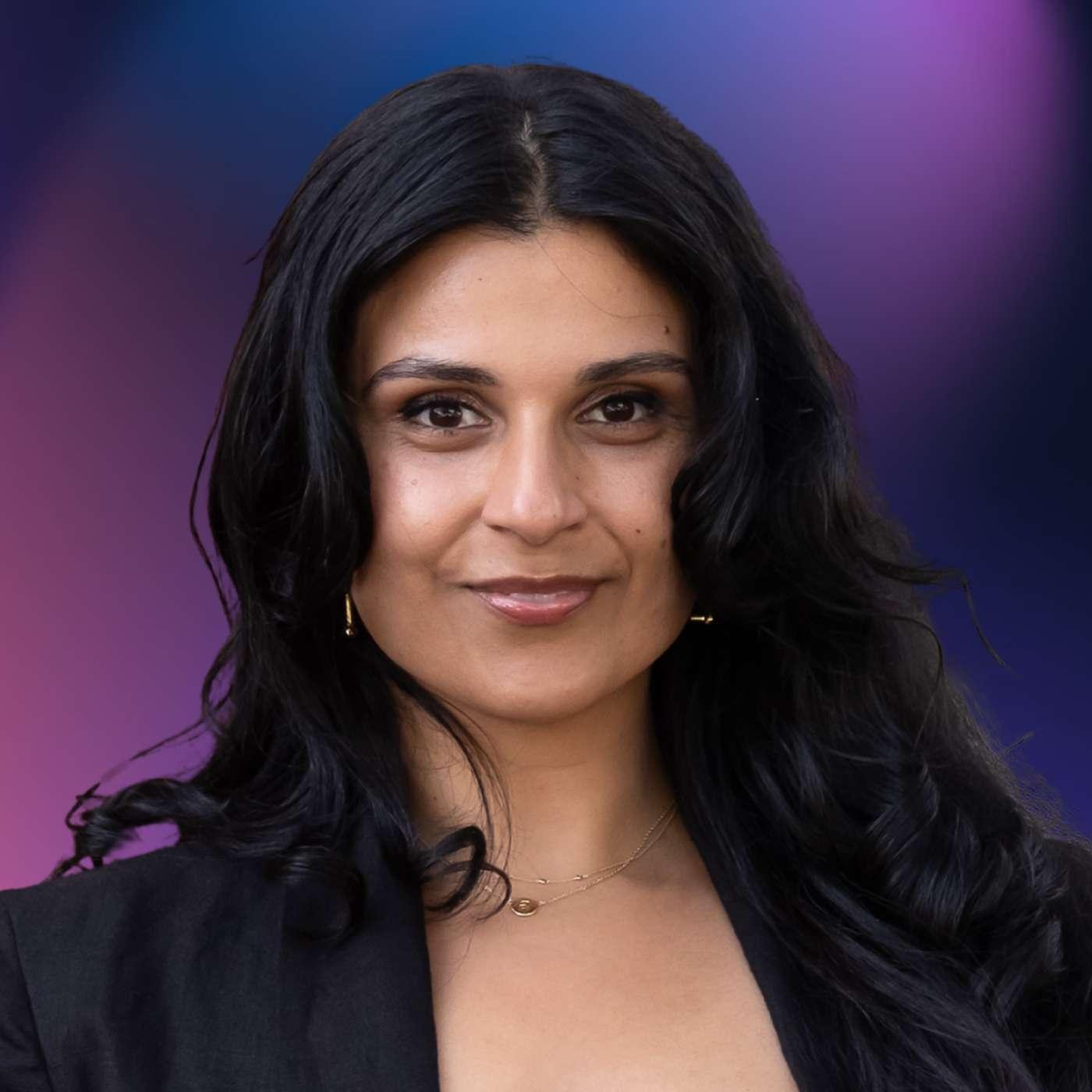
00:00:47.759So today we're talking to Dr Sumedha Verma about Australia's sleep health problem and what can be done about it.
00:00:48.000 -->
00:00:48.240Dr.
00:00:48.399 -->
00:01:07.519Verma is a clinical psychologist and sleep expert and the founder of Deep Sleep Health, a new sleep help service that brings together patient care, workforce training, and workplace solutions to reduce insomnia and improve sleep health across clinical, community and corporate settings.
00:01:07.519 -->
00:01:12.560It's a hybrid model of clinician-led support combined with digital programs.
00:01:12.560 -->
00:01:13.680Dr.
00:01:13.680 -->
00:01:26.959Verma has also taken part in MTP Connect's Australian Clinical Entrepreneur Program in Melbourne, and we're going to find out how that program has helped her tackle the challenge of helping people sleep well at scale.
00:01:26.959 -->
00:01:28.560Welcome to the podcast.
00:01:28.560 -->
00:01:30.560It's great to have you with us today.
00:01:30.560 -->
00:01:31.840Thank you for having me.
00:01:31.840 -->
00:01:33.760I'm so excited to be here.
00:01:33.760 -->
00:01:38.719As a sleep expert, where did your interest in sleep start?
00:01:38.719 -->
00:01:41.840Like, how did this sort of passion of yours come about?
00:01:42.239 -->
00:01:47.680A bit of a personal story, so I can't really talk about myself without talking about my family.
00:01:47.680 -->
00:02:02.319So I grew up with a mum who had chronic insomnia and really saw the impacts of that on her and how she lived her life, and also on me and my family as a as a result of that.
00:02:02.319 -->
00:02:11.039You know, mum would always be really tired, you know, waking up in the morning, coming back from work, just feeling like she was never rested enough.
00:02:11.039 -->
00:02:14.879And I think that that's something that a lot of women can identify with.
00:02:14.879 -->
00:02:25.680And I just got fascinated with sleep and and how it had such a profound impact on how we live our lives and the many things that impact it.
00:02:25.680 -->
00:02:30.240So in particular, I was really interested in that sort of perinatal period.
00:02:30.240 -->
00:02:40.719So when people go through pregnancy in postpartum, I just thought it was the most fascinating thing that you know, sleep just becomes this uh mind feel and utterly disrupted.
00:02:40.719 -->
00:02:51.120Um, and and at the time of doing my honours in psychology, I had a friend who had uh who had an unexpected pregnancy and really saw that from her as well.
00:02:51.120 -->
00:02:58.960So that sort of, you know, put a lot of fuel, I guess, in into me to explore it a little bit further.
00:02:58.960 -->
00:03:21.360And I ended up in 2016 uh working on a clinical trial at Royal Women's Hospital and at Monash to develop so programs for people during pregnancy, so sleep improvement programs for pregnancy, um, and absolutely loved it, found it yeah, super, super interesting that you know, why isn't this done uh before?
00:03:21.360 -->
00:03:35.680And then I went and did my PhD and leading a clinical trial of improving sleep in new parents with insomnia, um, and you know, learnt from people on the ground that you know their struggles and what were the things that got in the way.
00:03:35.680 -->
00:03:48.080Um, and and supporting them was just such an honour because there are really practical tools that we can do to, you know, that we that we can share that actually do make a big difference in in how we live our lives.
00:03:48.080 -->
00:04:01.439So yeah, I mean, uh, you know, sleep's always sort of been around, I guess, like the disruption has always kind of been around in my in the background, and as well as the the will to better and improve people's lives.
00:04:01.439 -->
00:04:14.000Um, and it's something that I've learned from you know my participants, my clients, my my colleagues, that you absolutely can make a difference to the quality of your life.
00:04:14.000 -->
00:04:17.839Um, but it's a real issue, you know.
00:04:18.240 -->
00:04:34.160It's good to hear that there is a light at the end of the tunnel, and I guess that's what we're going to be talking about today, which is I know for many people that suffer from sleep problems that will be really, you know, pleased to know that there is something that can be done to help them.
00:04:34.160 -->
00:04:37.439Do you think that Australia does have a sleep problem?
00:04:38.240 -->
00:04:39.199Yeah, absolutely.
00:04:39.199 -->
00:04:47.920I mean, when we look at the stats, and this is pretty shocking, but two in three Australians will have at least one problem with their sleep.
00:04:47.920 -->
00:04:50.959So that's, you know, the numbers speak.
00:04:50.959 -->
00:04:59.279So it's, you know, big risk factor for chronic disease, mental ill health, suicide, um, injury and accidents in the workplace.
00:04:59.279 -->
00:05:04.160I mean, it costs the economy over $75 billion each year.
00:05:04.160 -->
00:05:07.360Um, and and you know, we just don't talk about it enough.
00:05:07.360 -->
00:05:09.920We don't take sleep seriously enough.
00:05:09.920 -->
00:05:13.439Um, it's it's marginalized, it's left in the sidelines.
00:05:13.439 -->
00:05:31.839Um, we talk about mental health and physical health increasingly, but we really talk about sleep health, even though it is foundational, it's fundamental to our health, our our performance at work, uh, our you know economic uh position as a as a country.
00:05:31.839 -->
00:05:41.360So, yeah, I mean there's it's just not very much embedded into how we publicly perceive health and well-being across the system.
00:05:41.759 -->
00:05:46.319Why is sleep so vital for sort of human functioning and performance?
00:05:46.639 -->
00:05:50.800So, sleep health is really foundational to our physical health and our mental health.
00:05:50.800 -->
00:06:05.839So it's where when we sleep, that's when we do our deep restoration, it's where we do our deep healing and we, you know, put the day to bed, and we, you know, it's foundational for our metabolic health, you know, our immune health, uh our brain health.
00:06:05.839 -->
00:06:11.519So actually, when we sleep, we're doing um, you know, our bodies are healing itself.
00:06:11.519 -->
00:06:20.560It's also when we do a lot of our deep dreaming and our imagination, our problem solving, cognitive, uh, you know, cognitive functioning.
00:06:20.560 -->
00:06:24.240Um, so it's yeah, real, it's a it's a pillar.
00:06:24.240 -->
00:06:28.480And we can't think about we can't think about health without thinking about sleep health.
00:06:28.480 -->
00:06:43.600If we're not sleeping well, we're not feeling well, we're not functioning well, and that has immense consequences for us is on the individual level as well as on the community, society, health system, and yeah, corporate level.
00:06:44.240 -->
00:06:51.920So this, you know, what sort of led you to set up um a really interesting, a clinician-led sleep health service.
00:06:51.920 -->
00:06:53.920It's called Deep Sleep Health.
00:06:53.920 -->
00:07:00.399You know, why have you set up this platform and and who are you really hoping is going to benefit from this service?
00:07:01.279 -->
00:07:04.160So, in my time in public health, I've realized one thing.
00:07:04.160 -->
00:07:08.959And that one thing is that the problem isn't individual, it's actually systemic.
00:07:08.959 -->
00:07:12.319So the solution has really got to be systemic as well.
00:07:12.319 -->
00:07:17.439We can't think about just improving sleep on the micro level or on an individual level.
00:07:17.439 -->
00:07:23.680This actually needs to be a collective effort, and that's why I set up Deep Sleep Health to do just that.
00:07:23.680 -->
00:07:26.160So there are three different audiences.
00:07:26.160 -->
00:07:31.120The first um individuals, families, consumers, so patients.
00:07:31.120 -->
00:07:36.800Um, the second audiences clinicians and health services to improve the quality of care.
00:07:36.800 -->
00:07:40.079Um, and the third are workplaces.
00:07:40.079 -->
00:07:48.879So it's really about you know embedding healthy sleep support into the places where we actually live, where we work, where we receive care.
00:07:48.879 -->
00:07:52.560Um, and the workplace angle is pretty urgent.
00:07:52.560 -->
00:08:09.759Um, and I'm not sure whether you know whether whether you know, but workplaces now have a legal duty of care to assess and mitigate psychosocial hazards like fatigue, um, given new uh under new uh work health and safety legislation, and that's national.
00:08:10.319 -->
00:08:29.839So is this sort of workplaces where that they may be people doing night shift or they have to work longer hours than than normal like truck drivers, for instance, or people that work um remotely, um maybe that aren't supervised, or you know, does this does this apply to those sort of workplaces?
00:08:30.160 -->
00:08:40.240It applies to all workplaces in Australia now, and in particular those that where where sleep and fatigue are are increased risks.
00:08:40.240 -->
00:08:51.840So particularly within the mining, construction industry, within healthcare, you know, high burnout first responders, absolutely, it's an even more pressing priority.
00:08:51.840 -->
00:09:04.320Um, and you know, we know that poor sleep and fatigue actually sits behind uh risk, uh accidents, injuries, risks, um, and workers' compensation claims as well.
00:09:04.960 -->
00:09:09.840So you've designed this service around leading sleep science.
00:09:09.840 -->
00:09:15.279Can you expand a little bit about this sort of you know evidence-based approach and and why why it matters?
00:09:15.600 -->
00:09:23.440Well, I think we all know how much information there is about sleep on social media or you know, in the in the media generally.
00:09:23.440 -->
00:09:39.120Um, and I think I've got a bone to pick with some of that messaging because it's so negative and it comes out so much in clinically when when you know in sleep anxiety, when people come to me and they say, Is poor sleep going to kill me?
00:09:39.120 -->
00:09:43.440Or am I gonna get dementia because of you know, because of my sleep patterns?
00:09:43.440 -->
00:09:49.600Or there's this huge sort of um yeah, catastrophization, I think, in our culture um around sleep loss.
00:09:49.600 -->
00:09:56.000So the need for evidence-based, trustworthy, human-centered messaging is key.
00:09:56.000 -->
00:10:09.519Um, so the the programs themselves, so deep sleep health programs, are based off the leading treatment for insomnia called cognitive behavioural therapy for insomnia.
00:10:09.519 -->
00:10:12.879And that is the first line treatment of insomnia.
00:10:12.879 -->
00:10:21.519It's non-pharmacological and it's been recommended by clinical guidelines within Australia and and worldwide.
00:10:21.519 -->
00:10:36.000Super highly effective treatment um can be done digitally and is short term, but the problem is that it's only accessed by 1% of people with insomnia who need it.
00:10:36.000 -->
00:10:49.200So we have a huge gap between what actually works and then the awareness and the access of those of those programs, particularly when we're talking about uh prevention, right?
00:10:49.200 -->
00:10:55.600There's a lot that we can be doing here to prevent sleep problems and fatigue in the first place, not just treat it.
00:10:55.600 -->
00:11:15.919So CBTI or cognitive behavioral therapy for insomnia is uh, you know, it works by providing people education, practical strategies, how to rebuild a healthy relationship with sleep to reduce stress, to reduce anxiety, um, you know, to improve mental health.
00:11:15.919 -->
00:11:32.080Like this is it's been really well researched to achieve these different outcomes, you know, reducing risk, improving productivity, like this is this is this is these are the results of what we see from CBTR, but it's just not accessed, it's not embedded within care.
00:11:32.080 -->
00:11:39.120We we, you know, you may not have heard about it, the people who are listening to this may not have heard about it, which is part of the problem.
00:11:39.519 -->
00:11:54.240And I think also there is, you know, for people who think they may have to see a psychologist for this type of um CBT, you know, there's a lot of barriers to entry for that in terms of you know regular appointments, costs, um, that type of thing.
00:11:54.240 -->
00:12:01.840You've set up a digital sleep support program called Better Sleep Program as part of your health uh sleep service.
00:12:01.840 -->
00:12:02.720How does that work?
00:12:02.720 -->
00:12:05.759And how do you think that's going to sort of make a difference for people?
00:12:06.000 -->
00:12:09.679Oh, this one I'm really, really proud of, to be honest.
00:12:09.679 -->
00:12:18.799Um, so so the Better Sleep Program, it's a five-module self-paced sleep support program based on cognitive behavioral therapy for insomnia.
00:12:18.799 -->
00:12:20.000So CBTI.
00:12:20.000 -->
00:12:31.600So evidence-based, structured, human-centered support to improve sleep and performance from both a prevention and a treatment standpoint.
00:12:31.600 -->
00:12:47.279So this um, so this program is a sort of is a combination, culmination of the the different programs that I've made, um, that I've created um in my research, in my postdoctoral research as well as my PhD.
00:12:47.279 -->
00:13:09.200Um, um, but this particular program has been shaped uh designed with patients, with sleep physicians, with health professionals, um, and it covers sleep education, the practical strategies which I'd spoken about, which are core to rebuilding that healthy relationship with sleep, um relaxation techniques.
00:13:09.200 -->
00:13:15.039So it's accessible, affordable, and clinically grounded without a referral.
00:13:15.039 -->
00:13:22.320So it sort of circumvents some of the barriers that you just alluded to in access to evidence-based sleep support.
00:13:22.720 -->
00:13:40.080This will be such a you know a positive thing for people because I think when you do have sleep problems and they just become chronic, you just get into a sort of a downward spiral of the more you think about it, the more you know stressed you get, and the you know, just you just can't seem to fix it yourself.
00:13:40.080 -->
00:13:43.279It's a very difficult thing to um to conquer.
00:13:43.759 -->
00:14:04.639Yeah, and I I think that one of the the key things that I'd like to add is the empowerment lens that actually a lot of the time when we struggle with sleep, we can feel disempowered by our own bodies, you know, by our workplaces, by the health system, and it just leads to continued distress.
00:14:04.639 -->
00:14:20.399So actually, when we give people the tools and the education that they need to take sleep and their well-being into their own hands, we actually see that it improves the sleep, it improves their confidence and improves their quality of life more generally.
00:14:20.720 -->
00:14:38.639And have you sort of found that through your research that um, you know, technology in things like the smartphone and you know how we're constantly sort of attached to something that is it's like having a TV right next to your bed or a radio, you know, um stereo.
00:14:38.639 -->
00:14:49.759Do you think that that's making sleep more difficult that people are just struggling to switch off from technology or that technology is driving this sort of you know busy brain activity?
00:14:49.759 -->
00:14:52.159Yeah, I absolutely love this question.
00:14:52.320 -->
00:14:56.320I can speak for days and nights about it.
00:14:56.320 -->
00:15:01.679Um, I think it's really complicated, you know, like our relationship with technology is pretty nuanced.
00:15:01.679 -->
00:15:11.759There are some folks that uh find it relaxing to be on their phone and you know to be scrolling or watching videos before bed, and for them, it's totally fine.
00:15:11.759 -->
00:15:17.759Um, so you know, having a kind of blanket rule of don't look at your phone might not not actually apply to them.
00:15:17.759 -->
00:15:34.559But then there's probably in you know, in my practice, I see a lot of people that do struggle with technology use and destruction and anxiety, and you know, using phones, devices as a way to sort of modulate or regulate their mood and then finding that it backfires.
00:15:34.559 -->
00:15:45.440Um, but then also, you know, I work with with with teams, I work with people that are high performing and high burnout, so it's sort of all in the mix.
00:15:45.440 -->
00:15:49.600Um, I always say to people, look, you need to do what's right for you at the end of the day.
00:15:49.600 -->
00:15:53.600If you find it helpful to be on your phone before bed, by all means.
00:15:53.600 -->
00:16:05.279But if you are finding that it's hard to get to bed, even when you've put the phone down or the computer down, you've you turn off the laptop, then we need to have a conversation about um healthy, healthy screen use.
00:16:05.679 -->
00:16:07.440A little quirky question for you.
00:16:07.440 -->
00:16:13.200You hear so many tips and ideas, sort of crazy sleeping fads, you know.
00:16:13.200 -->
00:16:19.840What's the strangest sort of suggestion or you know, cure for insomnia that you've seen out there?
00:16:19.840 -->
00:16:20.960Bit wacky.
00:16:20.960 -->
00:16:21.759A bit wacky.
00:16:22.320 -->
00:16:24.720Um, yeah, so I I get all kinds of stuff.
00:16:24.720 -->
00:16:29.600So mouth taping is a more kind of recent thing, I guess.
00:16:29.600 -->
00:16:31.919Uh, you know, people are taping up their mouths.
00:16:31.919 -->
00:16:35.279Uh yeah, my colleagues are pretty mixed around this.
00:16:35.279 -->
00:16:38.000Um, I'm also a little uh mixed.
00:16:38.000 -->
00:16:47.360Um I think that there are people that mouth tape that that don't need to be mouth taping, and I think you know, restricting the oxygen supply to your brain is probably not a good thing.
00:16:47.360 -->
00:17:18.960Um, but then maybe I I have a lot of I have a lot of um patients, clients who talk about sleep scores that my my you know watch told me my sleep score was X percentage and sort of quantifying sleep, I think that's probably one of the biggest things that we see clinically, and and that's something that we try to correct, you know, when when we do our workshops and and um and training that actually uh you sleep's not something to quantify, it's it's actually much more holistic and it's qualitative.
00:17:18.960 -->
00:17:31.599Um you can't sort of have a metric or a score to sum up how well you slept because sleep is super dynamic and you know, yeah, but the quantification I think is probably one of the the thorns in my side.
00:17:31.839 -->
00:17:34.640So something to sort of yeah, stay away from if you can.
00:17:34.640 -->
00:17:36.319Thank you for that advice.
00:17:36.319 -->
00:17:41.039You also run workshops and programs for like workplaces and and teams.
00:17:41.039 -->
00:17:46.799Um how do you think this um can really make a difference in the workplace setting?
00:17:47.200 -->
00:17:56.880So poor sleep is a key driver of absenteeism and presenteeism, which which is low productivity in in the workplace.
00:17:56.880 -->
00:18:01.519Um and it also drives you know injuries, accidents, as I spoke about before.
00:18:01.519 -->
00:18:07.519You know, 26% of workplace accidents are directly attributable to inadequate sleep, right?
00:18:07.519 -->
00:18:09.359And we could be preventing that, right?
00:18:09.359 -->
00:18:14.480There are we should not be having these, like these stats should not exist, to be honest.
00:18:14.480 -->
00:18:20.240Um, we know that we can improve sleep, or we've got the tools to prevent poor sleep in the first place.
00:18:20.240 -->
00:18:22.400So, so there are two things.
00:18:22.400 -->
00:18:31.599Um you know, improving sleep improves performance, improves productivity, um, improves well-being at work.
00:18:31.599 -->
00:18:50.400But then on the other hand, improved sleep reduces um absenteeism, it reduces mental the likelihood of work cover claims or or um workers' compensation claims, mental health burnout, um, and it's a priority now under the recent legislation.
00:18:50.400 -->
00:18:55.119Then actually, workplaces, this is not just a nice to have well-being, is it just an add-on?
00:18:55.119 -->
00:18:59.680But it's actually something that needs to be embedded and it's legislated.
00:18:59.680 -->
00:19:08.400Now workplaces have a duty of responsibility that's legally obligated to reduce fatigue within the workplace.
00:19:08.880 -->
00:19:26.240Well, you're at this point in your journey as a as a um a clinician, um, where you have joined the Australian Clinical Entrepreneurs Program and you joined Cohort 4 in the Melbourne group.
00:19:26.240 -->
00:19:34.319Tell us what made you apply for this program and what has it meant for you and and your enterprise?
00:19:34.640 -->
00:19:45.440So, going from a technical or a clinical background into an entrepreneurial one where a solution like this may not exist within our realms.
00:19:45.440 -->
00:20:00.880I knew that I needed to have skills and expertise in actually translating research into practice and that I couldn't do it alone, and that there was a lot there to learn, to discover about clinical enterprise and innovation.
00:20:00.880 -->
00:20:04.559Um, that's why I applied for OSEP and I was lucky enough to get in.
00:20:04.559 -->
00:20:11.519Um, the programme itself has been just fundamental in my growth, in my thinking.
00:20:11.519 -->
00:20:26.240It's allowed me um, you know, to grow confidence and clarity and and to feel proud uh about the the initiative and and really buffer against some of the challenges of walking into the unknown, I suppose.
00:20:26.240 -->
00:20:55.200Um, but yeah, I've received incredible mentorship um from various um yeah, from various clinicians and and um commercial mentors, which has allowed me to kind of think bigger and not just on that clinical, not just on one end, but actually from a commercial end, from court, you know, corporate health system, um, and improving the quality of of care systemically.
00:20:55.200 -->
00:21:06.480So it's been, yeah, it's been foundational just in nurturing my vision, nurturing me as a person, and allowing me a really structured space to to grow, to learn, to evolve.
00:21:06.480 -->
00:21:11.200Are there any highlights that you know sort of stand out for you or any breakthroughs?
00:21:11.200 -->
00:21:22.079In terms of breakthroughs, so when I started the program, um I gone in uh wanting to commercialise my PhD research, so improving sleep in your parents.
00:21:22.079 -->
00:21:41.599And actually, when I started the program and I discovered the scope and the breadth of what this initiative could be and how much impact it could have across clinical community and corporate settings, um, I think that was a big turning point that actually go there and step in to you know take that risk.
00:21:41.599 -->
00:21:53.359Um, Matt Hallam, who's the CEO of of um ASME, the Australian Society of Medical Entrepreneurship and Um Innovation, he uh I remember he's we had a phone call.
00:21:53.359 -->
00:21:59.359Um, and this was a couple of months ago, where he said to me, Look, entrepreneurship is all about taking risks, so take them.
00:21:59.359 -->
00:22:02.799That's all I needed to hear, you know.
00:22:03.599 -->
00:22:04.880Some encouragement, right?
00:22:04.880 -->
00:22:05.920To to go for it.
00:22:06.319 -->
00:22:06.720100%.
00:22:06.720 -->
00:22:40.559And I think, you know, being a being a woman of colour who's founding a health tech company and being a um, you know, historically marginalized, I suppose, and underrepresented within clinical entrepreneurship and entrepreneurship in in particular, I think that that those messages of take the risks, go there, go for it, as well as you're the right person at the right time doing the right thing, which is what another mentor through the program said to me, um, that yeah, really made me sort of embody and to enact.
00:22:40.559 -->
00:22:47.119And I feel like that passion and that drive is yeah, is is foundational to the success of the of the company.
00:22:47.440 -->
00:23:18.079It's a common thing that um participants in the Australian Clinical Entrepreneur Program talk about, and it is that often you feel quite sort of isolated with your idea and your innovation that you want to bring to the world and you want to, you know, translate it from the clinic and perhaps and scale it up or um and so there is this sort of camaraderie, I guess, amongst participants who sort of become a bit of a a cheer squad for each other.
00:23:18.240 -->
00:23:20.559Have you found that in your cohort?
00:23:20.559 -->
00:23:22.720Definitely, definitely, yeah.
00:23:22.720 -->
00:23:40.079I mean, there are there are people that I've met who I consider very good friends now, too, and you know, we're always sort of um backing each other, not just as not just from the professional sense, but the personal sense and really getting under the skin um of of of one another, right?
00:23:40.079 -->
00:23:57.920Like there's something I think with my psychologist hat on, there's something about entrepreneurship that is quite magical and mystical that you know we we have dreams of of changing something in the world to improve um how we live our lives, and that comes from a place of purpose and passion.
00:23:57.920 -->
00:24:06.400And so there's a huge camaraderie um within the group of you know, we see that within one another and we want more of that, you know.
00:24:06.400 -->
00:24:15.839There's not been any competition or um, you know, fear around that, but actually embracing that and stepping into the unknown with gusto and bravado.
00:24:15.839 -->
00:24:17.839So yeah, it's been great.
00:24:17.839 -->
00:24:20.160It's sort of finding new people, right?
00:24:21.039 -->
00:24:23.039Totally, totally, yeah.
00:24:23.039 -->
00:24:24.799And and building on that.
00:24:24.799 -->
00:24:28.880The Australian Clinical Entrepreneur Program sort of coming to an end now.
00:24:28.880 -->
00:24:34.160Um, you've got a showcase uh finale event happening.
00:24:34.160 -->
00:24:36.319Tell us a little bit about that.
00:24:36.720 -->
00:24:47.920Yeah, so um, yeah, so we'll be uh pitching um to stakeholders, investors, clinician, other clinical entrepreneurs.
00:24:47.920 -->
00:25:01.359Um so yeah, really excited to to share our innovations and our journey and you know our our our business model and exactly the steps that we've taken thus far in um in our ventures.
00:25:01.680 -->
00:25:09.759What would be your advice to a clinician or a healthcare professional looking to go down that entrepreneur's path?
00:25:10.720 -->
00:25:15.839You need to live and breathe your mission, I think.
00:25:15.839 -->
00:25:19.759And that you know, that that requires a lot of courage.
00:25:19.759 -->
00:25:26.480It requires a lot of resourcing, um, emotional resourcing, financial resourcing, you know, social resourcing.
00:25:26.480 -->
00:25:36.319You need to be prepared in in doing what you love and taking risks and being unsure and being uncertain and going against the grain.
00:25:36.319 -->
00:25:38.960And that requires you to really fall in love.
00:25:38.960 -->
00:25:44.640They say fall in love with the problem, but I think it's fall in love with your passion, you know, embody, embody what it is.
00:25:44.640 -->
00:26:08.400And I think clinicians are perfectly positioned to be uh entrepreneurs and innovators because we see on the front line the issues that our community faces and we feel those as well because we're embedded within our multiple systems, that it gives us that sort of lived experience working with and experiencing the gaps, the shortcomings, the opportunities as well.
00:26:08.400 -->
00:26:22.640And so I think leaning into that and um falling in love, you know, falling in love with why you do what you do, and we do it because we care and we want more people to benefit from the beauty of good healthcare.
00:26:22.640 -->
00:26:30.480So I would say make sure that you're ready for the ride and be absolutely and fully and completely in love with your passion.
00:26:30.720 -->
00:26:39.359Uh just as we come to the end of our chat, message for listeners who might want to, you know, improve their sleep health.
00:26:39.359 -->
00:26:43.440Um, you know, how can they find out more about deep sleep health, for instance?
00:26:43.680 -->
00:26:47.920Yeah, well, they can check out our website, uh, deepsleephealth.com.au.
00:26:47.920 -->
00:27:04.319We have a free, a bunch of free resources, screening tools, sleep assessments, um, and information sheets about different sleep disorders so that if you're struggling with sleep, you can find out more about you know why that might be, what it might be, and what can help.
00:27:04.319 -->
00:27:20.480Um and you can also access care directly from the website so you can um have a look at our Better Sleep program and get yourself enrolled, or book in foot to see a clinician um and and receive the sleep program through that way.
00:27:20.480 -->
00:27:33.599Um if you are a workplace and you want to improve the sleep and fatigue of your the sleep, yeah, sleep health and fatigue of your team, or if you're a clinician as well, the best thing to do is just jump online.
00:27:34.240 -->
00:27:42.000And the online program, Better Sleep, you can do that as part of a mental health program through your general practitioner, is that right?
00:27:42.319 -->
00:27:48.160So you can access uh telehealth sleep psychology sessions through a mental health care plan.
00:27:48.160 -->
00:27:57.119So people get back 145, 25 back at least from Medicare if they access um a yeah, a sleep psychology consult.
00:27:57.680 -->
00:27:58.400Fantastic.
00:27:58.400 -->
00:28:11.359Well, it's good to know that there is that support out there, but and obviously uh deep sleep health is a very much um holistic sort of support service, so there's something there for everybody, which is really great to hear.
00:28:11.359 -->
00:28:16.319What is next for Deep Sleep Health in 2026 and beyond?
00:28:17.119 -->
00:28:18.319Well, super excited.
00:28:18.319 -->
00:28:26.160So we're just about to start rolling out our corporate partnerships and programs for high-risk industries.
00:28:26.160 -->
00:28:50.000Um so we're in conversation with health services to improve sleep, reduce risk and burnout, um, uh, and and beginning conversations with um other stakeholders as well of how we can partner together, such as sleep clinics and in public health, um, as a referral pathway to offering the better sleep program and and clinical support for consumers in the public.
00:28:50.000 -->
00:29:08.799So, you know, the vision, the vision is really, and this will never change, it's really about good sleep for all, accessible and achievable and embedded within systems so that it's not just about those lucky enough to access it, but it should be yeah, should be equitable and accessible to all.
00:29:09.200 -->
00:29:38.880Well, we're wishing you all the best, Sumather, with this initiative, and I guess you know the good news is that there is support out there for people who are struggling with sleep problems, and I think it's it's a wonderful service that you've developed and set up, and and it's also great to hear about your journey through the Australian Clinical Entrepreneurs Programme, um, which is delivered by MTP Connect and the Australian Society for Medical Entrepreneurship and Innovation.
00:29:38.880 -->
00:29:40.079All the best.
00:29:40.079 -->
00:29:41.359Thanks for having me.
00:29:41.359 -->
00:29:45.839You've been welcomed the MTP Connect Podcast.
00:29:45.839 -->
00:29:50.960This podcast is produced on the lands of the Wurundjeri people here in NAM, Melbourne.
00:29:50.960 -->
00:29:52.799Thanks for listening to the show.
00:29:52.799 -->
00:29:56.559If you love what you heard, share our podcast and follow us for more.
00:29:56.559 -->
00:29:57.759Until next time.