


ABOUT THIS EPISODE

Caroline Shaw is one of the most fascinating, innovative, and brilliant composers of our time. Since winning the Pulitzer Prize in 2013, she rocketed onto the scene and has stayed there ever since, writing music that has captivated audiences around the world. In this conversation, which dates back to 2020(so there is a bit of pandemic talk at the beginning), we talked about her musical upbringing, the shock and surprise of her Pulitzer win, her compositional process, and much much more. This was a really fun and edifying conversation and I hope you enjoy it as much as I did!
English
United States
IN THIS EPISODE
TRANSCRIPT 🔗
Are you the producer of this podcast?
Add a podcast transcript
Need Audio-to-Text?
Transcribe with Listen411 in Just 60 Seconds
SEARCH PAST EPISODES
Search past episodes of Sticky Notes: The Classical Music Podcast.
OTHER EPISODES IN THIS PODCAST
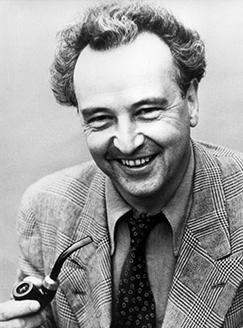
In the aftermath of World War II, the Swiss composer Arthur Honegger, who had been living in occupied Paris throughout the war, wrote a new symphony entitled "Liturgical." He wrote an extended commentary on the piece, which included these lines: "My intention in this work was to symbolize the reac…
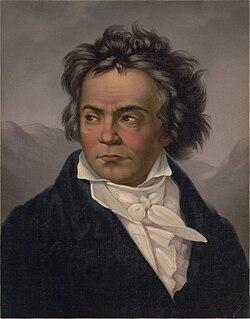
Bienvenue dans cette édition spéciale du podcast Sticky Notes en français ! Aujourd'hui, nous parlons de la symphonie la plus célèbre du monde, et de la symphonie que nous allons interpréter à Lille les 21, 22 et 23 mai, la 5e symphonie de Beethoven. Et veuillez me pardonner pour toutes les erreurs…
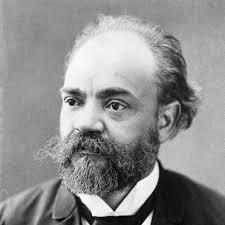
In 1872, at the age of 31, Dvořák wrote a Piano Quintet designated as Opus 5. Dvořák was not a prodigy like some other famous composers; instead, his development as a composer was slow and steady. Later in his life, he would look back at some of these early pieces with a mix of nostalgia and embarr…
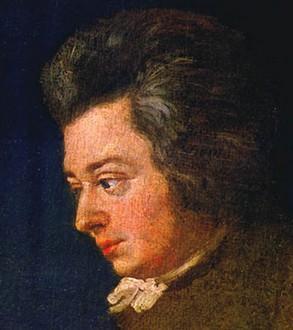
You might be wondering: why on earth would I choose a piece that is literally called "Dissonance" when I was looking for something a bit simpler or cleaner to talk about on the show today? Actually, Mozart's Dissonance quartet, probably his most famous and beloved quartet, was not called "Dissonan…
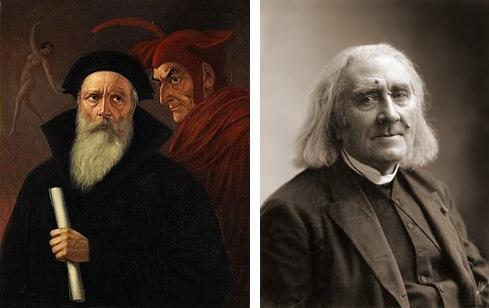
Thank you to Jerry for sponsoring today's episode on Patreon!
Goethe's Faust is considered to be the greatest work of German literature. This sprawling, 2-part play occupied Goethe's life for nearly 60 years, from its original version, begun in 1772, all the way to Goethe's final revisions before …
Disclaimer: The podcast and artwork embedded on this page are from Joshua Weilerstein, which is the property of its owner and not affiliated with or endorsed by Listen Notes, Inc.
EDIT
Thank you for helping to keep the podcast database up to date.
