

ABOUT THIS EPISODE
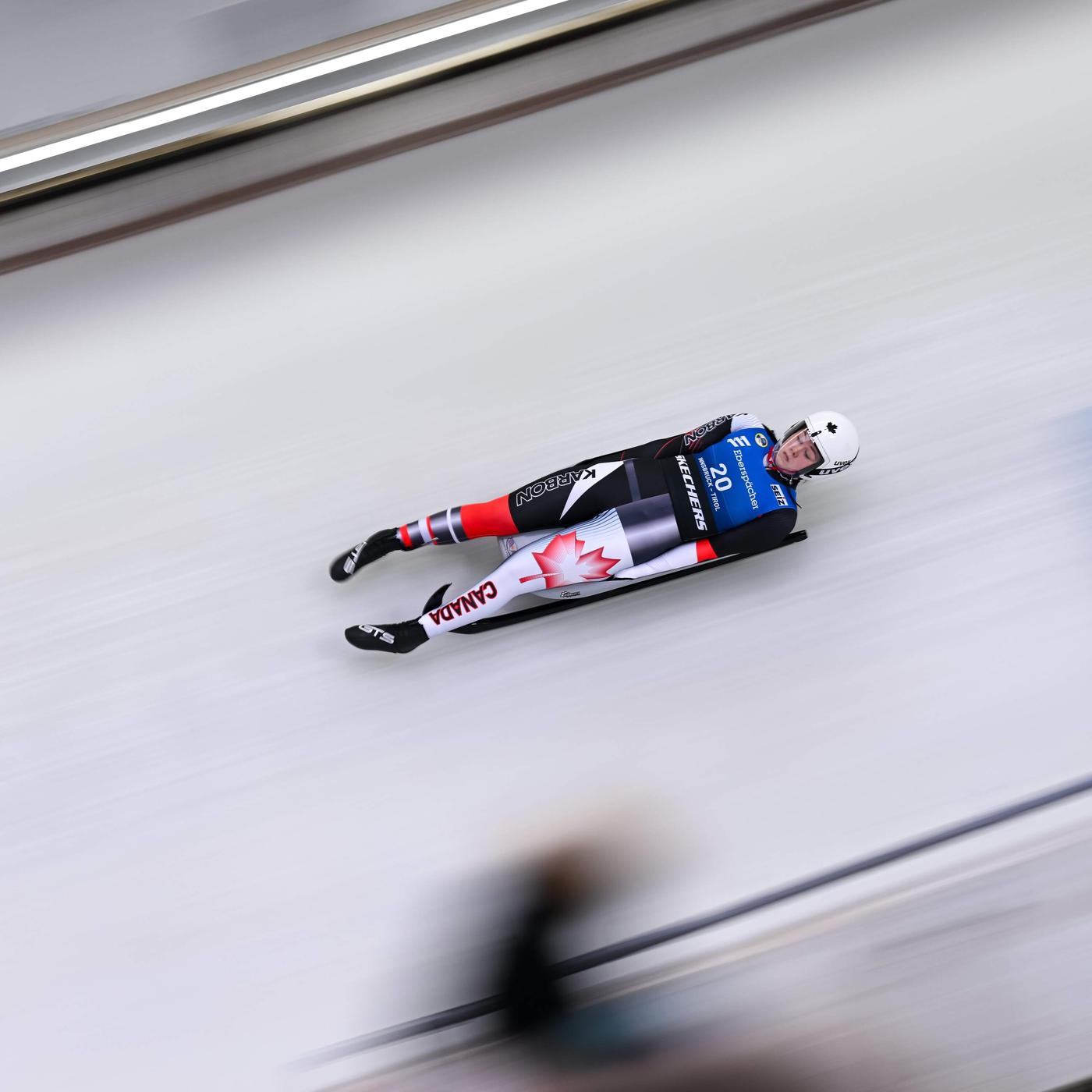
Olympic sliding sports – bobsled, luge and skeleton – are known for their speed. Athletes chase medals down a track of ice at up to 80 or 90 mph. With this thrill comes the risk of “sled head.” Athletes use the term to explain the dizziness, nausea, exhaustion and even blackouts that can follow a brain-rattling run. Untreated, this can turn into concussions and subconcussions. But there’s still a lot more to learn about this condition. So today, host Emily Kwong speaks with two experts about the medical research into sled head – and how the sport would need to change to protect athletes’ brain health.
Check out more of NPR’s Olympics coverage.
Interested in more Olympic science? Email us your question at shortwave@npr.org.
Listen to every episode of Short Wave sponsor-free and support our work at NPR by signing up for Short Wave+ at plus.npr.org/shortwave.
See pcm.adswizz.com for information about our collection and use of personal data for sponsorship and to manage your podcast sponsorship preferences.
NPR Privacy Policy
English
United States
IN THIS EPISODE
TRANSCRIPT 🔗
Are you the producer of this podcast?
Add a podcast transcript
Need Audio-to-Text?
Transcribe with Listen411 in Just 60 Seconds
OTHER EPISODES IN THIS PODCAST

Check out NPR’s newest podcast, Machine Gods. It’s the official podcast of the singularity, meaning — the hypothetical future when machines will outpace our own intelligence…and our control. Whether you think that future is coming or not, hosts Kevin Roose and Casey Newton are here to help you unde…

Does swinging a lightsaber help us learn? New research from Florida Atlantic University and Brown University found that movement dramatically helps with certain kinds of complex learning. The research was published in the journal Science Advances. Interested in more science involving video games? E…

Math has created some of humanity's oldest intellectual challenges. And AI is completely changing the game. This year AI solved one of math’s most difficult problems. Since then, OpenAI published hundreds of new math results. So is this the end for the people who’ve dedicated their careers to pushi…

If you’ve ever seen a crime show, you probably know how the plot unfolds: A victim is found, an investigation ensues and police conduct a high-stakes search for the culprit. Detectives and crime lab techs collect hair, examine bullet casings and photograph bloodstains. But just how reliable are the…

Famously, polls got the 2016 election wrong. And they’d been off for multiple elections since. So, Monday night, political scientist Jack Rametta nervously refreshed his Senate forecasting model for the final time. Would it be right this time? Or would it yet again cast doubt on whether modeling, s…
Disclaimer: The podcast and artwork embedded on this page are from NPR, which is the property of its owner and not affiliated with or endorsed by Listen Notes, Inc.
EDIT
Thank you for helping to keep the podcast database up to date.
