

ABOUT THIS EPISODE
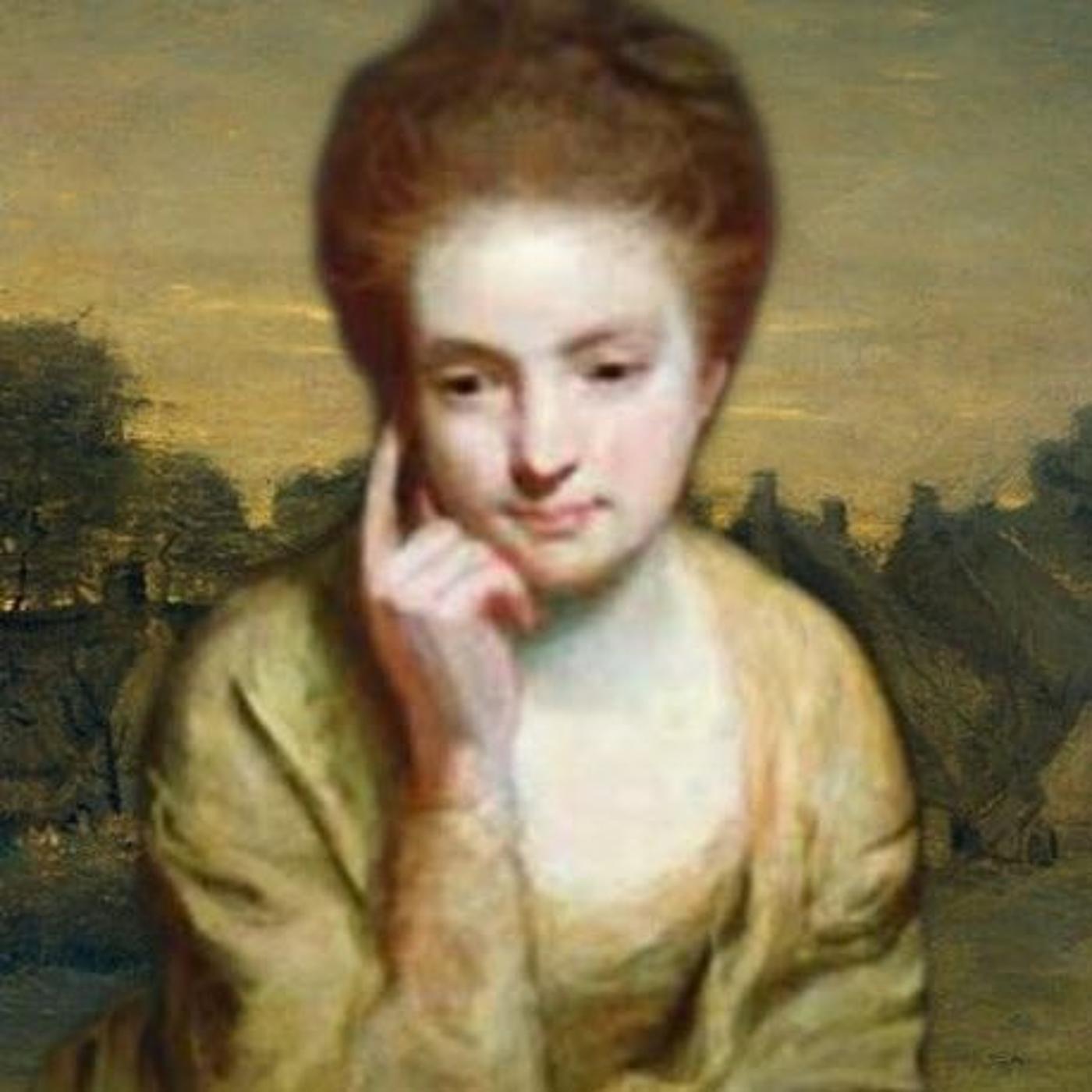
More at https://www.philosophytalk.org/shows/mary-astell.
Mary Astell (1666–1731) was an English philosopher and writer who advocated for equal rights for women. While she described marriage as a type of “slavery,” she was also a staunch conservative who claimed that women who did marry should accept subordination to their husbands. So what was Astell's vision for the education of women? How did she reconcile her seemingly conflicting views on marriage? And why did philosopher John Locke criticize her views on natural law? Josh and Ray explore her life and thought with Allauren Forbes from McMaster University, author of the Oxford Bibliography on Mary Astell.
Part of the "Wise Women" series, supported by a grant from the National Endowment for the Humanities.
Mary Astell (1666–1731) was an English philosopher and writer who advocated for equal rights for women. While she described marriage as a type of “slavery,” she was also a staunch conservative who claimed that women who did marry should accept subordination to their husbands. So what was Astell's vision for the education of women? How did she reconcile her seemingly conflicting views on marriage? And why did philosopher John Locke criticize her views on natural law? Josh and Ray explore her life and thought with Allauren Forbes from McMaster University, author of the Oxford Bibliography on Mary Astell.
Part of the "Wise Women" series, supported by a grant from the National Endowment for the Humanities.
English
United States
TRANSCRIPT 🔗
Are you the producer of this podcast?
Add a podcast transcript
Need Audio-to-Text?
Transcribe with Listen411 in Just 60 Seconds
OTHER EPISODES IN THIS PODCAST
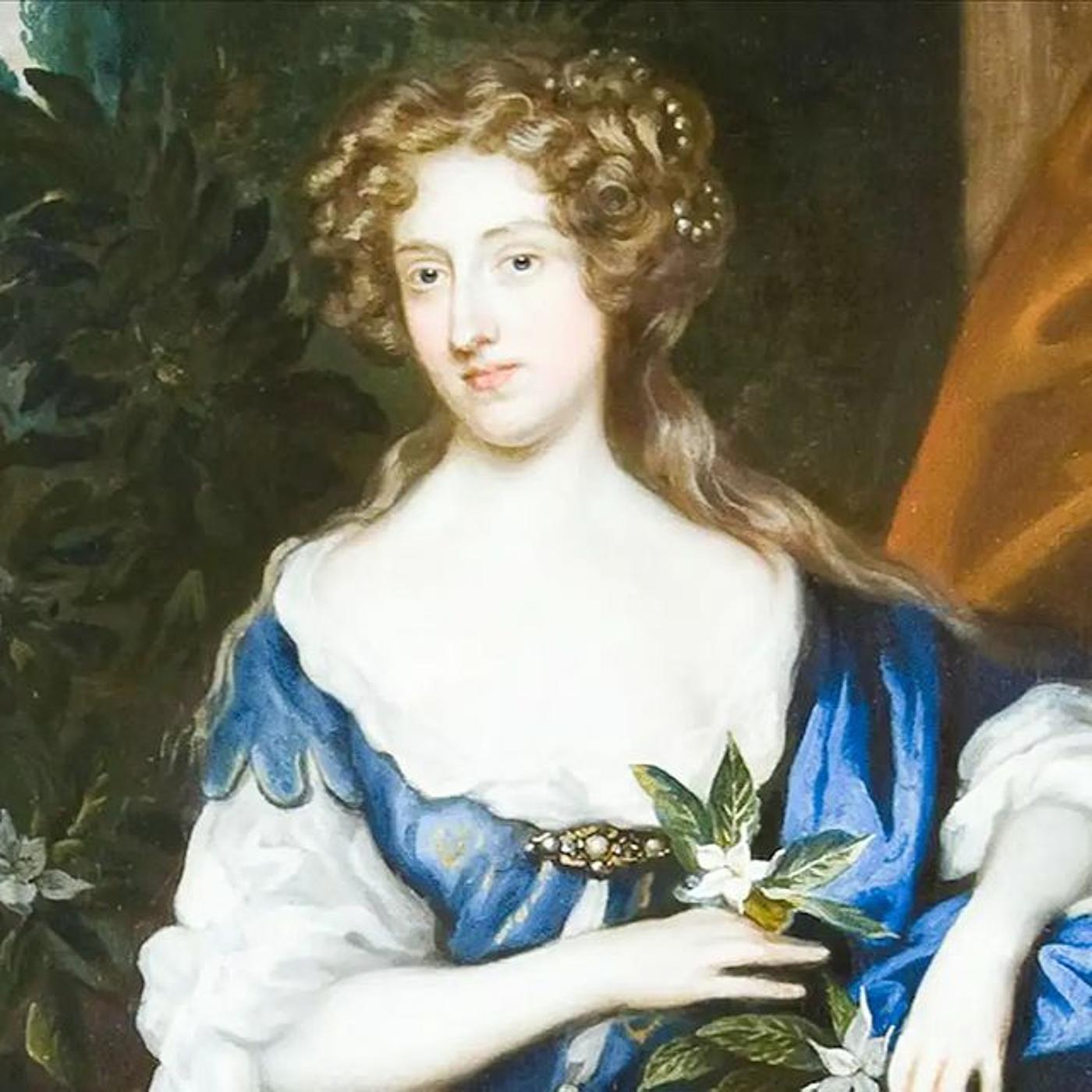
More at https://www.philosophytalk.org/shows/margaret-cavendish.
Margaret Cavendish was a writer of poetry, philosophy, polemics, histories, plays, and utopian fiction. She employed many different genres as a way to overcome access barriers for women and build an audience for her subversive philos…
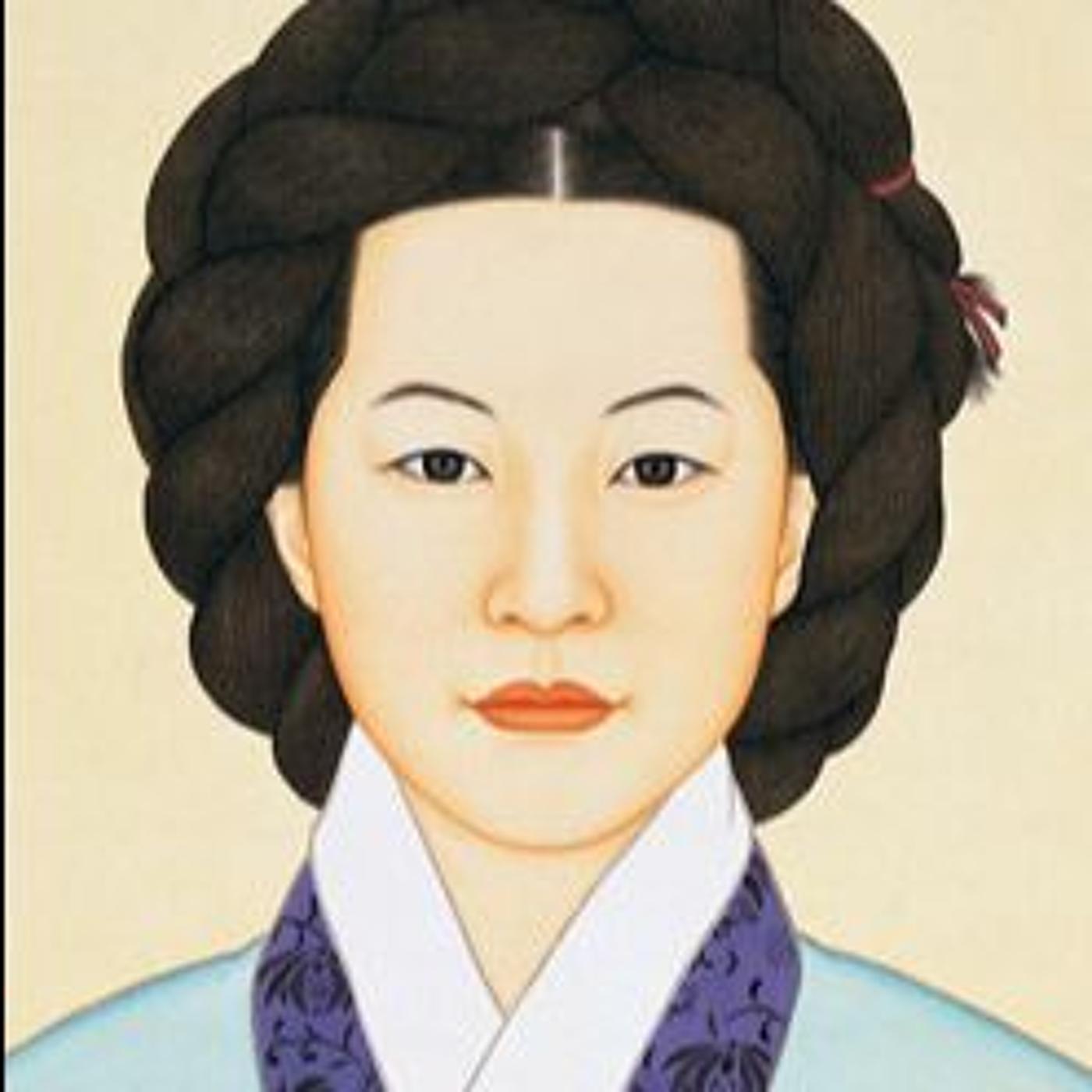
More at https://www.philosophytalk.org/shows/im-yunjidang.
18th-century Korean philosopher Im Yunjidang was the first Confucian to argue for women’s equality in matters of morality and to claim that women, just like men, can be sages. She also argued that it isn't just what you do that matters mor…

More at www.philosophytalk.org/shows/mind-sharing.
Mind reading might sound like the stuff of science fiction. But in philosophy and psychology, mind reading is something that human beings do whenever we try to guess what another person is thinking. Could it be that people are also natural born mi…
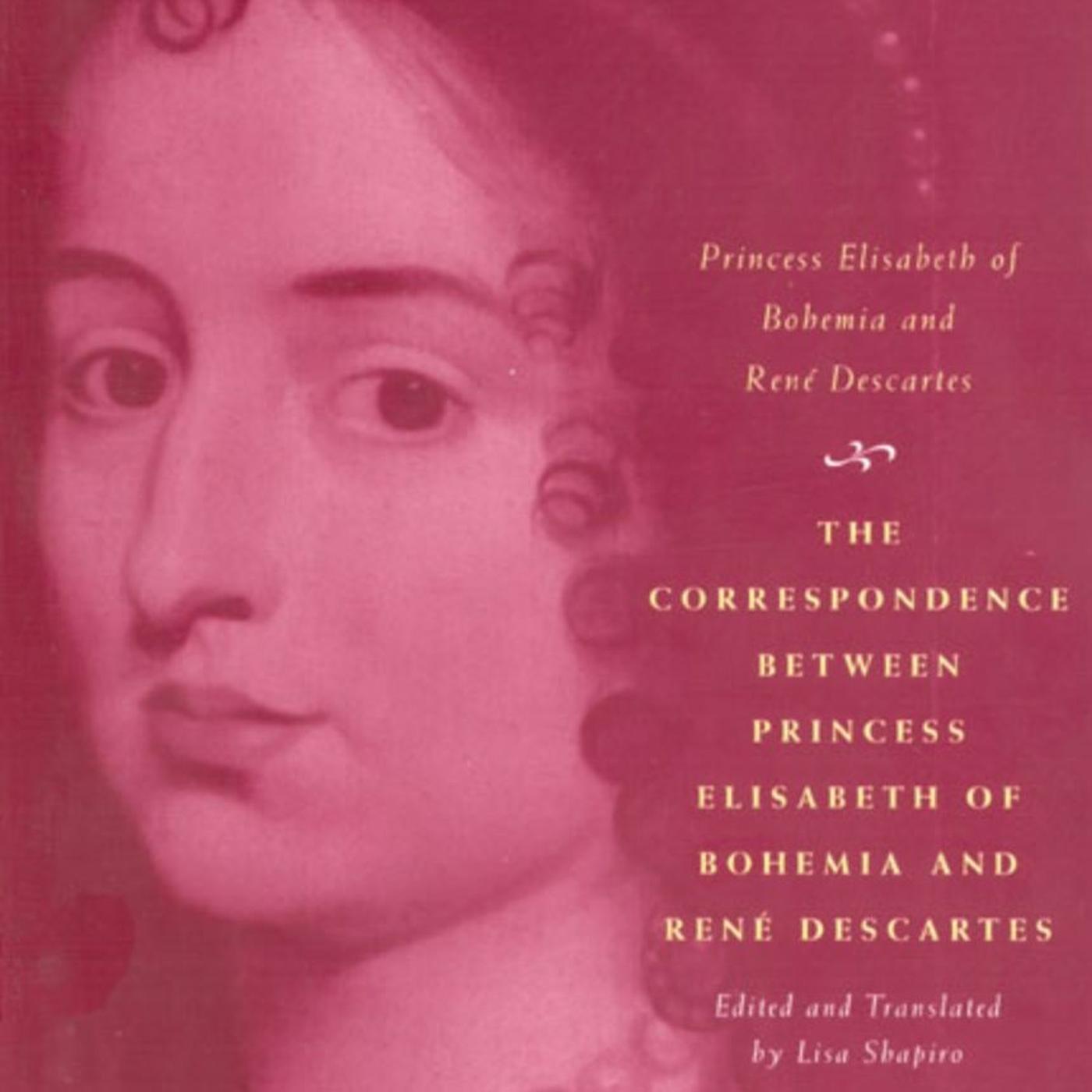
More at www.philosophytalk.org/shows/elisabeth-bohemia.
Princess Elisabeth of Bohemia (1618–1680) is best known for her correspondence with René Descartes. In her letters, she articulated a devastating critique of his dualist theory of mind, in particular on the impossibility of mind-body interact…
Disclaimer: The podcast and artwork embedded on this page are from Philosophy Talk, which is the property of its owner and not affiliated with or endorsed by Listen Notes, Inc.
EDIT
Thank you for helping to keep the podcast database up to date.
