

ABOUT THIS EPISODE

“Leave No Trace” is not a new concept for most outdoor enthusiasts but the LNT recommendations for engaging with the outdoors are always updating as new learnings evolve. We talk with Ben Lawhon, the head of LNT’s research team about the science behind the curriculum of LNT. For this episode, we’ve partnered with the Leave No Trace Center for Outdoor Ethics in advance of the upcoming Arches Leave No Trace Hotspot Sep 24-27th. An event that is working to help address the mountain recreation problems in Arches National Park.
English
United States
TRANSCRIPT 🔗
Are you the producer of this podcast?
Add a podcast transcript
Need Audio-to-Text?
Transcribe with Listen411 in Just 60 Seconds
OTHER EPISODES IN THIS PODCAST
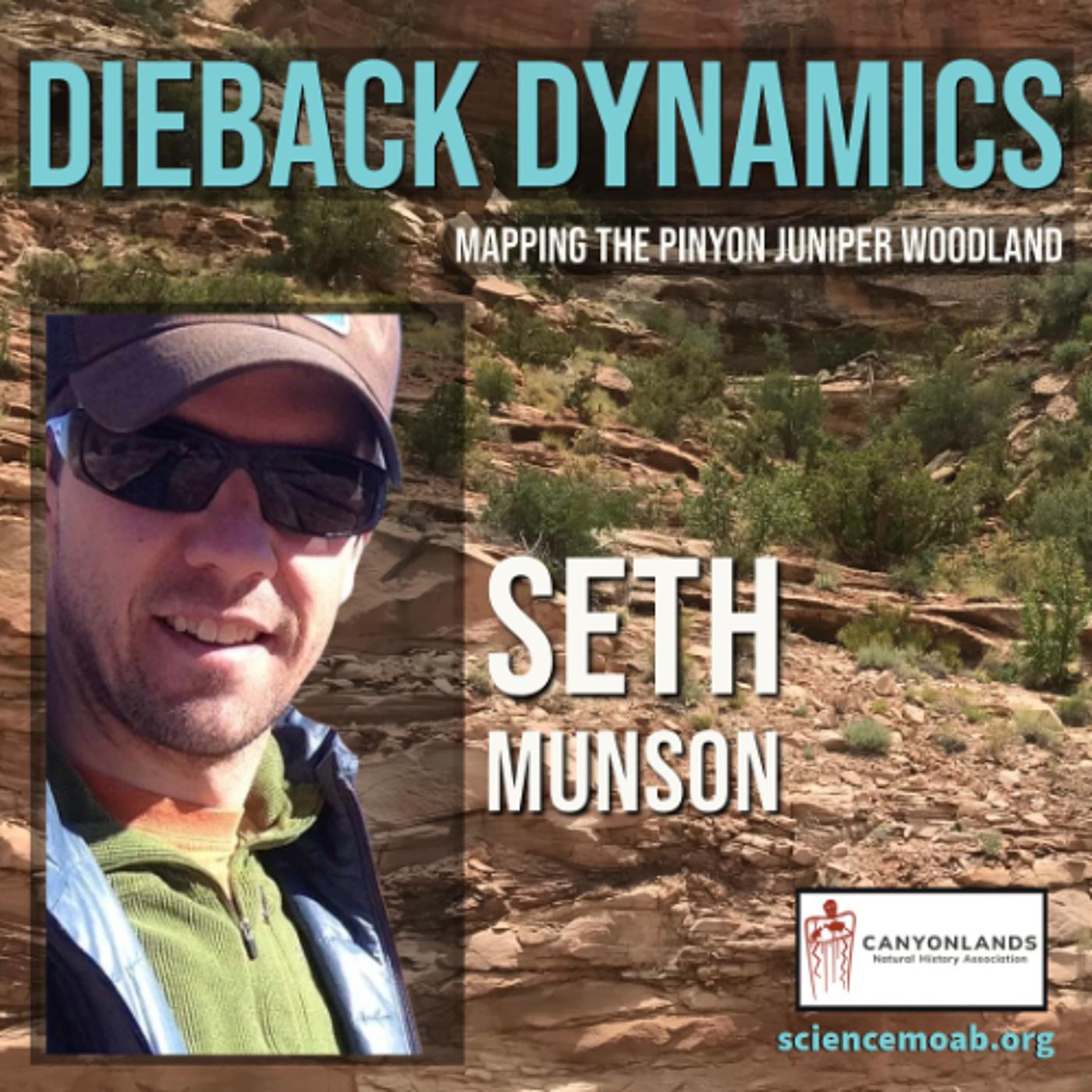
Across the Colorado Plateau, pinyon-juniper ecosystems are facing more and more stress due to increasing heat and aridity. Today we talk with Seth Munson, a plant and ecosystem ecologist with the U.S. Geological Survey Southwest Biological Science Center in Flagstaff, Arizona. Seth’s research foc…
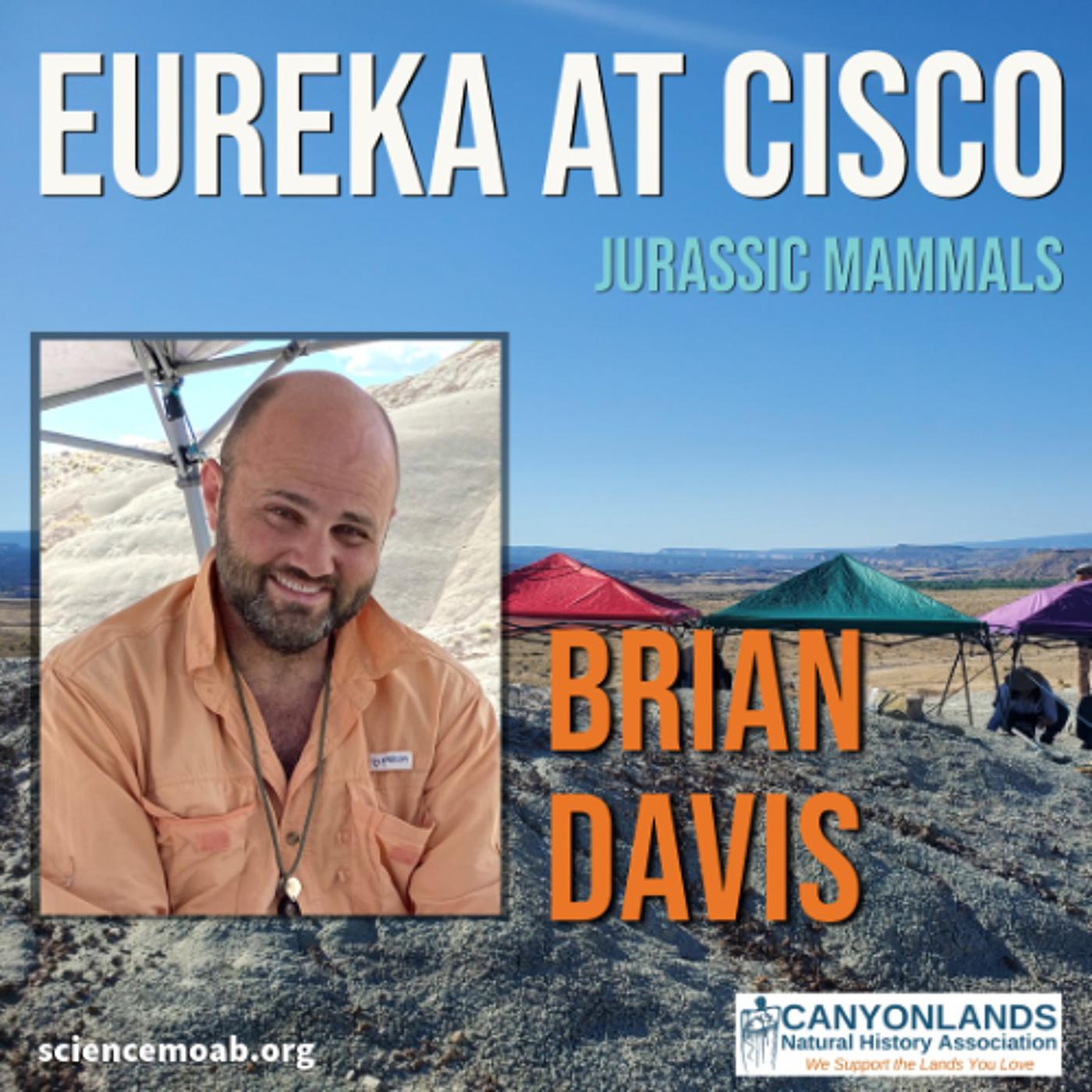
Brian Davis, an associate professor at the University of Louisville School of Medicine, loves looking for small fossils. His research focuses on early mammals, particularly teeth, jaws, and skull parts. Brian’s most recent discovery is a mammal fossil quarry in Cisco, Utah, part of the Morrison For…
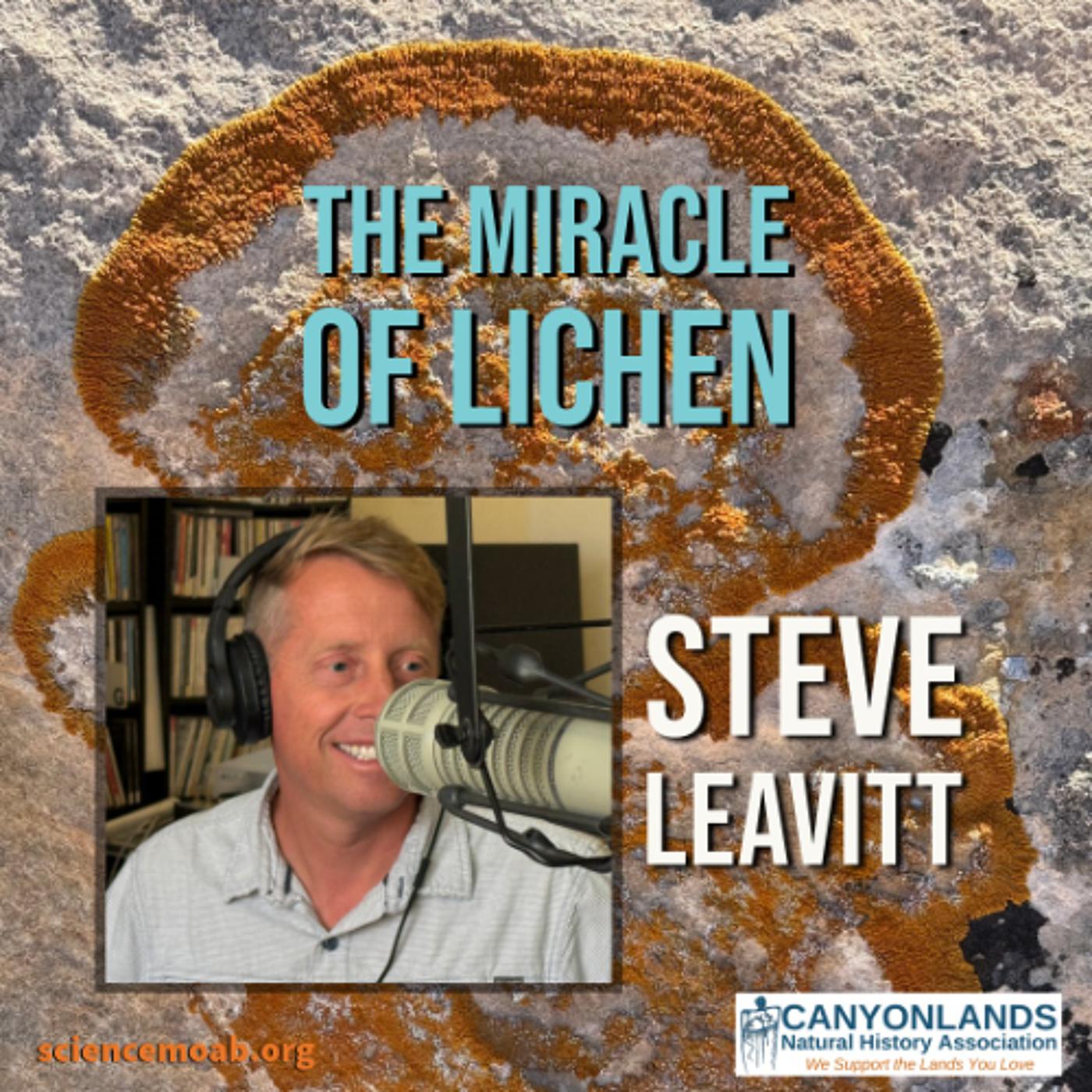
A lichen is a colony of algae or cyanobacteria living interactively with fungus and bacteria in a mutual or symbiotic relationship, but for Steve Leavitt, a lichen is a hotspot of diversity and an indicator of ecological health. Steve is in charge of one of the largest lichen collections in North…
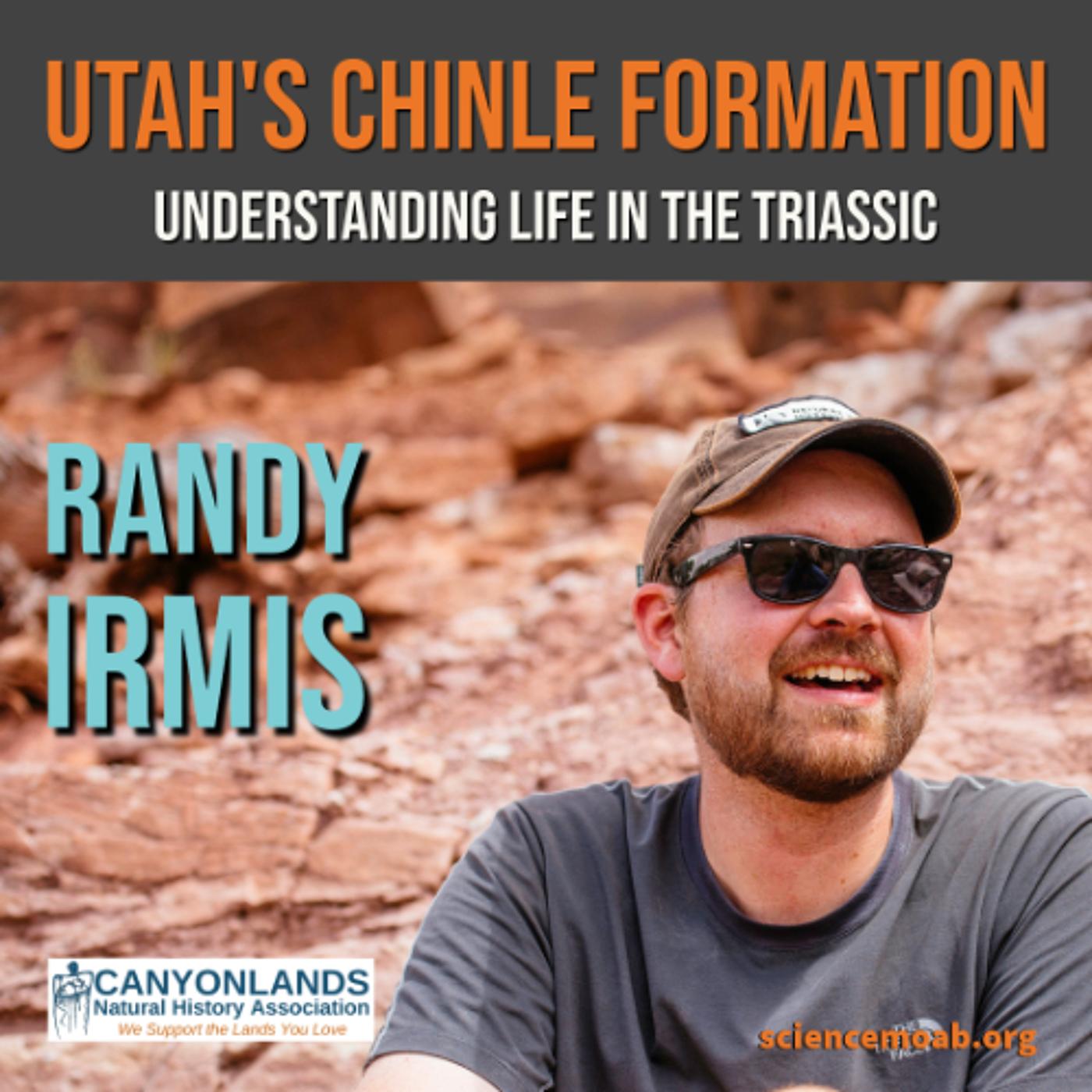
Randy Irmis, a paleontologist and curator at the Natural History Museum of Utah, discusses his research on the Chinle Formation, (Triassic, ~201 to 230 million years ago) located in southern Utah. The Chinle Formation is characterized by river and stream deposits in a semi-arid environment, and is …
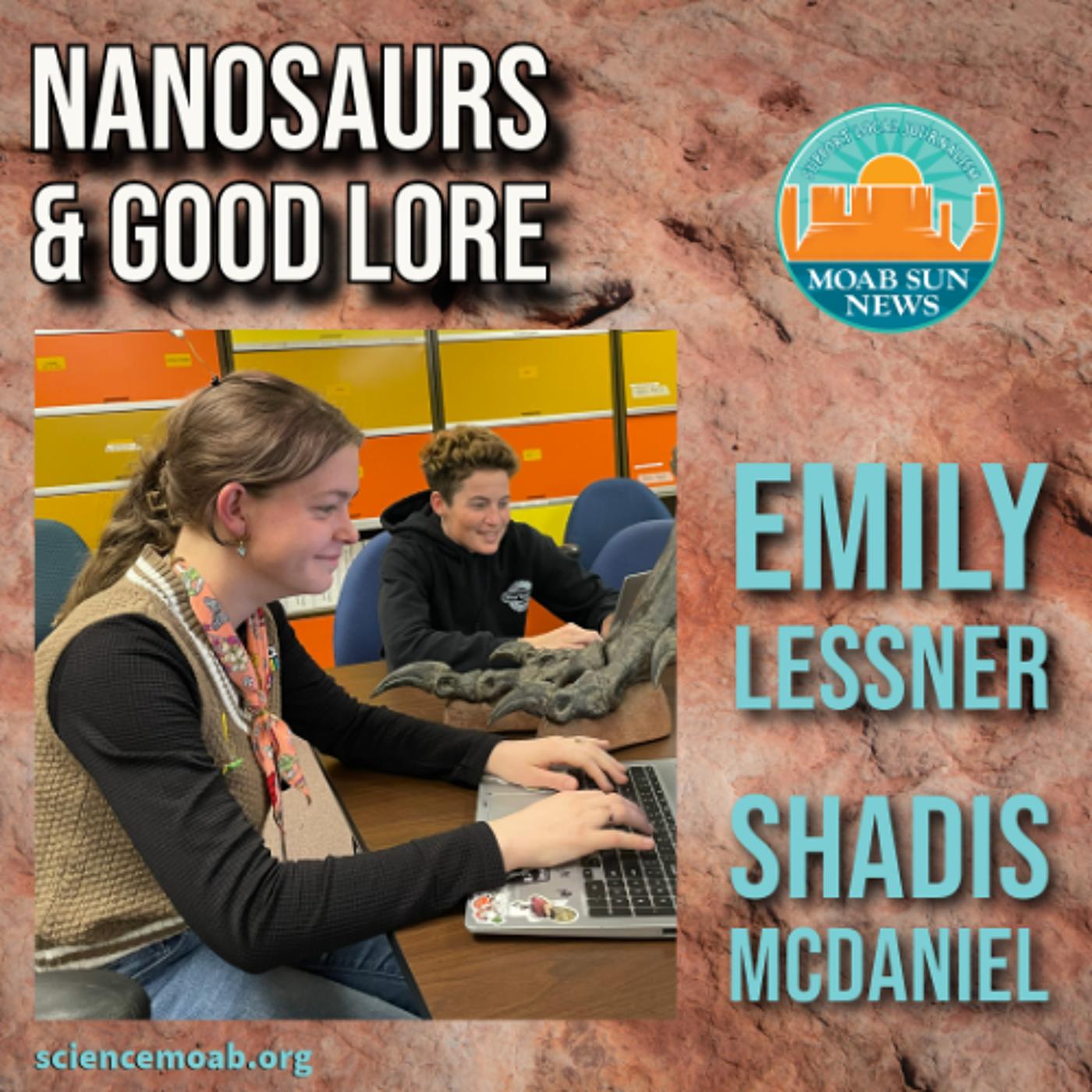
This show is part of a series exploring Science Moab’s School to Science Program, connecting students with scientists in the field, the lab, and beyond. In this episode, we talk with mentor Emily Lessner, paleontologist for the Bureau of Land Management, and Shadis McDaniel, a recent Grand County H…
Disclaimer: The podcast and artwork embedded on this page are from Peggy Hodgkins, which is the property of its owner and not affiliated with or endorsed by Listen Notes, Inc.
EDIT
Thank you for helping to keep the podcast database up to date.
