
ABOUT THIS EPISODE

Rooted2Thrive Podcast: Conversations That Elevate Our Humanity
Teaching with Cultural Humility: Preparing Educators for Culturally Responsive Practice
Season 7, Episode 75
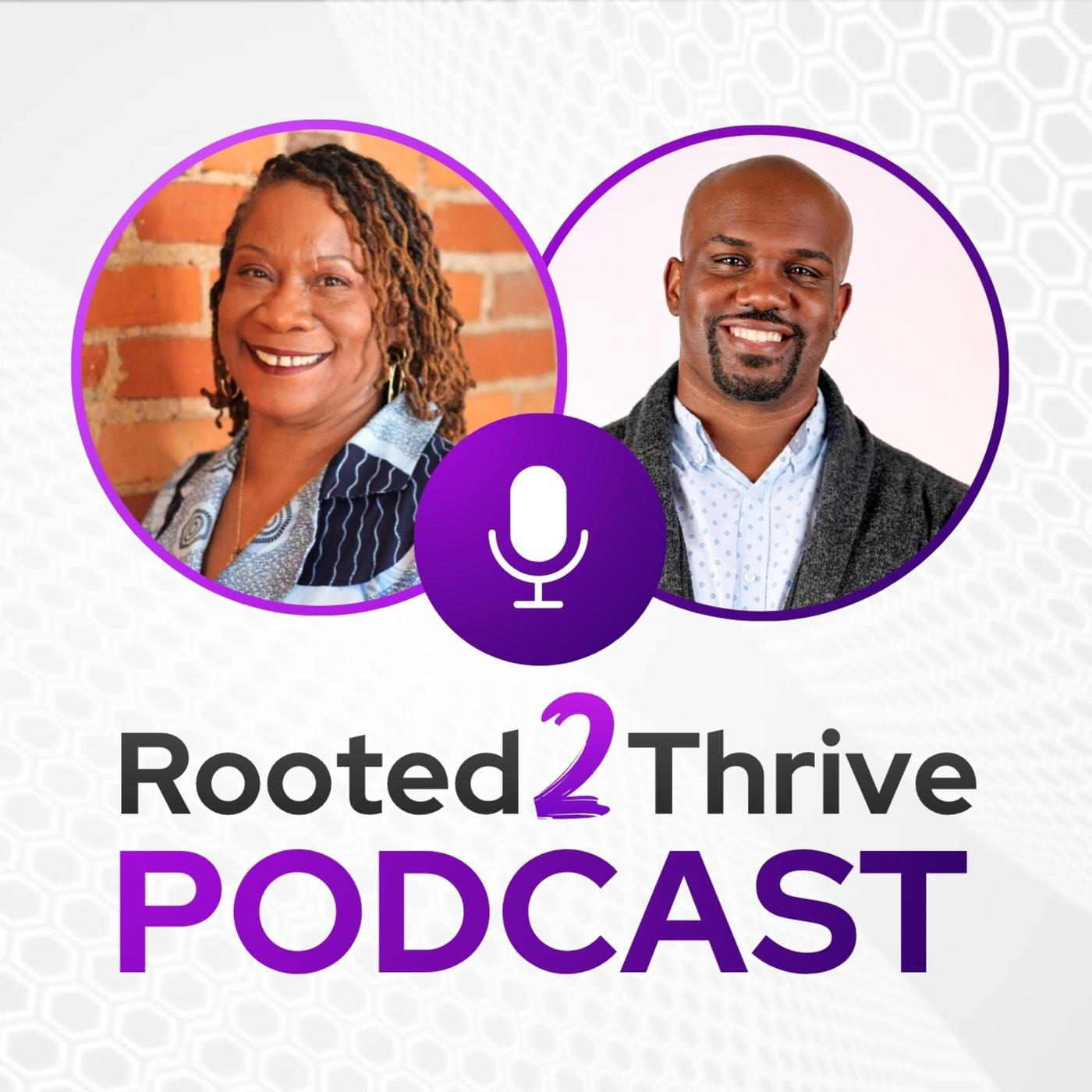
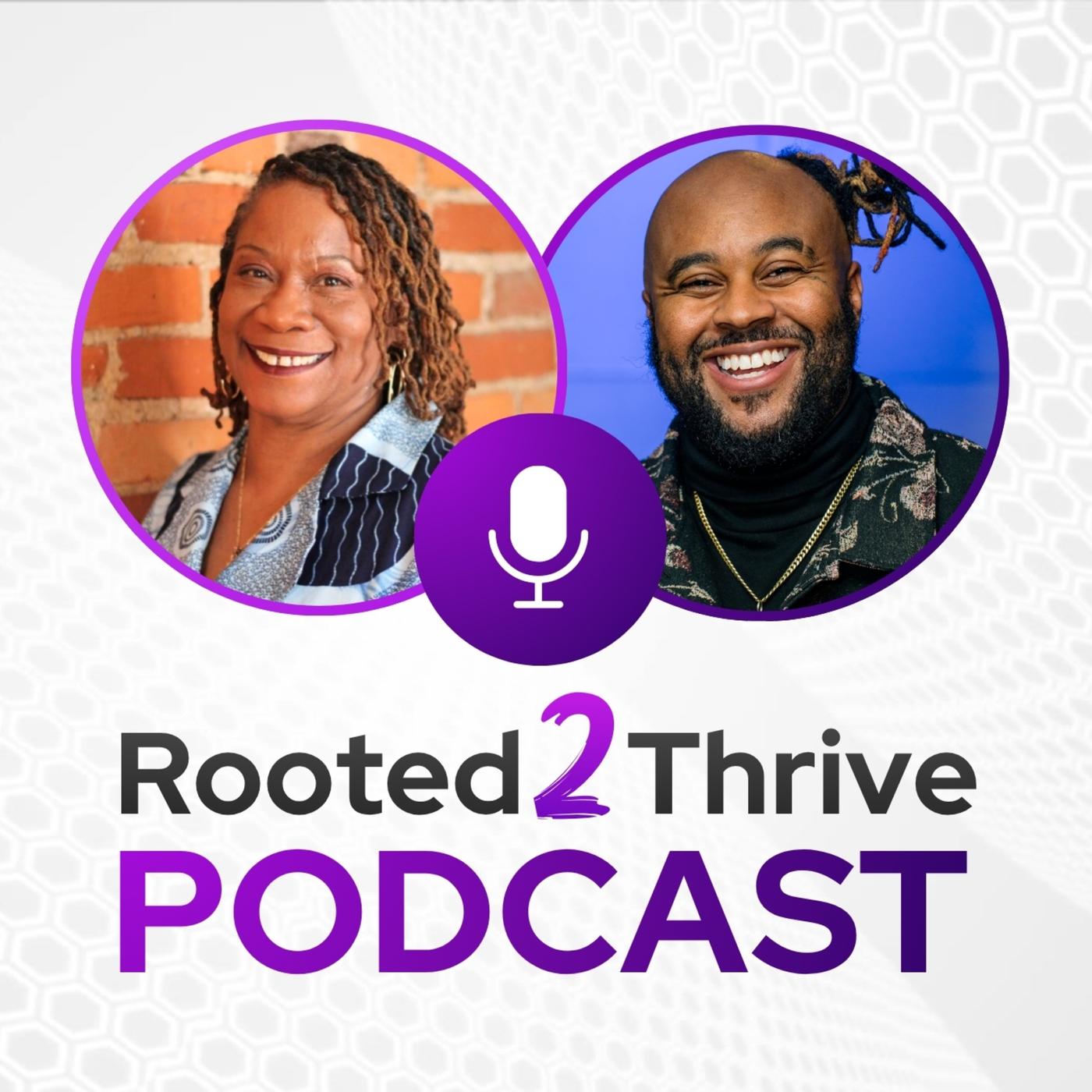
Host: Rochelle Peterson-AnsariGuest: Trent McLaurin, Ph.D
Overview:
In this episode of the Rooted2Thrive Podcast, Rochelle Peterson-Ansari and Trent McLaurin, Ph.D explore cultural humility as an ongoing practice that challenges educators to reflect on their assumptions, learn from their students, and create learning environments where every voice is valued. Drawing from his experiences in special education, early childhood education, and teacher preparation, Dr. McLaurin explains how culturally responsive practice requires educators to move away from deficit thinking and recognize the knowledge, resilience, identities, and experiences students already bring into the classroom. The conversation introduces a practical framework centered on respect, reflection, regard, relevance, and resilience, while emphasizing the importance of understanding what individual students and families actually need rather than making assumptions based on cultural markers. They also discuss reflective practice, neurodiversity, inclusive classroom participation, and the responsibility educators have to examine how their own perspectives influence teaching and relationships. Ultimately, the episode encourages educators to remain accountable, listen across differences, elevate voices that may otherwise go unheard, and approach cultural humility as a continuous process of learning and growth.
Topics discussed:
Cultural Humility as an Ongoing Practice: Cultural humility is not a checklist or level of competency to achieve, but a continuous process of reflecting, listening, learning, and responding across differences.
Respect, Reflection, Regard, Relevance, and Resilience: Dr. McLaurin offers these principles as a framework for understanding students in context and building educational practices around what matters to them.
Moving Beyond Deficit Thinking: Educators can better serve students by recognizing their existing strengths, experiences, and resilience instead of approaching communities with the assumption that they need to be fixed.
Creating Inclusive Learning Environments: Providing multiple ways for students to participate and express themselves can make classrooms more responsive to neurodiversity and ensure that participation is not dominated by the loudest voices.
Centering Student Voices and Experiences: Culturally responsive educators continually consider how what they know about their students influences their teaching, communication with families, and ability to create spaces where students feel seen and respected.
Guest:
Trent McLaurin, Ph.D
Associate Professor at La Salle University, educator, and consultant
Check out more content and ways to connect with us:
➡️ LinkedIn: https://www.linkedin.com/in/perceptions/
➡️ Facebook: https://www.facebook.com/perceptionsunlimited
➡️ Instagram: https://www.instagram.com/perceptionsunlimited/
➡️ Email: info@perceptionsunltd.com
➡️ Website: www.perceptionsunltd.com
Please feel free to share your thoughts in the comments below!
Thank you for tuning into Rooted2Thrive: Conversations That Elevate Our Humanity!