WEBVTT
00:00:00.719 -->
00:00:09.759Phrases like legacy modernisation, target operating model, and interoperability can mean that transformation doesn't always feel like the most human of endeavours.
00:00:09.759 -->
00:00:22.000Yet at the heart of any change program are people making difficult decisions, balancing risk, carrying responsibility, navigating ambiguity, and still needing to show up for others.
00:00:22.000 -->
00:00:30.320Today's guest reflects on what leadership really feels like when you're operating at the sharp end of technology, health, and care.
00:00:30.320 -->
00:00:47.119Hello, this is Problems Worth Solving, the podcast where we meet people transforming health and care through human-centred design and digital innovation.
00:00:47.119 -->
00:00:53.439I'm Sam Menter, founder and managing director at Healthier, the Collaborative Service Design Consultancy.
00:00:53.439 -->
00:01:00.079If you enjoy listening, you can subscribe to this podcast and the accompanying newsletter at healthier.services.
00:01:00.079 -->
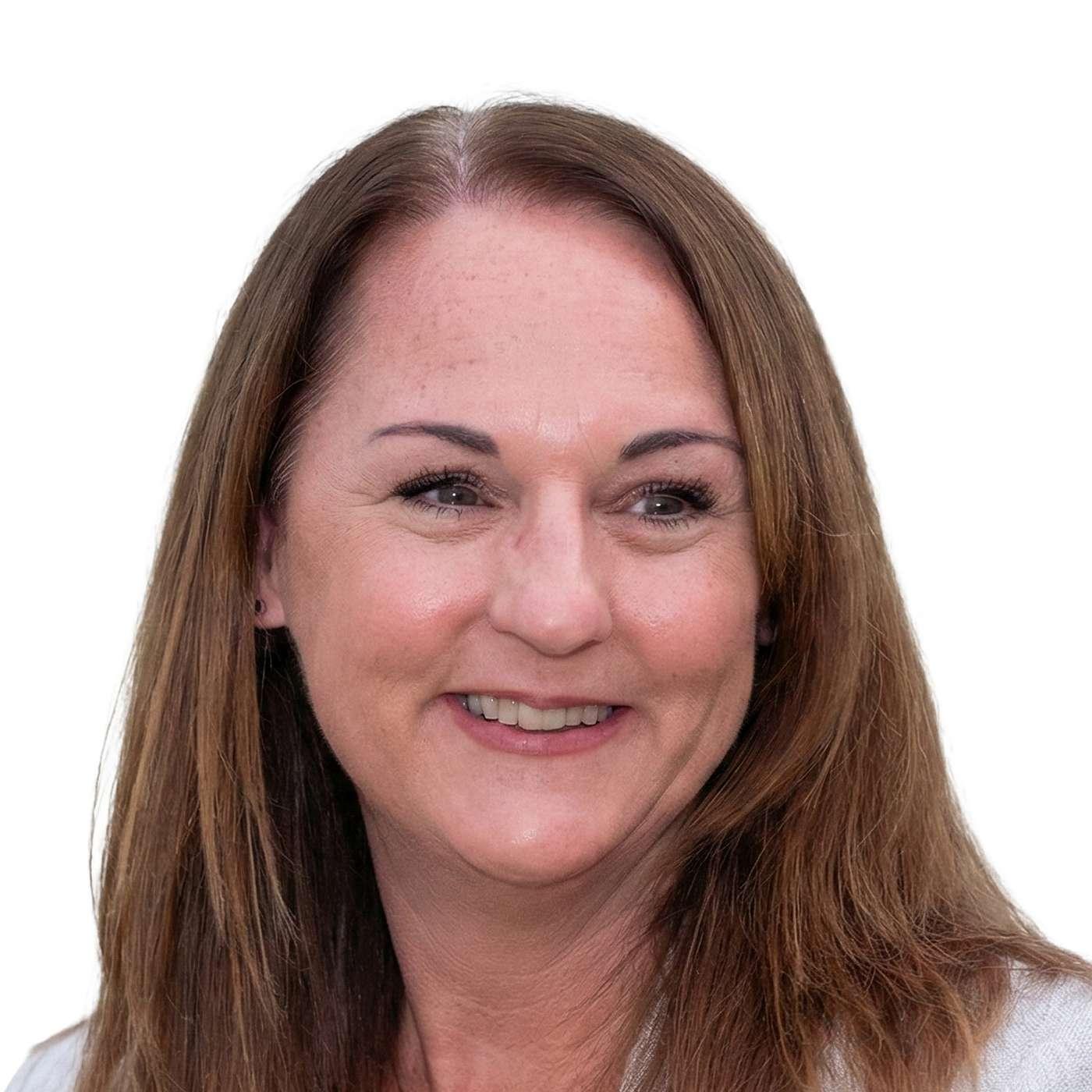
00:01:08.799So today I'm joined by Helen Thomas, Chief Executive of Digital Health and Care Wales.
00:01:08.799 -->
00:01:23.519Helen has spent more than 36 years in the NHS, starting out in finance before moving into health informatics and eventually leading Wales's national digital organization through one of the most intense periods the health system has ever faced.
00:01:23.519 -->
00:01:33.439Since 2001, she's been responsible for building a new organization, shaping its culture and helping the system respond at pace during the pandemic.
00:01:33.439 -->
00:01:41.120Helen often describes herself as an accidental chief executive, driven less by title and more by impact.
00:01:41.120 -->
00:01:43.519Helen, thank you so much for joining us today.
00:01:44.000 -->
00:01:46.560Thank you, good afternoon.
00:01:47.439 -->
00:01:51.840So to kick off, how would you summarise the big problem you're trying to solve?
00:01:52.319 -->
00:02:00.000So the big problem is how do we, from a digital and data perspective, improve outcomes for the people of Wales?
00:02:00.000 -->
00:02:08.319How do we ensure the NHS is here for our future and is fit for purpose so that it can sustain and look after our families and our children and our children's children?
00:02:08.639 -->
00:02:13.280And what sits behind that problem once you sort of peel back the layers and what makes the problem difficult?
00:02:13.680 -->
00:02:19.840The demographic challenges that we're all facing are putting immense pressure on health services as we know it.
00:02:19.840 -->
00:02:27.759So I think that that shift in demographic as we see healthy life expectancy now is what age 60?
00:02:27.759 -->
00:02:32.000And we know that life expectancy is, you know, in the region of 80 years old.
00:02:32.000 -->
00:02:38.240There's 20 years that people are living with not one, but many are living with more than one chronic condition.
00:02:38.240 -->
00:02:42.560So our demand on health services is just rising and rising.
00:02:42.560 -->
00:02:53.680So I think there is in amongst that a massive opportunity for digital and data because it is really clear now that we can't keep doing things the way we have been doing them.
00:02:53.680 -->
00:02:59.599We have got to change and modernize services, and that's where technology will have a huge part to play.
00:02:59.919 -->
00:03:02.479Where do you see the real opportunity for impact?
00:03:03.439 -->
00:03:18.080So I think that in empowering patients, in enabling patients to be informed about their health and care, for them to truly be a co-participant and to co-produce.
00:03:18.080 -->
00:03:21.360And there are lots of kind of grand words there, I guess.
00:03:21.360 -->
00:03:29.280But for me, in Wills, we've got a guiding principle of prudent healthcare, and that is about putting the patient at the centre of everything we do.
00:03:29.280 -->
00:03:34.960And I think that absolutely is fundamental to the way that we will sustain and improve services.
00:03:34.960 -->
00:03:54.400But you can't do that unless you have the data and the digital solutions in place that will connect the patient, the data, the clinician, the service, so that we can actually provide those different options and different opportunities for patients to be empowered and to connect into health services.
00:03:54.800 -->
00:04:02.080When you say putting the patient at the heart of everything we do, can you tell me a bit more about that and what that what that means in the context of your work?
00:04:02.479 -->
00:04:10.400Yeah, so you know that that's about enabling patients actually to interact with the health service as they do with other areas of their life.
00:04:10.400 -->
00:04:17.680Because we we know we all walk around with our mobile phones in, you know, in our pockets all of the time they're glued to our arms, aren't they?
00:04:17.680 -->
00:04:19.600And we're always multitasking on them.
00:04:19.600 -->
00:04:29.040But actually, we don't do a lot at the moment in terms of our health and care journeys and managing that through our own kind of digital devices.
00:04:29.040 -->
00:04:50.720There's something about ensuring that things like the NHS Worlds app, which will have all of that, the digital record, that digital information about a patient available in one place securely and available when they need it, but also how we move forward and provide the ability to interact with health services through things like the NHS Worlds app.
00:04:50.720 -->
00:04:53.439But it's also about how we design services as well.
00:04:53.439 -->
00:05:03.680So putting the patient at the heart, if we look at it through a digital and data lens, actually, how do we understand what it is the patients want from the health service now in the 21st century?
00:05:03.680 -->
00:05:20.319And how do we then design those services with patients, with users, so that it's intuitive and it's the whole of the service design, not just that we've got an app that will do a function that we actually work in tandem with patients.
00:05:21.040 -->
00:05:31.519How big would you say the gap is between expectations around what people are used to doing digitally and what they can actually do digitally with health services in Wales at the moment?
00:05:32.000 -->
00:05:47.759So there is a gap at the moment, not all information is readily available, but we've got a plan in place to make sure that we provide the information and actually the opportunity for patients to interact, to book appointments, to look at their record.
00:05:47.759 -->
00:05:53.360So that will iterate now and grow and grow over the coming year and years to come.
00:05:53.759 -->
00:05:57.920And what would you expect the impact of those changes to be on health outcomes?
00:05:58.399 -->
00:06:14.480Well, firstly, you'd expect it to be empowering for patients so that patients will have the opportunity to be the expert in their health and care journey, and they can make informed choices about that journey and about what they would want to do to improve.
00:06:14.480 -->
00:06:23.360We'll be able to provide targeted signposting for patients based on their medical history, based on their medical journey.
00:06:23.360 -->
00:06:36.639So I firmly believe that having that information to hand and having the ability to have more flexible access to health and care services will have an impact of improving outcomes.
00:06:36.639 -->
00:06:53.199The other opportunity in that is that if we move to more digital ways of interacting between patient and the clinician, then that also really releases capacity so that we can manage to see patients when we need to see them.
00:06:53.199 -->
00:07:03.519I think there's something about, and I don't know about you, I've been around quite a long time, as you said in your intro, and I was started in the NHS before there were really that many computers.
00:07:03.519 -->
00:07:05.040You know, it was 1990.
00:07:05.040 -->
00:07:11.600So, you know, I can remember quite a while back where actually, as I was the data input clerk, I was the only person with a computer on my desk.
00:07:11.600 -->
00:07:13.759Actually, everybody else was paper-based.
00:07:13.759 -->
00:07:28.160So when you think back to how health services worked through that time, you needed to have the patient, the clinician, and the paper in, you needed all three things to come together in order for diagnosis, assessment, consultation to take place.
00:07:28.160 -->
00:07:31.439Of course, with digital, that no longer needs to be the case.
00:07:31.439 -->
00:07:39.199If we've got the digital record and the clinician and the patient both have access, then they don't have to necessarily be in the same place.
00:07:39.199 -->
00:07:44.720Sometimes they do, clearly, because this is a human service, it's about human interaction, isn't it?
00:07:44.720 -->
00:07:46.000You know, it's about people.
00:07:46.000 -->
00:07:54.480But actually, digital uh will provide the opportunities to rationalise and streamline and actually create capacity for when we need it.
00:07:55.279 -->
00:07:57.600The changes that you're you're describing aren't easy.
00:07:57.600 -->
00:07:59.360It's a big problem you're you're tackling.
00:07:59.360 -->
00:08:07.680What would you say are the things that make this a genuinely hard problem to tackle, even with the goodwill and the investment that's going on?
00:08:08.160 -->
00:08:09.439Change for a start, isn't it?
00:08:09.439 -->
00:08:13.439That's one constant in the NHS, actually, is that we have lots of change.
00:08:13.439 -->
00:08:17.600I think that change in services and is about people, isn't it?
00:08:17.600 -->
00:08:24.720We talk a lot about digital transformation in the NHS, and actually, what we're talking about is transformation because it's about people at the heart of it.
00:08:24.720 -->
00:08:44.559So I think what we need to do is ensure that we are designing the digital services with people, for people, and that actually we take them on that journey with us, and I and we do it in an informed way so that it isn't just about the technology, it is absolutely about supporting people through the change.
00:08:45.679 -->
00:08:57.120I'd like to move on and talk a little bit about your your background and your your early influences because I always find it interesting how people have ended up in certain positions in their career and focusing on certain things.
00:08:57.120 -->
00:09:10.000I wondered if you could take us back a bit and tell me a bit about your childhood, where you grew up, what was home like, um, what were you passionate about and what shaped how you see work, responsibility, and public service?
00:09:10.799 -->
00:09:17.440So I'm from um a small village just outside of Neath, so I Britain Ferry, very industrial area.
00:09:17.440 -->
00:09:24.799I'm from, you know, Neath is a small town in um South Wales, very mining background, industry background.
00:09:24.799 -->
00:09:30.159And I grew up with my elder sister and my younger brother uh with my parents.
00:09:30.159 -->
00:09:35.120And I think from a young age, actually, they they instantly we saw how hard our parents worked.
00:09:35.120 -->
00:09:40.799My dad ran his own business, um, having been a policeman and worked in the oil industry as well, but he he ran his own business.
00:09:40.799 -->
00:09:45.360So when we were teens, when we were, you know, working through that, there were there wasn't a lot of money.
00:09:45.360 -->
00:09:51.039My mum was a hairdresser, uh, and they worked really hard and there was a strong sense of family.
00:09:51.039 -->
00:09:55.120We all had chores, we all had jobs when we were in our teens, you know.
00:09:55.120 -->
00:10:01.039It was it was a happy childhood, but it was yeah, we understood that we didn't have a lot of money to go around.
00:10:01.039 -->
00:10:13.120And also, I suppose the thing to remember is this was the 70s, so um, it's uh 70s and and early 80s, and of course it was pre-the microchip back then, so perhaps with the last generation, aren't we?
00:10:13.120 -->
00:10:21.360Where we remember a simpler time before that explosion in the mid-1980s, so yeah, it was uh it was a you know a really happy time.
00:10:21.360 -->
00:10:37.519I um my early influences, I I'm quite sporty, or I was quite sporty, and I played a lot of sport in school, and netball was my passion, so I played for my uh school at McClub County, and even had a schoolgirl cap for Wales as well.
00:10:37.519 -->
00:10:43.039And but during that time it was, you know, I naturally gravitated to leadership.
00:10:43.039 -->
00:10:50.240I was captain often, I was head girl at school, so I kind of had an inherent sense of responsibility.
00:10:50.240 -->
00:11:00.879I I kind of remember that from early days that I would put myself forward, say, all right, okay, there's there's something that needs doing, okay, I'll do it, even if it was something that I felt uncomfortable with.
00:11:00.879 -->
00:11:02.320Sometimes I would do that.
00:11:02.320 -->
00:11:07.440So I guess that kind of stayed with me, really, and and shaped kind of who I was.
00:11:07.440 -->
00:11:13.759And I think growing up in that sort of environment, there's a lot in terms of integrity, in terms of fairness.
00:11:13.759 -->
00:11:15.519I was the middle child, remember as well.
00:11:15.519 -->
00:11:19.120So fair a sense of fairness was always there with me.
00:11:19.120 -->
00:11:20.559Yeah, exactly that.
00:11:20.559 -->
00:11:22.480That I I often say that now.
00:11:22.480 -->
00:11:24.799I am always the peacekeeper in my family.
00:11:24.799 -->
00:11:27.919So so yeah, that that has stayed with me, actually.
00:11:27.919 -->
00:11:32.080That is probably how I would uh describe myself more generally in life.
00:11:32.559 -->
00:11:34.960Was there anyone that influenced you early on?
00:11:35.360 -->
00:11:46.320Well, actually, early on in my career, I think, is probably where I'd uh I'd reflect there because I'm one of those people who got a job that turned into a good job that turned into a really good career.
00:11:46.320 -->
00:11:52.320You know, that's you know, well, talk perhaps when you mentioned earlier about accidental chief exec, there was never a plan for that.
00:11:52.320 -->
00:12:11.759But when I moved out of finance and got the job in um health information, our director at the time was a woman called Debbie Morgan, and she was the first exec director of IMNT at the time, we used to call it then, you know, information management and technology to be on a trust board in in Wales.
00:12:11.759 -->
00:12:13.679And she was quite inspiring to me.
00:12:13.679 -->
00:12:18.480She also had young family, same as I did, and the challenges of trying to balance that.
00:12:18.480 -->
00:12:32.879And I just remember how she spent time with us and and she supported us to develop, but also acknowledged that you bring your whole self to work, and actually it's good to bring your whole self to work.
00:12:32.879 -->
00:12:44.720And yes, we all have the challenges about balancing kind of work and family life, and particularly childcare at the time, but it's okay, and it's okay to be your authentic self and to embrace that.
00:12:44.720 -->
00:12:49.679So she was definitely um somebody who inspired me and and supported me.
00:12:49.679 -->
00:12:58.159Actually, I was really lucky reflecting back how much support she became a mentor to me for for the last kind of 20 odd years.
00:12:58.159 -->
00:13:02.720You know, we've we're great friends now, and that that was definitely part of it.
00:13:02.720 -->
00:13:10.480And also the boss I had at the time, because I do suffer sometimes with imposter syndrome, with confidence kind of wobbles.
00:13:10.480 -->
00:13:15.840And I'd I'd go to see my boss and say, I, you know, I can't do this, I can't, I'm not, I'm not gonna be able to do this anymore.
00:13:15.840 -->
00:13:17.120I I need to do something different.
00:13:17.120 -->
00:13:20.559I need to say, come on, let's have a conversation about it.
00:13:20.559 -->
00:13:23.519You know, you're a star, I have ultimate faith in you.
00:13:23.519 -->
00:13:24.399Let's talk it through.
00:13:24.399 -->
00:13:40.559And we don't want to get through it, but yeah, knowing you can go and be that honest and raw with the people who you work with, I think, and and you have that level of trust was quite inspirational to me, actually, and it shaped my approach as a leader as well.
00:13:41.039 -->
00:13:51.039I'm definitely surprised that someone in your position talks about imposter syndrome because the the outside perception would be there's someone who's super confident, knows exactly what they're doing, and never falters.
00:13:51.759 -->
00:13:54.159Yeah, no, and at times it can be crippling.
00:13:54.159 -->
00:13:55.759So, and it's always been with me.
00:13:55.759 -->
00:14:01.840I think there's something about my, you know, my early life where some of that comes through as well, not just being the middle child.
00:14:01.840 -->
00:14:04.159But um, I didn't go to university.
00:14:04.159 -->
00:14:08.639So I when I started working in the health service, it was just before I was 19.
00:14:08.639 -->
00:14:15.279And and then you start to move through the ranks a bit, and you think, well, I'm I'm with all these clever people who've all been to university.
00:14:15.279 -->
00:14:24.639I can't possibly be as clever or I can't possibly speak up in this meeting, you know, I can't lean into it because oh, everybody else will have thought of these things, you know.
00:14:24.639 -->
00:14:26.399They you know, they're all cleverer than me.
00:14:26.399 -->
00:14:38.159So I remember that being kind of the voice in my head, and and it wasn't until I think I did, I did then do my master's in health informatics and you know, I was supported and encouraged to do it.
00:14:38.159 -->
00:14:40.559And I thought, right, okay, come on, then back yourself.
00:14:40.559 -->
00:14:42.000Let's, you know, go and learn.
00:14:42.000 -->
00:14:43.759And I did, and it was amazing.
00:14:43.759 -->
00:15:01.039And I learned a lot and actually applied a lot of what I learned through um through doing the master's degree, and that did give me a sense of I'm qualified now to do what I do for a living, even though I was really good at my job, and you know, I'm quite a modest person, so it takes something to say that.
00:15:01.039 -->
00:15:08.240But I was very good at what what I was doing, and and I had a level of credibility across the organisation, you know.
00:15:08.240 -->
00:15:12.399But actually doing the masters was more for me than it was for anyone else.
00:15:12.399 -->
00:15:15.679So it made me feel that, you know, more confident.
00:15:15.679 -->
00:15:29.279As I then got into more senior leadership roles, I think that, and the challenges that we've experienced in in the health service over the last kind of definitely the last 15 years, isn't it?
00:15:29.279 -->
00:15:45.120You know, in terms of the constraints and the the service delivery challenges, and then you get more senior, you realise that a lot of the uh improvements that you need to make and that you need to lead your organisation through it, it's it's it can be quite daunting.
00:15:45.120 -->
00:15:49.120And I don't think I find the challenge daunting.
00:15:49.120 -->
00:15:53.840I think the doubt is there is it's the voice in your head, isn't it?
00:15:53.840 -->
00:15:54.799Am I an F?
00:15:54.799 -->
00:15:57.759Can I actually provide the support?
00:15:57.759 -->
00:16:04.559Can I provide the answers to these challenges so that we can work our way and move our way through them?
00:16:04.559 -->
00:16:06.720So it's it's it's always there with me.
00:16:06.720 -->
00:16:09.919I've got to keep calling it out, to be honest.
00:16:14.159 -->
00:16:17.919So you've spent 36 years in the health service now.
00:16:17.919 -->
00:16:18.399Yeah.
00:16:18.559 -->
00:16:19.440This month, yeah.
00:16:20.000 -->
00:16:20.960Amazing.
00:16:20.960 -->
00:16:25.840And there must be times where you've thought maybe there are other directions I should be going.
00:16:25.840 -->
00:16:28.799I'm interested to know what's kept you here and what's kept you going.
00:16:30.240 -->
00:16:31.440The mission's so important.
00:16:31.440 -->
00:16:34.240I'm a health informatician, that's my background.
00:16:34.240 -->
00:16:39.519The data analyst is kind of where I started in this field, but I'm a public servant.
00:16:39.519 -->
00:16:42.080It's it's all about the NHS for me.
00:16:42.080 -->
00:16:47.679It's not about digital and data, or clearly it is, but it's about doing it for the mission.
00:16:47.679 -->
00:16:50.240I absolutely believe in the NHS.
00:16:50.240 -->
00:17:09.279I feel really privileged to have to have worked here for as long as I have and to have been able to kind of have a fantastic career, to have experienced what I've experienced, to have been able to do the things that I've done and to hopefully have made a bit of an impact along the way.
00:17:09.279 -->
00:17:11.839So for me, it it's always been about the mission.
00:17:12.160 -->
00:17:16.319Is there an example of a moment that made you realise how much the work matters?
00:17:16.720 -->
00:17:20.160Yeah, and I come back to Prudent Healthcare again on this one.
00:17:20.160 -->
00:17:26.400So this is a guiding principle that the then cabinet secretary set out, Mark Drakeford, at the time.
00:17:26.400 -->
00:17:34.480He's been a previous first minister in Wales as well, and is currently the finance secretary actually, before he steps down at the next election this year.
00:17:34.480 -->
00:17:58.880But he coined the Prudent Healthcare Principles, which is about putting the patient at the heart, about co-producing, empowering people to be lead in their own health and care journey and to really push for co-production of service design with patients, also calling out variation and how we should look at every opportunity to reduce variation and only do what only you can do.
00:17:58.880 -->
00:18:06.240So, this kind of mantra, if you like, it work to so that people have the permission through that to work at the top of their license.
00:18:06.240 -->
00:18:20.799So, how do we organize the process and the service so that we are ensuring that our talented, capable staff are actually spending their time doing the things that they've trained for, doing the things that we need them to be doing.
00:18:20.799 -->
00:18:27.680So we make their lives a lot, you know, the processes that they're having to follow a lot more straightforward.
00:18:27.680 -->
00:18:44.000So that for me, and I remember going to sessions to to understand what this was about back in the well, it would have been the early 2010s, I suppose, maybe earlier actually, and thinking, wow, okay, but we're not going to be able to do this unless we've got the data.
00:18:44.000 -->
00:18:47.519You're not going to be able to understand and know where you've got variation.
00:18:47.519 -->
00:18:53.599You're not going to be able to provide that information to patients unless you're collecting it in the first place, unless you're able to.
00:18:53.599 -->
00:19:01.839So it it really got to the heart for me of bringing the digital and data agenda to life at that point.
00:19:01.839 -->
00:19:11.200I was in a health board at the time and sitting there with the senior clinicians right across the organization and trying to get underneath what does this mean in practice for us then?
00:19:11.200 -->
00:19:13.200What's this going to mean to our pathways?
00:19:13.200 -->
00:19:16.000What does that mean in terms of patient choice?
00:19:16.000 -->
00:19:26.720And actually really getting into trying to describe then to colleagues, well, actually, this is where data comes in, this is where digital comes in.
00:19:26.720 -->
00:19:31.920And I I think it's the precursor to a value-based healthcare-driven system, isn't it?
00:19:31.920 -->
00:19:34.720So that you're focused on outcomes for patients.
00:19:34.720 -->
00:19:45.119So that you focused us on ensuring that the things that we are doing, that they count, that they actually improve outcomes and they improve the health and wellbeing of the population.
00:19:45.119 -->
00:19:53.279So that for me was quite a big trigger, actually, in terms of where we need to be focusing our attention, particularly in the data world.
00:19:54.000 -->
00:19:59.599Sometimes it can be easy to feel disconnected from the human side of healthcare if you're in the sort of technology.
00:19:59.599 -->
00:20:00.880Side of things.
00:20:00.880 -->
00:20:04.160Are there moments where you've seen particular human stories?
00:20:04.160 -->
00:20:07.839We've done this and it's had X effect on this person's life.
00:20:08.240 -->
00:20:11.200Yeah, there's a couple of examples, I suppose, I'd reflect on.
00:20:11.200 -->
00:20:12.400One's a more personal one.
00:20:12.400 -->
00:20:22.960But if I do the the work one, a couple of years ago I went to visit, I went on a visit to one of the hospital sites and went to see some of the work that we'd been doing with ward nurses.
00:20:22.960 -->
00:20:33.119So the way how we digitize the assessments, uh the risk assessments and the admission processes, and go on to talk to a nurse who's actually come into the end of her career.
00:20:33.119 -->
00:20:38.960And she said to me, right, I've been 40 years in nursing, and this is the best thing that's ever happened to me.
00:20:38.960 -->
00:20:48.720I come in every day, and this was an unusual event, because this doesn't happen, doesn't always happen, does it, you know, if you're experienced in digital kind of implementations.
00:20:48.720 -->
00:21:04.559But she said, I come in in the morning and I know who's where on the ward, I can see the risk assessments, I know who it is I need to be worried about first, I know where my nurses are and where to actually prioritize who they're looking after.
00:21:04.559 -->
00:21:09.440And she said, the control it's given me as being liberating.
00:21:09.440 -->
00:21:10.640So don't take it away.
00:21:10.640 -->
00:21:12.960You know, she said to me, Don't you dare take it away.
00:21:12.960 -->
00:21:16.240But that was astonishing to me, to be honest.
00:21:16.240 -->
00:21:25.759You hope that's the impact that you will have on your users and that it can really support them to have more time to care.
00:21:26.000 -->
00:21:30.319And that that must be the result of some good human-centered technology design.
00:21:30.640 -->
00:21:35.599Yeah, so so the work with the nurses was was yeah, we worked really hard.
00:21:35.599 -->
00:21:46.559We, as part of the programme of work, we also managed to get clinical informatics lead nurses in every organisation to lead this work.
00:21:46.559 -->
00:21:54.799So it was led by and designed by the nurses, clearly with the digital expertise around them to support it.
00:21:54.799 -->
00:22:06.400And it was also it kind of had all the layers, so we had the policy input from government, from Welsh government, through to what the nurse on at the bedside needed to do.
00:22:06.400 -->
00:22:11.839And there was an awful lot of co-production in the design of that, yeah, very user-centred.
00:22:12.559 -->
00:22:14.960And then you mentioned a personal story as well.
00:22:15.279 -->
00:22:46.319Yeah, so so my dad was diagnosed with multiple myeloma back in 2016, so it's a uh a treatable but not curable form of bone marrow cancer, and he went through quite a lot of diagnosis at the time, but a lot of then treatment, which was pretty full on, and he was really poorly, but uh but it was really inspiring for me to see the fantastic care that he received throughout all of the multi-site and lots of different professionals involved in it.
00:22:46.319 -->
00:22:58.240You know, he he'll be on chemotherapy for the rest of his life, and and he's got now other issues, not just from that, but for from wider kind of comorbidities and actually consequences of the treatment that he received.
00:22:58.240 -->
00:23:23.519But what I I I guess what was really sobering was the fact that so much of this was actually still done on paper, and that there was still the diary on the ward, there was still the the paper letters, there was, you know, when I asked when he was being discharged after having a stem cell transplant, what information has gone to the GP and told, oh well, we haven't it's we're we're writing it up now.
00:23:23.519 -->
00:23:35.359And I was trying to encourage that actually you can do that electronically now, is there all you know, so that we can and it's actually I quite like a copy of that so that I I can inform the conversation with the GP about the follow-up care.
00:23:35.359 -->
00:23:46.400But it is quite staggering how, despite the fantastic care, that in fairness to to these professionals, they were still needing to do quite a lot of it on paper.
00:23:46.400 -->
00:23:51.680And and it it really, I guess, drives you, it motivates you to ensure that the care is joined up, isn't it?
00:23:51.680 -->
00:23:53.200And you can only do that through digital.
00:23:53.599 -->
00:23:57.359Did you let on to them that you were slightly involved in the the digitisation of health?
00:23:57.599 -->
00:23:59.119No, my mother did, yeah.
00:23:59.119 -->
00:23:59.759Yeah, yeah.
00:23:59.759 -->
00:24:01.599Did you end up with a huge wish list?
00:24:01.599 -->
00:24:03.680Yeah, well, yeah, something like that.
00:24:03.680 -->
00:24:07.839But then also, you know, what you get from your family is don't make a fuss.
00:24:07.839 -->
00:24:11.119You know, we're very Welsh about things like that, so it's don't make a fuss, you know.
00:24:11.119 -->
00:24:14.000But actually, like, no, we can do this better.
00:24:14.000 -->
00:24:14.720Yeah.
00:24:15.200 -->
00:24:19.519It's not easy leading a big organization in a very complex environment.
00:24:19.519 -->
00:24:22.720What gives you energy when you feel stuck?
00:24:23.759 -->
00:24:25.599People, it's the people around you.
00:24:25.599 -->
00:24:27.599I mean, that you do this for people.
00:24:27.599 -->
00:24:32.240I've just talked about kind of it it touches all of us, the health service touches all of us.
00:24:32.240 -->
00:24:37.359It's us, it's our families, it's it's our friends, it's our colleagues, it's the people we care about, isn't it?
00:24:37.359 -->
00:24:38.799And you have tough days.
00:24:38.799 -->
00:24:39.599Everybody does.
00:24:39.599 -->
00:24:40.640We're all humans, aren't we?
00:24:40.640 -->
00:24:41.440We're all human beings.
00:24:41.440 -->
00:24:42.799So it is all about the people.
00:24:42.799 -->
00:24:47.440One of our strategic principles in the organization, or our first one, is people first.
00:24:47.440 -->
00:24:55.279We put people first, and that means our people in our organization, that's each other, that's our users, that's patients.
00:24:55.279 -->
00:24:56.160It's about that.
00:24:56.160 -->
00:25:03.680And I'm quite an extrovert person, but I'm also an external thinker, so I kind of need to hear what I think.
00:25:03.680 -->
00:25:07.279So I need that conversation, and I need the energy from other people.
00:25:07.279 -->
00:25:18.559I'm in the office today, actually, and um it's I've had three conversations with three of my closest colleagues that I wouldn't have had if I was sat at home, remoted into what are mostly calls today.
00:25:18.559 -->
00:25:32.079But I've, you know, got on the train this morning, thought I'm going in, and and I feel so much more energy from being around the team and and having the opportunity to have those corridor conversations and a cup of coffee when you've got that moment.
00:25:32.079 -->
00:25:39.440But yes, it for me it's that it's about the connection with the people that you work with that kind of helps you through that.
00:25:39.920 -->
00:25:44.799And what what's been the most positive change you've seen throughout your career in the health system?
00:25:45.519 -->
00:25:51.839I think the the onset of digital records is patients have an access to their record, and we've still got a way to go.
00:25:51.839 -->
00:25:54.880Not all of this is you know fully available yet, but they will.
00:25:54.880 -->
00:26:15.519So clinicians being able to see the record and being kind of organization agnostic so that if you turn up for any hospital or healthcare setting in worlds and you've had blood tests done, you can see the results of that, you can see your extra results, you can see any any documentation that's been shared with the national repositories anywhere in worlds.
00:26:15.519 -->
00:26:24.000I think that is fantastic because we need the record to follow the patient, but we also need to ensure that the patient has access to that.
00:26:24.000 -->
00:26:29.759So for me, it it is definitely how we empower people to move into that space.
00:26:33.440 -->
00:26:42.240Are there any particular moments looking back on your career that have fundamentally changed how you think about leadership or how you think about the health system?
00:26:42.880 -->
00:26:46.400I'm trying to think of a really good example of that.
00:26:46.400 -->
00:26:50.960I suppose COVID will be the uh the obvious one to that.
00:26:50.960 -->
00:26:56.559I took over as lead of the predecessor organization to digital health and care worlds.
00:26:56.559 -->
00:27:09.519I took over as lead in December 19, and then we had we were trying to work out, weren't we, kind of long after long after that, what was this virus that they were talking about in China, then all of a sudden before the end of March, we were all in lockdown.
00:27:09.519 -->
00:27:22.799So I think the responsibility of being accountable for the organisation and the people, our staff in the first instance, that was very sobering at the time and quite scary, actually.
00:27:22.799 -->
00:27:24.079It was scary anyway, wasn't it?
00:27:24.079 -->
00:27:25.359It was scary for all of us.
00:27:25.359 -->
00:27:32.720But um reflecting back on that, that that tests you test you as a it tests us all as an individual, didn't it?
00:27:32.720 -->
00:27:35.680Because of the changes that we all had to endure.
00:27:35.680 -->
00:27:41.680But it tests your leadership, it tests your your ability to adapt and your ability to respond.
00:27:41.680 -->
00:27:48.880I'm very proud actually of of all that we did there because as a as an organization, as individuals, we stepped up.
00:27:48.880 -->
00:27:53.200And yeah, it was that was probably one of the most testing times, I think.
00:27:53.599 -->
00:27:56.640Can you tell me a bit more about your experience of working through COVID?
00:27:56.640 -->
00:28:03.359Did you realize the role that your organization was going to play in the response immediately, or did it gradually kind of sink in?
00:28:03.359 -->
00:28:06.640Oh my god, there's this huge situation that we're a key part of.
00:28:06.640 -->
00:28:08.559What did you learn from working through that?
00:28:08.559 -->
00:28:10.799It's quite a unique experience that you've had there.
00:28:11.119 -->
00:28:12.559Yeah, no, it it was.
00:28:12.559 -->
00:28:28.480I mean, uh, first of all, then we we started having fairly uh frequent kind of catch-ups and calls with with Welsh government and with the wider NHS, and I was asked to take part in those because I wasn't a chief exec at the time, but I was, you know, leading the organisation.
00:28:28.480 -->
00:28:34.319So it was like they they asked me to be part of it, and you just you realised something big was going on, you realised that.
00:28:34.319 -->
00:28:37.759But then we had to put our plan together.
00:28:37.759 -->
00:28:47.680We realized early doors we've got to make sure that we're looking after everyone, we've got to make sure that that our staff are safe and cared for, and we've also got to play our part here.
00:28:47.680 -->
00:28:49.359So, what is it that we're gonna do?
00:28:49.359 -->
00:28:55.200It kind of played to my strengths as a kind of stepping into an operational director, that response mode.
00:28:55.200 -->
00:29:04.559So we put our emergency response structures in place, we ensured that safeguards were all in place for our staff, and then we got on with the plan and we pulled the plan together.
00:29:04.559 -->
00:29:12.640I put the um national communication strategy in place, or these almost I think it was everyday to start with.
00:29:12.640 -->
00:29:16.799I put calls in with the wider digital leadership across the NHS.
00:29:16.799 -->
00:29:25.279I co-chaired that with the lead director in in government, and we really started to motor on prosecuting the plan that we needed to put in place.
00:29:25.279 -->
00:29:35.759And you kind of did realise early doors that digital and data were going to be pivotal to our ability to keep people safe or get people well and really drive the response.
00:29:35.759 -->
00:29:37.039I mean, we all remember, don't we?
00:29:37.039 -->
00:30:06.319And again, I'm you know data analyst at heart, seeing um on the on those the nightly uh briefings and them all putting the the graphs up on the screen, you know, to see our leaders in the UK and in Wales put those graphs up to tell us where we, you know, where we were in terms of the uh the prevalence of the virus at the time, where we were in terms of the vaccine uptake, all of that data, you know, we had a part to play in in providing the systems or providing the data itself.
00:30:06.319 -->
00:30:09.920So it was um, yeah, you knew quite early doors.
00:30:09.920 -->
00:30:12.240And I'm kind of reflect on a story.
00:30:12.240 -->
00:30:22.720So I was on a call with a with a uh colleague, a senior colleague, and um a good friend actually, and I could tell he wasn't well, and I knew that he had COVID.
00:30:22.720 -->
00:30:42.240And I, you know, I I I checked in with them to make sure he was okay, and we were we were discussing how we were gonna optimise how we identify the most vulnerable in our population in order to you know ensure that we had the extra support in place and we could share that uh information as it was needed, and it it was really hard.
00:30:42.240 -->
00:30:43.759We'd not done this before.
00:30:43.759 -->
00:30:47.839I mean, nobody had really been working in that way previously.
00:30:47.839 -->
00:30:51.599And I could tell that he was he he really wasn't well.
00:30:51.599 -->
00:30:57.279And I said, Look, you you're gonna need to rest because he was quarantined in the back bedroom of the house.
00:30:57.279 -->
00:31:00.880The you know, his family were leaving his meals at the door, you know, it was all of that.
00:31:00.880 -->
00:31:03.119He was you know he was kind of delirious at times.
00:31:03.119 -->
00:31:05.039He he really wasn't very well with COVID.
00:31:05.039 -->
00:31:09.200And he said to me, Here, I'll sleep when I'm dead.
00:31:09.200 -->
00:31:10.880Now, this is our time.
00:31:10.880 -->
00:31:16.079Now is when everybody, the rest of the world, realizes how what we do matters.
00:31:16.079 -->
00:31:17.200This is our time.
00:31:17.200 -->
00:31:21.519We have a huge part to play here, we can help save lives.
00:31:21.519 -->
00:31:26.079And honestly, it really I made sure he was okay and I made sure he had rest.
00:31:26.079 -->
00:31:39.200But that sentiment and that kind of sense of mission and purpose really for me epitomizes what we did as an organization and the sort of people that we've got here and why it mattered so much, really.
00:31:39.680 -->
00:31:44.880How did it feel when people were out in the streets clapping each day for for the NHS?
00:31:45.519 -->
00:31:47.440I mean, we've we were all shattered, weren't we?
00:31:47.440 -->
00:31:48.960You know, and we're not frontline.
00:31:48.960 -->
00:31:56.400Uh some of our teams had to be on site, but most of our organization worked from home for most of it, and we were working around the clock.
00:31:56.400 -->
00:31:58.160I mean, that was the reality.
00:31:58.160 -->
00:32:00.480But it, you know, yeah, it was lovely.
00:32:00.480 -->
00:32:10.240And you know, my neighbours were they were there were a few people who work in the NHS on our street, and they were coming out with their pots and pans everyone, you know, and it was, yeah, it was heart men.
00:32:11.759 -->
00:32:16.799Was there a moment during the pandemic when you felt actually we we've got this?
00:32:17.119 -->
00:32:23.279So I don't it was um it was a bit of a roller coaster, wasn't it?
00:32:23.279 -->
00:32:25.759Because at times you thought, oh, we're through it, right, we're through it.
00:32:25.759 -->
00:32:31.839And then, oh, you know, you have the different wave, the different new variants or Macron or whatever, you know, there were so many of it.
00:32:31.839 -->
00:32:34.079I think there were a couple of things, I suppose.
00:32:34.079 -->
00:32:42.640We had to quickly get a contact system, a national solution for contact tracing in place within 40 days and 40 nights.
00:32:42.640 -->
00:32:58.799I mean, you know, you're someone who understands kind of digital implementations to go from we've got a problem we need to solve to having a system, a national system to support the pan public sector response that we had in Wales in 40 days was that was quite something.
00:32:58.799 -->
00:33:10.559That was a highlight, it was challenging, but you did get the the urgency, created a sense of shared kind of endeavour, collective goal.
00:33:10.559 -->
00:33:21.039And because it was a pan public sector, actually that that created some fabulous networks, actually, in terms of people you were aware of that you hadn't actually worked with before.
00:33:21.039 -->
00:33:33.519You know, it was we had 30 organizations sign up to a you know joint data sharing agreement to ensure we could do work nationally and support contact tracing right across right across the country.
00:33:33.519 -->
00:33:52.240And I think the vaccine response we built out from our uh one of our existing systems, we built out the um the vaccine, the COVID vaccine system, and that got us in Wales to at one point having the best uptake of the vaccine across the world.
00:33:52.240 -->
00:33:56.240We we were really were at the forefront of that, and you just thought, right, okay.
00:33:56.240 -->
00:33:59.839And I'm not saying it that sounds, you know, just describing, oh, isn't that great?
00:33:59.839 -->
00:34:00.400We did that.
00:34:00.400 -->
00:34:07.279It's not about kind of having a clap for that, and it was really, really, really tricky to get there, and there was a lot of work.
00:34:07.279 -->
00:34:21.440But those are the things where you you know you're making a direct impact on people's lives and whether you know we were going to find a way out of this because clearly vaccine was the way through this, wasn't it, for all of us?
00:34:21.840 -->
00:34:30.239I mean, what was great was just seeing how fast the system could move and the bureaucracy seemed to evaporate and everything happened that needed to happen.
00:34:30.239 -->
00:34:35.679But I wouldn't say it feels like that's necessarily stuck as a way of as a way of working.
00:34:36.079 -->
00:34:37.679No, I I think it definitely hasn't.
00:34:37.679 -->
00:34:37.920Yeah.
00:34:38.239 -->
00:34:43.039Do you have ideas why why we've slightly reverted back to older ways of working?
00:34:44.880 -->
00:34:46.480We saw the change, didn't we?
00:34:46.480 -->
00:34:47.280Because we had to.
00:34:47.280 -->
00:35:03.199I mean, the burning platform was there and the choice was taken out of the equation, and we had to get on with what the priority, which was how do we um look after people, ensure that we can treat people and and ensure that we can kind of stop the virus from spreading any further.
00:35:03.199 -->
00:35:09.679So we knew what it was we needed to do, and then we did have you know due diligence and assurance processes in place.
00:35:09.679 -->
00:35:15.039But yeah, you're right, we stripped out a lot of the bureaucracy and we stopped doing a lot of stuff.
00:35:15.039 -->
00:35:22.559Well, we also now are more aware of the wider harms that that result in us focusing just on that.
00:35:22.559 -->
00:35:32.320So I think the the challenge with the snapping back to the way that we've always done things is that there's choice again, isn't there?
00:35:32.320 -->
00:35:32.800I guess.
00:35:32.800 -->
00:35:34.960And that that sounds like I think choice is a bad thing.
00:35:34.960 -->
00:35:44.159That's not what I mean by this, but actually we've got a huge amount of priorities, a huge amount of you know, the the health service is huge, isn't it?
00:35:44.159 -->
00:35:52.960It's not one organization or one entity, it's a highly complex kind of conglomeration of thousands of organizations and entities.
00:35:52.960 -->
00:36:05.519So getting everyone to align behind, you know, the priorities as we see them, and then really focusing in on actually achieving those is quite a tricky thing to do.
00:36:05.519 -->
00:36:14.239And people are doing their best with what they see as the things that they need to be focused on and the priorities as they see them.
00:36:14.239 -->
00:36:30.320I think the challenge for us as leaders is to see how we can take some of that shared ownership, shared kind of sense of purpose into making some of the difficult decisions about how we move forward together, you know, in in the future.
00:36:30.320 -->
00:36:34.000And that's what I'm trying to do with some of the future work that we're doing.
00:36:34.719 -->
00:36:37.840And I guess it comes back to that that you know, change is hard.
00:36:37.840 -->
00:36:39.599Change is always hard.
00:36:40.159 -->
00:36:40.800Yeah.
00:36:40.800 -->
00:36:45.840It is, especially when there's, you know, it's a highly complex system.
00:36:45.840 -->
00:36:50.800There's no linear processes in health, and it's very few linear processes in health.
00:36:50.800 -->
00:37:00.719So, how you support people through change, through through the fear factor of that, and we probably don't pay enough attention to that in the health service.
00:37:00.719 -->
00:37:08.960For every pound we're spending on um on digital, we should be spending equally on what that's going to take in terms of embedding that service change, isn't it?
00:37:08.960 -->
00:37:17.199You know, and supporting people to think differently about how that service should be designed, but that's not kind of where we've been, is it?
00:37:17.199 -->
00:37:20.239So that there's some work that we're doing in the organisation.
00:37:20.239 -->
00:37:32.480So we're going through quite a big change in the organisation at the moment, and we are, you know, introducing a new operating model that is a product-oriented, that has user-centered design, service design right at its heart.
00:37:32.480 -->
00:37:47.519And I think for me that that that amplifies the user and the patient voice in this so that we can actually do the things that they're asking us to do rather than doing the things we think they need us to be doing.
00:37:52.800 -->
00:37:59.280So you've been building digital health and care Wales from scratch, and you must have learnt a lot through that process.
00:37:59.280 -->
00:38:04.000I wondered what it's taught you about teams and leadership.
00:38:04.480 -->
00:38:06.719Yeah, so it probably wasn't from scratch.
00:38:06.719 -->
00:38:14.639The statutory organization was from scratch, but we were an arm's length organisation hosted by one of the other organizations in Wales.
00:38:14.639 -->
00:38:23.519But we weren't, we didn't have any of the statutory governance, we didn't have a board in place, we didn't have all of the it we weren't as visible to the system from where we sat.
00:38:23.519 -->
00:38:44.079I feel really lucky, I feel really privileged actually to have had the opportunity to to be involved and lead the setup and establishment of an organization of this nature and to actually be able to build it from uh what's the culture, what's the values that we want in the organization, to be able to choose my own team.
00:38:44.079 -->
00:38:53.119Not many chief execs get that opportunity, and I will I would genuinely had that to put in a whole exec team to really set out what the structures are.
00:38:53.119 -->
00:38:57.840So, how do we organise ourselves to be the most successful, to do what we need to do?
00:38:57.840 -->
00:38:59.760Because we've got quite a big mission here.
00:38:59.760 -->
00:39:03.119So that's been I really enjoyed it to be honest, Sam.
00:39:03.119 -->
00:39:05.679I really enjoyed it and I sought it as a privilege.
00:39:05.920 -->
00:39:10.719And how do you go about finding those great people and what matters in that recruitment process?
00:39:11.039 -->
00:39:18.159Yeah, so I I cast my neck quite wide, to be honest, and we did compete the jobs openly right across the UK.
00:39:18.159 -->
00:39:23.920I had some support, I had some good support to do that, but also I was building a team.
00:39:23.920 -->
00:39:40.320So I wasn't just going for individuals who were really high performing, which indeed they were, and I did recruit people who were at the top of their game, but this was about building a team as well, and we're quite an interesting collection as a team, but it was absolutely about building the team.
00:39:40.320 -->
00:39:41.119I'll just share.
00:39:41.119 -->
00:39:51.599I worked in an organization at the assistant director level where the exec team weren't necessarily a team and they didn't appear to operate as a cohesive team.
00:39:51.599 -->
00:39:57.760Luckily, at that level I was at, we actually did have some good relationships and we were able to move things forward.
00:39:57.760 -->
00:39:59.840But that was quite an uncomfortable place to be.
00:39:59.840 -->
00:40:02.400And it came from the top, didn't it?
00:40:02.400 -->
00:40:08.159And I was quite clear to my team and to the wider organisation that we are a team.
00:40:08.159 -->
00:40:17.519And whilst my team have their own portfolios, their own areas of responsibility, ultimately we're all corporate directors and we've got a corporate sense of mission.
00:40:17.519 -->
00:40:22.960So yeah, that was something that we've I've tried to instill from the beginning.
00:40:22.960 -->
00:40:25.519And it's you work hard at it though, don't you?
00:40:25.519 -->
00:40:27.679Then so you can't, so it's a constant.
00:40:27.679 -->
00:40:29.679You've got to work at those relationships.
00:40:29.679 -->
00:40:31.840You've got to work at that sense of team.
00:40:31.840 -->
00:40:47.920You've got to take time out to get to know each other, to actually peel back the layers to use a term you've used earlier, so that we are actually open with each other and we do show our vulnerabilities, we understand what makes us tick and what matters to us.
00:40:47.920 -->
00:40:49.920So yeah, you've got to work hard at it.
00:40:49.920 -->
00:40:52.559But I it really has been one of the best things.
00:40:52.559 -->
00:40:54.719It's been a privilege to be able to do it.
00:40:55.039 -->
00:40:58.159What does that look like from a kind of a weekly and a monthly cadence?
00:40:58.159 -->
00:40:59.360How often do you come together?
00:40:59.360 -->
00:41:01.760How do you collaborate with the other leaders?
00:41:02.159 -->
00:41:08.719So me and my team come together weekly in person because we still we have hybrid working in the organization.
00:41:08.719 -->
00:41:10.960So yeah, we come together every week.
00:41:10.960 -->
00:41:19.039We also clearly we got the monthly cadence of all of our kind of management processes and our governance processes in the organization.
00:41:19.039 -->
00:41:24.400On a quarterly basis, we come together as a wider senior leadership team.
00:41:24.400 -->
00:41:26.639Um, and that we've got that coming up this month.
00:41:26.639 -->
00:41:33.920And actually, I did a call this morning with our wider senior leadership just to give a happy new year.
00:41:33.920 -->
00:41:49.039Welcome back to let's hit 2026 run in this uh, you know, this this is what we got, you know, ahead of us, and this is you know some of the um some of the support, some of the things that we need just to just to be in touch with people, really.
00:41:49.039 -->
00:41:54.559But yeah, so you know, we have exec team away days and there are directorate away days.
00:41:54.559 -->
00:41:58.639We um we uh and as part of that you have some social time together as well, don't you?
00:41:58.639 -->
00:41:59.920I think that's equally important.
00:41:59.920 -->
00:42:07.760I'm quite a competitive person as well, although less so as I got older I like to think, but not when we're playing darts in Flight Club, apparently, with my team.
00:42:08.639 -->
00:42:10.079We've done Flight Club.
00:42:10.079 -->
00:42:12.400I've discovered how bad at darts I am.
00:42:12.719 -->
00:42:14.239Oh, yeah, no, it's good fun.
00:42:14.239 -->
00:42:15.119Good fun.
00:42:19.199 -->
00:42:28.320So part of your role is looking ahead and thinking about a sustainable health system and thinking about what that might look like and where does digital fit into that care model?
00:42:28.320 -->
00:42:34.960One of the things you've talked about is there needs to be a care model strategy, not necessarily a digital strategy.
00:42:34.960 -->
00:42:37.760Can you explain a bit more about what you mean by that?
00:42:38.159 -->
00:42:42.400Yeah, and it's uh again a live conversation in in Wales at the moment.
00:42:42.400 -->
00:42:48.719So what we want to understand is what does the service model look like for the future?
00:42:48.719 -->
00:42:53.760And have we have we imagined that through the lens of digital and data?
00:42:53.760 -->
00:43:30.159So rather than, which is the more traditional approach, that we think about how we want to, you know, deliver services, and then we think, all right, okay, also now we're gonna need some data and some digital that actually enables that model, actually to take a step back and think about the opportunities now and include the digital professionals in that conversation with clinical service leaders, with operational leaders and managers, with users, with our, you know, with our with the people across the NHS, so that we can start to think about different ways of delivering that.
00:43:30.159 -->
00:43:47.679So for me, I think we'll have been successful in transforming the health service through digital, but we're not talking about digital transformation, that we're talking about transformation that, you know, and I do wonder, Sam, whether in any other industry we would be that would be a question.
00:43:47.679 -->
00:43:53.840Because actually, when you look at other industries, their strategies start with data.
00:43:53.840 -->
00:43:58.719They start with actually, how are we going to understand more about our service?
00:43:58.719 -->
00:44:04.159How are we gonna, you know, harness the opportunity that we've got in in the data that we have?
00:44:04.159 -->
00:44:13.840And I think that whilst the health services, you know, were quite data-rich, we are still in some areas information poor.
00:44:13.840 -->
00:44:17.280And I think that's got to change, and we've got to change the dial on that.
00:44:17.280 -->
00:44:21.519So and actually that's the conversation is at the more senior levels now in Wales.
00:44:21.519 -->
00:44:27.280We're having those conversations and that support and that belief is there with senior leaders.
00:44:27.280 -->
00:44:33.760I still think, though, there's a way to go in how we do that effectively and what that looks like in terms of the join app.
00:44:33.760 -->
00:44:35.199We're going at that.
00:44:35.199 -->
00:44:41.679That is, we're doing some work to develop the digital blueprint for the NHS in Wales.
00:44:41.679 -->
00:45:03.599And that is kind of talking to uh our colleagues right across Wales to understand how they see services being delivered into the future, how we see prevention and patient activation, if you like, you know, patient empowerment actually really starting to turn the curve on kind of the chronic condition agenda.
00:45:03.599 -->
00:45:07.920So, so that is quite an energizing conversation at the moment.
00:45:07.920 -->
00:45:13.760And we're doing that in tandem with what does that look like in terms of a clinical services strategy for Wales?
00:45:13.760 -->
00:45:19.840So quite exciting, actually, that it feels like that we're having the right conversations in the right way.
00:45:19.840 -->
00:45:23.760And I'm always glass half full, so yeah, that feels like an opportunity.
00:45:24.079 -->
00:45:28.480So zooming right out and going, well, you know, if we were to design this from scratch, how would we do it?
00:45:28.480 -->
00:45:29.199Yeah.
00:45:29.199 -->
00:45:31.039And that doesn't happen often, does it?
00:45:31.039 -->
00:45:32.480That's a that's a major thing to do.
00:45:32.800 -->
00:45:38.719Well, and it and it's quite uh, and whether we'll get there, you know, but with that, that's the approach that we're trying to take.
00:45:38.719 -->
00:45:40.719But um, and it is a challenge, isn't it?
00:45:40.719 -->
00:45:51.039Because as we touched on, it's such a highly complex environment and it's really challenging at the moment when you think of the pressure that's on on health and care services and on people.
00:45:51.039 -->
00:45:54.880I'm talking about pressure on the service, the service is the people, isn't that?
00:45:54.880 -->
00:46:08.480And you know, so trying to think of how you can design it in a different way when you're under so much pressure to deliver and you've got these long waiting times and patients who are at their most vulnerable points often.
00:46:08.480 -->
00:46:17.599So it's it is quite a balance to strike you, because there's we've got to fix and improve things in the here and now.
00:46:17.599 -->
00:46:25.440But actually, if we only focus on that, we're gonna we're not gonna sustain away, we're not gonna improve or we're not gonna transform.
00:46:25.440 -->
00:46:31.599So we've got to be looking to the to the medium to longer term as well, in terms of what that looks like.
00:46:32.000 -->
00:46:33.679And it changes so fast.
00:46:33.679 -->
00:46:38.480Just last week, OpenAI launched Chat GPT Health and other AI tools.
00:46:38.480 -->
00:46:42.159I think Claude has announced today that they're moving into the health version of Claude.
00:46:42.159 -->
00:46:46.400What do what do you think that means for organizations like Digital Health and Care Wales?
00:46:46.400 -->
00:46:48.400Where where do you see the opportunity?
00:46:48.800 -->
00:46:57.199Well, I think the first thing is that really people are already kind of go into AI AI, aren't they, to get their health and uh health and care advice.
00:46:57.199 -->
00:47:09.440I mean, I don't know about you, but I've done it myself to get kind of uh, you know, uh that that AI or Chat GPT or any other large language model to give us some of that kind of insight and support.
00:47:09.440 -->
00:47:34.239But I think that what we've got to do is is work with the population, would set out where some of the um the pitfalls are in this and make sure that we've got the the frameworks in place and that that it's clear or we're communicating well, I suppose, some of the some of the drawbacks in a complete blanket trust in what's generated through these models because they can get it wrong.
00:47:34.239 -->
00:47:45.840So we need to, I think, have the frameworks in place, but translate them into kind of you know everyday language that kind of sets out where some of the the issues will be in some of this.
00:47:45.840 -->
00:47:48.000But there's a huge opportunity, I think.
00:47:48.000 -->
00:47:52.000So what it's gonna do is democratize the health service, isn't it?
00:47:52.000 -->
00:48:08.960You know, and in if if we're looking at AI for the professionals, actually, there's quite a lot that we can do to really harness the power of Gen AI in, you know, administrative business tasks so that we can strip back again back to the prudent healthcare, only do what only you can do.
00:48:08.960 -->
00:48:27.039How do we make things more efficient and streamline and opportunities in in ambient voice technology that's going to really support, you would hope, our clinical colleagues to spend more of their time with the patient rather than spending more of their time writing up what happened with the patient.
00:48:27.039 -->
00:48:32.719But I think there's a fundamental rule in all of this, which is it will be human-led.
00:48:32.719 -->
00:48:36.320So the sign-off is the human in that space.
00:48:36.320 -->
00:48:50.719So so I think that there's, yeah, there's a real opportunity in it, but we do need to ensure that we've got the safeguards in place and that people are educated, I guess, to understand some of the limitations or the risks involved.
00:48:51.119 -->
00:48:57.280So a typical um business process, you'd gather some evidence, write a business case for a change and make the change.
00:48:57.280 -->
00:49:06.079AI and all the changes that are happening with AI are happening so fast that by the time you've done a few months on writing a business case and gathering the evidence, actually the technology has changed.
00:49:06.079 -->
00:49:12.880But I was having this conversation earlier with a colleague, and it feels like almost our whole processes are being upended by what's what's going on.
00:49:12.880 -->
00:49:15.599And I don't think anyone's got the answers yet.
00:49:16.000 -->
00:49:18.719No, we definitely don't have the answers to some of that.
00:49:18.719 -->
00:49:22.400It kind of harks back to the COVID kind of scenario, didn't it?
00:49:22.400 -->
00:49:28.159Because the one minute you thought, right, yeah, that's what we've got to do because of that, and then the things changed, didn't they?
00:49:28.159 -->
00:49:30.159And you had to respond in a different way.
00:49:30.159 -->
00:49:35.039We are not going to be able to predict the future and how fast these things will change.
00:49:35.039 -->
00:49:52.000From where I sit in the system and what we need to do as digital and data professionals and the technologists, you know, amongst us, we need to ensure that the digital foundations and the technology foundations actually can adapt and that we can embrace the opportunities when they come.
00:49:52.000 -->
00:49:58.559So for me, that is about ensuring that we've got a data-driven architecture for the NHS in Wales.
00:49:58.559 -->
00:50:14.639So it's built on standards, on the common standards and you know, international and national standards where they exist, so that the data can be can be used and we can adapt to the really good use of those data that we get, you know, as that develops.
00:50:14.639 -->
00:50:17.119So that's that's got to be the key here.
00:50:18.239 -->
00:50:24.239With all the pressure on the system, what are you genuinely optimistic about for the future?
00:50:24.719 -->
00:50:34.559I I think the application of technology that can that can empower both the professional and the patient, I just think that's the game changer here.
00:50:34.559 -->
00:50:36.079I'm really optimistic for that.
00:50:36.079 -->
00:50:47.519I think that there are tremendous opportunities in our ability to do things differently and not just about simple things like being able to book, you know, an appointment at your GP practice.
00:50:47.519 -->
00:50:58.000This is about actually having an informed kind of way of moving forward with your life, your health and care journey, and making different choices where you would want to make those choices.
00:50:58.000 -->
00:51:07.199So, and actually taking the pressure off where we can, uh, our frontline staff to be able to have more time to care.
00:51:07.199 -->
00:51:22.000And I I genuinely feel that if we do this right and we design this in a way that is flexible and adaptable, that is data-driven, then we will be able to deliver that for for the staff, the NHS and for patients.
00:51:22.960 -->
00:51:27.519What qualities or mindsets do you think we need more of to make this change happen?
00:51:28.239 -->
00:51:31.119We need courage, I think.
00:51:31.119 -->
00:51:32.800We need resilience.
00:51:32.800 -->
00:51:39.599It's probably one of the the characteristics that's spoken about most in health service leadership at the moment.
00:51:39.599 -->
00:51:41.199And we need to be curious.
00:51:41.199 -->
00:51:48.400So I think that that's about you know having the being bold and moving these things forward.
00:51:48.400 -->
00:51:57.599Uh and we're gonna have to all of us be really curious because there's one thing for sure that the constant cycle of change is that's where we are, isn't it?
00:51:57.599 -->
00:52:00.400And things that, you know, we're gonna get hit by more and more of that.
00:52:00.400 -->
00:52:04.480And our old ways of responding to that are just not gonna work.
00:52:04.480 -->
00:52:07.119So I think that being adaptable as well.
00:52:07.119 -->
00:52:17.840And I think there was a phrase that's been coined that you know, to be comfortable with the uncomfortable is absolutely a necessity for senior leadership and how you support those changes on the ground.
00:52:17.840 -->
00:52:21.679So we've all got to be comfortable with the uncomfortable moving forward.
00:52:22.079 -->
00:52:25.599To close, Helen, I'd like to ask you to think back.
00:52:25.599 -->
00:52:35.360And so after after 36 years in the health service, is there something you know about leadership or life that took you longer to learn than you expected?
00:52:36.480 -->
00:52:45.760I guess to realize that you are enough and that you can actually invest in yourself because compassionate leadership starts with you.
00:52:45.760 -->
00:52:49.679You can't be compassionate with others if you're not being compassionate to yourself.
00:52:49.679 -->
00:52:53.440So invest in yourself, be courageous and curious.
00:52:53.440 -->
00:52:58.559That was really you you've got to be in order to do these jobs.
00:52:58.559 -->
00:53:00.960Back yourself and be true to your values.
00:53:00.960 -->
00:53:08.719The values piece for me is always, you know, where it centers me, it's where I come back to that fairness, kindness, and compassion.
00:53:08.719 -->
00:53:17.039And and actually, I realized that fairly kind of later on that my authenticity and being me is my superpower.
00:53:17.039 -->
00:53:20.800It wasn't some, you know, then that vulnerability that comes with some of that.
00:53:20.800 -->
00:53:21.599Embrace it.
00:53:21.599 -->
00:53:27.039I'm a you know a woman of a certain age, and that's who I am, and you know, I'm not gonna change now.
00:53:27.039 -->
00:53:28.000So yeah, yeah.
00:53:28.000 -->
00:53:29.519Be authentic, be you.
00:53:29.519 -->
00:53:30.400You are enough.
00:53:30.639 -->
00:53:33.039What a fantastic quote to end on.
00:53:33.039 -->
00:53:34.320Thank you, Helen.
00:53:34.320 -->
00:53:36.400It's been a it's been a pleasure talking to you today.
00:53:36.719 -->
00:53:37.760Oh, thank you, Sam.
00:53:37.760 -->
00:53:39.280I've really enjoyed it.
00:53:48.960 -->
00:53:57.920Problems worth solving is brought to you by Healthier, the collaborative service design consultancy for transformation in health, care, and public services.
00:53:57.920 -->
00:54:04.079Find out more about how we can help you deliver user centered change at healthier.services.