


ABOUT THIS EPISODE
Data has emerged as the most important driver for modern economic development. New industries have arisen from the use of data with personal information as the core asset, while many traditional models of business are ‘disrupted’ or drastically transformed. Artificial Intelligence (A.I.) has also become an integral tool for the management and processing of data, including personal data, as it provides greater accuracy and capability.
How should the use of A.I. in data management be regulated and should it be treated any differently under the data protection regime? What role can A.I. play in regulating the use of personal data and as a cybersecurity tool? Is creating a form of propertisation of personal data and ‘data ownership’ useful? These are just some of the lingering questions that regulators and organisations are currently grappling with. Central to the issue is how A.I. can best serve and safeguard humanity’s interests.
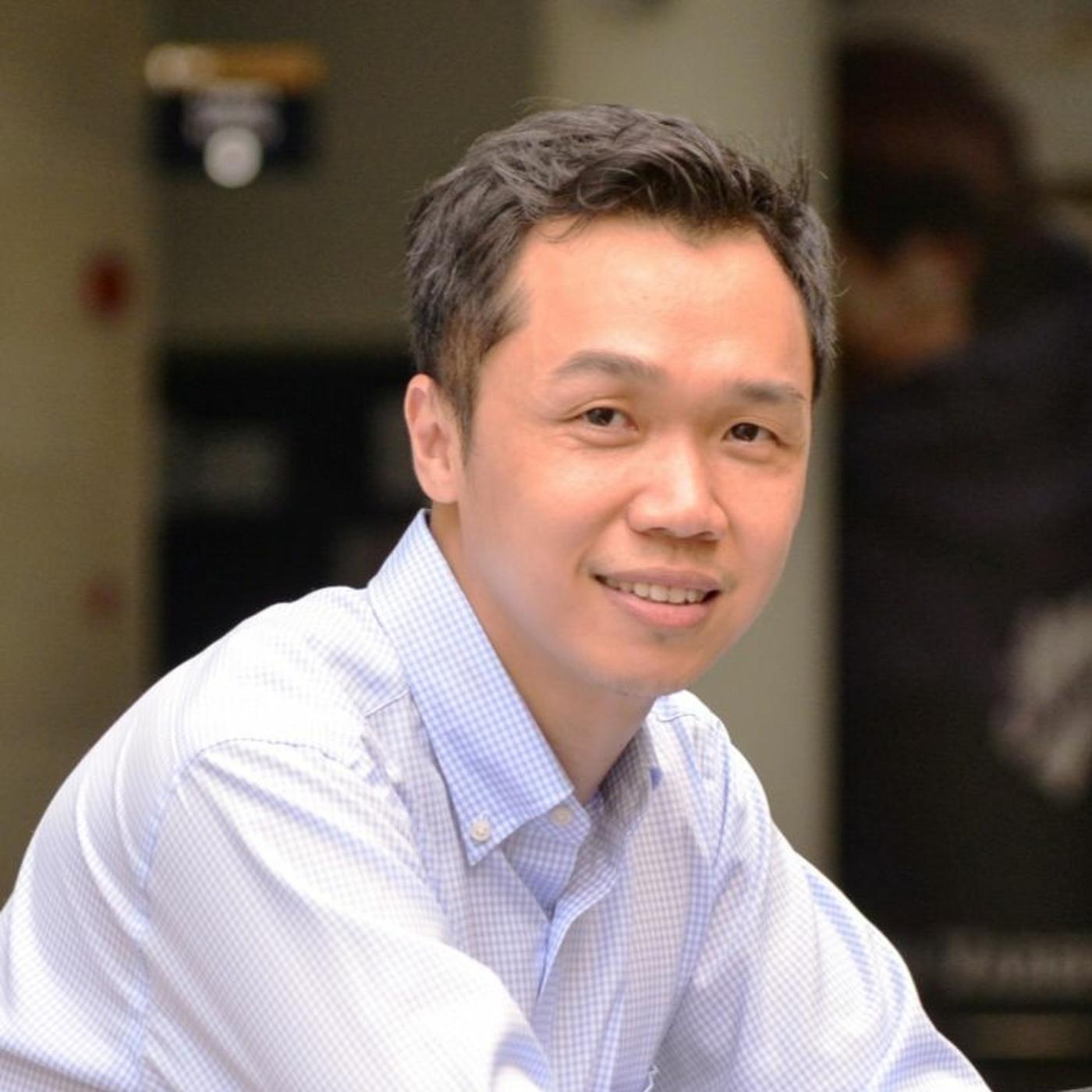
Warren Chik is Associate Professor of Law at SMU School of Law, and concurrently Deputy Director at SMU’s Centre for AI and Data Governance. In this podcast, he shares his recent research into Artificial Intelligence and Data Protection in Singapore, which takes a deeper look into consumers’ trust, organisational security and government regulation.
English
Singapore
TRANSCRIPT 🔗
Are you the producer of this podcast?
Add a podcast transcript
Need Audio-to-Text?
Transcribe with Listen411 in Just 60 Seconds
OTHER EPISODES IN THIS PODCAST

Building on research conducted in 2018 on the clear and positive link between high levels of psychological safety and a strong teamwork culture, Richard Smith, Professor of Strategic Management and Deputy Dean (Programmes) at the SMU Lee Kong Chian School of Business, has now dug deeper by focusing…

Financial literacy in Singapore has not been analysed in much detail, despite the fact that this is one of the world’s most rapidly aging nations. In this podcast, Professor of Finance Benedict Koh from the SMU Lee Kong Chian School of Business, discusses the key findings of his research jointly c…

Singapore is a small and open economy, with its economic growth highly dependent on international trade. With the momentum of global trade growth being buffeted by increased economic uncertainties and rising trade tensions, does Singapore’s position in the global value chains, or GVCs, stand it in…

Global warming and climate change have created an unprecedented global interest in reducing greenhouse gas emissions, especially in energy production. Biomass, or organic matter, which is a renewable energy source that can replace fossil fuels in energy production is gaining popularity. Consequen…

Technology is playing an increasingly important role in improving the quality of care for the elderly, be it enhancing aged care patient experience, developing home-care for an ageing population, or automating clinical processes.
Associate Professor Tan Hwee Pink from SMU’s School of Information S…
Disclaimer: The podcast and artwork embedded on this page are from Singapore Management University, which is the property of its owner and not affiliated with or endorsed by Listen Notes, Inc.
EDIT
Thank you for helping to keep the podcast database up to date.
