

ABOUT THIS EPISODE

There have been many moments of labor upsurge in America, including the influx of members into the Knights of Labor in 1886, the dramatic growth of unions during and in the immediate aftermath of World War I, and the great public sector unionism surge of the 1960s and 70s, but none matches the scale of the 1930s, when millions of workers were unionized under the aegis of the great labor federation, the Congress of Industrial Organizations, or CIO. If we’re looking to get millions of private-sector workers into the labor movement, there’s really one time to look to, and that is the ascendant period of the CIO.
In Organize the Unorganized, a forthcoming podcast from the Center for Work & Democracy at Arizona State University and Jacobin Magazine, we’ll be telling the story of the CIO through the voices of prominent labor historians, including Jeremy Brecher, Robert Cherny, Dorothy Sue Cobble, Lizabeth Cohen, David Brody, Melvyn Dubofsky, Steve Fraser, Rick Halpern, William P. Jones, Nelson Lichtenstein, Erik Loomis, Ruth Milkman, Daniel Nelson, Bryan Palmer, Lisa Phillips, Ahmed White, and Jim Young. These interviews have been spliced together into an account of the rise, importance, and legacy of the CIO. In addition to being released on soundcloud.com/organizetheunorganized, these episodes will also be released on Jacobin magazine’s podcast feed. Jacobin will also be publishing the individual interview transcriptions while the podcast is running.
English
United States
IN THIS EPISODE
TRANSCRIPT 🔗
Are you the producer of this podcast?
Add a podcast transcript
Need Audio-to-Text?
Transcribe with Listen411 in Just 60 Seconds
SEARCH PAST EPISODES
Search past episodes of Organize the Unorganized: The Rise of the CIO.
OTHER EPISODES IN THIS PODCAST
https://jacobin.com/2024/04/cio-organize-podcast-hillman-lewis
On the second episode of Organized the Unorganized, we kick things off with an account of the institutional formation of the CIO, and then get to the organization’s key personalities. John L. Lewis, the founding president of and drivin…
https://jacobin.com/2024/04/cio-organize-podcast-sit-down-strikes/
On the third episode of Organize the Unorganized, we examine the three initial major victories of the CIO in rubber, auto, and steel. We begin by recounting the story of the “first CIO strike” at the Goodyear complex in Akron, Ohio…
On this week's episode of Organize the Unorganized, we cover some of the key CIO unions not yet discussed in great detail, including the UE, ILWU, TWOC and PWOC. There were many other unions that formed the CIO - unions in oil, printing, transport, retail - but the four that we’re covering on this …
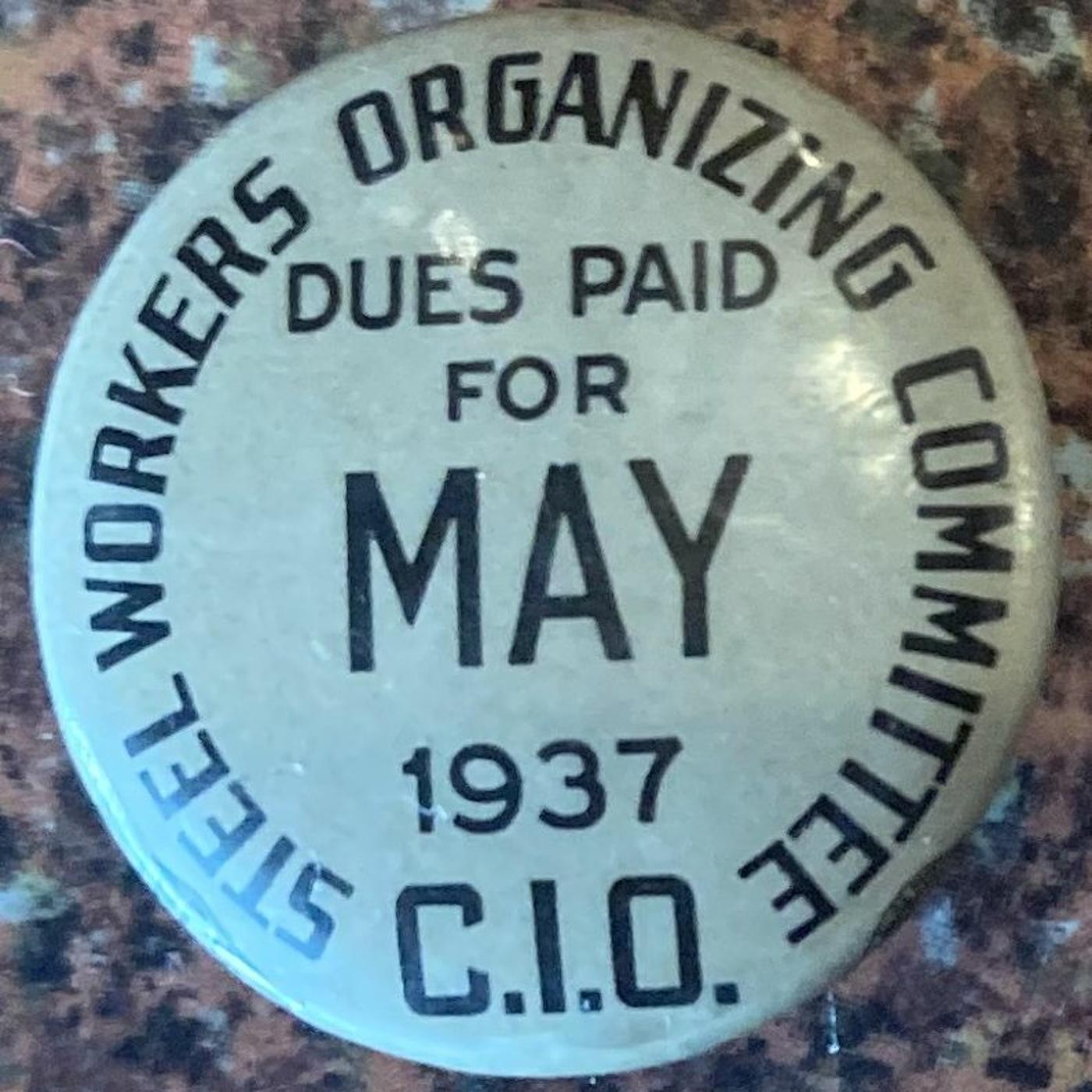
This episode is devoted to the Little Steel strike in the summer of 1937, a tragic failure for the Steel Workers Organizing Committee and the CIO, and one that illustrated the limits of the New Deal order. It might appear excessive to devote an entire episode of the podcast to one strike, but Littl…
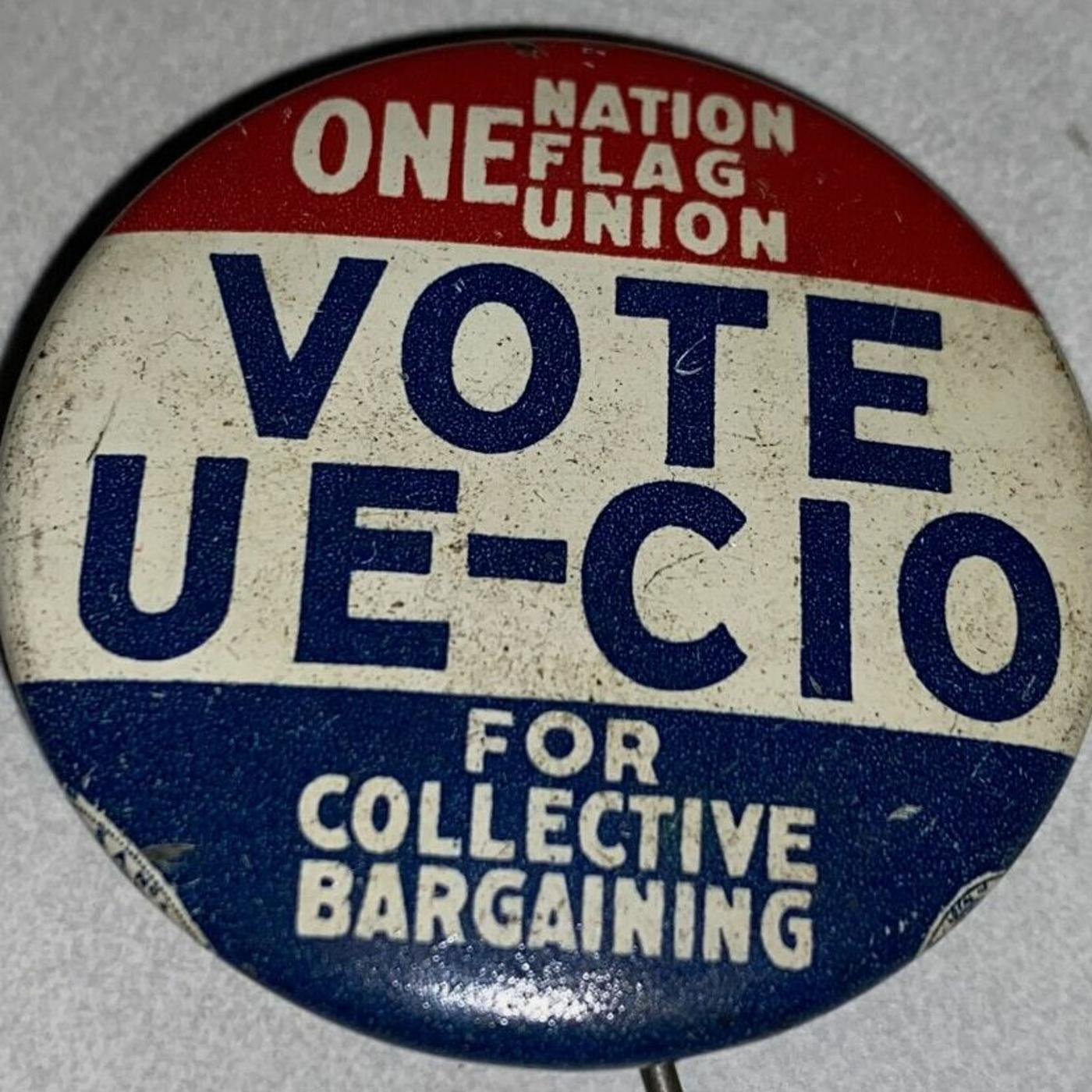
How was it that the CIO was finally able to make good on the decades-old dream of industrial unionism? In this episode, we outline four factors that were the keys to the CIO’s success. First, there was a political opportunity that the CIO took advantage of. Second, there were militant and disruptiv…
Disclaimer: The podcast and artwork embedded on this page are from Benjamin Y. Fong, Jacobin, which is the property of its owner and not affiliated with or endorsed by Listen Notes, Inc.
EDIT
Thank you for helping to keep the podcast database up to date.
