

WEBVTT
00:00:07.519 --> 00:00:17.679
Hello and welcome to the No Clapping Between Movements podcast, where we discuss symphonic music and interview artists and experts from around the world.
00:00:18.000 --> 00:00:21.120
I'm Lina Mendiola and I am Alexander Riecke.
00:00:21.359 --> 00:00:22.960
Let's get started.
00:00:28.160 --> 00:00:29.440
Hello, Alex.
00:00:29.760 --> 00:00:30.800
Hello, Lina.
00:00:31.120 --> 00:00:32.320
Good morning.
00:00:32.960 --> 00:00:34.479
Yes, good morning.
00:00:34.719 --> 00:00:36.560
This is something new for us.
00:00:39.920 --> 00:00:40.159
Yeah.
00:00:40.320 --> 00:00:42.799
And well, we had to do our homework early today.
00:00:42.960 --> 00:00:44.000
I did, anyways.
00:00:44.320 --> 00:00:45.200
So how have you been?
00:00:45.439 --> 00:00:46.320
Good, good, good.
00:00:46.479 --> 00:00:46.960
Beasy.
00:00:47.280 --> 00:00:49.759
Everything uh going well.
00:00:50.079 --> 00:00:51.679
Like the last concert was great.
00:00:51.840 --> 00:00:52.479
Oh my god.
00:00:53.520 --> 00:00:53.920
So good.
00:00:54.000 --> 00:00:56.399
I was so proud of the Ukeshwa.
00:00:56.799 --> 00:00:59.119
And I mean Ade was a superstar.
00:00:59.280 --> 00:01:03.759
Like she handled the shoulder rest situation like a rock star.
00:01:03.920 --> 00:01:04.560
It was really great.
00:01:04.719 --> 00:01:07.599
The thing is, like, I don't think people realized what was happening.
00:01:07.920 --> 00:01:12.640
It was a new shoulder rest, so she was having issues during the rehearsals already.
00:01:12.719 --> 00:01:17.040
But then literally five minutes before the concert, the that thing broke.
00:01:17.120 --> 00:01:25.680
And then one of our musicians landed her his shoulder rest, which was not proper for her instruments, and she's ended up playing without.
00:01:25.920 --> 00:01:30.239
That alone is amazing because her part was huge, huge.
00:01:30.400 --> 00:01:38.239
And to be playing with a shoulder rest that wasn't even yours, that fits differently and doesn't even fit your what did she say?
00:01:38.480 --> 00:01:40.799
17, whatever hundreds violin.
00:01:44.239 --> 00:01:44.879
Yeah.
00:01:45.280 --> 00:01:46.719
It just blows my mind.
00:01:46.879 --> 00:01:48.719
It just shows how professional she is.
00:01:48.959 --> 00:01:49.840
Oh no, incredible.
00:01:50.480 --> 00:01:50.799
Incredible.
00:01:50.879 --> 00:01:56.879
And it dealt that with grace and kept going and uh did not affect her whatsoever.
00:01:57.040 --> 00:02:04.079
I love how the workstrug really like ate the peat, the two pieces, you know, the Lena Frank, which is not easy.
00:02:04.959 --> 00:02:09.039
And um and the bronze was just spectacular.
00:02:09.120 --> 00:02:10.000
I'm really proud.
00:02:10.319 --> 00:02:14.479
Yeah, and same with the audience, the audience energy was fantastic.
00:02:14.719 --> 00:02:16.000
Oh, thank you guys.
00:02:16.719 --> 00:02:18.960
That takes us up to our next concert.
00:02:19.039 --> 00:02:24.080
So if you missed um February's concert, you don't want to miss March, and there's not very many tickets left.
00:02:24.240 --> 00:02:26.960
We did open up dress rehearsal for tickets.
00:02:27.199 --> 00:02:30.639
We open up for dress rehearsal for tickets.
00:02:30.800 --> 00:02:37.840
Uh, if you cannot get a ticket, you can come to the dress rehearsal, which is a different experience and it's equally exciting.
00:02:37.919 --> 00:02:40.159
I love seeing how the things are built.
00:02:40.400 --> 00:02:43.919
I like to see what is below the iceberg.
00:02:44.400 --> 00:02:45.280
But you know what?
00:02:45.520 --> 00:02:48.319
We need to double check because I think we actually sold out.
00:02:48.560 --> 00:02:51.360
Oh, for our actual concert time, 3 p.m.
00:02:51.919 --> 00:02:53.120
Yes, I think we are.
00:02:53.360 --> 00:02:56.879
If not, we have really, really few tickets left.
00:02:57.199 --> 00:03:00.800
All right, so let's talk about March 15th, 2026.
00:03:01.199 --> 00:03:04.400
We're gonna do at Capitol High School.
00:03:04.719 --> 00:03:06.560
You named this transform.
00:03:06.960 --> 00:03:11.759
Yes, and we and you're actually not even gonna be there with us, you'll be off somewhere in the world.
00:03:12.080 --> 00:03:13.360
That's so sad.
00:03:13.840 --> 00:03:21.199
It is so sad, but we're gonna forgive you because we have a fantastic conductor, guest conducting, Ray Hotoda.
00:03:21.680 --> 00:03:32.159
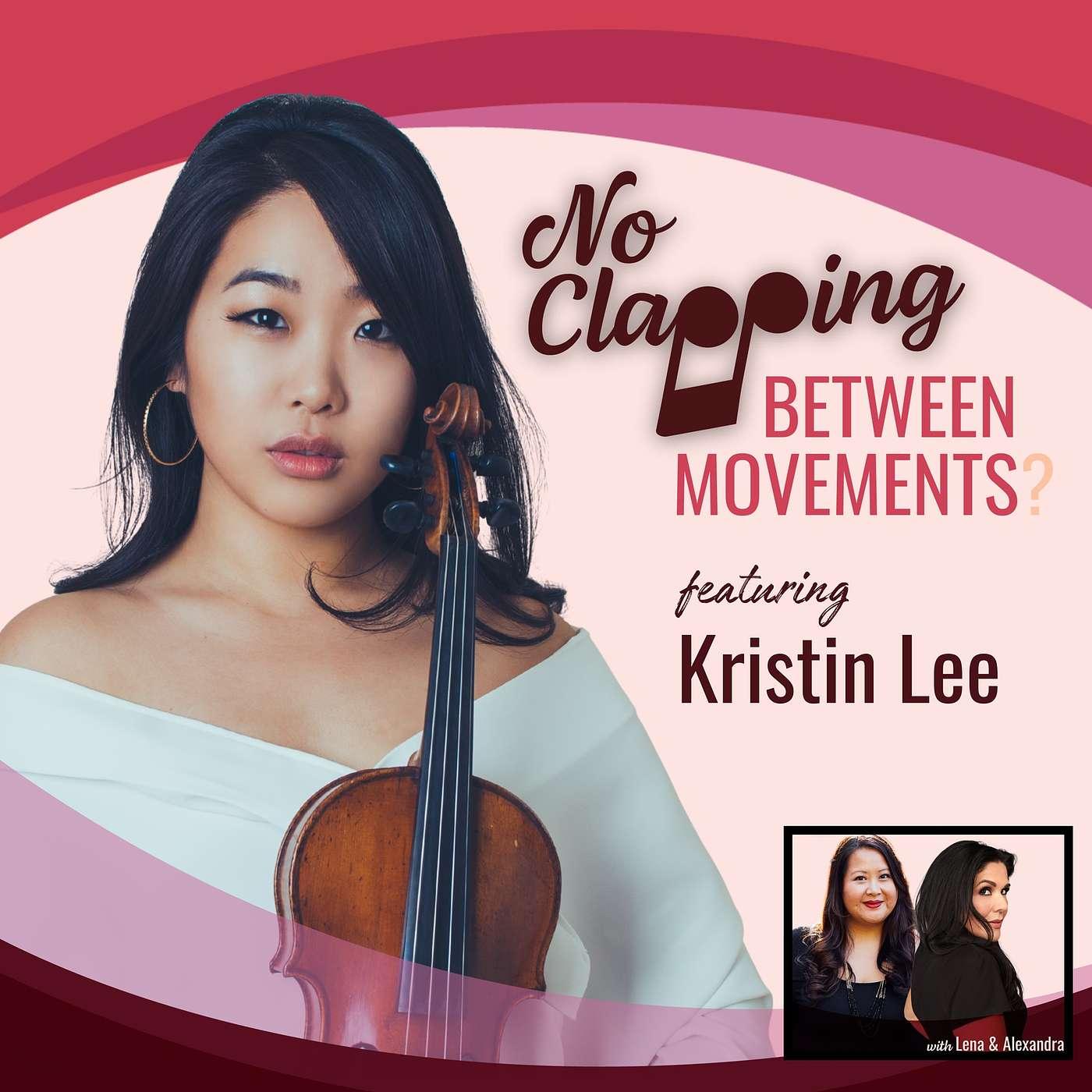
Ray Ray, my dear fellow Ray, who's coming, she is amazing, and uh soloist who we'll get to know a little bit later in this episode, Kristen Lee on violin.
00:03:32.319 --> 00:03:37.280
Yeah, but I think that I think that's our audience is familiar with Kristen.
00:03:37.599 --> 00:03:50.800
Yeah, and so with Ray, uh, because unfortunately she's not available to interview with us on this podcast before the concert, with enough time for us to get this this episode out, anyways.
00:03:51.039 --> 00:03:54.800
So Ray is a conductor at the Fresno Philharmonic.
00:03:55.039 --> 00:03:58.800
Fresno Philharmonic, yes, and also Las Vegas Philharmonic.
00:03:59.039 --> 00:03:59.520
Mm-hmm.
00:04:00.159 --> 00:04:01.599
And how do you know Ray?
00:04:01.759 --> 00:04:04.080
Well, she's part of the Taki Also Fellowship.
00:04:04.159 --> 00:04:06.319
I think two fellowships before me.
00:04:06.400 --> 00:04:08.560
Yeah, I was uh 2011.
00:04:08.800 --> 00:04:14.960
We got to know each other through Marion and through the fellowship, and she's just spectacular.
00:04:15.280 --> 00:04:17.920
I really love her approach to music.
00:04:18.000 --> 00:04:22.399
She's uh not only a conductor, she's also a very fine pianist.
00:04:22.639 --> 00:04:23.839
Uh exciting.
00:04:23.920 --> 00:04:26.720
I am looking forward to meeting her when she's here in town.
00:04:26.879 --> 00:04:28.079
No, she's lovely.
00:04:28.319 --> 00:04:30.639
So she's gonna be conducting two pieces.
00:04:30.800 --> 00:04:32.480
We have two pieces for this concert.
00:04:32.639 --> 00:04:36.319
The first one is Richard Strauss Metamorphosin.
00:04:36.879 --> 00:04:44.959
Yes, perfect, and then the second piece, Max Richter's four seasons, which we will talk about later.
00:04:45.040 --> 00:04:47.439
So let's talk about Richard Strauss.
00:04:47.680 --> 00:04:53.839
And and I did my usual, you know, my intense investigation by Googling up.
00:04:54.959 --> 00:04:58.079
It's like um music for dummies, is what I do, right?
00:04:58.240 --> 00:05:05.279
I just quickly Google and then I find out the surface level, and then we talk about and then we go deep into the thing, and then we go deep.
00:05:05.439 --> 00:05:14.959
So Richard Strauss, he was born June 11, 1864, died September 8, 1949, at age 85.
00:05:15.439 --> 00:05:23.759
German composer and conductor, known for his tone poems, and operas, a leading figure of the late Romantic and early modern era.
00:05:24.160 --> 00:05:32.160
His compositional output began in 1870 when he was just six years old and lasted until his death, nearly 80 years later.
00:05:32.399 --> 00:05:40.079
His first tone poem to achieve wild acclaim was Don Juan, and this was followed by other lauded works of his kind.
00:05:40.240 --> 00:05:55.040
And one thing, this metamorphosis, it was 1945, towards the end of his life, and during huge conflict, which we can also get into because of World War II.
00:05:55.680 --> 00:06:12.399
And the deeper you go into what side he chose during that war and the reasons for it, and then the impact of this piece specifically, you can kind of see why this song is transformative and also a little bit of mourning.
00:06:13.360 --> 00:06:13.839
Right?
00:06:14.000 --> 00:06:15.199
So let's talk about it.
00:06:15.920 --> 00:06:38.399
Um, I think that's the DNA of this concert, you know, when you think about the word transform, and we think about seasons and actually the essence of the word metamorphosis, you know, which is the literal transformation and um evolution of something and the cycles, etc.
00:06:38.879 --> 00:06:50.480
There is also the the deep layer of the word transform, which it's an internal, it's not the literal, you know, it's the internal uh transformation.
00:06:50.639 --> 00:07:10.240
Um, in the case of the metamorphosis, it's not only a musical transformation where he gets uh motif and start transforming and evolving and changing harmonically, but it's also like a psychological way of I would say, you know, exorcising his own demons.
00:07:10.639 --> 00:07:15.439
Both pieces are a conversation, you know, a conversation with previous artists.
00:07:15.600 --> 00:07:23.120
Richter is talking to Vivaldi, reimagining the seasons, and Strauss, he is actually talking to Beethoven.
00:07:23.199 --> 00:07:46.879
And the reason why he's talking to Beethoven is because they have a similar background, especially with the writing of the symphony Heroica, which Beethoven first dedicated to Napoleon, because he truly believed that Napoleon was gonna save Europe, you know, and he embodied all the ideology of freedom and equality, etc.
00:07:47.120 --> 00:07:59.199
And then in the end of the day, Napoleon becomes you know this dictator and showed his face and everything that Beethoven most hated.
00:07:59.439 --> 00:08:05.519
So he goes there and scratch the dedication to Napoleon and Aroika.
00:08:06.079 --> 00:08:25.360
Strauss, in the beginning, I'm not gonna say the war itself, but in the beginning of the regime that started in Germany, he was appointed, I forgot the title that he had, but he held a big artistic title in the Nazi regime.
00:08:25.600 --> 00:08:34.960
And then when he realized what was happening, he decided to leave the position because it did not line up with his ideology.
00:08:35.039 --> 00:08:38.240
You know, he saw that everything that was horrendous that was happening.
00:08:38.399 --> 00:08:54.159
And the impetus to write the metamorphosis was actually when Munich was bombarded, and that for him, like to see with his own eyes all that destruction, was when it became real for him what was happening.
00:08:54.559 --> 00:09:03.200
That was the bombing of the opera house where he yeah, yeah, no, but it was not only the opera house, it was all the landmarks in uh in Munich, you know.
00:09:03.360 --> 00:09:19.600
So he he did this piece, and in the end, you have to read the piece backwards, you know, the same way that he he related backwards to Beethoven, because they both made between big comas the same mistake.
00:09:20.080 --> 00:09:28.320
Um believing in uh in a theology of a person or a leader that ended up being the most horrific person in history.
00:09:28.559 --> 00:09:44.240
And so you you read the piece backwards, and in the score, there is a quote from the Beethoven Eroika, a musical quote, and he writes in memoriam, which means in the memory of everything.
00:09:44.399 --> 00:09:58.639
And I read that not only in memoriam of Munich and everything that was destroyed, but in memoriam of not forgetting where we come from and our evolution and how it's okay to change, it's okay to change your mind.
00:09:58.720 --> 00:10:05.440
And this is something so difficult, you know, to admit that you're wrong, especially in a situation like that.
00:10:05.679 --> 00:10:08.320
Beethoven did that and as well as he did.
00:10:08.399 --> 00:10:21.039
You know, it's a beautiful work of art, structurally, uh melodically, harmonically, it really challenges you emotionally.
00:10:21.200 --> 00:10:26.320
It's really and it has beautiful moments that you feel hope, you know.
00:10:26.399 --> 00:10:34.559
And it's a meditation, it's a piece that is a 32 minutes piece that catches your heart, regardless if you know the background.
00:10:34.799 --> 00:10:42.720
But I think that the background is so important because you can hear the regrets, you can hear the embarrassment.
00:10:42.879 --> 00:10:47.200
I think it's a very interesting conversation that's important to have, you know.
00:10:47.440 --> 00:10:49.279
Yeah, exactly what you're saying.
00:10:49.360 --> 00:11:07.679
So it sounds like online when I was looking him up, is that Richard Strauss, he, like you said, two important positions within Nazi Germany, but it says that he is apolitical, but he took these positions to kind of protect the life of his Jewish daughter-in-law and her children, right?
00:11:07.919 --> 00:11:16.799
Yeah, I mean, he took the position with the will of trying to change and protect, yeah, you know, and trying to make things right at that time, especially.
00:11:16.879 --> 00:11:31.919
But I mean, we all know politics now, like you have to be in the same room, you have to play the politics, and he took that with those intentions, with the intentions of trying to make things right, yeah, and then the regret came.
00:11:32.000 --> 00:11:37.039
There was no way that he could himself change the ideology, you know.
00:11:37.120 --> 00:11:41.600
He was very naive, I think, when he took those positions.
00:11:42.000 --> 00:11:53.120
Yeah, but he probably saw it as a way to engage because the said is that he took the position to advance copyright protections for band composers like Mahler and Mendelssohn.
00:11:53.279 --> 00:12:02.879
And so I can see that he had other things in mind and he saw this as an opportunity, but that is definitely a rock in a hard place position to be in.
00:12:04.240 --> 00:12:05.360
Was Mahler banned?
00:12:05.440 --> 00:12:07.200
I don't I didn't know that part.
00:12:07.600 --> 00:12:08.000
I don't know.
00:12:08.240 --> 00:12:10.080
That's just what Wikipedia said.
00:12:11.039 --> 00:12:12.480
No, because it's interesting.
00:12:12.639 --> 00:12:26.720
I will check it out of myself because I didn't know he was bam, because one of the things that Mahler did was that he converted to Catholicism in order to try to survive in the world, in the classical world, you know.
00:12:26.960 --> 00:12:31.200
I think that after that he moved here to the US, but I didn't know he was bam.
00:12:31.519 --> 00:12:39.600
Okay, so and it also talks about just what you said apply his own mental development over the period of this piece.
00:12:39.840 --> 00:12:40.879
So let's see.
00:12:41.279 --> 00:12:50.960
This piece is for 23 solo strings, yeah, 10 violins, five violas, five cellos, and three double bassists.
00:12:51.519 --> 00:12:54.159
Let's add up, and one conductor.
00:12:54.559 --> 00:13:03.600
So it's definitely a string forward piece, and I think that's part of what leads to the mourning feeling, like in mourning for Munich.
00:13:03.919 --> 00:13:08.639
The sorrow and the transformation, like it it helps convey it.
00:13:08.960 --> 00:13:53.039
Yeah, and the fact that he wrote for 23 different voices, that's something that's uh because every single voice is independent, every single instrument is a soloist, which I think is also a metaphor to show how we can still have a conversation, not uh you know, a chaos or anything, but you still have a conversation if even though if we are not saying the you know the same thing at the same time, you know, it's it shows that we can you can listen to each other, you you can have different opinions, and that's what makes us a society.
00:13:53.120 --> 00:13:59.279
That's what makes us that's what's what enriches uh the us as human beings, I think.
00:13:59.440 --> 00:14:10.879
I think what we're trying to say is that independent of the historical background and the impetus and the motivation, it's just a great, uh great piece of art.
00:14:11.120 --> 00:14:12.240
It's really 100%.
00:14:12.799 --> 00:14:15.279
Yeah, it was so beautiful.
00:14:15.600 --> 00:14:25.279
But also all of the points that we just made is to help to understand where he was in his life when he was composing this piece.
00:14:25.440 --> 00:14:28.720
It was a darker time, it was towards the end of his life.
00:14:29.039 --> 00:14:38.559
He was thinking about, I'm sure he was reflecting upon his whole life and the world as it stood in 1945 when this piece came came to fruition.
00:14:38.720 --> 00:14:44.480
I think that just gives you a better understanding of what this piece meant to him and everybody else.
00:14:44.799 --> 00:14:54.080
Yeah, and also like something that's very interesting is that his whole repertoire, it's a massive, you know.
00:14:54.799 --> 00:15:09.360
He doesn't write for chamber orchestra, like he writes for big, luxurious harp, tuba, like hundred horns, you know, like it's it's really, really massive.
00:15:09.440 --> 00:15:18.240
Like he he was the king of orchestration, you know, and he goes to the extremes, like you mentioned Don Juan, which was what brought him to the spotlight.
00:15:18.480 --> 00:15:37.440
So seeing that after this luxurious life, you know, he had everything in front of him that he could, all the colors of the you know, you know, of the rainbow in the palette to write uh music and to color his ideas uh when he brings it to life in a you know to a page.
00:15:37.600 --> 00:15:44.240
And then towards the end of his life, he chose the sound of only 23 strings.
00:15:44.480 --> 00:15:45.919
I think says a lot.
00:15:46.159 --> 00:15:49.440
And I think that's we we have to learn how to forgive ourselves.
00:15:49.600 --> 00:16:01.519
Yeah, you know, we all make mistakes, we all do, you know, and it's okay to it's never too late, yeah, never too late, and never too late to evolve, right?
00:16:01.759 --> 00:16:07.279
No, yeah, no, even in your 90s, even in your 90s, even in your 40s, whatever.
00:16:07.519 --> 00:16:08.799
Yes, but you know what?
00:16:08.960 --> 00:16:21.200
And that that comes to another person that I that had a a very significant impact on my life, which was Farbeman, Harold Farbeman, my first teacher here in the US.
00:16:22.000 --> 00:16:26.879
And uh he was 82 when I when I started working with him.
00:16:27.120 --> 00:16:33.600
He actually no, my last year he was 82, so he was uh turning 80 when I when I started working with him.
00:16:33.840 --> 00:16:38.879
And uh that was when uh I got the fellowship with Mary.
00:16:39.840 --> 00:16:48.559
And I was going to the Baltimore Symphony, I was going to be the assistant there, and he was worried because I was too green.
00:16:48.879 --> 00:16:57.600
He he was like, Alex, you're gonna be in a big professional orchestra, like concerts every single week for 50-something weeks, you know.
00:16:57.759 --> 00:17:07.279
You you have to learn repertoire every single week, like two hours and a half of music, new music every single single week.
00:17:07.519 --> 00:17:10.480
So you're not gonna have time for anything, you know.
00:17:10.559 --> 00:17:23.599
You're you're gonna be like sleeping and uh eating uh scores for breakfast, and he and he said, and you will feel that you know nothing, but you know what?
00:17:23.759 --> 00:17:27.920
I'm 82 years old, and the only thing that I know is that I know nothing.
00:17:28.720 --> 00:17:30.079
I carry this with me.
00:17:30.720 --> 00:17:31.920
That's a huge lifeless.
00:17:32.799 --> 00:17:36.559
It is, it is, you know, it's never too late to learn.
00:17:36.720 --> 00:17:40.720
We are constantly in metamorphosis, we are constantly transforming.
00:17:40.880 --> 00:17:47.440
You know, sometimes people say, like, oh, don't change, or like, oh, you're still the same, you know.
00:17:47.680 --> 00:17:54.799
I'm scared when I hear those things because I I I want to change, I want to be better, you know.
00:17:54.960 --> 00:18:04.400
I wanna, you know, there I think that there is this this lesson, this life lesson of sticking to your core and sticking to your your your voice, etc.
00:18:04.640 --> 00:18:08.000
But it's also evolving, transforming.
00:18:08.880 --> 00:18:09.759
And um, yeah.
00:18:10.000 --> 00:18:13.039
Well, they say the one thing you can't stop is change.
00:18:13.279 --> 00:18:13.759
Yeah.
00:18:14.079 --> 00:18:15.359
Hopefully for the best.
00:18:15.519 --> 00:18:15.920
I know.
00:18:16.319 --> 00:18:19.839
But even if it's not for the best, you can still change it to turn it around.
00:18:20.000 --> 00:18:20.640
Yeah, yeah.
00:18:20.720 --> 00:18:23.200
You can still change it and learn, but learn.
00:18:23.279 --> 00:18:25.119
I think that that's the best thing, you know.
00:18:25.279 --> 00:18:28.720
Learn, don't make the same mistakes over and over and over.
00:18:28.960 --> 00:18:33.920
Yeah, and hopefully everybody is learning about these pieces as we go, just like we are.
00:18:34.079 --> 00:18:41.920
And that leads us to our next piece, which is um Max Richter's Four Seasons.
00:18:42.000 --> 00:18:46.000
And I'm gonna introduce our soloist who we're gonna interview.
00:18:46.160 --> 00:18:59.359
Kristen Lee is a violinist of remarkable versatility and impeccable technique, who enjoys a vibrant career as a soloist, chamber musician, educator, and artistic director.
00:18:59.519 --> 00:19:04.960
As a soloist, Lee has appeared with leading orchestras, including the Philadelphia Orchestra, St.
00:19:05.039 --> 00:19:06.240
Louis Symphony, St.
00:19:06.400 --> 00:19:11.599
Paul Chamber Orchestra, New Jersey Symphony, and the list keeps going on and on.
00:19:12.079 --> 00:19:25.680
She has performed on the world's finest concert stages, including Carnegie Hall, Avery Fisher Hall, the Kennedy Center, Kimmel Center, the Metropolitan Music of Arts, the Ravinia Festival, and the Louis Museum.
00:19:25.839 --> 00:19:29.119
And this also keeps going on many other venues.
00:19:29.359 --> 00:19:39.440
Kristen Lee is a member of the Chamber Music Society of Lincoln Center, accomplished chamber musician, performs regularly in New York in Lincoln Center and on tour.
00:19:39.599 --> 00:19:44.640
In addition to her prolific performance career, Lee is a devoted educator.
00:19:44.720 --> 00:19:53.519
She has served on the faculty of the University of Cincinnati College Conservatory Music, and she has also been in residence with the Singapore National Youth Orchestra.
00:19:53.680 --> 00:20:05.279
Born in Seoul, Lee moved to the United States and studied under prestigious teachers including Sonia Foster, Catherine Cho, Dorothy Delay, Donald Weilerstein, and Itzak Perlman.
00:20:05.359 --> 00:20:08.559
She holds a master's degree from the Juilliard School.
00:20:08.720 --> 00:20:15.920
The violin that she plays on was crafted in Naples, Italy in 1759, generously loaned to her.
00:20:16.000 --> 00:20:19.519
And so I took some privilege with her bio, as you could tell.
00:20:19.680 --> 00:20:22.079
So we'll have her introduce herself.
00:20:30.079 --> 00:20:39.599
Kristen, we just read your bio, but we'd really love to hear your story about how you started in Korea and then how you ended up working in the Pacific Northwest.
00:20:39.839 --> 00:20:40.640
Yeah, absolutely.
00:20:40.880 --> 00:20:44.240
So I started playing the violin at age six.
00:20:44.319 --> 00:20:46.400
Um, I come from a pretty musical family.
00:20:46.559 --> 00:20:53.920
My mother was an opera singer, and I have very vivid memories of going to watching her perform at the operas on weekends when I was a little child.
00:20:54.079 --> 00:21:05.440
I started on the piano first, and we moved to America with the intention to just stay for one year because my father was on a sabbatical year in Korea and was a visiting professor in the States.
00:21:05.519 --> 00:21:18.400
And so my mother thought, you know, why don't you just hold off on your piano playing and why don't you just focus on the violin for this year since piano is a lot harder to move to another country.
00:21:18.640 --> 00:21:25.039
So basically, that's kind of how I started to focus more on the violin when I was about seven or eight.
00:21:25.200 --> 00:21:33.200
And then we came across a wonderful, very supportive teacher named Sonia Foster, who lived in Atlanta, Georgia.
00:21:33.440 --> 00:21:36.960
And she said, um, why don't you all stay for one more year?
00:21:37.119 --> 00:21:44.319
I'm gonna try to bring Kristen into the Juilliard pre college program and let's see if that works out, and then we can decide what to do then.
00:21:44.400 --> 00:21:47.759
So she convinced my parents to have me stay in the States.
00:21:47.920 --> 00:21:49.519
My dad moved back to Korea.
00:21:49.599 --> 00:21:51.599
My mom stayed with me and my sister.
00:21:51.839 --> 00:21:59.759
And then one thing led to another, I got into Juilliard for the pre college program, got into the studio of Dorothy DeLay's, and Dorothy Delay was one.
00:22:00.079 --> 00:22:06.160
Of the most prominent teachers who has raised so many incredible violinists that we celebrate today.
00:22:06.480 --> 00:22:09.440
And so I was able to study with her, and one thing led to another.
00:22:09.519 --> 00:22:15.359
And here I am, I'm still living in the states, you know, loving it and thriving here.
00:22:15.519 --> 00:22:22.079
Yeah, so my education and my life in the United States is primarily on the East Coast.
00:22:22.160 --> 00:22:24.480
I grew up mostly in northern New Jersey.
00:22:24.720 --> 00:22:26.799
Right now I reside in Brooklyn, New York.
00:22:26.880 --> 00:22:43.680
I'm still very much based in the East Coast, but my connection to the Northwest came around 10 years ago when my dear colleague Andrew Goldstein and I decided to co-find a chamber music organization in Seattle and Olympia named Emerald City Music.
00:22:43.920 --> 00:22:48.319
At the time, I had never even stepped foot into the Northwest area, really.
00:22:48.480 --> 00:22:50.880
I have never really been to Seattle or Olympia.
00:22:51.119 --> 00:23:00.319
But Andrew, who I had met at a different festival in San Francisco, was moving to this area, and his wife's family were living in Olympia.
00:23:00.400 --> 00:23:05.359
So he wanted to start something here and asked if I would join him as his artistic partner.
00:23:05.839 --> 00:23:11.039
And the 20-some-year-old, very ambitious self said, Yes, I'll do anything.
00:23:11.200 --> 00:23:15.519
And so that's kind of how Seattle and Olympia fell on my lap.
00:23:15.759 --> 00:23:20.559
Now, 10 years later, I mean, it's one of the most important places for me.
00:23:20.799 --> 00:23:26.160
And um, I feel like I have so many friends, and I dare to even call like family.
00:23:26.400 --> 00:23:31.119
Feels like family to me with so many people that I truly love and adore in the area.
00:23:31.279 --> 00:23:32.960
So it's become really like my second home.
00:23:33.200 --> 00:23:34.000
What a cool story.
00:23:34.160 --> 00:23:37.119
Okay, but I am stuck on one of the things that you said earlier.
00:23:37.279 --> 00:23:44.319
So you started playing the piano, you love the piano, then you picked up the violin at what, seven or eight, and then you ended up at Julia.
00:23:44.720 --> 00:23:52.000
It's like you just picked up this instrument and became amazing at it and ended up at one of the top colleges of for musicians, Juilliard.
00:23:53.599 --> 00:23:54.559
So cool.
00:23:54.880 --> 00:24:01.519
Well, yeah, the thing is, I think from a very young age, I've always really, really, really connected to music.
00:24:01.759 --> 00:24:08.000
I am definitely not this case anymore, but when I was young, I was very, very introverted and I was really shy.
00:24:08.240 --> 00:24:15.759
My mom was almost concerned because I had a very difficult time like really just getting along with anyone because I was so, so shy.
00:24:16.079 --> 00:24:24.319
And so when these instruments came to my life as six, seven-year-old, I think something really clicked and really switched.
00:24:24.400 --> 00:24:27.200
And so I was just practicing all the time.
00:24:27.359 --> 00:24:34.640
I loved spending time with these instruments, and so I think I showed a lot of sort of uh connection to music from a young age.
00:24:34.880 --> 00:24:44.559
And then, of course, you know, that led to also my mom practicing with me and then my teacher being very supportive and really pushing me to get to the next level pretty quickly.
00:24:44.720 --> 00:24:49.599
It takes a village to really get kind of skill set going at that young age.
00:24:49.680 --> 00:24:55.279
So I'm I'm so grateful for all the people and also my mom and my par my parents for it.
00:24:55.519 --> 00:24:55.759
Yeah.
00:24:56.000 --> 00:24:57.599
And where is the piano now?
00:24:57.839 --> 00:24:59.759
These two players.
00:25:00.079 --> 00:25:03.039
Yeah, I I love playing the piano.
00:25:03.200 --> 00:25:05.039
I mean, I doodle around.
00:25:05.119 --> 00:25:09.519
Um, I have a an upright piano at home that I play time to time for fun.
00:25:09.759 --> 00:25:20.000
I mean, I can't play, you know, like Rachmaninov's second piano concerto, but I could definitely read some things if you want to have a little evening of singing or something like that.
00:25:20.559 --> 00:25:21.039
Nice.
00:25:21.279 --> 00:25:21.599
Nice.
00:25:21.759 --> 00:25:22.960
It's a good instrument to have.
00:25:23.039 --> 00:25:25.359
Like that's what that was my first instrument as well.
00:25:25.519 --> 00:25:29.440
Yeah, I mean, I as you said, don't ask me to play any major repertoire.
00:25:30.160 --> 00:25:30.960
It's awesome.
00:25:31.200 --> 00:25:35.519
I can't play the piano, but I can play a pretty mean twinkle-twinkle little star.
00:25:35.839 --> 00:25:36.559
So, you know.
00:25:36.720 --> 00:25:37.039
Yes.
00:25:37.279 --> 00:25:39.680
I don't think I'll be going to Juilliard anytime soon.
00:25:39.839 --> 00:25:41.680
Kristen, why the violin?
00:25:41.839 --> 00:25:44.960
Out of all the instruments, what what made you choose violin?
00:25:45.519 --> 00:26:03.039
Well, it's so funny because I was just listening to an interview by Yo-Yo Ma yesterday, and it was an interview where he said, I didn't choose the cello or I didn't choose the music for my life and my career, but it kind of fell on my lap because it was sort of given to him.
00:26:03.279 --> 00:26:08.000
I I kind of really resonate with that because I was always drawn to the piano.
00:26:08.160 --> 00:26:11.920
Like piano was really my first love, and I've always wanted to play the piano.
00:26:12.240 --> 00:26:23.119
And because of just realistic practical reasons of not being able to move this physical instrument to the US, the violin sort of like fell on my lap and stayed with me.
00:26:23.279 --> 00:26:30.319
It's funny, I think I'm that rare violinist who's not particularly obsessed with the violin.
00:26:30.480 --> 00:26:34.400
I have so many friends who are like completely obsessed with the instrument itself.
00:26:34.640 --> 00:26:47.759
I like to think that I just love and adore music, and the violin happened to choose me, and it is now my voice, but it's the tool that I use to really celebrate music because that's truly what I love.
00:26:47.920 --> 00:26:49.200
I feel so lucky to do that.
00:26:49.440 --> 00:26:50.480
That's so beautiful.
00:26:50.640 --> 00:26:54.640
It's like an extension of you to be able to express your love for music.
00:26:54.960 --> 00:26:55.680
Absolutely.
00:26:55.920 --> 00:27:06.400
Yeah, I think because one of the reasons why I love the piano so much was because of its ability to play so many different notes, you know, also known as like creating a lot more variety and harmony.
00:27:06.640 --> 00:27:09.119
And I've always been a sucker for harmony.
00:27:09.279 --> 00:27:11.680
I love good, good harmonic progression.
00:27:11.759 --> 00:27:17.039
And the violin, obviously, is not more of a harmonic instrument, but much more of a melodic instrument.
00:27:17.200 --> 00:27:38.319
And so I like to think that because I have my heart in really loving the different kinds of progressions of harmony, but then having this instrument as a tool to create a lot of the different melodic instruments, I think it brings me a lot of the abilities to create a larger sense to how I think about music through the lens of the violin.
00:27:38.880 --> 00:27:43.039
So looking back at your career, what is a huge milestone?
00:27:43.200 --> 00:27:51.119
Kind of that that moment, I'm sure you've had many of them, but a moment where either you're where you're playing what you're doing, where you're just like, oh my gosh, this is my life.
00:27:51.279 --> 00:27:51.920
This is amazing.
00:27:52.079 --> 00:27:54.640
Like this is a a big part of my career.
00:27:55.200 --> 00:27:56.880
Yeah, no, that's a great question.
00:27:57.119 --> 00:28:02.799
So I was very fortunate that I started performing and concertizing from a very young age.
00:28:02.960 --> 00:28:13.920
I got into the Juilliard Pre-College program and I was signed with one of the major uh management companies, now known as Opus 3, but at the time it was called ICM, and I was 15.
00:28:14.079 --> 00:28:20.240
And so from the age of 15, I started concertizing and I played with a lot of major orchestras around the country.
00:28:20.400 --> 00:28:26.160
So, in terms of career building, I think I was so lucky and had that fortune.
00:28:26.319 --> 00:28:30.799
You know, what does a 15-year-old really know about like building a career?
00:28:30.960 --> 00:28:36.880
So, in that sense, I was very lucky to be exposed to so much experience and so much opportunity.
00:28:37.200 --> 00:28:49.759
But then when you're 15 and that's given to you, and then you become an adult and you become more independent starting from 18, going through college, and all you start to wonder like, okay, do I really want to do this?
00:28:49.920 --> 00:28:52.079
Like, is this something that I want to do?
00:28:52.240 --> 00:28:54.240
What is music really to me?
00:28:54.559 --> 00:28:58.319
I don't really know how much of this I actually chose for myself.
00:28:58.480 --> 00:29:06.640
And so I had to go through, I mean, it was a bit of a crisis that I went through when I was about between the ages of like 18 to like 21 or something like that.
00:29:06.799 --> 00:29:09.680
Just really like through the undergrad and college years.
00:29:10.000 --> 00:29:14.160
And I think I really like had to figure myself out.
00:29:14.400 --> 00:29:23.519
So I met friends, I fell in love, and I did all the things, you know, I did all the things that a human a girl should do, you know.
00:29:23.599 --> 00:29:28.799
And so through those experiences, and I also really experimented a lot in music.
00:29:28.960 --> 00:29:33.279
I didn't play just the concertos, but I really uh dipped my toes into contemporary music.
00:29:33.440 --> 00:29:38.240
I worked with composers, I worked with jazz musicians, and I just started to just experiment as much as I can.
00:29:38.319 --> 00:30:06.720
And and I think the moment when I really, really delved into chamber music and understood what chamber music was showing me in terms of people, humans coming together to the same room, humans sharing the love for this one music and having one goal to make this piece better, and interacting, sharing ideas, sometimes debating, reasoning.
00:30:06.880 --> 00:30:22.079
And you know, when that interaction came and then when that really built itself and molded into something greater in terms of the product of the music that we were performing, that exchange, that collaboration factor was what really was like aha moment for me.
00:30:22.160 --> 00:30:28.559
And I was like, okay, that's what music is, that's what musicianship is, that's what being a musician is.
00:30:28.799 --> 00:30:33.599
And so, in that sense, I think chamber music really saved me as a musician.
00:30:33.759 --> 00:30:41.839
I knew always I love music in my heart, but I just didn't know why I should continue my life as a musician until I figured that out.
00:30:42.160 --> 00:30:51.039
So that might not necessarily feel like it's a big career moment, but for me personally, I really needed to figure out why I want to commit to music.
00:30:51.119 --> 00:30:53.440
And that was the moment that I really figured it out.
00:30:53.759 --> 00:30:56.880
That sounds like a huge personal growth moment for you.
00:30:57.200 --> 00:31:01.039
You kind of just figure out what is what is this purpose of playing this music?
00:31:01.119 --> 00:31:02.960
What is the purpose of playing this instrument?
00:31:03.119 --> 00:31:10.559
And you figured out, and it sounds a lot like what you created at Emerald City, is this growth moment that you see.
00:31:10.880 --> 00:31:12.960
So tell us a little bit more about Emerald City.
00:31:13.279 --> 00:31:20.799
Yeah, I think Emerald City music was born out of a lot of these life and musical journey that I lived through.
00:31:21.039 --> 00:31:41.599
It's really the product of that, which is that there's so much music in the world, and there's no reason to only celebrate one kind of music, but the more you could bring the experiences of different kinds of music and allow that platform to educate and learn something new for everyone, I think it creates a greater impact.
00:31:41.759 --> 00:31:45.839
And so that's really at the core musically for Emerald City Music.
00:31:46.000 --> 00:31:56.559
I think the other thing that I've always been drawn to is just let's create an experience where I guess musical presentation doesn't have to have such a big gap between the audience and the artists.
00:31:56.640 --> 00:32:08.480
And so, how can we try to bring that much more in a casual, um, more interactive sort of um place, you know, where people feel like they can be a part of the experience rather than having this big space.
00:32:08.559 --> 00:32:13.519
And so that's kind of the whole pillar and the core of what Emerald City Music is about.
00:32:13.680 --> 00:32:19.519
And um, and I I think we've done pretty well in building our community for it, and we're we're still going.
00:32:19.680 --> 00:32:21.759
Ten years later, you're we're still here.
00:32:22.000 --> 00:32:26.720
You touched on a very good, a very good point about interaction with the audience.
00:32:26.880 --> 00:32:29.039
I think that this is something that we lost.
00:32:29.279 --> 00:32:47.200
Well, it's not even a century that we lost that, you know, because before I always say like before in Beethoven's time, people were they had much more interaction with the audience and the artists on stage, and then all of a sudden we had this separation that happened in the beginning of the 20th century.
00:32:47.440 --> 00:32:51.200
And that kind of like spoiled the entire relationship, in my opinion.
00:32:51.359 --> 00:32:55.519
I like the collaboration to collaborate with with the musicians in the orchestra.
00:32:55.759 --> 00:33:06.480
But this is still the challenge of so many large ensembles to get the audience to understand that they can interact.
00:33:06.960 --> 00:33:11.599
And that's why the title of the podcast is like no clapping between movements.
00:33:11.759 --> 00:33:12.640
Question mark.
00:33:12.799 --> 00:33:17.119
Where is this all started and why we don't have this connection anymore?
00:33:17.440 --> 00:33:28.400
I mean, I think I can talk about this topic for literally hours because where we are standing is a result of a much greater and bigger topic, right?
00:33:28.640 --> 00:33:44.000
I think classical music has sort of built its history, unfortunately, in a direction that was catering to a certain kind of people or certain kinds of people push for certain kinds of ideas where it had to be of a certain caliber, certain level, certain social class.
00:33:44.240 --> 00:33:50.000
And so I think a lot of that movement created this culture of where we're standing today.
00:33:50.240 --> 00:33:56.480
What is exciting is that I think we're now living in the world and living in a time where there's a lot more awareness.
00:33:56.720 --> 00:34:01.119
I think because of the digital world, I mean, everything is so connected now.
00:34:01.519 --> 00:34:04.240
And so I think the arts is also going in that direction.
00:34:04.319 --> 00:34:06.640
And so I think there's a lot more awareness of like, how do we connect?
00:34:06.880 --> 00:34:07.519
I think it's happening.
00:34:07.599 --> 00:34:13.199
I mean, everything takes time, but I think we're paving the way for the future of music, and I'm very excited about it.
00:34:13.440 --> 00:34:15.760
Olympia Symphony is doing that always, and I see it.
00:34:15.840 --> 00:34:23.440
And I love like how Alex, you totally engage with the audience and to really get them to feel like they can be themselves and they respond to it.
00:34:23.599 --> 00:34:27.920
And those efforts, I think all of us making that is gonna lead somewhere.
00:34:28.079 --> 00:34:28.559
I believe that.
00:34:28.719 --> 00:34:42.639
And you're you're right, like inology, we are much more connected, and uh it's everything accessible, and uh and you it's some somehow it gives us the idea that uh there is a possibility for us to belong.
00:34:42.880 --> 00:34:51.679
It's funny that you mentioned that because growing up in Brazil, I would say, it was very behind technology.
00:34:51.920 --> 00:35:00.079
Um YouTube happened in Brazil around 2007, 8 or something like that.
00:35:00.320 --> 00:35:19.519
And I remember people downloading videos of Bernstein, Abado, you know, and all of a sudden I have the access in Brazil to Berlin Philharmonic, you know, and not only me, because I consider myself very privileged in uh in a way in Brazil.
00:35:19.599 --> 00:35:28.000
You know, I grew up with a family that had the means to give me opportunities, and uh that just the fact that I was able to learn the piano was a big thing.
00:35:28.320 --> 00:35:34.000
But an entire population that didn't have access to that and felt they did not belong.
00:35:34.159 --> 00:35:40.880
You know, so in indeed the technology gives us the possibility to see an opportunity and to dream about it.
00:35:41.199 --> 00:35:54.239
I think like I'm sorry, I want to add just one more thing to that comment because it's something that I'm super obsessed with these days, but now the technology is developing even farther to where people are all talking about AI, right?
00:35:54.400 --> 00:36:06.960
I mean, I was just in San Francisco last week, and we were driving from um San Francisco to Berkeley, and like every single billboard, there are like 20 billboards, and they're all about AI, AI, AI, AI.
00:36:07.039 --> 00:36:09.519
It's like it's the time of AI right now, which is insane.
00:36:09.840 --> 00:36:28.480
And I think there are a lot of concerns and worries and all these things about AI, but many of the things that I've been hearing about is the fact that you know the the building of AI is going to help facilitate a lot of the work to be done that can be faster um and more efficient.
00:36:28.800 --> 00:36:34.880
But the thing that AI cannot do is like replicate the creativity of humans, right?
00:36:35.360 --> 00:36:46.559
They can use what is existing and then they can use that knowledge to create something from learning from that, but that does not mean that they can create something from something new.
00:36:46.800 --> 00:36:56.880
So, what I've been hearing over and over is that in that time, the arts, sports, you know, things like that are going to be thriving because humans need humans.
00:36:57.039 --> 00:36:58.400
We're going to need each other.
00:36:58.880 --> 00:37:08.239
And the things that technology that cannot replicate is the human's creativity and the need to connect with one another and then be inspired.
00:37:08.400 --> 00:37:10.880
And so I think it's really exciting actually.
00:37:11.199 --> 00:37:15.280
I always believe that we do not thrive on the extremes.
00:37:15.760 --> 00:37:20.400
We thrive when the pendulum is always swings, you know, back and forth.
00:37:20.559 --> 00:37:29.920
And we are going in in a situation where we are so influctuated with the AI and the possibility that can be done that we are gonna swing to the other side.
00:37:30.000 --> 00:37:34.480
That, as you said, we are gonna be looking for that human connection.
00:37:34.719 --> 00:37:39.440
I don't think we are losing, but I think that that's gonna become our superpower.
00:37:40.639 --> 00:37:47.360
Because AI can't give you the emotion, it can't give you that energy that is being a human, that connection, right?
00:37:47.679 --> 00:37:59.599
Um, in my day job, we're talking about AI and we're talking about data centers, and they're saying that we are moving into the fourth industrial revolution with all of this AI usage and in manufacturing and everything.
00:37:59.760 --> 00:38:01.199
And I think you're right.
00:38:01.440 --> 00:38:06.960
With the rise of that, we are gonna focus on the humanistic part of everything.
00:38:07.199 --> 00:38:14.000
We're gonna emphasize it more, we're gonna kind of delve deeper into making it even more important to bring that out.
00:38:14.239 --> 00:38:15.280
It's very exciting.
00:38:16.480 --> 00:38:20.480
It is, yeah, it's a big change that we're we're being a part of it.
00:38:21.039 --> 00:38:30.880
Um, one thing that I want to circle back to is that aspect of community and breaking down that barrier or that stereotype of symphonic music.
00:38:31.039 --> 00:38:36.800
And I think that's something that OSO and Emerald City Music is doing so well.
00:38:37.199 --> 00:38:39.519
We are bringing new music to the forefront.
00:38:39.840 --> 00:38:54.639
We are kind of breaking that barrier between audience and orchestra, we're making it more edgy or more contemporary or whatever it is to kind of say that symphonic music is more than just the history of what it's always been.
00:38:54.960 --> 00:38:59.119
Like it is so much more, and we are only gonna grow even further.
00:38:59.360 --> 00:39:00.159
Yeah, absolutely.
00:39:00.320 --> 00:39:14.000
I mean, we're basically repeating ourselves here, but the function of art, the function of music, it's ultimately celebration of people, and that consists of the past, the present, and the future, right?
00:39:14.239 --> 00:39:20.239
The the reasons why we can still relate to Shakespeare, the reasons why we can still relate to Beethoven is because we can relate to them.
00:39:20.320 --> 00:39:24.320
Like there are the humanistic qualities, and that's going to continue for the future.
00:39:24.480 --> 00:39:34.239
So if we are only looking at the past, um, that really does not really look forward to where things are going to be in in the future.
00:39:34.320 --> 00:39:35.840
That's really tying it all together.
00:39:36.159 --> 00:39:53.199
And this is a broader concept, not only about music, but it's important to look at the past in order to learn because they were human beings and the artists, as you mentioned, like Shakespeare, Beethoven, they they created magnificent storytelling.
00:39:53.360 --> 00:40:00.559
But they were all also living in an era that was as messed up as we are living now, you know.
00:40:00.639 --> 00:40:18.800
So I think that's important for us to look at at them as artists, to look where they are living, to have the historical context and what they did at that time, and um and learn from that, but also don't forget, don't focus only on that.
00:40:18.880 --> 00:40:33.199
You know, that's why I love bringing contemporary composers to start a conversation between where are we now and where where were they, and how much things have changed, how much have we evolved or not.
00:40:33.599 --> 00:40:40.639
You know, I I think I think that audiences are getting more used to have that conversation.
00:40:40.719 --> 00:40:42.239
But anyway, that was a tangent.
00:40:42.320 --> 00:40:45.840
I totally went away from our subject.
00:40:46.480 --> 00:40:50.880
No, but it's a great segment into the piece that Kristen's gonna be playing, right?
00:40:51.840 --> 00:40:54.000
Because it that is contemporary.
00:40:54.320 --> 00:40:55.519
Okay, Max Richter.
00:40:55.599 --> 00:41:06.960
So uh Wikipedia, because every episode I Wikipedia He was born in March 22, 1966, in Germany, but he grew up in Bedford, England.
00:41:07.119 --> 00:41:12.880
He's a British composer and he works within post-minimalist and contemporary classic styles.
00:41:13.039 --> 00:41:16.159
So I had to Google what postminimalist meant.
00:41:16.239 --> 00:41:20.079
And it basically talks about post minimalist is after minimal music.
00:41:20.239 --> 00:41:23.440
Then I had to Google what is minimal music.
00:41:24.239 --> 00:41:32.000
Minimal music is a form of art music or other compositional practice that employs limited or minimal musical materials.
00:41:32.239 --> 00:41:34.320
Can either of you explain this to me?
00:41:34.719 --> 00:41:36.800
Oh gosh, how can I explain that?
00:41:37.039 --> 00:41:56.079
I mean, in in certain ways, if you think in Beethoven Fifth, for instance, that's a minimalistic symphony because it works around a very small motif that goes over and over and over and it develops to a bigger thing.
00:41:56.320 --> 00:42:03.599
You know, the minimalism, it came um with a similar concept, but also came in contrast.
00:42:03.840 --> 00:42:08.400
Remember that we talked about the pendulum going back and forth.
00:42:08.639 --> 00:42:18.639
It came as a contrast to the over-romantic era, where everything was lush and uh harmonies, etc.
00:42:18.800 --> 00:42:19.039
etc.
00:42:19.280 --> 00:42:19.519
etc.
00:42:19.840 --> 00:42:57.760
You know, and then uh people start developing a bigger uh work of art with a minimal material and extend um I forgot the word in English, but really exhausting that material until and until you have a change, you know, and then there is also the the idea of contrast, you know, that it you're only gonna feel the difference when you really get used to that material, and and then when you have that pedal or that harmony going on and on and on, and then you make a change, then it's much more impactful than if you have harmony changes all the time.
00:42:57.840 --> 00:43:02.480
You know, it's it's a matter of being minimal, you know, and using a minimal material.
00:43:02.639 --> 00:43:04.559
Chris, can you can you help me with that?
00:43:05.280 --> 00:43:06.159
Yeah, absolutely.
00:43:06.320 --> 00:43:08.800
Everything you said is exactly what it is.
00:43:08.960 --> 00:43:14.800
I mean, I think it's more conceptual and it literally is, I mean it's very literal, like it's minimal material, right?
00:43:14.880 --> 00:43:19.840
Like, how can you use minimal material to create something, create an experience that is not minimal?
00:43:20.000 --> 00:43:21.440
I guess that's kind of the idea.
00:43:21.679 --> 00:43:37.360
But I would add to it that the very significant period of what minimalist movement came was really from the West Coast, actually, like in the 60s with Terry Terry Riley, Lou Harrison, and then it's you know, eventually inspiring people like John Adams and Steve Reich.
00:43:37.519 --> 00:43:44.400
So there was this huge rise of the minimalist movement that came from San Francisco and the West Coast Bay Area.
00:43:44.559 --> 00:43:55.360
And a lot of these composers actually took inspiration from listening to things like uh the Balinese Gamelon, where the Balinese Gamelon was first introduced in Paris at the World Convention.
00:43:55.519 --> 00:43:59.760
And when the world was exposed to this Balinese Gamelon music, the world was.
00:44:00.320 --> 00:44:16.639
Very shocked at what they heard because they had limitation of number of pitches that they had, but they were creating extremely virtuosic rhythm around the limited number of notes that they actually were able to play on their instruments, the Gamelon instruments.
00:44:16.880 --> 00:44:20.079
So they took that concept and built their music.
00:44:20.239 --> 00:44:22.320
They built their versions of the minimalist music.
00:44:22.400 --> 00:44:30.480
So, like people like Lou Harrison, for example, really wrote a lot of music that mimicked a lot of the sounds of the Balinese Gamelon music.
00:44:30.639 --> 00:44:50.079
Um, someone that is my personal favorite is Steve Reich, because Steve Reich took the concept of minimalism, and there's a lot of like pieces called like piano phase, violin phase, and there is this whole concept of phasing because he did this thing where he played a tape and two of the same tapes at the same time.
00:44:50.239 --> 00:45:01.679
And then like an hour later, he realized that they weren't actually in sync, but then they started to phase out from each other and created this really groovy, hypnotic, minimalistic rhythm, right?
00:45:01.840 --> 00:45:07.760
And so that concept is kind of what created a lot of the inspiration for his idea of minimalism.
00:45:07.840 --> 00:45:22.559
And then and then you could also think of people like John Cage, who wrote, Three minutes of silence is going to be also considered as music because music is outside of the concept of what we hear, uh, that we rethink of as what is sound.
00:45:22.639 --> 00:45:24.320
You know, sound is something that can exist.
00:45:24.559 --> 00:45:27.280
So that kind of idea can also be minimalist, too.
00:45:27.360 --> 00:45:29.199
So I think it's a larger concept.
00:45:29.360 --> 00:45:33.760
But there was a huge rise of that movement, I think, that really came from America.
00:45:34.000 --> 00:45:35.039
Oh wow.
00:45:35.280 --> 00:45:38.559
So this piece debuted in 2012.
00:45:38.719 --> 00:45:51.920
It says that although Richter said he had discarded 75% of Vivaldi's original material, the parts um he does use are phrased and loot, emphasizing his grounding in postmodern and minimalist music.
00:45:52.079 --> 00:45:54.000
So let's talk about the music now.
00:45:54.239 --> 00:46:04.639
Yeah, I think it's really exciting to play this piece because, like from our previous conversation, music should be about the celebration of the past, the present, and the future.
00:46:04.880 --> 00:46:17.440
And I think this is like such a good example of that because this year marks the 300th year of the publication of Vivaldi's Four Seasons, which is the most celebrated piece of any classical music in the world.
00:46:17.599 --> 00:46:22.960
I mean, everybody knows the tunes of Vivaldi's Four Seasons, and that was published 300 years ago.
00:46:23.199 --> 00:46:31.360
But instead of celebrating that 300, we're creating what is current or what is of the future that is inspired by that music.
00:46:31.519 --> 00:46:38.480
So I think it's such a great messaging and uh greater theme to how we're talking about music in as a whole.
00:46:38.800 --> 00:46:44.480
Like you mentioned, you know, the the piece is very reminiscent of Vivaldi's music.
00:46:44.559 --> 00:47:00.639
So you're hearing all the materials, all the motives of what Vivaldi wrote, but in the moments when you think that you're all you're hearing Vivaldi, it basically just sort of transforms into this hypnotic minimalist groove a lot of the times.
00:47:00.880 --> 00:47:01.119
Yeah.
00:47:01.199 --> 00:47:04.000
So that's kind of what the whole piece is really like.
00:47:04.239 --> 00:47:17.920
And sometimes the groove happens by looping the same material over and over and over again, but also by sort of making a disjunct rhythm to the existing melodic material that's written by Vivaldi, too.
00:47:18.000 --> 00:47:24.400
So it's like you're you're listening to something you're familiar, but then you're kind of feeling like, wait, I know this, but wait, where is it going?
00:47:24.480 --> 00:47:25.360
Where is it taking me?
00:47:25.519 --> 00:47:31.039
And then eventually you're allowing the music to be like, okay, I know this, but I don't, and let me be okay with it.
00:47:31.199 --> 00:47:33.360
Let me just groove to it and let me ride the ride.
00:47:33.519 --> 00:47:37.119
So that's kind of the whole experience that I have when I played this piece.
00:47:37.360 --> 00:47:41.920
I fell in love with this piece for the moment that I've heard for the first time.
00:47:42.239 --> 00:48:09.440
I think I read somewhere that what this was also called a remixed, which is a very interesting way of saying it because it if you think on uh modern uh music, you know, and club music, when someone does a do a remix, it's kind of like the same idea of bringing up a different group, but also it's kind of like a mashup of his ideas to what Vivaldi did.
00:48:09.760 --> 00:48:17.920
It is a conversation, it's kind of like lost its shine and its beauty because it was so overplayed, because it's so good.
00:48:18.559 --> 00:48:23.760
And it's that type of thing that sometimes you have to fall in love again, you know.
00:48:23.840 --> 00:48:35.599
And then I had the opportunity to conduct the pure seasons a couple of months ago and after a couple of years of I was avoiding because it's so overplayed.
00:48:35.840 --> 00:48:39.920
I remember I was like, I'm gonna buy a different score.
00:48:40.159 --> 00:48:48.800
Let's forget all my notes, let's forget everything that I like the interpretations that uh uh other people did, and etc.
00:48:49.039 --> 00:48:49.199
etc.
00:48:49.360 --> 00:48:52.079
And that's just focused on the score.
00:48:52.159 --> 00:48:55.440
And then I sat here with my piano and played over and over and over.
00:48:55.599 --> 00:49:02.079
And it all of a sudden I was like, oh my god, this is such beautiful, beautiful material.
00:49:02.480 --> 00:49:11.599
In fact, so ahead of his time as well, you know, the harmony changes that he that Vivaldi uses, the imitations of nature, you know, a celebration of nature.
00:49:11.920 --> 00:49:17.519
But you know, I I love what you said, Alex, because you said something about he was so ahead of his time.
00:49:17.840 --> 00:49:23.920
And you're totally, absolutely 2,000% right that this piece is maybe way too much over played.
00:49:24.159 --> 00:49:29.920
Because I also had to play it a bunch this season because obviously there's uh you know celebration for this piece, right?
00:49:30.079 --> 00:49:30.559
Celebration.
00:49:30.960 --> 00:49:31.119
Yeah.
00:49:31.199 --> 00:49:37.599
And so I played it many times, and so it just got me to thinking like if I just think about oh, why is it played so much?
00:49:37.760 --> 00:49:39.440
Why is it so celebrated?
00:49:39.599 --> 00:49:46.000
There is a reason to it, and I think what hit the nail on the head because it's because you know it was so ahead of his time.
00:49:46.239 --> 00:49:54.960
Vivaldi is a perfect example of somebody who is always thinking, not for now or from the past, but he was always thinking for the future.
00:49:55.280 --> 00:50:03.199
And you think about how many pieces in the repertoire that we're familiar with can you actually remix or reimagine?
00:50:03.360 --> 00:50:09.840
I mean, there's so few that you could actually do that with, but with this, you can go in all angles and it works.
00:50:10.000 --> 00:50:16.480
And people still play it and overplay it to this day 300 years later because it's so relevant.
00:50:16.559 --> 00:50:19.760
And I think that says so much about Vivaldi, actually.
00:50:20.079 --> 00:50:25.039
And I it's like um Max Richter's tribute to that idea of how it's timeless.
00:50:25.199 --> 00:50:31.280
I think that to me, that sounds like talk about a successful way of creating music, right?
00:50:31.360 --> 00:50:32.880
Like something timeless.
00:50:32.960 --> 00:50:35.920
So I think that's that's kind of that celebration ultimately.
00:50:36.239 --> 00:50:41.119
Then our audience members who are coming and thinking, oh, we're playing the four seasons.
00:50:41.199 --> 00:50:43.280
I know exactly what this is gonna sound like.
00:50:43.440 --> 00:50:54.960
Is there enough sampling of the actual four seasons movements that they are still gonna be happy, or is it gonna be something completely out of their their realm that is gonna surprise them?
00:50:55.039 --> 00:50:56.559
Like, is it somewhere in between?
00:50:56.880 --> 00:50:58.159
No, there will be.
00:50:58.400 --> 00:51:11.519
They will have enough, and also we are playing a little bit of Vivaldi, just to remind this is where this is the original, but now is that let's play the full remix, you know, the recomposition or the reimagined version.
00:51:11.679 --> 00:51:15.440
So there will be enough Vivaldi for sure, but with different lenses.
00:51:15.679 --> 00:51:23.920
So, I mean, you know, there have been a lot of composers that created their versions of the four seasons inspired by Vivaldi.
00:51:24.079 --> 00:51:41.519
And I would say, like, Philip Glass has done it, Piazzola has done it, and I would say Max Richter's version of it, and I think that's why he also called it something like recompose and still acknowledge Vivaldi in his title, um, and not just called it four seasons.
00:51:41.599 --> 00:51:54.559
And I think the reason for it is because out of all of the pieces that are four seasons written by different composers, Max Richter's version is most in line with exactly what Vivaldi wrote, and then he adds his sort of twist.
00:51:54.719 --> 00:52:00.000
So it's very, very, very much based on all of the ideas that Vivaldi wrote.
00:52:00.159 --> 00:52:09.360
One of the things I want to point out to the audience is that Vivaldi's four seasons is every season is in three movements, and so Richter does the same thing.
00:52:09.440 --> 00:52:11.679
So spring one, three, summer one, two, three, right?
00:52:11.840 --> 00:52:16.480
But then one thing that Richter does add is he adds a thing called spring zero.
00:52:16.719 --> 00:52:22.639
And I think it's it's really up to the performer's decision if they want to play it or not.
00:52:22.719 --> 00:52:25.440
And so I think it's sort of up to the performer's discretion.
00:52:25.599 --> 00:52:38.719
So we've been communicating and we decided that we're going to be performing that movement zero because what Richter asks, and I would actually, if you can give me a moment, I think it's so beautifully written by Max Richter.
00:52:38.880 --> 00:52:53.599
He states for movement zero, he writes, in order to emulate the soundscape of the original electronic recording of Spring Zero, and he's alluding to Daniel Hope's recording of it, because that was the first version of the recording.
00:52:53.920 --> 00:53:09.199
Live musicians will have to use an element of creativity that is like Richter's recomposition, both similar and different to the extended technique and improvisation found during Vivaldi's theme.
00:53:09.519 --> 00:53:15.840
So it's basically saying that Spring Zero is almost like a microcosm of like what the whole piece is about.
00:53:16.000 --> 00:53:25.119
So Richter's idea is that like the whole piece, everything is based around, but then an extended version of what Vivaldi was thinking.
00:53:25.280 --> 00:53:28.480
So I think that's literally that kind of sums up what the whole piece is about.
00:53:28.719 --> 00:53:30.239
I think that sounds so cool.
00:53:30.559 --> 00:53:31.920
I'm excited for this interview.
00:53:32.239 --> 00:53:35.280
And I think our audience is really gonna enjoy it.
00:53:35.440 --> 00:53:38.239
And hopefully, Kristen, you'll enjoy playing it too.
00:53:38.480 --> 00:53:46.320
So before we wrap up this interview, we would be remiss in not talking about your American Sketches solo album.
00:53:46.480 --> 00:53:49.519
I listened to it when it first came out, what was it, last year?
00:53:50.480 --> 00:53:52.559
And then I listened to it again this week.
00:53:52.800 --> 00:53:56.000
It is so Americana through the ages.
00:53:56.239 --> 00:54:00.800
You are just on this journey of America with you as you're playing all of the pieces.
00:54:01.039 --> 00:54:08.000
So, Kristen, tell us a little bit more about the American Sketches and kind of what inspired you to create this.
00:54:08.320 --> 00:54:09.199
Thank you for asking.
00:54:09.280 --> 00:54:10.239
I really appreciate it.
00:54:10.480 --> 00:54:17.440
You know, earlier you were asking also about certain like moments of like big aha moments for the career and things like that.
00:54:17.599 --> 00:54:23.360
I was contemplating between talking about my discovery for chamber music and really making it about the human connection.
00:54:23.440 --> 00:54:28.079
But I would say if I were to add another pivotal moment for me was actually this album.
00:54:28.239 --> 00:54:32.559
This is my first album that I've ever really curated and put out to the world.
00:54:32.800 --> 00:54:58.000
And to be perfectly honest, I was very hesitant and I was quite scared to put it out into the world because from my training and from just the industry, I think I've always felt in the back of my mind this pressure that like you have to do the standards, you have to do the traditional repertoire to really prove yourself as a violinist and all of that.
00:54:58.239 --> 00:55:12.320
And I think I could have done something like that, but I think my longing through the journey of myself being a musician always wanted to know that there is a bigger purpose to what I am doing as a violinist than just playing the violin really well.
00:55:12.559 --> 00:55:18.960
And I think this whole conversation that we've had about what is music ultimately, it's about the celebration of people.
00:55:19.599 --> 00:55:54.320
And so for me, this album is really about the celebration of myself and what it means to be an American, and how I can voice my ideas about the beauty of the diversity, the beauty of the melting pot, the celebration of the differences, the acknowledgement of the changes, and how that it really emulates to the American music, and how that in itself can actually be a celebration for bigger ideas and bigger understandings about what America really stands for.
00:55:54.559 --> 00:55:57.679
So that's kind of what this album is all about.
00:55:57.840 --> 00:55:59.280
It's not standard repertoire.
00:55:59.360 --> 00:56:05.039
I have like Scott Joplin and Theolonius Monk on there, along with you know, Amy Beach and all that stuff.
00:56:05.199 --> 00:56:07.440
So I put it out because I was like, you know what?
00:56:07.519 --> 00:56:08.800
I'm I'm gonna be me.
00:56:08.880 --> 00:56:10.000
I'm gonna do what I believe.
00:56:10.159 --> 00:56:17.360
I wanna do things that I feel strongly about, and I'm so fortunate that it's resulted in such a beautiful opportunity.
00:56:17.519 --> 00:56:21.119
So this is March 12th, I'm gonna be giving my Carnegie Hall debut.
00:56:21.199 --> 00:56:26.880
And it was really the result of this particular album because they really loved this idea of the album so much.
00:56:27.119 --> 00:56:38.960
So it gave me so much confidence and sort of a reassurance about okay, you know, you do what you believe, and if you really have some voice that you feel very authentic about, then people will hear you.
00:56:39.119 --> 00:56:39.440
Yeah.
00:56:39.519 --> 00:56:43.920
But if you're not authentic, then there's no purpose of, you know, bringing your art to the world.
00:56:44.159 --> 00:56:50.639
So it was a real testament to trusting my own authentic self and uh pushing forward.
00:56:50.719 --> 00:56:57.039
So it's it was a really helpful journey personally, but also hopefully to the industry and for the future of music as well.
00:56:57.280 --> 00:56:58.239
That's so beautiful.
00:56:58.320 --> 00:57:06.320
And so in our episode before this, Alex and I were talking about being brave and being courageous, and you did that by putting out this album.
00:57:06.400 --> 00:57:07.840
So kudos to you.
00:57:08.079 --> 00:57:08.880
Thank you.
00:57:09.440 --> 00:57:12.159
All right, so when is the Carnegie Hall performance?
00:57:12.400 --> 00:57:17.119
It's actually Thursday, which is March 12th at 7:30 at Wild Paul.
00:57:17.440 --> 00:57:20.239
And uh, and I think it's officially sold out at this point.
00:57:20.320 --> 00:57:21.199
So I'm so excited.
00:57:21.360 --> 00:57:22.239
Oh nice, yeah.
00:57:22.400 --> 00:57:24.480
Yeah, so I'm congratulations.
00:57:24.800 --> 00:57:25.440
That's exciting.
00:57:25.599 --> 00:57:35.440
And you know what's so exciting is sorry, I don't mean to like make it all about me, but like it's just been such a very enlightening sort of experience because people are asking, oh, are you nervous?
00:57:35.599 --> 00:57:44.480
And what's so cool is because I feel like this is the music I believe and the idea, it's funny how as performers, I'm sure Alex, you feel exactly the same too.
00:57:44.719 --> 00:58:01.599
Because you feel like you're just putting yourself out there and it's something that you believe, you're just giddy and excited about it more than feeling uncomfortable and nervous because you're just like, okay, I have this platform where I can just do my thing that I believe, you know, and so I'm really excited about it.
00:58:01.760 --> 00:58:02.719
No, but that's great.
00:58:02.800 --> 00:58:04.000
And I'm excited for you.
00:58:04.159 --> 00:58:05.440
This is beautiful, really.
00:58:05.679 --> 00:58:07.280
But I'm sure you could relate to that, right?
00:58:07.360 --> 00:58:09.679
Like we're just always having to be our authentic self.
00:58:09.920 --> 00:58:13.519
Yes, and uh, I usually always regret when I'm not.
00:58:13.760 --> 00:58:18.079
But this is unfortunately something that comes with age, you know.
00:58:18.159 --> 00:58:26.559
I remember when being a younger self and uh doubting and uh allowing people to mold what I wanted.
00:58:27.119 --> 00:58:38.559
I mean, not for malicious ways, but sometimes people think what is best for us, but finding their own voice and uh believing it and standing for it, it's really rewarding.
00:58:38.639 --> 00:58:40.400
And that's when the doors open.
00:58:40.559 --> 00:58:42.159
That's when people see you.
00:58:42.320 --> 00:58:53.280
As you said, when you're authentic self, then you're not an imitation of anything, you're just yourself, and uh that's inspiring of bravery, as Zelina said.
00:58:53.599 --> 00:58:56.000
If we could give you a big hug right now, we would.
00:58:56.320 --> 00:58:59.760
We would like virtual, yeah, virtual hugs.
00:59:00.000 --> 00:59:08.159
So to wrap up this episode, is there anything else that you want to add about yourself or Olympia or Emerald City?
00:59:08.719 --> 00:59:14.320
I want to say how special Olympia is, like both of you and uh and myself.
00:59:14.480 --> 00:59:21.599
I feel like Olympia is not often on somebody's like radar to be like, oh, I'm gonna invest in Olympia.
00:59:21.840 --> 00:59:28.559
But what I've learned through my experience with the Olympia audience and just the city is that it comes to you.
00:59:28.719 --> 00:59:43.039
It's like the most incredible community, but also a place where you realize that like the warmth and the openness and the curiosity and like just the eagerness for culture and the arts.
00:59:43.199 --> 00:59:53.119
I feel like it's such a magical place where once you visit and once you put yourself, like the whole city like opens your arms and hugs you and brings you in.
00:59:53.360 --> 00:59:55.679
And I think it's just so rare.
00:59:55.840 --> 01:00:04.880
I mean, Alex, I'm sure you would agree, but like, you know, we musicians travel so much and we we go to so many different cities and meet so many kinds of people.
01:00:05.039 --> 01:00:22.800
And I just find that there's such a special secret sauce that I still don't know what the secret sauce is really in the Olympians, and what a privilege that we get to really be plugged into this community to bring music to this community and to be able to bring more and to cultivate and really invest in it.
01:00:22.960 --> 01:00:31.199
I just feel so lucky and that I just so appreciate the Olympia people and the city, yeah, and OSO.
01:00:31.360 --> 01:00:35.039
Like you're literally a pivotal part of that whole secret sauce.
01:00:35.199 --> 01:00:39.840
So yeah, no, I'm I'm really proud to be a local now.
01:00:40.079 --> 01:00:44.320
It's that type of people that everything is possible, you know.
01:00:44.480 --> 01:00:48.079
That's how I I feel because sometimes we hear so many no's.
01:00:48.239 --> 01:00:54.159
And then in here I feel that the no is the last resource, the last option.
01:00:54.320 --> 01:01:08.079
There is always the uh willingness of saying uh yes, the search to help, and that's something that's beautiful about this community is the willingness of helping and saying yes to your dreams or to making things better.
01:01:08.400 --> 01:01:13.119
Yeah, it is definitely a community that embraces music, all sorts of music.
01:01:13.440 --> 01:01:20.800
And I think we are just so lucky to have this caliber of music in our community.
01:01:20.960 --> 01:01:25.760
So thank you both for bringing it to Olympia and being part of that musical.
01:01:26.000 --> 01:01:29.519
Not I don't want to say community again, musical repertoire.
01:01:30.000 --> 01:01:33.440
Musical family, musical family of all sorts.
01:01:33.679 --> 01:01:34.639
You're so right.
01:01:34.880 --> 01:01:46.239
So, Kristen, thank you so much for talking with us today and like giving us the opportunity to get to know you a little bit better and to learn about your musical career and your ambitions.
01:01:46.480 --> 01:01:48.639
It was a delightful conversation.
01:01:48.719 --> 01:01:49.360
So thank you.
01:01:49.599 --> 01:01:50.800
Thank you for having me.
01:01:51.679 --> 01:01:55.599
Thank you for listening to the No Clapping Between Movements podcasts.
01:01:55.760 --> 01:01:59.039
If you enjoyed this episode, please subscribe and leave a review.
01:01:59.760 --> 01:02:10.159
If you have any questions for the hosts or topics you would like considered for future episodes, email ncbmpodcast at gmail.com.
01:02:10.719 --> 01:02:11.920
Until next time.
00:00:07.519 --> 00:00:17.679
Hello and welcome to the No Clapping Between Movements podcast, where we discuss symphonic music and interview artists and experts from around the world.
00:00:18.000 --> 00:00:21.120
I'm Lina Mendiola and I am Alexander Riecke.
00:00:21.359 --> 00:00:22.960
Let's get started.
00:00:28.160 --> 00:00:29.440
Hello, Alex.
00:00:29.760 --> 00:00:30.800
Hello, Lina.
00:00:31.120 --> 00:00:32.320
Good morning.
00:00:32.960 --> 00:00:34.479
Yes, good morning.
00:00:34.719 --> 00:00:36.560
This is something new for us.
00:00:39.920 --> 00:00:40.159
Yeah.
00:00:40.320 --> 00:00:42.799
And well, we had to do our homework early today.
00:00:42.960 --> 00:00:44.000
I did, anyways.
00:00:44.320 --> 00:00:45.200
So how have you been?
00:00:45.439 --> 00:00:46.320
Good, good, good.
00:00:46.479 --> 00:00:46.960
Beasy.
00:00:47.280 --> 00:00:49.759
Everything uh going well.
00:00:50.079 --> 00:00:51.679
Like the last concert was great.
00:00:51.840 --> 00:00:52.479
Oh my god.
00:00:53.520 --> 00:00:53.920
So good.
00:00:54.000 --> 00:00:56.399
I was so proud of the Ukeshwa.
00:00:56.799 --> 00:00:59.119
And I mean Ade was a superstar.
00:00:59.280 --> 00:01:03.759
Like she handled the shoulder rest situation like a rock star.
00:01:03.920 --> 00:01:04.560
It was really great.
00:01:04.719 --> 00:01:07.599
The thing is, like, I don't think people realized what was happening.
00:01:07.920 --> 00:01:12.640
It was a new shoulder rest, so she was having issues during the rehearsals already.
00:01:12.719 --> 00:01:17.040
But then literally five minutes before the concert, the that thing broke.
00:01:17.120 --> 00:01:25.680
And then one of our musicians landed her his shoulder rest, which was not proper for her instruments, and she's ended up playing without.
00:01:25.920 --> 00:01:30.239
That alone is amazing because her part was huge, huge.
00:01:30.400 --> 00:01:38.239
And to be playing with a shoulder rest that wasn't even yours, that fits differently and doesn't even fit your what did she say?
00:01:38.480 --> 00:01:40.799
17, whatever hundreds violin.
00:01:44.239 --> 00:01:44.879
Yeah.
00:01:45.280 --> 00:01:46.719
It just blows my mind.
00:01:46.879 --> 00:01:48.719
It just shows how professional she is.
00:01:48.959 --> 00:01:49.840
Oh no, incredible.
00:01:50.480 --> 00:01:50.799
Incredible.
00:01:50.879 --> 00:01:56.879
And it dealt that with grace and kept going and uh did not affect her whatsoever.
00:01:57.040 --> 00:02:04.079
I love how the workstrug really like ate the peat, the two pieces, you know, the Lena Frank, which is not easy.
00:02:04.959 --> 00:02:09.039
And um and the bronze was just spectacular.
00:02:09.120 --> 00:02:10.000
I'm really proud.
00:02:10.319 --> 00:02:14.479
Yeah, and same with the audience, the audience energy was fantastic.
00:02:14.719 --> 00:02:16.000
Oh, thank you guys.
00:02:16.719 --> 00:02:18.960
That takes us up to our next concert.
00:02:19.039 --> 00:02:24.080
So if you missed um February's concert, you don't want to miss March, and there's not very many tickets left.
00:02:24.240 --> 00:02:26.960
We did open up dress rehearsal for tickets.
00:02:27.199 --> 00:02:30.639
We open up for dress rehearsal for tickets.
00:02:30.800 --> 00:02:37.840
Uh, if you cannot get a ticket, you can come to the dress rehearsal, which is a different experience and it's equally exciting.
00:02:37.919 --> 00:02:40.159
I love seeing how the things are built.
00:02:40.400 --> 00:02:43.919
I like to see what is below the iceberg.
00:02:44.400 --> 00:02:45.280
But you know what?
00:02:45.520 --> 00:02:48.319
We need to double check because I think we actually sold out.
00:02:48.560 --> 00:02:51.360
Oh, for our actual concert time, 3 p.m.
00:02:51.919 --> 00:02:53.120
Yes, I think we are.
00:02:53.360 --> 00:02:56.879
If not, we have really, really few tickets left.
00:02:57.199 --> 00:03:00.800
All right, so let's talk about March 15th, 2026.
00:03:01.199 --> 00:03:04.400
We're gonna do at Capitol High School.
00:03:04.719 --> 00:03:06.560
You named this transform.
00:03:06.960 --> 00:03:11.759
Yes, and we and you're actually not even gonna be there with us, you'll be off somewhere in the world.
00:03:12.080 --> 00:03:13.360
That's so sad.
00:03:13.840 --> 00:03:21.199
It is so sad, but we're gonna forgive you because we have a fantastic conductor, guest conducting, Ray Hotoda.
00:03:21.680 --> 00:03:32.159
Ray Ray, my dear fellow Ray, who's coming, she is amazing, and uh soloist who we'll get to know a little bit later in this episode, Kristen Lee on violin.
00:03:32.319 --> 00:03:37.280
Yeah, but I think that I think that's our audience is familiar with Kristen.
00:03:37.599 --> 00:03:50.800
Yeah, and so with Ray, uh, because unfortunately she's not available to interview with us on this podcast before the concert, with enough time for us to get this this episode out, anyways.
00:03:51.039 --> 00:03:54.800
So Ray is a conductor at the Fresno Philharmonic.
00:03:55.039 --> 00:03:58.800
Fresno Philharmonic, yes, and also Las Vegas Philharmonic.
00:03:59.039 --> 00:03:59.520
Mm-hmm.
00:04:00.159 --> 00:04:01.599
And how do you know Ray?
00:04:01.759 --> 00:04:04.080
Well, she's part of the Taki Also Fellowship.
00:04:04.159 --> 00:04:06.319
I think two fellowships before me.
00:04:06.400 --> 00:04:08.560
Yeah, I was uh 2011.
00:04:08.800 --> 00:04:14.960
We got to know each other through Marion and through the fellowship, and she's just spectacular.
00:04:15.280 --> 00:04:17.920
I really love her approach to music.
00:04:18.000 --> 00:04:22.399
She's uh not only a conductor, she's also a very fine pianist.
00:04:22.639 --> 00:04:23.839
Uh exciting.
00:04:23.920 --> 00:04:26.720
I am looking forward to meeting her when she's here in town.
00:04:26.879 --> 00:04:28.079
No, she's lovely.
00:04:28.319 --> 00:04:30.639
So she's gonna be conducting two pieces.
00:04:30.800 --> 00:04:32.480
We have two pieces for this concert.
00:04:32.639 --> 00:04:36.319
The first one is Richard Strauss Metamorphosin.
00:04:36.879 --> 00:04:44.959
Yes, perfect, and then the second piece, Max Richter's four seasons, which we will talk about later.
00:04:45.040 --> 00:04:47.439
So let's talk about Richard Strauss.
00:04:47.680 --> 00:04:53.839
And and I did my usual, you know, my intense investigation by Googling up.
00:04:54.959 --> 00:04:58.079
It's like um music for dummies, is what I do, right?
00:04:58.240 --> 00:05:05.279
I just quickly Google and then I find out the surface level, and then we talk about and then we go deep into the thing, and then we go deep.
00:05:05.439 --> 00:05:14.959
So Richard Strauss, he was born June 11, 1864, died September 8, 1949, at age 85.
00:05:15.439 --> 00:05:23.759
German composer and conductor, known for his tone poems, and operas, a leading figure of the late Romantic and early modern era.
00:05:24.160 --> 00:05:32.160
His compositional output began in 1870 when he was just six years old and lasted until his death, nearly 80 years later.
00:05:32.399 --> 00:05:40.079
His first tone poem to achieve wild acclaim was Don Juan, and this was followed by other lauded works of his kind.
00:05:40.240 --> 00:05:55.040
And one thing, this metamorphosis, it was 1945, towards the end of his life, and during huge conflict, which we can also get into because of World War II.
00:05:55.680 --> 00:06:12.399
And the deeper you go into what side he chose during that war and the reasons for it, and then the impact of this piece specifically, you can kind of see why this song is transformative and also a little bit of mourning.
00:06:13.360 --> 00:06:13.839
Right?
00:06:14.000 --> 00:06:15.199
So let's talk about it.
00:06:15.920 --> 00:06:38.399
Um, I think that's the DNA of this concert, you know, when you think about the word transform, and we think about seasons and actually the essence of the word metamorphosis, you know, which is the literal transformation and um evolution of something and the cycles, etc.
00:06:38.879 --> 00:06:50.480
There is also the the deep layer of the word transform, which it's an internal, it's not the literal, you know, it's the internal uh transformation.
00:06:50.639 --> 00:07:10.240
Um, in the case of the metamorphosis, it's not only a musical transformation where he gets uh motif and start transforming and evolving and changing harmonically, but it's also like a psychological way of I would say, you know, exorcising his own demons.
00:07:10.639 --> 00:07:15.439
Both pieces are a conversation, you know, a conversation with previous artists.
00:07:15.600 --> 00:07:23.120
Richter is talking to Vivaldi, reimagining the seasons, and Strauss, he is actually talking to Beethoven.
00:07:23.199 --> 00:07:46.879
And the reason why he's talking to Beethoven is because they have a similar background, especially with the writing of the symphony Heroica, which Beethoven first dedicated to Napoleon, because he truly believed that Napoleon was gonna save Europe, you know, and he embodied all the ideology of freedom and equality, etc.
00:07:47.120 --> 00:07:59.199
And then in the end of the day, Napoleon becomes you know this dictator and showed his face and everything that Beethoven most hated.
00:07:59.439 --> 00:08:05.519
So he goes there and scratch the dedication to Napoleon and Aroika.
00:08:06.079 --> 00:08:25.360
Strauss, in the beginning, I'm not gonna say the war itself, but in the beginning of the regime that started in Germany, he was appointed, I forgot the title that he had, but he held a big artistic title in the Nazi regime.
00:08:25.600 --> 00:08:34.960
And then when he realized what was happening, he decided to leave the position because it did not line up with his ideology.
00:08:35.039 --> 00:08:38.240
You know, he saw that everything that was horrendous that was happening.
00:08:38.399 --> 00:08:54.159
And the impetus to write the metamorphosis was actually when Munich was bombarded, and that for him, like to see with his own eyes all that destruction, was when it became real for him what was happening.
00:08:54.559 --> 00:09:03.200
That was the bombing of the opera house where he yeah, yeah, no, but it was not only the opera house, it was all the landmarks in uh in Munich, you know.
00:09:03.360 --> 00:09:19.600
So he he did this piece, and in the end, you have to read the piece backwards, you know, the same way that he he related backwards to Beethoven, because they both made between big comas the same mistake.
00:09:20.080 --> 00:09:28.320
Um believing in uh in a theology of a person or a leader that ended up being the most horrific person in history.
00:09:28.559 --> 00:09:44.240
And so you you read the piece backwards, and in the score, there is a quote from the Beethoven Eroika, a musical quote, and he writes in memoriam, which means in the memory of everything.
00:09:44.399 --> 00:09:58.639
And I read that not only in memoriam of Munich and everything that was destroyed, but in memoriam of not forgetting where we come from and our evolution and how it's okay to change, it's okay to change your mind.
00:09:58.720 --> 00:10:05.440
And this is something so difficult, you know, to admit that you're wrong, especially in a situation like that.
00:10:05.679 --> 00:10:08.320
Beethoven did that and as well as he did.
00:10:08.399 --> 00:10:21.039
You know, it's a beautiful work of art, structurally, uh melodically, harmonically, it really challenges you emotionally.
00:10:21.200 --> 00:10:26.320
It's really and it has beautiful moments that you feel hope, you know.
00:10:26.399 --> 00:10:34.559
And it's a meditation, it's a piece that is a 32 minutes piece that catches your heart, regardless if you know the background.
00:10:34.799 --> 00:10:42.720
But I think that the background is so important because you can hear the regrets, you can hear the embarrassment.
00:10:42.879 --> 00:10:47.200
I think it's a very interesting conversation that's important to have, you know.
00:10:47.440 --> 00:10:49.279
Yeah, exactly what you're saying.
00:10:49.360 --> 00:11:07.679
So it sounds like online when I was looking him up, is that Richard Strauss, he, like you said, two important positions within Nazi Germany, but it says that he is apolitical, but he took these positions to kind of protect the life of his Jewish daughter-in-law and her children, right?
00:11:07.919 --> 00:11:16.799
Yeah, I mean, he took the position with the will of trying to change and protect, yeah, you know, and trying to make things right at that time, especially.
00:11:16.879 --> 00:11:31.919
But I mean, we all know politics now, like you have to be in the same room, you have to play the politics, and he took that with those intentions, with the intentions of trying to make things right, yeah, and then the regret came.
00:11:32.000 --> 00:11:37.039
There was no way that he could himself change the ideology, you know.
00:11:37.120 --> 00:11:41.600
He was very naive, I think, when he took those positions.
00:11:42.000 --> 00:11:53.120
Yeah, but he probably saw it as a way to engage because the said is that he took the position to advance copyright protections for band composers like Mahler and Mendelssohn.
00:11:53.279 --> 00:12:02.879
And so I can see that he had other things in mind and he saw this as an opportunity, but that is definitely a rock in a hard place position to be in.
00:12:04.240 --> 00:12:05.360
Was Mahler banned?
00:12:05.440 --> 00:12:07.200
I don't I didn't know that part.
00:12:07.600 --> 00:12:08.000
I don't know.
00:12:08.240 --> 00:12:10.080
That's just what Wikipedia said.
00:12:11.039 --> 00:12:12.480
No, because it's interesting.
00:12:12.639 --> 00:12:26.720
I will check it out of myself because I didn't know he was bam, because one of the things that Mahler did was that he converted to Catholicism in order to try to survive in the world, in the classical world, you know.
00:12:26.960 --> 00:12:31.200
I think that after that he moved here to the US, but I didn't know he was bam.
00:12:31.519 --> 00:12:39.600
Okay, so and it also talks about just what you said apply his own mental development over the period of this piece.
00:12:39.840 --> 00:12:40.879
So let's see.
00:12:41.279 --> 00:12:50.960
This piece is for 23 solo strings, yeah, 10 violins, five violas, five cellos, and three double bassists.
00:12:51.519 --> 00:12:54.159
Let's add up, and one conductor.
00:12:54.559 --> 00:13:03.600
So it's definitely a string forward piece, and I think that's part of what leads to the mourning feeling, like in mourning for Munich.
00:13:03.919 --> 00:13:08.639
The sorrow and the transformation, like it it helps convey it.
00:13:08.960 --> 00:13:53.039
Yeah, and the fact that he wrote for 23 different voices, that's something that's uh because every single voice is independent, every single instrument is a soloist, which I think is also a metaphor to show how we can still have a conversation, not uh you know, a chaos or anything, but you still have a conversation if even though if we are not saying the you know the same thing at the same time, you know, it's it shows that we can you can listen to each other, you you can have different opinions, and that's what makes us a society.
00:13:53.120 --> 00:13:59.279
That's what makes us that's what's what enriches uh the us as human beings, I think.
00:13:59.440 --> 00:14:10.879
I think what we're trying to say is that independent of the historical background and the impetus and the motivation, it's just a great, uh great piece of art.
00:14:11.120 --> 00:14:12.240
It's really 100%.
00:14:12.799 --> 00:14:15.279
Yeah, it was so beautiful.
00:14:15.600 --> 00:14:25.279
But also all of the points that we just made is to help to understand where he was in his life when he was composing this piece.
00:14:25.440 --> 00:14:28.720
It was a darker time, it was towards the end of his life.
00:14:29.039 --> 00:14:38.559
He was thinking about, I'm sure he was reflecting upon his whole life and the world as it stood in 1945 when this piece came came to fruition.
00:14:38.720 --> 00:14:44.480
I think that just gives you a better understanding of what this piece meant to him and everybody else.
00:14:44.799 --> 00:14:54.080
Yeah, and also like something that's very interesting is that his whole repertoire, it's a massive, you know.
00:14:54.799 --> 00:15:09.360
He doesn't write for chamber orchestra, like he writes for big, luxurious harp, tuba, like hundred horns, you know, like it's it's really, really massive.
00:15:09.440 --> 00:15:18.240
Like he he was the king of orchestration, you know, and he goes to the extremes, like you mentioned Don Juan, which was what brought him to the spotlight.
00:15:18.480 --> 00:15:37.440
So seeing that after this luxurious life, you know, he had everything in front of him that he could, all the colors of the you know, you know, of the rainbow in the palette to write uh music and to color his ideas uh when he brings it to life in a you know to a page.
00:15:37.600 --> 00:15:44.240
And then towards the end of his life, he chose the sound of only 23 strings.
00:15:44.480 --> 00:15:45.919
I think says a lot.
00:15:46.159 --> 00:15:49.440
And I think that's we we have to learn how to forgive ourselves.
00:15:49.600 --> 00:16:01.519
Yeah, you know, we all make mistakes, we all do, you know, and it's okay to it's never too late, yeah, never too late, and never too late to evolve, right?
00:16:01.759 --> 00:16:07.279
No, yeah, no, even in your 90s, even in your 90s, even in your 40s, whatever.
00:16:07.519 --> 00:16:08.799
Yes, but you know what?
00:16:08.960 --> 00:16:21.200
And that that comes to another person that I that had a a very significant impact on my life, which was Farbeman, Harold Farbeman, my first teacher here in the US.
00:16:22.000 --> 00:16:26.879
And uh he was 82 when I when I started working with him.
00:16:27.120 --> 00:16:33.600
He actually no, my last year he was 82, so he was uh turning 80 when I when I started working with him.
00:16:33.840 --> 00:16:38.879
And uh that was when uh I got the fellowship with Mary.
00:16:39.840 --> 00:16:48.559
And I was going to the Baltimore Symphony, I was going to be the assistant there, and he was worried because I was too green.
00:16:48.879 --> 00:16:57.600
He he was like, Alex, you're gonna be in a big professional orchestra, like concerts every single week for 50-something weeks, you know.
00:16:57.759 --> 00:17:07.279
You you have to learn repertoire every single week, like two hours and a half of music, new music every single single week.
00:17:07.519 --> 00:17:10.480
So you're not gonna have time for anything, you know.
00:17:10.559 --> 00:17:23.599
You're you're gonna be like sleeping and uh eating uh scores for breakfast, and he and he said, and you will feel that you know nothing, but you know what?
00:17:23.759 --> 00:17:27.920
I'm 82 years old, and the only thing that I know is that I know nothing.
00:17:28.720 --> 00:17:30.079
I carry this with me.
00:17:30.720 --> 00:17:31.920
That's a huge lifeless.
00:17:32.799 --> 00:17:36.559
It is, it is, you know, it's never too late to learn.
00:17:36.720 --> 00:17:40.720
We are constantly in metamorphosis, we are constantly transforming.
00:17:40.880 --> 00:17:47.440
You know, sometimes people say, like, oh, don't change, or like, oh, you're still the same, you know.
00:17:47.680 --> 00:17:54.799
I'm scared when I hear those things because I I I want to change, I want to be better, you know.
00:17:54.960 --> 00:18:04.400
I wanna, you know, there I think that there is this this lesson, this life lesson of sticking to your core and sticking to your your your voice, etc.
00:18:04.640 --> 00:18:08.000
But it's also evolving, transforming.
00:18:08.880 --> 00:18:09.759
And um, yeah.
00:18:10.000 --> 00:18:13.039
Well, they say the one thing you can't stop is change.
00:18:13.279 --> 00:18:13.759
Yeah.
00:18:14.079 --> 00:18:15.359
Hopefully for the best.
00:18:15.519 --> 00:18:15.920
I know.
00:18:16.319 --> 00:18:19.839
But even if it's not for the best, you can still change it to turn it around.
00:18:20.000 --> 00:18:20.640
Yeah, yeah.
00:18:20.720 --> 00:18:23.200
You can still change it and learn, but learn.
00:18:23.279 --> 00:18:25.119
I think that that's the best thing, you know.
00:18:25.279 --> 00:18:28.720
Learn, don't make the same mistakes over and over and over.
00:18:28.960 --> 00:18:33.920
Yeah, and hopefully everybody is learning about these pieces as we go, just like we are.
00:18:34.079 --> 00:18:41.920
And that leads us to our next piece, which is um Max Richter's Four Seasons.
00:18:42.000 --> 00:18:46.000
And I'm gonna introduce our soloist who we're gonna interview.
00:18:46.160 --> 00:18:59.359
Kristen Lee is a violinist of remarkable versatility and impeccable technique, who enjoys a vibrant career as a soloist, chamber musician, educator, and artistic director.
00:18:59.519 --> 00:19:04.960
As a soloist, Lee has appeared with leading orchestras, including the Philadelphia Orchestra, St.
00:19:05.039 --> 00:19:06.240
Louis Symphony, St.
00:19:06.400 --> 00:19:11.599
Paul Chamber Orchestra, New Jersey Symphony, and the list keeps going on and on.
00:19:12.079 --> 00:19:25.680
She has performed on the world's finest concert stages, including Carnegie Hall, Avery Fisher Hall, the Kennedy Center, Kimmel Center, the Metropolitan Music of Arts, the Ravinia Festival, and the Louis Museum.
00:19:25.839 --> 00:19:29.119
And this also keeps going on many other venues.
00:19:29.359 --> 00:19:39.440
Kristen Lee is a member of the Chamber Music Society of Lincoln Center, accomplished chamber musician, performs regularly in New York in Lincoln Center and on tour.
00:19:39.599 --> 00:19:44.640
In addition to her prolific performance career, Lee is a devoted educator.
00:19:44.720 --> 00:19:53.519
She has served on the faculty of the University of Cincinnati College Conservatory Music, and she has also been in residence with the Singapore National Youth Orchestra.
00:19:53.680 --> 00:20:05.279
Born in Seoul, Lee moved to the United States and studied under prestigious teachers including Sonia Foster, Catherine Cho, Dorothy Delay, Donald Weilerstein, and Itzak Perlman.
00:20:05.359 --> 00:20:08.559
She holds a master's degree from the Juilliard School.
00:20:08.720 --> 00:20:15.920
The violin that she plays on was crafted in Naples, Italy in 1759, generously loaned to her.
00:20:16.000 --> 00:20:19.519
And so I took some privilege with her bio, as you could tell.
00:20:19.680 --> 00:20:22.079
So we'll have her introduce herself.
00:20:30.079 --> 00:20:39.599
Kristen, we just read your bio, but we'd really love to hear your story about how you started in Korea and then how you ended up working in the Pacific Northwest.
00:20:39.839 --> 00:20:40.640
Yeah, absolutely.
00:20:40.880 --> 00:20:44.240
So I started playing the violin at age six.
00:20:44.319 --> 00:20:46.400
Um, I come from a pretty musical family.
00:20:46.559 --> 00:20:53.920
My mother was an opera singer, and I have very vivid memories of going to watching her perform at the operas on weekends when I was a little child.
00:20:54.079 --> 00:21:05.440
I started on the piano first, and we moved to America with the intention to just stay for one year because my father was on a sabbatical year in Korea and was a visiting professor in the States.
00:21:05.519 --> 00:21:18.400
And so my mother thought, you know, why don't you just hold off on your piano playing and why don't you just focus on the violin for this year since piano is a lot harder to move to another country.
00:21:18.640 --> 00:21:25.039
So basically, that's kind of how I started to focus more on the violin when I was about seven or eight.
00:21:25.200 --> 00:21:33.200
And then we came across a wonderful, very supportive teacher named Sonia Foster, who lived in Atlanta, Georgia.
00:21:33.440 --> 00:21:36.960
And she said, um, why don't you all stay for one more year?
00:21:37.119 --> 00:21:44.319
I'm gonna try to bring Kristen into the Juilliard pre college program and let's see if that works out, and then we can decide what to do then.
00:21:44.400 --> 00:21:47.759
So she convinced my parents to have me stay in the States.
00:21:47.920 --> 00:21:49.519
My dad moved back to Korea.
00:21:49.599 --> 00:21:51.599
My mom stayed with me and my sister.
00:21:51.839 --> 00:21:59.759
And then one thing led to another, I got into Juilliard for the pre college program, got into the studio of Dorothy DeLay's, and Dorothy Delay was one.
00:22:00.079 --> 00:22:06.160
Of the most prominent teachers who has raised so many incredible violinists that we celebrate today.
00:22:06.480 --> 00:22:09.440
And so I was able to study with her, and one thing led to another.
00:22:09.519 --> 00:22:15.359
And here I am, I'm still living in the states, you know, loving it and thriving here.
00:22:15.519 --> 00:22:22.079
Yeah, so my education and my life in the United States is primarily on the East Coast.
00:22:22.160 --> 00:22:24.480
I grew up mostly in northern New Jersey.
00:22:24.720 --> 00:22:26.799
Right now I reside in Brooklyn, New York.
00:22:26.880 --> 00:22:43.680
I'm still very much based in the East Coast, but my connection to the Northwest came around 10 years ago when my dear colleague Andrew Goldstein and I decided to co-find a chamber music organization in Seattle and Olympia named Emerald City Music.
00:22:43.920 --> 00:22:48.319
At the time, I had never even stepped foot into the Northwest area, really.
00:22:48.480 --> 00:22:50.880
I have never really been to Seattle or Olympia.
00:22:51.119 --> 00:23:00.319
But Andrew, who I had met at a different festival in San Francisco, was moving to this area, and his wife's family were living in Olympia.
00:23:00.400 --> 00:23:05.359
So he wanted to start something here and asked if I would join him as his artistic partner.
00:23:05.839 --> 00:23:11.039
And the 20-some-year-old, very ambitious self said, Yes, I'll do anything.
00:23:11.200 --> 00:23:15.519
And so that's kind of how Seattle and Olympia fell on my lap.
00:23:15.759 --> 00:23:20.559
Now, 10 years later, I mean, it's one of the most important places for me.
00:23:20.799 --> 00:23:26.160
And um, I feel like I have so many friends, and I dare to even call like family.
00:23:26.400 --> 00:23:31.119
Feels like family to me with so many people that I truly love and adore in the area.
00:23:31.279 --> 00:23:32.960
So it's become really like my second home.
00:23:33.200 --> 00:23:34.000
What a cool story.
00:23:34.160 --> 00:23:37.119
Okay, but I am stuck on one of the things that you said earlier.
00:23:37.279 --> 00:23:44.319
So you started playing the piano, you love the piano, then you picked up the violin at what, seven or eight, and then you ended up at Julia.
00:23:44.720 --> 00:23:52.000
It's like you just picked up this instrument and became amazing at it and ended up at one of the top colleges of for musicians, Juilliard.
00:23:53.599 --> 00:23:54.559
So cool.
00:23:54.880 --> 00:24:01.519
Well, yeah, the thing is, I think from a very young age, I've always really, really, really connected to music.
00:24:01.759 --> 00:24:08.000
I am definitely not this case anymore, but when I was young, I was very, very introverted and I was really shy.
00:24:08.240 --> 00:24:15.759
My mom was almost concerned because I had a very difficult time like really just getting along with anyone because I was so, so shy.
00:24:16.079 --> 00:24:24.319
And so when these instruments came to my life as six, seven-year-old, I think something really clicked and really switched.
00:24:24.400 --> 00:24:27.200
And so I was just practicing all the time.
00:24:27.359 --> 00:24:34.640
I loved spending time with these instruments, and so I think I showed a lot of sort of uh connection to music from a young age.
00:24:34.880 --> 00:24:44.559
And then, of course, you know, that led to also my mom practicing with me and then my teacher being very supportive and really pushing me to get to the next level pretty quickly.
00:24:44.720 --> 00:24:49.599
It takes a village to really get kind of skill set going at that young age.
00:24:49.680 --> 00:24:55.279
So I'm I'm so grateful for all the people and also my mom and my par my parents for it.
00:24:55.519 --> 00:24:55.759
Yeah.
00:24:56.000 --> 00:24:57.599
And where is the piano now?
00:24:57.839 --> 00:24:59.759
These two players.
00:25:00.079 --> 00:25:03.039
Yeah, I I love playing the piano.
00:25:03.200 --> 00:25:05.039
I mean, I doodle around.
00:25:05.119 --> 00:25:09.519
Um, I have a an upright piano at home that I play time to time for fun.
00:25:09.759 --> 00:25:20.000
I mean, I can't play, you know, like Rachmaninov's second piano concerto, but I could definitely read some things if you want to have a little evening of singing or something like that.
00:25:20.559 --> 00:25:21.039
Nice.
00:25:21.279 --> 00:25:21.599
Nice.
00:25:21.759 --> 00:25:22.960
It's a good instrument to have.
00:25:23.039 --> 00:25:25.359
Like that's what that was my first instrument as well.
00:25:25.519 --> 00:25:29.440
Yeah, I mean, I as you said, don't ask me to play any major repertoire.
00:25:30.160 --> 00:25:30.960
It's awesome.
00:25:31.200 --> 00:25:35.519
I can't play the piano, but I can play a pretty mean twinkle-twinkle little star.
00:25:35.839 --> 00:25:36.559
So, you know.
00:25:36.720 --> 00:25:37.039
Yes.
00:25:37.279 --> 00:25:39.680
I don't think I'll be going to Juilliard anytime soon.
00:25:39.839 --> 00:25:41.680
Kristen, why the violin?
00:25:41.839 --> 00:25:44.960
Out of all the instruments, what what made you choose violin?
00:25:45.519 --> 00:26:03.039
Well, it's so funny because I was just listening to an interview by Yo-Yo Ma yesterday, and it was an interview where he said, I didn't choose the cello or I didn't choose the music for my life and my career, but it kind of fell on my lap because it was sort of given to him.
00:26:03.279 --> 00:26:08.000
I I kind of really resonate with that because I was always drawn to the piano.
00:26:08.160 --> 00:26:11.920
Like piano was really my first love, and I've always wanted to play the piano.
00:26:12.240 --> 00:26:23.119
And because of just realistic practical reasons of not being able to move this physical instrument to the US, the violin sort of like fell on my lap and stayed with me.
00:26:23.279 --> 00:26:30.319
It's funny, I think I'm that rare violinist who's not particularly obsessed with the violin.
00:26:30.480 --> 00:26:34.400
I have so many friends who are like completely obsessed with the instrument itself.
00:26:34.640 --> 00:26:47.759
I like to think that I just love and adore music, and the violin happened to choose me, and it is now my voice, but it's the tool that I use to really celebrate music because that's truly what I love.
00:26:47.920 --> 00:26:49.200
I feel so lucky to do that.
00:26:49.440 --> 00:26:50.480
That's so beautiful.
00:26:50.640 --> 00:26:54.640
It's like an extension of you to be able to express your love for music.
00:26:54.960 --> 00:26:55.680
Absolutely.
00:26:55.920 --> 00:27:06.400
Yeah, I think because one of the reasons why I love the piano so much was because of its ability to play so many different notes, you know, also known as like creating a lot more variety and harmony.
00:27:06.640 --> 00:27:09.119
And I've always been a sucker for harmony.
00:27:09.279 --> 00:27:11.680
I love good, good harmonic progression.
00:27:11.759 --> 00:27:17.039
And the violin, obviously, is not more of a harmonic instrument, but much more of a melodic instrument.
00:27:17.200 --> 00:27:38.319
And so I like to think that because I have my heart in really loving the different kinds of progressions of harmony, but then having this instrument as a tool to create a lot of the different melodic instruments, I think it brings me a lot of the abilities to create a larger sense to how I think about music through the lens of the violin.
00:27:38.880 --> 00:27:43.039
So looking back at your career, what is a huge milestone?
00:27:43.200 --> 00:27:51.119
Kind of that that moment, I'm sure you've had many of them, but a moment where either you're where you're playing what you're doing, where you're just like, oh my gosh, this is my life.
00:27:51.279 --> 00:27:51.920
This is amazing.
00:27:52.079 --> 00:27:54.640
Like this is a a big part of my career.
00:27:55.200 --> 00:27:56.880
Yeah, no, that's a great question.
00:27:57.119 --> 00:28:02.799
So I was very fortunate that I started performing and concertizing from a very young age.
00:28:02.960 --> 00:28:13.920
I got into the Juilliard Pre-College program and I was signed with one of the major uh management companies, now known as Opus 3, but at the time it was called ICM, and I was 15.
00:28:14.079 --> 00:28:20.240
And so from the age of 15, I started concertizing and I played with a lot of major orchestras around the country.
00:28:20.400 --> 00:28:26.160
So, in terms of career building, I think I was so lucky and had that fortune.
00:28:26.319 --> 00:28:30.799
You know, what does a 15-year-old really know about like building a career?
00:28:30.960 --> 00:28:36.880
So, in that sense, I was very lucky to be exposed to so much experience and so much opportunity.
00:28:37.200 --> 00:28:49.759
But then when you're 15 and that's given to you, and then you become an adult and you become more independent starting from 18, going through college, and all you start to wonder like, okay, do I really want to do this?
00:28:49.920 --> 00:28:52.079
Like, is this something that I want to do?
00:28:52.240 --> 00:28:54.240
What is music really to me?
00:28:54.559 --> 00:28:58.319
I don't really know how much of this I actually chose for myself.
00:28:58.480 --> 00:29:06.640
And so I had to go through, I mean, it was a bit of a crisis that I went through when I was about between the ages of like 18 to like 21 or something like that.
00:29:06.799 --> 00:29:09.680
Just really like through the undergrad and college years.
00:29:10.000 --> 00:29:14.160
And I think I really like had to figure myself out.
00:29:14.400 --> 00:29:23.519
So I met friends, I fell in love, and I did all the things, you know, I did all the things that a human a girl should do, you know.
00:29:23.599 --> 00:29:28.799
And so through those experiences, and I also really experimented a lot in music.
00:29:28.960 --> 00:29:33.279
I didn't play just the concertos, but I really uh dipped my toes into contemporary music.
00:29:33.440 --> 00:29:38.240
I worked with composers, I worked with jazz musicians, and I just started to just experiment as much as I can.
00:29:38.319 --> 00:30:06.720
And and I think the moment when I really, really delved into chamber music and understood what chamber music was showing me in terms of people, humans coming together to the same room, humans sharing the love for this one music and having one goal to make this piece better, and interacting, sharing ideas, sometimes debating, reasoning.
00:30:06.880 --> 00:30:22.079
And you know, when that interaction came and then when that really built itself and molded into something greater in terms of the product of the music that we were performing, that exchange, that collaboration factor was what really was like aha moment for me.
00:30:22.160 --> 00:30:28.559
And I was like, okay, that's what music is, that's what musicianship is, that's what being a musician is.
00:30:28.799 --> 00:30:33.599
And so, in that sense, I think chamber music really saved me as a musician.
00:30:33.759 --> 00:30:41.839
I knew always I love music in my heart, but I just didn't know why I should continue my life as a musician until I figured that out.
00:30:42.160 --> 00:30:51.039
So that might not necessarily feel like it's a big career moment, but for me personally, I really needed to figure out why I want to commit to music.
00:30:51.119 --> 00:30:53.440
And that was the moment that I really figured it out.
00:30:53.759 --> 00:30:56.880
That sounds like a huge personal growth moment for you.
00:30:57.200 --> 00:31:01.039
You kind of just figure out what is what is this purpose of playing this music?
00:31:01.119 --> 00:31:02.960
What is the purpose of playing this instrument?
00:31:03.119 --> 00:31:10.559
And you figured out, and it sounds a lot like what you created at Emerald City, is this growth moment that you see.
00:31:10.880 --> 00:31:12.960
So tell us a little bit more about Emerald City.
00:31:13.279 --> 00:31:20.799
Yeah, I think Emerald City music was born out of a lot of these life and musical journey that I lived through.
00:31:21.039 --> 00:31:41.599
It's really the product of that, which is that there's so much music in the world, and there's no reason to only celebrate one kind of music, but the more you could bring the experiences of different kinds of music and allow that platform to educate and learn something new for everyone, I think it creates a greater impact.
00:31:41.759 --> 00:31:45.839
And so that's really at the core musically for Emerald City Music.
00:31:46.000 --> 00:31:56.559
I think the other thing that I've always been drawn to is just let's create an experience where I guess musical presentation doesn't have to have such a big gap between the audience and the artists.
00:31:56.640 --> 00:32:08.480
And so, how can we try to bring that much more in a casual, um, more interactive sort of um place, you know, where people feel like they can be a part of the experience rather than having this big space.
00:32:08.559 --> 00:32:13.519
And so that's kind of the whole pillar and the core of what Emerald City Music is about.
00:32:13.680 --> 00:32:19.519
And um, and I I think we've done pretty well in building our community for it, and we're we're still going.
00:32:19.680 --> 00:32:21.759
Ten years later, you're we're still here.
00:32:22.000 --> 00:32:26.720
You touched on a very good, a very good point about interaction with the audience.
00:32:26.880 --> 00:32:29.039
I think that this is something that we lost.
00:32:29.279 --> 00:32:47.200
Well, it's not even a century that we lost that, you know, because before I always say like before in Beethoven's time, people were they had much more interaction with the audience and the artists on stage, and then all of a sudden we had this separation that happened in the beginning of the 20th century.
00:32:47.440 --> 00:32:51.200
And that kind of like spoiled the entire relationship, in my opinion.
00:32:51.359 --> 00:32:55.519
I like the collaboration to collaborate with with the musicians in the orchestra.
00:32:55.759 --> 00:33:06.480
But this is still the challenge of so many large ensembles to get the audience to understand that they can interact.
00:33:06.960 --> 00:33:11.599
And that's why the title of the podcast is like no clapping between movements.
00:33:11.759 --> 00:33:12.640
Question mark.
00:33:12.799 --> 00:33:17.119
Where is this all started and why we don't have this connection anymore?
00:33:17.440 --> 00:33:28.400
I mean, I think I can talk about this topic for literally hours because where we are standing is a result of a much greater and bigger topic, right?
00:33:28.640 --> 00:33:44.000
I think classical music has sort of built its history, unfortunately, in a direction that was catering to a certain kind of people or certain kinds of people push for certain kinds of ideas where it had to be of a certain caliber, certain level, certain social class.
00:33:44.240 --> 00:33:50.000
And so I think a lot of that movement created this culture of where we're standing today.
00:33:50.240 --> 00:33:56.480
What is exciting is that I think we're now living in the world and living in a time where there's a lot more awareness.
00:33:56.720 --> 00:34:01.119
I think because of the digital world, I mean, everything is so connected now.
00:34:01.519 --> 00:34:04.240
And so I think the arts is also going in that direction.
00:34:04.319 --> 00:34:06.640
And so I think there's a lot more awareness of like, how do we connect?
00:34:06.880 --> 00:34:07.519
I think it's happening.
00:34:07.599 --> 00:34:13.199
I mean, everything takes time, but I think we're paving the way for the future of music, and I'm very excited about it.
00:34:13.440 --> 00:34:15.760
Olympia Symphony is doing that always, and I see it.
00:34:15.840 --> 00:34:23.440
And I love like how Alex, you totally engage with the audience and to really get them to feel like they can be themselves and they respond to it.
00:34:23.599 --> 00:34:27.920
And those efforts, I think all of us making that is gonna lead somewhere.
00:34:28.079 --> 00:34:28.559
I believe that.
00:34:28.719 --> 00:34:42.639
And you're you're right, like inology, we are much more connected, and uh it's everything accessible, and uh and you it's some somehow it gives us the idea that uh there is a possibility for us to belong.
00:34:42.880 --> 00:34:51.679
It's funny that you mentioned that because growing up in Brazil, I would say, it was very behind technology.
00:34:51.920 --> 00:35:00.079
Um YouTube happened in Brazil around 2007, 8 or something like that.
00:35:00.320 --> 00:35:19.519
And I remember people downloading videos of Bernstein, Abado, you know, and all of a sudden I have the access in Brazil to Berlin Philharmonic, you know, and not only me, because I consider myself very privileged in uh in a way in Brazil.
00:35:19.599 --> 00:35:28.000
You know, I grew up with a family that had the means to give me opportunities, and uh that just the fact that I was able to learn the piano was a big thing.
00:35:28.320 --> 00:35:34.000
But an entire population that didn't have access to that and felt they did not belong.
00:35:34.159 --> 00:35:40.880
You know, so in indeed the technology gives us the possibility to see an opportunity and to dream about it.
00:35:41.199 --> 00:35:54.239
I think like I'm sorry, I want to add just one more thing to that comment because it's something that I'm super obsessed with these days, but now the technology is developing even farther to where people are all talking about AI, right?
00:35:54.400 --> 00:36:06.960
I mean, I was just in San Francisco last week, and we were driving from um San Francisco to Berkeley, and like every single billboard, there are like 20 billboards, and they're all about AI, AI, AI, AI.
00:36:07.039 --> 00:36:09.519
It's like it's the time of AI right now, which is insane.
00:36:09.840 --> 00:36:28.480
And I think there are a lot of concerns and worries and all these things about AI, but many of the things that I've been hearing about is the fact that you know the the building of AI is going to help facilitate a lot of the work to be done that can be faster um and more efficient.
00:36:28.800 --> 00:36:34.880
But the thing that AI cannot do is like replicate the creativity of humans, right?
00:36:35.360 --> 00:36:46.559
They can use what is existing and then they can use that knowledge to create something from learning from that, but that does not mean that they can create something from something new.
00:36:46.800 --> 00:36:56.880
So, what I've been hearing over and over is that in that time, the arts, sports, you know, things like that are going to be thriving because humans need humans.
00:36:57.039 --> 00:36:58.400
We're going to need each other.
00:36:58.880 --> 00:37:08.239
And the things that technology that cannot replicate is the human's creativity and the need to connect with one another and then be inspired.
00:37:08.400 --> 00:37:10.880
And so I think it's really exciting actually.
00:37:11.199 --> 00:37:15.280
I always believe that we do not thrive on the extremes.
00:37:15.760 --> 00:37:20.400
We thrive when the pendulum is always swings, you know, back and forth.
00:37:20.559 --> 00:37:29.920
And we are going in in a situation where we are so influctuated with the AI and the possibility that can be done that we are gonna swing to the other side.
00:37:30.000 --> 00:37:34.480
That, as you said, we are gonna be looking for that human connection.
00:37:34.719 --> 00:37:39.440
I don't think we are losing, but I think that that's gonna become our superpower.
00:37:40.639 --> 00:37:47.360
Because AI can't give you the emotion, it can't give you that energy that is being a human, that connection, right?
00:37:47.679 --> 00:37:59.599
Um, in my day job, we're talking about AI and we're talking about data centers, and they're saying that we are moving into the fourth industrial revolution with all of this AI usage and in manufacturing and everything.
00:37:59.760 --> 00:38:01.199
And I think you're right.
00:38:01.440 --> 00:38:06.960
With the rise of that, we are gonna focus on the humanistic part of everything.
00:38:07.199 --> 00:38:14.000
We're gonna emphasize it more, we're gonna kind of delve deeper into making it even more important to bring that out.
00:38:14.239 --> 00:38:15.280
It's very exciting.
00:38:16.480 --> 00:38:20.480
It is, yeah, it's a big change that we're we're being a part of it.
00:38:21.039 --> 00:38:30.880
Um, one thing that I want to circle back to is that aspect of community and breaking down that barrier or that stereotype of symphonic music.
00:38:31.039 --> 00:38:36.800
And I think that's something that OSO and Emerald City Music is doing so well.
00:38:37.199 --> 00:38:39.519
We are bringing new music to the forefront.
00:38:39.840 --> 00:38:54.639
We are kind of breaking that barrier between audience and orchestra, we're making it more edgy or more contemporary or whatever it is to kind of say that symphonic music is more than just the history of what it's always been.
00:38:54.960 --> 00:38:59.119
Like it is so much more, and we are only gonna grow even further.
00:38:59.360 --> 00:39:00.159
Yeah, absolutely.
00:39:00.320 --> 00:39:14.000
I mean, we're basically repeating ourselves here, but the function of art, the function of music, it's ultimately celebration of people, and that consists of the past, the present, and the future, right?
00:39:14.239 --> 00:39:20.239
The the reasons why we can still relate to Shakespeare, the reasons why we can still relate to Beethoven is because we can relate to them.
00:39:20.320 --> 00:39:24.320
Like there are the humanistic qualities, and that's going to continue for the future.
00:39:24.480 --> 00:39:34.239
So if we are only looking at the past, um, that really does not really look forward to where things are going to be in in the future.
00:39:34.320 --> 00:39:35.840
That's really tying it all together.
00:39:36.159 --> 00:39:53.199
And this is a broader concept, not only about music, but it's important to look at the past in order to learn because they were human beings and the artists, as you mentioned, like Shakespeare, Beethoven, they they created magnificent storytelling.
00:39:53.360 --> 00:40:00.559
But they were all also living in an era that was as messed up as we are living now, you know.
00:40:00.639 --> 00:40:18.800
So I think that's important for us to look at at them as artists, to look where they are living, to have the historical context and what they did at that time, and um and learn from that, but also don't forget, don't focus only on that.
00:40:18.880 --> 00:40:33.199
You know, that's why I love bringing contemporary composers to start a conversation between where are we now and where where were they, and how much things have changed, how much have we evolved or not.
00:40:33.599 --> 00:40:40.639
You know, I I think I think that audiences are getting more used to have that conversation.
00:40:40.719 --> 00:40:42.239
But anyway, that was a tangent.
00:40:42.320 --> 00:40:45.840
I totally went away from our subject.
00:40:46.480 --> 00:40:50.880
No, but it's a great segment into the piece that Kristen's gonna be playing, right?
00:40:51.840 --> 00:40:54.000
Because it that is contemporary.
00:40:54.320 --> 00:40:55.519
Okay, Max Richter.
00:40:55.599 --> 00:41:06.960
So uh Wikipedia, because every episode I Wikipedia He was born in March 22, 1966, in Germany, but he grew up in Bedford, England.
00:41:07.119 --> 00:41:12.880
He's a British composer and he works within post-minimalist and contemporary classic styles.
00:41:13.039 --> 00:41:16.159
So I had to Google what postminimalist meant.
00:41:16.239 --> 00:41:20.079
And it basically talks about post minimalist is after minimal music.
00:41:20.239 --> 00:41:23.440
Then I had to Google what is minimal music.
00:41:24.239 --> 00:41:32.000
Minimal music is a form of art music or other compositional practice that employs limited or minimal musical materials.
00:41:32.239 --> 00:41:34.320
Can either of you explain this to me?
00:41:34.719 --> 00:41:36.800
Oh gosh, how can I explain that?
00:41:37.039 --> 00:41:56.079
I mean, in in certain ways, if you think in Beethoven Fifth, for instance, that's a minimalistic symphony because it works around a very small motif that goes over and over and over and it develops to a bigger thing.
00:41:56.320 --> 00:42:03.599
You know, the minimalism, it came um with a similar concept, but also came in contrast.
00:42:03.840 --> 00:42:08.400
Remember that we talked about the pendulum going back and forth.
00:42:08.639 --> 00:42:18.639
It came as a contrast to the over-romantic era, where everything was lush and uh harmonies, etc.
00:42:18.800 --> 00:42:19.039
etc.
00:42:19.280 --> 00:42:19.519
etc.
00:42:19.840 --> 00:42:57.760
You know, and then uh people start developing a bigger uh work of art with a minimal material and extend um I forgot the word in English, but really exhausting that material until and until you have a change, you know, and then there is also the the idea of contrast, you know, that it you're only gonna feel the difference when you really get used to that material, and and then when you have that pedal or that harmony going on and on and on, and then you make a change, then it's much more impactful than if you have harmony changes all the time.
00:42:57.840 --> 00:43:02.480
You know, it's it's a matter of being minimal, you know, and using a minimal material.
00:43:02.639 --> 00:43:04.559
Chris, can you can you help me with that?
00:43:05.280 --> 00:43:06.159
Yeah, absolutely.
00:43:06.320 --> 00:43:08.800
Everything you said is exactly what it is.
00:43:08.960 --> 00:43:14.800
I mean, I think it's more conceptual and it literally is, I mean it's very literal, like it's minimal material, right?
00:43:14.880 --> 00:43:19.840
Like, how can you use minimal material to create something, create an experience that is not minimal?
00:43:20.000 --> 00:43:21.440
I guess that's kind of the idea.
00:43:21.679 --> 00:43:37.360
But I would add to it that the very significant period of what minimalist movement came was really from the West Coast, actually, like in the 60s with Terry Terry Riley, Lou Harrison, and then it's you know, eventually inspiring people like John Adams and Steve Reich.
00:43:37.519 --> 00:43:44.400
So there was this huge rise of the minimalist movement that came from San Francisco and the West Coast Bay Area.
00:43:44.559 --> 00:43:55.360
And a lot of these composers actually took inspiration from listening to things like uh the Balinese Gamelon, where the Balinese Gamelon was first introduced in Paris at the World Convention.
00:43:55.519 --> 00:43:59.760
And when the world was exposed to this Balinese Gamelon music, the world was.
00:44:00.320 --> 00:44:16.639
Very shocked at what they heard because they had limitation of number of pitches that they had, but they were creating extremely virtuosic rhythm around the limited number of notes that they actually were able to play on their instruments, the Gamelon instruments.
00:44:16.880 --> 00:44:20.079
So they took that concept and built their music.
00:44:20.239 --> 00:44:22.320
They built their versions of the minimalist music.
00:44:22.400 --> 00:44:30.480
So, like people like Lou Harrison, for example, really wrote a lot of music that mimicked a lot of the sounds of the Balinese Gamelon music.
00:44:30.639 --> 00:44:50.079
Um, someone that is my personal favorite is Steve Reich, because Steve Reich took the concept of minimalism, and there's a lot of like pieces called like piano phase, violin phase, and there is this whole concept of phasing because he did this thing where he played a tape and two of the same tapes at the same time.
00:44:50.239 --> 00:45:01.679
And then like an hour later, he realized that they weren't actually in sync, but then they started to phase out from each other and created this really groovy, hypnotic, minimalistic rhythm, right?
00:45:01.840 --> 00:45:07.760
And so that concept is kind of what created a lot of the inspiration for his idea of minimalism.
00:45:07.840 --> 00:45:22.559
And then and then you could also think of people like John Cage, who wrote, Three minutes of silence is going to be also considered as music because music is outside of the concept of what we hear, uh, that we rethink of as what is sound.
00:45:22.639 --> 00:45:24.320
You know, sound is something that can exist.
00:45:24.559 --> 00:45:27.280
So that kind of idea can also be minimalist, too.
00:45:27.360 --> 00:45:29.199
So I think it's a larger concept.
00:45:29.360 --> 00:45:33.760
But there was a huge rise of that movement, I think, that really came from America.
00:45:34.000 --> 00:45:35.039
Oh wow.
00:45:35.280 --> 00:45:38.559
So this piece debuted in 2012.
00:45:38.719 --> 00:45:51.920
It says that although Richter said he had discarded 75% of Vivaldi's original material, the parts um he does use are phrased and loot, emphasizing his grounding in postmodern and minimalist music.
00:45:52.079 --> 00:45:54.000
So let's talk about the music now.
00:45:54.239 --> 00:46:04.639
Yeah, I think it's really exciting to play this piece because, like from our previous conversation, music should be about the celebration of the past, the present, and the future.
00:46:04.880 --> 00:46:17.440
And I think this is like such a good example of that because this year marks the 300th year of the publication of Vivaldi's Four Seasons, which is the most celebrated piece of any classical music in the world.
00:46:17.599 --> 00:46:22.960
I mean, everybody knows the tunes of Vivaldi's Four Seasons, and that was published 300 years ago.
00:46:23.199 --> 00:46:31.360
But instead of celebrating that 300, we're creating what is current or what is of the future that is inspired by that music.
00:46:31.519 --> 00:46:38.480
So I think it's such a great messaging and uh greater theme to how we're talking about music in as a whole.
00:46:38.800 --> 00:46:44.480
Like you mentioned, you know, the the piece is very reminiscent of Vivaldi's music.
00:46:44.559 --> 00:47:00.639
So you're hearing all the materials, all the motives of what Vivaldi wrote, but in the moments when you think that you're all you're hearing Vivaldi, it basically just sort of transforms into this hypnotic minimalist groove a lot of the times.
00:47:00.880 --> 00:47:01.119
Yeah.
00:47:01.199 --> 00:47:04.000
So that's kind of what the whole piece is really like.
00:47:04.239 --> 00:47:17.920
And sometimes the groove happens by looping the same material over and over and over again, but also by sort of making a disjunct rhythm to the existing melodic material that's written by Vivaldi, too.
00:47:18.000 --> 00:47:24.400
So it's like you're you're listening to something you're familiar, but then you're kind of feeling like, wait, I know this, but wait, where is it going?
00:47:24.480 --> 00:47:25.360
Where is it taking me?
00:47:25.519 --> 00:47:31.039
And then eventually you're allowing the music to be like, okay, I know this, but I don't, and let me be okay with it.
00:47:31.199 --> 00:47:33.360
Let me just groove to it and let me ride the ride.
00:47:33.519 --> 00:47:37.119
So that's kind of the whole experience that I have when I played this piece.
00:47:37.360 --> 00:47:41.920
I fell in love with this piece for the moment that I've heard for the first time.
00:47:42.239 --> 00:48:09.440
I think I read somewhere that what this was also called a remixed, which is a very interesting way of saying it because it if you think on uh modern uh music, you know, and club music, when someone does a do a remix, it's kind of like the same idea of bringing up a different group, but also it's kind of like a mashup of his ideas to what Vivaldi did.
00:48:09.760 --> 00:48:17.920
It is a conversation, it's kind of like lost its shine and its beauty because it was so overplayed, because it's so good.
00:48:18.559 --> 00:48:23.760
And it's that type of thing that sometimes you have to fall in love again, you know.
00:48:23.840 --> 00:48:35.599
And then I had the opportunity to conduct the pure seasons a couple of months ago and after a couple of years of I was avoiding because it's so overplayed.
00:48:35.840 --> 00:48:39.920
I remember I was like, I'm gonna buy a different score.
00:48:40.159 --> 00:48:48.800
Let's forget all my notes, let's forget everything that I like the interpretations that uh uh other people did, and etc.
00:48:49.039 --> 00:48:49.199
etc.
00:48:49.360 --> 00:48:52.079
And that's just focused on the score.
00:48:52.159 --> 00:48:55.440
And then I sat here with my piano and played over and over and over.
00:48:55.599 --> 00:49:02.079
And it all of a sudden I was like, oh my god, this is such beautiful, beautiful material.
00:49:02.480 --> 00:49:11.599
In fact, so ahead of his time as well, you know, the harmony changes that he that Vivaldi uses, the imitations of nature, you know, a celebration of nature.
00:49:11.920 --> 00:49:17.519
But you know, I I love what you said, Alex, because you said something about he was so ahead of his time.
00:49:17.840 --> 00:49:23.920
And you're totally, absolutely 2,000% right that this piece is maybe way too much over played.
00:49:24.159 --> 00:49:29.920
Because I also had to play it a bunch this season because obviously there's uh you know celebration for this piece, right?
00:49:30.079 --> 00:49:30.559
Celebration.
00:49:30.960 --> 00:49:31.119
Yeah.
00:49:31.199 --> 00:49:37.599
And so I played it many times, and so it just got me to thinking like if I just think about oh, why is it played so much?
00:49:37.760 --> 00:49:39.440
Why is it so celebrated?
00:49:39.599 --> 00:49:46.000
There is a reason to it, and I think what hit the nail on the head because it's because you know it was so ahead of his time.
00:49:46.239 --> 00:49:54.960
Vivaldi is a perfect example of somebody who is always thinking, not for now or from the past, but he was always thinking for the future.
00:49:55.280 --> 00:50:03.199
And you think about how many pieces in the repertoire that we're familiar with can you actually remix or reimagine?
00:50:03.360 --> 00:50:09.840
I mean, there's so few that you could actually do that with, but with this, you can go in all angles and it works.
00:50:10.000 --> 00:50:16.480
And people still play it and overplay it to this day 300 years later because it's so relevant.
00:50:16.559 --> 00:50:19.760
And I think that says so much about Vivaldi, actually.
00:50:20.079 --> 00:50:25.039
And I it's like um Max Richter's tribute to that idea of how it's timeless.
00:50:25.199 --> 00:50:31.280
I think that to me, that sounds like talk about a successful way of creating music, right?
00:50:31.360 --> 00:50:32.880
Like something timeless.
00:50:32.960 --> 00:50:35.920
So I think that's that's kind of that celebration ultimately.
00:50:36.239 --> 00:50:41.119
Then our audience members who are coming and thinking, oh, we're playing the four seasons.
00:50:41.199 --> 00:50:43.280
I know exactly what this is gonna sound like.
00:50:43.440 --> 00:50:54.960
Is there enough sampling of the actual four seasons movements that they are still gonna be happy, or is it gonna be something completely out of their their realm that is gonna surprise them?
00:50:55.039 --> 00:50:56.559
Like, is it somewhere in between?
00:50:56.880 --> 00:50:58.159
No, there will be.
00:50:58.400 --> 00:51:11.519
They will have enough, and also we are playing a little bit of Vivaldi, just to remind this is where this is the original, but now is that let's play the full remix, you know, the recomposition or the reimagined version.
00:51:11.679 --> 00:51:15.440
So there will be enough Vivaldi for sure, but with different lenses.
00:51:15.679 --> 00:51:23.920
So, I mean, you know, there have been a lot of composers that created their versions of the four seasons inspired by Vivaldi.
00:51:24.079 --> 00:51:41.519
And I would say, like, Philip Glass has done it, Piazzola has done it, and I would say Max Richter's version of it, and I think that's why he also called it something like recompose and still acknowledge Vivaldi in his title, um, and not just called it four seasons.
00:51:41.599 --> 00:51:54.559
And I think the reason for it is because out of all of the pieces that are four seasons written by different composers, Max Richter's version is most in line with exactly what Vivaldi wrote, and then he adds his sort of twist.
00:51:54.719 --> 00:52:00.000
So it's very, very, very much based on all of the ideas that Vivaldi wrote.
00:52:00.159 --> 00:52:09.360
One of the things I want to point out to the audience is that Vivaldi's four seasons is every season is in three movements, and so Richter does the same thing.
00:52:09.440 --> 00:52:11.679
So spring one, three, summer one, two, three, right?
00:52:11.840 --> 00:52:16.480
But then one thing that Richter does add is he adds a thing called spring zero.
00:52:16.719 --> 00:52:22.639
And I think it's it's really up to the performer's decision if they want to play it or not.
00:52:22.719 --> 00:52:25.440
And so I think it's sort of up to the performer's discretion.
00:52:25.599 --> 00:52:38.719
So we've been communicating and we decided that we're going to be performing that movement zero because what Richter asks, and I would actually, if you can give me a moment, I think it's so beautifully written by Max Richter.
00:52:38.880 --> 00:52:53.599
He states for movement zero, he writes, in order to emulate the soundscape of the original electronic recording of Spring Zero, and he's alluding to Daniel Hope's recording of it, because that was the first version of the recording.
00:52:53.920 --> 00:53:09.199
Live musicians will have to use an element of creativity that is like Richter's recomposition, both similar and different to the extended technique and improvisation found during Vivaldi's theme.
00:53:09.519 --> 00:53:15.840
So it's basically saying that Spring Zero is almost like a microcosm of like what the whole piece is about.
00:53:16.000 --> 00:53:25.119
So Richter's idea is that like the whole piece, everything is based around, but then an extended version of what Vivaldi was thinking.
00:53:25.280 --> 00:53:28.480
So I think that's literally that kind of sums up what the whole piece is about.
00:53:28.719 --> 00:53:30.239
I think that sounds so cool.
00:53:30.559 --> 00:53:31.920
I'm excited for this interview.
00:53:32.239 --> 00:53:35.280
And I think our audience is really gonna enjoy it.
00:53:35.440 --> 00:53:38.239
And hopefully, Kristen, you'll enjoy playing it too.
00:53:38.480 --> 00:53:46.320
So before we wrap up this interview, we would be remiss in not talking about your American Sketches solo album.
00:53:46.480 --> 00:53:49.519
I listened to it when it first came out, what was it, last year?
00:53:50.480 --> 00:53:52.559
And then I listened to it again this week.
00:53:52.800 --> 00:53:56.000
It is so Americana through the ages.
00:53:56.239 --> 00:54:00.800
You are just on this journey of America with you as you're playing all of the pieces.
00:54:01.039 --> 00:54:08.000
So, Kristen, tell us a little bit more about the American Sketches and kind of what inspired you to create this.
00:54:08.320 --> 00:54:09.199
Thank you for asking.
00:54:09.280 --> 00:54:10.239
I really appreciate it.
00:54:10.480 --> 00:54:17.440
You know, earlier you were asking also about certain like moments of like big aha moments for the career and things like that.
00:54:17.599 --> 00:54:23.360
I was contemplating between talking about my discovery for chamber music and really making it about the human connection.
00:54:23.440 --> 00:54:28.079
But I would say if I were to add another pivotal moment for me was actually this album.
00:54:28.239 --> 00:54:32.559
This is my first album that I've ever really curated and put out to the world.
00:54:32.800 --> 00:54:58.000
And to be perfectly honest, I was very hesitant and I was quite scared to put it out into the world because from my training and from just the industry, I think I've always felt in the back of my mind this pressure that like you have to do the standards, you have to do the traditional repertoire to really prove yourself as a violinist and all of that.
00:54:58.239 --> 00:55:12.320
And I think I could have done something like that, but I think my longing through the journey of myself being a musician always wanted to know that there is a bigger purpose to what I am doing as a violinist than just playing the violin really well.
00:55:12.559 --> 00:55:18.960
And I think this whole conversation that we've had about what is music ultimately, it's about the celebration of people.
00:55:19.599 --> 00:55:54.320
And so for me, this album is really about the celebration of myself and what it means to be an American, and how I can voice my ideas about the beauty of the diversity, the beauty of the melting pot, the celebration of the differences, the acknowledgement of the changes, and how that it really emulates to the American music, and how that in itself can actually be a celebration for bigger ideas and bigger understandings about what America really stands for.
00:55:54.559 --> 00:55:57.679
So that's kind of what this album is all about.
00:55:57.840 --> 00:55:59.280
It's not standard repertoire.
00:55:59.360 --> 00:56:05.039
I have like Scott Joplin and Theolonius Monk on there, along with you know, Amy Beach and all that stuff.
00:56:05.199 --> 00:56:07.440
So I put it out because I was like, you know what?
00:56:07.519 --> 00:56:08.800
I'm I'm gonna be me.
00:56:08.880 --> 00:56:10.000
I'm gonna do what I believe.
00:56:10.159 --> 00:56:17.360
I wanna do things that I feel strongly about, and I'm so fortunate that it's resulted in such a beautiful opportunity.
00:56:17.519 --> 00:56:21.119
So this is March 12th, I'm gonna be giving my Carnegie Hall debut.
00:56:21.199 --> 00:56:26.880
And it was really the result of this particular album because they really loved this idea of the album so much.
00:56:27.119 --> 00:56:38.960
So it gave me so much confidence and sort of a reassurance about okay, you know, you do what you believe, and if you really have some voice that you feel very authentic about, then people will hear you.
00:56:39.119 --> 00:56:39.440
Yeah.
00:56:39.519 --> 00:56:43.920
But if you're not authentic, then there's no purpose of, you know, bringing your art to the world.
00:56:44.159 --> 00:56:50.639
So it was a real testament to trusting my own authentic self and uh pushing forward.
00:56:50.719 --> 00:56:57.039
So it's it was a really helpful journey personally, but also hopefully to the industry and for the future of music as well.
00:56:57.280 --> 00:56:58.239
That's so beautiful.
00:56:58.320 --> 00:57:06.320
And so in our episode before this, Alex and I were talking about being brave and being courageous, and you did that by putting out this album.
00:57:06.400 --> 00:57:07.840
So kudos to you.
00:57:08.079 --> 00:57:08.880
Thank you.
00:57:09.440 --> 00:57:12.159
All right, so when is the Carnegie Hall performance?
00:57:12.400 --> 00:57:17.119
It's actually Thursday, which is March 12th at 7:30 at Wild Paul.
00:57:17.440 --> 00:57:20.239
And uh, and I think it's officially sold out at this point.
00:57:20.320 --> 00:57:21.199
So I'm so excited.
00:57:21.360 --> 00:57:22.239
Oh nice, yeah.
00:57:22.400 --> 00:57:24.480
Yeah, so I'm congratulations.
00:57:24.800 --> 00:57:25.440
That's exciting.
00:57:25.599 --> 00:57:35.440
And you know what's so exciting is sorry, I don't mean to like make it all about me, but like it's just been such a very enlightening sort of experience because people are asking, oh, are you nervous?
00:57:35.599 --> 00:57:44.480
And what's so cool is because I feel like this is the music I believe and the idea, it's funny how as performers, I'm sure Alex, you feel exactly the same too.
00:57:44.719 --> 00:58:01.599
Because you feel like you're just putting yourself out there and it's something that you believe, you're just giddy and excited about it more than feeling uncomfortable and nervous because you're just like, okay, I have this platform where I can just do my thing that I believe, you know, and so I'm really excited about it.
00:58:01.760 --> 00:58:02.719
No, but that's great.
00:58:02.800 --> 00:58:04.000
And I'm excited for you.
00:58:04.159 --> 00:58:05.440
This is beautiful, really.
00:58:05.679 --> 00:58:07.280
But I'm sure you could relate to that, right?
00:58:07.360 --> 00:58:09.679
Like we're just always having to be our authentic self.
00:58:09.920 --> 00:58:13.519
Yes, and uh, I usually always regret when I'm not.
00:58:13.760 --> 00:58:18.079
But this is unfortunately something that comes with age, you know.
00:58:18.159 --> 00:58:26.559
I remember when being a younger self and uh doubting and uh allowing people to mold what I wanted.
00:58:27.119 --> 00:58:38.559
I mean, not for malicious ways, but sometimes people think what is best for us, but finding their own voice and uh believing it and standing for it, it's really rewarding.
00:58:38.639 --> 00:58:40.400
And that's when the doors open.
00:58:40.559 --> 00:58:42.159
That's when people see you.
00:58:42.320 --> 00:58:53.280
As you said, when you're authentic self, then you're not an imitation of anything, you're just yourself, and uh that's inspiring of bravery, as Zelina said.
00:58:53.599 --> 00:58:56.000
If we could give you a big hug right now, we would.
00:58:56.320 --> 00:58:59.760
We would like virtual, yeah, virtual hugs.
00:59:00.000 --> 00:59:08.159
So to wrap up this episode, is there anything else that you want to add about yourself or Olympia or Emerald City?
00:59:08.719 --> 00:59:14.320
I want to say how special Olympia is, like both of you and uh and myself.
00:59:14.480 --> 00:59:21.599
I feel like Olympia is not often on somebody's like radar to be like, oh, I'm gonna invest in Olympia.
00:59:21.840 --> 00:59:28.559
But what I've learned through my experience with the Olympia audience and just the city is that it comes to you.
00:59:28.719 --> 00:59:43.039
It's like the most incredible community, but also a place where you realize that like the warmth and the openness and the curiosity and like just the eagerness for culture and the arts.
00:59:43.199 --> 00:59:53.119
I feel like it's such a magical place where once you visit and once you put yourself, like the whole city like opens your arms and hugs you and brings you in.
00:59:53.360 --> 00:59:55.679
And I think it's just so rare.
00:59:55.840 --> 01:00:04.880
I mean, Alex, I'm sure you would agree, but like, you know, we musicians travel so much and we we go to so many different cities and meet so many kinds of people.
01:00:05.039 --> 01:00:22.800
And I just find that there's such a special secret sauce that I still don't know what the secret sauce is really in the Olympians, and what a privilege that we get to really be plugged into this community to bring music to this community and to be able to bring more and to cultivate and really invest in it.
01:00:22.960 --> 01:00:31.199
I just feel so lucky and that I just so appreciate the Olympia people and the city, yeah, and OSO.
01:00:31.360 --> 01:00:35.039
Like you're literally a pivotal part of that whole secret sauce.
01:00:35.199 --> 01:00:39.840
So yeah, no, I'm I'm really proud to be a local now.
01:00:40.079 --> 01:00:44.320
It's that type of people that everything is possible, you know.
01:00:44.480 --> 01:00:48.079
That's how I I feel because sometimes we hear so many no's.
01:00:48.239 --> 01:00:54.159
And then in here I feel that the no is the last resource, the last option.
01:00:54.320 --> 01:01:08.079
There is always the uh willingness of saying uh yes, the search to help, and that's something that's beautiful about this community is the willingness of helping and saying yes to your dreams or to making things better.
01:01:08.400 --> 01:01:13.119
Yeah, it is definitely a community that embraces music, all sorts of music.
01:01:13.440 --> 01:01:20.800
And I think we are just so lucky to have this caliber of music in our community.
01:01:20.960 --> 01:01:25.760
So thank you both for bringing it to Olympia and being part of that musical.
01:01:26.000 --> 01:01:29.519
Not I don't want to say community again, musical repertoire.
01:01:30.000 --> 01:01:33.440
Musical family, musical family of all sorts.
01:01:33.679 --> 01:01:34.639
You're so right.
01:01:34.880 --> 01:01:46.239
So, Kristen, thank you so much for talking with us today and like giving us the opportunity to get to know you a little bit better and to learn about your musical career and your ambitions.
01:01:46.480 --> 01:01:48.639
It was a delightful conversation.
01:01:48.719 --> 01:01:49.360
So thank you.
01:01:49.599 --> 01:01:50.800
Thank you for having me.
01:01:51.679 --> 01:01:55.599
Thank you for listening to the No Clapping Between Movements podcasts.
01:01:55.760 --> 01:01:59.039
If you enjoyed this episode, please subscribe and leave a review.
01:01:59.760 --> 01:02:10.159
If you have any questions for the hosts or topics you would like considered for future episodes, email ncbmpodcast at gmail.com.
01:02:10.719 --> 01:02:11.920
Until next time.
