
ABOUT THIS EPISODE
What if the reason we struggle to change is not because we lack understanding, motivation, or effort?
What if our brains and bodies are responding exactly as they have learned to respond — even when those responses no longer support the life we want to live?
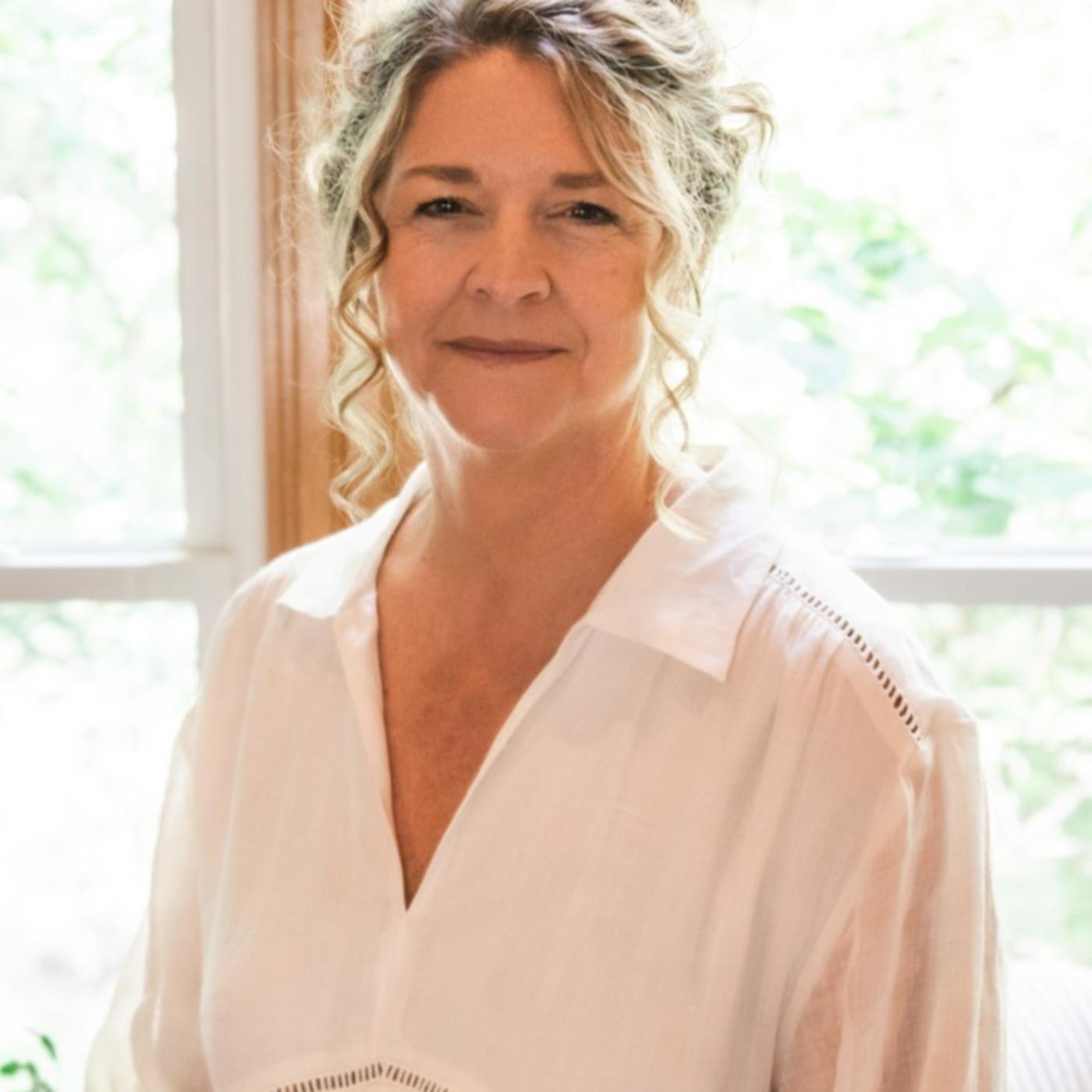
In this conversation, Theresa Hubbard, LMFT, sits down with Dr. Irena O'Brien, cognitive neuroscientist and founder of The Neuroscience School, to explore how the brain works, why the nervous system responds the way it does, and what neuroscience can teach us about meaningful change.
Together, they explore the brain as a predictive system — constantly anticipating what we may need based on previous experiences. They discuss how stress influences our available energy, why the nervous system may remain activated long after a difficult experience has passed, and why understanding a pattern intellectually does not always change the body's response.
One of the most meaningful parts of this conversation is their exploration of relational safety.
What happens when someone feels genuinely accepted?
What might the nervous system recognize about another person's internal experience before words are spoken?
And how much does the therapist's or coach's own nervous system influence the experience of the person sitting with them?
Irena also shares openly about her personal experiences with anxiety, complex trauma, acceptance, neurofeedback, and discovering what helps her body experience greater safety.
The conversation brings to mind a quote often attributed to Anaïs Nin:
“Life shrinks or expands in proportion to one's courage.”
What might that mean when we consider courage through the lens of the nervous system?
Courage is not necessarily the absence of fear. And it is not always about pushing through discomfort or demanding more from ourselves.
Sometimes courage is allowing ourselves to experience something unfamiliar.
Sometimes it is allowing another person to see us more fully.
And sometimes courage begins when our bodies have enough capacity to pause before responding in the way they always have.
Perhaps our lives expand not only because we become more courageous, but because our nervous systems begin to experience enough safety for courage to become a choice rather than a demand.
Because sometimes we know exactly what we want to change.
We understand the pattern.
We recognize the cost.
And yet, something in us continues to respond in the same familiar way.
Perhaps the question is not simply, "Why can't I change?"
Perhaps it is:
What has my brain and body learned that I have not yet fully understood?
And what might become possible when we begin working with that learning rather than fighting against it?
How the predictive brain uses past experiences to anticipate and respond
Why chronic stress influences energy, recovery, and our capacity for change
How relational safety and genuine acceptance influence therapeutic relationships
Irena's personal experiences with anxiety, trauma, neurofeedback, and acceptance
How curiosity, compassion, and new experiences may support meaningful change
Dr. Irena O'Brien is a cognitive neuroscientist and founder of The Neuroscience School. With nearly 30 years of experience studying psychology and neuroscience, she helps coaches, therapists, and helping professionals understand the brain and apply neuroscience to human development and behavior change.
She also hosts The Neuroscience of Coaching podcast.
https://neuroscienceschool.com
Theresa Hubbard, LMFT, is a Licensed Marriage and Family Therapist and founder of Kansas City Neuroplasticity Institute in Liberty, Missouri.
She hosts My Inner Knowing, exploring self-trust, nervous system regulation, relationships, trauma healing, embodiment, and learning to listen inwardly with curiosity and compassion.
https://www.theresahubbard.com
#TheresaHubbard #IrenaOBrien #Neuroscience #NervousSystemRegulation #Neuroplasticity #SelfTrust #RelationalSafety #Courage