

ABOUT THIS EPISODE
How and why, in the latter half of the twentieth century, did informatic theories of “code” developed around cybernetics and information theory take root in research settings as varied as Palo Alto family therapy, Parisian semiotics, and new-fangled cultural theories ascendant at US liberal arts colleges? Drawing on his recently published book “Code: From Information Theory to French Theory,” and primary sources from the MIT archives, this talk explores how far-flung technocratic exercises in Asian colonies and MIT’s Research Laboratory of Electronics (RLE) inspired these varied and diverse audiences in a common dream of “learning to code.” The result is a new history of the ambitions behind the rise of “theory” in the US humanities, and the obscure ties of that endeavor to Progressive Era technocracy, US foundations, and the growing prestige of technology and engineering in 20th century life.
Bernard Dionysius Geoghegan is a Reader in the History and Theory of Digital Media at King’s College London. An overarching theme of his research is how “cultural” and “humanistic” sciences shape—and are shaped by—digital media. His attention to cultural factors in technical systems also figured in his work as a curator, notably for the Anthropocene and Technosphere projects at the Haus der Kulturen der Welt. Duke University Press recently published his book Code: From Information Theory to French Theory (2023), based partly on archival research he undertook as a visiting PhD student at MIT around 2008.
Bernard Dionysius Geoghegan is a Reader in the History and Theory of Digital Media at King’s College London. An overarching theme of his research is how “cultural” and “humanistic” sciences shape—and are shaped by—digital media. His attention to cultural factors in technical systems also figured in his work as a curator, notably for the Anthropocene and Technosphere projects at the Haus der Kulturen der Welt. Duke University Press recently published his book Code: From Information Theory to French Theory (2023), based partly on archival research he undertook as a visiting PhD student at MIT around 2008.
English
United States
TRANSCRIPT 🔗
Are you the producer of this podcast?
Add a podcast transcript
Need Audio-to-Text?
Transcribe with Listen411 in Just 60 Seconds
SEARCH PAST EPISODES
Search past episodes of MIT Comparative Media Studies/Writing.
OTHER EPISODES IN THIS PODCAST

Sam Gregory is Director of Programs, Strategy & Innovation at WITNESS, which helps people use video and technology to protect human rights; studies relationship between emergent technologies, disinformation, media manipulation, & authoritarianism.
In her 2021 book Saving the News: Why the Constitution Calls for Government Action to Preserve Freedom of Speech, our guest Martha Minow “outlines an array of reforms, including a new fairness doctrine, regulating digital platforms as public utilities, using antitrust authority to regulate the medi…

William Uricchio is Professor of Comparative Media Studies at the Massachusetts Institute of Technology and founder of the MIT Open Documentary Lab, which brings together storytellers, technologists, and scholars to experiment with new documentary.
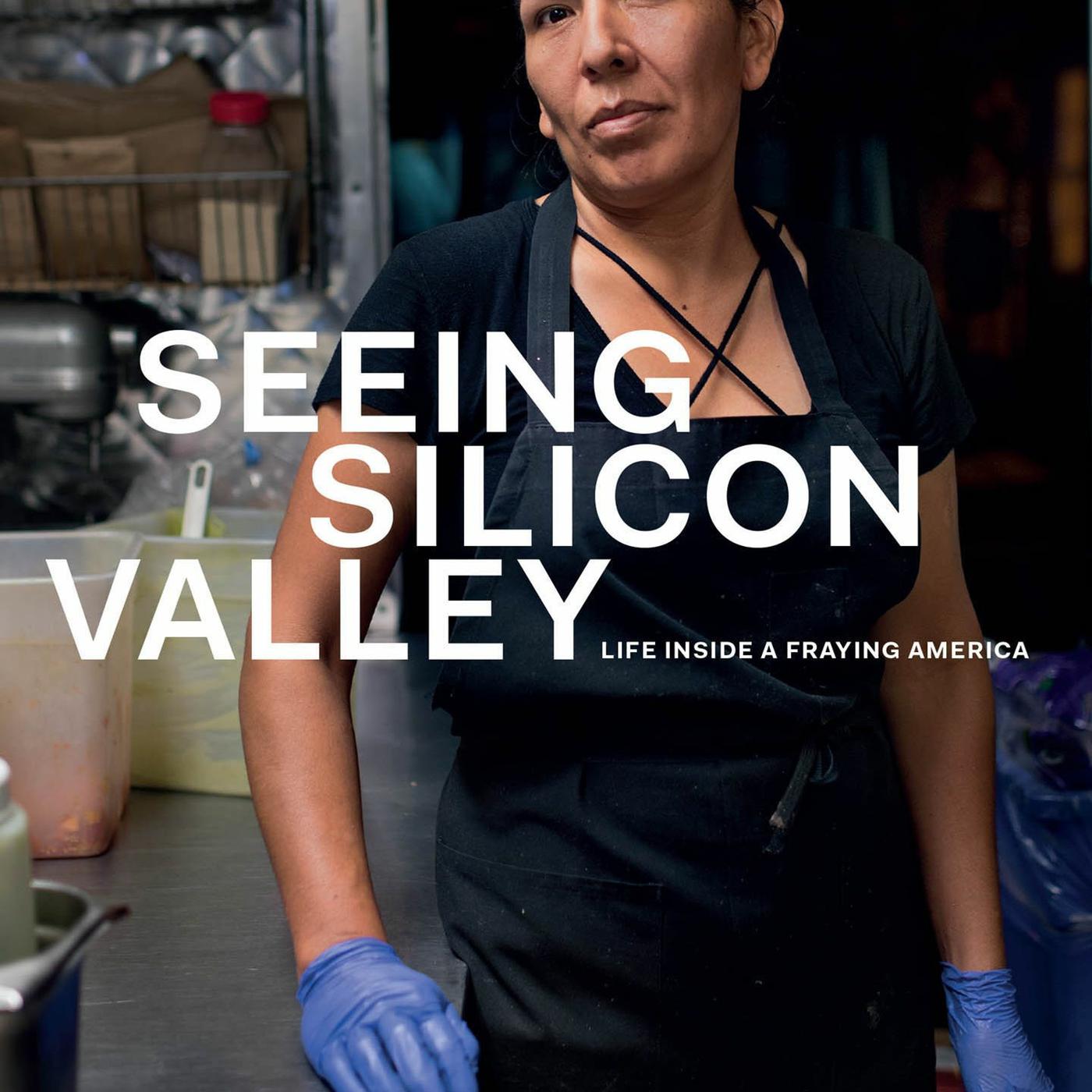
Video also available at https://cms.mit.edu/video-seeing-silicon-valley-mary-beth-meehan-fred-turner.
Acclaimed photographer Mary Beth Meehan and Silicon Valley historian and media scholar Fred Turner discuss their recently published and award-winning book Seeing Silicon Valley: Life inside a Fray…
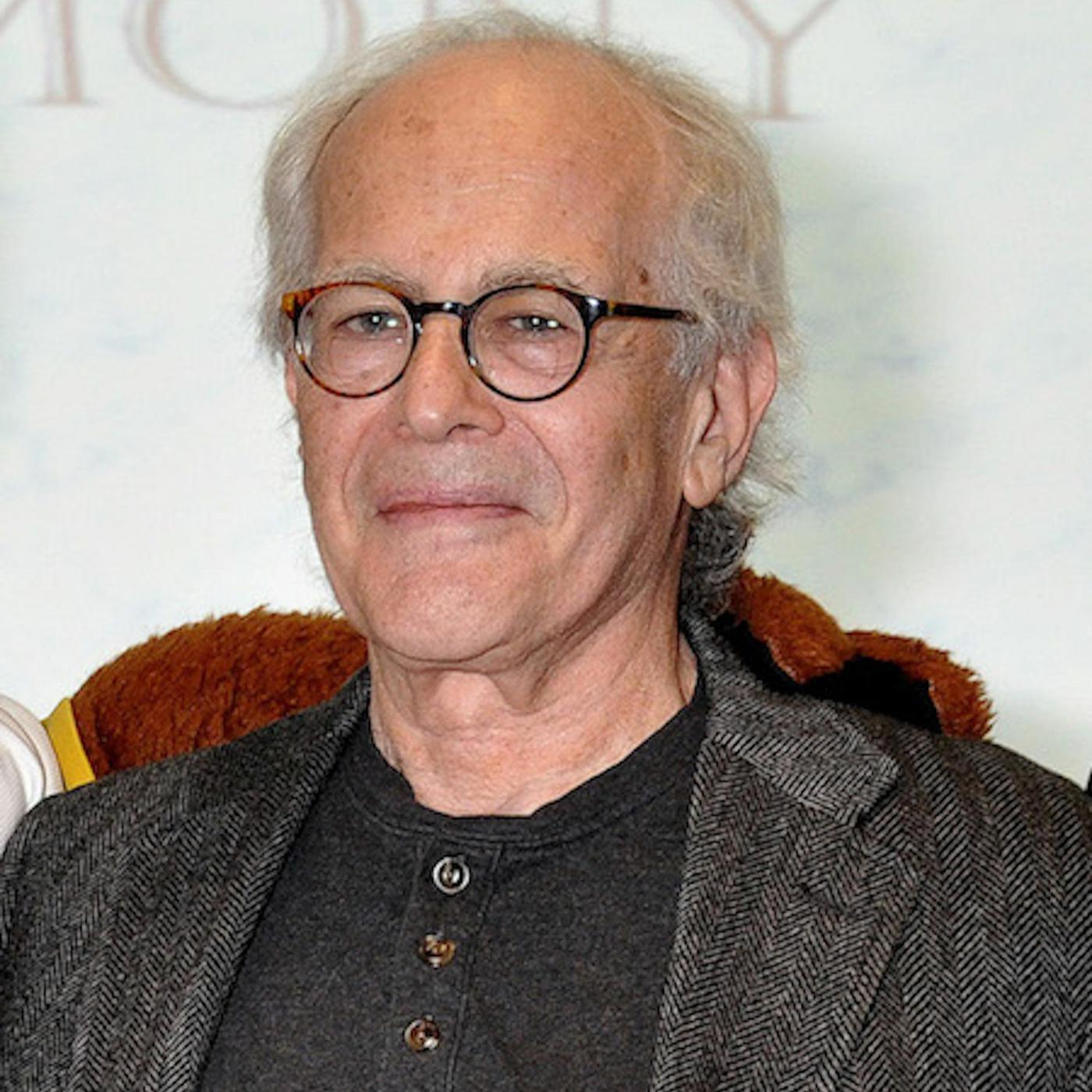
Charles North has published twelve books
of poems, three books of critical prose, and collaborations with artists and other poets. With James Schuyler, he edited the poet/painter anthologies Broadway and Broadway 2. His New and Selected Poems What It Is Like (2011) headed NPR’s Best Poetry Books o…
Disclaimer: The podcast and artwork embedded on this page are from Massachusetts Institute of Technology, which is the property of its owner and not affiliated with or endorsed by Listen Notes, Inc.
EDIT
Thank you for helping to keep the podcast database up to date.
