


ABOUT THIS EPISODE

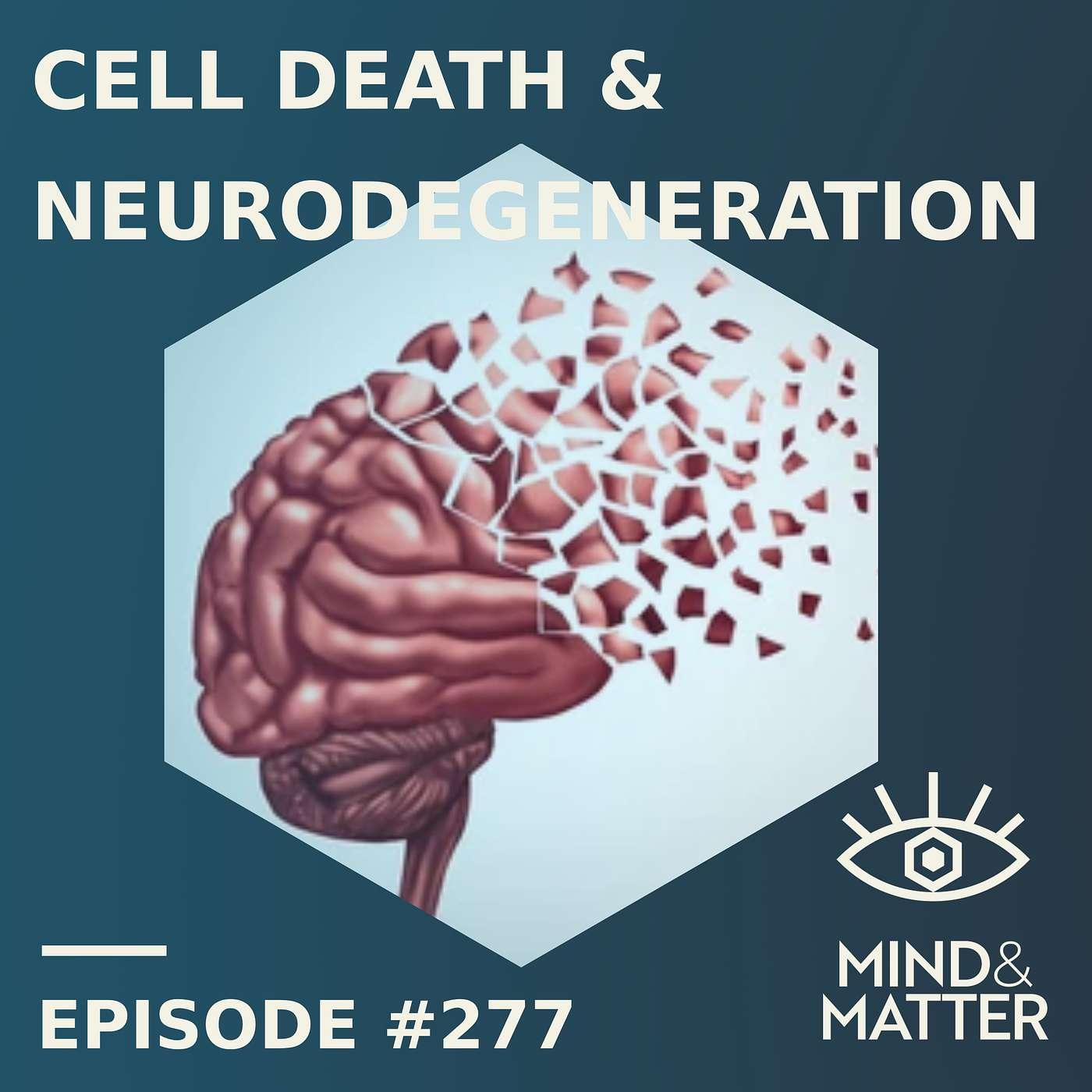
A metabolic view of Alzheimer's disease & the recent discovery of compounds that reverse advanced disease symptoms in mouse models by restoring mitochondrial health.
TOPICS DISCUSSED:
- Classic Alzheimer’s pathology: amyloid plaques and tau tangles identified over 120 years ago, long assumed to drive irreversible neuron loss.
- Limitations of amyloid focus: plaques appear in some cognitively normal brains; antibody therapies have shown limited clinical benefit.
- Metabolic perspective: brain energy failure as a tipping point where repair mechanisms are overwhelmed, linking genetics, injury, and aging.
- Neuroprotection via P7C3 compounds: discovered through hippocampal neurogenesis screen; preserves mitochondrial function and normalizes NAD/NADH ratio without elevating NAD excessively.
- Recovery in models: treatment after symptom onset reversed cognitive deficits, blood-brain barrier damage, oxidative stress, and axon issues in amyloid and tau mouse models, despite persistent plaques.
- Broader implications: energy restoration enables surviving neurons to function; similar protective effects seen in TBI and other organs under stress.
ABOUT THE GUEST: Andrew Pieper, MD, PhD, is a board-certified psychiatrist and neuroscientist, professor at Case Western Reserve University, and director of the Brain Health Medicines Center at the Harrington Discovery Institute. He directs a research group focused on neuroprotection after brain injury and neurodegenerative disease.
RELATED EPISODE:
- M&M 208: Glyphosate, Choline & Alzheimer’s: Toxins & Nutrition to Prevent Neurodegeneration | Ramon Velazquez
Support my work:
- Good Chemistry: Personalized, science-based health consulting. Work with Dr. Nick Jikomes directly.
- Affiliate Partners: Visit this link to see my affiliate partners and get discounts codes for products & services to support health.
For all the ways you can support my efforts.
English
United States
IN THIS EPISODE
TRANSCRIPT 🔗
Are you the producer of this podcast?
Add a podcast transcript
Need Audio-to-Text?
Transcribe with Listen411 in Just 60 Seconds
OTHER EPISODES IN THIS PODCAST
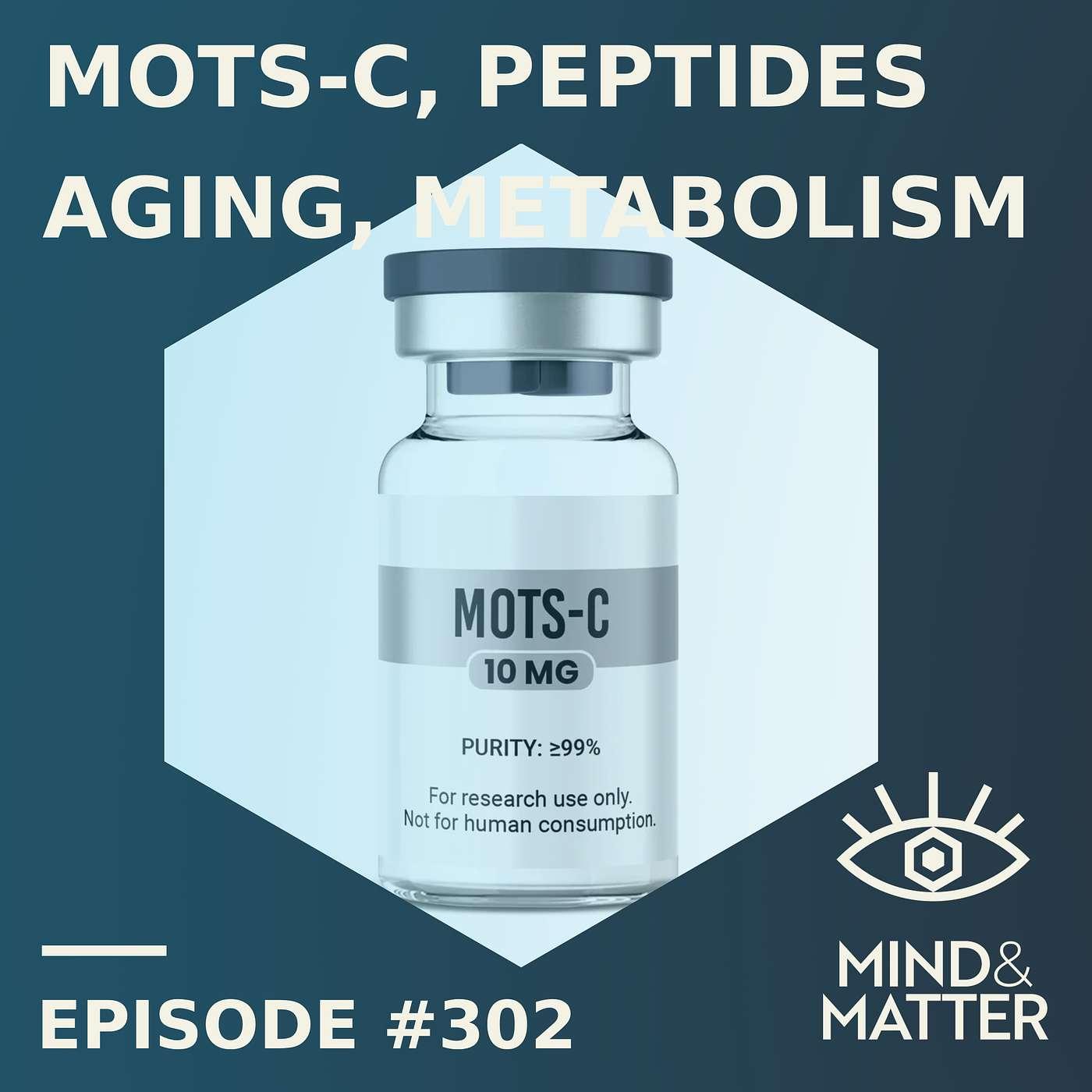
Send us Fan Mail
Mitochondrial peptide MOTS-c is a stress-induced signal that reprograms cell metabolism.
TOPICS DISCUSSED:
Mitochondrial Roles: Not just ATP production, but “speaker of the house” via communication molecules that “talk” to the rest of the cell.
Origin of Communication: Mitochondri…
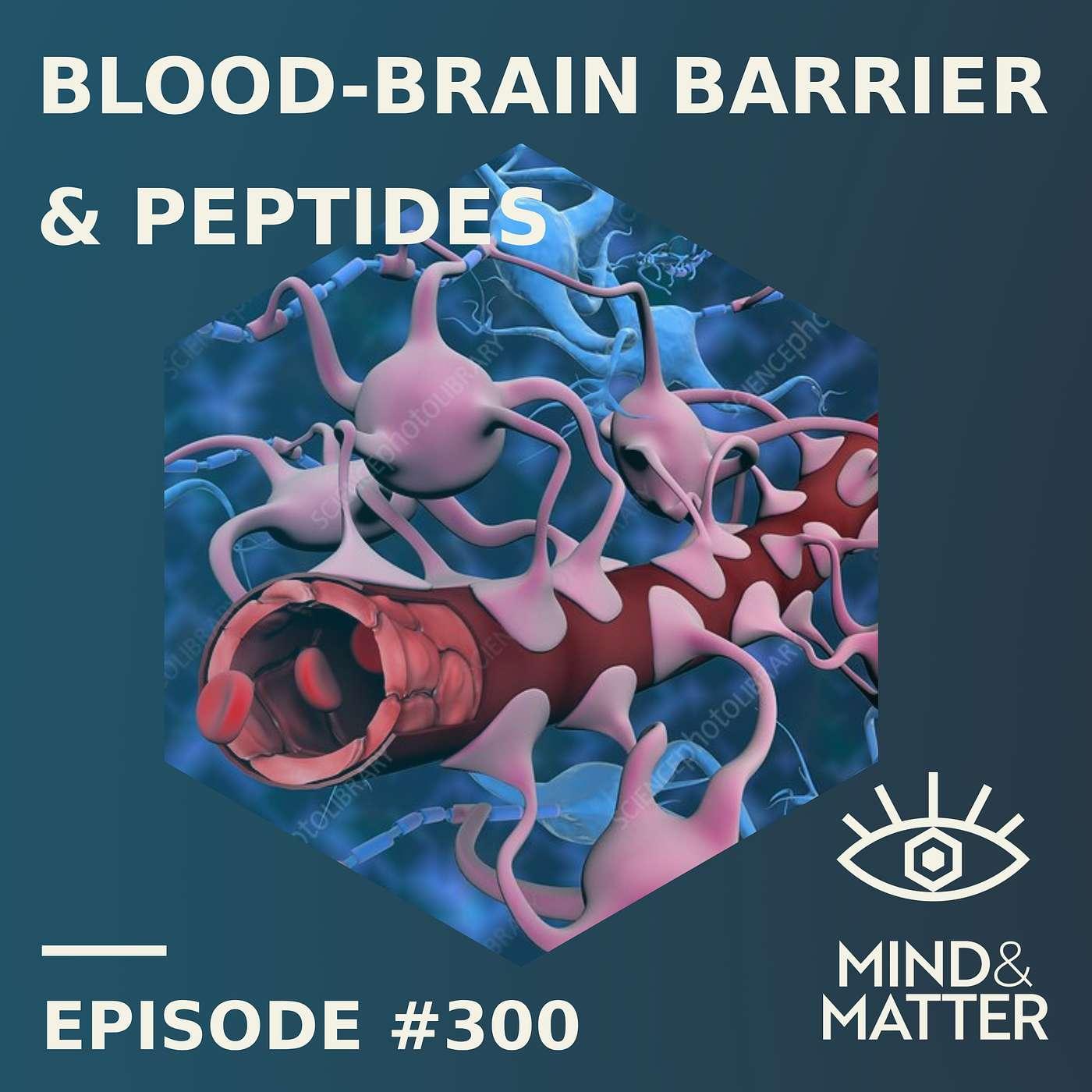
Send us Fan Mail
Blood-brain barrier as a dynamic interface allowing selective passage of nutrients, peptides, and gut hormones.
TOPICS DISCUSSED:
Blood-Brain Barrier Structure: Capillary endothelial cells with tight junctions, absent fenestrae, and minimal vesicles create a selective interface; s…
Send us Fan Mail
GHK-Copper and peptides in skin care, aging, and general health.
TOPICS DISCUSSED:
Endogenous Decline: GHK-copper levels peak in young adulthood then fall with age, reducing natural support for skin repair and collagen maintenance.
Skin Penetration: Effective topical delivery depe…
Send us Fan Mail
Endogenous peptide diversity, GLP-1 drugs, and methods for novel peptide discovery.
TOPICS DISCUSSED:
Peptide Structure & Production: Short amino acid chains (3-50 residues) cleaved from larger precursors by PCSK enzymes, stored in dense-core vesicles, and released upon stimul…
Send us Fan Mail
Ferroptosis, an iron-dependent cell death pathway driven by lipid peroxidation; chronoferoptosis, in which chronic stress sensitizes neurons gradually.
TOPICS DISCUSSED:
Cell Death Pathways: Apoptosis proceeds through regulated steps with surface “eat me” signals that enable non-i…
Disclaimer: The podcast and artwork embedded on this page are from Nick Jikomes, which is the property of its owner and not affiliated with or endorsed by Listen Notes, Inc.
EDIT
Thank you for helping to keep the podcast database up to date.
