


ABOUT THIS EPISODE
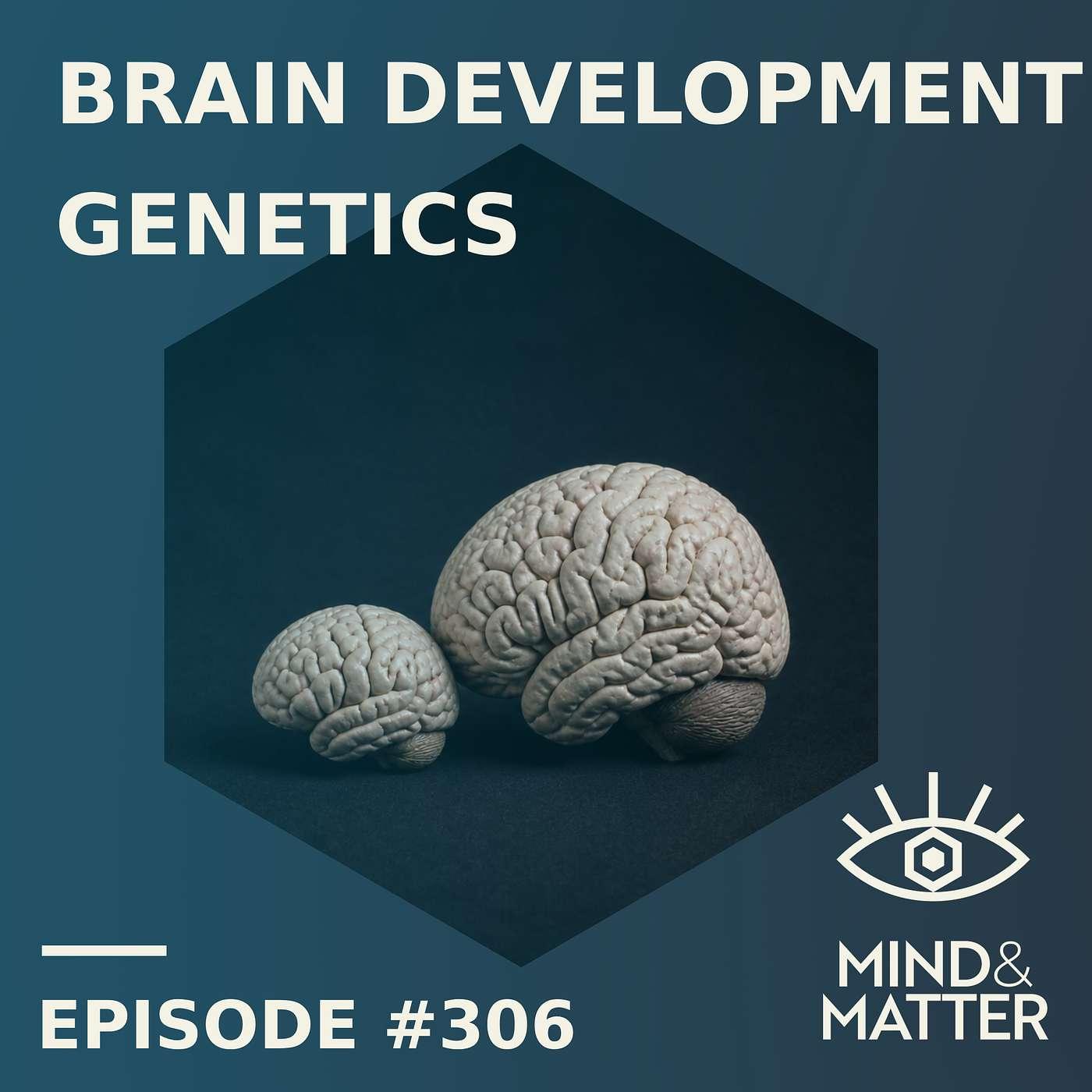
How genomics is used to study what makes a human brain, and how genetically damaged neurons get removed.
TOPICS DISCUSSED:
- Scale & Size: A human brain is about three times a chimpanzee brain by mass, but the larger change is extra association cortex and extra upper-layer circuits that talk mostly to other cortex.
- When Development Ends: Most cortical neurons are born before birth. Myelin and other glia keep forming into the twenties. Synapses keep changing after that.
- Broken Genomes Get Edited: Walsh describes forthcoming work in which ~25–30% of late-fetal cortical neurons carry genetic defects, falling to ~5% by birth, with smaller defects still being removed through adult life.
- Regulation vs. New Genes: Humans and mice both have ~20,000 genes. Most human-specific change is in when and where those genes turn on, not in inventing new proteins.
- Human Accelerated Regions: About half of HARs involve the brain. Rare mutations in them show up more often in kids with intellectual disability and autism.
- ASPM & Microcephaly: Loss of one conserved cell-division gene can shrink a human brain toward chimpanzee volume and shape. The same knockout barely shrinks a mouse.
- Heritability of Genetic Disorders: Autism is highly heritable in twin studies. A whole-genome test today still finds a specific cause in only about a quarter to a third of kids.
Support my work:
- Good Chemistry: Personalized, science-based health consulting. Work with Dr. Nick Jikomes directly.
- Affiliate Partners: Visit this link to see my affiliate partners and get discounts codes for products & services to support health.
For all the ways you can support my efforts.
English
United States
IN THIS EPISODE
TRANSCRIPT 🔗
Are you the producer of this podcast?
Add a podcast transcript
Need Audio-to-Text?
Transcribe with Listen411 in Just 60 Seconds
OTHER EPISODES IN THIS PODCAST
Send us Fan Mail
GHK-Copper and peptides in skin care, aging, and general health.
TOPICS DISCUSSED:
Endogenous Decline: GHK-copper levels peak in young adulthood then fall with age, reducing natural support for skin repair and collagen maintenance.
Skin Penetration: Effective topical delivery depe…
Send us Fan Mail
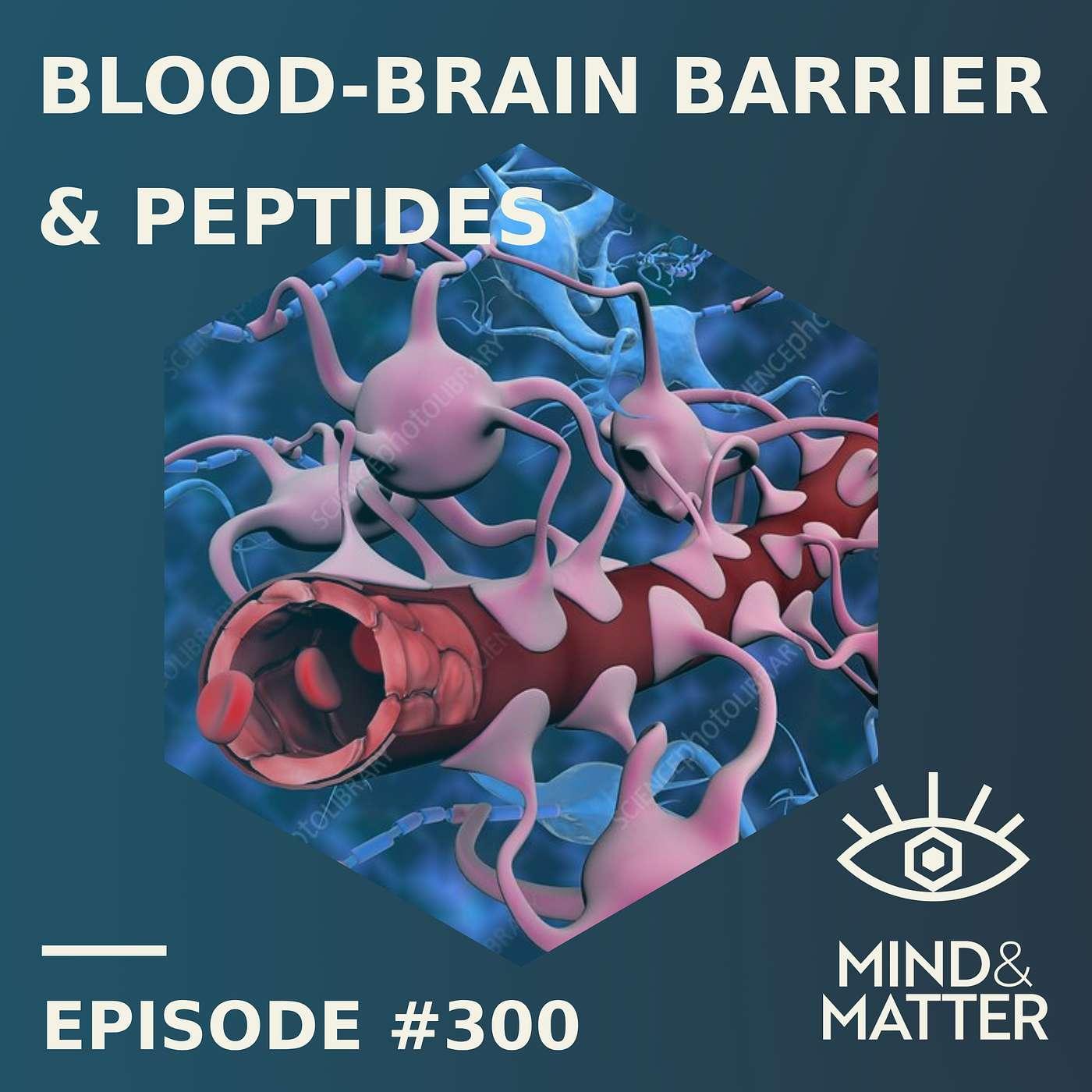
Blood-brain barrier as a dynamic interface allowing selective passage of nutrients, peptides, and gut hormones.
TOPICS DISCUSSED:
Blood-Brain Barrier Structure: Capillary endothelial cells with tight junctions, absent fenestrae, and minimal vesicles create a selective interface; s…
Send us Fan Mail
Ferroptosis, an iron-dependent cell death pathway driven by lipid peroxidation; chronoferoptosis, in which chronic stress sensitizes neurons gradually.
TOPICS DISCUSSED:
Cell Death Pathways: Apoptosis proceeds through regulated steps with surface “eat me” signals that enable non-i…
Send us Fan Mail
Mitochondrial peptide MOTS-c is a stress-induced signal that reprograms cell metabolism.
TOPICS DISCUSSED:
Mitochondrial Roles: Not just ATP production, but “speaker of the house” via communication molecules that “talk” to the rest of the cell.
Origin of Communication: Mitochondri…
Send us Fan Mail
How the nervous and immune systems communicate, using peptides and other signals, to regulate pain, itch, and inflammation.
TOPICS DISCUSSED:
Nociception & Pathogens: Sensory neurons detect bacterial toxins within seconds, enabling rapid host-defense coordination ahead of immu…
Disclaimer: The podcast and artwork embedded on this page are from Nick Jikomes, which is the property of its owner and not affiliated with or endorsed by Listen Notes, Inc.
EDIT
Thank you for helping to keep the podcast database up to date.
