


ABOUT THIS EPISODE
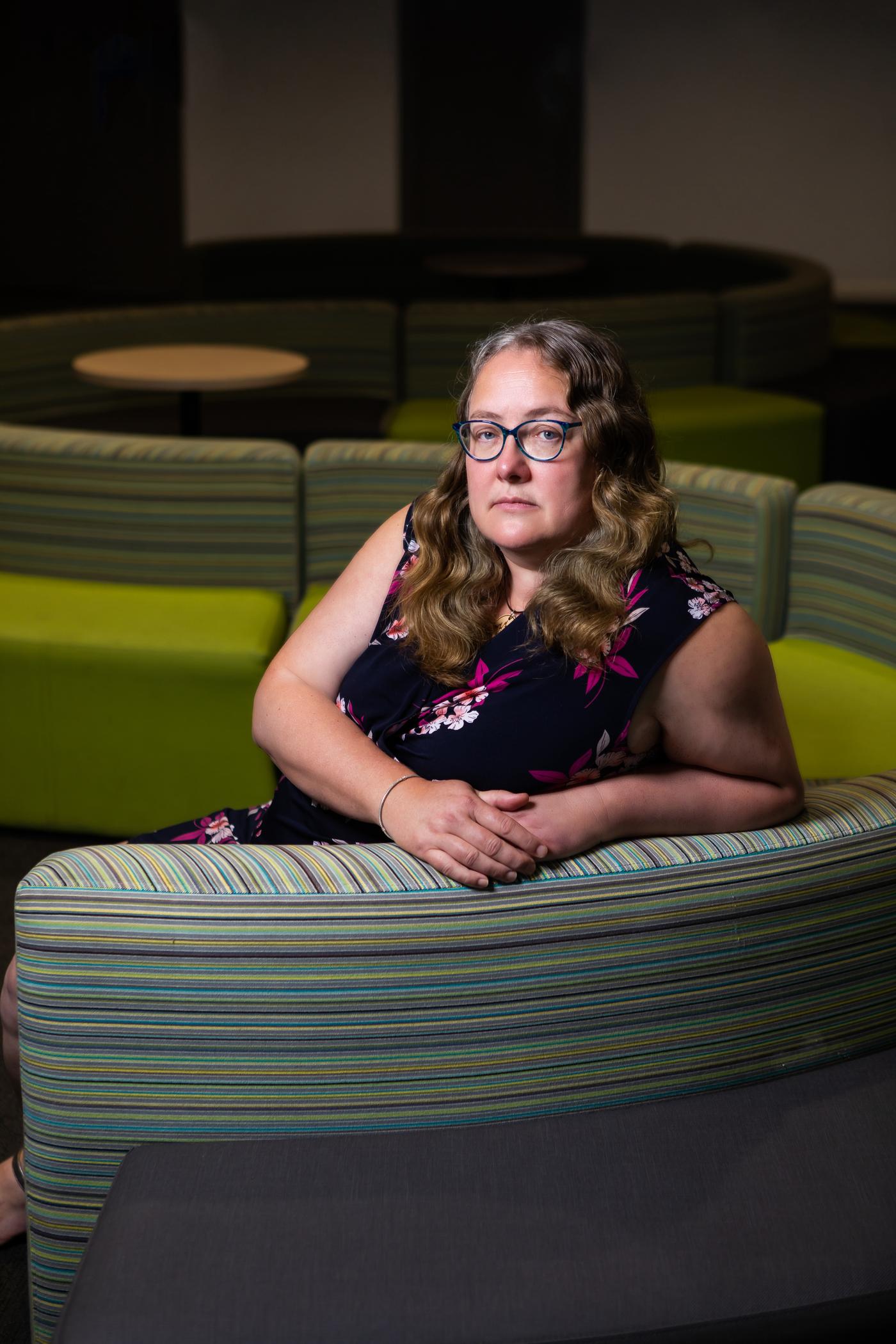
I might ask the same questions every time, but there’s no knowing where the conversations will go! A fabulous episode with the incredible Dr Katherine Ross. Check it out! “So I think my favorite part about data is that it is completely unpredictable. And that may also be my least favorite part about it.” “That’s… Continue reading Dr Kat Ross on Astrophysics, Bias in Science, and Including Diverse Scientists in Education
English
United States
TRANSCRIPT 🔗
Are you the producer of this podcast?
Add a podcast transcript
Need Audio-to-Text?
Transcribe with Listen411 in Just 60 Seconds
SEARCH PAST EPISODES
Search past episodes of Make Me Data Literate.
OTHER EPISODES IN THIS PODCAST

A fantastic chat with Dr Jake Clark, Principal Evaluation Advisor | Impact & Evaluation for STEM Education at CSIRO. Jake talks about using evidence to make STEM programs the best they can be, among many, many other things! “There’s so many great initiatives out there and so it…

In this episode we sat down with David Spriggs, CEO of InfoExchange, a not-for-profit social enterprise working to empower the community help the not-for-profit sector have more impact in their work through the use of technology and data. This is also the first episode of this podcast with video as…

Taking a different tack with this episode, a wonderful chat with the remarkable Mark Stickells, AM, CEO of Pawsey Supercomputing Research Centre, on AI and the role of Humanities in STEM. “I fundamentally believe knowledge is a human insight. And we work with these tools that are incredibly p…
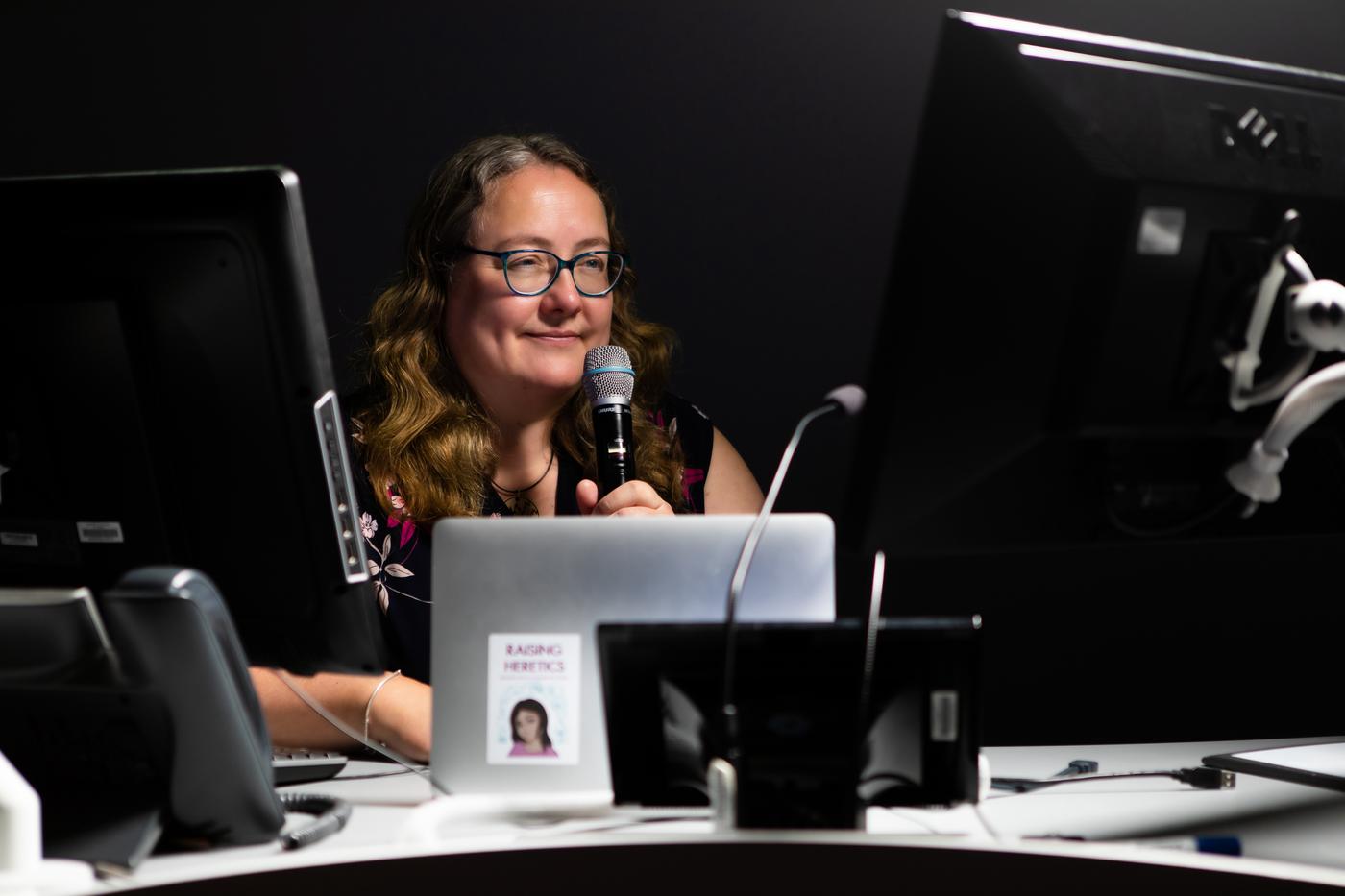
"one of the other things that sometimes gets said is that qualitative research is subjective because it's based on people's thoughts and perceptions And to that I guess I'd say well, you know to a degree is but I don't think there's any approach at all in research that doesn't involve subjectivity"
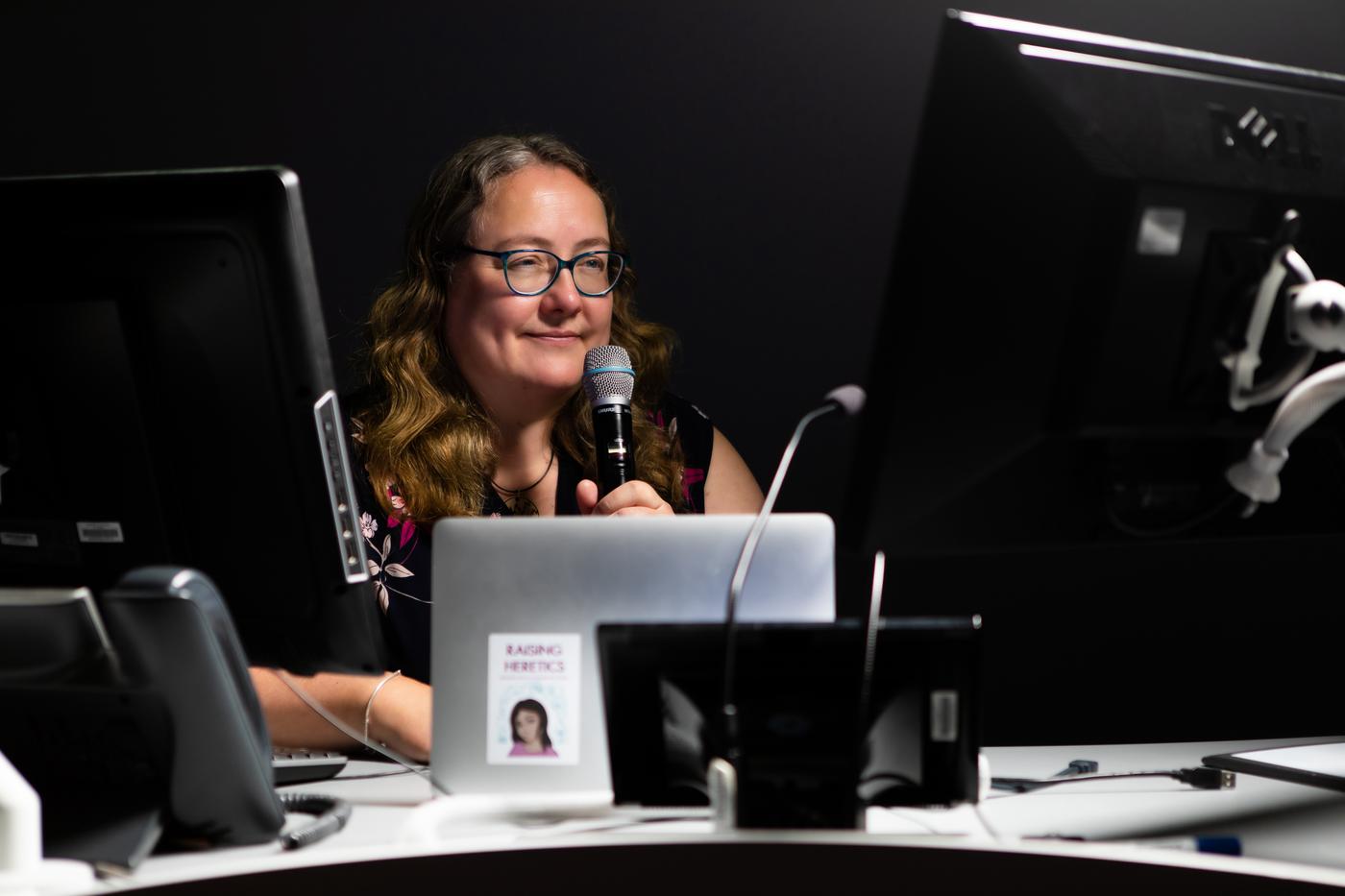
A fantastic conversation with Quantum Computing specialist and all round fascinating thinker, Dr Pascal Elahi. The worst data mistakes I’ve seen, besides let’s say using obviously biased data to prove a result you want is also usually, uh having data, and being like I’m gonna igno…
Disclaimer: The podcast and artwork embedded on this page are from Dr Linda McIver, Australian Data Science Education Institute, which is the property of its owner and not affiliated with or endorsed by Listen Notes, Inc.
EDIT
Thank you for helping to keep the podcast database up to date.
