

Steve Seger: Rick, welcome to the show. Thank you, sir. I'm glad to be here. Appreciate it, Steve. Yeah, this will be fun. And I'm gonna do something that I don't normally do today to kick this off. I'm gonna start with our rapid fire round just to get the blood pumping a little bit. and then after that we'll jump into your background, but I got some fun ones here for you. Okay, I love it. Let's do it. All right. First one is would you rather be five feet tall or seven foot eight? my gosh. Well, damn, that's a that's a that's a that's a good curveball right out the gate. you like the next one. I I I think I'm gonna choose Five feet tall. And it's sort of counter to like what I've always sort of thought of myself, but I think it just makes life easier. Whereas seven, eight, you have to deal with all kinds of stuff that make you can't go in a regular car and all that business. All right. Fair answer. Next one is do you think that you could beat Liam Neeson in a fight? Liam Neeson, wow, man. he's had a lot of training. I also I think he also used to box, if I'm not mistaken. Yeah. So I'm gonna say I'm gonna say no. And that's not out of self doubt. I think it's just an educated yes. Yeah. He is older though, so maybe I could probably whip him. I I'll let's do I I would say best three out of five. All right, I like that. What is an up and coming brand that you admire right now? Mm. Man, that's a that's such a good question. I and I'm a fan of so many. I I think one of the things I realized when I got into consumer stuff was just that I am a huge fan of brands done well, both brands and products that that are just really well done. I love so there's so many things I love to There's I'm I'm trying to think of a good one that's not just like a boring solution. I love there is My and they're not I wouldn't say is up and coming, but my favorite shorts to work out in is from a brand called 10,000. I don't think they're like new, they're not new or up and coming everything, but it's 10,000 and they just have awesome materials, great designs, super functional. That's maybe less fun. but there there is a there's a lot of cool smaller. Things I'll give you one. Here's one. There is a Spanish vermouth brand started by two American guys over there living in Spain right now. It's called Cueva Nueva. I love vermouth. It's like a Spanish happy hour tradition to have at like five o'clock, a glass of vermouth. and these guys have a cool, fun, like young take on it. And they just have a killer Brand and the product is awesome. And so that that's a good one for you. and then I'm gonna be very one more for you. I'm gonna be very partial to my friend Kansas at Pac Mule, P A K U L E. He makes these incredible like cargo baskets you put in your receiver hitch on your car, and you can carry anything in there. And he's got motorcycle carriers and all this cool stuff, but He's just an awesome person making awesome products. And he's really built around that and through that, he's built a really cool brand in Pac Mule. Mm-hmm. Good answers right there. what is one book? If you had to if you had to gift one book to a friend, what would it be? Lonesome dove. Another question. That's a very Texan answer. And it's a big, thick book, but it is it is probably the the the I I think it's very quintessential for this part of the world, but it's I think it's one of the greatest stories ever told. It's one of the best books ever written, best characters by far. And I grew up watching the the movie or the it's a technically a miniseries, but we all grew up watching that. But when my wife actually convinced me to read it, she's a voracious reader and she convinced me to read it twenty-something years ago and You're like li laughing, you're crying. It's so good. Lonesome dove. Everyone needs to read it. It's amazing. Can't go wrong. Two more. A day with no responsibilities. How are you spending it? with my family, with kids, my wife, probably my dog. but you know, preferably it'd be somewhere fun and chill, like at the beach, or doing something cool. but Really just with them. That's that's all I care about. Mm-hmm. Last one a meal with three people, alive or dead. Who are you choosing? man. God's so fun. well, I'm gonna I'm gonna go maybe a little weird on this one. I'm gonna say Joe Strummer from the Clash. He's this one of my favorite bands, and I think he's just had a lot to say and And still have he got he did say a lot, but has a lot more to add to the conversation. I'm probably gonna say, well, obviously my wife because she's the best, funniest person I know. And then I'm gonna add hmm. Anthony Bourdain, just to make it spicy. I like that list. It's a good one. All right. Well, that wraps the rapid fire around. I try not to follow up a whole lot on that to pull us off track, but I do want to start things off now. now that that now that the ice is broken, can you just talk a little bit about your background? so my listener here can get to know you and your story, and then we'll jump on in to all the questions that I got here. Yeah. Man, I've had like a pretty very a very I would say a very circuitous career path. I started off private equity, I then and I was living in Latin America for several years, and then I moved to New York and got a job trading commodities, which is very niche and particular. But it was it was very interesting, learned a lot, got to do a lot of cool stuff. And then I moved back here to Austin and didn't really know what I wanted to do. I started excuse me, two of my college buddies had started a medical device company and asked me to join them doing that. And it was started from, you know, just a patent application and a sketch. And so I spent four years doing all the things that needed to be done for that. but and I loved a lot of that. challenge and you know just just hacking your way through the jungle and and getting stuff done but i i didn't really love the medical side and so i liked the actions but not so much the the flavor and it was after that that i i I didn't know I left them and I didn't know what I was gonna do and I was kind of figuring it out and I I helped some friends put on this event here in Austin called the fly fishing film tour that's now like a nationwide thing. But back then it was pretty nascent and they didn't have a stop here in Austin. And so we just decided to put it on like an independent stop on the tour. And So we asked some companies and shops to be sponsors of the event. You know, not a big thing, but one of them was this young company named Yeti Coolers. And so I they said yes. I took them to lunch just as a thank you for sponsoring. And I started asking them all these questions, and they frankly, they didn't really have good answers for me. and so I I was just kind of I was kind of left like. questioning and I went home that night, did a bunch of research and and effectively made this presentation that I called him back and said, I think you guys need to see this. We sat down and and worked worked through these things and halfway through Roy just cut me off and said, I think you should come do this for us. And I said, Okay. And it's kind of started like that. I had no real intention of like, and it started as a I was an outsider. So you know as a cons more or less a consultant and doing or an agency if you will or whatever. and that was he had some things he wanted me to tackle and I had some of those things from my list that I brought and we kind of figured out a plan and that quickly snowballed into taking up all my time. and so then I they asked me to come in-house so I was doing that And I ended up being there for over four years, had a great time. We had this just crazy rocket ship triple digit growth. and the accompany the company and the and the brand evolved so much in that time that it was like, you know, it was just like getting the hyper download of of all this stuff, both what we were building and doing, but then just learning on the fly of all these things we had to tackle. And that was great. And you know, I started when they had eight employees and all shared one Gmail account. And that was really weird. but it was it was it was kind of cool. And so and then to go from from that point to at the time I left, I I don't know the exact numbers, but I want to say it was like, you know, eighty employees or something, which is still not huge, but it's it's a it's a massive delta. and Doing a lot of stuff and and just a pretty pretty awesome ride. and then the during that time I met my now business partners, Chase Heard and Andy Stepanian, and our other partner, Mason Britt. And they had just started Howler Brothers, like just launched, and we became buddies and then that sort of Grew into a real friendship. and they're here in in Austin as well. And so we were getting beers every once in a while and talking shop. And then it just really developed into a friendship. they asked me to join their advisory board first, and then after that, it just kept evolving and and eventually I I decided to join Haller and it's been wonderful. And now I've been here for twenty five. No, no, no. I don't know where I came up with that number. 12 and a half years. and I was I was trying to think through some employee stuff, but I think there was five people when I started. and now and of course you have people people turn over and stuff, but now we are up to forty something. plus retail staff plus sales reps and all that thing. but like forty plus full time employees. and it's great. And we have, I'm really couldn't be more excited or more proud of what we've built here, both as a company and as a brand. and it's an it's been an incredible journey. And you know, and during that time we've had to navigate a lot of obstacles like COVID and all the tariffs and just growth and evolution, but that is all all make for a great journey. and so here I am today. I got a ton of questions. I want to go and start I I want to start at at the point that you began working at Yeti. what was it like what what was the lightning in the bottle that attracted you to want to be around that brand and be a a team member there. was it one thing or was it no? Well, I would say there's couple things. but you know, at that moment, like Yeti was they had been around, I don't know, I'm I'm guessing a couple years. at that point, I had heard of them. I didn't have one yet. I didn't have a cooler yet. so actually the first day I went out there to meet with them, I I bought one on the spot just because I wanted to be a you know, a supporter and a a part of the want to understand the hype. and and so the product was awesome, no doubt. And it really worked and was great. And I I I totally understood the value of the product, benefit that it brought, but I also I was more intrigued by the business and that opportunity. and And when I, you know, I mentioned that I kind of went home after our initial meeting and and did all this research. And at that moment, there wasn't all that much on their site or on the the internet at all about them. And I think I consumed it all of that anything that was out there. And I still had all these questions. And so it just, I don't know, there was something that really intrigued me about like the business opportunity of it. and then when I met Roy and Ryan. you know, Roy is a is a incredible product tinker, engineer, like always coming up with these little things to make stuff better, or these ideas about a a different way to do something. and his dad, Roger, is like that. So it's it I didn't know Roger at that moment, but as I came to know him, it you really started to get, this is I see where this is coming from. but Roy. In addition to that, he he always wanted, and I think what I what I liked about Rory from the get-go was that he always you could tell he wanted everything to be great. Quality of the product, innovation, like all these things. And there were parts of at that moment, like parts of the business and parts of what they were doing. And not that they weren't great, they just weren't as developed. And he wanted he wanted to like level. up those other elements and it was just a cool opportunity for me to step in and say I think I can help with this. and so that and I you know I I would say that throughout my life but also especially career I've I've been fortunate enough to have these a number of these moments where you can find an opportunity like that whether you want to call it a diamond of the rough or just something that has not been fully developed or or applied. And and so I've been fortunate enough to find several of those and and be able to tap into them. but yet he was an awesome one. And it and you know and today it's a huge business. you know, a huge corporation, publicly traded at you know, eight hundred employees or something crazy like that. I don't even understand what that means. You know, but but back in the day it was a You know, like I said, eight employees running one Gmail account in a shared warehouse that just had a line of tape across the floor to delineate this is our side, that's your side. yeah. And and it's really it's really cool. And it's a great story, you know, business story. But I I think there's also well one of the things that I love because you could have found that same opportunity in a totally different business or you know, something like office supplies. But that didn't I didn't have any attraction to that. But when you apply it, when it was aligned with something that I did really like, outdoors, outdoor products, gear. And I could I like I instantly knew, this would make all my, you know, things my the my hobbies, my happy times, this would make it better. Then that that means it it could do that for everybody else too. And that to me was I think. A big part of the opportunity I've at least that I saw that hey, we can go, there's a real opportunity here to go make people's fun better. Mm-hmm. You know, I I heard you talk about on a different show when I was getting ready for this, that you guys well, people can't carry around heavy Yeti cooler all the time. So you guys wanted people to still feel like they were part of the tribe. So you got into merch probably before a lot of people were doing it. so my question is is there anything that you're doing today at Howler where you feel like you're ahead of the curve a little bit, where the merch might have been the thing at Yeti? is there something today that you're like, I think that we're ahead of everyone else here? So you you want me to give away all our secrets? Well, yeah. No, I'm just kidding. I'm just kidding, man. look, I I think The the merch for in the Yeti framework, the merch was important because, like you said, you're not gonna walk down the street with just your cooler. and it at that at that time when we only had hard coolers, it was a really important component because people that committed three or four hundred dollars to one of these coolers, they wanted to be a part of this tribe. They wanted to put that sticker on their truck or they wanted to. They wanted their buddies to know. And so it was a way to it actually just enabled them to do that as opposed to like having to bring it up awkwardly or weirdly. and it became a real like sort of symbol of the audience back then. And so that the so the merch ended up being very prolific and and a significant part of not just a significant part of revenue, but a significant part of like. all our efforts in how we approached audience and marketing and all those things. I think for for us here at Howler Brothers, you know, I I give Chase and Andy, our co-founders, all the credit because they from the get go, before they launched, they said, look, we want to have a very thought out, not just product offering. The product offering was incredible considering it was their first go ever doing something like this. And they they refused to just settle for teas and hats with just logo in there because that's what everybody else did. And so instead, we're gonna have they wanted to have a you know, it was smaller than it is today, but like a fully baked line of cut and sew shirts, shorts, board shorts, tees, hats, like all this stuff. And very considered designs, you know, it wasn't just slapping our logo on somebody else's template. and so that alone, but then to go one step further and say, look, we want to have a really considered fully baked brand. And the character behind that brand and what is our tone, what is our attitude, what do we love, what do we not love, all those things. And they had really They had really put so much energy and effort into composing that. And so I think for me, what what where it really started was as you know, I met them right around the time they launched. And but first I became a fan and now and a customer. And so, but there was something in it that really spoke to me. And as I went along and started buying more stuff and got to know them better, it it really what I what I now understand was that I was loving this whole little brand ecosystem, this this environment that they had created. And it made sense to me. I didn't have to go like question how do I fit in or all that, or like what does this mean? It it was just like there and fully baked and awesome. And so fast forward to like when I started working here, I I it it it really was just something that we knew. It was important to not only further articulate as we grew the team so that everybody could get on the same page. That's a really important thing, but also to continue to foster and feed and refine and polish over time. and so I think one of our secret weapons, if you will, is that we have a way more defined brand than almost anybody else. And now you the you know the average person may not perceive all of that. They may not gather all of that at once, but over time it'll really start to take shape. And a lot of people will go through the exercise of we need to do this as sort of a prescribed like steps to do or check the box or, you know, all those things. And that's fine. And I'm not saying nobody else can do this, but man, from the get-go. It was it was awesome. And I think that's really one of one of one of our real strengths in superpowers, if you will. And I think one of the others is that We have an overwhelming abundance of creativity and originality. And not only do we have it, it's really important to us and we lead with that. And so there are things that we'll design. The design team will come up with. And when we go do a line review or we're walking through that evolution of developing the products, and we might just say, you know, that's cool. But it's not, it's not hollow enough. And that what that really means for us is that, hey, it may, it may function, it may be great, could be like well designed, well made, all those things, but it doesn't feel like us. And that doesn't mean it could mean we just kill it. It could mean we say it just needs a couple more cranks to get there. So maybe not right now. But I think the the what I'm trying to get at with this is that. Creativity, the originality and staying true to the brand is so like important to us. It's like the top of the filter process that we have to we want to put every everything that we put out wants to be meet those requirements. because in some way it's like a responsibility to the audience we have built and our customers we do have, because we've we've defined who we are. We've acted this way. We've presented this stuff. not that we can't evolve, but more like they know our personality. And if we came in with a totally different thing or we came in with something that was kind of half-assed, then they're gonna be like, man, what what happened? but we actually love it. And so I think this this need, this requirement to to do that, but then also to want to lead. With that originality and creativity is a huge part of how we're structured. It's like everything we do. Yeah. And then just to take it one step further, is like I give Chase and Andy all the credit in the world. They're two of the most creatively talented people I've ever met or worked with. And they both have their strengths. And and then we have now around that built this incredible team of other people, whether it's the graphic designers or our design team, product design team, and everybody. and so what it I you know and I give Chase Nanny credit too because despite or you know they are so talented and it'd be really easy to be like, well I have the answers and y'all just need to sit there and let me hand you the answers. But instead they're they are so open and welcoming to other ideas. Outside contributors, other people's designs. And so it makes it this really and and that continues to raise the bar. And so it just means that we're gonna find and do better stuff as opposed to just like more of the same. Or you know, we have like I think you see a lot of brands, they have like one good idea and they just keep like iterating on that one thing, but it it eventually over time just becomes like. To minimus. Just wring it out. Yeah. Just like all the juice out of this fruit. and so and look, I I will also recognize that what we do and is not for everybody. But and there's a lot of people who look at our stuff and say a lot of guys who are like, man, that's too wild for me, or that's too funky, or it's just not me. And they want more plain stuff. And that's okay too. Because at the end of the day, what we really want is the right people finding in in our stuff. And we're not trying to get everybody. But I think I think those two things of really articulating defining the brand. And internally we have it even more so than what everyone sees on the outside. Yeah. But defining the brand and then leading with creativity and originality are two things that have have set us apart and will continue to set us apart and compound over time. Mm-hmm. Yeah, I think that authenticity is just it's gonna attract the kind of people that you want to be customers and part of your tribe. and When I was listening to you just now and prepping for this, I noticed a lot of times when people were asking you like what makes a good brand and asking you about Howler's brand, you were pretty intentional about saying what Howler is not. and I'm I'm not someone that's in your industry. So I I was curious, is that something that you're pretty intentional about explaining? Like and why is that important? Cause I felt like I heard it on multiple different shows that you were on. Yeah. look, I I think that the the not list is is like so valuable because it actually It it's important As a as a company, as a team, so we know where to focus and what not to do. And I don't just mean like what are your assignments, but like who are we and what what is important to us and what do we want to do and build and and produce. and the not list or the things you are not and why that's so important, because if I I think it's important from a brand perspective. Because it helps it helps people understand who you are. You're not a logo, you're not a name. It's this whole thing. And if and if you refuse to put things, and some people are scared to eliminate stuff. but that not list is so important, it actually helps define who you are just as much as the stuff that's on the yes list. And so I think it's really important from a brand perspective. But then also even a company, the the the business perspective to understand what we are not, what we do not do, how we do not treat people, how we do not you know, all those things. And so it gives everyone a lot. So even our employees, our team, it gives them a better understanding of who we are right out of the gate, how we interact with customers, how we interact with each other. what we do, what we don't do. And so everybody it actually relieves all this it it it eliminates much questions, but then it relieves all this pressure. So it actually empowers everyone to be a better, truer form. And I think it's just one of the best things you can do. And the more you put on the knot list, the more focused all your other efforts become. Mm-hmm. Yeah. You know, with this with this platform that I have here, one of my goals is to share great stories like yours, but then also at the same time try to unpack and remind people that like you can you can work really hard and pursue goals through your career or any other path. but I try to remind people like it be intentional about why you're doing Why you're sacrificing and why you're doing that. and maybe think about why and what's important to you. So you mentioned your family earlier. and it seems like you're pretty intentional about having your work overlap in some way with stuff that you're passionate and interested about. How has that thought process evolved for you over the years? I mean, if you were in private equity starting out, maybe you were a little more career oriented. It seems like it's changed with time. Is that the case? that's a that's an interesting question. You know, I I would tell you that I've been really lucky, fortunate to in not every job, but I would say most jobs in my career to be able to have some sort of overlap with things I like or I'm interested in. that Even though I was working in private, I I really I didn't set out to get a job in private equity. I set out to get a job and I just wanted to move to Argentina. That was it. All right. And and I but I and I was almost at the end of my rope and was gonna have to pivot and find something else to do or and I just got very fortunate and found this opening for a firm based out of Dallas that already had an investment out there. And so that became that was I I got what I was seeking was Argentina. Yeah. The fact that it was this great job where I learned a ton and got to do cool stuff that frankly I wasn't even qualified for. that was the the bonus. You know, but I but I I got Argentina. That's a stubborn way to approach things, but I got lucky and it happened. Then, you know, fast forward to Yeti, it was kind of the same thing. I didn't really set out to go like just get a job in a company like that overlapped with my hobbies, but it did. It happened. And then then it was like, well, this is just bonus. It's awesome. And and even if we were making hospital beds. Like the the the actions, the activities we were doing were still very valid. And that was a fun, like more intellectual business challenges. But the fact that it was all around something that I love to do in my free time was made it just that much more fun. And it wasn't like work. And then, you know, of course you add on the fact that you got I got to meet all these people that I had looked up to in the outdoors world for so many years since I was a kid. and so it was just shoot, it was just fun. Yeah. and then that from there I got to move over here to Howler and it's the same, you know, like it's not exactly the same, but similar in the sense of like obviously a very different product and different business, different brand, but it overlapped with so much that I already loved that. This was just it was just fun. And and because of the brand that Chase and Andy had really set forth to create and to build. A big part of that too was around people. And that's a big part of our who we are, is it's it's brother, how they're brothers plural for a reason, is because it's about we, not me. It's about shared experiences and we as a team, and but also like that's just the best memories, is when you're with your friends, you know. And and so we that that's a really that's a core tenet for us, but it also became just this incredible thing that really, at least for me, that really spoke to me about well, this this is a priority, we're putting it in the name. And so, and I love that. I I feel like more than anything, I'm probably a you know, people are sort of the driving thing in in my life. And so for me, that was like It was just important and it mattered and I got excited about it. So I that's probably not great career advice for anyone out there, but I I would say if I had the zoom out and look at a common thread, it's probably that I was able to find something that I loved about it. It wasn't just a J O B or a paycheck. It was like there was it maybe was that few, but there was also something in there that I loved on Not every job, but most of Mm-hmm. It's a really great answer. you you also are an angel investor too. And I was interested in learning a little bit about that and kind of your background there. I think you said that you were doing it with your your brother in law. probably had a lot of neat opportunities to evaluate cool businesses and those reps have probably helped over the years. What what sort of lessons have you learned from the time that you've been doing that as well and kind of how has that overlapped with howler? Yeah, well, I you know, I would say again, I was just really I think the combination of curiosity, of always wanting to learn other stuff or understand how things that work and people, relationships, friendships, And that led to sort of some of our first opportunities. I we've now been doing this for 25 years. and it started very humbly and very opportunistically. but my brother-in-law, Andy Jenks, is a great guy and serial entrepreneur and has done a whole lot of stuff. And he and my sister were living in the Bay Area back when, you know, San Francisco, and it still is, but like was the You know, center of the universe for all things tech and startups and all that. And he just had like some of his buddies were starting companies and said, Hey, would y'all be interested in investing? And so it started like that. And then through some other relationships, had learned about other opportunities and had and had the ability to put in some money and learn and you learned so much in doing that. or I did at least. That you start to sort of you want to learn more and get better at it, but you also start seeing how you can apply this to other things you're doing, like day jobs. And especially when you're I'm investing in startups. Yeah. And they're going through some of the same challenges that the company that I was working for is going through. And in fact, that's how so initially we did, we did some. We made some investments across different areas, but a lot of it was focused on tech and sort of what you think of as startups and things. But then in 2000 and I don't mean I think it was like 2008. a friend of mine had graduated Stanford Business School with Andy Don and Brian Spaley, who started Bonobos. Okay. And he sent out an email to Friends and just said, Hey, my buddies started this pants company. Check it out. If you're so inclined, buy a pair of pants to support these guys. Like, just buy a pair of pants. That was it. Yeah. But here's a code or whatever. And I, and so I I went and bought a pair of pants and I love them. I bought some more. And at that time, and just out of curiosity, like that time, they only had four employees. And I was working at that medical device startup I mentioned. And I just started like re like emailing with him and then I built up kind of a rapport with Andy Dunn. And we were on the phone one day and I was like, hey man, how are you guys capitalized? And he said, Well, we did a friends, friends and family round, but we're gonna raise another round. And so I just said, Well, hey, I'm I'm interested, so send it to me. And that was our first like non tech investment. And although you could argue they were very tech forward. And like kind of rewrote the book on e-commerce at that time. But it was it was just something that we we saw these really smart people doing something original and cool in a really interesting way. And let's take a flyer. And and you know, it we it's not we are always very cognizant of doing investing within our means, it's the only An amount that we have that day and that we are comfortable with going to zero. You don't want it to go to zero, but if it goes to zero, you're okay, or you know, you're a big boy about it. and so that was our first non-tech, and that kind of opened our eyes to doing other types of investments as well. Yeah. and I think though, kind of the touch on your comment a second ago. I have a very strong belief that being an operator at multiple startups has made me a better investor. And being an investor has also made me a better operator. And those two things are pretty symbiotic. And so I and because there's, you know, mostly these different worlds, it's awesome to be able to tap into this thing over here and say, hey, we need help with our. Or e-commerce or with this or with that or whatever it is, and be able to tap into this crowd over here that's a totally different thing, but maybe as leading the charge in that area, as opposed to just competitive set or other people in the industry. and so I think like both at Yeti and here at Howler, I was able to tap into a lot of those resources and network that helped propel us. even if it was just like Hey, what do y'all use for 3PL? Or what do you use to, you know, what's the best email platform? you know, all those things. And so that alone has been incredibly helpful. And I feel like has given us not a head start, but like a leg up on maybe the next group trying to figure out the same problem. Okay. but I also love it and I love. I I find that I well, I love connecting with and meeting new people doing interesting stuff. And so that's just this endless, you know, fountain of new people doing interesting, cool stuff. But also you can learn so much from them. and I I don't know, I just find it interesting and fascinating. And so it's partly out of you know, wanting to make good investments and partly just out of wanting to meet cool, interesting people and and it, you know, it's some to some degree like just satisfying curiosity. in fact, I mean a lot of the ways that I've found opportunities is just out of curiosity and you know, being a little bit of a an investigative reporter and just like finding a way in to connect with people and then Hey, you talk to them and build a rapport and say, Well, look, if y'all are ever doing this, put me on the list. and sometimes they never do it, and sometimes they're like, I don't really want you involved. And and that's fine too, you know. But but a lot of times those opportunities lead to great things. yeah. So I I just love doing it, and it's something that's been really fun for Andy and me because we through that and and sort of especially in the early years with sort of the the guidance of my dad he's just he was such a smart business brain and it and it he would and he wouldn't tell us yes or no. He would just say well you guys should consider this or go think through these things. And and we learned we made a ton of mistakes. But you learn along the way, and here we are 25 years later, we have a really refined like shorthand between us and a process, and like we know right away if something is gonna if if I know really soon if Annie's gonna like it or not, or if this is gonna be a fit for us or not. but we're always it's been a really fun, ongoing exercise in curiosity and learning and Meeting great people and you know, compounding portfolio over time. Yeah. Yeah. I I like the point you made about just satisfying your curiosity. You reach out to people. I mean, this is like why I have this show, is just I get to learn from really you know you did it, you reached out, you know, like the same thing, you're just sort of solving a different equation. For you, it might be, hey, who's somebody I want to have on the show? And I think that's that's incredible. And you reaching out to me is like doing just that. I just don't have a show. I'm I'm sort of solving a different equation over here. But yeah, it's in a lot of ways, it's and look, it doesn't always have to be with the end result of investing in your company. Sometimes you just build this rapport and it becomes a buddy or a a resource or an ally or and and That can bear fruit too. It doesn't have to all be financial gain. Yeah. Like I mean, I've made a lot of friends just through this show alone. And I don't I mean, I I like it because I can it's a value exchange. So hopefully I can give you a platform and give anyone else that comes on the show and then I get to learn. yeah. That's that's kind of why I was like, how can I get to talk to all these neat people? but that's a I I could go down that wormhole all day. I I think it's a cool tool. but one thing I I would wanna understand too for you is like as you're looking ahead, what how like where do you see your your family, where do you see the business growing over the next five years? Like do you do you have goals or what that looks like in mind? Well, of course. That's a great, that's a massive question. But I think for the yeah, I'll start with the business. And we have we have some really big goals and it's not just around some number that we made up or some growth rate or something like that. It's like what we want to go achieve. and we want to keep building upon what we what we have today. And so continuing to grow and build in every sense of the word, not just in sales or in headcount or whatever, but it's to continuing to to propagate and foster what we have built is huge, hugely important for us. We're you know, a big project we have right now that's a part of that is we're we today we have two of our own retail stores and we're adding more. So that's a that's a big project right now. And it it it's a it's a fun exercise and it requires some, you know, some insight and muscle that we haven't used or haven't used that much. And these stores are not going to be here in Austin. And so it's requiring us to think through some things or whereas, you know, when we we have an issue at one of our stores here in Austin, it's really easy to go solve. Well, this store isn't gonna be here. So we got to figure that out. And with that comes hiring some great people and figuring out sort of a new adapted version of our program. but that's super fun and challeng it's a fun challenge to solve. And and so we have a lot of things like that. And that could be from you know product extensions to you know growing the retail side to all kinds of things that we want to do. and all that is really fun and interesting. We're putting a lot of pieces in place to be able to do that. so that's really exciting. and over the next five years, I I we just want to keep and we've always said, look, we want to build this. In such a way that it will continue even after we're gone. That's always been the case. and so it's never just to to sort of juice it just to sort of get to some number or excuse me, or to you know, hit some some goal so that at that point then we don't have to You know, think about it more. That's never been the case. It's always been. We want we want this to sustain and perpetuate way after you know we're gone. And so it's always been the case. and and then as far as family, well, I have what you you said five years from now. I mean, I have two kids come September, I'll have two kids in college. Five years from now, I'll have I guess one left in college and two will be out of college. And you know, my I think for my wife and I, our our goal what we want is for them to be happy, like good people doing good stuff and living their own good lives. And so everything we're trying to do is to set them up for that and in life and in work and in all these things, but mostly in who they are as people. Yeah. And so I you know, I and I don't think it'll ever I I remember my dad laughing about this. but it's like just because they're out of college and working on their own and off my payroll doesn't mean that you know the learning ever stops or that like you know it's all it's a forever process. but I just hope that you know what we want is just for them to be good independent. happy can you know contributors to society and and good folks and and so we're just working on that and that's that's where we spend a lot of our effort and energy and as a family and being together and so five years from now I hope that they're all on their way to to doing that. Yeah. Rick, this is the last question I got. I try to wrap every interview with it. When when when the listener here goes back to the noise of their own lives, what is one thing you hope they took away here from your story and maybe like a piece of advice or wisdom? Yeah, I It's funny, I was actually having this conversation with a new friend yesterday. and she is from a totally different background, doing a totally different job and living in a different place and all this stuff. But and we just met and we were introduced by mutual friends. but it was I think the most interesting part, and it really rang true for me. And it's something that I I think I know of myself and that other people know is that. At the end of the day, it's all about people and relationships. And so that has always been very important to me. And not just so that you can get a leg up in life, I don't think that's it. I think it's actually like like a very quintessential part of us as humans. And so we we we hear all this stuff about you gotta do this, you gotta work hard to achieve this thing, but I I really think it's all about people. Hard work is great and achieving things is great. But if you're doing that at the expense of people, whether that's friends or family or foregoing other relationships, I I I I just have to question if it was worth it. And so I I've just come to learn about myself that I'm a people first person. And so to want to make I always want to make sure that I'm doing my best to take to Foster relationships, meet new people, take care of the ones that you know and love. And and just that it's a little bit of a trick question. At least in the business perspective, is you say what kind of business are you in, if it's anything other than the people business, you you're wrong. You know? I mean, I know that's that's a little like altruistic, but I do think that it just matters. It'll make your life better, make their lives better. make the business more fun. And so I think oftentimes we we get we we get fix headed on some goal, whether that's monetary or whatever. And and you let this other stuff erode or get passed over. But in the long term, that's really gonna be what matters. Mm-hmm. Yeah. So I I hope that people just take away you know working on in a good way like friendships, relationships, meeting new people, doing all that. And it's such a good, like enriching thing for life and business and all those aspects. Mm-hmm. It's great response. I mean that aligns exactly with what I'm trying to remind people of with this show. And I'm glad you didn't just say that I'm stronger than Liam Neeson, too. I you that that that would have been the easy answer. But I mean I'd probably fight dirtier but You know, he he's I I'm I'm not gonna shortchange Liam Neeson. Well, this was great, Rick. Where can my listener here find you? yeah. Well, I I would say first and foremost, Howler Brothers, HowlerBros.com on Instagram and all the socials where Howler Bros. that's that's like the most probably the most interesting stuff to go consume. and then you know, on Instagram. I my account is just WhitRick. I don't post a lot. It's mostly me high fiving friends and things. But it is a fun, a fun thing to be a part of and and I I think I think even that just goes to like, well, I just like seeing what all my buddies are doing. You know, that's that's kind of a cool or thing brands that I'm interested in. but yeah, Whit Rick. No, it's not very entertaining, but well, Rick, thank you for your time. I appreciate it. Yeah, of course. Of course, man. Thank you, Steve. I really appreciate it. This is great. I hope you keep hope you keep doing this. And I hope it it it makes you happy, but I hope you keep doing it for everybody else's benefit. Thank you.
ABOUT THIS EPISODE
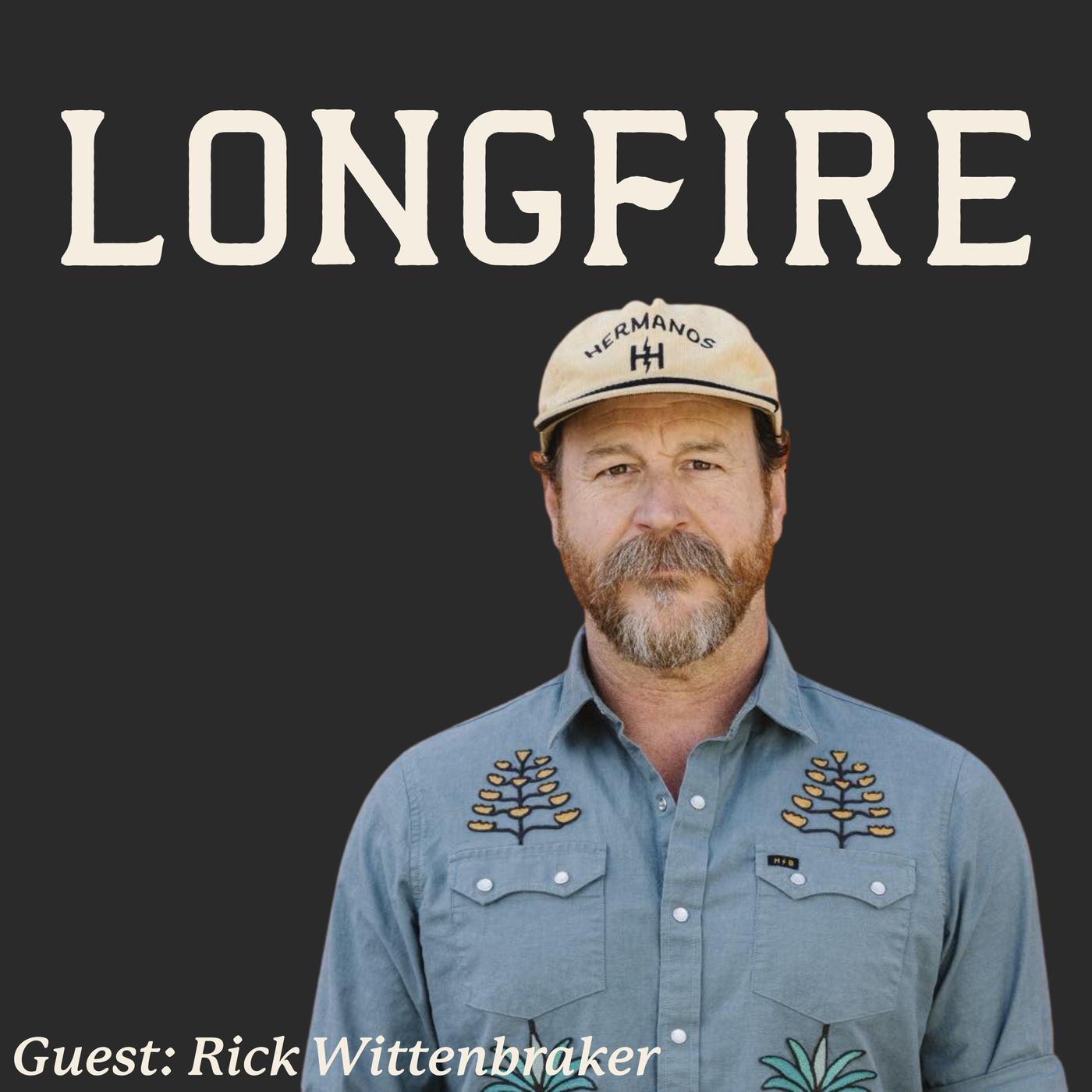
Rick Wittenbraker has built a career by following curiosity into rooms he was not necessarily planning to enter. His path has included private equity in Latin America, commodities trading, a medical device startup, YETI’s early growth, angel investing, and more than a decade helping grow Howler Brothers. He joined YETI when eight employees shared one Gmail account, then later joined his friends at Howler Brothers as the company grew from a small team into a distinctive outdoor brand.
In this conversation, Rick explains why the best brands know what they are not, why creativity and originality have to be protected as a company grows, and how curiosity can create opportunities that no career plan could predict. We also discuss building work around things you genuinely care about, investing as an extension of learning, creating companies that can outlast their founders, his belief that every business is ultimately a people business, and why he can beat Liam Neeson in a fight (All Credit to Seth MacFarlane for the bit).
Subscribe for more stories like Rick's.
Chapters:
00:00 Rapid Fire: Liam Neeson, Favorite Brands, and Lonesome Dove
06:16 Rick’s Path From Private Equity to YETI
10:53 From YETI to Howler Brothers Through Friendship
12:49 What Made Early YETI Special
17:49 How YETI Turned Coolers Into a Tribe
19:39 Building a Complete Brand World at Howler Brothers
24:48 Protecting Creativity as the Company Grows
27:58 Why Every Brand Needs a “Not List”
30:49 Finding Work That Overlaps With What You Love
36:08 Investing as an Exercise in Curiosity
46:19 Building a Company That Outlasts Its Founders
51:04 Every Business Is a People Business
Watch on YouTube:
https://youtube.com/@Steve_Seger2
Listen on Apple Podcasts:
https://podcasts.apple.com/us/podcast/pieces-of-impact/id1851467002
Listen on Spotify:
https://open.spotify.com/show/2IGYfTSYNvsD96UjUqqCJt?si=f5abdaf2294c4a35
Howler Brothers: https://howlerbros.com/
Howler Brothers on Instagram: https://www.instagram.com/howlerbros
Rick on Instagram: https://www.instagram.com/wittrick/?hl=en
English
United States
TRANSCRIPT 🔗
Disclaimer: The podcast and artwork embedded on this page are from Steve Seger, which is the property of its owner and not affiliated with or endorsed by Listen Notes, Inc.
EDIT
Thank you for helping to keep the podcast database up to date.
