

ABOUT THIS EPISODE
Amy Arnsten is a powerhouse in the world of neuroscience. She's a professor at Yale, she runs her own lab (aptly called the Arnsten Lab), and she's responsible for discovering guanfacine. This medication is an absolute gamechanger for rejection sensitivity and working memory for everyone with ADHD.
We were lucky enough to chat with her and ask all our most burning brain related questions. In this episode, you can expect a lot of mythbusting as Amy corrects the record on common ADHD tropes that don't stand up to scrutiny when you're an internationally recognized expert on neuroscience.
English
United States
TRANSCRIPT 🔗
Are you the producer of this podcast?
Add a podcast transcript
Need Audio-to-Text?
Transcribe with Listen411 in Just 60 Seconds
OTHER EPISODES IN THIS PODCAST

Have you ever been completely obsessed with a video game and you can't pull yourself away? Video games have a nuanced and important role in the lives of AuDHDers. In this episode, we'll dig into the good, the bad, and the ugly side of video games. In the right context, they serve as a powerful, the…
If you're anything like us, you watched ‘The Rehearsal’ on HBO and immediately became OBSESSED! This show has resonated deeply with the autistic community, and we want to talk about it. In this episode, we are taking a look at showrunner Nathan Fielder's portrayal of himself, both within the show a…
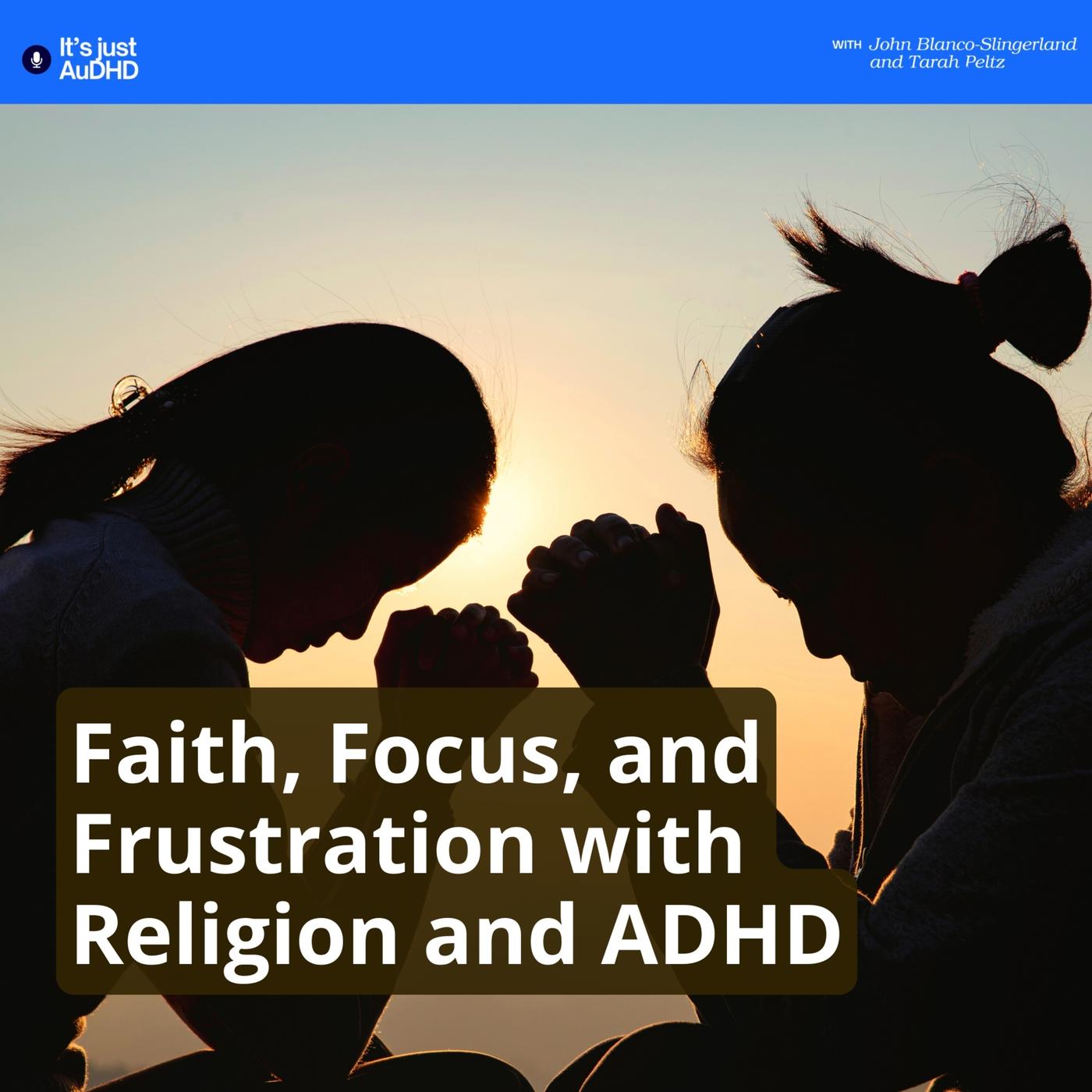
ADHD obviously impacts a lot of aspects of your life, but did you know it can impact your religious status, too? It turns out, there are fascinating studies that explore the interplay between ADHD and religion (or lack thereof), so for this episode, we're giving you the lowdown on their findings. F…
This conversation delves into the complex relationship between autism and religion, exploring how neurodivergent individuals experience spirituality and religious practices. The discussion highlights various cultural perspectives on autism, the role of empathy in spiritual relationships, and the un…
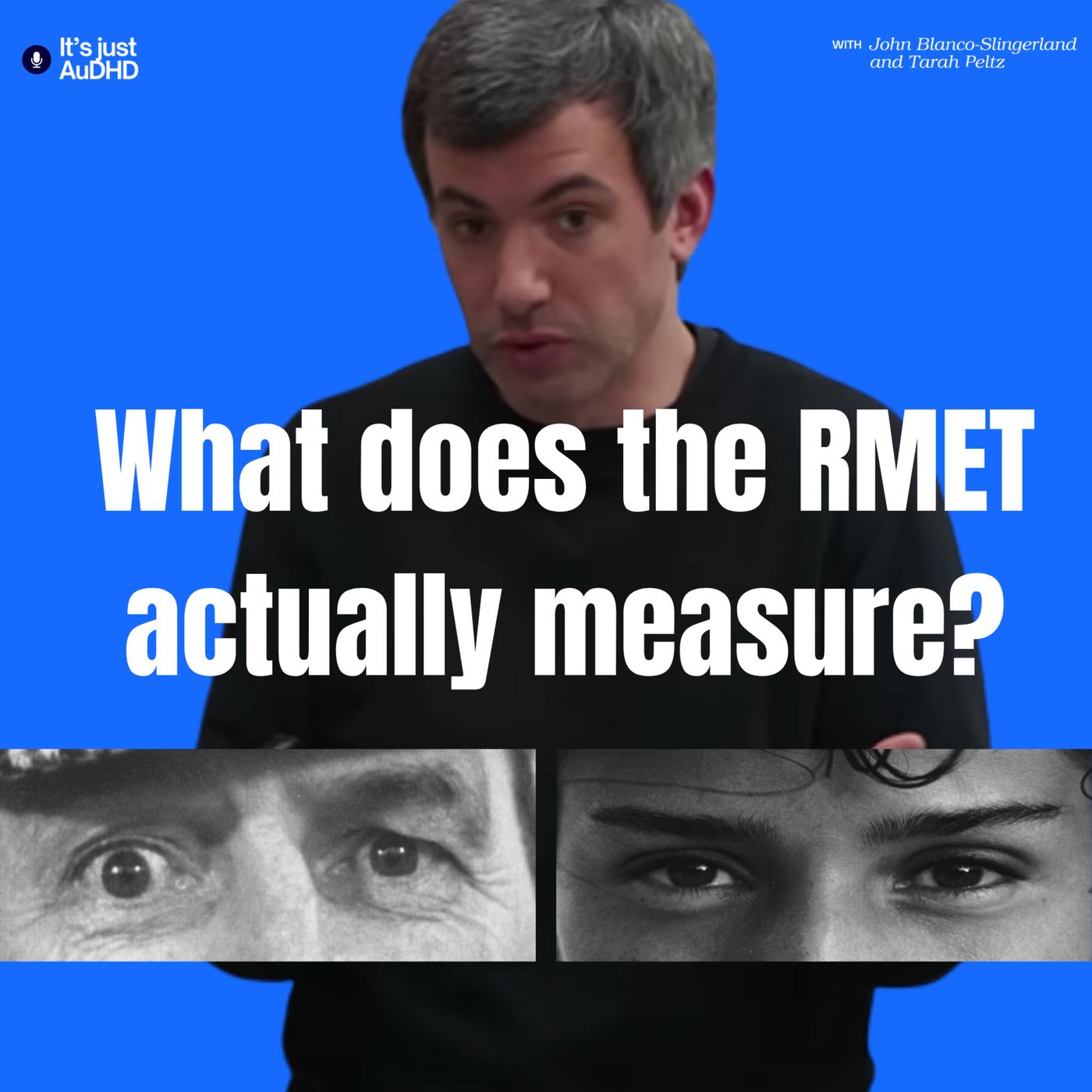
Can you diagnose autism by looking at pictures of eyes?
That's the theory behind the Reading the Mind in the Eyes Test (RMET), which was recently featured in Season 2 of 'The Rehearsal'. But this autism assessment has a wild history, and its origins are convoluted enough to make Nathan Fielder blu…
Disclaimer: The podcast and artwork embedded on this page are from John Blanco-Slingerland, Tarah Peltz, which is the property of its owner and not affiliated with or endorsed by Listen Notes, Inc.
EDIT
Thank you for helping to keep the podcast database up to date.
