
ABOUT THIS EPISODE

v
It Was Not So Bad
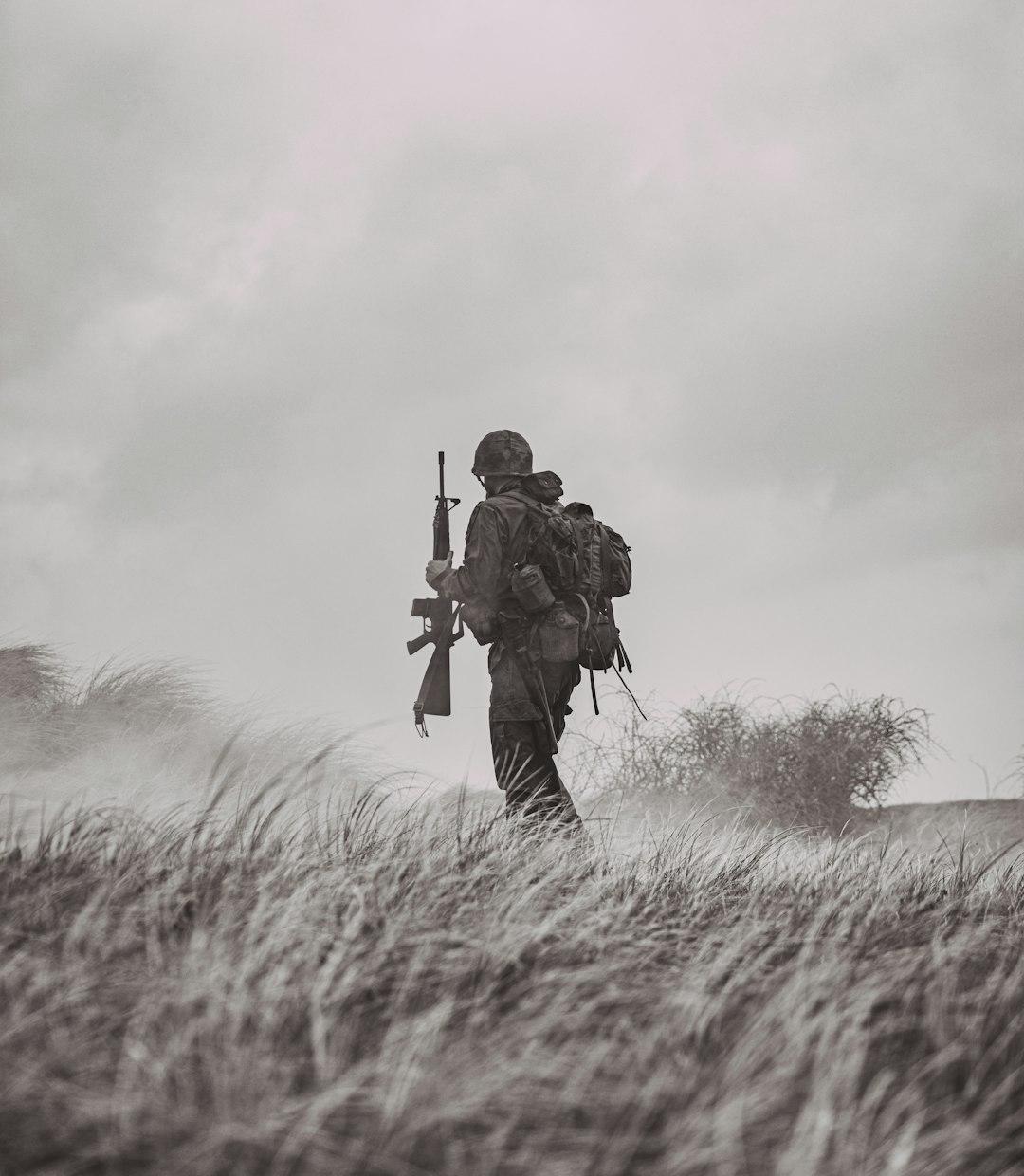
I sat out on the flagstone patio my father and neighbors had built about a decade earlier. It was mid-April 1970, and I had just returned from basic and advanced training in the Army in Georgia. I felt good, as I would return to my teaching job at my community’s junior high school in a few days and within a week or two of that, I would travel up to Canada with my brother on a road trip. The cement that anchored the flagstone of the patio was not mixed correctly and it was beginning to crack everywhere. My father would have been in complete turmoil about the cement’s demise, but in the years since, I have learned not to give a shit about such things.
My Lai was already history when I went through training, and atrocities in Vietnam were already passing through the informal chains of communication of those days such as newsletters and interviews. I had arrived at the Army reception station at Fort Jackson in Columbia, South Carolina, and knew that Dr. Howard Levy was serving a three-year sentence for refusing to train medics headed to Vietnam.
I had been accepted for a master’s degree at McGill University in Montreal the year before, but decided not to attend the school. While in Montreal, I walked over to the office in which war resisters met and it seemed to be one of the most depressing encounters I had experienced. Here were about 20 or so war resisters still wearing Army fatigues in many cases who could not return home. Amnesty, true amnesty, was several years away.
The openness we met on the road, both in Canada and the US, was phenomenal. In Canada, we did not have to pay for a single night’s lodging, as a clearing house near McGill connected travelers with those willing to house people. It was a more informal set up in Portland, Maine, but still there were places to stay and friendly company for the night.
Within a few weeks of returning to the US and my job, the massacre at Kent State took place on May 4, 1970. The Ohio National Guard’s violent reaction to student protesters, protesting the expanded war from Vietnam into Cambodia, was what students protested against. Bombing of Laos was also taking place at the same time. The anti-communism of those times would prove to be a false endeavor, especially when it was countered with military force on the ground and from the air.
I traveled up to Providence and my alma mater, but protest as an alumnus was far different from protest as a student.
When I think back to those times, I admittedly do so with some level of nostalgia, but that may have been an attribute of youth more than the facts on the ground. When I read about the rise of Islamophobia happening in Texas, I wondered what had gone so very wrong (“Islamophobia’s Rise in Texas: “Islamophobia’s Rise in Texas: ‘I Won’t Rest Until Every Muslim Is Gone.’” New York Times, August 17, 2026).
Thank you for subscribing. Share this episode.