


00:00:13
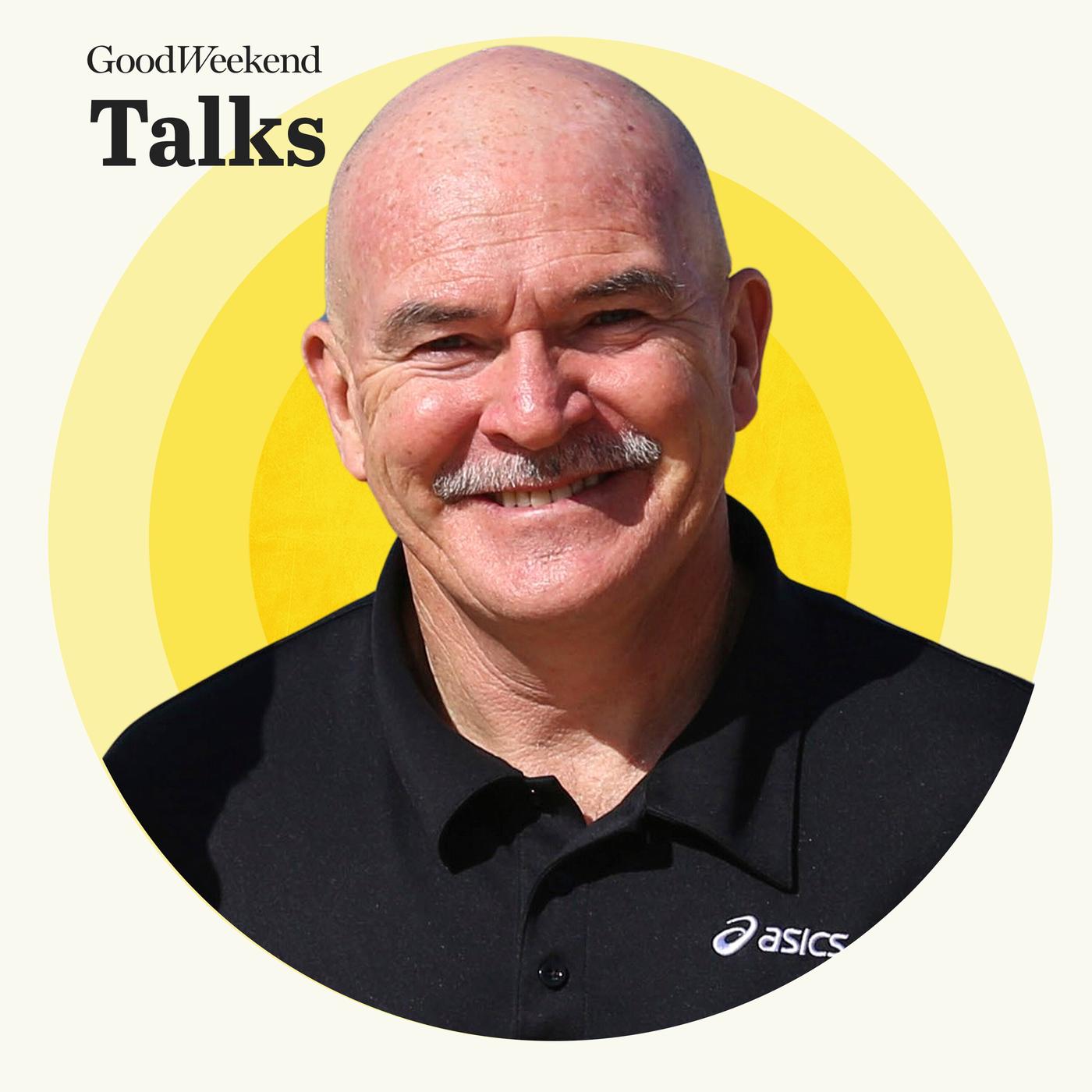
S1: Rob de Castella, otherwise known as Deeks, or to his opponents Tre, due to his sturdy limbs and uncomfortable calm, is an Australian running legend. The two time Commonwealth Games gold medal winner also won the 1981 Fukuoka Marathon in world record time, and in 1983 he won the Rotterdam Marathon, defeating none other than the legendary Alberto Salazar. He's done plenty since then, though, including a stint as director of the Australian Institute of Sport, not to mention being a vitamin Spruiker and black belt martial artist. But 16 years ago, de Castella made what might become his most impactful contribution yet. I'm Konrad Marshall and from the Sydney Morning Herald and the age. Welcome to Good Weekend Talks, featuring weekly deep dive conversations with fascinating Australians. And we're here to chat with de Castella about the Indigenous Marathon project, in which he takes a group of indigenous people from around the country every year and signs them up for a rigorous training and education programme before each of them runs the famed New York City Marathon. De Castella likes to say that the finishing line in Central Park has to be their starting line, encouraging them to go home after the race and use the lessons and strengths built throughout the programme to be a ripple of change. That's been the goal for more than 150 graduates of the I'm P so far, and there's a new documentary celebrating the project out this weekend. The Long Run premieres on Sunday, June 28th on channel nine. The owner of this masthead. And it follows a group of graduates as they're mentored by none other than former AFL superstar Buddy Franklin and NRL legend Johnathan Thurston. We've got De Castelli in the studio for a chat about all of the above. Welcome, Rob.
00:02:01
S2: Hi, Conrad, nice to be able to join you.
00:02:03
S1: I'm so glad to have you here. I just before we get to the guts of the. I'm p I want to go back to where it all started because I feel like I had read that this whole thing was sort of born out of curiosity for you and this idea of discovering whether Indigenous Australians might have the kinds of physical gifts that would translate into running greatness, the way that, say, African people from the Rift Valley in Kenya have enviable lung capacity and long tapered calves that are suited to long distance running. So how did it all start?
00:02:35
S2: Yeah, well, that's that's right. It started back in about 2009, 2010. And and you're right, originally, originally it was sort of a almost a talent ID exercise to see whether back then, you know, Aboriginal men from central Australia, uh, have that same long distance running ability and, and talent that the, that the great African runners have. And you know, from the world stage, we're struggling to to find another marathon runner who can really dominate the world. And I think in in Kenya alone, there's about 150 marathon runners that are faster than our fastest Australian. Incredible. So, you know, yeah. So the dominance by the African distance running on the world stage is, is epic. And um, you know, you've got to start off with the, with the, the right, uh, the right, you know, body, the right ability and given, you know, some of the success, the incredible success in so many of, of our sports, uh, with our Aboriginal and Torres Strait Islanders, whether you know, that same long distance running ability, you know, obviously on the footy field, AFL especially very much a running game, that capacity to be able to cover long distances and, uh, you know, run sometimes between 10 and 20km in a game. Whether that would translate to to the marathon. So that was the original concept. And, uh, and there was a documentary aired on the ABC back in 2000 or was produced through 2010 and aired in about November 2011 called Running to America. And for me as a non-Indigenous man, uh, you know, following that, that journey was the, you know, sort of first time I'd really been exposed, uh, in a fairly significant way to Aboriginal and Torres Strait Island, Australia.
00:04:29
S1: And it quickly sort of became something different, didn't it? I mean, the project then became about education. Like, how did you see it morph?
00:04:37
S2: Yeah, look. That's right. I mean, um, you know, travelling around, we had four Aboriginal fellows, two from Alice Springs, Charlie Maher and Caleb Hart and one from a little remote community called Maningrida up in Arnhem Land. And another young fella from Kununurra just over the Northern Territory w a border in the in the kimberleys. And, um, you know, for me to travel out to those communities, spend time with them, uh, to, to see, you know, sort of, uh, some of the struggle and, and some of the, uh, the dysfunction and the disadvantage. Um, I, I personally was incredibly, um, struck and, and moved by, uh, how we can have in Australia where we have, you know, so much affluence and so much opportunity, how we can still have such disadvantage and dysfunction and struggle within our First Nations, um, in some of our communities. And, um, the thing that upset me and affected me the most probably wasn't so much, you know, the grog and the, and, you know, sort of the, um, a lot of the things we hear about it was talking to these fellows. Um, it was a lack of a lack of self-worth, a lack of of self-respect, a lack of self-belief. And. And I think that was borne by a lot of First Nations, especially in some of the the areas where things are struggling. Uh, by that, that realization that maybe, you know, there's not much future for me. And, um, if you don't believe in yourself, if you don't believe in your own self-worth, it's going to be very difficult for you to achieve anything in life. So, um, you know, standing on the finish line in Central Park when all four of those, those young fellas crossed, that crossed the finish line of that first marathon, and they were the first, the first Indigenous Australians to run a major international marathon. Before that, you know, they didn't know what a marathon was. They never done any distance running. But to see them struggle through their preparation and then struggle through the marathon and, uh, but then to witness that incredible sense of pride and that incredible sense of achievement and accomplishment. And, and that was where, you know, sort of, I guess the, the concept of switching from a talent ID programme to doing something more, which is instilling that sense of self-worth and self-respect and pride by doing things that are hard and running a marathon is hard. You know, there's more people running the marathon around the world and in Australia than ever before. And I think it's because when we do things that are hard, we test ourselves. And when we do achieve, we cross that finish line and we have this incredible sense of accomplishment and that, you know, accomplishment and pride flows into courage. And when you have courage, then you take on and you tackle some big issues. And anything in life that has any, any worth is hard. So you've got to be prepared to, to step up and push yourself outside your comfort zone. and whether that's physical or emotional. And, and that's what we've what we saw back in 2010. And since then, you know, the, the ripple, the, the growth of, of the program has just continued to, to, um, you know, have a massive impact. So incredibly proud of all of our graduates. Um, you know, we've got 167 Aboriginal and Torres Strait Islanders aged between 18 and 30 that have all stepped up to, to run their first marathon with us. And, um, and as you said in your introduction, you know, really important that the finish line in Central Park is their starting line. It's what they do after that. And it's how, how me and how the foundation can support them to step up and take on some of the big issues that they want to see change.
00:08:38
S1: Fantastic. Maybe we'll go back even further now to where your own running story begins. What do you think made you kind of suited to running? Like, how did you come to it as a kid, and how did you figure out that you were good at it to the extent that you, you know, could make a career, make a life out of it?
00:08:57
S2: Yeah. Look, um, uh, I grew up in Melbourne, um, had a, had a great education, um, one of seven kids from an incredibly loving and wonderful family. Uh, the eldest of the eldest, eldest of the eldest of the eldest going back generations. So I think my parents instilled in me both a sense of, of obligation, but also a sense of self-worth. And, um, you know, I was probably too slow and not well coordinated enough to make it as a footy player. So, so ended up, you know, sort of drifting into school cross countries and, and then, you know, started to, to win, win school cross countries and interschool races. And then, you know, uh, state making state teams and winning national championships and stuff. And so that by the time I was about, um, you know, 18 I was already representing Australia in world cross country and international races. And um, you know, it just seemed that the, the longer the race went, the better I got. Uh, so, you know, naturally you end up gravitating towards the marathon. Um, I ran my first marathon back in 79 when I was about 22 because I wanted to go to the Olympics. And, uh, and that was the Moscow Olympics back in 1980 and, you know, ran my first marathon, which was the Victorian championships qualified. And, uh, and then, you know, went on and was part of the team that represented Australia at the, at the Moscow Olympics, which was the first of my four Olympic Games.
00:10:29
S1: Did you enjoy it all the way through? Because I've spoken to many runners, interviewed lots of them professionals, and sometimes quite often they talk about how much they dislike it, that they just do it because they're good at it and because they're competitive beasts. Like it's just a way to face off and show their talent. Um, like if you listen to someone like Derek Clayton talk about the way that he used to train. Yeah. Uh, I mean, he wasn't satisfied unless he was deeply hurting himself. Like running into oblivion, that kind of thing. What were you like?
00:11:03
S2: Um, not not not as crazy as Derek. I know Derek very well. And and we have a wonderful friendship. And, um, he obviously was very much a pioneer that I followed in, in his footsteps. Um, but, you know, he, he had almost like this masochistic approach and, uh, almost, you know, sort of, uh, cathartic in terms of punishing himself. Um, I was a little bit like that, but not quite as extreme. Um, and the reality is that, you know, when you're training as hard as what, what I used to run, you know, I was running between 220 to 240km a week, uh, training, you know, twice a day, every day. Uh, I only had two recovery days. A Monday and a Friday were my recovery days, and every other session was either a 30 or 35 K run or a quality session. So you're always tired and and it's always hard work and, uh, and, you know, but it's what you have to do, you know, so I, I made that decision relatively early in my, in my life that that was what I wanted to do. And once you, you make that commitment, then you've just got to follow it through. And I was fortunate. I had a wonderful training group and had a lot of support from, you know, a couple of the older runners that I used to train with. And they very much mentored me. And, and it became, you know, became my life. It was what I, what I did, uh, and, you know, I was fortunate that I was good at it and, and that, you know, that also being good at something, I think helps to fuel and fire up your motivation and your commitment.
00:12:39
S1: Totally. You must marvel at the way that running has taken off more generally. And I say that because I was looking back at your career and I'm thinking you're in your prime around 1980 and just afterwards. But I'm not really sure the general public understands just how marginal, um, marathon running was as a pastime then. Like when the Canberra Marathon launched in 1977, it was literally the first community marathon in Australia. Like prior to that, running a marathon wasn't something that normal people just did like up and decided they were going to train for in a given year. Now run clubs are everywhere. Harry Styles is a believer. I mean, are you even a middle aged person in Australia now? If you don't give it a crack at some point. Like what's what's it been like watching that growth as someone who's inside it the whole way through?
00:13:30
S2: Yeah. Look, it's been fascinating. You know, I grew up in that era, as you said, when, uh, running, you know, I still remember going out for a run and having someone, you know, drive past, winding down their window and go, one, two, three, one, two, three, one, 123123. As we're as we're running along. Um, so it was, it was a little bit, you know, strange, but it's wonderful to see the popularity. And I, you know, I don't know that there's one thing that you can point to, but there's a lot of things that have really fueled that, that, that interest. And, uh, and, you know, it's for, for someone like me who's been involved in health and, and, uh, both, you know, from a physical and a mental health perspective and now working with Aboriginal and Torres Strait Islanders and First Nations communities, uh, to, to see that, that popularity and the growth of running, I think is a really, it's a wonderful thing. And it's a really powerful intervention, a powerful activity for, for people to get involved with. And, and I hope it continues. You know, we've got we are riding the wave of the popularity of the of the social run clubs and the running booms and the marathons. You know, you look at something like the London Marathon and they had over a million, a million applicants for entries into into the race. So, you know, it's, um, it's strange that something which is so hard, uh, is so popular. You know, most, most people go out of their way to avoid things that are hard. But runners, and especially marathon runners, are deliberately going to the starting line to do something that they know is, is going to really test them. And that last, you know, that last 10-K is really going to challenge you, not just your body, but more your mind and your and your spirit. Um, but, you know, like I said, you know, sort of when you do cross that finish line, that incredible sense of, of being able to push yourself, that incredible sense of being able to endure and overcome, uh, fuels an amazing sense of self-worth and pride. And one of our little sayings in, in, in IMF is the harder the struggle, the greater the reward. You know, we, we deliberately make it hard for for our our 12 squad members, 18 to 30 year olds from right across the country, from, you know, remote communities to country, regional towns and cities. And for for a lot of them who come from very little running background to go from no running to running. The biggest marathon in the world in just six months is an incredible test. And, and they struggle. And, you know, they, they really have to endure and have to, to test themselves and push themselves. But, you know, when you do achieve, uh, it really does fuel that, that self worth. And as I said before, that fuels your courage. And when you have a bit of courage, then you take on challenges and, and that's, you know, that's really what it's all about. And whether it's, it's our, our Aboriginal and Torres Strait Islanders or whether it's someone just getting out there and joining a local, you know, social run club, doing a park run, gradually stepping up to ten K and then half marathon and then and then, you know, sort of the ultimate of trying to finish your first marathon is, uh, it's pretty simple, but, um, but it's also, you know, really hard and really challenging.
00:17:00
S1: I've run a handful of marathons, but my first one was New York City, and I reckon you really just chose the perfect one to take people into the experience for their first time. Like the carrot wouldn't be the same if you were encouraging them to run the the Melbourne Marathon or the Sydney Marathon. It's hard to describe what it's like there in New York as it goes through all of the five boroughs, and there are people dancing on the side and people on flatbed trucks playing music and crowd handing out drinks and snacks and just cheering you the entire way, like 42km. There's not a stretch of road that isn't lined by people. Apart from what? Like the bridges. I guess.
00:17:41
S2: The bridges. Yeah yeah, yeah. And that's wonderful, you know. And it works really well for us because it's at the end of the year in November. So from a calendar year, you know, we, we recruit through, through, you know, sort of January, February, select the squad. They come into there for training camps, uh, starting off in May, doing a ten K and then the Gold Coast half marathon and then another half marathon at Sunshine Coast, another six weeks and then a 30 K selection run in Alice Springs. So every 5 to 6 weeks they've got an education and training camp. And um, and you know, you're right. I mean, the culmination of, uh, of, of getting to New York and then running the race and experiencing it. It's something that's very hard to explain. Um, but, you know, sort of it does, it does give you a, you know, New York is like another, another planet, you know, it's an incredible, the, the crowd engagement and involvement, Um, is just, you know, typical New York fashion is, uh, is just really out there.
00:18:43
S1: I wrote a book that came out earlier this year, run for your life, a year long journey, asking why, why we run. Um, I'm hosting the podcast today, so I feel like I can give it a plug. Um, and I ran with a mate of yours, Steve Moneghetti, around Lake Wendouree. Um, and he was telling me as we were jogging, the people often say to him that running must be such a big part of his life. And his answer is like, of course it's not. It is his life. Um, what do you get from running? What do you get when you're out there? Because everybody takes something different away. Some people use it to center themselves in the morning or take stock of the day when they're running at night, some run to kind of set a faster gating speed and really compete with themselves or compete with others. What do you get out of it?
00:19:31
S2: When I was when I was competing, it was obviously, uh, profession. You know, I had to do what I needed to do to be the best in the world. And. And every day revolved around my training sessions and rest and recovery. So it was all all consuming and, you know, never had a day off train, you know, Christmas Day, whatever birthdays that you just had to have that completely, um, almost an obsessive approach to, to doing it.
00:20:00
S1: God, I've seen moneghetti training, um, diaries, those ones that he keeps from just years and years back. And I thought I could find him on a cheat day. So I like opened up Christmas day and it was like he did 12 miles in the morning and then had Christmas lunch and then did another ten at night. Like you guys just didn't don't take a break.
00:20:17
S2: No, no. And that's and that's, you know, the way that as an elite athlete, you, you condition your body, you know, you work so hard to, to get super fit and strong. The last thing you want to do is, is, is lose that, you know, you've, you've really struggled to, to gain a little bit of strength. So, you know, you just need to maintain it because your body, you lose fitness quicker than you gain fitness. Um, but, but these days, you know, sort of, um, uh, health is still a really important part of my life. Um, you know, my, my dear dad had his first heart attack when he was 49 and he went on after that and ran about 30 marathons and, um, and then passed away when he was 73, halfway through a 30 kilometer training run. So, you know, sort of, um, so I, you know, health is, is the health benefits are really important for me. So I still try to get up and, and get out and do something. Um, you know, my body's showing a few signs of wear and tear. Uh, and, you know, I've got a, you know, I've just had a hip replacement. So I'm just rehabilitating that and getting back into a little bit of running and, um, you know, but every day I'm training and exercising and trying to look after myself. So it's just part of part of my life and want to get out of it. I think is still, you know, that sense of, of having done something that I, I know is good for me. Um, you know, a little bit of even if it's a three, three or 4k shuffle, um, I still come back and then jump in the shower and it's a great way to start the day.
00:21:50
S1: From one elite athlete to, uh, to another pair, just back to the documentary, um, it features a really candid and vulnerable side of Buddy Franklin, who is not usually one to reveal too much of himself to the world in public. He even talks about how the I'm P to him felt like, uh, a wider part of the project was in sharing yourself with others. I can't ask you to speak for him, of course, but looking in as a as a close observer. What do you reckon buddy got out of the experience?
00:22:21
S2: I think, um, you know, the, the imp uh, program is a very safe space and um, you know, every, Everyone who comes in. All of us have got our own, our own little, you know, demons that we, we battle with. Um, and sometimes those, those demons, uh, can be a, you know, this incredible superpower. You know, if you, if you've had had struggle in your life and you, you love your children and you love your family, you don't want them to have to go through the sorts of things that you went through. So you, you committed to doing everything you can to, to ensure that they, they have a softer, easier, more rewarding and satisfying journey than what maybe you've had in the past. So, you know, those, um, vulnerabilities and those struggles, uh, drive you and motivate you. So when the alarm goes off at 5:00 in the morning and you've got to get up and you've got to get out and do your run before you drop the kids off to school or whatever it happens to be. You've got to have, you've got to have a why and you've got to have a purpose. Um, and, and you know that it's really important for you to be able to articulate a lot of us, you know, have things that motivate us and drive us, but we don't always identify and articulate what those are to ourselves, let alone to, to others. But when the imp squad come together, um, you know, in addition to buddy and J2, the, you know, were, were 12, uh, six men, six women, Aboriginal and Torres Strait Islanders from right across the country. So it was an incredible cross-section of First Nations Australians. Um, and they share their, their wives, they share their, their, their struggles, they share their achievements and, and, and that joint sharing becomes a really strong, uh, you know, sort of a glue that holds everyone together and drives and motivates each other. So, you know, um, what buddy went through what, what JT went through what? All of the the squad went through is a really important part of the the imp journey. And um you know, when you when you hit the wall in the marathon at 30 K and you've still got 12 K to go, the first thing you say is, you know, why should I keep on going? You know, should I just back off? Should I just ease, uh, ease off or, you know, should I even pull out? Do I want to keep on pushing? And, um, and you've got to have an answer and that, and that becomes your why. And a lot of our guys, they'll, you know, right. They're, they're y on the back of their hand, their, their, their purpose, their reason for doing it. And, um, and that's a really important component to inspire you and drive you and motivate you to do, to do the hard and the hard is good. You know, it is really important for us in life not to shy away from taking on some of the hard things and addressing some of the the challenges. But you've got to have a reason. You've got to have a motivation and you've got to, you know, maybe have a little bit of support around you sometimes to help you to get through that.
00:25:39
S1: There are a lot of interesting whys. I would imagine in that, uh, project, um, one of the other, uh, great interviews that I was lucky enough to, to do for my book. And a guy who was also in your doco is Charlie Maher, the, uh, the first graduate of the program, almost the godfather now of the I'm p in many ways. Um, and now the first indigenous person to run all seven of the world's major marathons. Um, I went for a run with him a couple of years ago and discussed sort of how he got into the project and what he gets from it. And he explained to me that he was, you know, running to kind of beat back various issues with alcohol that he had. Later, he was also running to honor his late mum, um, even more recently running to honor a sister who had passed away. And I think I was going for a jog with him around the MCG because he was about to run the Melbourne Marathon with his brother in law to support him. He's always really clear on his whys. What are, I don't know. One what's another kind of inspirational why story that comes to mind when you think of these graduates? I mean, there's, I'm sure too many to, to mention, but, um, who sits with you in your, in your mind?
00:26:54
S2: Oh, look. Yeah. Conrad, there's so many, you know, we've got 167 graduates now. Um, and they get selected on, you know, two, two reasons. One is, you know, they have to articulate what their why is, you know, what, what their purpose is. And then the other reason is that we have to see in them that they have a capacity to have an impact, you know, because it's not just about taking a group of young Aboriginal and Torres Strait Islanders to New York and getting them to run their first marathon. It's about how can that be a stepping stone for them to to have an impact and, and step up and drive change, whether it's in their lives, in their families and communities or whether it's on a national, um, national basis. Um, you know, we've got, um, Elsie Syrett who ran, who ran the program in 2014, she, she's now mayor of the Torah Shire. So, you know, Elsie is an incredible island woman. Um, you know, she, after she won the election, she phoned me up and just said, look, thank you so much. I never would have believed. I never would have had the courage to, to put my hand up, to go into the election if it wasn't for having done I. MP and she did all of her campaigning leading up to the election wearing her her MP graduate polo shirt and you know, sort of so um you know, she's, she's one of so many, uh, we've got, you know, graduates that have started their own programs. Nat Heath has started a triathlon program. Tri mob um got Libby Cooke Black, who is from Cairns, up in far North Queensland, and she was a former Jillaroo before she did her imp run. And, um, you know, she saw that there weren't the same opportunities for, for far North Queensland women in sport. So she started her own charity, her own program called Female Co, which provides pathways and opportunities and mentoring for, for, uh, young First Nations, um island and Aboriginal women up far North Queensland. Um, you know, we've got um we've got two of our graduates that are now on their respective voice committees in Victoria and South Australia. So they're now stepping up into positions where they're, uh, having the courage to, to go into these political arenas and, and champion and drive the issues that they want to see changed. Um, you know, we've got doctors, we've got lawyers, we've got a lot of graduates who hadn't finished off their studies. But after I'm p you know, we one of our little things is that you don't want to have unfinished business. Uh, so, you know, it's really important if you've got some unfinished business that you have an opportunity to go back and try to finish it off. So, you know, sort of graduates who've gone back and finished off their university degrees and then progress their careers and things. So, um, you know, but then, you know, they're just, they're just inspirational Australians. They're, they're young people who, who, um, you know, Aboriginal and Torres Strait Islanders. Uh, and I keep on saying that Aboriginal and Torres Strait Islander culture is our greatest national treasure. You know, it's something that we have in this continent that no other no other A country on the planet has the oldest continuous living cultures, and there's a reason why they have thrived and survived. And what we need to do as a as a nation is move away from the focus on the deficit. You know, the closing the gap is, is necessary, but it's far too focused on the deficit. We need to, to showcase the achievement and the strength and the beauty and the resilience of Aboriginal and Torres Strait Islanders and the beauty of First Nations cultures. And and when we do that, I dream, and I hope that we will we will become a unified country that non-Indigenous Australia will embrace Aboriginal and Torres Strait Islander as part of part of Australia's identity and. And to do that, we need to showcase the positive. Not always just be focusing on the negative and the deficit.
00:31:17
S1: The other thing that was striking to me when I when I think of Charlie, Uh, Charlie Ma, that is, was how getting involved in running really connected him to country. So now kind of whether he's jogging where he lives in Port Macquarie or whether he's jogging in like barefoot in the red dirt near Alice Springs where he grew up, he says he feels much more sort of acquainted and wedded to his people and their stories. I just wondered if that was sort of a common emotion that, um, you encounter from graduates.
00:31:56
S2: Yeah. Look, it is, I think because in the early days when when we first started with Charlie and the other 3 in 2010, uh, we all copped enormous criticism. You know, I copped criticism of, you know, why are you spending all this money on, on these guys and taking them to New York? You know, they'll never run. They'll never train. Uh, they cop criticism from a lot of their, their community, uh, for doing something that, uh, that no indigenous person had ever done before, you know, going into running marathons. And I said to them, look, you know, I mean, your ancestors were the first long distance runners. Your ancestor traveled from north to south and east to west across this continent for tens of thousands of years. And all we're doing is reawakening that culture of, of long distance running and walking. And, um, and if we can continue to focus on that, you know, running, uh, you know, as, you know, Born to run books tell you, you know, our ability to run long distances as a species is something that is inherent in our, in our behavioral DNA. And when we reconnect with that, when you get out on country or you, you feel, you feel the rhythm of your heart, you feel the rhythm of your breathing, you feel the rhythm of your feet. And you connect with the universe. Because everything in the universe has a rhythm. In the seasons and the tides and and, you know, if you can, if you can reconnect and you can find that rhythm and, and not not be, um, one of the hardest things that people find when they start running is that they all run too fast, you know, and they hate it, you know, they're out there because they've come from a team sport background or whatever, where, you know, you turn up the lighting light, you turn up the training late, you've got to run laps as a punishment. So what we need to do is to, is to slow people down. And when you slow down and you and you just listen to your breathing and you listen to the, the, the world around you, you, you do connect with the universe. And, and there's something really meditative and really special. And when our runners, when our I'm p runners start off and, and gradually, you know, sort of progress through. And then they start running on country and they start getting out in the, in the bush and in nature and, you know, fear the wind and the, and the sun and the rain and everything. That's a wonderful thing to be able to experience.
00:34:23
S1: That's a wonderful note to end on. The Long Run premieres Sunday, June 28th on channel nine and nine. Now, Rob de Castella, thank you very much for joining us on Good Weekend Talks.
00:34:36
S2: Thanks very much.
00:34:39
S1: To enjoy more in-depth journalism from the latest edition of Good Weekend. Visit us at theage.com.au or smh.com.au. This episode was produced by Konrad Marshall and edited by Tim Mummery, with technical assistance from Hannah Anderson and Pablo Barnes. Our executive producer is Tammy Mills. Lisa Muxworthy and Tom McKendrick oversee our podcasts, and Melissa Stevens is the editor of Good Weekend. If you enjoyed this episode, follow our podcast and leave us a review on Apple or Spotify. And thanks for listening.
S1: Rob de Castella, otherwise known as Deeks, or to his opponents Tre, due to his sturdy limbs and uncomfortable calm, is an Australian running legend. The two time Commonwealth Games gold medal winner also won the 1981 Fukuoka Marathon in world record time, and in 1983 he won the Rotterdam Marathon, defeating none other than the legendary Alberto Salazar. He's done plenty since then, though, including a stint as director of the Australian Institute of Sport, not to mention being a vitamin Spruiker and black belt martial artist. But 16 years ago, de Castella made what might become his most impactful contribution yet. I'm Konrad Marshall and from the Sydney Morning Herald and the age. Welcome to Good Weekend Talks, featuring weekly deep dive conversations with fascinating Australians. And we're here to chat with de Castella about the Indigenous Marathon project, in which he takes a group of indigenous people from around the country every year and signs them up for a rigorous training and education programme before each of them runs the famed New York City Marathon. De Castella likes to say that the finishing line in Central Park has to be their starting line, encouraging them to go home after the race and use the lessons and strengths built throughout the programme to be a ripple of change. That's been the goal for more than 150 graduates of the I'm P so far, and there's a new documentary celebrating the project out this weekend. The Long Run premieres on Sunday, June 28th on channel nine. The owner of this masthead. And it follows a group of graduates as they're mentored by none other than former AFL superstar Buddy Franklin and NRL legend Johnathan Thurston. We've got De Castelli in the studio for a chat about all of the above. Welcome, Rob.
00:02:01
S2: Hi, Conrad, nice to be able to join you.
00:02:03
S1: I'm so glad to have you here. I just before we get to the guts of the. I'm p I want to go back to where it all started because I feel like I had read that this whole thing was sort of born out of curiosity for you and this idea of discovering whether Indigenous Australians might have the kinds of physical gifts that would translate into running greatness, the way that, say, African people from the Rift Valley in Kenya have enviable lung capacity and long tapered calves that are suited to long distance running. So how did it all start?
00:02:35
S2: Yeah, well, that's that's right. It started back in about 2009, 2010. And and you're right, originally, originally it was sort of a almost a talent ID exercise to see whether back then, you know, Aboriginal men from central Australia, uh, have that same long distance running ability and, and talent that the, that the great African runners have. And you know, from the world stage, we're struggling to to find another marathon runner who can really dominate the world. And I think in in Kenya alone, there's about 150 marathon runners that are faster than our fastest Australian. Incredible. So, you know, yeah. So the dominance by the African distance running on the world stage is, is epic. And um, you know, you've got to start off with the, with the, the right, uh, the right, you know, body, the right ability and given, you know, some of the success, the incredible success in so many of, of our sports, uh, with our Aboriginal and Torres Strait Islanders, whether you know, that same long distance running ability, you know, obviously on the footy field, AFL especially very much a running game, that capacity to be able to cover long distances and, uh, you know, run sometimes between 10 and 20km in a game. Whether that would translate to to the marathon. So that was the original concept. And, uh, and there was a documentary aired on the ABC back in 2000 or was produced through 2010 and aired in about November 2011 called Running to America. And for me as a non-Indigenous man, uh, you know, following that, that journey was the, you know, sort of first time I'd really been exposed, uh, in a fairly significant way to Aboriginal and Torres Strait Island, Australia.
00:04:29
S1: And it quickly sort of became something different, didn't it? I mean, the project then became about education. Like, how did you see it morph?
00:04:37
S2: Yeah, look. That's right. I mean, um, you know, travelling around, we had four Aboriginal fellows, two from Alice Springs, Charlie Maher and Caleb Hart and one from a little remote community called Maningrida up in Arnhem Land. And another young fella from Kununurra just over the Northern Territory w a border in the in the kimberleys. And, um, you know, for me to travel out to those communities, spend time with them, uh, to, to see, you know, sort of, uh, some of the struggle and, and some of the, uh, the dysfunction and the disadvantage. Um, I, I personally was incredibly, um, struck and, and moved by, uh, how we can have in Australia where we have, you know, so much affluence and so much opportunity, how we can still have such disadvantage and dysfunction and struggle within our First Nations, um, in some of our communities. And, um, the thing that upset me and affected me the most probably wasn't so much, you know, the grog and the, and, you know, sort of the, um, a lot of the things we hear about it was talking to these fellows. Um, it was a lack of a lack of self-worth, a lack of of self-respect, a lack of self-belief. And. And I think that was borne by a lot of First Nations, especially in some of the the areas where things are struggling. Uh, by that, that realization that maybe, you know, there's not much future for me. And, um, if you don't believe in yourself, if you don't believe in your own self-worth, it's going to be very difficult for you to achieve anything in life. So, um, you know, standing on the finish line in Central Park when all four of those, those young fellas crossed, that crossed the finish line of that first marathon, and they were the first, the first Indigenous Australians to run a major international marathon. Before that, you know, they didn't know what a marathon was. They never done any distance running. But to see them struggle through their preparation and then struggle through the marathon and, uh, but then to witness that incredible sense of pride and that incredible sense of achievement and accomplishment. And, and that was where, you know, sort of, I guess the, the concept of switching from a talent ID programme to doing something more, which is instilling that sense of self-worth and self-respect and pride by doing things that are hard and running a marathon is hard. You know, there's more people running the marathon around the world and in Australia than ever before. And I think it's because when we do things that are hard, we test ourselves. And when we do achieve, we cross that finish line and we have this incredible sense of accomplishment and that, you know, accomplishment and pride flows into courage. And when you have courage, then you take on and you tackle some big issues. And anything in life that has any, any worth is hard. So you've got to be prepared to, to step up and push yourself outside your comfort zone. and whether that's physical or emotional. And, and that's what we've what we saw back in 2010. And since then, you know, the, the ripple, the, the growth of, of the program has just continued to, to, um, you know, have a massive impact. So incredibly proud of all of our graduates. Um, you know, we've got 167 Aboriginal and Torres Strait Islanders aged between 18 and 30 that have all stepped up to, to run their first marathon with us. And, um, and as you said in your introduction, you know, really important that the finish line in Central Park is their starting line. It's what they do after that. And it's how, how me and how the foundation can support them to step up and take on some of the big issues that they want to see change.
00:08:38
S1: Fantastic. Maybe we'll go back even further now to where your own running story begins. What do you think made you kind of suited to running? Like, how did you come to it as a kid, and how did you figure out that you were good at it to the extent that you, you know, could make a career, make a life out of it?
00:08:57
S2: Yeah. Look, um, uh, I grew up in Melbourne, um, had a, had a great education, um, one of seven kids from an incredibly loving and wonderful family. Uh, the eldest of the eldest, eldest of the eldest of the eldest going back generations. So I think my parents instilled in me both a sense of, of obligation, but also a sense of self-worth. And, um, you know, I was probably too slow and not well coordinated enough to make it as a footy player. So, so ended up, you know, sort of drifting into school cross countries and, and then, you know, started to, to win, win school cross countries and interschool races. And then, you know, uh, state making state teams and winning national championships and stuff. And so that by the time I was about, um, you know, 18 I was already representing Australia in world cross country and international races. And um, you know, it just seemed that the, the longer the race went, the better I got. Uh, so, you know, naturally you end up gravitating towards the marathon. Um, I ran my first marathon back in 79 when I was about 22 because I wanted to go to the Olympics. And, uh, and that was the Moscow Olympics back in 1980 and, you know, ran my first marathon, which was the Victorian championships qualified. And, uh, and then, you know, went on and was part of the team that represented Australia at the, at the Moscow Olympics, which was the first of my four Olympic Games.
00:10:29
S1: Did you enjoy it all the way through? Because I've spoken to many runners, interviewed lots of them professionals, and sometimes quite often they talk about how much they dislike it, that they just do it because they're good at it and because they're competitive beasts. Like it's just a way to face off and show their talent. Um, like if you listen to someone like Derek Clayton talk about the way that he used to train. Yeah. Uh, I mean, he wasn't satisfied unless he was deeply hurting himself. Like running into oblivion, that kind of thing. What were you like?
00:11:03
S2: Um, not not not as crazy as Derek. I know Derek very well. And and we have a wonderful friendship. And, um, he obviously was very much a pioneer that I followed in, in his footsteps. Um, but, you know, he, he had almost like this masochistic approach and, uh, almost, you know, sort of, uh, cathartic in terms of punishing himself. Um, I was a little bit like that, but not quite as extreme. Um, and the reality is that, you know, when you're training as hard as what, what I used to run, you know, I was running between 220 to 240km a week, uh, training, you know, twice a day, every day. Uh, I only had two recovery days. A Monday and a Friday were my recovery days, and every other session was either a 30 or 35 K run or a quality session. So you're always tired and and it's always hard work and, uh, and, you know, but it's what you have to do, you know, so I, I made that decision relatively early in my, in my life that that was what I wanted to do. And once you, you make that commitment, then you've just got to follow it through. And I was fortunate. I had a wonderful training group and had a lot of support from, you know, a couple of the older runners that I used to train with. And they very much mentored me. And, and it became, you know, became my life. It was what I, what I did, uh, and, you know, I was fortunate that I was good at it and, and that, you know, that also being good at something, I think helps to fuel and fire up your motivation and your commitment.
00:12:39
S1: Totally. You must marvel at the way that running has taken off more generally. And I say that because I was looking back at your career and I'm thinking you're in your prime around 1980 and just afterwards. But I'm not really sure the general public understands just how marginal, um, marathon running was as a pastime then. Like when the Canberra Marathon launched in 1977, it was literally the first community marathon in Australia. Like prior to that, running a marathon wasn't something that normal people just did like up and decided they were going to train for in a given year. Now run clubs are everywhere. Harry Styles is a believer. I mean, are you even a middle aged person in Australia now? If you don't give it a crack at some point. Like what's what's it been like watching that growth as someone who's inside it the whole way through?
00:13:30
S2: Yeah. Look, it's been fascinating. You know, I grew up in that era, as you said, when, uh, running, you know, I still remember going out for a run and having someone, you know, drive past, winding down their window and go, one, two, three, one, two, three, one, 123123. As we're as we're running along. Um, so it was, it was a little bit, you know, strange, but it's wonderful to see the popularity. And I, you know, I don't know that there's one thing that you can point to, but there's a lot of things that have really fueled that, that, that interest. And, uh, and, you know, it's for, for someone like me who's been involved in health and, and, uh, both, you know, from a physical and a mental health perspective and now working with Aboriginal and Torres Strait Islanders and First Nations communities, uh, to, to see that, that popularity and the growth of running, I think is a really, it's a wonderful thing. And it's a really powerful intervention, a powerful activity for, for people to get involved with. And, and I hope it continues. You know, we've got we are riding the wave of the popularity of the of the social run clubs and the running booms and the marathons. You know, you look at something like the London Marathon and they had over a million, a million applicants for entries into into the race. So, you know, it's, um, it's strange that something which is so hard, uh, is so popular. You know, most, most people go out of their way to avoid things that are hard. But runners, and especially marathon runners, are deliberately going to the starting line to do something that they know is, is going to really test them. And that last, you know, that last 10-K is really going to challenge you, not just your body, but more your mind and your and your spirit. Um, but, you know, like I said, you know, sort of when you do cross that finish line, that incredible sense of, of being able to push yourself, that incredible sense of being able to endure and overcome, uh, fuels an amazing sense of self-worth and pride. And one of our little sayings in, in, in IMF is the harder the struggle, the greater the reward. You know, we, we deliberately make it hard for for our our 12 squad members, 18 to 30 year olds from right across the country, from, you know, remote communities to country, regional towns and cities. And for for a lot of them who come from very little running background to go from no running to running. The biggest marathon in the world in just six months is an incredible test. And, and they struggle. And, you know, they, they really have to endure and have to, to test themselves and push themselves. But, you know, when you do achieve, uh, it really does fuel that, that self worth. And as I said before, that fuels your courage. And when you have a bit of courage, then you take on challenges and, and that's, you know, that's really what it's all about. And whether it's, it's our, our Aboriginal and Torres Strait Islanders or whether it's someone just getting out there and joining a local, you know, social run club, doing a park run, gradually stepping up to ten K and then half marathon and then and then, you know, sort of the ultimate of trying to finish your first marathon is, uh, it's pretty simple, but, um, but it's also, you know, really hard and really challenging.
00:17:00
S1: I've run a handful of marathons, but my first one was New York City, and I reckon you really just chose the perfect one to take people into the experience for their first time. Like the carrot wouldn't be the same if you were encouraging them to run the the Melbourne Marathon or the Sydney Marathon. It's hard to describe what it's like there in New York as it goes through all of the five boroughs, and there are people dancing on the side and people on flatbed trucks playing music and crowd handing out drinks and snacks and just cheering you the entire way, like 42km. There's not a stretch of road that isn't lined by people. Apart from what? Like the bridges. I guess.
00:17:41
S2: The bridges. Yeah yeah, yeah. And that's wonderful, you know. And it works really well for us because it's at the end of the year in November. So from a calendar year, you know, we, we recruit through, through, you know, sort of January, February, select the squad. They come into there for training camps, uh, starting off in May, doing a ten K and then the Gold Coast half marathon and then another half marathon at Sunshine Coast, another six weeks and then a 30 K selection run in Alice Springs. So every 5 to 6 weeks they've got an education and training camp. And um, and you know, you're right. I mean, the culmination of, uh, of, of getting to New York and then running the race and experiencing it. It's something that's very hard to explain. Um, but, you know, sort of it does, it does give you a, you know, New York is like another, another planet, you know, it's an incredible, the, the crowd engagement and involvement, Um, is just, you know, typical New York fashion is, uh, is just really out there.
00:18:43
S1: I wrote a book that came out earlier this year, run for your life, a year long journey, asking why, why we run. Um, I'm hosting the podcast today, so I feel like I can give it a plug. Um, and I ran with a mate of yours, Steve Moneghetti, around Lake Wendouree. Um, and he was telling me as we were jogging, the people often say to him that running must be such a big part of his life. And his answer is like, of course it's not. It is his life. Um, what do you get from running? What do you get when you're out there? Because everybody takes something different away. Some people use it to center themselves in the morning or take stock of the day when they're running at night, some run to kind of set a faster gating speed and really compete with themselves or compete with others. What do you get out of it?
00:19:31
S2: When I was when I was competing, it was obviously, uh, profession. You know, I had to do what I needed to do to be the best in the world. And. And every day revolved around my training sessions and rest and recovery. So it was all all consuming and, you know, never had a day off train, you know, Christmas Day, whatever birthdays that you just had to have that completely, um, almost an obsessive approach to, to doing it.
00:20:00
S1: God, I've seen moneghetti training, um, diaries, those ones that he keeps from just years and years back. And I thought I could find him on a cheat day. So I like opened up Christmas day and it was like he did 12 miles in the morning and then had Christmas lunch and then did another ten at night. Like you guys just didn't don't take a break.
00:20:17
S2: No, no. And that's and that's, you know, the way that as an elite athlete, you, you condition your body, you know, you work so hard to, to get super fit and strong. The last thing you want to do is, is, is lose that, you know, you've, you've really struggled to, to gain a little bit of strength. So, you know, you just need to maintain it because your body, you lose fitness quicker than you gain fitness. Um, but, but these days, you know, sort of, um, uh, health is still a really important part of my life. Um, you know, my, my dear dad had his first heart attack when he was 49 and he went on after that and ran about 30 marathons and, um, and then passed away when he was 73, halfway through a 30 kilometer training run. So, you know, sort of, um, so I, you know, health is, is the health benefits are really important for me. So I still try to get up and, and get out and do something. Um, you know, my body's showing a few signs of wear and tear. Uh, and, you know, I've got a, you know, I've just had a hip replacement. So I'm just rehabilitating that and getting back into a little bit of running and, um, you know, but every day I'm training and exercising and trying to look after myself. So it's just part of part of my life and want to get out of it. I think is still, you know, that sense of, of having done something that I, I know is good for me. Um, you know, a little bit of even if it's a three, three or 4k shuffle, um, I still come back and then jump in the shower and it's a great way to start the day.
00:21:50
S1: From one elite athlete to, uh, to another pair, just back to the documentary, um, it features a really candid and vulnerable side of Buddy Franklin, who is not usually one to reveal too much of himself to the world in public. He even talks about how the I'm P to him felt like, uh, a wider part of the project was in sharing yourself with others. I can't ask you to speak for him, of course, but looking in as a as a close observer. What do you reckon buddy got out of the experience?
00:22:21
S2: I think, um, you know, the, the imp uh, program is a very safe space and um, you know, every, Everyone who comes in. All of us have got our own, our own little, you know, demons that we, we battle with. Um, and sometimes those, those demons, uh, can be a, you know, this incredible superpower. You know, if you, if you've had had struggle in your life and you, you love your children and you love your family, you don't want them to have to go through the sorts of things that you went through. So you, you committed to doing everything you can to, to ensure that they, they have a softer, easier, more rewarding and satisfying journey than what maybe you've had in the past. So, you know, those, um, vulnerabilities and those struggles, uh, drive you and motivate you. So when the alarm goes off at 5:00 in the morning and you've got to get up and you've got to get out and do your run before you drop the kids off to school or whatever it happens to be. You've got to have, you've got to have a why and you've got to have a purpose. Um, and, and you know that it's really important for you to be able to articulate a lot of us, you know, have things that motivate us and drive us, but we don't always identify and articulate what those are to ourselves, let alone to, to others. But when the imp squad come together, um, you know, in addition to buddy and J2, the, you know, were, were 12, uh, six men, six women, Aboriginal and Torres Strait Islanders from right across the country. So it was an incredible cross-section of First Nations Australians. Um, and they share their, their wives, they share their, their, their struggles, they share their achievements and, and, and that joint sharing becomes a really strong, uh, you know, sort of a glue that holds everyone together and drives and motivates each other. So, you know, um, what buddy went through what, what JT went through what? All of the the squad went through is a really important part of the the imp journey. And um you know, when you when you hit the wall in the marathon at 30 K and you've still got 12 K to go, the first thing you say is, you know, why should I keep on going? You know, should I just back off? Should I just ease, uh, ease off or, you know, should I even pull out? Do I want to keep on pushing? And, um, and you've got to have an answer and that, and that becomes your why. And a lot of our guys, they'll, you know, right. They're, they're y on the back of their hand, their, their, their purpose, their reason for doing it. And, um, and that's a really important component to inspire you and drive you and motivate you to do, to do the hard and the hard is good. You know, it is really important for us in life not to shy away from taking on some of the hard things and addressing some of the the challenges. But you've got to have a reason. You've got to have a motivation and you've got to, you know, maybe have a little bit of support around you sometimes to help you to get through that.
00:25:39
S1: There are a lot of interesting whys. I would imagine in that, uh, project, um, one of the other, uh, great interviews that I was lucky enough to, to do for my book. And a guy who was also in your doco is Charlie Maher, the, uh, the first graduate of the program, almost the godfather now of the I'm p in many ways. Um, and now the first indigenous person to run all seven of the world's major marathons. Um, I went for a run with him a couple of years ago and discussed sort of how he got into the project and what he gets from it. And he explained to me that he was, you know, running to kind of beat back various issues with alcohol that he had. Later, he was also running to honor his late mum, um, even more recently running to honor a sister who had passed away. And I think I was going for a jog with him around the MCG because he was about to run the Melbourne Marathon with his brother in law to support him. He's always really clear on his whys. What are, I don't know. One what's another kind of inspirational why story that comes to mind when you think of these graduates? I mean, there's, I'm sure too many to, to mention, but, um, who sits with you in your, in your mind?
00:26:54
S2: Oh, look. Yeah. Conrad, there's so many, you know, we've got 167 graduates now. Um, and they get selected on, you know, two, two reasons. One is, you know, they have to articulate what their why is, you know, what, what their purpose is. And then the other reason is that we have to see in them that they have a capacity to have an impact, you know, because it's not just about taking a group of young Aboriginal and Torres Strait Islanders to New York and getting them to run their first marathon. It's about how can that be a stepping stone for them to to have an impact and, and step up and drive change, whether it's in their lives, in their families and communities or whether it's on a national, um, national basis. Um, you know, we've got, um, Elsie Syrett who ran, who ran the program in 2014, she, she's now mayor of the Torah Shire. So, you know, Elsie is an incredible island woman. Um, you know, she, after she won the election, she phoned me up and just said, look, thank you so much. I never would have believed. I never would have had the courage to, to put my hand up, to go into the election if it wasn't for having done I. MP and she did all of her campaigning leading up to the election wearing her her MP graduate polo shirt and you know, sort of so um you know, she's, she's one of so many, uh, we've got, you know, graduates that have started their own programs. Nat Heath has started a triathlon program. Tri mob um got Libby Cooke Black, who is from Cairns, up in far North Queensland, and she was a former Jillaroo before she did her imp run. And, um, you know, she saw that there weren't the same opportunities for, for far North Queensland women in sport. So she started her own charity, her own program called Female Co, which provides pathways and opportunities and mentoring for, for, uh, young First Nations, um island and Aboriginal women up far North Queensland. Um, you know, we've got um we've got two of our graduates that are now on their respective voice committees in Victoria and South Australia. So they're now stepping up into positions where they're, uh, having the courage to, to go into these political arenas and, and champion and drive the issues that they want to see changed. Um, you know, we've got doctors, we've got lawyers, we've got a lot of graduates who hadn't finished off their studies. But after I'm p you know, we one of our little things is that you don't want to have unfinished business. Uh, so, you know, it's really important if you've got some unfinished business that you have an opportunity to go back and try to finish it off. So, you know, sort of graduates who've gone back and finished off their university degrees and then progress their careers and things. So, um, you know, but then, you know, they're just, they're just inspirational Australians. They're, they're young people who, who, um, you know, Aboriginal and Torres Strait Islanders. Uh, and I keep on saying that Aboriginal and Torres Strait Islander culture is our greatest national treasure. You know, it's something that we have in this continent that no other no other A country on the planet has the oldest continuous living cultures, and there's a reason why they have thrived and survived. And what we need to do as a as a nation is move away from the focus on the deficit. You know, the closing the gap is, is necessary, but it's far too focused on the deficit. We need to, to showcase the achievement and the strength and the beauty and the resilience of Aboriginal and Torres Strait Islanders and the beauty of First Nations cultures. And and when we do that, I dream, and I hope that we will we will become a unified country that non-Indigenous Australia will embrace Aboriginal and Torres Strait Islander as part of part of Australia's identity and. And to do that, we need to showcase the positive. Not always just be focusing on the negative and the deficit.
00:31:17
S1: The other thing that was striking to me when I when I think of Charlie, Uh, Charlie Ma, that is, was how getting involved in running really connected him to country. So now kind of whether he's jogging where he lives in Port Macquarie or whether he's jogging in like barefoot in the red dirt near Alice Springs where he grew up, he says he feels much more sort of acquainted and wedded to his people and their stories. I just wondered if that was sort of a common emotion that, um, you encounter from graduates.
00:31:56
S2: Yeah. Look, it is, I think because in the early days when when we first started with Charlie and the other 3 in 2010, uh, we all copped enormous criticism. You know, I copped criticism of, you know, why are you spending all this money on, on these guys and taking them to New York? You know, they'll never run. They'll never train. Uh, they cop criticism from a lot of their, their community, uh, for doing something that, uh, that no indigenous person had ever done before, you know, going into running marathons. And I said to them, look, you know, I mean, your ancestors were the first long distance runners. Your ancestor traveled from north to south and east to west across this continent for tens of thousands of years. And all we're doing is reawakening that culture of, of long distance running and walking. And, um, and if we can continue to focus on that, you know, running, uh, you know, as, you know, Born to run books tell you, you know, our ability to run long distances as a species is something that is inherent in our, in our behavioral DNA. And when we reconnect with that, when you get out on country or you, you feel, you feel the rhythm of your heart, you feel the rhythm of your breathing, you feel the rhythm of your feet. And you connect with the universe. Because everything in the universe has a rhythm. In the seasons and the tides and and, you know, if you can, if you can reconnect and you can find that rhythm and, and not not be, um, one of the hardest things that people find when they start running is that they all run too fast, you know, and they hate it, you know, they're out there because they've come from a team sport background or whatever, where, you know, you turn up the lighting light, you turn up the training late, you've got to run laps as a punishment. So what we need to do is to, is to slow people down. And when you slow down and you and you just listen to your breathing and you listen to the, the, the world around you, you, you do connect with the universe. And, and there's something really meditative and really special. And when our runners, when our I'm p runners start off and, and gradually, you know, sort of progress through. And then they start running on country and they start getting out in the, in the bush and in nature and, you know, fear the wind and the, and the sun and the rain and everything. That's a wonderful thing to be able to experience.
00:34:23
S1: That's a wonderful note to end on. The Long Run premieres Sunday, June 28th on channel nine and nine. Now, Rob de Castella, thank you very much for joining us on Good Weekend Talks.
00:34:36
S2: Thanks very much.
00:34:39
S1: To enjoy more in-depth journalism from the latest edition of Good Weekend. Visit us at theage.com.au or smh.com.au. This episode was produced by Konrad Marshall and edited by Tim Mummery, with technical assistance from Hannah Anderson and Pablo Barnes. Our executive producer is Tammy Mills. Lisa Muxworthy and Tom McKendrick oversee our podcasts, and Melissa Stevens is the editor of Good Weekend. If you enjoyed this episode, follow our podcast and leave us a review on Apple or Spotify. And thanks for listening.
