WEBVTT
00:00:04.000 -->
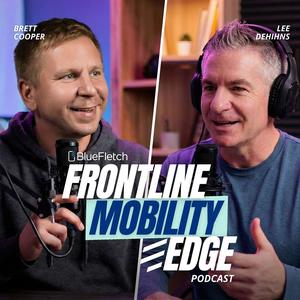
00:00:10.880I'm Brett Cooper and this is the Frontline Mobility Edge, where we discuss the latest in mobile device technologies and how they're shaping the frontline landscape business.
00:00:11.119 -->
00:00:12.000Thank you for joining us.
00:00:12.080 -->
00:00:13.119Let's get started.
00:00:13.519 -->
00:00:17.920Hello, I'm Brett Cooper, and today I'm joined by Mark Mark Rogers from Zebra Technologies.
00:00:18.079 -->
00:00:19.440Mark, thank you for joining us.
00:00:19.920 -->
00:00:20.160Great.
00:00:20.239 -->
00:00:21.199Thanks for having me, Brett.
00:00:21.280 -->
00:00:22.239This is an honor and a pleasure.
00:00:22.320 -->
00:00:22.800I appreciate it.
00:00:22.960 -->
00:00:23.120Awesome.
00:00:23.280 -->
00:00:26.800And Mark, you're in the your group is the market intelligence function.
00:00:26.879 -->
00:00:29.519There might be a longer title for that, but you're a director of market intelligence.
00:00:29.760 -->
00:00:31.839Can you tell us a bit about what that is at Zebra?
00:00:32.000 -->
00:00:33.280I know I read a lot of reports.
00:00:33.359 -->
00:00:37.520I follow what you guys work on, but for folks that aren't familiar with it, maybe give us a background on it.
00:00:37.840 -->
00:00:38.479Yeah, absolutely.
00:00:38.640 -->
00:00:42.640So within Zebra, we're fortunate to have uh a dedicated team.
00:00:42.719 -->
00:00:46.560Uh business and market intelligence is is the the the full name.
00:00:46.719 -->
00:00:52.560Uh and it's essentially kind of a four-pillared operation where we have a group dedicated to market planning.
00:00:52.719 -->
00:01:09.200So really specializing in the outlook of the markets, forecasting where the growth is coming from based on our current core offerings, and then into the adjacency and expansion markets that we are operating in, as well as evaluating our share performance and quarterly market updates.
00:01:09.280 -->
00:01:11.120So that that pillar is quite large.
00:01:11.200 -->
00:01:21.840Uh we have customer experience, which is really gaining the sense of our uh as a customer or a partner, the experience that Zebra's providing and where some of those pain points may be that we can help remedy.
00:01:22.000 -->
00:01:27.280Uh, I lead a pillar uh that's called the cusp uh market and customer um insights.
00:01:27.680 -->
00:01:38.079And so it's really drawing on the voice of the customer uh from primary research and other inputs to really understand what is going on in their perspective.
00:01:38.239 -->
00:01:41.200And then we also have another pillar around analyst relations.
00:01:41.359 -->
00:01:58.079And so the beauty of those four pillars living under a single umbrella is that we can tie all of those inputs in and then serve them up within our organization and across, not just within marketing, but also sales, the channel, uh obviously the executive leadership teams.
00:01:58.159 -->
00:02:03.680Uh, and then much like today, weave in some of what we're hearing back.
00:02:03.920 -->
00:02:19.439Uh, and whether we go out on kind of the speaking tours or the sales kickoffs is really a collection of what we're hearing uh disseminated and quantified, giving our customers an insight as well as our partners on where to focus and where disruption might be in the in the near long future.
00:02:19.840 -->
00:02:26.800When you when you do this research, is it so you mentioned you're doing some that's quantitative, some that's qualitative, you're talking to customers.
00:02:27.120 -->
00:02:30.639How much time do you actually spend doing research versus speaking?
00:02:30.800 -->
00:02:35.360I feel like I always see you guys and your team out there speaking or talking to the street or talking to analysts.
00:02:35.520 -->
00:02:38.240Like, what's the mix of time for your for your function?
00:02:38.639 -->
00:02:38.960Right.
00:02:39.039 -->
00:02:44.479Uh I mean, that that's a good one because at the end of the day, we're stall we're still analysts and researchers.
00:02:44.719 -->
00:02:53.120So uh regardless of how high anyone kind of rises within the organization, uh, it's still that sleeves rolled up uh appetite.
00:02:53.280 -->
00:02:57.919And that that's ultimately how people rise in the organization is they still have to know what's going on.
00:02:58.080 -->
00:03:03.919And the best way to understand it is by listening and kind of being at the front edge of conversations.
00:03:04.000 -->
00:03:12.400Uh there's partner packs, there's all sorts of inputs that come um both anecdotally and more kind of derived from summits or conferences.
00:03:12.479 -->
00:03:26.080And so um for me personally, I'm probably still at the 70-30, 70 of the doer uh really just a collection aggregator of information, and then the 30% of out there speaking, presenting.
00:03:26.240 -->
00:03:39.840Uh it varies uh by a few people within the team, but I would say by and large, we're we're really trying to collect uh as much information uh as we can that's relevant and then feed them through the appropriate conduits.
00:03:40.000 -->
00:03:46.240And then, you know, sometimes that's on the speaking tour, other times it's just one-on-one conversations, whether it's internally or externally.
00:03:46.639 -->
00:03:54.400And the outputs, I know I love seeing you guys speak, so the folks from your team, but you guys also do white papers or what are the vision studies, that you call them?
00:03:54.719 -->
00:04:00.800We have a yeah, so we have a balance of uh thought leadership, uh, which is kind of that overall platform.
00:04:00.960 -->
00:04:08.560Sometimes a blog that falls into a thought leadership piece, or you know, another sort of social media could in some ways be considered thought leadership.
00:04:08.719 -->
00:04:15.280Uh we have a series called Vision, and we've done past treatments around the warehouse and manufacturing.
00:04:15.360 -->
00:04:53.279Uh, and then more recently, uh within the last uh year or so, and then going into this year, uh, we're we're doing a series with Oxford Economics and really applying this kind of three-pronged approach around uh what are the benefits, outcomes, and impact within those specific uh verticals around five key workflows to really put the message out there that if an organization, a company uh focuses on improving in a meaningful way with technology, most of which Zebra has in our portfolio, that a company could see a financial impact.
00:04:53.600 -->
00:04:57.360They could see an outcome around uh employee retention.
00:04:57.439 -->
00:05:01.759Uh there's other benefits that they may uh get from an improved customer experience.
00:05:01.920 -->
00:05:06.560And so it's really those three points that these series are highlighting.
00:05:06.800 -->
00:05:13.519So we do that in addition to, say, vision studies, which have, in the word vision, kind of a three to feet uh three to five year outlook.
00:05:13.839 -->
00:05:14.399Got it.
00:05:14.560 -->
00:05:19.199Um and those those docs or those guides and the blog posts are always always really good.
00:05:19.279 -->
00:05:22.959So if you've anyone's interested, definitely go check them out and we'll talk about that at the end.
00:05:23.199 -->
00:05:24.879Um a couple topics.
00:05:25.040 -->
00:05:52.240So the origin for this was I was going back through a notes from a couple years ago, and I went to a presentation that Scott Drobner from your team gave, and a lot of it was around the current state of retail industry and manufacturing, and then he sprinkled in some AI, and I definitely took notes on the AI, and it was two years ago, and I it's always interesting the things that come true, you know, that it might be like a five-year thing comes true faster, things that we thought was going to happen that didn't happen.
00:05:52.319 -->
00:06:00.079So I wanted to go through that and really talk about what I consider AI on the front line of business, because you guys have a lot of this research, you guys have visibility into it.
00:06:00.160 -->
00:06:09.680And uh you know, I think you have to make make your predictions and make your calls, and you know, sometimes they're right, sometimes they're wrong, but I think the actual exercise of doing it is what creates a ton of value.
00:06:09.759 -->
00:06:13.360So wanted to go through just some notes and follow-ups I had from that one.
00:06:13.439 -->
00:06:24.079Um the the first one was, and this was from a presentation two years ago, that 30% of AI projects would be abandoned in 2024, 25.
00:06:24.160 -->
00:06:33.279Um, and I I was like, I thought about this, and I'm like, I the number of AI projects that I've heard in the last two years that have been abandoned, it seems a lot higher than that.
00:06:33.519 -->
00:06:35.920Um what do you think got killed?
00:06:36.079 -->
00:06:37.040What survived?
00:06:37.120 -->
00:06:46.160And you know, moving forward in 26, 27, how do you see the the cycle of AI showing up and then getting thrown away or things being recycled?
00:06:46.480 -->
00:06:46.879Yeah.
00:06:47.040 -->
00:06:59.120Uh so it's it's uh I think you mentioned Scott and and he and he's infamous, uh, I think is the right word for for infusing presentations and some of his talk track around disruption.
00:06:59.360 -->
00:07:09.839Uh those stats are meant to be provocative, uh a bit of a head scratcher for for the audience to say, hey, you know, that how is that going to impact us if this number is true?
00:07:10.000 -->
00:07:19.199And even if it's not the number itself, say 30% and it's closer to 20%, you know, or who's within that 20% and what is what's the impact of that?
00:07:19.360 -->
00:07:27.839Um so it's really that kind of uh foreshadowing, but but not prognosticating around what's going to happen.
00:07:28.000 -->
00:07:30.399Um so that's that particular, I I agree with you.
00:07:30.560 -->
00:07:34.959Um I would say anecdotally, it seems like that number has certainly grown a lot more.
00:07:35.120 -->
00:07:37.600Uh what we hear is uh two things.
00:07:37.759 -->
00:07:46.000So I was on the road um up in uh Toronto last week, and uh it was both the customer and a and a partner conversation.
00:07:46.240 -->
00:07:55.839And without naming the customers or anything else like that, and I don't think this is unique to Canada by any stretch of the imagination, uh, but at some point there was a show of hands.
00:07:55.920 -->
00:07:58.160Hey, who's got an AI strategy?
00:07:58.399 -->
00:07:59.759And no hands were raised.
00:07:59.920 -->
00:08:05.040And this is among customers that Zebra serves and you know others in the industry serve.
00:08:05.199 -->
00:08:12.639And I think that's the starting point is maybe X amount of years ago, uh, there was an indication that you know some of these are gonna fail.
00:08:12.800 -->
00:08:19.519Well, there's seemingly a strategy or uh a confusion around where to start that seemed to be ubiquitous.
00:08:19.759 -->
00:08:31.199And then also how the data is collected and governed and this data governance, how it's siloed, how clean it is, seems to be kind of that foundational layer that hasn't yet been addressed.
00:08:31.439 -->
00:08:34.080Um looking to the future, I found this interesting.
00:08:34.159 -->
00:08:41.600So, you know, you started by saying, hey, you know, you were in a presentation and it was 30% uh by yeah, 2025 or so.
00:08:41.679 -->
00:09:04.320Uh I just read something that by 2028, 30% of AI projects will be abandoned because of silent employee uh indifference, I think it's called, or some essentially like at some point the workforce may not be on board with some of the direction and you know, kind of sandbag some efforts.
00:09:04.480 -->
00:09:11.679And that could also now be uh an area that we start to think about now as we as we plan for the for the next three years.
00:09:12.000 -->
00:09:13.360Yeah, it's it's it it's interesting.
00:09:13.440 -->
00:09:21.519And when you said that in a room of customers and asking who had a strategy, I wonder if they had a strategy, but things move so fast.
00:09:21.600 -->
00:09:30.799It's like the ground is moving under your feet so quickly that you know what was true now may not have been yeah, yeah, four four months ago was completely different.
00:09:30.879 -->
00:09:50.480The landscape of AI tools is completely different with you know it went from um you know, chat GTP was king, and then you had like custom GTPs, and then you had um you know open claw, and now you have clawed co-work and codex and all these other things, just it is moving so fast in a in a period of six months that it makes it really difficult to put a flag in the sand, I think.
00:09:50.720 -->
00:09:51.840Without a doubt, right?
00:09:52.000 -->
00:10:04.080And then the training required, um, you know, the focus and in the the use cases are just what we kind of have as a refrain, which is if there's AI to be and what vertical you're in, obviously, right?
00:10:04.240 -->
00:10:26.720So um another example a few weeks back uh was out at a healthcare uh related conference in California, uh, but it brought in a lot of different healthcare organizations across the United States, and they were representing, say, both physicians and nurses, and ambient scribes or ambient intelligence within healthcare has gained a lot of momentum.
00:10:26.879 -->
00:10:42.480It's it's in motion, and there are physicians and nurses that are using this kind of sensor and kind of always-on mechanism, and the the output is thus it it removes some of the documentation in that task from their workload.
00:10:42.639 -->
00:10:52.000Uh, and that seemed to be like a a winner, like a kind of a slam duck example of how there was a strategy, a specific need, and this is gaining momentum.
00:10:52.159 -->
00:10:58.240Uh, it was only after a presentation or two that I'm hearing now a bit of a disconnect between the two different audiences.
00:10:58.399 -->
00:11:10.960The physicians, by and large, were uh kind of bullish on it, optimistic of this technology and using it, and maybe so uh more so on the nursing side, less.
00:11:11.200 -->
00:11:21.919Uh they by and large were suggesting that they have conversations with patients and patients' families they don't want to be transcribed and fed into the uh electronic health record.
00:11:22.080 -->
00:11:33.440It it's it's it's an aspect of the job that they see evolving and probably for the right reasons, but there's uh a kind of a desire not to go so fast.
00:11:33.600 -->
00:11:41.679And so same vertical, same industry, two different personas or end users that are are kind of treating it a little bit differently.
00:11:42.080 -->
00:11:43.279That's a pretty interesting one.
00:11:43.519 -->
00:11:48.000Um the next topic I had was around, I'm gonna call it AI native.
00:11:48.240 -->
00:12:04.879And one of the things I've noticed in the last couple of years, and it definitely excites me, is Zebra released things of TC53E, um EM45, um, and now they have the 501 and 701, which have built-in AI coprocessor chips, if I'm saying it right.
00:12:05.200 -->
00:12:11.120And one of the things I noticed is like if I can run models locally on those devices, and it it's it is pretty fast.
00:12:11.279 -->
00:12:22.480So I'm not sure the power I haven't modeled out the power draw on it, but the ability to run a local model, whether it's vision, whether it's audio transcription running on the device, um, it seems very, very powerful.
00:12:22.559 -->
00:12:26.639Like it's going to unlock a lot of use cases for your customers and people you're going with.
00:12:26.960 -->
00:12:38.639When you guys think about the that AI bolt-on or that AI uh co-processors, where do you see that going in the next two to three years for the primary use cases for the folks you're selling devices to?
00:12:39.200 -->
00:12:39.519Yeah.
00:12:39.679 -->
00:12:39.919Yeah.
00:12:40.000 -->
00:12:43.519So that's that's clearly of the of the moment.
00:12:43.679 -->
00:12:54.799Uh there's a lot of appetite uh and and value proposition work uh that we see uh and that we're conducting in our in ourselves to really message this the best way.
00:12:54.960 -->
00:13:09.519Uh so when we pick a vertical, let's go with retail uh in this case, uh, knowing that the the frontline associate has the potential to really drive revenue for the retailer, has the opportunity to improve the shopping experience.
00:13:09.759 -->
00:13:13.519Uh, we see a turnover in the retail industry of say 60%.
00:13:14.080 -->
00:13:26.960So any aspect that technology, in this case AI on device, can remedy, you know, the pain points in the industry, but also help improve revenue seems like the path to follow.
00:13:27.120 -->
00:13:40.240Um, right now, you know, so there's there's a momentum, there's appetite, but just like anything else, is is how is the device best uh utilized and operationalized in the organization?
00:13:40.399 -->
00:13:43.919You know, what what kind of problems are they trying to solve?
00:13:44.080 -->
00:13:45.279What are the use cases?
00:13:45.440 -->
00:13:50.879Is this an inventory management opportunity, or is it more on the loss prevention side?
00:13:51.039 -->
00:13:54.879Um, what what associates using it also factors into this?
00:13:55.039 -->
00:14:04.879Um, you know, one of the things that we're hearing and continue to hear is for the average retailer, they're still struggling with dedicated devices versus shared devices.
00:14:05.039 -->
00:14:16.399Uh some staff are still bringing in their own device, whether that's meant to be the case or not, and maybe they're using kind of a side AI to answer some questions, which then obviously falls outside of protocol.
00:14:16.480 -->
00:14:23.200Um, and then it spans by different tiers of uh customer or retailer as a uh kind of example, is what I'm thinking through.
00:14:23.360 -->
00:14:26.399So, you know, there's there's a lot of momentum.
00:14:26.559 -->
00:14:29.440It seems to me that this is the path forward.
00:14:29.519 -->
00:14:38.000Um, and I think uh Zebra most recently was recognized as an AI ready company by the Wall Street Journal.
00:14:38.159 -->
00:14:44.080Uh kind of an audit was done by Bendable Labs uh a couple weeks back, and that was put out there.
00:14:44.159 -->
00:14:50.879And Zebra, in very good company, um, ranked it within the top 10 as being AI readiness.
00:14:50.960 -->
00:15:11.519And I think this speaks not just to what's going on internally, but how Zebra is starting to manufacture devices equipped with the AI on device, knowing that the future state for not just retail, but other verticals will be um operationally better if they have that kind of technology.
00:15:11.679 -->
00:15:33.039And then there's the conversations around how much tokens are being used today, and and it gets really into a numbers game just like it always will, which is how much money is spent uh and then in the long run, uh or the kind of the TCO, will this ultimately be a better position for uh a customer to take and then staff their um the right kind of associates with it?
00:15:33.360 -->
00:15:37.759I I think the ability to push AI to the edge is gonna save companies a lot of money.
00:15:38.320 -->
00:15:50.320You know, it is it's a hidden cost, but I think once you start looking at it, it'll it'll show up on the bottom line of this is happening on the edge on devices, then you don't have to deal with the network costs, you don't have to deal with the backend tokens, no such thing.
00:15:50.399 -->
00:15:51.440So it'd be interesting.
00:15:51.600 -->
00:15:56.799Um this is a good segue into my next topic or question for you, which is uh hardware is sexy.
00:15:56.960 -->
00:16:10.320And um I feel like Zebra and a lot of other companies in I'm gonna call it between 20 and 23, 24, uh really focused on thinking about software solutions.
00:16:10.399 -->
00:16:20.639So Zebra went out and made a bunch of acquisitions and Reflexis uh into it, uh brought a lot of interesting services that were well aligned and adjacent to what you guys already do.
00:16:20.799 -->
00:16:33.279Um and this is uh Q2 of 2026 and hardware companies, so Intel is through the roof, Andy's through the roof, Dell is awesome again, which is crazy that Dell is awesome again.
00:16:33.440 -->
00:16:40.399Um but but I feel like there is this shift of everybody's moving back towards investing in hardware.
00:16:40.720 -->
00:16:44.480And you know, the I'm always wondering what this wave looks like.
00:16:44.559 -->
00:16:47.279So when you look the next 24 months, is it gonna continue to be hardware?
00:16:47.360 -->
00:16:50.799Is it gonna flatten out and you know the software is gonna align again?
00:16:50.960 -->
00:16:57.039When you think about the hardware versus software, where where do you see companies investing over the next two to three years?
00:16:57.440 -->
00:17:03.120I mean, so I I have the uh the fortune of running our zebra brand equity study.
00:17:03.200 -->
00:17:05.200Uh I've been with Zebra for about eight years.
00:17:05.279 -->
00:17:09.519So I I I've kind of had a sense, uh roughly an annual study that we look at.
00:17:09.759 -->
00:17:24.960And just like any company that does a brand health, a brand tracker, a brand equity study, you're you're monitoring yourself against the industries that you're interested in, uh, your competitive uh set that you want to be measured against, and we do the same thing.
00:17:25.119 -->
00:17:32.160And so one of the questions we ask, and we have been for a very long time, is just the overall association with a company like Zebra.
00:17:32.319 -->
00:17:33.039Pretty high level.
00:17:33.200 -->
00:17:35.519Are we associated with a hardware uh company?
00:17:35.680 -->
00:17:37.359You know, are we a software company?
00:17:37.440 -->
00:17:38.799Are we a solutions company?
00:17:39.039 -->
00:17:51.440And Brett, to your point, a few years back, many companies, Zebra included, I think were being challenged to position themselves more as a software and or solutions company.
00:17:52.079 -->
00:18:07.839And that was interesting to see the data over, say, the last couple of years, and that now more than ever, when we when we saw the numbers from uh from 2025, so just last year, we're more of a hardware company, I think, than ever before.
00:18:08.160 -->
00:18:16.559And again, the momentum is shifted, I think, within the industry, and maybe even larger than the industry that physical is taking over.
00:18:16.720 -->
00:18:19.039And it goes beyond, say, a handheld device, right?
00:18:19.119 -->
00:18:27.839You know, can get into RFID, not just the software, the solutions behind it, but the tags and and more visibility uh with our ELO acquisition.
00:18:28.000 -->
00:18:37.440Um, yes, it it's the software that runs it really does have an influence on why somebody may choose that type of product for for their environment.
00:18:37.599 -->
00:18:51.039But that interactiveness, the, the, the, the displays and where they're placed, you know, I think there's a lot more decision makers, but now more consumers and shoppers that are interacting with our devices.
00:18:51.200 -->
00:18:57.599They're seeing a zebra device at a dick sporting goods and scanning the uh a barcode on a shoebox to get their size.
00:18:57.680 -->
00:19:01.279They're doing the self-service kiosk, uh, they're using the self-checkouts.
00:19:01.599 -->
00:19:05.200Some way, shape, or form, they're starting to see the zebra logo more and more.
00:19:05.359 -->
00:19:08.000Uh, and I think that's not going to stop.
00:19:08.160 -->
00:19:13.680I think that we there's a lot of momentum towards the augmenting, but also through automation.
00:19:14.079 -->
00:19:26.480Uh, and through that, the zebra in particular is moving more in the mindset of the decision makers and a lot of our kind of end users as this, you know, physical hardware company.
00:19:26.559 -->
00:19:28.799Um, and I don't quite see that changing.
00:19:28.960 -->
00:19:35.279You know, down, down, down the road, you know, we talk about more robotics, we talk about drones, everything else that you do here in the news.
00:19:35.440 -->
00:19:43.839But I think for now, um, you know, we're hearing a lot of signals that hard, yeah, like and you as you said it, hardware is kind of sexy again.
00:19:43.920 -->
00:19:48.720Uh, and and fortuitously we're positioned well to kind of address that sexiness.
00:19:49.359 -->
00:19:54.319It definitely uh definitely still perceived as uh and and is the premium brand in the marketplace.
00:19:54.480 -->
00:20:06.000So um the next question I had for you, this was a um another one of the predictions that I saw on a slide deck from your team two or three years ago around the it was I think it was described as the citizen developer.
00:20:06.240 -->
00:20:13.359So really thinking about the person in operations or business not having to go to IT every time they need to do something and be able to build their own apps.
00:20:13.440 -->
00:20:25.039And this was a lot of the um I'm gonna call them like WYSIWYG or uh if you think of the Microsoft Power Builder, it was sort of big at the time, where you put Power Builder on top of your BI and then you can go build an app your own yourself.
00:20:25.119 -->
00:20:39.680Um I feel like a lot of those fell on their face, like they were incredibly slow and clunky, and you put together this Clue Gee thing and I'm gonna use I'm gonna pick on Power Builder again, but you put it together Clue Gee thing and then just wouldn't work, it wouldn't be supportable because it wasn't well architected.
00:20:39.839 -->
00:20:45.599Um now I feel like there is this move of clawed code.
00:20:45.759 -->
00:20:48.000I can go build an app, and you and I were talking about this before.
00:20:48.079 -->
00:20:52.000Like I had a friend that built an app in a weekend, and I'm like, this guy is not technical.
00:20:52.079 -->
00:20:58.640He's smart, but has never touched code before, and what he produced was very impressive in a 24-hour period.
00:20:58.799 -->
00:21:06.880Um how does AI go from like no code, low-code solutions to just being able to use AI to create these business solutions?
00:21:06.960 -->
00:21:14.480And how do you have governance around that and not run to the same quagmire of like we don't know what this is doing, but it runs the business?
00:21:14.799 -->
00:21:22.960I mean, that that's it's such a big question for not just our industry, but really just any user of AI.
00:21:23.039 -->
00:21:27.200Is is AI and going in, is it kind of an app?
00:21:27.359 -->
00:21:48.319Is it being perceived of it's uh it's on my home screen on my on my device, and it has the connectivity, the access, the permission to tap into this software or this app and and really ultimately create the solution that that I want without me uh as a user just ever really telling it to do so.
00:21:48.400 -->
00:21:52.960Uh or you know, going into different apps and and elements of software logging in and all of that.
00:21:53.440 -->
00:21:56.000It seems like that's certainly the direction.
00:21:56.160 -->
00:21:59.680And you know, I I don't know if I'm the the best account.
00:22:00.240 -->
00:22:07.599Comment on how developers or independent software ISVs feel about that or where they're kind of positioning themselves.
00:22:07.680 -->
00:22:17.200But but clearly the ability to code for the average person, and maybe I'll consider myself an average person in this sense, changes quite a bit.
00:22:17.680 -->
00:22:24.960So it it certainly seems like that appetite is there, and for anybody curious enough to say, hey, how do I do this?
00:22:25.119 -->
00:22:28.480Then they have the technology and the tools at their fingertips to do it.
00:22:28.960 -->
00:22:30.960I don't quite see that one changing.
00:22:31.279 -->
00:22:33.680I do think there'd just be more of it going forward.
00:22:33.920 -->
00:22:49.279Not that that's at jeopardy of, you know, kind of a more established software or other firms, but I do think, you know, in the long run, outside of say just B2B, you know, it's going to shift quite a bit how somebody interacts with a device.
00:22:49.359 -->
00:22:51.200Aaron Powell Yeah, it's definitely interesting.
00:22:51.519 -->
00:23:01.440It goes back to your point from you made above around really thinking through the um the governance and what is the actual strategy for AI.
00:23:01.519 -->
00:23:07.680It's really difficult to say what the strategy is when people are off doing things on their own and you don't have like a consistent way to push process down on people.
00:23:07.759 -->
00:23:09.039Aaron Powell That that's a great point.
00:23:09.359 -->
00:23:17.359And so uh you know, we have uh I think I mentioned the series with Oxford Economics, and it's less of a plug about them, but they've been a great partner.
00:23:17.440 -->
00:23:23.839But the output of that research, uh, and we did the retail, TNL, manufacturing, and we have one for healthcare coming up.
00:23:23.920 -->
00:23:27.440Uh, one of the outputs is we're asking about AI uh strategy.
00:23:27.599 -->
00:23:31.200We're asking about uh end customer, you know, what is their their roadmaps?
00:23:31.440 -->
00:23:33.200This looks at tier ones and tier twos.
00:23:33.519 -->
00:23:41.359So it's a pretty good, I think, representation of what's going on, but it also revealed that the data governance is one of the biggest issues.
00:23:41.599 -->
00:23:48.640Silo data in retail specifically, we are two out of three retailers still operate with silo data.
00:23:48.799 -->
00:23:59.519And without that data governance, without that kind of uniformity, it's some and that goes back to the previous uh question around how is AI being rolled out and and failed use cases.
00:23:59.680 -->
00:24:04.720I think, yeah, it ultimately does come back to the data that's available, clean, and ready to go.
00:24:04.799 -->
00:24:06.880And then how's that feeding into the strategy?
00:24:07.279 -->
00:24:25.599That's it, I as you said that made me think about the we've talked about this a lot in healthcare, the shadow IT problem where you have used to have people bringing certain apps, like transcription's a good one, where you um you know doctors will have their own transcription app on their phone and it's not certified or HIPAA-certified, but they're using that to be more effective.
00:24:25.920 -->
00:24:29.039I feel like it's the same problem with a lot of these AI tools.
00:24:29.119 -->
00:24:39.839Like there is a a, I'm gonna call it a frontier tool, like the premiere tool, like clawed code, and it is 30% better than the co-pilot that the company is paid for, they're telling people to use.
00:24:40.000 -->
00:24:44.000Employees are naturally going to use the better tool because they want to be more effective in their jobs.
00:24:44.079 -->
00:24:51.200And you run this weird, you know, uh going head to head, uh, do you want employees to be effective without guardrails?
00:24:51.359 -->
00:24:53.200Do you want to be less effective with guardrails?
00:24:53.440 -->
00:24:55.680It is very difficult as a company to manage that.
00:24:56.319 -->
00:25:09.839Yeah, I and uh not necessarily uh in my experience, but I know kind of within the industry in which Azebo participates and you know, companies are investing in that kind of AI technology and they have preferred vendor.
00:25:09.920 -->
00:25:21.200And it may not be the only option for uh an employee or based on their job uh function, they may have access to a few different uh LLMs or or you know models.
00:25:21.359 -->
00:25:23.599Uh and then they also may have theirs on the side.
00:25:23.920 -->
00:25:37.599And I think it does get it kind of interesting when you kind of prompt one over here, the more enterprise uh provided uh you know, app or AI with the question and then do it on the side and see if they kind of marry each other or not.
00:25:37.759 -->
00:25:48.559Um and I know just as we sit, um, my team and and kind of the business and market intelligence team at large, we're a source of information, right?
00:25:48.720 -->
00:25:52.880We collect a lot of data and we do it from credible sources.
00:25:53.039 -->
00:26:00.720We have subscriptions and licensing, you know, the big foundational layers like a gardener, but also other vertical specific analysts.
00:26:00.880 -->
00:26:04.000And so the beauty is we have a hub of information.
00:26:04.160 -->
00:26:07.200Um, but what we do know is human behavior.
00:26:07.519 -->
00:26:16.799And if somebody can just go into their AI and say, what's the market size of this, this, and this, and it spits something out within, you know, 10 seconds.
00:26:17.039 -->
00:26:27.359If you look at the sourcing, it's coming from less credible uh often areas that we wouldn't consider a credible source.
00:26:27.519 -->
00:26:33.039It's publicly available, it's not specific to say us or really the industry that we're ultimately trying to invest in.
00:26:33.200 -->
00:26:57.279And that's where I see some friction points, uh, again, not necessarily just with zebra, but just overall with these two different uh kind of environments where you can have the more institutionalized hub of information that's been like you know accredited and you know verified, and then the more kind of easier path that then everybody can use and based on a prompt could get very different answers.
00:26:57.440 -->
00:27:06.880And then they use maybe that information in presentations, you get disconnect, and it all comes down again to the the the data governance and how credible that information is that's getting pulled.
00:27:07.200 -->
00:27:07.680That's so true.
00:27:07.759 -->
00:27:14.880I I maybe think if I had this tax thing last month where I was trying to figure it out and I put it in the AI, I'm like, you know, tell me how I should structure this.
00:27:14.960 -->
00:27:15.759And it gave me something.
00:27:15.839 -->
00:27:17.599I'm like, can you cite the IRS sources for this?
00:27:17.680 -->
00:27:19.039It goes, turns out I was wrong.
00:27:19.200 -->
00:27:20.880IRS says you can't do it that way.
00:27:21.119 -->
00:27:21.839I'm like, oh.
00:27:22.079 -->
00:27:24.640I'm like, how did you I literally asked it, how did you get it wrong?
00:27:24.720 -->
00:27:28.960It's like I this is based upon you know my training data set, but it's exactly what you said.
00:27:29.039 -->
00:27:30.559You don't know where that training data set is.
00:27:30.640 -->
00:27:42.640And so I actually went and set up cardrails in my uh my AI configuration, my MD files for you know, always cite sources when you uh you know for anything that's like physical or anything else.
00:27:42.720 -->
00:27:44.559So it's it is really important to have that.
00:27:44.640 -->
00:27:47.920And that makes a lot of sense of the enterprise side.
00:27:48.240 -->
00:27:54.400Um next topic, you know, this is a something that I noticed a trend around.
00:27:54.640 -->
00:28:00.799So at NRF and then also at Modex, Zebra had a lot of, I'm gonna call them vision tools.
00:28:00.880 -->
00:28:11.200Um you guys bought a camera company a couple years back and really, really good for like high-speed camera on assembly lines, manufacturing lines, and now I feel like you guys are starting to pivot some of that technology elsewhere.
00:28:11.359 -->
00:28:17.519Um somebody made a comment at Modex to me that they're dumping RFID to go all in on vision.
00:28:17.680 -->
00:28:20.480I mean, it wasn't you guys, it was actually a customer.
00:28:20.720 -->
00:28:31.839And it stood out to me that that I feel like our RFID finally hit its like stride, and you know, we're starting to get you know billions of tag things out there, and then you along comes vision.
00:28:32.000 -->
00:28:35.119Where do you see vision going over the next two or three years?
00:28:35.200 -->
00:28:41.119Is it going to be like the next frontier for how we do things in the warehouse and in stores?
00:28:41.839 -->
00:28:42.319I do.
00:28:42.480 -->
00:28:49.440I personally do think that that's that's kind of the future state, but I would be remiss if I didn't kind of break that down.
00:28:49.680 -->
00:28:56.799Um and so whether it's by region or tier of customer, we see huge differences.
00:28:57.279 -->
00:29:04.720And you know, just like RFID, uh vision, there's a complication in installing a system like that.
00:29:05.039 -->
00:29:16.480And uh a zebra company can come in with a lot of uh you know solutions, but ultimately it's what is the customer trying to solve and over what duration of time.
00:29:16.799 -->
00:29:42.160And sometimes, you know, a multimodal solution is going to be the best in the long run, and they could maybe leapfrog based on where they're at today, uh, and then get to the kind of the future state closer if they're set for it and have the kind of financial uh backing to do so and then kind of see it uh pay off uh based on their ROIs and other um KPIs.
00:29:42.400 -->
00:29:50.480However, I think there's a lot of customers, and they're not always you know the tier twos or tier threes, but some just go, hey, at the end, I just need a barcode scanner.
00:29:50.559 -->
00:29:59.519Like I actually probably just need to benefit from RFID plus barcoding, but maybe over here it's just this, and over here it's just that.
00:29:59.680 -->
00:30:07.519And maybe in this other environment, it could be multimodal and it could include include uh an AI vision type of solution.
00:30:07.680 -->
00:30:13.200Um we look at our data by region, by customer tier all the time.
00:30:13.359 -->
00:30:24.960We see that you know, if we look at say WMS within the warehouse, the tier zeros, the tier ones, almost right, total coverage, 90 whatever percent have a WMS, right?
00:30:25.519 -->
00:30:33.680You go down a layer to tier two, it's probably 60%, you know, maybe a little higher, but it's not all of them.
00:30:33.920 -->
00:30:42.000So we're still mindful of the fact that plenty of customers, the mid-market is still working in some manual shape or form.
00:30:42.160 -->
00:30:47.039Uh, they're still trying to automate or augment some workflow.
00:30:47.200 -->
00:31:02.880Uh, they have a generation of uh associate or you know, staff, labor that may be reluctant to change at this moment in time, and they're trying to plan that into like the future and how uh approachable some of this new technology is.
00:31:03.119 -->
00:31:08.319So um overarching, I think vision very much is part of the future.
00:31:08.480 -->
00:31:14.079Um, I think it's going to happen soon and continue to gain momentum.
00:31:14.240 -->
00:31:23.519Uh, but I think there's a lot of nuance between what type of vertical or business industry uh customers in and what they're trying to solve for.
00:31:23.839 -->
00:31:29.599And I think there's still appetite for the barcode and RFID as it stands.
00:31:29.759 -->
00:31:42.480Um but then yes, more success case stories about how a vision uh is applied to a workflow does I think inspire more and more customers to go, oh, I could now I didn't know how it worked before.
00:31:42.640 -->
00:31:44.160Now I see somebody else doing it.
00:31:44.319 -->
00:31:45.119That could work for me.
00:31:45.200 -->
00:31:45.680I like it.
00:31:45.759 -->
00:31:48.960Let's let's start to pilot or demo something.
00:31:49.359 -->
00:31:56.799Your um your sort of stratification of those like the tier ones versus the tier threes, like the the big, you know, with a lot of capital in the smaller companies.
00:31:56.960 -->
00:32:04.400Do you feel like there may be distinct advantages for those smaller companies to move faster than some of these big companies?
00:32:04.640 -->
00:32:07.440It's one that sometimes.
00:32:07.599 -->
00:32:07.839Yeah.
00:32:08.000 -->
00:32:22.960Sometimes they do because uh the the legacy systems and everything else that they may have to uproot or change, the overall change management, um, if if that's more of a kind of an internal uh uh challenge within however, you know, whatever the workforce looks like.
00:32:23.119 -->
00:32:37.200Um I do in some respects think that that's there's a viable uh um chance that that happens, that they can kind of leapfrog um from a just kind of revenue standpoint, um just like anything else, right?
00:32:37.279 -->
00:32:39.359You know, how many units are we talking about?
00:32:39.599 -->
00:32:43.599You know, what how much um is a channel partner involved?
00:32:43.680 -->
00:33:03.279Um it always kind of goes back to the practical nature of um a lot of people are trying to bit get that big sale, that big number, um, but if they can kind of spend a little bit more time at one tier below and gain more mass uh momentum, you know, maybe those things uh kind of equate.
00:33:03.519 -->
00:33:13.839So I think there are plenty of examples we hear where they were reluctant to do whatever technology and now see the see the path is inevitable going forward.
00:33:14.000 -->
00:33:19.920Um, but some are still kind of laggards and still kind of waiting for others to do it before they jump.
00:33:20.160 -->
00:33:32.640Um and then, you know, that's just kind of more of a uh a I think dependent on a company like Zebra to say, what's the value proposition that would make sense for that particular type of end customer?
00:33:32.799 -->
00:33:34.319Again, what are they trying to solve?
00:33:34.559 -->
00:33:42.319And it may not be this today, but it could be a taste of it today, and then see if that uh gains more traction in in kind of the next couple of years.
00:33:42.720 -->
00:33:45.279Like that was that the the second mover advantage, is that what they called?
00:33:45.440 -->
00:33:46.079Yeah, right, exactly.
00:33:46.400 -->
00:33:49.519Wait for somebody else to make mistakes and then fall follow them, it'd be a lot cheaper for you.
00:33:49.599 -->
00:33:50.319Uh that's right.
00:33:50.400 -->
00:33:50.799That's right.
00:33:51.119 -->
00:33:58.559The the next and the last topic I had was the um this is yeah, I rode my first Waymo this year, and it was um it was unsettling.
00:33:58.640 -->
00:34:08.480It was a little terrifying because I was riding in a city and you know, inevitably people jaywalk and yeah, cars make the left turn from the right lane in front of you.
00:34:08.639 -->
00:34:16.000And um I was rooting for the uh the robot car the whole way not to get an accident, and we we didn't, so it was good.
00:34:16.159 -->
00:34:20.880But the thing I I I realized I read about afterwards, they do have humans in the loop.
00:34:20.960 -->
00:34:26.719So effectively the you know, somebody the watching 20 screens of cars and they can hop in there when they need to.
00:34:27.280 -->
00:34:49.519You know, do you feel I know there's a lot of like talk about robotics in the warehouse, do you feel like the the human in the loop is people are gonna move from having to move physically move boxes to I'm now in charge of of driving like 10 robots in the warehouse or 10 trucks that are out there doing moves in the yard or you know, 10 inventory stacking robots in the in the store.
00:34:49.679 -->
00:34:55.119Do you feel like this is gonna be the the job of the future is people running and being responsible for managing robotics?
00:34:56.079 -->
00:35:13.599You know, there since we talk about stats and kind of apropos of what I do, um, there's one that's kind of that longer looking by 2030, 20% uh of managers um will have at least one robot under their, you know, org structure.
00:35:13.840 -->
00:35:20.800So this kind of balancing act of I'm a people manager, but also a manager of a robot in my team.
00:35:20.960 -->
00:35:27.280And I uh and so that kind of future state of um, you know, what does that do for an organization?
00:35:27.440 -->
00:35:28.800What does that do for HR?
00:35:28.960 -->
00:35:33.599How does let's call a robot interact with the people at the same time?
00:35:33.760 -->
00:35:42.639You know, it kind of speaks to that future humanoid uh growth uh an opportunity where there's this kind of coming together of both man and machine.
00:35:42.880 -->
00:35:48.320But um I think for now, the the top the autonomous is always interesting.
00:35:48.480 -->
00:35:52.239Um and and you're saying it right, there's still a person or people in the loop.
00:35:52.400 -->
00:35:55.199They may not be visible, but they're there.
00:35:55.440 -->
00:35:58.559Um I think we see that with drones to your point as well.
00:35:58.719 -->
00:36:07.440Like I just see a lot of momentum in other industries than what Zebra participates in going in that direction.
00:36:07.679 -->
00:36:11.199Uh, it does seem like that's where things are progressing.
00:36:11.280 -->
00:36:29.519Uh, and I think in some regions or territories faster than others, but it's hard for me to think as that those technologies become more ubiquitous and cheaper that that won't have other applications, say, in the B2B world or with in warehousing, uh, and start to take hold a little bit more.
00:36:29.679 -->
00:36:40.639So yeah, I think probably in that, you know, next four, five years, again, not a prognosticator of certain things, but it does seem like um you look at kind of the the the momentum today.
00:36:40.800 -->
00:36:59.039Um, but then again, you know, you see pushback by labor unions, you see pushback by society, and you can you never know uh if there's some momentum uh shift based on people saying, eh, not loving where this is going, and uh, you know, government or whoever else uh kind of steps in.
00:36:59.199 -->
00:37:03.119So for now, I would say um it does seem like it's going in that direction.
00:37:03.679 -->
00:37:08.480That's uh the government role is uh it's interesting where where regulations come in and even unions.
00:37:08.639 -->
00:37:18.000Unions have pushed back a lot of things in the past, but you know, I think when things make m create creep safety improvements and things like that, it's sort of hard to push back on it.
00:37:18.159 -->
00:37:19.519But it is what it is.
00:37:19.599 -->
00:37:20.719You heard it here first.
00:37:20.800 -->
00:37:23.920Mark, Mark and Brett will be driving fleets of robots in five years.
00:37:24.239 -->
00:37:24.719That's right.
00:37:24.880 -->
00:37:25.280Right.
00:37:25.760 -->
00:37:26.159Awesome.
00:37:26.320 -->
00:37:27.840Um that is that is all the topics.
00:37:27.920 -->
00:37:29.199I think we're out of time for today.
00:37:29.360 -->
00:37:31.920Uh Mark Rogers from Zebra, thank you for for hopping on.
00:37:32.159 -->
00:37:37.679Uh if people want to learn more about your vision studies or what you guys do, where can they go to find details on that?
00:37:38.000 -->
00:37:39.039Zebra.com.
00:37:39.119 -->
00:37:40.880Uh that'd be the the the first stop.
00:37:40.960 -->
00:37:43.599It's not the only stop, but I would direct you all there.
00:37:44.000 -->
00:37:44.400Excellent.
00:37:44.559 -->
00:37:44.960Awesome.
00:37:45.119 -->
00:37:46.239Mark, thank you for being on today.
00:37:46.320 -->
00:37:47.440Appreciate it and have a good one.
00:37:47.679 -->
00:37:48.639Appreciate it, Brett.
00:37:48.719 -->
00:37:49.360Thank you.
00:37:49.760 -->
00:37:52.239Thank you for tuning in to Frontline Mobility Edge.
00:37:52.400 -->
00:37:56.000If you enjoyed this episode, make sure to subscribe for more content every month.
00:37:56.159 -->
00:38:00.800If you'd like to learn more about Blue Fletch, check out the link in the description or visit at bluefletch.com.
00:38:01.039 -->
00:38:02.239See you next time.