

ABOUT THIS EPISODE
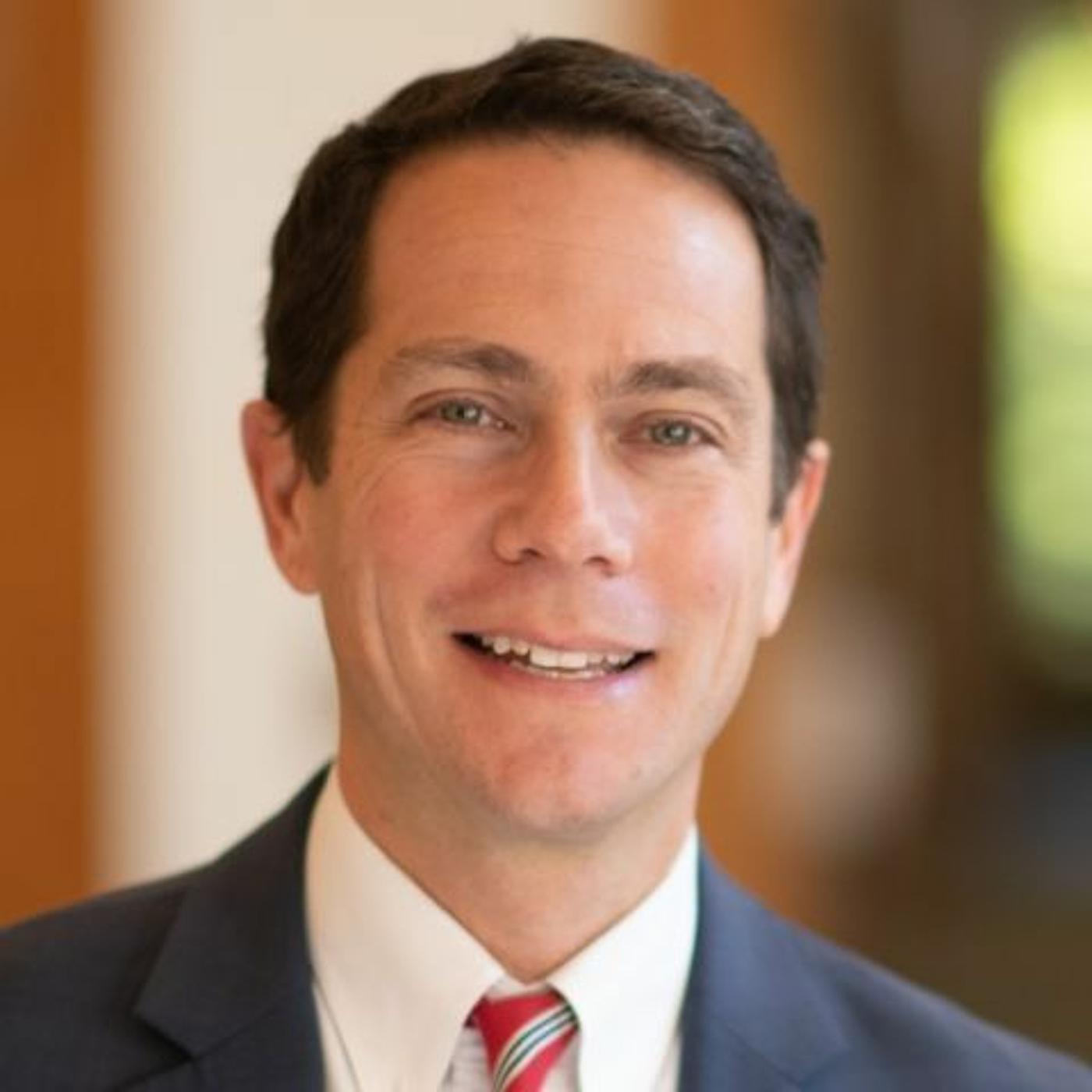
In this episode of the Free Range Podcast, host Michael Livermore is joined by guest Cale Jaffe, director of the Environmental Law and Community Engagement Clinic at the University of Virginia School of Law. The conversation touches on several key issues in environmental scholarship and pedagogy.
A theme of the conversation is the relationship between lawyers and communities in environmental disputes. Jaffe argues lawyers must approach communities with humility and truly listen to their goals and concerns. Environmental fights should be led by impacted residents rather than lawyers parachuting in with prescribed legal strategies. Jaffe shares an example opposing a Virginia coal plant where he took a top-down approach that alienated local community members.
Jaffe’s experience connects to debates within environmental justice scholarship around procedure versus substance. Jaffe emphasizes that inclusive processes must have power - community input should shape project outcomes. Mere listening without willingness to change plans is insufficient. Centering community voice and leadership is critical for just environmental policymaking.
Livermore and Jaffe also discuss the role of disagreement within the environmental community. Oten, the major groups adopt unified stances to maximize resources and influence. However, these unified stances often mask internal disagreement on issues like nuclear power. There are no easy answers balancing coordination and open dissent.
In terms of environmental clinical pedagogy, Jaffe aims to develop wisdom in students rather than just technical skills. He stresses genuinely connecting with students as people first. He does so through blending classroom and practical work which helps model community lawyering goals like humility and listening. The Environmental Law and Community Engagement Clinic allows engagement on varied issues of intellectual and social importance rather than just organizational priorities.
A theme of the conversation is the relationship between lawyers and communities in environmental disputes. Jaffe argues lawyers must approach communities with humility and truly listen to their goals and concerns. Environmental fights should be led by impacted residents rather than lawyers parachuting in with prescribed legal strategies. Jaffe shares an example opposing a Virginia coal plant where he took a top-down approach that alienated local community members.
Jaffe’s experience connects to debates within environmental justice scholarship around procedure versus substance. Jaffe emphasizes that inclusive processes must have power - community input should shape project outcomes. Mere listening without willingness to change plans is insufficient. Centering community voice and leadership is critical for just environmental policymaking.
Livermore and Jaffe also discuss the role of disagreement within the environmental community. Oten, the major groups adopt unified stances to maximize resources and influence. However, these unified stances often mask internal disagreement on issues like nuclear power. There are no easy answers balancing coordination and open dissent.
In terms of environmental clinical pedagogy, Jaffe aims to develop wisdom in students rather than just technical skills. He stresses genuinely connecting with students as people first. He does so through blending classroom and practical work which helps model community lawyering goals like humility and listening. The Environmental Law and Community Engagement Clinic allows engagement on varied issues of intellectual and social importance rather than just organizational priorities.
English
United States
TRANSCRIPT 🔗
Are you the producer of this podcast?
Add a podcast transcript
Need Audio-to-Text?
Transcribe with Listen411 in Just 60 Seconds
SEARCH PAST EPISODES
Search past episodes of Free Range with Mike Livermore.
OTHER EPISODES IN THIS PODCAST
On this episode of Free Range Podcast, host Mike Livermore is joined by Sabeel Rahman, a professor at Cornell Law School with substantial public policy experience, including as president of the think tank Demos and as senior counselor and then later as the acting Administrator in the Office of Info…
On this episode of Free Range, host Mike Livermore is joined by Lee Fennell, a law professor at the University of Chicago and author of Slices and Lumps: Division and Aggregation in Law and Life,.
The conversation begins with a discussion of the role of aggregation in law. Fennell explains that in …
On this episode of Free Range, host Mike Livermore is joined by Jess Locke, an associate professor of philosophy at Loyola University, Maryland. She studies Buddhism, Western psychology, and cross-cultural philosophy.
Locke’s interest in Buddhism is both personal and scholarly. She has a longstan…
On this episode Free Range, host Mike Livermore is joined by Lisa Heinzerling, an environmental law professor at Georgetown University and former Associate Administrator of the Environmental Protection Agency's Office of Policy during the Obama administration.
The focus of the episode is centered…
On this episode of Free Range, host Mike Livermore is joined by Holly Doremus, a professor of environmental law at Berkeley and the co-director for the Berkeley Institute for Parks, People, and Diversity. Doremus has a interdisciplinary background with a PhD in Plant Physiology from Cornell in add…
Disclaimer: The podcast and artwork embedded on this page are from Free Range with Mike Livermore, which is the property of its owner and not affiliated with or endorsed by Listen Notes, Inc.
EDIT
Thank you for helping to keep the podcast database up to date.
