
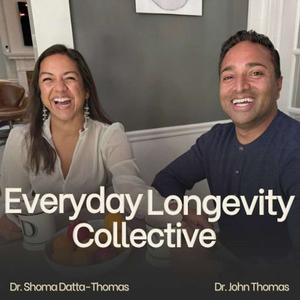

WEBVTT
00:00:00.000 --> 00:00:02.160
You cannot out-supplement bad sleep.
00:00:02.319 --> 00:00:06.160
When we talk about sleep, most people think about just feeling rested.
00:00:06.320 --> 00:00:08.640
But clinically, we know sleep is much bigger than that.
00:00:08.800 --> 00:00:11.359
Your sleep schedule is a metabolic signal.
00:00:11.599 --> 00:00:14.800
Sleep is not recovery sidekick, sleep is the recovery system.
00:00:14.960 --> 00:00:19.600
You can have the perfect workout, the perfect nutrition plan, and the perfect supplement stack.
00:00:19.679 --> 00:00:23.199
But if your sleep is broken, adaptation is compromised.
00:00:23.359 --> 00:00:27.920
What we find though is that most people aren't under motivated, they're under-recovered.
00:00:28.079 --> 00:00:32.479
If your nervous system never downshifts, your body never fully repairs.
00:00:32.640 --> 00:00:34.880
Sleep is the original performance enhancers.
00:00:35.039 --> 00:00:38.719
The takeaway really is that longevity is not just what you do awake.
00:00:38.799 --> 00:00:42.000
It is how well you recover while you are asleep.
00:01:08.799 --> 00:01:09.200
And I'm Dr.
00:01:09.280 --> 00:01:10.480
Shoma Dada Thomas.
00:01:10.560 --> 00:01:13.599
I'm a board-certified OBG Mayan and minimally invasive surgeon.
00:01:13.680 --> 00:01:17.760
I now practice as a longevity physician and a national VP of medical operations.
00:01:18.000 --> 00:01:24.959
Today we're going to talk about one of the most important and most disrespected pillars of longevity, and that's sleep and recovery.
00:01:25.120 --> 00:01:36.480
People will spend money on supplements, peptides, cold plunges, devices, and training programs, but then they sleep five and a half hours and they wake up exhausted and wonder why they're not adapting.
00:01:36.719 --> 00:01:39.760
I'm definitely guilty of some of that disrespect.
00:01:40.000 --> 00:01:44.000
This really matters for men and women though differently through the decades.
00:01:44.239 --> 00:01:54.959
Sleep, we know affects our hormones, our body composition, immune function, brain health, cardiovascular health, pain sensitivity, recovery, mood, metabolic function, the list could go on.
00:01:55.120 --> 00:02:06.319
The American Heart Association now includes healthy sleep as part of the life's essential eight for cardiovascular health, recommending seven to nine hours of nightly sleep for adults.
00:02:06.560 --> 00:02:08.240
So today we're reframing sleep.
00:02:08.400 --> 00:02:11.840
It's not laziness, it's not weakness, it's not optional.
00:02:12.080 --> 00:02:15.360
Sleep is one of the highest return longevity behaviors we have.
00:02:15.680 --> 00:02:16.000
All right.
00:02:16.080 --> 00:02:20.560
So to get started, why did we even include sleep as one of our longevity pillars?
00:02:20.719 --> 00:02:25.199
I don't think we're surprised by this, but I do think, like you said, it can be undervalued.
00:02:25.360 --> 00:02:29.280
When we talk about sleep, most people think about just feeling rested.
00:02:29.439 --> 00:02:35.120
But clinically, we know sleep is much bigger than that because it supports a whole host of things, like I just mentioned.
00:02:35.280 --> 00:02:38.000
It truly supports our cardiovascular health.
00:02:38.159 --> 00:02:40.159
We see this in our blood pressure control.
00:02:40.400 --> 00:02:47.120
I always talk about testing our blood sugar and insulin metabolism because we can see it affect those parameters as well.
00:02:47.360 --> 00:02:56.639
Our immune response and chronic inflammation, how we repair even our tissue from acute or chronic injury or even on a cellular level.
00:02:56.879 --> 00:02:59.759
Hormone regulation, of course, both for men and women.
00:02:59.840 --> 00:03:10.960
We know sleep has a huge effect on this, either supportive or really interfering and can be very suppressive and lead to lower things, like especially our lower testosterone levels, is a great example.
00:03:11.199 --> 00:03:14.639
We can also feel this in our memory and emotional processing.
00:03:14.800 --> 00:03:22.479
This becomes much harder, because much more emotionally labile or erratic when we have poor sleep, poor sleep patterns.
00:03:22.639 --> 00:03:27.439
And then also we well, one thing we've talked about a lot here is our recovery from training.
00:03:27.599 --> 00:03:33.120
So it can affect our training performance, exercise tolerance, but also how we recover from all of that.
00:03:33.280 --> 00:03:44.080
So both the short and long sleep duration have been associated with higher all-cause mortality risk, meaning all causes of death in large prospective studies.
00:03:44.159 --> 00:03:50.560
And sleep regularity is now one of the powerful predictors of mortality and heart health outcomes.
00:03:50.800 --> 00:03:54.319
And the way I explain this to clients and patients is simple.
00:03:54.560 --> 00:03:59.039
You don't get stronger from training, you get stronger from recovering from training.
00:03:59.199 --> 00:04:03.680
So training is the stimulus, but sleep is when adaptation actually happens.
00:04:03.840 --> 00:04:07.599
So sleep is not recovery sidekick, sleep is the recovery system.
00:04:07.840 --> 00:04:11.120
So for years, everyone's focused on sleep duration.
00:04:11.280 --> 00:04:13.360
Did you get seven or eight hours of sleep?
00:04:13.520 --> 00:04:18.000
And that still matters, but the newer conversation is sleep regularity.
00:04:18.160 --> 00:04:21.920
Going to bed and waking up at consistent times is really a key.
00:04:22.160 --> 00:04:22.319
Right.
00:04:22.399 --> 00:04:25.920
And this is now what you said, that new longevity conversation.
00:04:26.160 --> 00:04:34.639
A UK biobank analysis found that sleep regularity also predicted all-cause cardiovascular and cancer mortality risk.
00:04:34.800 --> 00:04:39.680
So, in other words, the body needs not just enough sleep, but it likes the predictable sleep.
00:04:39.920 --> 00:04:41.759
This is a huge practical takeaway.
00:04:41.920 --> 00:04:43.279
The body loves rhythm.
00:04:43.439 --> 00:04:55.360
So consistent wake time, consistent bedtime windows, getting exposure to morning light when you first get up, evening windown, make sure you're kind of having regular meal timing, a regular training rhythm.
00:04:55.519 --> 00:04:59.839
So all of that is gonna equate to a good bedtime and prep routine.
00:05:00.160 --> 00:05:08.879
And when we think about our metabolism and our hormones, the rhythm of that sleep routine is really what supports our circadian biology.
00:05:09.120 --> 00:05:17.360
So it will show up in our temperature regulation, our blood pressure, and our recovery and really sets our metabolic routine for the whole day.
00:05:17.519 --> 00:05:20.560
So your bedtime is a longevity behavior.
00:05:20.720 --> 00:05:20.959
Okay.
00:05:21.199 --> 00:05:30.240
So as we've done in the past, we want to think through how this pillar is shows up at every decade of life, starting from establishing good habits.
00:05:30.399 --> 00:05:35.040
So in our 20s, speaking of habits, is usually when our body is very forgiving.
00:05:35.279 --> 00:05:39.920
And if you don't have those habits in place yet, that's where we see we usually push it.
00:05:40.079 --> 00:05:46.560
We sleep poorly, we may possibly be training really hard, eating inconsistently, and still functioning.
00:05:46.639 --> 00:05:48.560
But this will only last for so long.
00:05:48.879 --> 00:05:50.560
This is exactly the trap, right?
00:05:50.720 --> 00:05:52.560
Your youth hides poor recovery.
00:05:52.720 --> 00:06:00.639
In your 20s, poor sleep usually shows up as worse training adaptations, more injuries, poor focus, they'll have cravings.
00:06:00.720 --> 00:06:07.040
Uh, you might have some emotional volatility, inconsistent body composition, and lower immune resilience.
00:06:07.199 --> 00:06:13.199
So if you're seeing yourself getting sick more often or being less balanced emotionally, that could be a good sign of it.
00:06:13.439 --> 00:06:32.560
For young women, even in the teens and in the 20s, this is where we see problems with underfueling, overtraining, maybe intensive sports or just exercise as an individual, menstrual disruption, so either irregular periods or even going to the point of losing a period, and poor sleep, they can all start interacting.
00:06:32.800 --> 00:06:43.199
For young men, poor sleep often gets normalized around their social life, their work life, alcohol, screens, and also can lead to late night eating for many.
00:06:43.439 --> 00:06:43.600
Yeah.
00:06:43.680 --> 00:06:46.000
And so in your 20s, your goal is simple.
00:06:46.160 --> 00:06:49.199
Build sleep discipline before life gets harder.
00:06:49.360 --> 00:06:53.759
And we know after your 20s, it just every each part of that stage gets more difficult.
00:06:53.920 --> 00:06:59.600
So here your goals are these are some practical targets, seven to nine hours on most nights, right?
00:06:59.759 --> 00:07:07.839
Consistent wake time, limit your alcohol-related sleep disruptions, um, avoid treating caffeine like a sleep replacement.
00:07:08.160 --> 00:07:10.399
Train hard, but recover harder, right?
00:07:10.560 --> 00:07:13.600
So make sure that you're creating that balance of both.
00:07:13.680 --> 00:07:18.800
I mean, we again, we know in our 20s we're enjoying those being able to recover from these things.
00:07:18.879 --> 00:07:24.879
But the key is, you know, if we can feed ourselves on the back end, this will this will help prep us for the next decade.
00:07:25.120 --> 00:07:34.160
I would just add to that list, we had mentioned the late night eating, really leaving a two to three hour window between your last food intake and going to sleep can be very helpful as well.
00:07:34.399 --> 00:07:38.079
So your 20s are not the decade to borrow energy from your future self.
00:07:38.160 --> 00:07:40.319
So that's kind of our focus takeaway there.
00:07:40.560 --> 00:07:41.680
The 30s, right?
00:07:41.759 --> 00:07:44.800
This is where life load really explodes, right?
00:07:44.959 --> 00:07:52.480
This is when your career is building, kids are starting to come onto the scene, financial stress, you have less time and definitely more responsibility.
00:07:52.720 --> 00:07:54.319
So you got to keep this in focus.
00:07:54.480 --> 00:07:58.079
As we're building on this, these are the new stresses that you'll have to adjust for.
00:07:58.319 --> 00:07:58.560
Right.
00:07:58.720 --> 00:08:03.120
And this is where, you know, people start confusing exhaustion with aging.
00:08:03.279 --> 00:08:15.519
Life is busy, you're feeling very tired, often have sleep disruption, but it's attributed to, oh, you know, I'm getting older, my metabolism is just slowing down, I can't recover the way I used to, or I'm just getting old.
00:08:15.680 --> 00:08:20.560
But often the real issue is actually chronic sleep debt now with added stress.
00:08:20.800 --> 00:08:21.040
Yeah.
00:08:21.120 --> 00:08:24.160
And in your 30s, recovery has to become intentional.
00:08:24.319 --> 00:08:26.879
So this is when you need to really be more mindful about it.
00:08:27.040 --> 00:08:32.480
You may not always get perfect sleep, especially with young kids, but you can protect the system.
00:08:32.720 --> 00:08:36.159
So, you know, we have this uh again, we run into this as well.
00:08:36.320 --> 00:08:43.919
Um, the key is, you know, even with these limited or disrupted nights, we'll make sure when we get up that we're exposing ourselves to good morning light.
00:08:44.080 --> 00:08:47.039
We're getting, again, still setting that consistent wake time.
00:08:47.200 --> 00:08:53.200
So our bodies are getting used to that, how we start our circadian rhythm, realistic training volume.
00:08:53.440 --> 00:09:00.320
So we may have to adjust our volume of time for training, but we're still getting it in, even if we're having to reduce the quantity.
00:09:00.559 --> 00:09:04.000
We're still focusing on protein intake, making sure we're getting our walking.
00:09:04.080 --> 00:09:11.200
So if you have the option, you know, skip taking the elevator, skip, you know, jumping on the bus, you know, to walk those extra steps.
00:09:11.519 --> 00:09:17.440
I'm always surprised at how much I still see when there's a stair option and an escalator, everyone is on the escalator.
00:09:17.600 --> 00:09:18.799
It always surprises me.
00:09:18.960 --> 00:09:24.879
As much as we talk about just take the extra steps, people are still just taking the escalator option.
00:09:24.960 --> 00:09:27.759
And even if you just take it down this, you know, down the stairs.
00:09:27.919 --> 00:09:31.120
If you don't want to do the work of going up, at least take them going downstairs.
00:09:31.360 --> 00:09:35.360
The other thing we were talking about is definitely, you know, you want to focus on stress downshifting, right?
00:09:35.440 --> 00:09:37.679
Is don't keep escalating your stress levels.
00:09:37.840 --> 00:09:47.679
Find ways to downshift between that and whether that's taking a walk, you know, breathing exercises, meditating, things like that, just to break that level, that cycle of stress.
00:09:47.759 --> 00:09:56.559
And try to, if you can, on these days where you may have issues with longer durations of sleep, see if you can take short naps when appropriate.
00:09:56.720 --> 00:09:59.519
Ideally, earlier in the day, before two or three o'clock.
00:09:59.600 --> 00:10:02.240
So again, it doesn't throw off your sleep pattern.
00:10:02.399 --> 00:10:04.799
And ideally, no more than, you know, 30 minutes.
00:10:05.120 --> 00:10:12.960
And also, you know, really trying to unplug because those racing thoughts are a big complaint we hear of what keeps people up at night.
00:10:13.039 --> 00:10:14.720
That's when all the worries seem to hit.
00:10:14.879 --> 00:10:28.320
So thoughtfully and intentionally, you know, getting offline, getting off your phone, getting off email, letting you either your teams, your family kind of know that you're just gonna be winding down and really off of those sources of stress and stimulation.
00:10:28.480 --> 00:10:34.879
Um, one point to mention is especially, you know, getting into kind of 30s and beyond is the postpartum period.
00:10:34.960 --> 00:10:39.039
And this is when we know, of course, sleep disruption is absolutely profound.
00:10:39.200 --> 00:10:58.320
And recovery programming should incorporate the physical side of things like the pelvic floor, the core function, your hormone status, emotional load, but also addressing sleep fragmentation and thinking of how to, you know, recover through that, how to work through that to offset as much as possible.
00:10:58.559 --> 00:11:04.960
The reality is it's a very difficult time to do that, but paying attention where you can and taking opportunities when it's possible.
00:11:05.120 --> 00:11:09.919
And if it's not, just, you know, it's it's it's not some, it's not a stage that lasts forever.
00:11:10.080 --> 00:11:14.240
So, you know, we'll we'll we'll take it for what we can and and keep things moving.
00:11:14.480 --> 00:11:19.279
What we find though is that most people aren't under motivated, they're under-recovered.
00:11:19.360 --> 00:11:21.600
So this emphasis on sleep can really help there.
00:11:21.919 --> 00:11:22.080
Right.
00:11:22.240 --> 00:11:27.360
A lot of times, you know, people think that, you know, I don't really have the motivation to work out that day.
00:11:27.519 --> 00:11:32.399
But the reality is you just may be, you know, sleep deprived, and it's hard to get motivated when you're tired.
00:11:32.639 --> 00:11:32.799
Right.
00:11:32.960 --> 00:11:35.360
I've had a number of patients curious if you've heard this.
00:11:35.519 --> 00:11:47.279
I mean, it's especially with all the wearables and the tracking that patients are doing now, it's really becoming more obvious that performance and recovery are really so much worse if they've had a bad night of sleep.
00:11:47.519 --> 00:11:48.159
Yeah, no question.
00:11:48.240 --> 00:11:50.000
We definitely see that on the gym floor.
00:11:50.159 --> 00:11:56.559
It's if they've had a bad night's sleep, we definitely have to accommodate for that, where they adjust what they eat when they eat before they train.
00:11:56.720 --> 00:12:06.960
And or we may, again, download the workout so that it can manage their level of fatigue so that they don't pre-fatigue, even not only a nervous system-wise, but physically.
00:12:07.039 --> 00:12:08.480
But we still get the training in.
00:12:08.960 --> 00:12:10.159
And and anything, right?
00:12:10.240 --> 00:12:12.720
Even if it's a short window, any form of movement.
00:12:12.799 --> 00:12:21.120
I think you you've kind of opened my eyes to that, that even if it's not the perfect workout, just getting a small window and really does still count and very meaningful.
00:12:21.440 --> 00:12:27.919
Yeah, you get credit there, and not only do you, you know, do you get credit for the exercise, but it again also preps your body for sleep that night.
00:12:28.240 --> 00:12:31.440
So moving on in our decades of life going into the 40s.
00:12:31.519 --> 00:12:34.720
So this is the stress recovery gap that we see here.
00:12:34.960 --> 00:12:43.039
So this is when maybe we are at the height of managing family, maybe professionally, you know, obligations are going up.
00:12:43.120 --> 00:12:46.240
So a very, very full plate is often what we see.
00:12:46.399 --> 00:12:53.679
And you really no longer can ignore poor sleep and still expect normal energy, body composition, mood, training response.
00:12:53.759 --> 00:12:55.519
You really have to start connecting the dots.
00:12:55.840 --> 00:12:55.919
Right.
00:12:56.000 --> 00:12:59.519
This is a decade where I see people train harder because they feel worse.
00:12:59.759 --> 00:13:02.960
So when they when what they actually need is better recovery.
00:13:03.120 --> 00:13:08.480
So a lot of that is like, you know, you feel like because you feel bad, you know, you want to train more, you want to do more.
00:13:08.639 --> 00:13:20.879
But if we can work actually in the reverse, if we can make sure we're resting better, if we're getting better quality sleep, if we're managing stress better, all of those things will allow us to take on, you know, harder, more difficult training programs.
00:13:20.960 --> 00:13:28.879
Um, but we will usually, again, take it in reverse, focus on teaching them how to recover better and then setting themselves up for a better training program.
00:13:29.120 --> 00:13:40.159
And when we think of our how our hormone metabolism shows up in relation to sleep, especially in the 40s, for men, I often will get the feedback on just feeling not well rested.
00:13:40.240 --> 00:13:45.200
You know, like I used to get this much sleep and I could push through the day, but feeling waking up tired.
00:13:45.440 --> 00:13:55.759
The afternoon nap is really a buzzy term that comes up a lot when men are talking about changes in energy and that we later can tie to low testosterone in the labs.
00:13:55.919 --> 00:14:01.279
So that's a really interesting pattern of fatigue and sleep and more sleep disruption.
00:14:01.440 --> 00:14:11.840
Um, for women, this is definitely a very big issue with perimenopause and menopause, which you know can start, we know is early in the late 30s and going into the 40s.
00:14:12.000 --> 00:14:17.360
Sleep disruption often becomes more common, either trouble falling asleep, trouble staying asleep.
00:14:17.440 --> 00:14:35.200
But we know this is a period of time where there's a lot of disruption from hormone fluctuation, night sweats, anxiety, temperature changes, temperature change in response to stress, and menopause-related sleep disturbances are recognized as a core symptom area and are actively studied in recent reviews.
00:14:35.440 --> 00:14:50.240
So for men, the 40s often bring you get more abdominal fat or you'll see more abdominal fat, higher stress, lower recovery capacity, possible sleep apnea risk, reduced testosterone signaling, and more alcohol-related sleep disruption.
00:14:50.480 --> 00:14:59.519
So, and one big clinical point: if a man is tired, gaining weight, snoring, and waking unrefreshed, do not just blame the testosterone.
00:14:59.679 --> 00:15:01.679
You know, you want to screen for sleep apnea.
00:15:01.840 --> 00:15:10.080
Because a lot of times, again, we will often go for potentially the quick fix on this and look outside in rather than inside out in regards.
00:15:10.240 --> 00:15:12.080
So, what can we be correcting first?
00:15:12.240 --> 00:15:27.039
So before we recommend, even after testing, before we recommend, you know, adding anything like supplemental testosterone, we would say, you know, let's fix the things we can control within our habits and lifestyle, and then let's look outside to support that.
00:15:27.440 --> 00:15:29.200
The sleep apnea we know is so huge.
00:15:29.360 --> 00:15:39.120
And, you know, maybe a little bit of a feel like people, if they get recommended CPAP or things to resolve, sleep apnea, that's sometimes not the easiest solutions, but definitely getting better.
00:15:39.200 --> 00:15:43.360
We're seeing new, you know, new masks and new testing modalities.
00:15:43.519 --> 00:15:51.440
But this is really such a foundational issue with sleep apnea in terms of what we see for metabolic and cardiovascular outcomes.
00:15:51.679 --> 00:15:54.799
So before you blame your hormones, audit your sleep.
00:15:54.960 --> 00:15:58.559
To keep it moving, we're now thinking of the 50s.
00:15:58.639 --> 00:16:02.399
So what are we seeing here, especially for hormones in relation to sleep?
00:16:02.559 --> 00:16:07.440
Our body composition and our deeper recovery needs is all again very connected to our sleep.
00:16:07.600 --> 00:16:15.279
The 50s are a major transition decade for everybody, especially, I especially see, to be honest, a lot of struggle, especially for women.
00:16:15.519 --> 00:16:21.919
Menopause can really affect sleep quality, body composition, temperature regulation, mood, and recovery.
00:16:22.159 --> 00:16:26.639
Yeah, this is where the old advice just eat less and do more cardio can really backfire.
00:16:26.879 --> 00:16:38.799
Poor sleep can worsen cravings, your insulin resistance, your pain sensitivity, definitely inflammation, training recovery, your central fat gain, and your muscle loss risk.
00:16:38.960 --> 00:16:42.240
So all those things can definitely create these issues.
00:16:42.399 --> 00:16:46.480
So you want to be, you know, focused on those and make those adjustments.
00:16:46.720 --> 00:16:46.960
Right.
00:16:47.200 --> 00:16:56.080
One important message I talk about here with my women, but obviously this applies to men too, is the importance of sleep for our cognitive and brain health.
00:16:56.240 --> 00:17:09.119
This is often a topic that a lot of patients come in as an initial motivation for doing higher levels of wellness checks and lab testing, maybe because of family history, maybe because they're feeling some cognitive changes already.
00:17:09.279 --> 00:17:16.559
But sleep is that time when we have such detox and clear out of metabolic debris through the lymphatic system.
00:17:16.720 --> 00:17:20.799
So sleep is absolutely pivotal in dementia risk.
00:17:20.960 --> 00:17:30.240
We know how much training and food and all of those will affect our metabolic health, but we can really tie sleep directly to our cognitive health as well.
00:17:30.400 --> 00:17:39.839
For those who have genetic predispositions, now that we have testing as a bigger offering in terms of ApoE testing or just a very prevalent family history.
00:17:40.000 --> 00:17:49.519
And again, this is something we see favors women more than men, but sleep isn't absolute non-negotiable if any of these are particular risk areas for you.
00:17:49.839 --> 00:17:54.079
For men, the 50s are where recovery becomes a programming variable.
00:17:54.400 --> 00:18:00.000
You may still be strong, but the body does not tolerate random intensity as well.
00:18:00.160 --> 00:18:06.480
So the question you have to ask yourself is not can I do this workout, but can I recover, adapt, and repeat it?
00:18:06.640 --> 00:18:11.680
So this is the way we approach and we prepare for our workouts, is with that kind of mindset.
00:18:11.839 --> 00:18:15.680
In midlife, the recovery is not what you do after the program.
00:18:15.839 --> 00:18:17.279
Recovery is part of the program.
00:18:17.440 --> 00:18:34.400
So this is becomes a more major focus in how we do our program design, is we definitely build in really smart recovery into the programming so that it matches and that we make sure that, again, in order to prepare for the next workout or program, that we've had enough rest and recovery.
00:18:34.559 --> 00:18:43.680
So moving on in decades, in your 60s and 70s, this is more sleep for independence, just like movement is for independence in these ages, in these decades.
00:18:43.920 --> 00:18:47.839
In later decades, sleep becomes deeply connected to your independence.
00:18:48.000 --> 00:18:58.079
So poor sleep affects your balance, your reaction time, your fall risk, cognition, mood, your pain, even your immune resilience.
00:18:58.240 --> 00:19:02.319
So physical function will also be depleted with depleted sleep.
00:19:02.480 --> 00:19:15.839
So you want to make sure, again, this becomes a non-negotiable, like we talked about, because the risk of what can happen when you are sleep deprived within these decades, the risk factor just increases exponentially.
00:19:16.160 --> 00:19:26.319
And while there are some common sleep patterns associated with aging, like earlier waking, possible sleep disruption, you also don't want to dismiss it as normal.
00:19:26.480 --> 00:19:28.799
And so there are some factors you can look into.
00:19:28.960 --> 00:19:46.079
One we already talked about, which I think is probably the most important to evaluate, especially if you snore, if you're feeling, you know, you're not feeling well rested, um things like your neck circumference, if you're noticing high blood pressure, you know, all of those should prompt you to look into the possibility of sleep apnea.
00:19:46.240 --> 00:19:48.079
Now, also reviewing medications.
00:19:48.319 --> 00:19:54.559
Is there anything that is has more of a stimulant effect or any negative interactions that are causing sleep disruption?
00:19:54.720 --> 00:20:01.359
Obviously, we see a lot with chronic pain that sleep can be something that's very disrupted just in terms of staying comfortable.
00:20:01.519 --> 00:20:06.160
Uh, bladder function is a big one, and obviously this can change a lot with natural aging.
00:20:06.319 --> 00:20:08.240
So is there frequent urination?
00:20:08.480 --> 00:20:14.400
Is it something that is has gotten to the point of daily, you know, nightly disruption?
00:20:14.559 --> 00:20:18.319
That's something you can consult with urologists or a gynecologist.
00:20:18.640 --> 00:20:23.119
I do also flag pelvic floor disorders for that scenario.
00:20:23.279 --> 00:20:28.480
Outside of just weak bladder, you can also have the other aspect of that, which is pelvic floor spasm.
00:20:28.559 --> 00:20:35.920
So especially in my intense, more intense athletes and especially things like cyclists, running, sometimes we come into that a little bit more.
00:20:36.000 --> 00:20:38.240
So it may not be on your radar, but think about that.
00:20:38.400 --> 00:20:48.799
We know alcohol and late night eating can be disruptive for sleep and also a couple of medical considerations like restless leg, emotional health, like anxiety.
00:20:48.960 --> 00:20:53.839
Again, the standard of care to address insomnia is actually cognitive behavioral therapy.
00:20:53.920 --> 00:20:57.680
So you can look for a therapist focused in this area.
00:20:57.839 --> 00:21:05.920
And then just think about your daily routine, the circadian rhythm disruption and how you are bringing in the regularity of light and dark into your routine.
00:21:06.160 --> 00:21:08.640
Yeah, and older adults really need rhythm.
00:21:08.720 --> 00:21:14.799
You know, you want a consistent wake time, like we talked about, daylight, as soon as you can wake up and expose yourself to it.
00:21:15.039 --> 00:21:23.759
Get regular movement, regular protein with every meal, resistance training at least two to three days a week, and evening downshifting.
00:21:23.839 --> 00:21:31.599
So start prepping your brain, whether it's reducing screen time, whether it's reducing other stimulus, at least a couple hours before bed.
00:21:31.759 --> 00:21:38.960
That way you're really starting to downshift not only your brain and your nervous system, and you're preparing yourself for a good quality night's sleep.
00:21:39.119 --> 00:21:56.880
I would also make one special note if you happen to be a caretaker for someone in these later decades of life, the routine and the regularity of wake time, sleep time, and even just, you know, the whole day really mapped out can really also protect sleep and protect some of the confusion or cognitive disruption.
00:21:56.960 --> 00:21:59.279
So just a note, you know, in that sense as well.
00:21:59.440 --> 00:22:07.279
But Overall, from a longevity standpoint, you know, recovery really protects capacity, and that is what protects our independence.
00:22:07.519 --> 00:22:11.759
So independence is built during the day and protected at night.
00:22:12.000 --> 00:22:17.200
One question we get asked a lot is especially what is the difference for sleep for men and women?
00:22:17.359 --> 00:22:21.759
Because there does seem to be some different experiences between genders.
00:22:21.920 --> 00:22:29.839
So men and women both do need sufficient, consistent, high-quality sleep, but the obstacles that are getting in the way can often differ.
00:22:30.000 --> 00:22:34.480
And of course, we see this may present very differently for women.
00:22:34.559 --> 00:22:42.319
So things like even premenstrual symptoms or actual, you know, period of time during mencise, sleep can be very disrupted.
00:22:42.559 --> 00:22:51.759
Pregnancy and postpartum phases, perimenopause and menopause, especially those hot flashes and night sweats, and those really do have metabolic consequences.
00:22:52.160 --> 00:23:04.720
Caregiving load, which I just happened to mention, also can be a time where your sleep has to be sacrificed for other generations, and higher rates of insomnia symptoms, typically for women.
00:23:04.960 --> 00:23:31.359
For men, we can obviously also see a lot of sleep disruption, but they more statistically are seen in the population as sleep apnea risks, alcohol or food-related sleep disruption, work stress patterns, under recognition of fatigue or even mood disorders like depression, and then the more metabolic focused issues like testosterone, visceral fat, and how they affect health outcomes and sleep interaction.
00:23:31.599 --> 00:23:35.359
And I would add for both sexes, sleep is not just about feeling rested.
00:23:35.440 --> 00:23:47.039
It impacts the exact things that people actually care about, like your ability to lose fat, your ability to gain muscle, your libido energy, even your mood and your injury recovery.
00:23:47.119 --> 00:23:51.759
And a lot of times it'll even affect your cognitive sharpness and your overall longevity.
00:23:51.920 --> 00:23:57.759
So again, it affects all the things that you would be really focused on and want to do something about.
00:23:58.000 --> 00:24:01.680
These would be the bigger things that overall that we want to include.
00:24:02.000 --> 00:24:02.160
Okay.
00:24:02.240 --> 00:24:06.400
So one the first point is that we'd mentioned protecting the sleep window.
00:24:06.559 --> 00:24:13.519
Most adults should aim for about seven to nine hours as recommended by the American Heart Association in the Life Essentials 8.
00:24:13.839 --> 00:24:14.000
Right.
00:24:14.079 --> 00:24:16.319
And you want to definitely stabilize your wake time.
00:24:16.480 --> 00:24:20.319
So you want to have wake time anchors that support your circadian rhythm.
00:24:20.720 --> 00:24:22.319
Three, getting that morning light.
00:24:22.400 --> 00:24:31.279
That really signals to us the sleep and wake cycles and especially stimulating at the pineal gland and regulating our cortisol and melatonin levels.
00:24:31.519 --> 00:24:34.559
And you want to train, but not chronically overreach.
00:24:34.720 --> 00:24:38.079
So training without recovery becomes stress accumulation.
00:24:38.240 --> 00:24:42.559
So really, again, focused recovery post-training is the goal here.
00:24:42.880 --> 00:24:44.160
The caffeine cutoff.
00:24:44.240 --> 00:24:49.359
We all love our coffee, but most people should stop caffeine a good eight to 10 hours before bedtime.
00:24:49.599 --> 00:24:51.759
And alcohol is definitely not recovery.
00:24:51.839 --> 00:24:55.920
So alcohol may make you sleepy, but it fragments sleep quality.
00:24:56.319 --> 00:25:00.000
Seven, if you are having disrupted sleep, look for the red flags.
00:25:00.160 --> 00:25:13.519
Snoring, any witnessed apnea, sleep disruption where it sounds like a choking or gagging, morning headaches, daytime sleepiness, hypertension developing, and waking up feeling unrefreshed.
00:25:13.680 --> 00:25:23.359
These definitely deserve further evaluation from either a sleep specialist or even if you have a wearable to be tracking it now, it can be something you can do at home as well.
00:25:23.519 --> 00:25:26.000
But addressing sleep apnea is a major health issue.
00:25:26.319 --> 00:25:29.279
And you want to build a wind-down ritual before bed.
00:25:29.440 --> 00:25:32.319
So again, we want to try to schedule it around the same time.
00:25:32.480 --> 00:25:47.920
You want to have the same cues and whether that's also reducing blue light, reducing screen time, whether that's reading before bed, meditation before bed, you want to lower the light, you want to start cooling the room, and you want to lower your stimulation.
00:25:48.160 --> 00:25:57.759
Sometimes if your brain is still racing, what we recommend is keeping like a journaling book or a way to write down all your thoughts before you go to sleep and then put that away for the night.
00:25:58.000 --> 00:26:04.720
Again, when you have all that going on in your brain, it's nice to get it down on paper and then put it away and then a nice restful sleep.
00:26:04.960 --> 00:26:11.359
And if that wind down isn't happening naturally, again, the standard of care for insomnia is cognitive behavioral therapy.
00:26:11.440 --> 00:26:17.920
So you can look for a therapist with the designation CPT-I, meaning they're an insomnia specialist.
00:26:18.240 --> 00:26:23.759
And so here are some of our key takeaways that we want you to remember from the sleep focus here.
00:26:23.920 --> 00:26:26.559
Um, sleep is the original performance enhancer.
00:26:26.640 --> 00:26:31.839
So above all, we're kind of, again, resetting and making sure that we're getting good rest.
00:26:32.000 --> 00:26:38.960
When you think about how many hours and what happens during sleep, your ability to perform the next day is so reliant on that.
00:26:39.119 --> 00:26:40.160
So make that a focus.
00:26:40.480 --> 00:26:42.640
You cannot supplement bad sleep.
00:26:42.799 --> 00:27:02.799
So we know that sometimes people are more prone to reach for certain supplements, things like melatonin, ashwagandha, magnesium, alphaanine, and they can be helpful, but we want to make sure all of the appropriate sleep hygiene is in place first and any medical causes of sleep disruption are ruled out.
00:27:03.119 --> 00:27:03.279
Right.
00:27:03.359 --> 00:27:08.240
And then once you start getting later in decades, recovery is not optional after 40.
00:27:08.319 --> 00:27:10.160
So it has to be part of the strategy.
00:27:10.319 --> 00:27:15.359
So you really need to be focusing this in as part of your main part of your program.
00:27:15.680 --> 00:27:18.480
Your sleep schedule is a metabolic signal.
00:27:18.559 --> 00:27:28.720
This will set you up from the moment you wake up to how your hormones and your metabolic signals will progress and course through the next, through your entire day.
00:27:29.039 --> 00:27:35.119
And then what you want to remember is the body does not adapt under stress, it actually adapts after stress.
00:27:35.279 --> 00:27:40.960
So if you're entering an activity under stress, it's gonna be harder for your body to adapt.
00:27:41.119 --> 00:27:47.279
So make sure, again, you're going into these activities properly rested, yeah, with that necessary reserve.
00:27:47.599 --> 00:27:52.000
If your nervous system never downshifts, your body never fully repairs.
00:27:52.160 --> 00:28:03.839
So again, remember what an important time for recovery of the body, the mind, the brain, the hormones, the metabolism, all of it is truly happening with sleep, especially for children.
00:28:03.920 --> 00:28:11.279
But as we discussed throughout all decades of life, so create that intentional unplugging to allow yourself to fully repair.
00:28:11.519 --> 00:28:16.240
And what we want you to think of is that sleep is where training becomes transformation, right?
00:28:16.400 --> 00:28:22.400
This is where we actually training is where we actually do these micro traumas, these small damages to our tissues.
00:28:22.559 --> 00:28:26.799
You know, again, where the transformation happened is actually when we're rested and we're properly fueling.
00:28:26.880 --> 00:28:29.119
So give your body that chance to properly recover.
00:28:29.440 --> 00:28:36.079
The takeaway really is that longevity is not just what you do awake, it is how well you recover while you are asleep.
00:28:36.240 --> 00:28:40.000
The big message today is that sleep is not separate from longevity.
00:28:40.319 --> 00:28:47.759
It is central to it and it affects your heart, brain, metabolism, immune system, hormones, recovery, and quality of life.
00:28:48.000 --> 00:28:52.400
And from the performance side, sleep is where the body earns the benefit of training.
00:28:52.640 --> 00:28:57.359
You can have the perfect workout, the perfect nutrition plan, and the perfect supplement stack.
00:28:57.519 --> 00:29:01.039
But if your sleep is broken, adaptation is compromised.
00:29:01.359 --> 00:29:05.359
Like many things that actually build longevity, the goal is not perfection.
00:29:05.599 --> 00:29:09.359
Rhythm, consistency, and respect for recovery are really key here.
00:29:09.680 --> 00:29:09.920
Right.
00:29:10.000 --> 00:29:17.599
And because the strongest, healthiest people are not just the ones who work hard, they are the ones who recover well enough to keep going for the next day.
00:29:17.920 --> 00:29:20.559
Thanks for joining us today for our discussion on sleep.
00:29:20.720 --> 00:29:22.799
This is Everyday Longevity Collective.
00:29:22.960 --> 00:29:24.079
Thank you for joining us.
00:29:24.319 --> 00:29:26.480
And we look forward to the next conversation.
00:29:26.640 --> 00:29:28.000
Have a great day.
