


ABOUT THIS EPISODE

#cio #chiefinformationofficer #digitaltransformation
Oshkosh Corp., founded in 1917, has 15,000 employees and builds specialty trucks and construction equipment. In this exclusive interview with CXOTalk, the Chief Information Officer (CIO) of Oshkosh Corp., Anu Khare, explains how the company invests in digital transformation.
Keep reading to learn how a major American conducts business and financial planning for its digital transformation strategy.
The conversation includes these topics:
-- Innovation and digital transformation
-- What is digital transformation?
-- How does digital transformation enable innovation?
-- How does the Oshkosh CIO conduct IT investment planning?
-- Foundations of digital transformation strategy at Oshkosh Corp.
-- What is the role of IT in creating business and digital strategy?
-- Change management and the digital transformation journey
-- Metrics and KPIs to evaluate digital transformation
-- Role of data management and analytics in digital transformation
-- On the importance of employee experience
-- Advice for change management in digital transformation consulting
-- Employee hiring, retention, and loyalty
-
Anupam Khare is Oshkosh Corporation’s Senior Vice President and Chief Information Officer, a position he has held since April 2018. Mr. Khare has responsibility for all digital technology efforts to support Oshkosh’s business growth and innovation efforts. In this role, he leads the Company’s intelligent enterprise agenda which includes data science and artificial intelligence practice, digital manufacturing, cybersecurity and technology shared services to drive technology-enabled business transformation.
Prior to joining Oshkosh, Mr. Khare served as the Executive Director of Digital Technology at United Technologies Corporation from 2015 to April 2018. Mr. Khare also served in positions of increasing responsibility at DuPont and Koch Industries in the U.S. and Asia.
English
United States
IN THIS EPISODE
TRANSCRIPT 🔗
Are you the producer of this podcast?
Add a podcast transcript
Need Audio-to-Text?
Transcribe with Listen411 in Just 60 Seconds
OTHER EPISODES IN THIS PODCAST
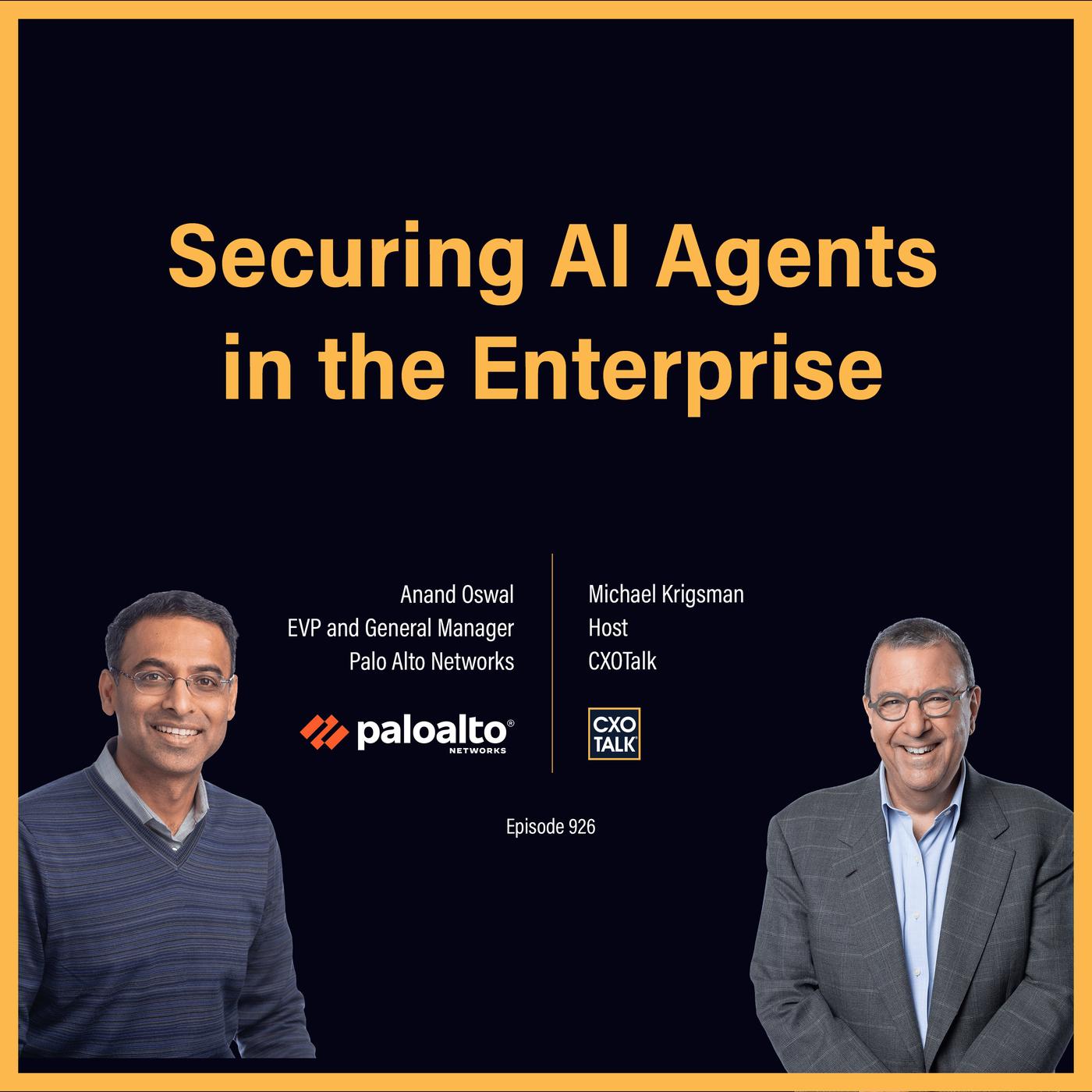
Enterprises are running more AI agents than their security teams realize, and attackers only need to be right once. Anand Oswal, EVP of Network Security at Palo Alto Networks, explains how to secure agents across four surfaces: enterprise, SaaS, endpoints, and the browser. With host Michael Krigsma…
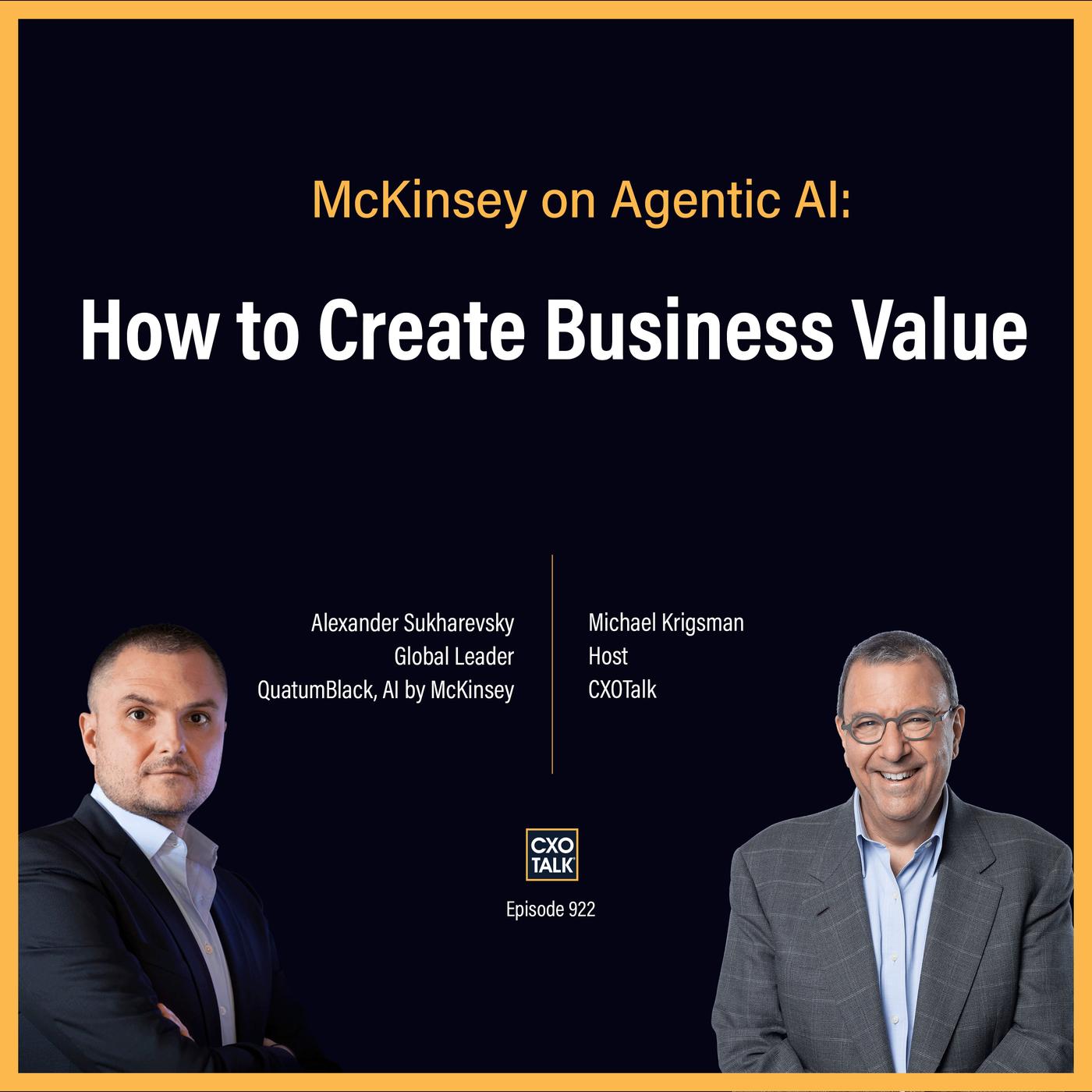
Fewer than 100 companies have scaled enterprise AI from pilots to production to capture great value. Alexander Sukharevsky, who leads QuantumBlack, McKinsey's AI practice, joins Michael Krigsman to lay out the repeatable recipe behind those results and why the winners earn roughly three dollars bac…
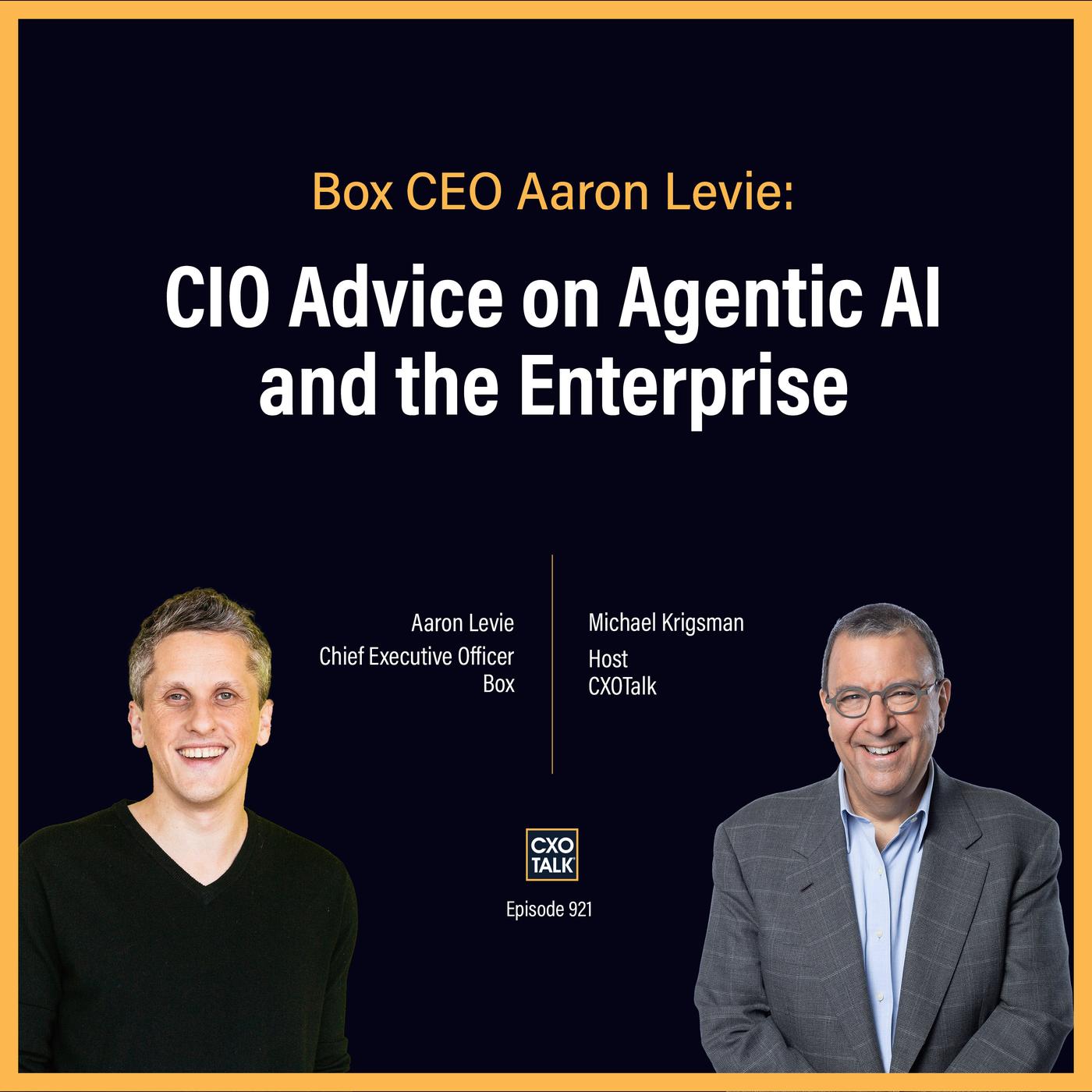
Agentic AI has taken off in software engineering, but most CIOs still cannot make agents work in everyday knowledge work in the enterprise. Aaron Levie, co-founder and CEO of Box, explains why that gap exists and what enterprises must change to close it.
Drawing on what Box sees across its enterpr…
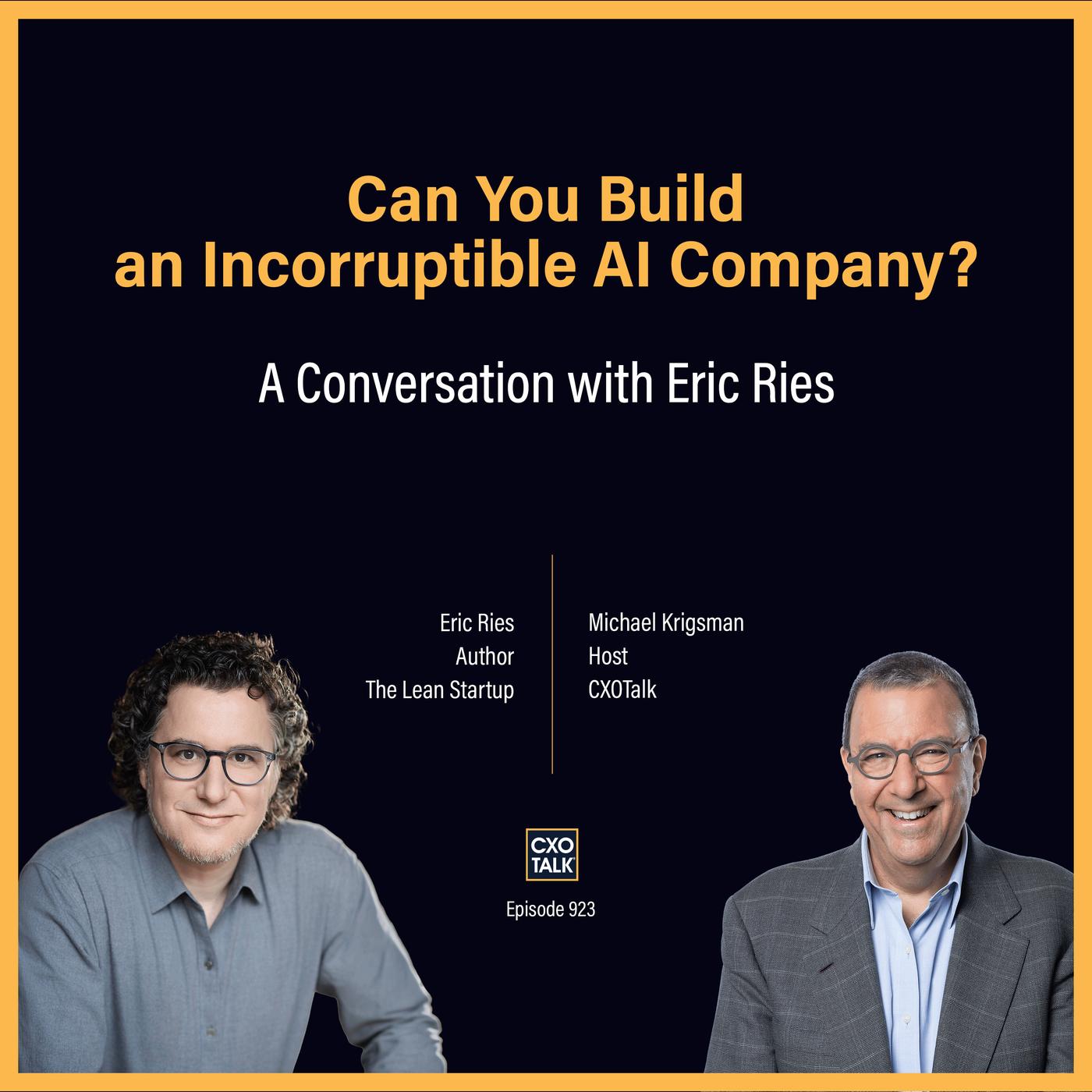
Can AI startups keep their promise to benefit humanity? Eric Ries explains why business success often leads to corporate "corruption" of the founder's mission.
Eric Ries, creator of the Lean Startup Method, breaks down the inherent tensions between scaling a business and maintaining its …
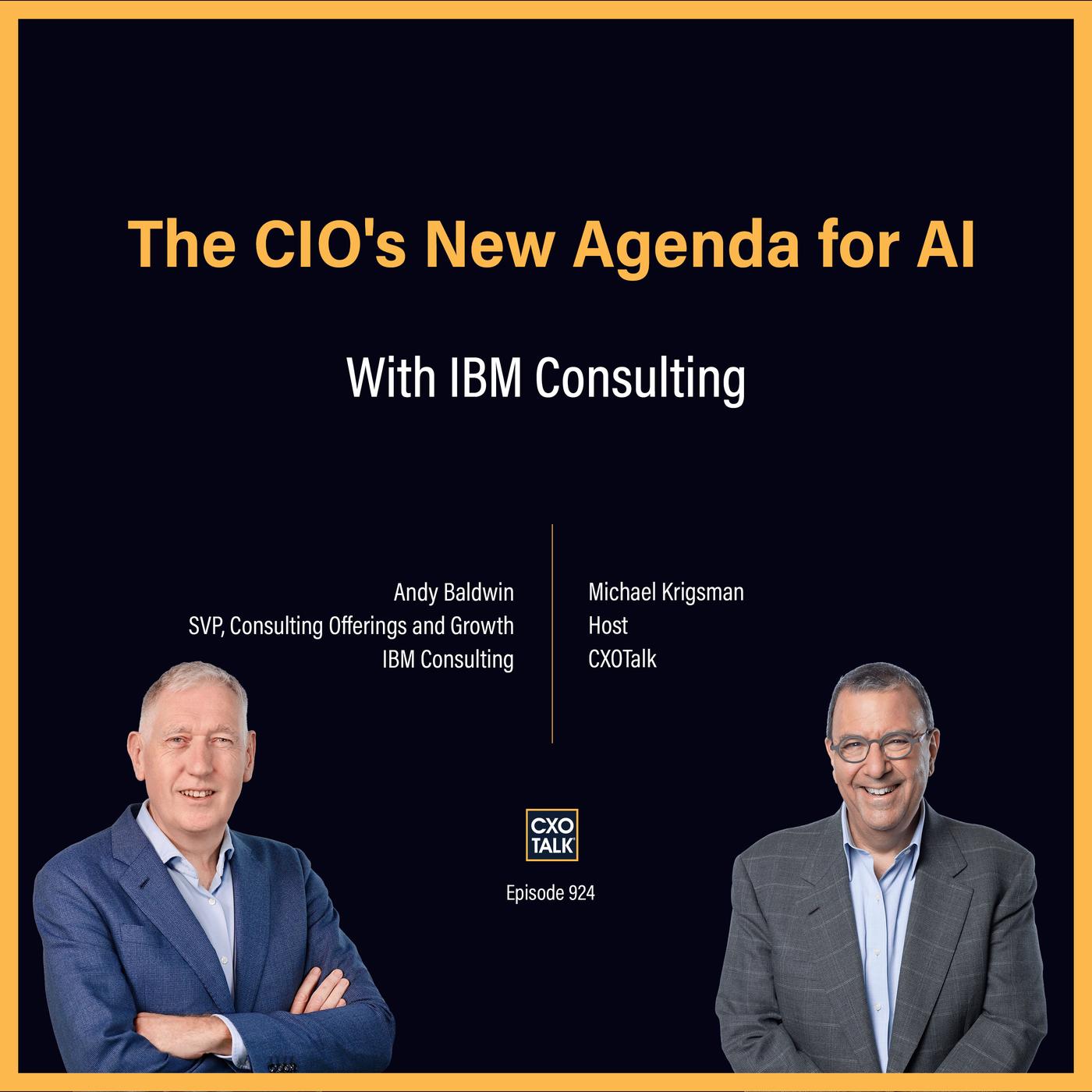
CIOs are accountable for AI results but often not in control of how AI is actually used across the business. Andy Baldwin, Senior Vice President of Consulting Offerings and Growth at IBM Consulting, explains how CIOs regain visibility and control as AI moves from small pilots to industrial scale.
…
Disclaimer: The podcast and artwork embedded on this page are from Michael Krigsman, which is the property of its owner and not affiliated with or endorsed by Listen Notes, Inc.
EDIT
Thank you for helping to keep the podcast database up to date.
