
ABOUT THIS EPISODE
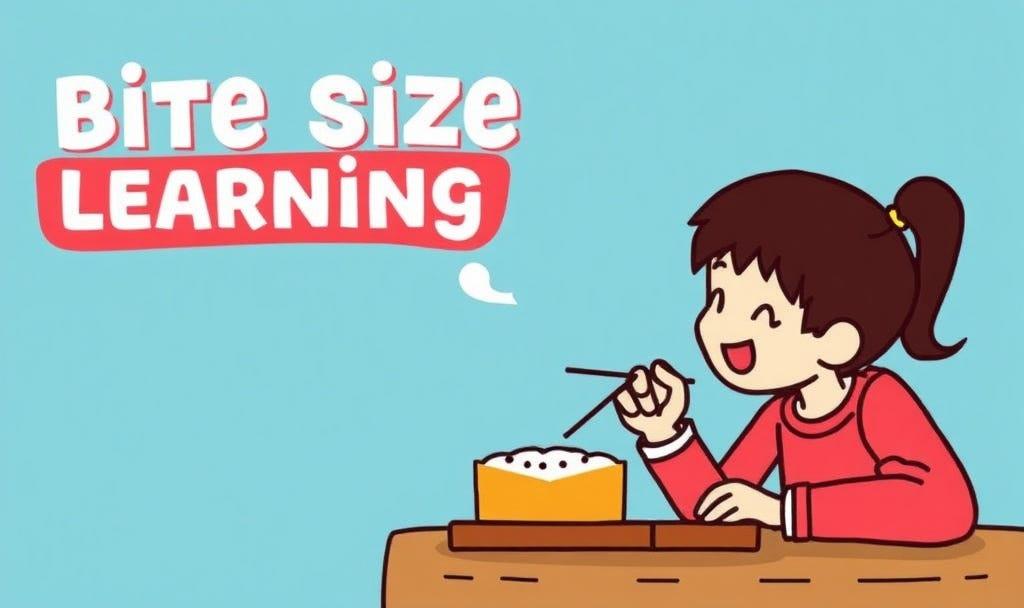
Chunking with processing time is a research-backed teaching rhythm that breaks lessons into small, digestible pieces and uses short active pauses between each one so learners actually retain what they’ve been taught. In this episode, Heidi walks through the cognitive science behind why it works, why it’s especially effective for neurodivergent learners, and six concrete techniques homeschooling parents can start using immediately.
What You’ll Learn
* Why working memory limits cause information to “evaporate” — and what to do about it
* What retrieval practice actually means, and why it’s more effective than reviewing material
* How predictable lesson structure reduces anxiety and supports regulation in neurodivergent learners
* Six step-by-step techniques for implementing chunking at home, from planning chunk size to low-stakes delayed recall
* Troubleshooting tips for freezing, resistance to timers, and attention drift mid-lesson
Research & Resources Mentioned
* Sweller, John. “Cognitive Load During Problem Solving: Effects on Learning.” Cognitive Science, 1988. [Available via Google Scholar]
* Brown, Peter C., Henry L. Roediger III, and Mark A. McDaniel. Make It Stick: The Science of Successful Learning. Harvard University Press, 2014. https://www.hup.harvard.edu/books/9780674729018
* Miller, George A. “The Magical Number Seven, Plus or Minus Two.” Psychological Review, 1956. https://doi.org/10.1037/h0043158
* Adesope, O. O., Trevisan, D. A., & Sundararajan, N. “Rethinking the Use of Tests: A Meta-Analysis of Practice Testing.” Review of Educational Research, 2017. https://doi.org/10.3102/0034654316689306
Additional Resources
* Overcoming Dyslexia by Sally Shaywitz, M.D. — excellent for understanding how reading and processing difficulties intersect with working memory; practical applications for homeschool
* Understood.org’s explainer on working memory: https://www.understood.org/en/articles/working-memory-what-it-is-and-how-it-works
* “Retrieval Practice” resource hub at retrievalpractice.org — free teacher-facing (and parent-facing) tools and research summaries:
https://www.retrievalpractice.org
Key Terms
* Chunking — Breaking instruction into small, focused segments, each containing one main idea or step
* Processing time — A short, active pause after a chunk where the learner retrieves or responds to what was just taught
* Working memory — The brain’s short-term mental workspace; it has limited capacity and can become overloaded
* Cognitive Load Theory — John Sweller’s framework describing how mental effort during learning affects what gets retained; high cognitive load impairs learning
* Retrieval practice — The act of pulling information back out of memory (vs. passively reviewing it); shown to significantly improve long-term retention
* Spaced practice — Spreading retrieval over time (e.g., reviewing material hours or days later) rather than in one block; increases retention
* Scaffolding — Temporary supports — sentence starters, visual organizers, A/B choices — that help learners access tasks they couldn’t complete independently yet
This is a public episode. If you would like to discuss this with other subscribers or get access to bonus episodes, visit homeschoolce.substack.com