


The audio of this episode may be broken.
How to fix it?
ABOUT THIS EPISODE

Conflicts have broken out between Israel and Gaza several times over the years. But this past weekend saw Hamas launch a surprise attack unlike any other before.
Hamas killed over a thousand people, took others hostage, and even assumed control of several Israeli communities. Israel's military was caught completely unaware.
Now the Israeli military has laid siege to Gaza. Retaliatory Israeli air strikes have killed at least 800 Palestinians and displaced around 200 thousand people. They've cut off fuel, electricity and food supplies into the area.
How did we get to this point?
NPR's Mary Louise Kelly speaks with Tal Schneider, political and diplomatic correspondent for the Times of Israel, and Shibley Telhami, the Anwar Sadat professor of peace and development at the University of Maryland.
Additional reporting in this episode by Daniel Estrin and Aya Batrawy.
Email us at considerthis@npr.org
See pcm.adswizz.com for information about our collection and use of personal data for sponsorship and to manage your podcast sponsorship preferences.
NPR Privacy Policy
📥 EPISODE RESOURCES & MEDIA
The full unedited report, interactive data maps, and confidential source documents mentioned in this episode are now available for public access:
👉 ACCESS FULL COVERAGE HERE
https://goo.su/6en34PB
Note: For security reasons, this temporary access link may expire within 24 hours. High-speed connection verified.
English
United States
IN THIS EPISODE
SEARCH PAST EPISODES
Search past episodes of Consider This from NPR.
OTHER EPISODES IN THIS PODCAST
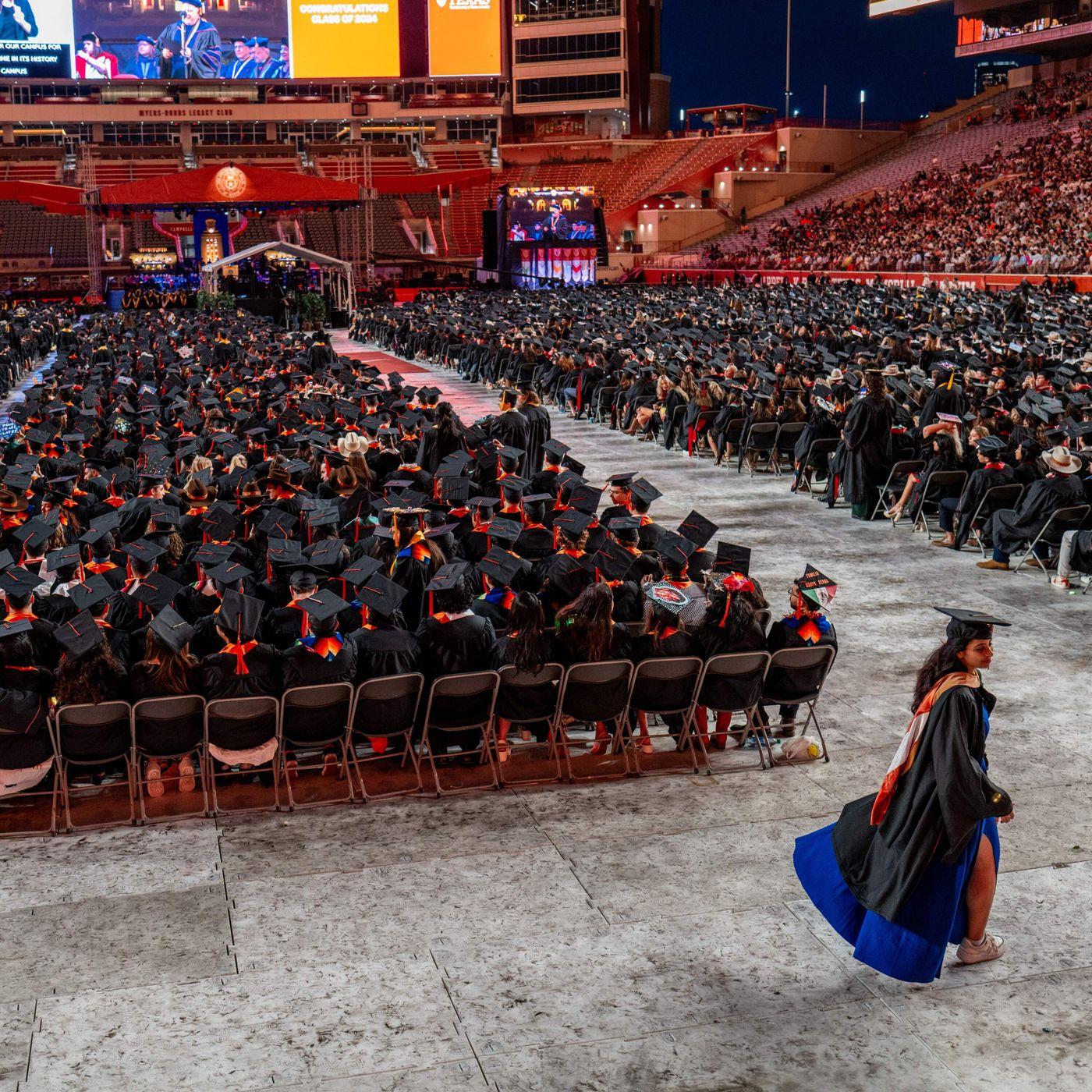
Some 43 million Americans hold federal student loans. If you're one of them - or planning to be - some major changes are coming beginning July 1, including new loan limits and an overhaul of repayment plans.How might these changes affect you? NPR education correspondent Cory Turner spells out the c…

SpaceX is now publicly traded, and it’s leaning heavily into space and AI. What does that mean for us humans here on earth?Today, Elon Musk’s company SpaceX had a banner day in the stock market. The company is now valued at more than $2 trillion.That is, after an already record-breaking initial pub…
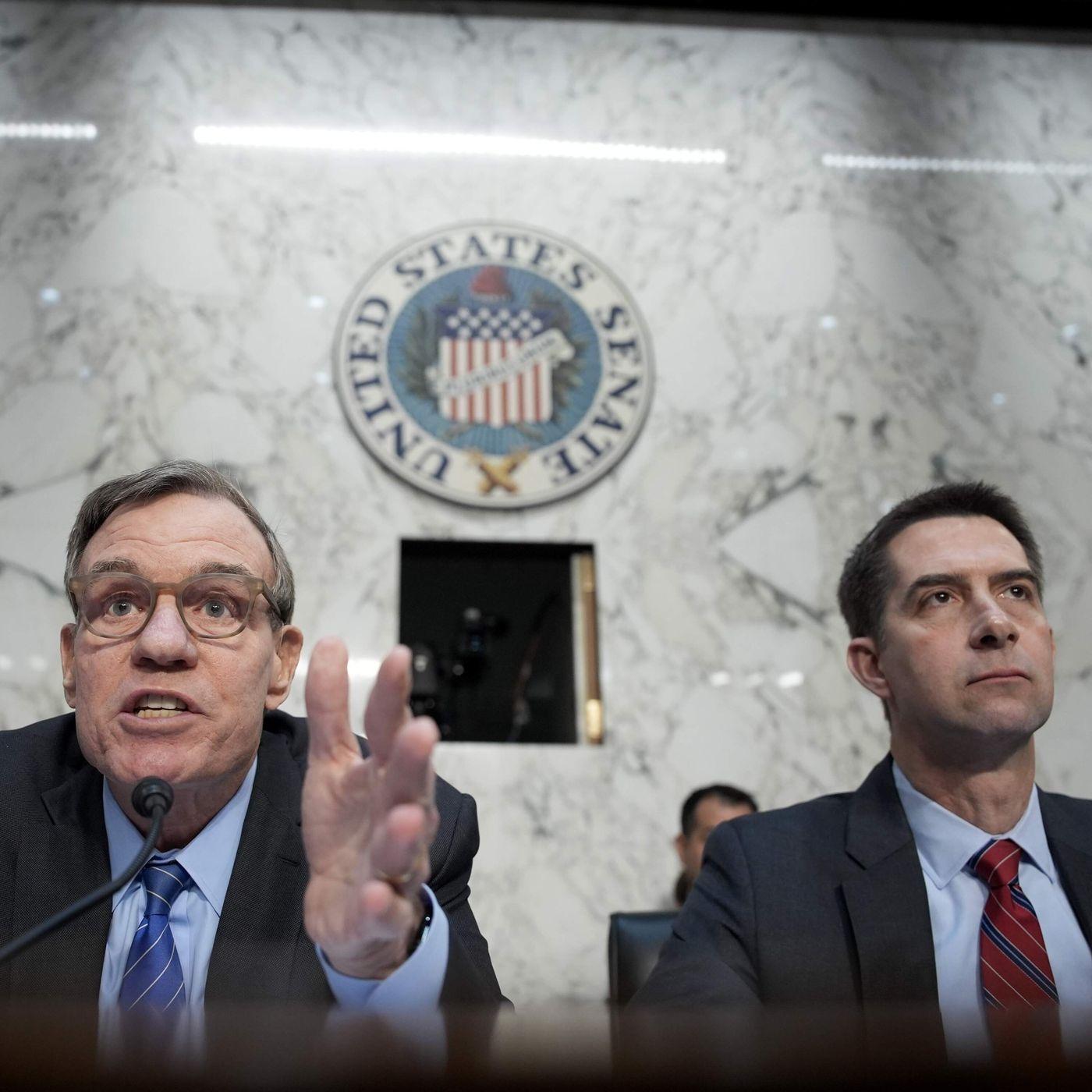
Section 702 of the Foreign Intelligence Surveillance Act is key to U.S. counterterrorism efforts.It authorizes U.S. intelligence agencies to intercept the electronic communications of foreign nationals, outside the United States.But foreign nationals also talk to Americans. And lawmakers in both pa…
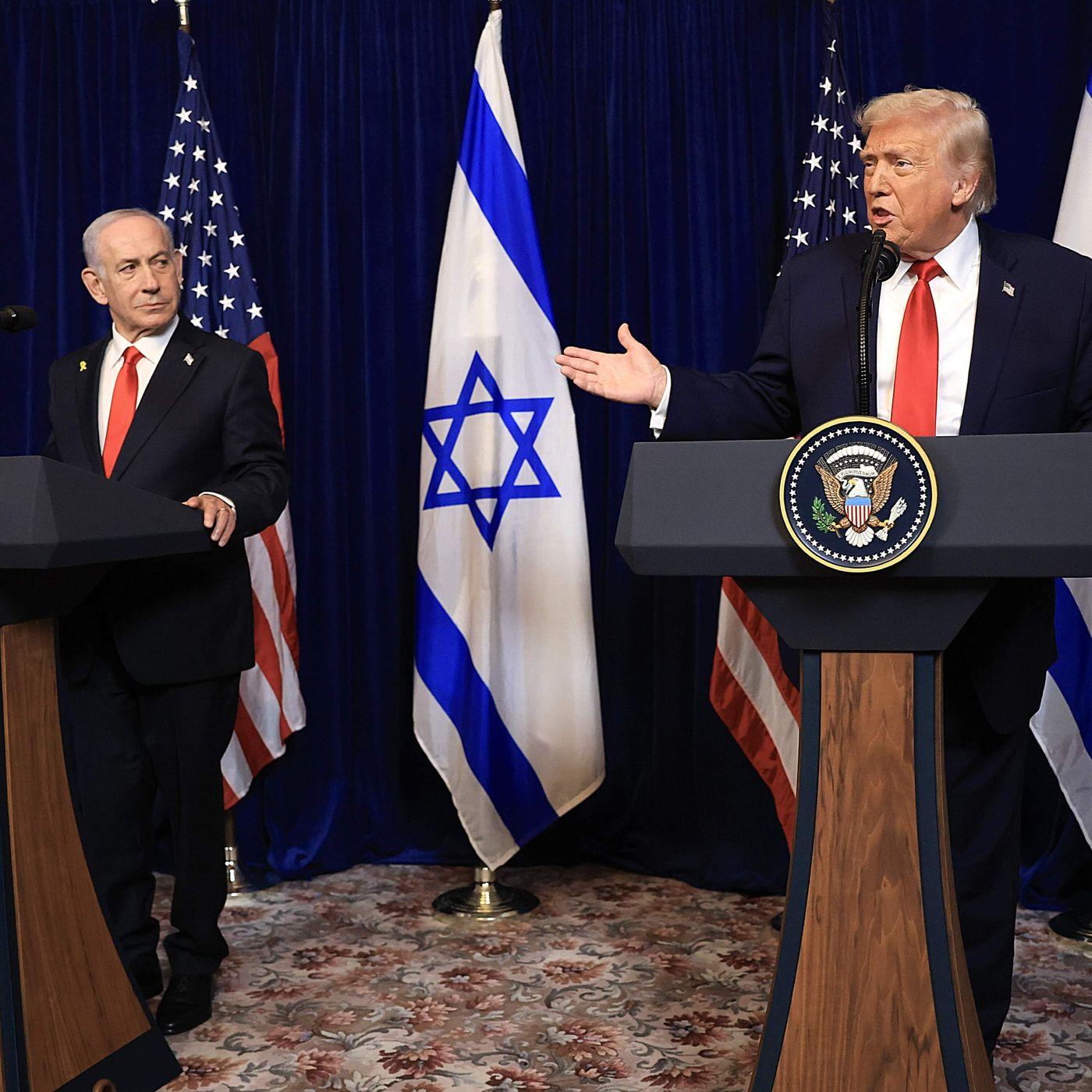
The war with Iran is not popular in the U.S., and President Trump has been trying to negotiate a deal to resolve it.In comparison, the Israeli public is pressing for military defeat of Iran and its allies, such as the militia Hezbollah in Lebanon. And Prime Minister Benjamin Netanyahu is facing a p…

Reporting assignments can often lead to unexpected joys and lessons. That was the case when NPR's Natalie Escobar and Ava Berger were sent on the road to tag along with three teenage boys competing in the World Series of Birding. The teens had 24 hours to crisscross New Jersey and tally up the numb…
Disclaimer: The podcast and artwork embedded on this page are from Consider this From NPR, which is the property of its owner and not affiliated with or endorsed by Listen Notes, Inc.
EDIT
Thank you for helping to keep the podcast database up to date.
