WEBVTT
00:00:07.919 -->
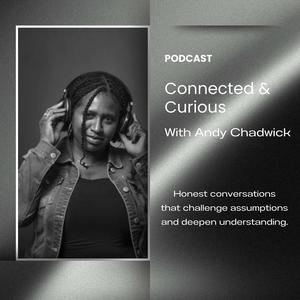
00:00:19.679Hello everyone, and welcome to Bowl Blind Beauty on Air's newest segment, Connected and Curious with Andy, the podcast where stories shine and understanding grows.
00:00:19.920 -->
00:00:30.719I'm your host, Andy Chadwick, and together we're diving into the lives of incredible blind and visually impaired individuals who are changing the world in big and small ways.
00:00:31.039 -->
00:00:41.840Here, we ask the questions, share the laughs, explore the challenges, and celebrate the triumphs without judgment, with curiosity and with heart.
00:00:42.079 -->
00:00:55.759Whether you're sighted and you want to learn, or blind and you want to be understood, or educate, this is your safe space to listen, learn, laugh, cry sometimes, and connect.
00:00:55.920 -->
00:01:01.280Where curiosity is always welcome and no question is off the table.
00:01:01.759 -->
00:01:08.239So let's get connected, let's get curious, and let's jump into today's episode.
00:01:19.680 -->
00:01:23.840Hello, good evening, good morning, or wherever you are.
00:01:24.000 -->
00:01:27.359Um, welcome to Connected and Curious with Andy.
00:01:27.519 -->
00:01:29.680I'm very excited about this one.
00:01:29.920 -->
00:01:39.840Um, we have a wonderful guest, and we're going to get to know her a little bit more uh because some of the most wonderful things that she's a part of.
00:01:39.920 -->
00:01:41.920So I want everybody to hear about it.
00:01:42.239 -->
00:01:47.840I have Julie Gritzmucker from Prevent Blindness with me today.
00:01:48.560 -->
00:01:58.480Everybody, yay! Hi Julie! Hello um, did I say your last name correct?
00:01:58.799 -->
00:02:03.200I really need to make sure okay, yay, yay, check mark for me.
00:02:03.359 -->
00:02:05.439Okay, we're we're doing good for right now.
00:02:05.840 -->
00:02:16.080So I would love for you, Julie, just to give a little tidbit, um, a highlight of who you are and what you do.
00:02:16.240 -->
00:02:31.199And I have a few questions, and we are going to um go through those questions, not in any particular order, but for right now, would you just mind telling everybody where you're located?
00:02:31.360 -->
00:02:39.439You don't need to give the address, but where you're located, what city, and um what do you do with prevent blindness?
00:02:40.639 -->
00:02:46.960Yes, so I am located in Chicago, that's where Prevent Blindness's headquarters are located.
00:02:47.280 -->
00:02:56.960Um, and we have about 30 national staff um at Prevent Blindness, and then we have six affiliates scattered throughout the US.
00:02:57.120 -->
00:02:58.560But I'm in Chicago.
00:02:58.719 -->
00:03:08.639I'm originally from the Milwaukee area, um, so about an hour and a half from where I currently live in Chicago, but have been here for about 18 years, I would say.
00:03:08.719 -->
00:03:14.080I really grew up as an adult here, and I it's my home for sure.
00:03:14.319 -->
00:03:31.199Um and then what I do um in my role, I I run the aspect program and I also do a lot of um different mental health uh really I should say population health um programs.
00:03:31.439 -->
00:03:37.280So one um that I really care a lot about is mental wellness and vision loss.
00:03:37.439 -->
00:03:40.319Um and I'll tell you more about that in a little bit.
00:03:40.479 -->
00:03:56.639And then I I would do some um educational series uh focused towards uh informing primary care providers about um identifying and referring um you know individuals who have who might be at risk for vision loss.
00:03:56.879 -->
00:04:04.159Um and uh and also work a lot to expand vision services and community health centers.
00:04:04.479 -->
00:04:08.240Um so those are a couple of the things that kind of keep me busy.
00:04:09.039 -->
00:04:10.479Yeah, you're very busy.
00:04:10.639 -->
00:04:12.319You're very, very busy.
00:04:12.800 -->
00:04:17.839So I'm just gonna go straight forward and ask you a question.
00:04:18.000 -->
00:04:27.920So before you're all the titles and all the roles that you do, who is Julie when no one is watching you?
00:04:28.319 -->
00:04:29.759Tell us about you.
00:04:32.079 -->
00:04:40.720I would say I am a very curious person um and and super playful.
00:04:41.040 -->
00:04:43.759So um I really love to laugh.
00:04:43.920 -->
00:04:51.600I love experiences that um you know involve uh like close connections.
00:04:52.319 -->
00:05:09.920Definitely I enjoy my alone time and I I require it um for my mental health, but I also really feed off of you know the energy of really good relationships and good quality conversation that makes you feel less alone.
00:05:10.000 -->
00:05:24.480And so I would say on any given weekend that I have a combination of you know um connecting with with important people in my life, um, having some kind of unique experience.
00:05:24.959 -->
00:05:30.160Um, like last weekend I went to the Botanic Gardens and it was a silent disco.
00:05:30.480 -->
00:05:33.759And so it was the orchid season.
00:05:33.839 -->
00:05:46.480And so among all of the orchids that were in bloom, my friend and I had our headphones on and we're dancing to a disco, but also, you know, just kind of a um a DJ playing random music.
00:05:46.720 -->
00:05:54.079Um so I think I really crave experiences over um material goods.
00:05:54.319 -->
00:05:59.360Um so I would say I would have enjoyed that one.
00:05:59.600 -->
00:06:00.480That would have been fun.
00:06:00.800 -->
00:06:01.920It was so fun.
00:06:02.720 -->
00:06:04.160That's so cute.
00:06:04.639 -->
00:06:09.279So that's um that's running over to this question.
00:06:09.519 -->
00:06:16.879So what fills your cup, brings you joy, or grounds you outside of your of the work that you do?
00:06:17.199 -->
00:06:17.839Yeah.
00:06:18.240 -->
00:06:23.360Um, so I would say, you know, yoga is a constant in my life.
00:06:23.519 -->
00:06:29.199Um, that was something that I found in, you know, my early 20s.
00:06:29.519 -->
00:06:42.639And I it has always reminded me of the connection between mind and body, and how um it starts with knowing yourself and how every day is a different day.
00:06:42.879 -->
00:06:54.399So what feels like, you know, you might feel a little, you know, ache in your knee one day, and the other day, you know, your hip is tight, and then your your ankle is acting up.
00:06:54.560 -->
00:07:04.560And it's to me, yoga has been this like just constant check-in with myself and and coming back to myself, you know.
00:07:04.720 -->
00:07:11.120So it's um it's it's been a huge fill my cup um type of activity.
00:07:11.279 -->
00:07:16.480Um, to the point where when we ever we travel, I I'm traveling with a yoga mat.
00:07:16.879 -->
00:07:19.600Um and so it that's one thing.
00:07:19.759 -->
00:07:23.040I I would say music of any kind.
00:07:23.199 -->
00:07:28.240I I I love you know live music, I love music festivals.
00:07:28.480 -->
00:07:40.319Um I I um enjoy um yeah, that connection with people, you know, like deep conversations um really fill my cup.
00:07:40.480 -->
00:07:44.000And um, and I also love foot massages too.
00:07:44.560 -->
00:07:46.000That's so cute.
00:07:47.199 -->
00:07:48.399That's so awesome.
00:07:48.560 -->
00:07:52.720You were talking about all body parts hurting, and I'm like, oh yeah, that's me, that's me.
00:07:52.800 -->
00:08:01.680When I need to sit down and talk to you about yoga, I know I tried it once, or maybe a couple times, but I really need to think about getting into yoga.
00:08:02.160 -->
00:08:04.079Oh, I I love it.
00:08:04.160 -->
00:08:08.639It to me, it's so much more than the physical practice of it, you know.
00:08:09.120 -->
00:08:14.879I I feel like I gained a lot of confidence, actually, um, through through the yoga.
00:08:15.199 -->
00:08:26.480Um so it's it's a it's a much deeper, you know, um, activity than than what it kind of, you know, the pop media or you know, just media portrays, right?
00:08:26.560 -->
00:08:29.040Sometimes it's a deeper connection.
00:08:29.519 -->
00:08:30.959Oh yeah, we have to talk.
00:08:31.759 -->
00:08:33.440Yeah, I would love to talk.
00:08:33.919 -->
00:08:35.360Oh my gosh, yeah.
00:08:35.679 -->
00:08:38.799So um talking about everything.
00:08:39.919 -->
00:08:40.960Let me ask you this.
00:08:41.200 -->
00:08:49.120Do you remember the exact moment or maybe a series of moments where the work that you do chose you?
00:08:49.679 -->
00:08:58.320So you decide you you realize, yeah, you're in this right space and it really chose you.
00:08:59.039 -->
00:08:59.679Yeah.
00:09:00.399 -->
00:09:18.879It's hard to pinpoint one exact moment, but I will say it happened sometime in, you know, a couple sessions in or halfway through the first series of classes that we had, the first cohort that was trained in November of 2020.
00:09:19.279 -->
00:09:22.480And I was new to working in this field.
00:09:22.639 -->
00:09:58.960I had always been in the social work field and public health field and worked in a variety of with a variety of people and populations, you know, worked working in Africa at kind of the height of HIV AIDS epidemic, working, you know, with um mothers who delivered preterm or low birth weight, so in the NICU for years, working with women who had an increased risk of um preterm pregnancy, you know, or delivery rather, so high-risk pregnancy, um, and then working with uh women who were survivors of domestic violence.
00:09:59.120 -->
00:10:08.480And I think so, you know, the population was new to me, and the opportunity was just, you know, um it was incredible.
00:10:08.639 -->
00:10:12.879So I was excited to get to know this community.
00:10:13.120 -->
00:10:33.200But I think it was really in those first few weeks of hearing the stories, you know, providing a platform and and providing some skills and background and exercises that people can do to hone their story and you know, encouraging everyone to do it in five minutes or less.
00:10:33.440 -->
00:10:43.360And then as I sort of sat back and started to listen to these stories, I was overwhelmed by with gratitude.
00:10:43.600 -->
00:10:49.679Like, how lucky am I to be a part of this program?
00:10:50.159 -->
00:11:12.559One, to just have this platform and meet so many people across you know the United States and beyond, because it's be it's become a global program, and then to to be immersed in the stories and to learn about their lives and um and and and their own journeys and struggles and and you know what has been meaningful for them.
00:11:13.519 -->
00:11:19.200The stories have taught me so much and and really quickly too, you know.
00:11:19.279 -->
00:11:24.000And so I think it was so fulfilling for me to build a program from scratch.
00:11:24.159 -->
00:11:31.440You know, I've done my personality as one that I enjoy, that I'm a creative person and like really action-oriented.
00:11:31.519 -->
00:11:43.919So I like to build and you know, and I think coming from a social work background um and then moving into public health, that was also very fulfilling because social work is process-oriented.
00:11:44.080 -->
00:11:47.600You don't always get to see the fruits of your labor.
00:11:47.840 -->
00:12:08.480And I think, you know, when I was able to go into public health and academia and I started working with medical residents, that's where I first first um built uh a program with my um bosses that was uh it was a primary care leadership track for multidisciplinary residents.
00:12:08.639 -->
00:12:11.279And we incorporated storytelling into that.
00:12:11.440 -->
00:12:26.879Um, but then now at you know, at Prevent Blindness, when I came and started in that year of 2020 and I was able to do something similar, start it from scratch and watch it just blossom, you know, and like and just meet all these people, hear the stories.
00:12:26.960 -->
00:13:08.240And I knew that this was something so much bigger than just me, that this was, I guess, especially at in that year, of course, like during the pandemic, and like you know, that yearning to connect, and especially, you know, among the blind low vision community where it wasn't as easy to just go out, you know, um, as it was for sighted individuals, you know, all of the testing was inaccessible, like, you know, um just going to the grocery store became perilous, you know, and so um I I realized I think in that time, like I I'm in the right place.
00:13:08.320 -->
00:13:24.159And I think that also having the social work background and and a lot of experience with grief, you know, the grieving process, um, being with people at like incredibly difficult times in their life.
00:13:24.399 -->
00:13:38.240I think that helped, you know, that I I had those skills then to be able to do everything I could do to provide a safe platform for people to just continue to share and connect with one another.
00:13:39.679 -->
00:13:47.919I think we need maybe a lot more time with you because you it seems that you've experienced quite a bit, and I did not even know.
00:13:48.080 -->
00:13:58.879I didn't know that the cohort, because I I was part of the I maybe the first or the second, um but I did not know that you had just started that.
00:14:00.559 -->
00:14:01.919Crazy to hear.
00:14:04.480 -->
00:14:05.039Wow.
00:14:05.840 -->
00:14:06.639Like wow.
00:14:07.279 -->
00:14:38.000It was even at that first time, it was so organized, and like you said, the stories you hear from um everybody, uh and it was just such a supportive group, and it was it was wonderful the time that I was able to spend with with everybody because I couldn't always get there, but that's wonderful to hear and to know the growth, the things that you guys are doing now, which I'm you know, we're you're gonna talk about, but that's incredible.
00:14:38.879 -->
00:14:40.000Julie, wow.
00:14:41.039 -->
00:14:41.440Thank you.
00:14:41.679 -->
00:14:44.000You must be proud of yourself, really.
00:14:45.759 -->
00:14:46.320Thank you.
00:14:46.480 -->
00:14:54.480I I have I will say I've I've I've gotten so much back from of course, you know, from being part of this program.
00:14:54.639 -->
00:15:02.000And yeah, I I I am I'm I'm incredibly grateful and and proud of what it has become.
00:15:02.240 -->
00:15:02.960Yes, yeah.
00:15:03.360 -->
00:15:04.879Yeah, it's huge.
00:15:05.919 -->
00:15:07.120Get ready, everybody.
00:15:07.440 -->
00:15:08.799Get the pen and paper.
00:15:09.120 -->
00:15:11.200You you got to write down some stuff.
00:15:11.440 -->
00:15:25.600So with all of that being said, and it's it's clearly um, you know, you want to say passion project, but it's not, it's clearly meaningful to you, right?
00:15:25.919 -->
00:15:35.360So if you could describe your work with prevent blindness in one feeling instead of a title, what would it be and why?
00:15:38.000 -->
00:15:44.159I think it's uh community comes to mind.
00:15:44.879 -->
00:15:51.919Um or or or collaboration, you know, I would say I would say those two.
00:15:52.159 -->
00:16:00.799I I think especially us as an organization, uh, collaboration is definitely one of our um strategic plan pillars.
00:16:01.360 -->
00:16:29.759And it is so true, and it's actually part of what I love about my role and the organization is that we really do, you know, on any given day or week, I meet with people from across the nation or beyond, and and we're collaborating, we're we're um, you know, generating ideas about you know what can happen, what what's needed.
00:16:30.159 -->
00:16:42.080Um and and just like it's just it continues, you know, um every year, year after year, there's there's lots of opportunities, you know.
00:16:42.240 -->
00:17:04.079Um I I would say that you know there's there's a lot that I as far as like the advocacy or policy component of prevent blindness in our work, I think that can be, you know, at times out of our hands in the sense that it doesn't move as quickly as we'd like it to, you know.
00:17:04.240 -->
00:17:08.160Yeah, but that's not unique to prevent blindness, of course.
00:17:08.319 -->
00:17:16.640It's it's the the administration, it's it's you know, the um um you know lawmakers oftentimes.
00:17:16.720 -->
00:17:17.759So it's out of our hands.
00:17:18.000 -->
00:17:42.720But it's um, I would say that what we are able to like, you know, dream up and collaborate together on and you know find community in that, both in the aspect program, the you know, community that's fostered, but also with the other projects that I do and and working, you know, across disciplines and working with you know doctors or medical students or researchers.
00:17:42.960 -->
00:17:47.119Um, I I would I I just love that part of it.
00:17:47.200 -->
00:17:52.240And I I so I would definitely say like collaboration or community comes to mind.
00:17:53.279 -->
00:17:54.799I love I love that.
00:17:55.519 -->
00:17:59.359Collaboration is definitely community, is my number one, I would say.
00:17:59.920 -->
00:18:10.000Um with community and collaboration, collaboration because you just meet some wonderful people along the way.
00:18:11.440 -->
00:18:18.240I don't know, you you just question um every everything, every moment is wonderful.
00:18:19.279 -->
00:18:28.559So when it comes to moments, uh can you tell me about a moment in your work that made you pause and say, This is why I do what I do?
00:18:28.880 -->
00:18:32.799And do you have a story maybe that you can connect that has stayed with you?
00:18:33.759 -->
00:18:34.400Hmm.
00:18:36.319 -->
00:18:51.920Yeah, there okay, so I I would say the first thing that comes to mind is something that um maybe doesn't get talked about enough is that in my role there's a a mentorship component that is very fulfilling for me.
00:18:52.079 -->
00:18:58.880So people go through the aspect program and then they might reach out and ask if I can write them a letter of recommendation.
00:18:59.119 -->
00:19:01.759And so I actually I'm always pleased to do that.
00:19:01.839 -->
00:19:04.319And I do that quite a bit in my role.
00:19:04.400 -->
00:19:15.599And I love when they follow up and say, Oh, you know, I got that job or I got I got into school, you know, and I just love to see that come, you know, to to just be part of that process.
00:19:15.759 -->
00:19:22.720Not to say that my it's my letter of recommendation that, you know, made it happen, but to be contributing to it, you know.
00:19:22.960 -->
00:19:23.440Yeah.
00:19:23.759 -->
00:19:54.319And um, and so one of the things that I think about as far as career path goes is, you know, there was a a young woman, um, a black woman from um at the time she was living in in Missouri, and she was really interested in ophthalmology and um but didn't really have any like, you know, um uh other people in her life who were other doctors, other black women, you know, who were um studying to become doctors, or she didn't know any ophthalmologists at the time.
00:19:54.559 -->
00:20:01.839And so she she joined the aspect program, she went through it, and then um she ended up becoming my intern.
00:20:02.559 -->
00:20:09.119And while she was my intern, we accepted um a black uh woman ophthalmologist into the program.
00:20:09.279 -->
00:20:11.119And so they got to meet.
00:20:11.359 -->
00:20:19.759And in because of that, the the platform and the community and being part of the cohort, this woman actually became her mentor.
00:20:19.920 -->
00:20:37.680Um and wrote a letter of recommendation for her to get into um you know medical school and really just like you know, gave her hope, you know, and and provided um, you know, just that like um reassurance that you can do this too.
00:20:37.839 -->
00:20:39.839And so confident, yeah.
00:20:40.640 -->
00:20:42.000Yeah, exactly.
00:20:42.559 -->
00:20:48.240Is you know, that representation, how like the aspect program just served as as a platform.
00:20:48.400 -->
00:20:51.519So like that wasn't our direct mission, right?
00:20:51.599 -->
00:20:54.319But like that was absolutely a byproduct of it.
00:20:54.400 -->
00:20:56.240And I I love that.
00:20:57.200 -->
00:21:36.880And I also love that when people, you know, really establish good friendships, like genuine friendships from going through the aspect program, and they meet people that they can call on, and you know, and and there's there's one um woman who has um macular degeneration who lives out in um LA and she lives alone, she's a retired counselor and teacher, and um, I learned so much from her in my early days um because she would just call me and tell me, you know, um, you didn't send that that document with high contrast, you know, or like she would just correct me.
00:21:36.960 -->
00:21:41.039And I knew it like at how at first it was like, ah, this is tough, you know.
00:21:41.119 -->
00:21:50.559But then I knew like really quickly, like she's doing it because she loves me and she cares, you know, and like, and so we we developed this really, you know, good friendship.
00:21:50.720 -->
00:21:57.920Um, but she became really good friends with a woman who was out in Massachusetts, you know, and they were in the same cohort together.
00:21:58.000 -->
00:21:59.759And the woman in Massachusetts also.
00:22:00.240 -->
00:22:56.079has macular degeneration and and the the woman from Massachusetts and her husband they were in LA you know and they called this woman up and they got together and so I just I love that of like that this isn't just a program that lives online but it really does change lives you know outside of outside of the online sessions and um and and so I that's really fulfilling for me you know oh my gosh it's so it's it warms my heart because it's so it's all about the the community and the relationship aspect of of the program I know you you know it it's there to learn it's there to help educate what a wonderful outcome right with with everything that you're doing.
00:22:56.799 -->
00:23:12.799So I know while we're talking about relationships and what you're learning what's something about the blind and visually impaired community that completely shifted your perspective the more you learned and then something you wish everyone could experience or understand.
00:23:15.599 -->
00:23:27.759I think um you know I I really had no awareness no exposure you know I was um you know I got my first pair of glasses at age 40.
00:23:27.839 -->
00:25:26.880I didn't know anybody in my family who has low vision or blind you know and I I think just how much it's not talked about and even just you know in the um among the disability community it's not even um necessarily uh recognized as well you know as as much as other disabilities are you know and and thinking about like accessible like structural design you know we have wheelchair accessible um bathrooms for instance or you know um doorways or but we don't think about high contrast you know at any given hotel for instance or any even in ophthalmology offices and you know um and so I think um and then of course all of just the um the stories about the discrimination that happens and and especially the limiting beliefs that you know society has um for the uh blind low vision community um it's it's like I I didn't have that awareness until I was just hearing these stories again and again like you know and also just witnessing what people have accomplished and like you know it's just um uh despite all odds you know despite having access or you know um reasonable accommodations in college and despite you know um the beliefs that maybe professors had of them or employers you know um what what someone's capable of or you know I think all of that has so shifted my awareness that I immediately became an advocate and now it's just you know um it's it's all I can do but to tell somebody you know or to raise awareness just to keep talking about it.
00:25:27.279 -->
00:27:00.000Yeah and that's my whole intent of having this uh podcast uh because I my daughter wears glasses and she has since she was a a child I just started wearing glasses in my late 40s so you know and the reason why I started this journey was I was uh researching information for my mum because she was having um issues with her eyesight and I was trying to be um you know knowledgeable and advocate when we went to the doctors and tried to ask the right questions to help so um and with that you learn so much and I'm still learning I'm still trying to figure it out and I'm still trying to to be um you know bring value to uh an awareness to everybody because I as I've said many a times um we don't know what we don't know and sometimes we're a bit afraid to ask those questions that's one of the reasons why I I was so happy to be able to do this you know and it it's exciting for example you're you you're on the sh my show but you're given so much information out there and and there's a lot of people that really want to um find that information so I appreciate you being here and you know sharing your experience you know because we just need to know about it.
00:27:00.880 -->
00:27:08.000So with that being said I really really truly want to to talk more about the aspect program.
00:27:08.319 -->
00:27:20.720So you kind of touched on it um but would you mind kindly just talking more about it and talk about the things that you guys are doing because I know there's some things coming up um uh very soon.
00:27:21.359 -->
00:35:13.679Would you mind sharing that sure I would love to um so the aspect program aims to teach participants how to put their story together in five minutes or less and um often this is you know as it relates to your your eye journey your you know um your journey with uh low vision um and and put it together in a way that um is meant to be um used for advocacy so effectively that's you know being persuasive in your communication aiming to use your story to create positive change in the world um that is really our hope and so we provide some exercises of where to start and how to put this all together um some prompting questions to do that um and and that has evolved over the time that we you know have have started this program um and I'll I'll say that every time you know we we train another cohort we evaluate it we get feedback we make revisions so it has been a little different every time I would say um that that's been a fun thing about it um but it is and that's just a starting point so by the end of you know a 10 session series and um you know it's it's typically held in the fall um our the 10 sessions is probably going to change a little bit we're thinking about doing a more intensive um maybe four week training but um and and also offering some online um some in-person options as well throughout kind of at different geographical locations so we're working on that but historically it's been 10 sessions every other week and um and held over Zoom and we kind of each session builds on the next but what it the way that each class is structured is that we have um like a didactic or kind of a you know a review of a topic and that could be you know a quick little um overview of something and then we might have an interactive component to it where we might get in breakout rooms or we have a discussion question or we have a role play um because it it's meant to be very practical advocacy skills building in addition to you know storytelling and then we always have time for people to share their stories and to workshop it um to get feedback from their peers on what could make it better what what could be um what was done really well um and and so you know just to provide an opportunity to hear many many different stories and and to practice one's own and um what we find is that a lot of people you know haven't had haven't taken the time to practice their own story or to put their own story together so it's new for a lot of people um maybe they've been advocating on a certain topic for a long time um but they haven't you know been tasked with this particular assignment and what I always love to see is how this process can be pretty cathartic you know for for many people you know it it can also bring up uncomfortable memories or painful memories and so it's also supporting and normalizing that too but um but reminding the group that that it's meant to um that we are sharing this to better the world you know that we our goal here is to to help other people not um go through what you went through or not go have to wait as long to be connected to a resource or you know um etc but it's it's it's uh altruistic you know purpose um and I would say that that's the unifying factor among people who join aspect is they do really want to help other people you know yeah how how many um normally attendees do you have is there a max uh typically the the cohort size is about 30 people um we've had as many as 40 but that tends to get a little bit too big so you know somewhere around 30 and some people would say you know 15 would be ideal um so it it kind of varies there's just there's been um gratefully a lot of interest and so we we want to give a lot of people an opportunity but yeah it's typically around 30 people so cool and what's the criteria to be part of the program do you have to be blind visually impaired low vision um um um a caregiver what's the criteria yeah um so the the criteria is um wanting to use your story to create change so um so either we accept people who have low vision who are blind um and and the also the criteria is is wanting to you know gain some advocacy skills as well so the those interests are the criteria um but then yes um the majority of participants are blind or low vision and and have due to a variety of conditions and um you know some are born blind some uh you know um have um a stroke or cancer or more traumatic um loss of sight and then others have progressive conditions so there's you know a variety um of experiences there um but we also invite what we call allies to join the group so these are cited individuals who um are working in the field um so in the past we've had uh researchers we've had mental health providers um OM specialists um occupational therapists um uh medical students uh optometrists and ophthalmologists so um we we think that that is a really unique component of the program is that we we really like to establish kind of a level playing field with that so so to say that everybody has a story and every story is equally valuable you know um we're not raising up the doctor's story you know more so than the um you know a sort of patient um story experience um all all are trained the same way and so when we when we have time during every class for stories to occur we we make sure that we're also hearing from the allies too and oftentimes you know among the the ally group um they'll say well I don't have a story or my story's not as good or you know or even among the blind or low vision community some some might a visually impaired person might say um well I'm I'm not really that blind or you know I'm not blind enough like my story is not that bad like you know and I just I I just say to them like there's no comparison here you know every story is important and um so we do a lot of kind of coaching as well um to to to remind them that they do have um something important to say even if they don't realize it right away oh I would love that I love it and what are you doing um Sue?
00:35:14.000 -->
00:35:18.000Is it this month next month there's something big happening?
00:35:18.400 -->
00:35:37.920Yes yeah so every two years we bring together four cohorts at a time and um and so in June of 2026 we are bringing together um cohorts eight to eleven and um so we're expecting somewhere around um 90 to 100 people.
00:35:40.000 -->
00:37:48.079Yeah they're bringing some you know each person is allowed to bring a guest so they're they're bringing some guests too but um so it'll it's from Sunday to Wednesday and Sunday is kind of a welcome and a rally and um uh music we'll be playing and then Monday is um all day well like from 8 30 to 1 we'll have some sessions and a story slam and then we're we're hosting um new this time um we've we've hosted this event three times now and it's always in DC because we go to Capitol Hill as part of this um event so on Monday night we are actually hosting in a theater nearby what we're calling the Vision Monologues and um this is um it's a series of monologues that were written by um my uh project manager Janetta Price and it's um it's going to be acted by um there's I think 24 actors um so all aspect um individuals and then three of us allies are telling our stories on stage as well so the actors are reading the scripts or memorizing the scripts that Janetta has written on a whole host of topics and then we'll have the the allies tell their real life stories on on the stage but it's at a theater and the and um it's open to the public so you know we'll we're we have what's that are you recording it yes yes we'll be recording it and um but I um would definitely love for you know the public to come um and join us so we have a flyer that we can share um and then um as part of the summit then on Tuesday we'll go to Capitol Hill and we'll have um probably after our um everybody will be assigned to a team so you'll go to your um to meetings with members of Congress and then afterwards we're gonna have a reception and um and then on Wednesday we'll debrief and reflect on our meetings.
00:37:48.400 -->
00:42:02.320So it'll it's a legislative advocacy opportunity but also community building um and and theater a theater performance oh my gosh that's so cool that's gonna be awesome I'm so excited I know you are and I can't wait to see the video oh my god that's gonna be awesome oh yeah that's well done that's really fantastic I'm excited about this so I have an um uh a couple questions a couple more questions so as a site person I I know this is how my feeling I I want to be an ally so if a sighted person is listening right now and generally wants to be an ally but is afraid of getting it wrong what would you say to them what would you suggest I would say that the blind and low vision community are humans and they want to feel love and belonging and included and so the same way that you would treat you know anyone else as you know wanting to make them feel included um show that same kind of love so you know I think it if you're at all concerned about anything like ask just always ask um even if you think like there's there's just no question that I think uh well I'm not gonna say there's no question that's like a stupid question right but I will say the stupid question is a stupid question right I will say that you know just just ask like um because even your question shows that you care that you're thinking about it you know I think in in most cases uh a question is is that you're you're curious and you want to know you know um so don't make assumptions about what somebody can or cannot do don't make assumptions that they can't you know hear well because they aren't able to to see you as well you know um just ask don't don't assume that you um you know have them figured out like you when you meet one blind or low vision person you've really met one blind or low vision person exactly so just ask questions and don't assume and and and don't be afraid to to ask you know like you would just treat them like anybody else that's I think what I would say I love that because I have learned that um it doesn't matter who they are everybody's unique right everybody has an individualist story if they don't want to answer that question they'll let you know and that's quite all right so I I love that I love that um so what are some of the unspoken barriers that people who are blind and visually impaired face that we don't get to talk about and I know enough we don't get to talk about enough and I know you touched on a couple things but is there anything that you can think of that's not spoken about enough yeah no I I think about just the internalize like just um the internalization that can happen of like I'm not good enough or I'm a burden or you know um and and like those moments of like aha moments of some of the aspect um participants when you know I might define what is internalizabilism or you know like and then have provide some examples and and and some people will have this aha moment of like wow so I can put a name to it now you know that's that is what I was doing and and I think there's freedom in or there's like you know liberation in that when you can identify something and to to normalize that as well you know and to realize that you're not the only one going through that too.
00:42:02.559 -->
00:42:40.159Yes yes exactly but then to consider how has that impacted my decisions you know how and and like just kind of you know like break through your life and think you know how could things be different if I you know were to take a different mindset you know or um or just yeah like now live like this at this point going forward you know like really I don't know integrating that into my life of like I'm no longer I'm gonna I'm gonna combat the like the reflex to internalize or you know something like that.
00:42:40.320 -->
00:42:50.079I just think that that's not something that is talked about enough um because it's it's just because there's not an outlet for it.
00:42:50.239 -->
00:42:59.199You know that's just um you know people maybe don't ask like sighted people don't know and they don't ask you know they don't have that awareness.
00:42:59.360 -->
00:43:24.159I think it's only through my experience and exposure and talking and hearing stories that I've really identified that that this is something that you know goes on and is difficult you know yeah and and seeing that's why your platform is so great right because there's there's a space and you know we have we have to have more of these conversations to to normalize it a bit.
00:43:24.320 -->
00:43:24.559Yes.
00:43:25.039 -->
00:43:27.920If that's something you know or can it be normalized.
00:43:28.000 -->
00:43:45.039We just have to have the conversations and for me it's to ask those questions to not be afraid to you know to say okay just sit down and let's have a conversation what are you going through you know how can I help you know what can I not do?
00:43:45.199 -->
00:43:48.559You know I just I I just love I love your program.
00:43:48.880 -->
00:43:50.559I love what you guys are doing.
00:43:50.880 -->
00:44:02.639Um so do you have any um new happenings this year apart from going to Capitol Which is a huge deal, right?
00:44:03.119 -->
00:44:08.559But what else can we expect from the aspect uh program and from you, Julie?
00:44:09.039 -->
00:44:09.679Yeah.
00:44:09.920 -->
00:44:13.679Um, so a couple things that I'm really excited about.
00:44:13.840 -->
00:44:19.360One is that we just launched a web page on our Living Well with Low Vision.
00:44:19.840 -->
00:44:22.320Um, there's yeah, there's a couple of things.
00:44:22.400 -->
00:44:33.760So one is the on the Living Well with Low Vision website, we just uploaded 18 videos that have to do with mental wellness and vision loss.
00:44:34.000 -->
00:44:37.599And they feature four mental health therapists.
00:44:37.840 -->
00:44:58.000Um, and though, and they're um all of those therapists are visually impaired, low vision, or blind, and they um are talking about themes of identity and disability, um uh themes around disability affirming care, um, you know, uh integration.
00:44:58.159 -->
00:45:38.000So they're they're providing advice to other therapists on, you know, things to be mindful of, like uh features that are unique in in the culture um to to blind and low vision individuals that you know don't that are that are unique and that impact mental health, you know, and so um so they're giving that advice because what we do know is that um there are therapists out there that regularly are um you know turning away blind or low vision individuals who need help right now, and they're turning them away because they don't feel equipped to counsel them.
00:45:38.320 -->
00:46:02.159And so this is an effort to to address that need uh for those who do want therapy to be able to um really equip the professionals with the skills to be able to do that, whether it's um you know, sighted therapists or blind or low vision therapists, um, equally, you know, some and they can all get that on that website.
00:46:02.320 -->
00:46:04.639Well, what was the name of the website again?
00:46:04.960 -->
00:46:07.519It's Living Well with Low Vision.
00:46:09.119 -->
00:46:19.199And then yes, and um, and so then we have um you know several videos that we we just uploaded, and so I'll share it.
00:46:19.360 -->
00:46:24.480Um, I'll share the link with you to you know include um where needed.
00:46:24.800 -->
00:46:33.599But um, and so we're we're really hoping to expand the the library of you know videos that are on there.
00:46:33.760 -->
00:46:40.159There's as I mentioned, there's 18 right now, um, and they're short, they're you know, no longer than three minutes.
00:46:40.400 -->
00:47:24.239Um but we we want to include um you know some um maybe it's uh parent or child or it's or you know, parent or teen, you know, all people who've gone through aspect, or it might be um, you know, uh partners, long, you know, partners or um spouses talking about how um relationships might have changed or roles might have changed, you know, when when someone is it was first experiencing low vision and just the complexities, you know, of adjusting um and things to know, and then um and then peers, you know, friends and and any changes that came with that.
00:47:24.320 -->
00:47:45.519And so all on the topic of really thinking holistically about what what contributes to one's wellness, you know, mental wellness, and how do we just bridge that gap, shorten the gap, you know, like interrupt is the word I like to use, interrupt what could be, you know, um debilitating depression for years.
00:47:45.760 -->
00:47:48.639Um that's awesome, Julie.
00:47:48.880 -->
00:47:50.639Oh, that's awesome.
00:47:50.880 -->
00:47:52.960I I think I need to wrap it up.
00:47:53.119 -->
00:48:05.599Um with the last question, if you could just leave our listeners with one challenge or a small action they can take this week to create a more inclusive world, what would that be?
00:48:07.199 -->
00:48:31.199Ooh, um I would say to don't forget the blind or low vision community when you're um establishing um any program, when you're you know thinking about any law, when you're um building, you know, the next building when you're the thinking about the systems and the structures.
00:48:31.519 -->
00:48:46.000I think my plea is to um you know become familiar with this community and to to consider them, you know, in um the policies and and structures and systems.
00:48:47.280 -->
00:48:48.719Thank you, Julie.
00:48:48.880 -->
00:48:51.199Oh my gosh, this has been awesome.
00:48:51.440 -->
00:49:00.559I've learned so much about you, and we are definitely going to talk offline because I did not know that everything that you have talked about, I did not know.
00:49:00.719 -->
00:49:02.639So I really appreciate you.
00:49:02.800 -->
00:49:07.760I hope all the listeners they've learned some things about you, about the aspect program.
00:49:08.239 -->
00:49:12.239And if anybody wants to get in contact with you, how do they reach you?
00:49:12.960 -->
00:49:13.360Sure.
00:49:13.519 -->
00:49:15.599Um, they can email me.
00:49:15.679 -->
00:49:23.119Um, so my my email is on the website, um, but I can provide it now too if you if um you prefer.
00:49:23.280 -->
00:49:35.360So it's okay it's Jay Gritzmacher, G-R-U-T-Z-M-A-C-H-E-R at preventblindness.org.
00:49:37.360 -->
00:49:38.800Thank you, everybody.
00:49:38.960 -->
00:49:42.880Um please reach out if you have questions about the aspect program.
00:49:43.199 -->
00:49:45.280Um please reach out to Julie.
00:49:45.440 -->
00:49:55.280Thank you, everybody, for staying tune and uh hope to hear you back or see you back or whatever that word is um for the next one.
00:49:55.519 -->
00:49:56.800Thanks again, Julie.
00:49:56.960 -->
00:49:57.280Thank you.
00:49:57.440 -->
00:49:58.480I appreciate you.
00:49:59.039 -->
00:50:00.480Thank you so much.
00:50:00.800 -->
00:50:01.920Oh, you're welcome.
00:50:02.159 -->
00:50:02.639Bye.
00:50:03.679 -->
00:50:04.559Bye-bye.
00:50:10.559 -->
00:50:15.519Thank you for tuning in to Bowl Blind Beauty on the Airs Connected and Curious with Andy.
00:50:16.239 -->
00:50:23.199I hope today's conversation left you inspired, educated, and a little more connected than before.
00:50:23.519 -->
00:50:30.000Remember, curiosity brings us closer and every story shines a light.
00:50:30.400 -->
00:50:37.519Until next time, stay connected, stay curious, and keep shining.