
ABOUT THIS EPISODE
My sanctuary has always been the ocean, the sound of the waves.
When I started exploring why this is, I began to think about how the sound of the waves must represent two very different versions of the word sanctuary, depending on who you ask. To many, it’s a reminder of all that’s good; the calm, the holidays, the walks, the clarity. But for others, it’s a reminder of the journey they had to take in order to seek it. The danger they had to face, the decision to leave. Seeing the fear in their children’s eyes. The sound of the waves must conjure up images most of us couldn’t fathom.
I wanted to explore this contradiction of not only what the sound of the sea represents, but the idea of the word sanctuary itself. How the same sound, and the same word, can bear such different weights.
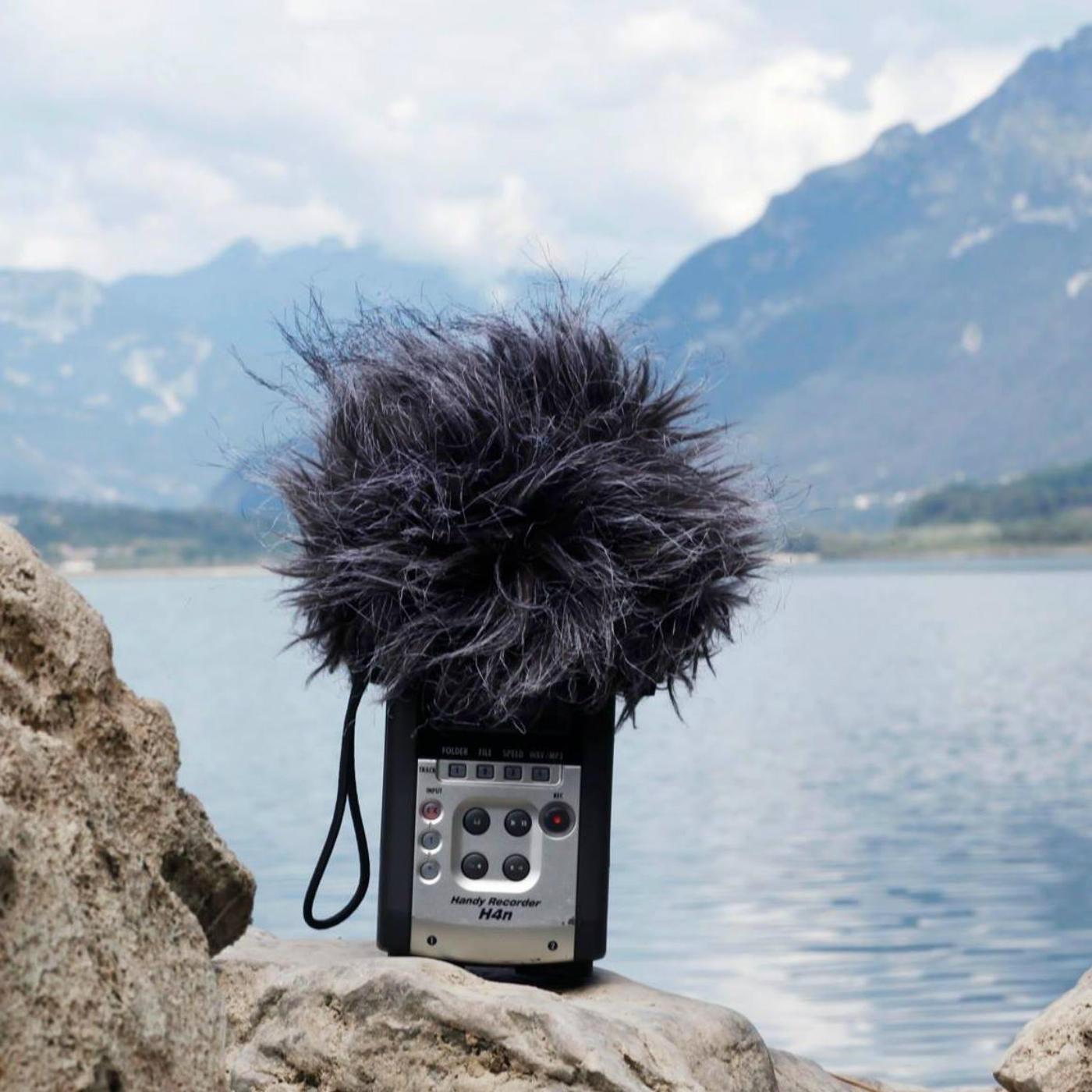
I made the journey down to the South East, and recorded at as many places as I could, from Brighton all the way up to Margate. I did this because sanctuary is the sound not the place to me, so I wanted to try and capture the same waves that guide people to find sanctuary here. There was something about the sound I captured in Folkestone that made it stand out. I was lucky enough to be able to record right in the mouth of the harbour, as the tide was out. It was 5.30 in the morning and I didn’t want to leave.
The field recording was used for the main ambiences, but was also resampled and turned into sound design and details throughout.
I’ve taken a lot of inspiration from Edmund de Waal’s work and his humanitarian contributions. I had a still of ‘another hour’ up as I was writing the piece, as I feel like it holds both sides of what I was hoping to get across in the composition. The clear, peaceful serenity, the silence, the intimacy and space, but also the invitation to question what you cant see or experience. Hopefully this comes across.
Composition by JPR.
Part of the Sanctuary project with the Schwarzman Centre and Edmund de Waal - explore the full project: https://citiesandmemory.com/sanctuary