

00:00:04
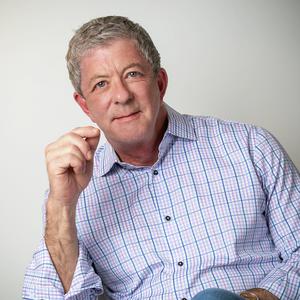
Speaker 1: Brian Thomas here, talking with a congressman, former congressman. I always like to say congressman still. Brad Winstrup. He's still a doctor. He's a citizen, and he's in studio. It's 7-0-6. F85 Care CD Talk Station. It's great to see you, my friend. Good to see you, too, Brian. And you're not retired. You haven't faded away. Oh, I have not.
00:00:24
Speaker 2: As a matter of fact, I'm finding myself getting extremely busy, and in a good way.
00:00:29
Speaker 1: I'm doing.
00:00:30
Speaker 2: A lot of consulting, and mostly it's in national security issues, supply chain issues, and health issues.
00:00:38
Speaker 1: Health. And we do want to talk about that. I want to talk about that right out of the gate.
00:00:42
Speaker 2: And I'm sitting on the President's Intelligence Advisory Board, and cat's out of the bag because CNN reported it, and I'm not sure how they know.
00:00:53
Speaker 1: But I had been.
00:00:54
Speaker 2: Offered to be FDA director, but I felt like I was able to do a lot more and more broadspin. I didn't want to be pigeonholed. And not only that, the reason I left Congress is to be home, to be a father to my children and a husband to my wife.
00:01:09
Speaker 1: You might find yourself a little bit busier than you were as a congressman being the director of the FDA.
00:01:15
Speaker 2: Probably so, but they're also reaching out to me for a variety of things to be engaged on the rural health issues. And national security issues involving health and pharmaceuticals, et cetera. So I'm happy with that. You know, it's all stuff that's in my lane. You say former congressman, retired colonel. and still a licensed physician.
00:01:40
Speaker 1: Yeah, I got to give you credit. You need to maintain your license. Which was interesting.
00:01:43
Speaker 2: I'm going to be doing admissions interviews for Xavier's new med school starting next week. Okay. Yeah, so that's going to be an exciting thing. So I'm pretty content with the things that I'm able to do and still be able to, coach basketball and baseball for my kids. Yeah.
00:02:00
Speaker 1: And they're still young, but they're back in school and you've got lots to do in your role with the Americans for Health Excellence. Let's talk about that a little bit. Yeah.
00:02:07
Speaker 2: So that's something that came along in the past year. And I was asked to be director of that. And it's really a patient-centered group. And really what we're focusing on is health policies that benefit patients. And that includes affordability, accessibility, quality of healthcare. And, you know, we're paying attention to the value of the healthy human life. You know, this is something that I always fought in DC sitting on ways and means committee. It's like, when are you going to give any value to that? And let me give you an example. And I probably use this on, on this show before is, you know, we get a cure for hepatitis C, uh, which is pretty debilitating for a lot of people. And the immediate response in DC is what's that going to cost? Well, what does a liver transplant cost? Because that's your only other cure. And so the return on investment is huge because now you have healthy people that can go to work and that can contribute to society and be part of the American dream and not be hospitalized and go through all these things as a result of that. And the benefit is great. And as I said on Ways and Means Committee more than once, and when you have that healthy human being and they're out there working and paying taxes and That's more money you can get your grubby little hands on. Well, and isn't that the problem with the medicine, generally speaking? You as a doctor and we as the patients, it's a reactive thing.
00:03:38
Speaker 1: We go throughout our life and eat crappy food and don't take care of ourselves, don't exercise. And listen, I can look in the mirror and say the same thing about myself a lot. And I've tried to correct my ways, but I'm 60 now, and it's only in the last couple of years that I've endeavored to get rid of the additives and preservatives and sugars and all the stuff that we found out is so unbelievably, horrifically bad for us. And you look back at the food pyramid, JFK Jr. did brilliance in changing that for decades and decades. We were stuffing ourselves with carbs because they told us that we should. So we allowed ourselves to get sick. And then once you're sick, you got all these pharmaceuticals and all these reactive things to do that are so damn costly. If we can get ahead of it and send people... Right. Send people down a healthy path, working with our physicians who no longer are trying to peddle a pharmaceutical, but trying to get us on the road to avoiding those things. A little bit of money up front can eradicate thousands, millions of billions of dollars in care down the road when you're sick.
00:04:39
Speaker 3: Yeah.
00:04:39
Speaker 2: And that's why we advocate for, you know, what what more can we do for prevention and what more can we do for early diagnosis and treatment and those types of things? And we're focused on pocketbook solutions, too, because that's a big driver. And there's so much that we have learned through polls, et cetera, what's popular. And I say this because we're going into election season, right? True. And so what are some of the things that are out there that we have tried to get through? And I'll give you an example. Marionette Miller-Meeks of Iowa, Dr. Marionette Miller-Meeks. She's a congresswoman from Iowa. She has the Prices on the Wall Act, right?
00:05:23
Speaker 1: Post your prices.
00:05:24
Speaker 2: Yeah.
00:05:24
Speaker 1: Okay?
00:05:25
Speaker 2: So this is for hospitals, surgery centers, imaging centers, labs. Now, some of them do that.
00:05:30
Speaker 1: LabCorp. Yeah. I mean, some of them. Who's the imaging department? ProScan. ProScan. That's the one I was thinking of. They're very good about that. Ask them. Call them up. How much is an MRI? They'll tell you. Yeah. Do that with a hospital.
00:05:41
Speaker 2: And they'll also say, if you run it through your insurance, here's what it's going to cost. It'll probably cost you more.
00:05:45
Speaker 1: All right?
00:05:47
Speaker 2: So anyway, that's one of the things that she has out there. And she's gotten this through committee. But the interesting thing is every Democrat voted against that.
00:05:55
Speaker 3: Why?
00:05:56
Speaker 1: Good question. They don't ever articulate the reason why they're against something like that, which is the benefit for all American consumers of health care. They can't explain it. They can't explain it. But because it's a Republican idea, I guess.
00:06:10
Speaker 2: But, you know, you look at things, too. We like what Trump Rx has done. And when you have an entity such as that, they can tell you, hey, you can get your prescription for a lot less.
00:06:22
Speaker 1: But Dr.
00:06:22
Speaker 2: Greg Murphy in Congress, one of my close friends, he has a bill that says if you pay cash, that that should be able to be applied to your deductible.
00:06:34
Speaker 1: Of course.
00:06:35
Speaker 2: Because you're doing it outside of the system where they might own the pharmacy and everything else, you're getting it for less, yet should be able to go toward your deductible.
00:06:45
Speaker 1: And Why is it not going toward your deductible?
00:06:50
Speaker 2: Because you didn't run it through your insurance. You got it outside of that, but you got it for less than what your insurance would cost you.
00:06:56
Speaker 1: Right, which benefits the insurance company. You got it for less than your copay. And there's things too.
00:07:00
Speaker 2: Manufacturers offer copay capability, give you a credit card for your copay for certain drugs, especially if.
00:07:09
Speaker 1: You are in need.
00:07:11
Speaker 2: And that's... apparently not allowed right now. So we want to make those types of things allowed. It's all for the benefit of patients so that they're able to actually get what they need to be healthy and to be maybe even with a chronic disease, have a better quality of life. So we did these polls and these things are popular amongst Republicans, Democrats, and Independents, but it's only Republicans that are acting on them. And so, you know, we're advising and I've been out talking to candidates and saying, you need to run on this. These are popular with all people because everyone has experienced the thing. And I will tell you what was very interesting. The number one concern in health care across the board was the cost of their insurance. And you're paying a lot for that insurance. But then what are you getting? Delays, denials of care, all of those things.
00:08:02
Speaker 1: It's a problem.
00:08:03
Speaker 2: And people are recognizing it. And it's good because actions are starting to be taken. And it's good to see that the American public, maybe not some politicians, But the American public is realizing the insurance companies are a big part of the problem that we have in our health care system.
00:08:19
Speaker 1: Today and the government. I think that's the biggest problem. Yeah. And so it's it's becoming apparent.
00:08:26
Speaker 2: And I think there's some good news, you know, around the corner with the public realizing this. I mean, you see Democrats right now they're running on Medicare for all and complaining that Republicans didn't subsidize the insurance companies for the Affordable Care Act. which clearly is an unaffordable care act or you wouldn't need the subsidies. It doesn't make any sense, but people, I hope, are understanding this.
00:08:52
Speaker 1: I thought we were keeping our doctor and it was going to be $ 2, 500 less under Obamacare. Yeah, exactly. Exactly.
00:08:58
Speaker 2: So none of that proved to be true. It's proven to be the unaffordable health care plan.
00:09:03
Speaker 1: $ 12, 000 out-of-pocket liability before the insurance kicks in. $ 24, 000 under Obamacare for a family before the insurance works. How's that working out for the American public?
00:09:18
Speaker 2: Put the decisions into the hands of the patient and their doctor on what they need and also how they spend their money and where the dollars are going. That makes a whole lot more sense.
00:09:29
Speaker 1: And more on this topic, most notably your reference to the national security realities of our American health. We've got lots to go over with. Citizen... Dr. Brad Wenstrup. Don't go away. Be right back. 55KRCD Station. 719, coming up at 720, 55KRCD Talk Station. Our power with private citizen Dr. Brad Wenstrup. He proudly served his country in America's military, served in Congress, and he's still serving his country on the Americans for Health Excellence panel. and other areas of government where he's helping to direct health policy. Former Congressman, you had commented to me and then briefly referenced it on the air in the first segment about health being a national security problem for us. And I immediately thought of and mentioned out loud, he doesn't bring it up now, as a component of that. where I read only one in 10 military-aged young people can actually qualify to serve in American military, either because of drug use, obesity, physical limitations. So 10%, but of which only 1% or 2% even serves. So the pull from which we could even draw is extraordinarily limited because young people aren't healthy.
00:10:47
Speaker 2: Yeah, I just did an event in D.C. where I moderated the event, and it was with Cincinnati Children's. And we were talking about pediatric health, obviously, and we can get into what we're doing with SNAP and a variety of things. It's so multifaceted. But one of the people there was General McChrystal. And he was talking about what I've been talking about for several years with our military. You know, I'm a retired soldier in our military, unable to recruit because of the numbers you just referenced. And people aren't healthy enough to actually put on the uniform. And, you know, it's the importance of us being able to maintain the health of the troops that we do have, but also to have a youth that is capable of serving.
00:11:37
Speaker 1: And the obesity is a problem. Capability is one critical component. Desire to serve is the other one. And we need a boost of patriotism in this country. We could probably go on for days about the school systems. But go back to the point.
00:11:49
Speaker 2: I'm sorry.
00:11:50
Speaker 1: Yeah, no, that's quite right.
00:11:51
Speaker 2: But what I also looked at is in serving Congress, I'm looking at these numbers that show that we were losing over 100,000 a year. to overdoses between 18 and 45 years old. That's the military age, right? 18 to 45 is the military age, and we're losing them over 100,000 years.
00:12:15
Speaker 1: Now, those numbers are going down. Why?
00:12:17
Speaker 2: Because we stopped the flow of fentanyl, and we've stopped the flow. And not only that, we stopped the flow of diseases coming into our country. with some of this.
00:12:29
Speaker 1: Where do the measles come from then, former Congressman Brad? I'll just call you Brad. That'd make it easier. But we went for years and years and years. No one ever had measles. And I'll go ahead and give vaccines perhaps credit for that. But when you're living in a country that no longer was exposed to measles, you might be able to go down the road of, well, do I really even need a measles vaccine? Well, enter 10 to 20 million people from abroad who did not have a vaccine for it and probably brought in measles with them.
00:12:53
Speaker 2: Yeah, as a doctor's caucus, we went down to the border. I went there several times for a variety of reasons, as you might understand, with the roles that I had in Congress. But we took a troop specifically as the doctor's caucus. And this was a real problem. And, you know, you have to screen people for all of these things. I mean, I can remember someone coming to me and saying, you know, it's terrible. They have these patients sitting, or patients, they have these people coming in and they're sleeping on mats. I said, well, first of all, that's the best thing that they've had in months because they've been driven through Mexico via the cartels who they're paying. And don't forget the abuses of the cartels. But nonetheless, they're sleeping on mats because we can clean those. And people are coming in with scabies and lice and tuberculosis and bedbugs. I mean, there's all of these things. But the good news is, and such a timely article today in the Wall Street Journal. Yeah.
00:13:53
Speaker 1: That I wanted to come in here and talk to you about all this. You're living longer, Americans. I haven't had that one printed from when I was preparing for the program today. Awesome. Great minds think alike. Capitalism and pharma are delivering cures that increase life expectancy. American ingenuity in the pharmaceutical and medical field.
00:14:10
Speaker 2: And we want to be the leaders in that. We want the United States to be the leaders in that. We are saving lives. We are leading the world. Cancer's You know, lifespan. I call it healthspan. It's not just your lifespan. It's you can live healthier.
00:14:25
Speaker 1: Quality of life. Exactly.
00:14:27
Speaker 2: And these are the things that we're able to do through capitalism. That doesn't happen in the other systems.
00:14:34
Speaker 1: No, they wait around for us to develop the cures and the treatments, and then they glom on and get them for less than we pay. How's that working out?
00:14:42
Speaker 2: Yeah, and so that's something that the Trump administration has been doing. So Jody Arrington on Ways and Means Committee, friend of mine, he has a bill called USTRX, and it allows for a negotiator to go into these other countries and say, you're not going to get them for less than Americans have to pay. Because what we're trying to do, and it's starting to happen, is Americans can pay less when the others pay more. You know, the cost to develop these drugs doesn't go away. And I know there's always that fine line between You know, developing a drug, the cost that goes into research and development, and then the profits that come with that. And that is something we always need to keep an eye on. And I get that component of things. But you can't be out there just criticizing everybody who ever develops a drug that's successful.
00:15:31
Speaker 1: I understand. Listen, man, I'm probably still alive because of the pharmaceutical companies. You know, there is no question about it that they do some wonderful things for society. It's just maybe we've got a business model problem. There needs to be some balance in there, perhaps. I don't know. We have a lot more to go over with Brad. Former Congressman, private citizen, Brad Wenster. We'll continue for the rest of this hour. Don't go away. I've always thought RFK Jr. is kind of a weird guy, but I love what he is doing in terms of raising awareness about health. And I talked about this the other day. It was reported. You mentioned you got another Wall Street Journal article you want to mention and dovetailing nicely with the you're living longer Americans point you just made in the last segment. But the idea that we become aware now that the harm that sugar does, processed corn syrup, refined sugar, it's in literally everything. This SNAP benefit restriction, They allowed states to finally give them an option to limit crappy food from available SNAP qualifications. And, you know, it's nutrition assistance. A Coca-Cola or a Mountain Dew is not nutritious. It has nothing by way of nutritional value. And that it was ever available to buy under the SNAP program is mind-boggling to me. But the states that were taking off these sodas and the sugary products... saw a precipitous drop in the amount of consumed sodas and sugary beverages. And bad food. Welcome to a government program actually doing something good for the recipients of the benefits. Which it was intended to do.
00:17:15
Speaker 2: I will tell you some of the responses I would get from the other side of the aisle over the years when talking about this issue, which I'm grateful that this secretary is doing something about it. They would say, well, rich people get to buy bad food. I said, yeah, and rich people are paying for their own health care. If they want to do that, they're going to pay the piper.
00:17:37
Speaker 1: Exactly. It's like any other service from government.
00:17:40
Speaker 2: As Kennedy said, I moderated an event with him in Cleveland. HHS called and said, can you get up to Cleveland and do this? And it was he and I one-on-one and then questions from the audience. But he said, look, and this is basically true. He goes, we are paying– To make our people sick.
00:18:01
Speaker 1: Right.
00:18:01
Speaker 2: And he pointed out that in 1962, when was his uncle elected president?
00:18:09
Speaker 1: 60? 60.
00:18:10
Speaker 2: 60. He said, when my uncle was elected president of the United States, we were the healthiest nation in the world. He said, now we're the sickest. And why should that be? You know, we've done it to ourselves in so many ways. And I will say this, our doctor's caucus... You know, before he came out and said, make America healthy again, we were saying, these are the things we want to implement to be the healthiest nation on the planet.
00:18:39
Speaker 1: Go back to being the healthiest nation on the planet. We had it once.
00:18:43
Speaker 2: And I was calling it the healthiest nation on earth. And, and my wife said, why don't you use the word planet? Because the left really likes the word planet and maybe they'll pay attention.
00:18:52
Speaker 1: To what you're saying. Yeah, exactly.
00:18:53
Speaker 2: You know, so, um, He is doing a lot of things that just really needed to be done. They're common sense things. And, you know, look, we're allowed to make mistakes. We're allowed to make mistakes. We're a country that gets to mend our flaws. Let's do that. It's obvious what the problem is. So let's do that. And it's obvious why it needs to be done in so many ways. So, you know, we segue into that other article. Now you have people dying for Medicare for all.
00:19:24
Speaker 1: Why?
00:19:25
Speaker 2: Why? You know, basically, if we have Medicare for all, it's like we have Medicaid.
00:19:31
Speaker 1: Absolutely.
00:19:31
Speaker 2: And Medicaid has the highest mortality and morbidity and the least access to care. And I like what this article says, what has taken place within Medicaid and Medicare when it comes safe to treating your cancer. It says, across five categories. Medicaid beneficiaries were between 11% and 42% more likely than private and insured patients to wait more than a month for treatment. Cancer treatment can't wait. This is what happens. It's a frustration for doctors, frustration for patients.
00:20:06
Speaker 1: You know what? I was quickly going to say rationing. care, but it's actually rationing life, isn't it? Yeah, there's a savings to people dying. And again, Maureen, good morning. I know you're listening. She believes a driver of a whole lot of these nefarious actions is population control. She brings it up all the time. And I'm not going to say there's a direct line from Medicare for all or Medicaid, which would be the reality of it, to that. But the practical reality is more people will die because of the rationing of care. I mean, isn't that true? Whether that's the design, it is a fact. It shouldn't be.
00:20:44
Speaker 2: You're talking maybe with the elderly that are on Social Security, but at the same time, it's going to take American youth and people producing more than 1.5 children per couple.
00:20:57
Speaker 1: To pay into Social Security. So you've got that, too.
00:21:01
Speaker 3: Right.
00:21:01
Speaker 1: No, they're just going to reduce the benefits people get under Social Security by 25 percent or so. And that's looming within the next five years, if I recall correctly. Do you think there'll be a solution out of Congress to nip that in the bud and write the Social Security ship? Or are we destined to have a significant cut in benefits going out to the seniors?
00:21:19
Speaker 2: It'll probably happen at the last minute. I mean, the former well, the ranking member for Social Security on Ways and Means Committee said, one time, you know, he was ranting about, we got to fix it, we got to fix it. And I said to him, well, you were in charge when you had the House, Senate, and the White House. You were in charge of Social Security. And I said, why didn't you do that then? And he said, well, we were too focused on the Affordable Care Act. Well, thank you very much for that disaster, too. I mean, politics is a crazy business. But look, we're talking about some of the positive things that are taking place here. And that's a good thing. And we need to make the American people understand who is driving that. And going into the election, I can tell you it's Republicans that are driving these changes that are good for America, good for the next generation, which to me was always important. What effect are we having on the next generation? And it better be positive. And it's something that they might say thank you for.
00:22:18
Speaker 1: Got a couple more segments with Brad Winstrup in the studio. Don't go away. Got lots to talk about. 55KRC, the talk station. No required... 40 here, 55KRC, the talk station. Very happy Friday to you. Brad Thomas with Brad Wenstrup in the studio. Dwelling on health and how important it is. Good morning, John Grywe. John said hello. Fellow fraternity brother. Brad and I separated by quite a few years. We didn't attend school at the exact same time, but both belong to the same fraternity. I would say I have the greatest listening audience in radio, and of course, John is an illustration of that right there. Smart man and a good man he is, and You wanted to pivot over to a great contrast. Healthcare during COVID as contrasted with appropriate healthcare and what we should have. So we got all these lords and masters, these distant so-called learned folks telling us what we need to do and screaming at everybody for violating the science or ignoring the science, depriving practitioners of their diagnostic abilities, their ability to direct the health care of the patient that's sitting right in front of them in the room, and applying this one-size-fits-all crap to everybody, which included telling pharmacies what they could fill and could not fill by way of prescriptions. Go ahead, take the ball and run with it from there, Brad.
00:23:33
Speaker 2: Yeah, you know, one of the things I said before COVID, and I said this on Ways and Means many times, is we need to hear more from the people wearing the white coats, not the ones who were writing the white papers.
00:23:44
Speaker 1: Not the people.
00:23:45
Speaker 2: I got asked at one point, like, for... a health position within our federal government. They said, what should we be looking for from that person? And we'll just take, for example, if it was CDC. And I said, well, why don't you get someone that's actually treated patients, especially one that's maybe treated infectious disease.
00:24:05
Speaker 1: Isn't that part of the job qualification?
00:24:06
Speaker 2: Yeah, and more important, someone who's actually had to stand over patients when there was nothing they could do.
00:24:13
Speaker 1: Ooh. You know, because that's somebody who's going to get it. Right.
00:24:17
Speaker 2: Someone who's had that feeling and have that person be someone who knew how to talk to that family or knew how to talk to the American public. That is what we need in our public health system today is people that can that can do that. And, you know, what I said during COVID over and over again was we need to be hearing from the doctors treating COVID patients, not not the politicians and not the person in the lab. but someone who's actually there. Imagine the difference, someone coming out, pulling down the mask to a bank of microphones saying, here's what I saw today. Here's who's dying. Here's who's not. Here's what's working. Here's what's not. We're having some success with ivermectin. Instead, we had someone who's not treating patients saying, you can't use that.
00:25:04
Speaker 1: Don't use it. And instructing pharmacies they couldn't fill the damn prescription. Yeah. That, That was a bridge too blank and far for me. But here's another thing.
00:25:12
Speaker 2: We need to make sure, and it's part of the recommendations that we have after I chaired the Pandemic Committee, we need to be able to get accurate data to providers and let the doctor-patient relationship flourish. And I've spoken at med school graduations and white coat ceremonies, and I've related something that I find to be very true, found in my practice always. There's nothing that can replace... The pat on the back or the holding of someone's hand and looking them in the eye and saying, I'm going to do everything I can to help you.
00:25:47
Speaker 1: AI can't do that. AI can be helpful.
00:25:51
Speaker 2: AI can't do that. So, you know, this is not just a transaction at a drugstore counter. This is a human-to-human transaction that it's important that it's carried out properly. And those are some of the things that we have to keep stressing in health care. This is between you and your doctor. You said it's not a blanket thing. I'm all in favor of CDC making recommendations based on the sciences. They know it and things like that. But what it comes down to with what patients get is the doctor and the patient discussing what we know, what we don't know.
00:26:31
Speaker 1: You're healthy.
00:26:32
Speaker 2: Like, for example, our pediatrician said to my kids, They're healthy kids. And you know, there's a good chance they probably had COVID. I'm not going to check.
00:26:40
Speaker 1: Them for antibodies, but they probably had COVID.
00:26:44
Speaker 2: I don't believe they need the COVID-19 vaccine.
00:26:47
Speaker 1: I just want to recall the other day, but a doctor lost her license because she talked about natural immunity and also did an ivermectin prescription, but was a little dishonest with the pharmacy about the reason for it. It was an on-label prescription. In other words, it was for parasites or whatever the drug was invented for but truly the doctor wanted to give it to her patient because of covid yeah she had her license suspended without even a hearing and it did the courts just well found that her due process rights were violated but i was reading it and remembering the insanity we were going through back then like the pharmacies not being able to fill prescriptions doctors being told they couldn't have one-on-one consultations with their payments about alternative uh theories people being told they must take a vaccine that had emergency use authorization swirling around it and Ignoring natural immunity as an equal protection from COVID. In fact, natural immunity prevents you from getting it. This shot.
00:27:42
Speaker 2: And that's why convalescent plasma was an important part early on. You had patients that got COVID and they didn't die. They got through it. Now they have the antibodies. You still have to match blood type and things like that, but you could take that. You donate your plasma. And then you give that to another patient that has COVID, and they were recovering. The Cincinnati Enquirer even did a piece on somebody who got convalescent plasma in Cincinnati. He said, I was better the next day. I was in ICU, but I got better the next day. And we pushed that aside, too, because it was all pushing of vaccines.
00:28:18
Speaker 1: And threatening to fire him from his job if he didn't get a vaccine, in spite of the fact that that particular treatment worked. And he had the natural antibodies, like I have. I went through bad COVID and, you know, they tested me about a year or so later and my body was filled with antibodies.
00:28:33
Speaker 2: I was told that I needed a booster to go to Germany for security conference. And I said, well, let's check my antibodies and T cells, but they couldn't do T cells.
00:28:44
Speaker 1: Okay.
00:28:45
Speaker 2: So I had been vaccinated and I got COVID and I only knew that because I couldn't smell garlic salt. And I got my labs back. Strong number was 40. My number was 821.
00:28:56
Speaker 1: There you have it. Don't go away. One more with Brad Winstrip. I hope you can stick around. It's 746 right now, 55KRC, the talk station. 55KRC. I'm not great with facial. 750, 55KRC, the talk station. Before we get back to Brad Winstrip, we're going to get ourselves a Crime Stopper Bad Guy of the Week. Welcome back to the 55KRC Morning Show. Tiffany Green, Officer Green with Cincinnati Police Department, doing great work for the citizens of the city of Cincinnati. And time for us to help with getting this bad guy Tiffany Green, welcome back. Who are we looking for today?
00:29:29
Speaker 3: Thank you, Brian. Good morning. Cincinnati Police District 2 is looking for Jeremy Baer.
00:29:35
Speaker 1: Mr.
00:29:35
Speaker 3: Baer is wanted for felony strangulation and misdemeanor domestic violence. On August 22nd of 2026, during a domestic dispute, Baer forcibly put his hands against the victim's face and throat, making it difficult for the victim to breathe. Jeremy Baer is a white male. He's 50 years old. He's 6 foot and 165 pounds. Jeremy Baer has an arrest history of drug offenses and was last known to live on Gilbert Avenue in Walney Hills. If anyone has information on where police can find Jeremy Baer, please call Crime Stoppers at 513-352-3040 or submit a tip online at crime-stoppers.us.
00:30:18
Speaker 1: You'll be eligible for a cash reward if your tip leaves you in arrest. His picture is right there on my blog page, 55karacy. com, so you can keep your eyes peeled for him. And let's hope my listening audience can find this guy and make Cincinnati a safer place. Officer Green, thank you for what you do and the Cincinnati Police Department does each and every day. We've all here on the morning show got your back. 751, Brad. China RX, your Bible for the past how many years? You mentioned that off air. It's a book you have relied on, and it's a real eye-opener, I understand.
00:30:47
Speaker 2: Well, it is, and it's a shame it hasn't gotten more attention. I mean, I first became familiar with it when I was still in uniform. And I was working with the Defense Logistics Medical Supply Chain Council where we're looking at where we're vulnerable as far as having the medicines that we need.
00:31:04
Speaker 1: You know, it's interesting. Something else we revealed from COVID, we found out the Chinese are the ones that make all of our pharmaceuticals.
00:31:11
Speaker 2: Yeah.
00:31:11
Speaker 1: Including the ones for military.
00:31:12
Speaker 2: I mean, some of us realized it before, but COVID really brought it to our attention because we couldn't. We couldn't get personal protective equipment.
00:31:19
Speaker 1: That we don't control. That we didn't need. Well, masks we didn't need, right? Yeah. But other things that we do need.
00:31:27
Speaker 2: And it also brought forward that, you know, we clearly have a pharmaceutical problem.
00:31:34
Speaker 1: So this was there already.
00:31:35
Speaker 2: I mean, in my practice, I noticed, you know, as time was going by and say in the last 10 to 12 years or, well, probably longer than that, what do you mean I can't get this antibiotic? What do you mean I can't get this? The problem we had today is we let this get out of our control. And think about this for the military. For the military, we debated several years ago that the running shoes that we dispense to new recruits when they join the military has to be 100% domestic. Well, I'm all in favor of that.
00:32:04
Speaker 1: That's fine.
00:32:06
Speaker 2: But what about the drugs we use on the battlefield? Why aren't they 100% domestic, which obviously is a national security risk if we don't control that? And what has happened over the years is China controls that. They control the active pharmaceutical ingredients. So even if something's coming from India, likely the basic ingredients came from China. Now, it's something that I am working on on the side now that I'm in the private sector is getting more of these things created domestically. But this is a national security risk. But I want to hit home with some of this, too. The FDA is not over in China the way they are here. to make sure that the quality persists.
00:32:47
Speaker 1: We had a problem with heparin years ago. Remember that? Yes, exactly. Outdoor vats of pig blood, which is what's used to make heparin, unsanitary conditions.
00:32:55
Speaker 2: So it became tainted. 250 Americans died from that, Brian. Now think about heparin is this classic example of what China has been doing. China bought Smith meal foods. What is that? That is pork.
00:33:09
Speaker 1: Yeah. Okay.
00:33:10
Speaker 2: That is what's in your sausage. Across the country, McDonald's, wherever you're getting it, they are a big supplier of all of those things. The other component of that is you need, I forget how many hogs you actually need to garner what's needed to create heparin. So they're the ones creating the heparin, which is a life-saving drug as it prevents clots, right? Right. Now you have 250 Americans dying because it came from China and the quality was bad. And it's all controlled by China. From nature to the product to the consumer. And the opportunity for sabotage across all of our generic drugs is huge.
00:33:56
Speaker 1: And since she's listening this morning and really wanted you and I to talk about the COVID-19 vaccine causing clots. So let's put this all together. Maureen, for your benefit, you get the COVID-19 vaccine, which she's convinced causes clots, which will kill you. So in order to prevent those clots, you get the heparin that was made outside in China, which will kill you, and you can't get it. Or is sabotaged.
00:34:19
Speaker 2: The circle of life. All these things are in play. They're not stupid. They've been doing these things for years to get control. What we see in the pharmaceutical industry today is they have been very good at making drugs. They now are reaching out to small innovators in particular. In other words, small innovators of new drugs, new cures, and things like that, and saying, we can do your research for less. And so when you don't have much money, and you're a startup, and you're going, let's go to China. I work with a bioscience company, and I have an email under their name. I started getting things from Wuji App. Oh, no.
00:35:03
Speaker 1: Saying, we can do your research for you. Are you doing this? Are you doing that?
00:35:06
Speaker 2: We can do your research for you for less. And people are doing it. The China Committee in Congress, led by John Molnar of Michigan, is like, no. That's what the Biosecure Act was about. With Biosecure, all we were really able to do is say, there will be no federal money going to any of these entities for any type of research, etc., and they were vetted, and they pose a risk to our national security.
00:35:33
Speaker 1: We've got to do more. More, most assuredly, and I'm glad you're on the job and minding the store for all of us, Brad Winstrup. Appreciate your willingness to spend the hour here in the studio, and don't be a stranger, man. You know you always have a welcome opportunity to talk about these important issues here on the 55Kers.
00:35:47
Speaker 2: Well, it's about caring for the American people.
00:35:49
Speaker 1: I know it is, and I know how passionate you are about that.
00:35:51
Speaker 2: You know, we want Americans to be free, to be safe, and we want the next generation to thank us for what we're doing today.
00:35:57
Speaker 1: Amen to that, brother. Good to see you, man. Congressman David Taylor, he's still a congressman. He's going to join the program after the top of the hour news. And Jack Windsor from the Ohio Press Network coming up at 8.30. I sure hope you can stick around.
Speaker 1: Brian Thomas here, talking with a congressman, former congressman. I always like to say congressman still. Brad Winstrup. He's still a doctor. He's a citizen, and he's in studio. It's 7-0-6. F85 Care CD Talk Station. It's great to see you, my friend. Good to see you, too, Brian. And you're not retired. You haven't faded away. Oh, I have not.
00:00:24
Speaker 2: As a matter of fact, I'm finding myself getting extremely busy, and in a good way.
00:00:29
Speaker 1: I'm doing.
00:00:30
Speaker 2: A lot of consulting, and mostly it's in national security issues, supply chain issues, and health issues.
00:00:38
Speaker 1: Health. And we do want to talk about that. I want to talk about that right out of the gate.
00:00:42
Speaker 2: And I'm sitting on the President's Intelligence Advisory Board, and cat's out of the bag because CNN reported it, and I'm not sure how they know.
00:00:53
Speaker 1: But I had been.
00:00:54
Speaker 2: Offered to be FDA director, but I felt like I was able to do a lot more and more broadspin. I didn't want to be pigeonholed. And not only that, the reason I left Congress is to be home, to be a father to my children and a husband to my wife.
00:01:09
Speaker 1: You might find yourself a little bit busier than you were as a congressman being the director of the FDA.
00:01:15
Speaker 2: Probably so, but they're also reaching out to me for a variety of things to be engaged on the rural health issues. And national security issues involving health and pharmaceuticals, et cetera. So I'm happy with that. You know, it's all stuff that's in my lane. You say former congressman, retired colonel. and still a licensed physician.
00:01:40
Speaker 1: Yeah, I got to give you credit. You need to maintain your license. Which was interesting.
00:01:43
Speaker 2: I'm going to be doing admissions interviews for Xavier's new med school starting next week. Okay. Yeah, so that's going to be an exciting thing. So I'm pretty content with the things that I'm able to do and still be able to, coach basketball and baseball for my kids. Yeah.
00:02:00
Speaker 1: And they're still young, but they're back in school and you've got lots to do in your role with the Americans for Health Excellence. Let's talk about that a little bit. Yeah.
00:02:07
Speaker 2: So that's something that came along in the past year. And I was asked to be director of that. And it's really a patient-centered group. And really what we're focusing on is health policies that benefit patients. And that includes affordability, accessibility, quality of healthcare. And, you know, we're paying attention to the value of the healthy human life. You know, this is something that I always fought in DC sitting on ways and means committee. It's like, when are you going to give any value to that? And let me give you an example. And I probably use this on, on this show before is, you know, we get a cure for hepatitis C, uh, which is pretty debilitating for a lot of people. And the immediate response in DC is what's that going to cost? Well, what does a liver transplant cost? Because that's your only other cure. And so the return on investment is huge because now you have healthy people that can go to work and that can contribute to society and be part of the American dream and not be hospitalized and go through all these things as a result of that. And the benefit is great. And as I said on Ways and Means Committee more than once, and when you have that healthy human being and they're out there working and paying taxes and That's more money you can get your grubby little hands on. Well, and isn't that the problem with the medicine, generally speaking? You as a doctor and we as the patients, it's a reactive thing.
00:03:38
Speaker 1: We go throughout our life and eat crappy food and don't take care of ourselves, don't exercise. And listen, I can look in the mirror and say the same thing about myself a lot. And I've tried to correct my ways, but I'm 60 now, and it's only in the last couple of years that I've endeavored to get rid of the additives and preservatives and sugars and all the stuff that we found out is so unbelievably, horrifically bad for us. And you look back at the food pyramid, JFK Jr. did brilliance in changing that for decades and decades. We were stuffing ourselves with carbs because they told us that we should. So we allowed ourselves to get sick. And then once you're sick, you got all these pharmaceuticals and all these reactive things to do that are so damn costly. If we can get ahead of it and send people... Right. Send people down a healthy path, working with our physicians who no longer are trying to peddle a pharmaceutical, but trying to get us on the road to avoiding those things. A little bit of money up front can eradicate thousands, millions of billions of dollars in care down the road when you're sick.
00:04:39
Speaker 3: Yeah.
00:04:39
Speaker 2: And that's why we advocate for, you know, what what more can we do for prevention and what more can we do for early diagnosis and treatment and those types of things? And we're focused on pocketbook solutions, too, because that's a big driver. And there's so much that we have learned through polls, et cetera, what's popular. And I say this because we're going into election season, right? True. And so what are some of the things that are out there that we have tried to get through? And I'll give you an example. Marionette Miller-Meeks of Iowa, Dr. Marionette Miller-Meeks. She's a congresswoman from Iowa. She has the Prices on the Wall Act, right?
00:05:23
Speaker 1: Post your prices.
00:05:24
Speaker 2: Yeah.
00:05:24
Speaker 1: Okay?
00:05:25
Speaker 2: So this is for hospitals, surgery centers, imaging centers, labs. Now, some of them do that.
00:05:30
Speaker 1: LabCorp. Yeah. I mean, some of them. Who's the imaging department? ProScan. ProScan. That's the one I was thinking of. They're very good about that. Ask them. Call them up. How much is an MRI? They'll tell you. Yeah. Do that with a hospital.
00:05:41
Speaker 2: And they'll also say, if you run it through your insurance, here's what it's going to cost. It'll probably cost you more.
00:05:45
Speaker 1: All right?
00:05:47
Speaker 2: So anyway, that's one of the things that she has out there. And she's gotten this through committee. But the interesting thing is every Democrat voted against that.
00:05:55
Speaker 3: Why?
00:05:56
Speaker 1: Good question. They don't ever articulate the reason why they're against something like that, which is the benefit for all American consumers of health care. They can't explain it. They can't explain it. But because it's a Republican idea, I guess.
00:06:10
Speaker 2: But, you know, you look at things, too. We like what Trump Rx has done. And when you have an entity such as that, they can tell you, hey, you can get your prescription for a lot less.
00:06:22
Speaker 1: But Dr.
00:06:22
Speaker 2: Greg Murphy in Congress, one of my close friends, he has a bill that says if you pay cash, that that should be able to be applied to your deductible.
00:06:34
Speaker 1: Of course.
00:06:35
Speaker 2: Because you're doing it outside of the system where they might own the pharmacy and everything else, you're getting it for less, yet should be able to go toward your deductible.
00:06:45
Speaker 1: And Why is it not going toward your deductible?
00:06:50
Speaker 2: Because you didn't run it through your insurance. You got it outside of that, but you got it for less than what your insurance would cost you.
00:06:56
Speaker 1: Right, which benefits the insurance company. You got it for less than your copay. And there's things too.
00:07:00
Speaker 2: Manufacturers offer copay capability, give you a credit card for your copay for certain drugs, especially if.
00:07:09
Speaker 1: You are in need.
00:07:11
Speaker 2: And that's... apparently not allowed right now. So we want to make those types of things allowed. It's all for the benefit of patients so that they're able to actually get what they need to be healthy and to be maybe even with a chronic disease, have a better quality of life. So we did these polls and these things are popular amongst Republicans, Democrats, and Independents, but it's only Republicans that are acting on them. And so, you know, we're advising and I've been out talking to candidates and saying, you need to run on this. These are popular with all people because everyone has experienced the thing. And I will tell you what was very interesting. The number one concern in health care across the board was the cost of their insurance. And you're paying a lot for that insurance. But then what are you getting? Delays, denials of care, all of those things.
00:08:02
Speaker 1: It's a problem.
00:08:03
Speaker 2: And people are recognizing it. And it's good because actions are starting to be taken. And it's good to see that the American public, maybe not some politicians, But the American public is realizing the insurance companies are a big part of the problem that we have in our health care system.
00:08:19
Speaker 1: Today and the government. I think that's the biggest problem. Yeah. And so it's it's becoming apparent.
00:08:26
Speaker 2: And I think there's some good news, you know, around the corner with the public realizing this. I mean, you see Democrats right now they're running on Medicare for all and complaining that Republicans didn't subsidize the insurance companies for the Affordable Care Act. which clearly is an unaffordable care act or you wouldn't need the subsidies. It doesn't make any sense, but people, I hope, are understanding this.
00:08:52
Speaker 1: I thought we were keeping our doctor and it was going to be $ 2, 500 less under Obamacare. Yeah, exactly. Exactly.
00:08:58
Speaker 2: So none of that proved to be true. It's proven to be the unaffordable health care plan.
00:09:03
Speaker 1: $ 12, 000 out-of-pocket liability before the insurance kicks in. $ 24, 000 under Obamacare for a family before the insurance works. How's that working out for the American public?
00:09:18
Speaker 2: Put the decisions into the hands of the patient and their doctor on what they need and also how they spend their money and where the dollars are going. That makes a whole lot more sense.
00:09:29
Speaker 1: And more on this topic, most notably your reference to the national security realities of our American health. We've got lots to go over with. Citizen... Dr. Brad Wenstrup. Don't go away. Be right back. 55KRCD Station. 719, coming up at 720, 55KRCD Talk Station. Our power with private citizen Dr. Brad Wenstrup. He proudly served his country in America's military, served in Congress, and he's still serving his country on the Americans for Health Excellence panel. and other areas of government where he's helping to direct health policy. Former Congressman, you had commented to me and then briefly referenced it on the air in the first segment about health being a national security problem for us. And I immediately thought of and mentioned out loud, he doesn't bring it up now, as a component of that. where I read only one in 10 military-aged young people can actually qualify to serve in American military, either because of drug use, obesity, physical limitations. So 10%, but of which only 1% or 2% even serves. So the pull from which we could even draw is extraordinarily limited because young people aren't healthy.
00:10:47
Speaker 2: Yeah, I just did an event in D.C. where I moderated the event, and it was with Cincinnati Children's. And we were talking about pediatric health, obviously, and we can get into what we're doing with SNAP and a variety of things. It's so multifaceted. But one of the people there was General McChrystal. And he was talking about what I've been talking about for several years with our military. You know, I'm a retired soldier in our military, unable to recruit because of the numbers you just referenced. And people aren't healthy enough to actually put on the uniform. And, you know, it's the importance of us being able to maintain the health of the troops that we do have, but also to have a youth that is capable of serving.
00:11:37
Speaker 1: And the obesity is a problem. Capability is one critical component. Desire to serve is the other one. And we need a boost of patriotism in this country. We could probably go on for days about the school systems. But go back to the point.
00:11:49
Speaker 2: I'm sorry.
00:11:50
Speaker 1: Yeah, no, that's quite right.
00:11:51
Speaker 2: But what I also looked at is in serving Congress, I'm looking at these numbers that show that we were losing over 100,000 a year. to overdoses between 18 and 45 years old. That's the military age, right? 18 to 45 is the military age, and we're losing them over 100,000 years.
00:12:15
Speaker 1: Now, those numbers are going down. Why?
00:12:17
Speaker 2: Because we stopped the flow of fentanyl, and we've stopped the flow. And not only that, we stopped the flow of diseases coming into our country. with some of this.
00:12:29
Speaker 1: Where do the measles come from then, former Congressman Brad? I'll just call you Brad. That'd make it easier. But we went for years and years and years. No one ever had measles. And I'll go ahead and give vaccines perhaps credit for that. But when you're living in a country that no longer was exposed to measles, you might be able to go down the road of, well, do I really even need a measles vaccine? Well, enter 10 to 20 million people from abroad who did not have a vaccine for it and probably brought in measles with them.
00:12:53
Speaker 2: Yeah, as a doctor's caucus, we went down to the border. I went there several times for a variety of reasons, as you might understand, with the roles that I had in Congress. But we took a troop specifically as the doctor's caucus. And this was a real problem. And, you know, you have to screen people for all of these things. I mean, I can remember someone coming to me and saying, you know, it's terrible. They have these patients sitting, or patients, they have these people coming in and they're sleeping on mats. I said, well, first of all, that's the best thing that they've had in months because they've been driven through Mexico via the cartels who they're paying. And don't forget the abuses of the cartels. But nonetheless, they're sleeping on mats because we can clean those. And people are coming in with scabies and lice and tuberculosis and bedbugs. I mean, there's all of these things. But the good news is, and such a timely article today in the Wall Street Journal. Yeah.
00:13:53
Speaker 1: That I wanted to come in here and talk to you about all this. You're living longer, Americans. I haven't had that one printed from when I was preparing for the program today. Awesome. Great minds think alike. Capitalism and pharma are delivering cures that increase life expectancy. American ingenuity in the pharmaceutical and medical field.
00:14:10
Speaker 2: And we want to be the leaders in that. We want the United States to be the leaders in that. We are saving lives. We are leading the world. Cancer's You know, lifespan. I call it healthspan. It's not just your lifespan. It's you can live healthier.
00:14:25
Speaker 1: Quality of life. Exactly.
00:14:27
Speaker 2: And these are the things that we're able to do through capitalism. That doesn't happen in the other systems.
00:14:34
Speaker 1: No, they wait around for us to develop the cures and the treatments, and then they glom on and get them for less than we pay. How's that working out?
00:14:42
Speaker 2: Yeah, and so that's something that the Trump administration has been doing. So Jody Arrington on Ways and Means Committee, friend of mine, he has a bill called USTRX, and it allows for a negotiator to go into these other countries and say, you're not going to get them for less than Americans have to pay. Because what we're trying to do, and it's starting to happen, is Americans can pay less when the others pay more. You know, the cost to develop these drugs doesn't go away. And I know there's always that fine line between You know, developing a drug, the cost that goes into research and development, and then the profits that come with that. And that is something we always need to keep an eye on. And I get that component of things. But you can't be out there just criticizing everybody who ever develops a drug that's successful.
00:15:31
Speaker 1: I understand. Listen, man, I'm probably still alive because of the pharmaceutical companies. You know, there is no question about it that they do some wonderful things for society. It's just maybe we've got a business model problem. There needs to be some balance in there, perhaps. I don't know. We have a lot more to go over with Brad. Former Congressman, private citizen, Brad Wenster. We'll continue for the rest of this hour. Don't go away. I've always thought RFK Jr. is kind of a weird guy, but I love what he is doing in terms of raising awareness about health. And I talked about this the other day. It was reported. You mentioned you got another Wall Street Journal article you want to mention and dovetailing nicely with the you're living longer Americans point you just made in the last segment. But the idea that we become aware now that the harm that sugar does, processed corn syrup, refined sugar, it's in literally everything. This SNAP benefit restriction, They allowed states to finally give them an option to limit crappy food from available SNAP qualifications. And, you know, it's nutrition assistance. A Coca-Cola or a Mountain Dew is not nutritious. It has nothing by way of nutritional value. And that it was ever available to buy under the SNAP program is mind-boggling to me. But the states that were taking off these sodas and the sugary products... saw a precipitous drop in the amount of consumed sodas and sugary beverages. And bad food. Welcome to a government program actually doing something good for the recipients of the benefits. Which it was intended to do.
00:17:15
Speaker 2: I will tell you some of the responses I would get from the other side of the aisle over the years when talking about this issue, which I'm grateful that this secretary is doing something about it. They would say, well, rich people get to buy bad food. I said, yeah, and rich people are paying for their own health care. If they want to do that, they're going to pay the piper.
00:17:37
Speaker 1: Exactly. It's like any other service from government.
00:17:40
Speaker 2: As Kennedy said, I moderated an event with him in Cleveland. HHS called and said, can you get up to Cleveland and do this? And it was he and I one-on-one and then questions from the audience. But he said, look, and this is basically true. He goes, we are paying– To make our people sick.
00:18:01
Speaker 1: Right.
00:18:01
Speaker 2: And he pointed out that in 1962, when was his uncle elected president?
00:18:09
Speaker 1: 60? 60.
00:18:10
Speaker 2: 60. He said, when my uncle was elected president of the United States, we were the healthiest nation in the world. He said, now we're the sickest. And why should that be? You know, we've done it to ourselves in so many ways. And I will say this, our doctor's caucus... You know, before he came out and said, make America healthy again, we were saying, these are the things we want to implement to be the healthiest nation on the planet.
00:18:39
Speaker 1: Go back to being the healthiest nation on the planet. We had it once.
00:18:43
Speaker 2: And I was calling it the healthiest nation on earth. And, and my wife said, why don't you use the word planet? Because the left really likes the word planet and maybe they'll pay attention.
00:18:52
Speaker 1: To what you're saying. Yeah, exactly.
00:18:53
Speaker 2: You know, so, um, He is doing a lot of things that just really needed to be done. They're common sense things. And, you know, look, we're allowed to make mistakes. We're allowed to make mistakes. We're a country that gets to mend our flaws. Let's do that. It's obvious what the problem is. So let's do that. And it's obvious why it needs to be done in so many ways. So, you know, we segue into that other article. Now you have people dying for Medicare for all.
00:19:24
Speaker 1: Why?
00:19:25
Speaker 2: Why? You know, basically, if we have Medicare for all, it's like we have Medicaid.
00:19:31
Speaker 1: Absolutely.
00:19:31
Speaker 2: And Medicaid has the highest mortality and morbidity and the least access to care. And I like what this article says, what has taken place within Medicaid and Medicare when it comes safe to treating your cancer. It says, across five categories. Medicaid beneficiaries were between 11% and 42% more likely than private and insured patients to wait more than a month for treatment. Cancer treatment can't wait. This is what happens. It's a frustration for doctors, frustration for patients.
00:20:06
Speaker 1: You know what? I was quickly going to say rationing. care, but it's actually rationing life, isn't it? Yeah, there's a savings to people dying. And again, Maureen, good morning. I know you're listening. She believes a driver of a whole lot of these nefarious actions is population control. She brings it up all the time. And I'm not going to say there's a direct line from Medicare for all or Medicaid, which would be the reality of it, to that. But the practical reality is more people will die because of the rationing of care. I mean, isn't that true? Whether that's the design, it is a fact. It shouldn't be.
00:20:44
Speaker 2: You're talking maybe with the elderly that are on Social Security, but at the same time, it's going to take American youth and people producing more than 1.5 children per couple.
00:20:57
Speaker 1: To pay into Social Security. So you've got that, too.
00:21:01
Speaker 3: Right.
00:21:01
Speaker 1: No, they're just going to reduce the benefits people get under Social Security by 25 percent or so. And that's looming within the next five years, if I recall correctly. Do you think there'll be a solution out of Congress to nip that in the bud and write the Social Security ship? Or are we destined to have a significant cut in benefits going out to the seniors?
00:21:19
Speaker 2: It'll probably happen at the last minute. I mean, the former well, the ranking member for Social Security on Ways and Means Committee said, one time, you know, he was ranting about, we got to fix it, we got to fix it. And I said to him, well, you were in charge when you had the House, Senate, and the White House. You were in charge of Social Security. And I said, why didn't you do that then? And he said, well, we were too focused on the Affordable Care Act. Well, thank you very much for that disaster, too. I mean, politics is a crazy business. But look, we're talking about some of the positive things that are taking place here. And that's a good thing. And we need to make the American people understand who is driving that. And going into the election, I can tell you it's Republicans that are driving these changes that are good for America, good for the next generation, which to me was always important. What effect are we having on the next generation? And it better be positive. And it's something that they might say thank you for.
00:22:18
Speaker 1: Got a couple more segments with Brad Winstrup in the studio. Don't go away. Got lots to talk about. 55KRC, the talk station. No required... 40 here, 55KRC, the talk station. Very happy Friday to you. Brad Thomas with Brad Wenstrup in the studio. Dwelling on health and how important it is. Good morning, John Grywe. John said hello. Fellow fraternity brother. Brad and I separated by quite a few years. We didn't attend school at the exact same time, but both belong to the same fraternity. I would say I have the greatest listening audience in radio, and of course, John is an illustration of that right there. Smart man and a good man he is, and You wanted to pivot over to a great contrast. Healthcare during COVID as contrasted with appropriate healthcare and what we should have. So we got all these lords and masters, these distant so-called learned folks telling us what we need to do and screaming at everybody for violating the science or ignoring the science, depriving practitioners of their diagnostic abilities, their ability to direct the health care of the patient that's sitting right in front of them in the room, and applying this one-size-fits-all crap to everybody, which included telling pharmacies what they could fill and could not fill by way of prescriptions. Go ahead, take the ball and run with it from there, Brad.
00:23:33
Speaker 2: Yeah, you know, one of the things I said before COVID, and I said this on Ways and Means many times, is we need to hear more from the people wearing the white coats, not the ones who were writing the white papers.
00:23:44
Speaker 1: Not the people.
00:23:45
Speaker 2: I got asked at one point, like, for... a health position within our federal government. They said, what should we be looking for from that person? And we'll just take, for example, if it was CDC. And I said, well, why don't you get someone that's actually treated patients, especially one that's maybe treated infectious disease.
00:24:05
Speaker 1: Isn't that part of the job qualification?
00:24:06
Speaker 2: Yeah, and more important, someone who's actually had to stand over patients when there was nothing they could do.
00:24:13
Speaker 1: Ooh. You know, because that's somebody who's going to get it. Right.
00:24:17
Speaker 2: Someone who's had that feeling and have that person be someone who knew how to talk to that family or knew how to talk to the American public. That is what we need in our public health system today is people that can that can do that. And, you know, what I said during COVID over and over again was we need to be hearing from the doctors treating COVID patients, not not the politicians and not the person in the lab. but someone who's actually there. Imagine the difference, someone coming out, pulling down the mask to a bank of microphones saying, here's what I saw today. Here's who's dying. Here's who's not. Here's what's working. Here's what's not. We're having some success with ivermectin. Instead, we had someone who's not treating patients saying, you can't use that.
00:25:04
Speaker 1: Don't use it. And instructing pharmacies they couldn't fill the damn prescription. Yeah. That, That was a bridge too blank and far for me. But here's another thing.
00:25:12
Speaker 2: We need to make sure, and it's part of the recommendations that we have after I chaired the Pandemic Committee, we need to be able to get accurate data to providers and let the doctor-patient relationship flourish. And I've spoken at med school graduations and white coat ceremonies, and I've related something that I find to be very true, found in my practice always. There's nothing that can replace... The pat on the back or the holding of someone's hand and looking them in the eye and saying, I'm going to do everything I can to help you.
00:25:47
Speaker 1: AI can't do that. AI can be helpful.
00:25:51
Speaker 2: AI can't do that. So, you know, this is not just a transaction at a drugstore counter. This is a human-to-human transaction that it's important that it's carried out properly. And those are some of the things that we have to keep stressing in health care. This is between you and your doctor. You said it's not a blanket thing. I'm all in favor of CDC making recommendations based on the sciences. They know it and things like that. But what it comes down to with what patients get is the doctor and the patient discussing what we know, what we don't know.
00:26:31
Speaker 1: You're healthy.
00:26:32
Speaker 2: Like, for example, our pediatrician said to my kids, They're healthy kids. And you know, there's a good chance they probably had COVID. I'm not going to check.
00:26:40
Speaker 1: Them for antibodies, but they probably had COVID.
00:26:44
Speaker 2: I don't believe they need the COVID-19 vaccine.
00:26:47
Speaker 1: I just want to recall the other day, but a doctor lost her license because she talked about natural immunity and also did an ivermectin prescription, but was a little dishonest with the pharmacy about the reason for it. It was an on-label prescription. In other words, it was for parasites or whatever the drug was invented for but truly the doctor wanted to give it to her patient because of covid yeah she had her license suspended without even a hearing and it did the courts just well found that her due process rights were violated but i was reading it and remembering the insanity we were going through back then like the pharmacies not being able to fill prescriptions doctors being told they couldn't have one-on-one consultations with their payments about alternative uh theories people being told they must take a vaccine that had emergency use authorization swirling around it and Ignoring natural immunity as an equal protection from COVID. In fact, natural immunity prevents you from getting it. This shot.
00:27:42
Speaker 2: And that's why convalescent plasma was an important part early on. You had patients that got COVID and they didn't die. They got through it. Now they have the antibodies. You still have to match blood type and things like that, but you could take that. You donate your plasma. And then you give that to another patient that has COVID, and they were recovering. The Cincinnati Enquirer even did a piece on somebody who got convalescent plasma in Cincinnati. He said, I was better the next day. I was in ICU, but I got better the next day. And we pushed that aside, too, because it was all pushing of vaccines.
00:28:18
Speaker 1: And threatening to fire him from his job if he didn't get a vaccine, in spite of the fact that that particular treatment worked. And he had the natural antibodies, like I have. I went through bad COVID and, you know, they tested me about a year or so later and my body was filled with antibodies.
00:28:33
Speaker 2: I was told that I needed a booster to go to Germany for security conference. And I said, well, let's check my antibodies and T cells, but they couldn't do T cells.
00:28:44
Speaker 1: Okay.
00:28:45
Speaker 2: So I had been vaccinated and I got COVID and I only knew that because I couldn't smell garlic salt. And I got my labs back. Strong number was 40. My number was 821.
00:28:56
Speaker 1: There you have it. Don't go away. One more with Brad Winstrip. I hope you can stick around. It's 746 right now, 55KRC, the talk station. 55KRC. I'm not great with facial. 750, 55KRC, the talk station. Before we get back to Brad Winstrip, we're going to get ourselves a Crime Stopper Bad Guy of the Week. Welcome back to the 55KRC Morning Show. Tiffany Green, Officer Green with Cincinnati Police Department, doing great work for the citizens of the city of Cincinnati. And time for us to help with getting this bad guy Tiffany Green, welcome back. Who are we looking for today?
00:29:29
Speaker 3: Thank you, Brian. Good morning. Cincinnati Police District 2 is looking for Jeremy Baer.
00:29:35
Speaker 1: Mr.
00:29:35
Speaker 3: Baer is wanted for felony strangulation and misdemeanor domestic violence. On August 22nd of 2026, during a domestic dispute, Baer forcibly put his hands against the victim's face and throat, making it difficult for the victim to breathe. Jeremy Baer is a white male. He's 50 years old. He's 6 foot and 165 pounds. Jeremy Baer has an arrest history of drug offenses and was last known to live on Gilbert Avenue in Walney Hills. If anyone has information on where police can find Jeremy Baer, please call Crime Stoppers at 513-352-3040 or submit a tip online at crime-stoppers.us.
00:30:18
Speaker 1: You'll be eligible for a cash reward if your tip leaves you in arrest. His picture is right there on my blog page, 55karacy. com, so you can keep your eyes peeled for him. And let's hope my listening audience can find this guy and make Cincinnati a safer place. Officer Green, thank you for what you do and the Cincinnati Police Department does each and every day. We've all here on the morning show got your back. 751, Brad. China RX, your Bible for the past how many years? You mentioned that off air. It's a book you have relied on, and it's a real eye-opener, I understand.
00:30:47
Speaker 2: Well, it is, and it's a shame it hasn't gotten more attention. I mean, I first became familiar with it when I was still in uniform. And I was working with the Defense Logistics Medical Supply Chain Council where we're looking at where we're vulnerable as far as having the medicines that we need.
00:31:04
Speaker 1: You know, it's interesting. Something else we revealed from COVID, we found out the Chinese are the ones that make all of our pharmaceuticals.
00:31:11
Speaker 2: Yeah.
00:31:11
Speaker 1: Including the ones for military.
00:31:12
Speaker 2: I mean, some of us realized it before, but COVID really brought it to our attention because we couldn't. We couldn't get personal protective equipment.
00:31:19
Speaker 1: That we don't control. That we didn't need. Well, masks we didn't need, right? Yeah. But other things that we do need.
00:31:27
Speaker 2: And it also brought forward that, you know, we clearly have a pharmaceutical problem.
00:31:34
Speaker 1: So this was there already.
00:31:35
Speaker 2: I mean, in my practice, I noticed, you know, as time was going by and say in the last 10 to 12 years or, well, probably longer than that, what do you mean I can't get this antibiotic? What do you mean I can't get this? The problem we had today is we let this get out of our control. And think about this for the military. For the military, we debated several years ago that the running shoes that we dispense to new recruits when they join the military has to be 100% domestic. Well, I'm all in favor of that.
00:32:04
Speaker 1: That's fine.
00:32:06
Speaker 2: But what about the drugs we use on the battlefield? Why aren't they 100% domestic, which obviously is a national security risk if we don't control that? And what has happened over the years is China controls that. They control the active pharmaceutical ingredients. So even if something's coming from India, likely the basic ingredients came from China. Now, it's something that I am working on on the side now that I'm in the private sector is getting more of these things created domestically. But this is a national security risk. But I want to hit home with some of this, too. The FDA is not over in China the way they are here. to make sure that the quality persists.
00:32:47
Speaker 1: We had a problem with heparin years ago. Remember that? Yes, exactly. Outdoor vats of pig blood, which is what's used to make heparin, unsanitary conditions.
00:32:55
Speaker 2: So it became tainted. 250 Americans died from that, Brian. Now think about heparin is this classic example of what China has been doing. China bought Smith meal foods. What is that? That is pork.
00:33:09
Speaker 1: Yeah. Okay.
00:33:10
Speaker 2: That is what's in your sausage. Across the country, McDonald's, wherever you're getting it, they are a big supplier of all of those things. The other component of that is you need, I forget how many hogs you actually need to garner what's needed to create heparin. So they're the ones creating the heparin, which is a life-saving drug as it prevents clots, right? Right. Now you have 250 Americans dying because it came from China and the quality was bad. And it's all controlled by China. From nature to the product to the consumer. And the opportunity for sabotage across all of our generic drugs is huge.
00:33:56
Speaker 1: And since she's listening this morning and really wanted you and I to talk about the COVID-19 vaccine causing clots. So let's put this all together. Maureen, for your benefit, you get the COVID-19 vaccine, which she's convinced causes clots, which will kill you. So in order to prevent those clots, you get the heparin that was made outside in China, which will kill you, and you can't get it. Or is sabotaged.
00:34:19
Speaker 2: The circle of life. All these things are in play. They're not stupid. They've been doing these things for years to get control. What we see in the pharmaceutical industry today is they have been very good at making drugs. They now are reaching out to small innovators in particular. In other words, small innovators of new drugs, new cures, and things like that, and saying, we can do your research for less. And so when you don't have much money, and you're a startup, and you're going, let's go to China. I work with a bioscience company, and I have an email under their name. I started getting things from Wuji App. Oh, no.
00:35:03
Speaker 1: Saying, we can do your research for you. Are you doing this? Are you doing that?
00:35:06
Speaker 2: We can do your research for you for less. And people are doing it. The China Committee in Congress, led by John Molnar of Michigan, is like, no. That's what the Biosecure Act was about. With Biosecure, all we were really able to do is say, there will be no federal money going to any of these entities for any type of research, etc., and they were vetted, and they pose a risk to our national security.
00:35:33
Speaker 1: We've got to do more. More, most assuredly, and I'm glad you're on the job and minding the store for all of us, Brad Winstrup. Appreciate your willingness to spend the hour here in the studio, and don't be a stranger, man. You know you always have a welcome opportunity to talk about these important issues here on the 55Kers.
00:35:47
Speaker 2: Well, it's about caring for the American people.
00:35:49
Speaker 1: I know it is, and I know how passionate you are about that.
00:35:51
Speaker 2: You know, we want Americans to be free, to be safe, and we want the next generation to thank us for what we're doing today.
00:35:57
Speaker 1: Amen to that, brother. Good to see you, man. Congressman David Taylor, he's still a congressman. He's going to join the program after the top of the hour news. And Jack Windsor from the Ohio Press Network coming up at 8.30. I sure hope you can stick around.
