

ABOUT THIS EPISODE
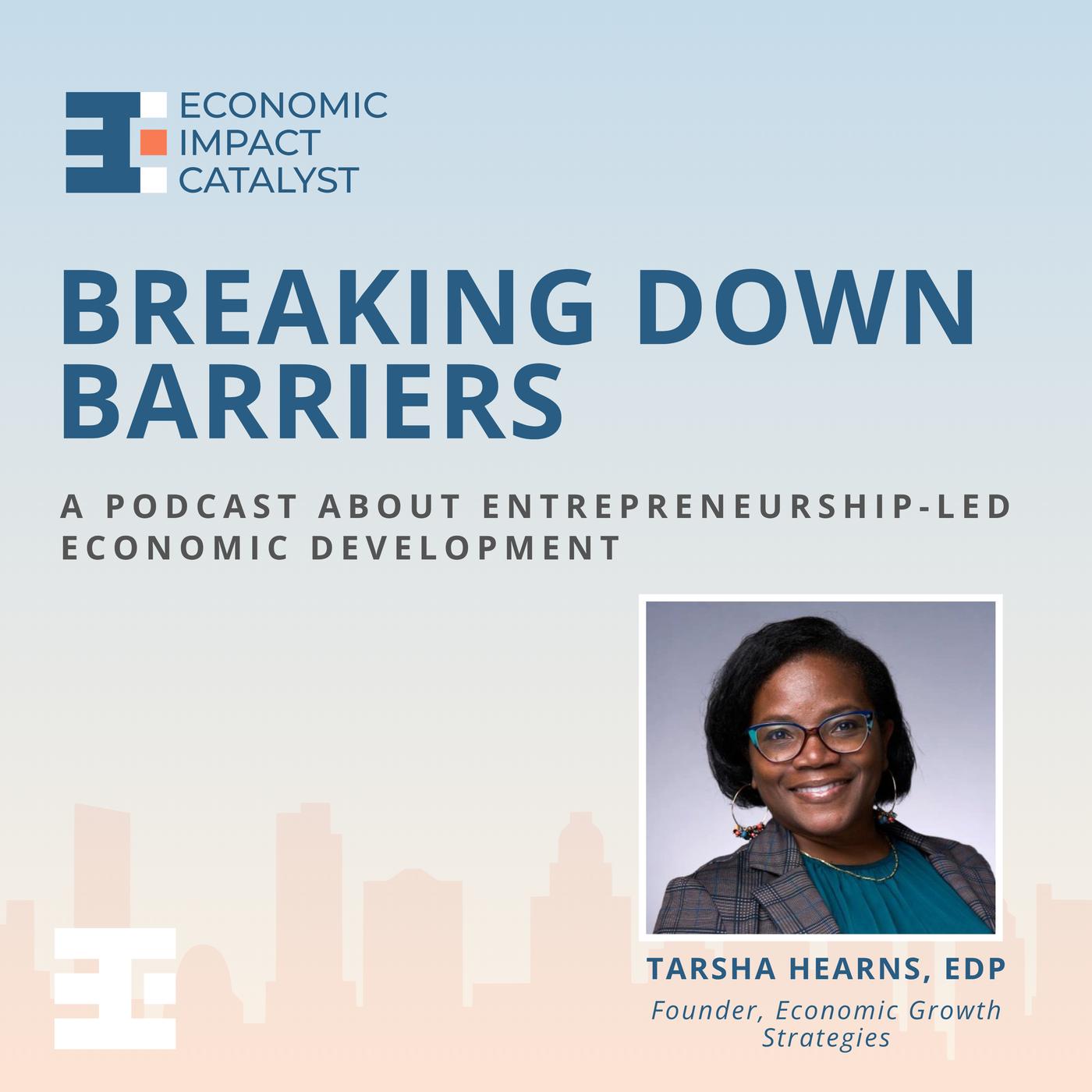
In honor of National Small Business Week and Economic Development Week 2026, David Ponraj sits down with Tarsha Hearns of Economic Growth Strategies for a candid, practical conversation about what it really means to put entrepreneurs at the center of economic development strategy.
Tarsha brings over two decades of ecosystem-building experience in the Dallas-Fort Worth area and beyond, and she doesn't hold back from calling out copy-paste program design to naming the trust problem that quietly fractures ecosystems from the inside.
In this episode, we cover:
- What entrepreneurship-led economic development actually means and how it differs from the traditional playbook of chasing big corporate relocations, including a look at programs and resources dedicated to entrepreneurship-led ED that Tarsha has tapped into
- The Dallas Collaborative for Capital Access and how a JP Morgan Chase-funded initiative brought together CDFIs, city officials, and ESOs to tackle a capital desert in South Dallas without launching yet another loan fund
- Why speed of capital matters more than amount or cost and how EIC's Catalyzer platform is implementing automated underwriting to help CDFIs say yes faster
- The "copy-paste" trap and why importing a program that worked in another city without assessing your own ecosystem is a recipe for duplication, not impact
- The trust problem nobody talks about—how broken referral loops, siloed data, and lack of follow-through erode confidence across the ecosystem, and what to do about it
- Data collection done right—practical tips for capturing client outcomes at every touchpoint, including how to build incentives into your grant structure
- Rapid-fire advice—what communities should start doing (quarterly convenings), stop doing (operating in silos), and the free C-Cube Toolkit to help get those ecosystem conversations started
Resources mentioned:
- Economic Growth Strategies Ecosystem Assessment — start here to identify gaps in your ecosystem's infrastructure, data strategy, and capital access programs
- IEDC — the leading professional organization for economic developers, with programs and resources dedicated to entrepreneurship-led economic development
- C-Cube Toolkit — a free resource for starting ecosystem coordination conversations
- California SCALE Network — statewide referral network model connecting SBDCs, CDFIs, chambers, and more
English
United States
TRANSCRIPT 🔗
Are you the producer of this podcast?
Add a podcast transcript
Need Audio-to-Text?
Transcribe with Listen411 in Just 60 Seconds
SEARCH PAST EPISODES
Search past episodes of Breaking Down Barriers.
OTHER EPISODES IN THIS PODCAST
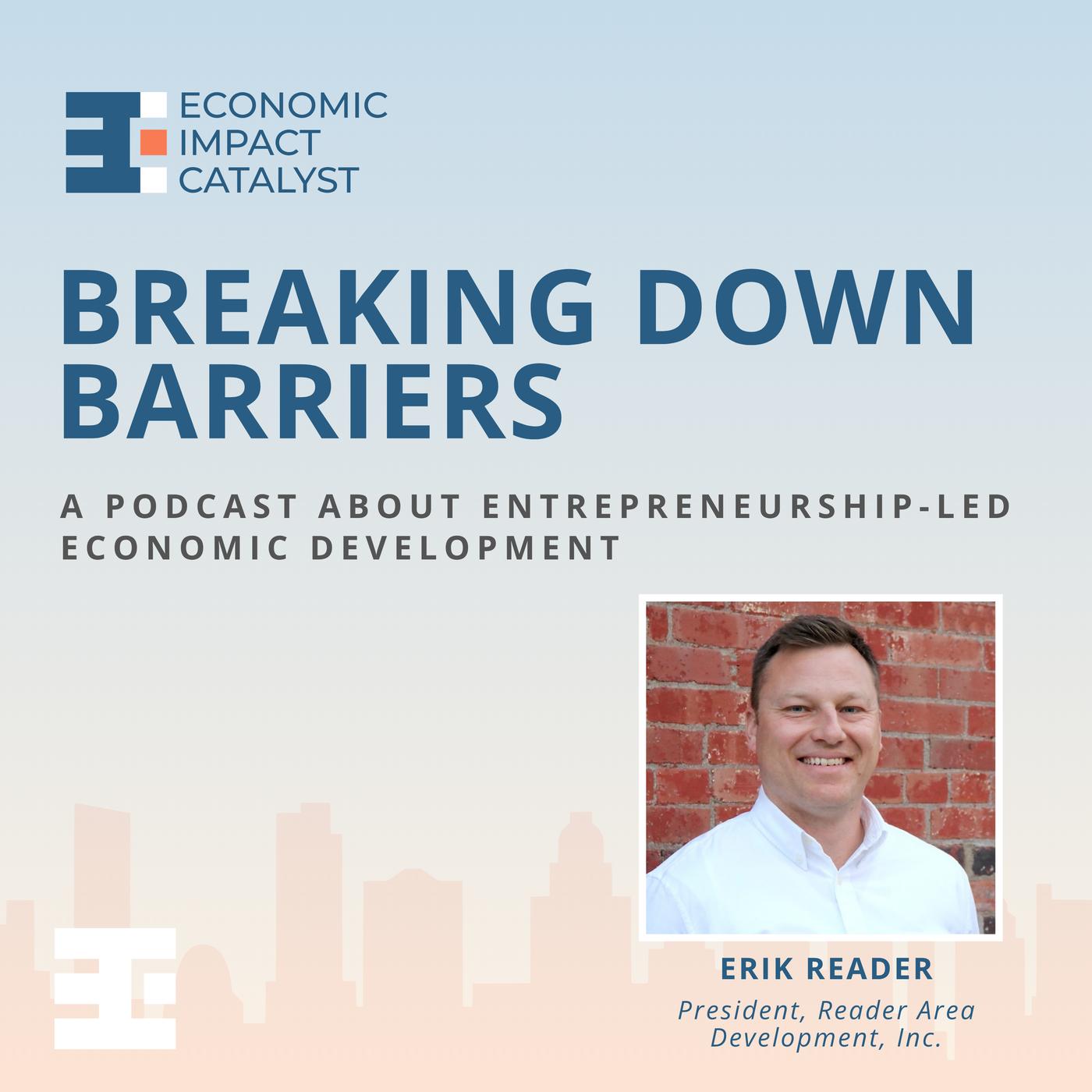
In this episode of Breaking Down Barriers, host David Ponraj sits down with Erik Reader of Reader Area Development to celebrate National Small Business Week, Economic Development Week, and the 100th anniversary of the International Economic Development Council (IEDC).
Erik brings 15+ years of on-th…
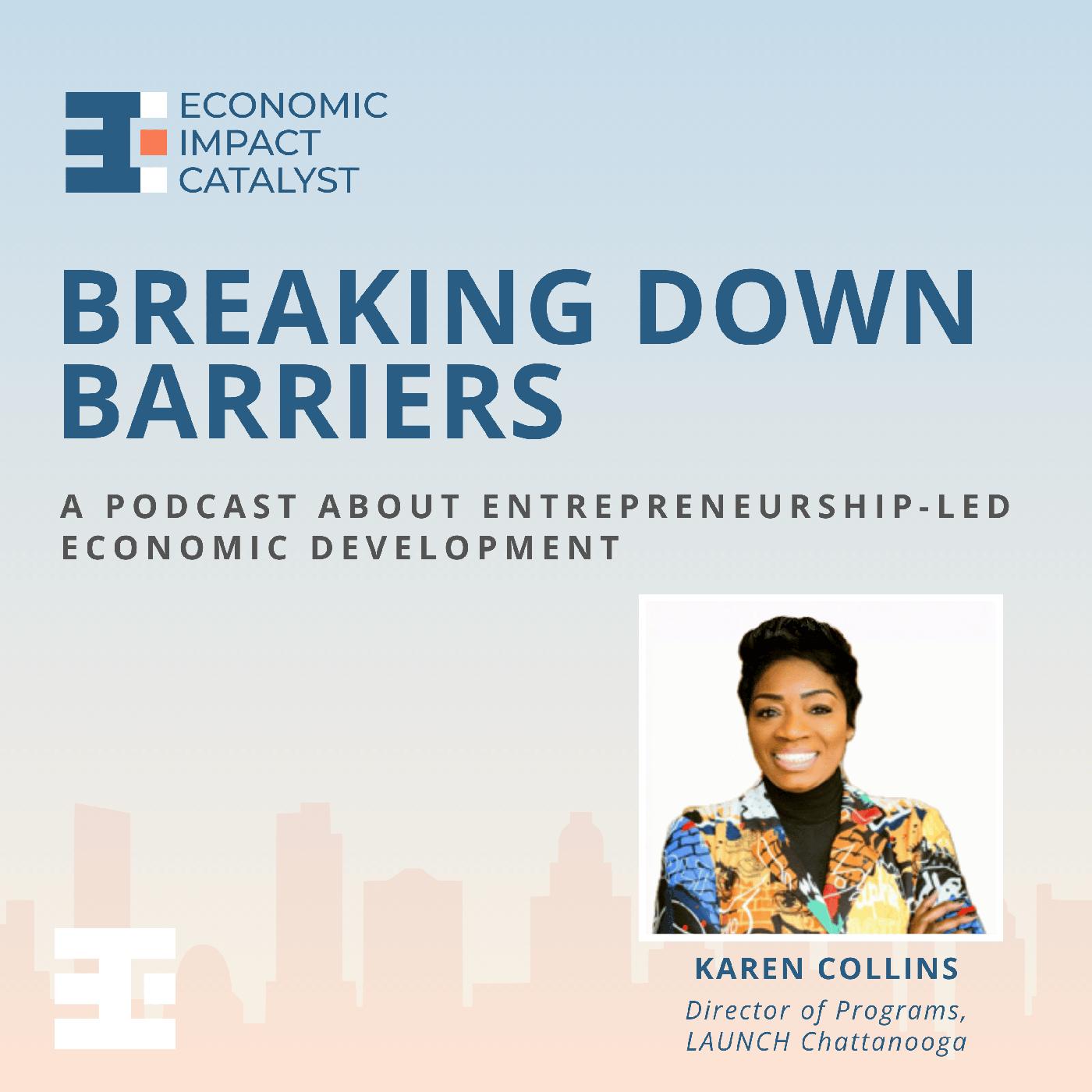
What separates a truly impactful cohort program from one that's just filling seats? In this episode, hosts Taylor Sherbine and David Oliver sit down with Karen Collins, Director of Programs at LAUNCH Chattanooga, to explore what it actually takes to build, run, and sustain cohort-based entrepreneur…
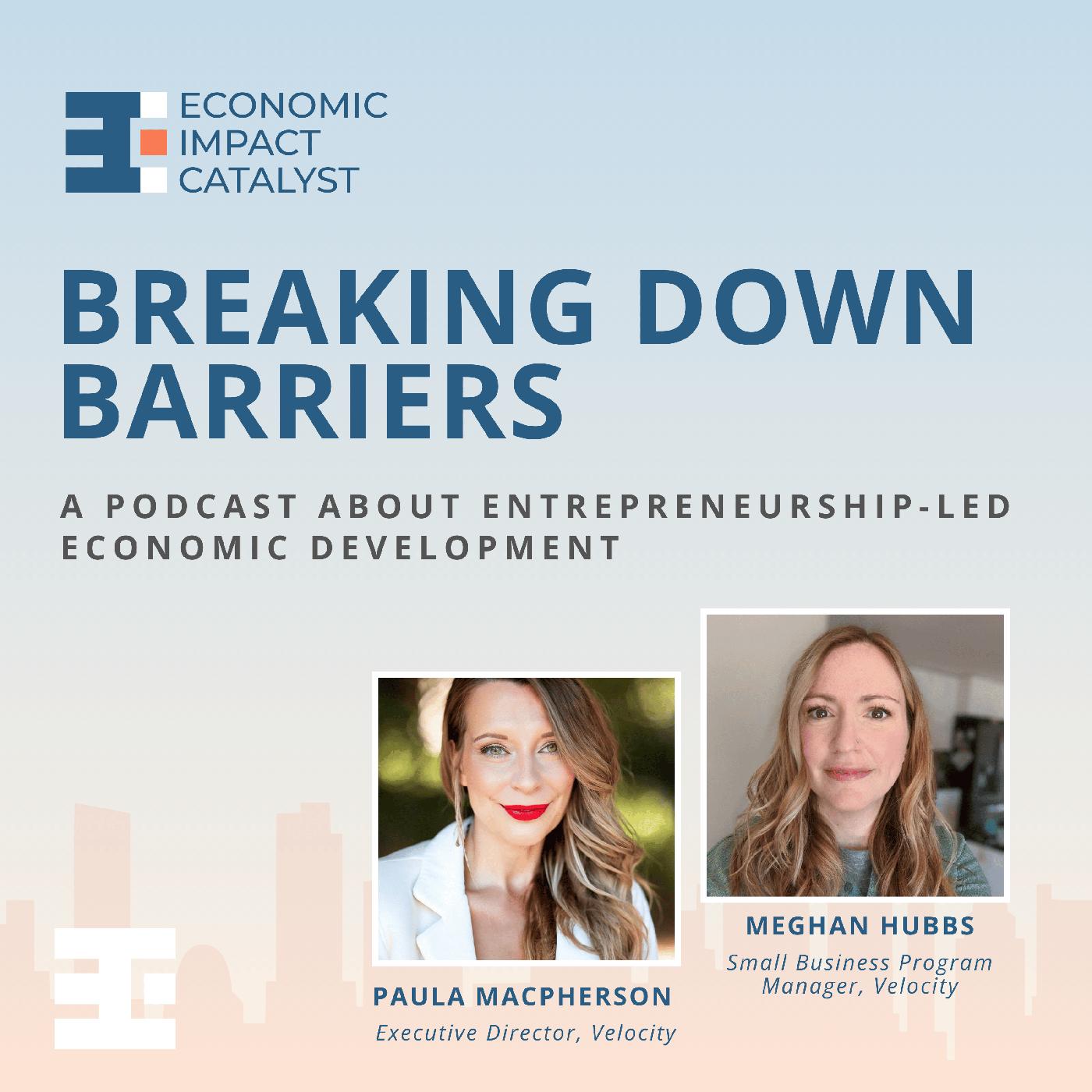
What does it actually take to run a high-tech incubator in a public-private partnership — and make it work at scale? In this episode, Molly King is joined by Taylor Sherbine from the EIC team, plus Paula Macpherson, Executive Director of Velocity in Sterling Heights, Michigan, and Meghan Hubbs, Vel…
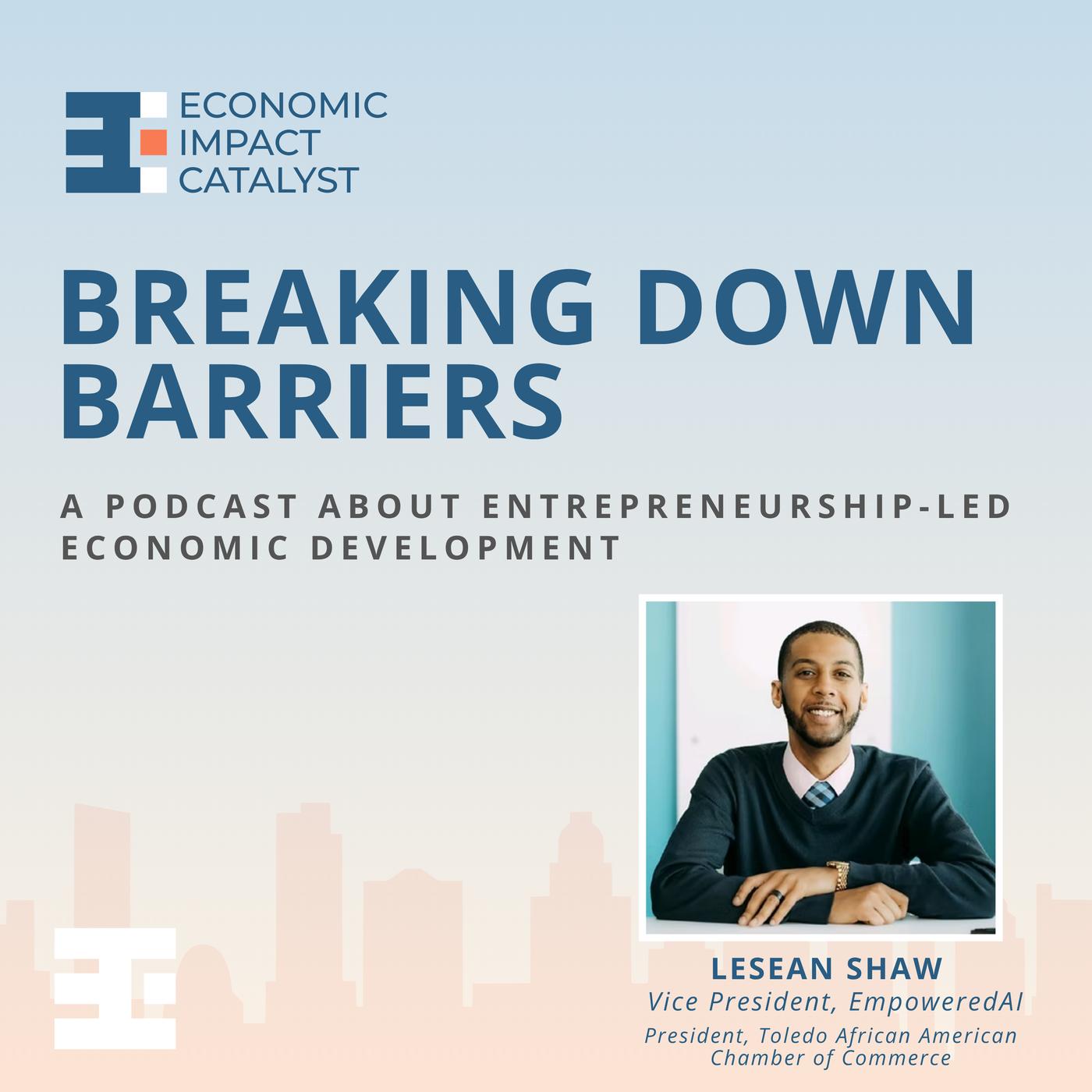
In this episode of Breaking Down Barriers, host David sits down with LeSean Shaw, co-founder of Empowered AI and Actual Reality Technologies, and a Toledo, Ohio native on a mission to make artificial intelligence accessible, equitable, and community-centered.
LeSean shares the powerful "bean in a b…
Disclaimer: The podcast and artwork embedded on this page are from Economic Impact Catalyst, which is the property of its owner and not affiliated with or endorsed by Listen Notes, Inc.
EDIT
Thank you for helping to keep the podcast database up to date.
