WEBVTT
00:00:04.240 -->
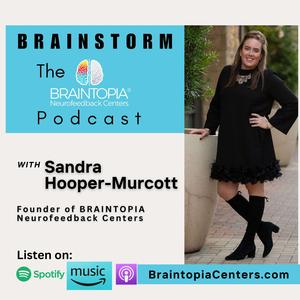
00:00:13.039Welcome to Brainstorm, the Brain Topia Podcast, hosted by Sandra Hooper Murcott, founder of BrainTopia Neurofeedback Centers.
00:00:13.199 -->
00:00:22.719With locations across the Dallas-Fort Worth area, BrainTopia helps children, teens, and adults improve brain function through advanced neurofeedback brain training.
00:00:22.879 -->
00:00:35.600On this podcast, we explore the science of brain health and real-world solutions for symptoms linked to anxiety, ADHD, sleep challenges, emotional regulation, and cognitive performance.
00:00:35.920 -->
00:00:42.479This is Brainstorm, where understanding your brain is the first step toward lasting change.
00:00:50.719 -->
00:00:54.000Impulsivity isn't just a behavioral issue.
00:00:54.159 -->
00:01:00.000It's a brain pattern issue, and neurofeedback can help retrain those patterns for better control.
00:01:00.240 -->
00:01:00.960Welcome everyone.
00:01:09.680 -->
00:01:11.120Sandra, how's it going today?
00:01:11.599 -->
00:01:11.840Great.
00:01:11.920 -->
00:01:12.319How are you?
00:01:12.799 -->
00:01:13.280Doing well.
00:01:13.439 -->
00:01:15.040Well, it's great to have you here.
00:01:15.280 -->
00:01:17.359So let's dive into today's topic.
00:01:17.519 -->
00:01:22.799So I want to ask, how does neurofeedback help with impulsivity and self-control?
00:01:24.079 -->
00:01:24.879Great question.
00:01:25.120 -->
00:01:33.040So impulsivity and self-control is a frontal lobe dysregulator a lot of times, but it affects different parts of the brain as well.
00:01:33.280 -->
00:01:38.560So we're going to start with what's called beta, and beta is kind of our alarm system of the brain.
00:01:38.799 -->
00:01:51.200And when there is, whether it's children or adults, when there is something that stirs up that alarm system of the brain, it in the amygdala then it comes into play, which is at the temporal lobe.
00:01:51.359 -->
00:02:00.719And that causes someone to have a reaction, which in children a lot of times or adults too, we will call that impulsivity.
00:02:00.959 -->
00:02:06.799And so that gets us out of the logical brain and into the emotional brain.
00:02:06.879 -->
00:02:15.919And that's where we're seeing, you know, random behaviors or different emotional behaviors that are very dysregulated.
00:02:16.080 -->
00:02:34.080And so neurofeedback, what we try, what we work really hard to do is get the brain into organized patterns so that we don't ever really enact that alarm system of the brain, or I mean it is going to be enacted sometimes, but we minimize the effects of that alarm system and that amygdala getting reacted.
00:02:34.319 -->
00:02:35.520Oh, so fascinating.
00:02:35.680 -->
00:02:41.759So, Sandra, what brainwave patterns are you typically seeing in clients who struggle with impulsivity?
00:02:42.080 -->
00:02:42.960That great question.
00:02:43.120 -->
00:02:45.919That is going to be what we say, high brainwave patterns.
00:02:46.000 -->
00:02:49.840On our map, that is represented as the color red or yellow.
00:02:50.400 -->
00:02:54.800Anyone who's familiar with uh the the kind of map that we use, the QEG brain map.
00:02:54.960 -->
00:02:59.680And so what that a lot of times people think, well, isn't fast brainwave pattern good?
00:02:59.840 -->
00:03:03.120Well, no, not when we're talking about emotions and impulsivity.
00:03:03.360 -->
00:03:17.599So if the if the we're processing something through our occipital lobes and it's sending it to the emotional center of our brain and it's moving too fast, then that is going to lead to this emotional response, which we can call impulsivity.
00:03:18.400 -->
00:03:18.719Okay.
00:03:18.960 -->
00:03:27.120So how does neurofeedback help the brain slow down enough to create that that pause before a reaction?
00:03:27.599 -->
00:03:32.159So the first thing that we do is we need to identify why the brain is responding in this way.
00:03:32.319 -->
00:03:37.840So that's what our brain map will do is identify is it, is there inflammation in that part of the brain?
00:03:38.000 -->
00:03:48.560Is this causing because something, there's a disruptor that's causing the brain waves to reroute, to move faster than they should, to move slower than they should, that it all different things based on the person.
00:03:48.800 -->
00:04:01.520And so what it will do is it is giving neurofeedback is giving audio and visual stimulation that makes the brain, one, identify that there's something wrong and that this is not a pattern that we want to be in.
00:04:01.680 -->
00:04:19.439And then two, make that change to when when the audio and visual is fluctuating, which is what neuro what's happening during neurofeedback, it's making the brain slow down enough to say, one, something is different here, and two, let me identify where we want to be and make the change going forward.
00:04:19.759 -->
00:04:26.399And are you primarily targeting that frontal lobe when you're looking for uh issues around self-control?
00:04:27.279 -->
00:04:28.560Primarily, yes.
00:04:28.800 -->
00:04:31.920But we again, it's like the brain is like an onion.
00:04:32.000 -->
00:04:48.480So we have to see if when we talk about hierarchy of needs, if there is a client coming in and they're in a high stress environment, we can't go sometimes to that frontal lobe right away because yes, that's the underlying issue, but we need to create general calm first.
00:04:48.560 -->
00:04:57.040We need to make sure that they're sleeping, or need we need to make sure that there's certain things that are happening in the hierarchy of needs to make sure that they're able to get to the root cause.
00:04:57.199 -->
00:05:00.639So sometimes we go directly to that frontal lobe and start working on that.
00:05:00.800 -->
00:05:08.480Other times we want to achieve general calm and sleep first, and then we can go to what the uh the true issue is.
00:05:08.639 -->
00:05:10.240So that's why, again, it's so important.
00:05:10.399 -->
00:05:13.360This is not just a one size fits all type of thing.
00:05:13.439 -->
00:05:16.000We use that map to really go, what do we need to do first?
00:05:16.079 -->
00:05:19.519And then make sure that we're that we're getting to the to the root.
00:05:20.000 -->
00:05:20.560That makes sense.
00:05:20.720 -->
00:05:21.040Okay.
00:05:21.279 -->
00:05:28.240So, how how quickly are you typically seeing clients see change in their ability to regulate their impulses?
00:05:28.639 -->
00:05:29.279Great question.
00:05:29.439 -->
00:05:35.680So, again, that's different for everyone, depending on if there's it, there's medication involved, depending on if there's metabolic issues.
00:05:35.839 -->
00:05:55.279But typically we like to say between session eight and 12 is where we will see that aha moment where it's like, oh, we're re we're doing something different, we're reacting a little bit differently, or the uh the event still happened, the impulsivity still happened, but it was shorter, or we were able to get out of that that behavior more quickly.
00:05:55.439 -->
00:05:57.680And so these are the types of things that we look at.
00:05:57.839 -->
00:06:01.759It's not going to, it's neurofeedback is not something that's instant.
00:06:01.839 -->
00:06:10.639It is, it's a change over time, but we like to see these what we call key performance indicators that are showing, okay, we are making a change here and we're moving in the right direction.
00:06:10.879 -->
00:06:16.639So, what role does consistency play in strengthening these new regulation patterns?
00:06:17.279 -->
00:06:21.439We always say that neurofeedback is like going to the gym for your brain, right?
00:06:21.519 -->
00:06:25.519We're giving it a workout, we're making it, we're encouraging it to change in some way.
00:06:25.680 -->
00:06:27.120And so consistency is key.
00:06:27.279 -->
00:06:28.879Going to the gym once is great.
00:06:29.199 -->
00:06:32.079It's not going to get you what you want, you know, it's not going to get you to your goals.
00:06:32.240 -->
00:06:41.279So we encourage our clients to come two to three times a week and to really give themselves about four months of time to really dive into this.
00:06:41.600 -->
00:06:46.959And um, it's not a, it's not, like I said, it's not a quick fix, it's not something that immediately happens.
00:06:47.199 -->
00:06:58.160So we're always saying if if we're really wanting to do this, we want to make sure and give it the time that it needs to what we call close that neurofeedback loop so that we get to truly lasting change.
00:06:58.639 -->
00:07:06.720So, Sandra, before we close out here, how do you help parents or adults track this progress outside of those training sessions?
00:07:07.600 -->
00:07:08.480Great question.
00:07:08.720 -->
00:07:14.079So we have things called, so we have a lot of objective data that we're always using in office.
00:07:14.319 -->
00:07:16.560But people will ask that, well, what do we do at home?
00:07:16.879 -->
00:07:27.839Well, what we will encourage people to do is understand their own triggers, especially if we're talking to parents, because a dysregulated child will oftentimes create a dysregulated parent and vice versa.
00:07:28.160 -->
00:07:41.439Uh so we we always look at that, but then we also have things called a uh cognitive emotional checklist and symptom trackers, where we're looking at how they are doing in day-to-day operations, so to speak.
00:07:41.759 -->
00:07:46.800And things don't in life in general, things don't typically change really quickly.
00:07:46.879 -->
00:07:51.199And so we want to make sure that we're documenting what's going on because we forget.
00:07:51.360 -->
00:07:57.360We forget that you know it was this way today, tomorrow it may be different, but we we forget what that in-between is.
00:07:57.439 -->
00:08:00.959And so we like to bridge the gap in those in-betweens with data.
00:08:01.199 -->
00:08:02.160That makes a lot of sense.
00:08:02.319 -->
00:08:05.279Well, Sandra, thank you so much for breaking this all down.
00:08:05.439 -->
00:08:08.240It's always great chatting with you, and we'll see everyone next time.
00:08:08.480 -->
00:08:10.000Have a great day.
00:08:13.759 -->
00:08:17.680You've been listening to Brainstorm, the Braintopia podcast.
00:08:17.920 -->
00:08:29.759If you or someone you love is struggling with symptoms associated with anxiety, ADHD, sleep issues, or focus challenges, neurofeedback may offer a safe, non-invasive path forward.
00:08:29.920 -->
00:08:44.240To learn more about Brain Topia Neurofeedback Centers and our locations across the Dallas-Fort Worth area, visit BrainTopiaCenters.com or call 972-640-7022.
00:08:44.720 -->
00:08:52.480That's BraintopiaCenters.com or 972-640-7022.
00:08:52.960 -->
00:08:54.240Thank you for listening.
00:08:54.399 -->
00:08:56.240We'll see you next time.