WEBVTT
00:00:04.240 -->
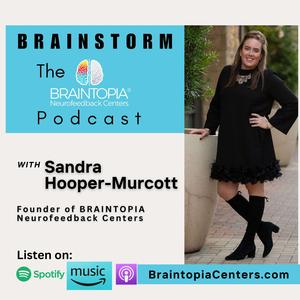
00:00:13.039Welcome to Brainstorm, the Brain Topia Podcast, hosted by Sandra Hooper Murcott, founder of BrainTopia Neurofeedback Centers.
00:00:13.199 -->
00:00:22.719With locations across the Dallas Fort Worth area, BrainTopia helps children, teens, and adults improve brain function through advanced neurofeedback brain training.
00:00:22.879 -->
00:00:35.600On this podcast, we explore the science of brain health and real-world solutions for symptoms linked to anxiety, ADHD, sleep challenges, emotional regulation, and cognitive performance.
00:00:35.920 -->
00:00:42.479This is Brainstorm, where understanding your brain is the first step toward lasting change.
00:00:49.200 -->
00:00:52.079Neurofeedback teaches it how to send better ones.
00:00:52.320 -->
00:00:53.039Welcome everyone.
00:00:53.119 -->
00:01:01.200I'm Chelsea Earlywine, co-host and producer here in the studio with Sandra Hooper Murcott, founder of Braintopia Neurofeedback Center.
00:01:01.439 -->
00:01:02.799Sandra, how's it going today?
00:01:03.119 -->
00:01:03.359Great.
00:01:03.520 -->
00:01:04.719We're happy to be here.
00:01:05.040 -->
00:01:05.599Good, good.
00:01:05.760 -->
00:01:07.359Well, Sandra, let's get started.
00:01:07.519 -->
00:01:09.280Can you walk us through today's question?
00:01:09.439 -->
00:01:12.000What is neurofeedback and how does it work?
00:01:12.319 -->
00:01:12.799Absolutely.
00:01:12.879 -->
00:01:14.079So what is neurofeedback?
00:01:14.159 -->
00:01:19.280It's a modality that ultimately works to get brain waves into organized patterns.
00:01:19.439 -->
00:01:28.319So there's different reasons environmental, psychological, uh physical, and metabolic that get our brain waves potentially out of organized patterns.
00:01:28.400 -->
00:01:34.000And neurofeedback at its very simplest form gets those back into working the way that they're meant to.
00:01:34.719 -->
00:01:39.519So what types of brain wave patterns are you typically looking for during a session?
00:01:40.079 -->
00:01:40.560Great question.
00:01:40.640 -->
00:01:46.640So we are actually we we first start with mapping five different brain waves across 14 different areas of the brain.
00:01:46.879 -->
00:01:52.079And then we're when we go into neurofeedback therapy, we're monitoring those five brain waves.
00:01:52.159 -->
00:01:55.920They're called delta, theta, alpha, beta, and high beta.
00:01:56.000 -->
00:02:00.239And so throughout a neurofeedback session, there's certain thresholds that we want to see those in.
00:02:00.640 -->
00:02:08.240Depending on where the client is coming to us, depending on what their symptoms are and what they're experiencing, those will be out of range, in range.
00:02:08.319 -->
00:02:10.879We where everything is very specific to the client.
00:02:11.039 -->
00:02:18.879So ultimately, we are watching how those brain waves respond to audio and visual stimuli as they're going through their neurofeedback session.
00:02:19.520 -->
00:02:24.960So, how does that real-time feedback help the brain learn new healthier patterns?
00:02:25.520 -->
00:02:26.159Great question.
00:02:26.560 -->
00:02:29.759So the brain is constantly taking in stimuli and having to respond.
00:02:29.840 -->
00:02:31.520That's what our central nervous system does.
00:02:31.840 -->
00:02:40.080And so what happens is as the brain is the brain likes to be in patterns, everything just like most other parts of our body and our our lives.
00:02:40.319 -->
00:02:41.919And so it gets in certain patterns.
00:02:42.080 -->
00:02:50.719Unless we do something to disrupt those patterns, whether positive or negative, because there can be positive or negative disruptions, the brain is going to stay in those patterns.
00:02:50.879 -->
00:02:57.120So what neurofeedback is doing is basically being a disruptor in the most positive way possible to cause change.
00:02:57.280 -->
00:03:12.560And what it's doing, we'll we'll go into more of like the details of what neurofeedback looks like when you're doing a session, but what it's doing is putting the brain into a position where it has to respond and teaching the brain to respond effectively instead of in a state of dysregulation.
00:03:13.199 -->
00:03:14.639Oh, that's so interesting.
00:03:14.800 -->
00:03:22.000So, what type of symptoms or challenges tend to improve with that neurofeedback training?
00:03:22.319 -->
00:03:27.039Well, in another video, we're going to talk about our how we start our process, which is the QEG brain map.
00:03:27.120 -->
00:03:32.240But that is the the the tool that we use to help to know where the client is starting.
00:03:32.400 -->
00:03:40.560And so as when we know where the starting point is, as they're as they're doing their neurofeedback, we can gauge things that are happening.
00:03:40.639 -->
00:03:44.719And so different symptoms arise for different people depending on where they are.
00:03:44.960 -->
00:03:48.800So it's it's hard to answer that question because it literally changes for everybody.
00:03:49.039 -->
00:03:54.000And it's very specific and very symptomatic based on what the person is experiencing.
00:03:54.800 -->
00:03:55.520Okay, I see.
00:03:55.680 -->
00:04:01.599So how long does it typically take for clients to notice some level of meaningful change?
00:04:02.159 -->
00:04:07.039So our protocol, so what we once we get the brain map, we put them into what we call a protocol.
00:04:07.120 -->
00:04:09.439And a protocol is 30 sessions.
00:04:09.599 -->
00:04:14.000So this is not, it's important to note that neurofeedback is not something, it's not shock therapy.
00:04:14.240 -->
00:04:20.240It's not something that you come in once or twice to do because we're literally retraining the brain into a different pattern of behavior.
00:04:20.560 -->
00:04:21.600So it takes time.
00:04:21.839 -->
00:04:25.920And so typically we like to say we want to underpromise and over-deliver.
00:04:26.000 -->
00:04:30.319So we say between session eight and 12 is where we start to see change happen.
00:04:30.399 -->
00:04:34.959And in our protocol, if we have a 30-session protocol, it's really separated into three different steps.
00:04:35.279 -->
00:04:39.920The first step is just priming the brain, getting the brain realizing that a change is coming.
00:04:40.240 -->
00:04:43.920The second step is going to be starting to create those new patterns of behavior.
00:04:44.079 -->
00:04:48.000And that third step will be uh locking in that pattern of behavior.
00:04:48.079 -->
00:04:54.800So really we'd like to say within the first month, people see pretty significant changes depending on what their symptoms are.
00:04:55.199 -->
00:04:57.680Each session is 30 minutes of active training time.
00:04:57.920 -->
00:05:02.240And what this, what the client is actually doing, it's it's quite lovely.
00:05:02.319 -->
00:05:04.639I mean, I'm biased, but I love, I love a session.
00:05:04.720 -->
00:05:08.079You're sitting in a comfortable recliner and you're watching a TV show.
00:05:08.240 -->
00:05:14.240And a lot of parents, especially that have kids coming in, are saying, Well, screens, isn't that something that causes dysregulation?
00:05:14.319 -->
00:05:20.160Potentially, but it's how we uh we we meet the client and the where they are, and that is oftentimes on a screen.
00:05:20.399 -->
00:05:24.639And so we use that screen and um make sure that we are using that for good.
00:05:25.040 -->
00:05:28.079So what they're getting is audio and visual stimulation from the screen.
00:05:28.240 -->
00:05:33.759What they're watching is not the the important part, but it's that we keep their focus on the screen so they're getting that feedback.
00:05:34.079 -->
00:05:35.519Oh, that's so interesting.
00:05:35.759 -->
00:05:42.879So to close out today's session, what makes Braintopia's approach unique compared to other neurofeedback programs?
00:05:43.439 -->
00:05:44.800That people ask us that a lot.
00:05:44.879 -->
00:05:48.720And I would say the number one thing is relationship and individuality.
00:05:48.879 -->
00:05:55.519So the technology that we have is amazing, but there's a lot of there's a lot of companies that have amazing technology.
00:05:55.839 -->
00:06:06.720And I think what what sets us apart is the ability to truly make relationships with families, meet them where they're at, and and explain in a way that helps them understand.
00:06:06.879 -->
00:06:12.720It takes this scientific, you know, kind of abstract concept that that few would understand.
00:06:12.879 -->
00:06:17.920And we have a way to explain it to them so that they know what's happening and that they really are confident in it.
00:06:18.000 -->
00:06:20.319And building that relationship is the first step.
00:06:20.639 -->
00:06:21.439Oh, I love that.
00:06:21.519 -->
00:06:23.920Well, Sandra, thank you so much for breaking this down.
00:06:24.079 -->
00:06:31.120This is such a foundational part of what you do at Braintopia, and we appreciate your input, and we'll see everyone next time.
00:06:34.800 -->
00:06:38.720You've been listening to Brainstorm, the Braintopia podcast.
00:06:38.959 -->
00:06:50.800If you or someone you love is struggling with symptoms associated with anxiety, ADHD, sleep issues, or focus challenges, neurofeedback may offer a safe, non-invasive path forward.
00:06:50.959 -->
00:07:05.279To learn more about Braintopia Neurofeedback Centers and our locations across the Dallas-Fort Worth area, visit BraintopiaCenters.com or call 972-640-7022.
00:07:05.759 -->
00:07:13.439That's BraintopiaCenters.com or 972-640-7022.
00:07:14.000 -->
00:07:15.279Thank you for listening.
00:07:15.439 -->
00:07:17.199We'll see you next time.