WEBVTT
00:00:04.160 -->
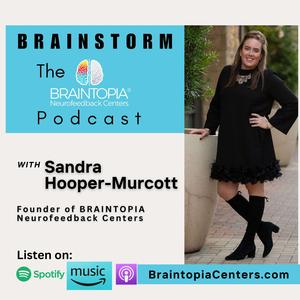
00:00:12.880Welcome to Brainstorm, the Brain Topia Podcast, hosted by Sandra Hooper Murcott, founder of BrainTopia Neurofeedback Center.
00:00:13.199 -->
00:00:22.719With locations across the Dallas Fort Worth area, BrainTopia helps children, teens, and adults improve brain function through advanced neurofeedback brain training.
00:00:22.879 -->
00:00:35.600On this podcast, we explore the science of brain health and real-world solutions for symptoms linked to anxiety, ADHD, sleep challenges, emotional regulation, and cognitive performance.
00:00:35.920 -->
00:00:42.479This is Brainstorm, where understanding your brain is the first step toward lasting change.
00:00:46.560 -->
00:00:53.039A first neurofeedback session is often much simpler and more relaxing than people might expect.
00:00:53.280 -->
00:00:53.920Welcome everyone.
00:01:04.079 -->
00:01:04.400Great.
00:01:04.640 -->
00:01:05.439Happy to be here.
00:01:05.599 -->
00:01:05.840Good.
00:01:06.000 -->
00:01:11.120All right, Sandra, before we dive in, I'd love for you to walk us through today's topic.
00:01:11.280 -->
00:01:17.120So it's what can people expect during their very first neurofeedback session?
00:01:17.599 -->
00:01:22.159So we want to separate this a little bit into what is it, how does the whole process start?
00:01:22.640 -->
00:01:27.840So the first time that they would come into the office is going to be their QEG brain map.
00:01:28.079 -->
00:01:33.760So what we're doing with that is, and that's a we've talked a lot about the map, but what does that actually look like?
00:01:33.920 -->
00:01:38.959So before you even come in to the office, there are a few things that we will send you.
00:01:39.120 -->
00:01:45.359So the first is going to be a QEG consent form so that you know everything that's going to go on in the brain map.
00:01:45.519 -->
00:01:50.319That's an important thing for you to know because we don't want any surprises.
00:01:50.640 -->
00:01:56.319You know, we don't want this to, we want all of the science to be forward-facing so that you know what to expect.
00:01:56.719 -->
00:02:04.400Whether it's to not take certain supplements that day or to, you know, to make sure you get a good amount of sleep and make sure you're hydrated.
00:02:04.480 -->
00:02:08.879So all of that, you're well informed about what you're doing that first time you come in.
00:02:09.120 -->
00:02:15.439Now, when you actually come in, oh, one more thing that we're doing before we have you come in is you fill out intake forms.
00:02:15.599 -->
00:02:17.680Now, every doctor has you fill out intake forms, right?
00:02:17.759 -->
00:02:20.639But for this, we do what's called a cognitive emotional checklist.
00:02:20.879 -->
00:02:24.240So we're looking at what are you feeling like that's your self-reporting.
00:02:24.400 -->
00:02:26.639What are you feeling as far as symptoms?
00:02:26.800 -->
00:02:28.479And how do you feel like you're doing?
00:02:28.639 -->
00:02:43.919And then you're also filling out medical history, you're letting us know all of the um medicines and supplements that you're on, and you are um telling us any kind of metabolic issues that may be happening because we're looking at all of these things when you come in.
00:02:44.000 -->
00:02:46.240So it's not like we just come in and hook you up.
00:02:46.479 -->
00:02:54.479We have a lot of data that we intake first and incorporate that into the subject or the objective data that we're getting when you do your brain math.
00:02:54.639 -->
00:02:58.960So by the time you come in, we have information about you and your history.
00:02:59.199 -->
00:03:12.639Now, the important thing to note also, I don't read that information, my clinical director does, I don't read that information until after we do something called the report of findings meeting because I don't want that to skew what I know about you to what I'm seeing on the map.
00:03:13.199 -->
00:03:14.479So you come in, you do your map.
00:03:14.639 -->
00:03:16.400A map takes about 45 minutes.
00:03:16.639 -->
00:03:28.879We do six minutes of recording with your eyes closed and six minutes of recording with your eyes open so that we can take in what your brain is doing when it's not taking in stimuli and then what it is when it when you are taking in stimuli by having your eyes open.
00:03:29.039 -->
00:03:50.719And then we go over what's called a report of findings meeting where I sit down with about a 15 to 16 page report and go over everything that I'm seeing as far as areas of dysregulation, symptoms that you're experiencing, um, different uh we don't diagnose with these maps, but different things that we're seeing as far as correlating uh different your symptoms with what we're seeing in the brain map.
00:03:50.960 -->
00:03:59.520We're looking at magnitude readings and dominant frequency meeting readings, which is how powerful the brain is responding to things, which can deal with mitochondrial function.
00:03:59.599 -->
00:04:01.120It's all of this information.
00:04:01.520 -->
00:04:07.759So when you leave that first appointment, you're not leaving with just a recommendation that yes, you should do neurofeedback.
00:04:07.840 -->
00:04:20.399You're leaving with hard data that you can then take back and take to a doctor or take to another practitioner, a chiropractor, look at that and say, here's what the here's how my brain is responding.
00:04:20.720 -->
00:04:23.120Can you look at this as well with what you're doing?
00:04:23.279 -->
00:04:27.360So we love partnering with different practitioners because that information is so great.
00:04:27.680 -->
00:04:39.839Now, from there, if people choose to go forward with neurofeedback, that is a that situation when they come in for their first session, that's much easier to explain because what you're doing is you're sitting in a comfortable recliner.
00:04:40.319 -->
00:04:50.879There's sensors that are put on your head, and nothing is being put into the brain, but all those sensors are reading brainwave activity, sending it to the computer, and then you're getting audio and visual stimulation from the television.
00:04:50.959 -->
00:04:54.319So the brightness and the sound is fluctuating on the television.
00:04:54.480 -->
00:05:02.240You get to choose a um a show of your choosing, anything that you want to watch on Netflix or any streaming service, and then you just get to relax.
00:05:02.399 -->
00:05:12.959So 30 minutes of watching what you want to watch and trying to like just disconnect from everything else and calming yourself into um just being present in that moment.
00:05:13.279 -->
00:05:18.399And so that's we are seeing a whole other side of it on the screen with all the data.
00:05:18.480 -->
00:05:24.160But from your perspective, you just get to passively enjoy 30 minutes of um of watching something.
00:05:24.399 -->
00:05:27.439So it it really is quite an enjoyable situation.
00:05:27.600 -->
00:05:28.959We love to separate the two though.
00:05:29.040 -->
00:05:38.079So you know the brain map is the data that we need to get you started with neurofeedback, but then the rest of your neurofeedback sessions are just zen relaxing times.
00:05:38.399 -->
00:05:40.399It sounds wonderful, actually.
00:05:40.639 -->
00:05:47.279Um, so Sandra, how do you explain the sensors and the equipment to someone who's never seen them before?
00:05:47.600 -->
00:05:47.839Right.
00:05:48.000 -->
00:06:00.160So that's why that whole brain mapping uh appointment is very important because we're able to show them and give them even a little taste of what that like a little mini five-minute session to show what that looks like.
00:06:00.319 -->
00:06:06.240So a lot of people are worried about, you know, when you hear neurofeedback, a lot of people will worry that is electric shock therapy.
00:06:06.319 -->
00:06:10.319And so we're I'm very, very clear to let them know nothing's being put into your brain.
00:06:10.480 -->
00:06:17.360Nothing is, we don't, we don't act with magnets or with electricity or anything to put anything into your brain.
00:06:17.519 -->
00:06:22.720We are taking the information from brainwaves and then giving giving audio and visual stimulation.
00:06:22.800 -->
00:06:24.959So your brain is doing what it already knows how to do.
00:06:25.120 -->
00:06:36.639So that's why it is so safe for children of all ages and for adults of all ages, because we're not in introducing anything foreign to the brain, we're giving it audio and visual stimulation that's getting all day long anyway.
00:06:37.040 -->
00:06:37.360Wow.
00:06:37.519 -->
00:06:37.839Okay.
00:06:38.000 -->
00:06:42.720So what what are there any sort of sensations that happen with the sensors?
00:06:42.959 -->
00:06:45.040Should people expect to feel anything?
00:06:45.519 -->
00:06:47.040No, you you really shouldn't.
00:06:47.120 -->
00:06:52.399The only thing that people are our sense like our ASD or autistic kids will, they don't like the ear clips.
00:06:52.480 -->
00:06:58.160There's some ear clips that we put on that just um that reads the uh the EMG numbers.
00:06:58.399 -->
00:07:01.759And so they they don't like those necessarily, but I never feel anything.
00:07:01.920 -->
00:07:05.360Um wanted to get through all this hair to be able to feel a sensor is is one thing.
00:07:05.519 -->
00:07:08.000But yeah, no, it there's nothing that hurts.
00:07:08.160 -->
00:07:23.040Um, some people that have uh TBI or concussion may feel something because there's inflammation in there or there is, you know, something that they're working through, but for the most part, no, you don't feel anything and you don't even realize that the sensors are on your head.
00:07:23.279 -->
00:07:23.600Wow.
00:07:23.759 -->
00:07:29.199So how do you, after that first appointment, how do you determine a training plan after that?
00:07:29.600 -->
00:07:30.160Great question.
00:07:30.319 -->
00:07:37.600So the maps that we get, once we upload those into our database, the maps that we get will give us recommendations for different protocols.
00:07:37.680 -->
00:07:43.839There's 26 eyes open protocols, um, and then 12 to 14, maybe even more, eyes closed protocols.
00:07:44.000 -->
00:07:48.480And then clinically, we can create, as clinicians, we can create protocols as well.
00:07:48.560 -->
00:07:50.959We like to stick very closely to the maps though.
00:07:51.360 -->
00:07:58.079Um, and so that is that's the benefit of partnering with a company called Braincore, which is our technology company.
00:07:58.160 -->
00:08:03.360They have the science and the doctors and all of the expertise behind programming those protocols.
00:08:03.600 -->
00:08:09.519And so we get to just be able to get really good at reading the maps and using the great technology that they've provided for us.
00:08:10.079 -->
00:08:12.879So, what do most people say after their first session?
00:08:13.040 -->
00:08:14.879What feedback do you typically hear?
00:08:15.360 -->
00:08:18.319Most people are surprised that they they're like, Well, I didn't really feel anything.
00:08:18.399 -->
00:08:20.959And we're like, good, but that is that is what you want.
00:08:21.120 -->
00:08:24.560So neurofeedback is not a quick fix type of situation.
00:08:24.639 -->
00:08:27.519It's retraining the brain and retraining patterns over time.
00:08:27.839 -->
00:08:34.639So in the first, we always say like the first 10 sessions, you're not necessarily going to have this aha moment.
00:08:34.799 -->
00:08:37.600Some people do, but we like to underpromise and overdeliver.
00:08:37.679 -->
00:08:45.759So we say it takes about eight to between eight sessions eight and twelve, where we see that aha moment where you start acting a little bit different or doing something differently.
00:08:46.080 -->
00:08:48.159You see your kid doing something differently.
00:08:48.399 -->
00:08:50.559And that that's usually what happens.
00:08:50.639 -->
00:08:54.720So the first we always try to prep people to say, don't expect huge changes.
00:08:54.879 -->
00:09:03.120If you're seeing, if you feel like everything's changed after one session, it's it's most likely a placebo effect because you feel like some I'm doing something, so something must be happening.
00:09:03.279 -->
00:09:07.519Um, but we ask people to stay the course and to just know that this is a process.
00:09:07.600 -->
00:09:09.919And if you buy into the process, it will work.
00:09:10.159 -->
00:09:11.279And about how long?
00:09:11.360 -->
00:09:14.559So you said eight to 10 sessions, what's the duration of time there?
00:09:14.639 -->
00:09:16.000Is that a weekly session?
00:09:16.720 -->
00:09:19.679We act we ask people to come twice a week at a minimum.
00:09:19.840 -->
00:09:26.799So depending on usually our program is about four months long because it's 30 sessions and two additional remaps.
00:09:26.960 -->
00:09:28.399So that's about 16 weeks.
00:09:28.559 -->
00:09:31.679And so if if every, you know, if you don't go on vacations and things like that.
00:09:31.919 -->
00:09:45.600So um, so it it is something when we think of kids, we're like, this is kind of like your semester and and this is what we're doing, or with people, we just say four to five months is what we want to um to to give it to really get through your whole protocol.
00:09:45.679 -->
00:09:50.080And then a lot of people, I'd say 60 to 70 percent of our people stay because they love it so much.
00:09:50.240 -->
00:09:51.360So we love that.
00:09:51.600 -->
00:09:52.480Oh, that's great.
00:09:52.559 -->
00:09:58.720Well, thank you so much for breaking that down and helping people feel comfortable coming into their first session.
00:09:58.960 -->
00:10:02.240We appreciate your insight and we will see everyone next time.
00:10:06.000 -->
00:10:10.000You've been listening to Brainstorm, the Brain Topia podcast.
00:10:10.159 -->
00:10:22.000If you or someone you love is struggling with symptoms associated with anxiety, ADHD, sleep issues, or focus challenges, neurofeedback may offer a safe, non-invasive path forward.
00:10:22.240 -->
00:10:36.480To learn more about Braintopia Neurofeedback Centers and our locations across the Dallas Fort Worth area, visit BrainTopiaCenters.com or call 972-640-7022.
00:10:37.039 -->
00:10:44.720That's BraintopiaCenters.com or 972-640-7022.
00:10:45.200 -->
00:10:46.559Thank you for listening.
00:10:46.720 -->
00:10:48.399We'll see you next time.