WEBVTT
00:00:51.904 -->
00:01:17.765Whatever that dream future looks like for me or for you, I think at its core it will always involve having plenty of food, a world without hunger, and to get to that world where food is abundant, I think alternative proteins are going to be key to get to eat at the same quality and taste that we're doing right now, but only using a fraction of the resources and taste that we're doing right now, but only using a fraction of the resources.
00:01:17.784 -->
00:01:22.609Welcome to Another Climate Tech Podcast interviews with the people trying to save us from ourselves.
00:01:22.609 -->
00:01:36.807If you're a regular listener of the podcast, you know that I'm a big fan of the Good Food Institute, so when they asked me if I'd be interested in showcasing their alternative proteins project that stretches across 80 universities globally, I was very keen.
00:01:36.807 -->
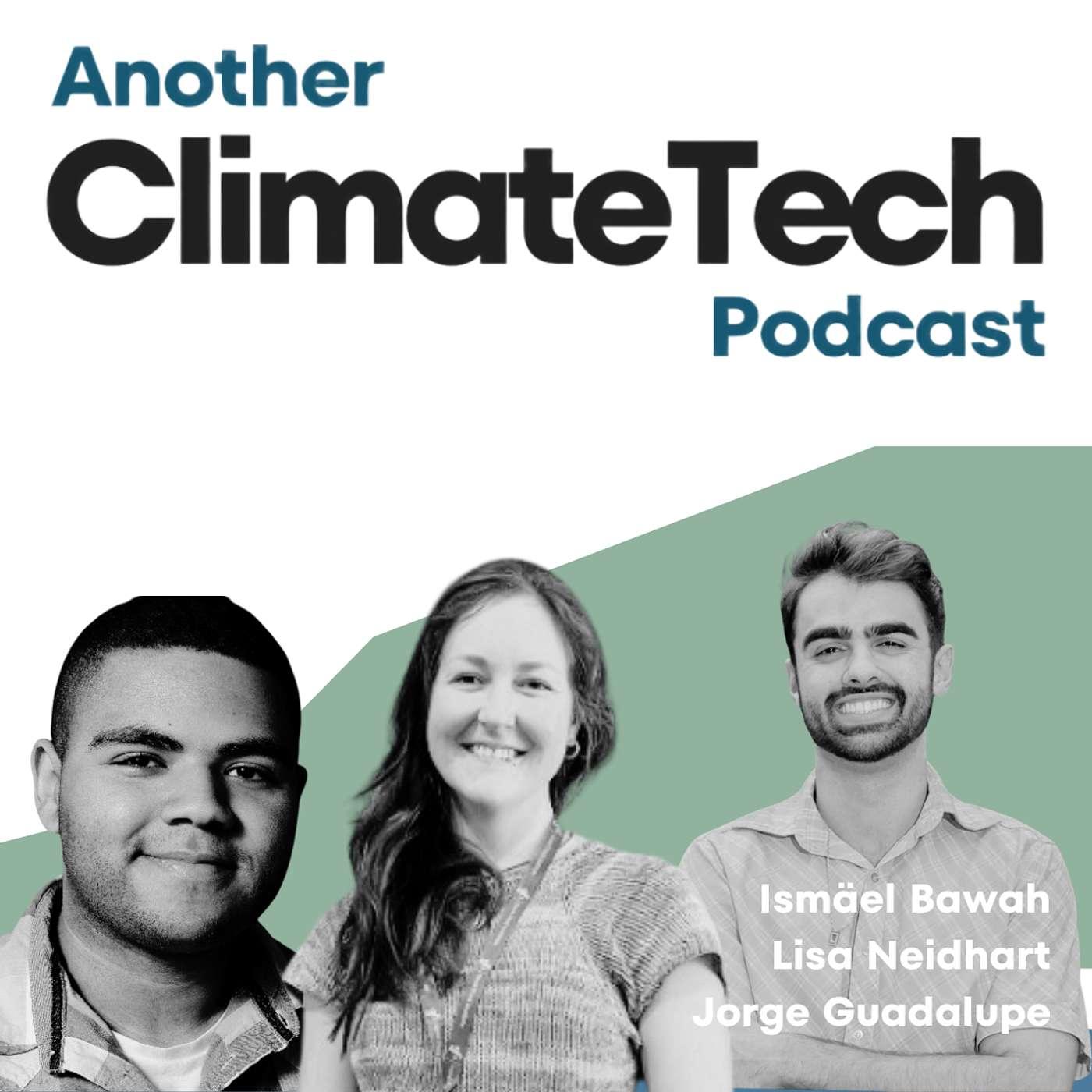
00:01:47.622I was honored to have its organizer, ismael Bawa, join from Belgium, together with Project Chapter Lead, Jorge Guadalupe in Brazil and Lisa Neidhardt in England.
00:01:47.622 -->
00:01:58.162I'm Ryan Grant Little, thanks for being here, Ismael as the SciTech Community Coordinator at Good Food Institute.
00:01:58.162 -->
00:02:01.151You're the guy in charge of the Alt Protein Project.
00:02:01.151 -->
00:02:11.484So, in short, this is a global student movement dedicated to turning universities into engines for alternative protein education, research and innovation.
00:02:11.484 -->
00:02:16.026But what's the longer version of that and what was the impetus to start the program?
00:02:16.548 -->
00:02:17.450Yeah, thank you, Ryan.
00:02:17.450 -->
00:02:22.687As a nonprofit working in the alternative protein space, we play a pretty unique role.
00:02:22.687 -->
00:02:28.709We see that role as catalyzing activities and programs that are designed to benefit the ecosystem at large.
00:02:28.709 -->
00:02:40.694When we're talking about the scientific ecosystem specifically, that includes, for example, funding open access research and attracting future scientists and innovators into this exciting field, where they can make a huge difference.
00:02:40.694 -->
00:02:43.768The All Protein Project is a crucial component of this work.
00:02:43.768 -->
00:02:48.030It's one way that we build long term momentum for the field.
00:02:48.620 -->
00:02:50.304So what is the Alt Protein Project?
00:02:50.304 -->
00:02:59.727A global student movement launched by GFI back in 2020 to turn universities into hubs for alternative protein research, education and innovation.
00:02:59.727 -->
00:03:10.686The project creates and supports student groups at universities around the world over 80 found so far giving them tools to grow their campus ecosystem for alternative proteins.
00:03:10.686 -->
00:03:12.665Why the focus on students?
00:03:12.665 -->
00:03:19.492Because they're future leaders of this industry and they can be the spark that gets people investing in alternative protein space.
00:03:19.492 -->
00:03:32.712We are empowering them to push for more research that makes alternative protein tastier, more affordable and scalable, or starting new courses, building communities on campus or creating a talent pipeline for this growing industry.
00:03:33.335 -->
00:03:41.568We launched the AllProtein project to help students gain the experience and relationships to form a strong foundation for future careers in this emerging sector.
00:03:42.251 -->
00:03:45.320Each student group gets direct mentorship from GFI staff.
00:03:45.882 -->
00:04:01.347Mentoring is one role that I play for some of our chapters here in Europe, and this mentoring is aimed at helping them with the practical sides of leading a student organization, but also involves training and unlocking opportunities that are really meant to develop them into future leaders of the space.
00:04:01.909 -->
00:04:12.331In addition to that, they receive access to funding for events and research, as well as monthly calls with peers and experts and the global hub and WhatsApp community for support and collaboration.
00:04:12.331 -->
00:04:21.769And this aspect is really valuable about this global project because it really stimulates students from different parts of the world to work together and concretely organize projects.
00:04:21.769 -->
00:04:32.930So in this way, we help student leaders build strong cross-disciplinary communities that connect scientists, entrepreneurs and advocates all relationships that will be helpful in their future career.
00:04:32.930 -->
00:04:37.230And then my role forms part of GFI Europe's science and technology team.
00:04:37.230 -->
00:04:51.412The Alt Protein Project is a global initiative that every regional affiliate of GFI works on together, but it's particularly pertinent to Europe as we are home to some of the world's top research institutes and we are continuing to lead on alternative protein innovation.
00:04:51.412 -->
00:04:56.992As someone who comes from a pretty extensive background in student extracurriculars and activities.
00:04:56.992 -->
00:05:05.949One of the best parts of my role is being involved in this project, building momentum here by helping our talented next generation of students shape the future of food.
00:05:06.391 -->
00:05:11.468I love that approach and listeners to the podcast will know that I'm a big supporter of Good Food Institute.
00:05:11.468 -->
00:05:29.430It's actually Good Food Institute that got me into angel investing and into investing in climate tech and specifically in all the proteins and, as I've told Natasha and Bruce and the folks at Good Food Institute, all of the shares that I've, all of the 25 investments I've made in alternative proteins.
00:05:29.430 -->
00:05:33.639If I kick the bucket, they're left in my will to the Good Food Institute, which I hope doesn't lead anyone to push me out proteins.
00:05:33.639 -->
00:05:41.062If I kick the bucket, they're left in my will to the Good Food Institute, which I hope doesn't lead anyone to push me out a window or anything like that, but I'm a huge supporter of the organization.
00:05:41.082 -->
00:05:48.668I really love what you're doing and I'm very happy to hear that you're engaging students and universities in this as well.
00:05:48.668 -->
00:05:54.752I wonder you mentioned 80, I think you used the number 80, like chapters maybe are different ways that you're plugged in.
00:05:54.752 -->
00:06:02.486Can you just talk about some of the numbers so far of what you've achieved and maybe a little bit about kind of what the vision is going forward?
00:06:03.087 -->
00:06:04.680Yes, absolutely so.
00:06:04.680 -->
00:06:08.94280 founded so far, not all of them active anymore At the moment.
00:06:08.942 -->
00:06:18.889We've built an incredible global network of 63 universities with active student groups at this moment dedicated to growing the alternative protein ecosystem on their campuses.
00:06:18.889 -->
00:06:31.130Now, in terms of achievements, these groups have helped launch over 20 new university courses and modules focused on alternative proteins, making education around this field more accessible and mainstream.
00:06:31.130 -->
00:06:39.957A great example of this is in Europe from a special protein project that was integrated with EIT Foods Masters in Food Systems.
00:06:39.957 -->
00:06:52.622That chapter is no longer active as a student group, but they evolved into the Protein Diversification Academy just a few months ago, working to develop and provide the world's leading educational material on protein diversification.
00:06:52.622 -->
00:06:57.252So even if a group isn't active anymore, that doesn't mean that the alumni are inactive.
00:06:57.252 -->
00:07:01.101They are probably off doing bigger and better things Besides education.
00:07:01.101 -->
00:07:08.740They've also driven more than 40 research projects that fill important knowledge gaps and push innovation forward in alternative proteins.
00:07:08.759 -->
00:07:35.757In 2024, the University of Chicago APP developed a student-led research accelerator program RAP they call it and in the first iteration of this RAP, the APP team recruited graduate students and upperclassmen to lead four different research groups, and these research groups cover a wider range of topics, from machine learning applications to lifecycle assessments all relevant to alternative proteins to lifecycle assessments, all relevant to alternative proteins.
00:07:35.757 -->
00:07:44.212Then, innovation-wise, the project has also helped create over 90 all-protein jobs and internships so far, directly connecting students with real career opportunities in the industry.
00:07:44.212 -->
00:08:01.302The current leaders of the APP at the National University of Singapore are also co-founders of a pet nutrition company that uses fermentation technology to convert food side streams into alternative proteins, to name one example of the innovative founders of alternative protein chapters.
00:08:01.302 -->
00:08:17.673And then, besides the education, research and innovation that these chapters are driving, there is a great deal of awareness and community building that is being done, and that goes from organizing scientific conferences and festivals to producing podcasts and being active science advocates and communicators.
00:08:17.673 -->
00:08:26.509Our University of Nigeria APP last year organized the first alternative protein symposium in Nigeria, with over 300 students and faculty joining them.
00:08:27.091 -->
00:08:44.696Food for Thought, hosted at Harvard University, annually brings together hundreds of students to, as I say, reimagine the future of food, and this is a product of collaboration across many APP chapters American ones like Dufts and Brown, also Warwick from the UK and our APP in Nigeria, to name a few.
00:08:44.696 -->
00:08:55.710So it's not only that they are very well positioned to make a local impact, which is a big part of the program, but due to the setup of the project, it also becomes very easy to work across borders and bring regions closer together.
00:08:55.710 -->
00:08:57.153We see this in Food for Thought.
00:08:57.153 -->
00:09:04.100Recently, there was also an in-person workshop between Nigeria, india and UK chapters hosted by the Mumbai All-Protein Project.
00:09:04.783 -->
00:09:14.004As for the vision of the future, ultimately the vision is to empower the next generation of leaders who will transform the global food system, with alternative proteins at the heart of that change.
00:09:14.004 -->
00:09:22.663We want to keep expanding this global network, reaching even more universities and students, so that the alternative protein movement becomes mainstream in academia.
00:09:22.663 -->
00:09:30.817We'll do this by funding more university research that tackles the biggest technical challenges and opens doors to scaling up these sustainable protein solutions.
00:09:30.817 -->
00:09:45.645Supporting the creation of new educational programs and courses to build a robust talent pipeline that meets industry needs and strengthen cross-sector connections between scientists, entrepreneurs, investors and policy leaders, starting from the students up.
00:09:46.167 -->
00:10:03.595Okay, so a fair number of things to do there, and I think, before I introduce Lisa and Jorge as two of the people delivering these programs at the university level, give me a bit of context on why, from out of 63 universities that are active with programs, you chose Lisa and Jorge to join us today.
00:10:04.341 -->
00:10:14.210Well, we chose Lisa and Jorge to speak because they both represent what makes the All Protein Project so powerful visionary and motivated students who are making real change.
00:10:14.800 -->
00:10:30.600Lisa led the All Protein Project at the University of Cambridge while she was studying for her PhD and then, since finishing her degree, she's continued working with GFI as a mentor to both the Cambridge and Imperial APP groups, whilst herself pursuing a very impressive career in the field.
00:10:31.121 -->
00:10:41.366Her continued involvement has really been invaluable for the students and for me as well, because we are the two mentors for all the UK APP groups, and working together with her on that has been fantastic.
00:10:41.366 -->
00:10:47.633For Jorge, he's based at UFMG in Brazil, completing his PhD in cell biology and bioengineering.
00:10:47.633 -->
00:11:43.584He is still an active member of the group and was part of developing the first in-person cellular agricultural course in Brazil, whilst also working as a partner and researcher for a cellular agricultural startup focused on cultivating leather.
00:11:43.584 -->
00:11:48.687And he's just an amazing scientific communicator and is doing a great job in pushing the field further.
00:11:48.687 -->
00:11:57.673So you're completely right there are so many fantastic students involved in APP chapters around the world and we know they're going to do amazing things in the field.
00:11:57.673 -->
00:12:05.032All of them, and both Lisa and Jorge are perfect examples of why we give the tools, funding and mentorship to students and what they can result in.
00:12:05.500 -->
00:12:05.841Amazing.
00:12:05.841 -->
00:12:15.471I mean, one of the running themes I noticed here is that people are wearing lots of hats at the same time, so probably not enough hours in the day, but amazing work that you're doing.
00:12:15.471 -->
00:12:17.155Lisa, maybe I'll start with you.
00:12:17.155 -->
00:12:20.509You're a postdoctoral researcher at Imperial College London.
00:12:20.509 -->
00:12:22.868What is your field of research there?
00:12:23.740 -->
00:12:24.906Yes, thank you, ryan.
00:12:25.080 -->
00:12:29.643So my research revolves around fermentation, and fermentation.
00:12:29.704 -->
00:12:46.893That basically means that we are drawing on an ancient technology that has been harnessed by humanity for millennia, and I'm sure everyone of us has made use of it in one way or the other, for example, when making sourdough bread, yogurt, kimchi, wine, brewing, beer, brewing, etc.
00:12:47.840 -->
00:13:55.745So we are very familiar with that technology, and so what I'm doing now is using these natural processes and adding modern science to it, because these, what we know as fermentation, is enabled through microbes, and these are tiny living organisms that basically create the magic that make fermentation happen, and in the lab we basically talk about, sometimes as tiny heroes, because all of these microbes and we know them, for example, as bacteria or yeast or filamentous fungi they all come with their very unique features, abilities, preferences, and one ability that I personally feel especially excited about is that some of them, they really like to eat or grow on something that would otherwise not be accessible for us humans to eat, for example, and one example we have in the lab is in rapeseed oil extraction, so we take the oil, but what remains is basically all the rest of the rapeseed, and so this is one example that we can use as food for microbes that can then upcycle these nutrients that otherwise would not be available for us.
00:13:56.326 -->
00:14:07.817And all of that, of course, in the context that we are researching and exploring to create foods that are delicious, sustainable and nutritious as well from these microbes.
00:14:08.360 -->
00:14:16.052Yeah, fermentation is a real unsung hero and I think has great potential to be a crucial reformer of our food system.
00:14:16.052 -->
00:14:34.509You shifted from a fundamental biosciences path in your studies to a career focus on alternative proteins after your PhD and I wonder was there kind of an inciting moment or was there something specific that moved you from the fundamental biosciences work to the alternate protein space?
00:14:34.509 -->
00:14:35.773What informed that decision?
00:14:45.700 -->
00:14:45.759Yes.
00:14:45.759 -->
00:14:58.312So for my PhD, which took a long time, I was in a quite niche and quite old field of fundamental medical research and over these years, I was always struggling with convincing others, and especially myself, that what I'm doing actually serves a broader purpose.
00:14:58.312 -->
00:15:26.910And during that time, I learned about alternative proteins, and for me, that was really the key point that there's an overlap between my skill sets, my training and, of course, I like doing science but at the same time, also touching on something very personal, because I'm really convinced that I want to be part and I want to contribute in shaping a world that serves today's generation, but also future generations, and I found that in contributing to shaping a sustainable food system.
00:15:26.910 -->
00:15:35.490What I can also mention maybe a key moment, because you were asking for that for me was the Good Food Conference that GFI hosted in 2023.
00:15:36.153 -->
00:16:04.253But there was a huge event in the US bringing together all kinds of players and stakeholders from the field, and I joined as one of the representatives of the Cambridge APP, and so the GFI hosted a pre-conference summit for the students, and that was really the changing moment for me, because I experienced in person how many, like I met all the faces that I met previously just on screen, and I felt really this shared sense of mission and drive.
00:16:04.253 -->
00:16:17.795And so as a result of that conference actually, I returned back to Cambridge and then turned down the only job offer that I had at the time and decided to pursue a career in alternative proteins.
00:16:17.795 -->
00:16:29.793And then, luckily shortly after, I actually met my now boss, rodrigo, who is the director of the Microbial Food Hub and Basel Center for Sustainable Protein here at Imperial College London.
00:16:29.793 -->
00:16:36.233So now I can be a scientist and also community leader here of this ecosystem.
00:16:36.881 -->
00:16:57.341It's something you notice in the alternative protein space that people are very mission driven and values aligned, and so when you go to a conference like that, you notice that sort of I mean the level of ego or that type of thing that you normally see at a business conference is far lower here and people are much more kind of cooperative People coming from.
00:16:57.341 -->
00:17:01.721There's a level of respect like a very, very high level of respect kind of across the board.
00:17:01.721 -->
00:17:09.771Something that really appealed to me also about getting involved in alternative proteins you mentioned Cambridge APP or Cambridge Alternative Protein Project.
00:17:09.771 -->
00:17:14.333How did you get involved with that and can you talk a little bit about it?
00:17:14.333 -->
00:17:24.826I think it's been transitioned through to the European Institute of Innovation and Technology, which I know just has EIT food, so not in this long form.
00:17:24.826 -->
00:17:29.302Can you talk a bit about the Cambridge APP and its connection also now to EIT food?
00:17:29.763 -->
00:17:32.888Yes, so maybe just for a bit of context.
00:17:32.888 -->
00:18:16.068So when I joined the Cambridge APP, I was actually part of the second generation of leadership in that student group and when I was joining, actually we were not yet part of GFI's APP, so we were applying shortly after I joined and as having witnessed before and after being of this big international community, I can really emphasize that the resources we were able to access as being part of the APP really made a huge difference for us in terms of resources we had, of course, financially, but very most importantly also mentorship support and just having access to other student groups who try to tackle the same problems but in different locations of the world.
00:18:16.068 -->
00:18:21.301You were mentioning now the relationship to the EIT Food APP.
00:18:21.301 -->
00:18:38.281So the relationship there, just to realign, that is that originally how I heard about alternative proteins was that I joined a course, the Alternative Protein Fundamentals Program, and so at the time that was run in Cambridge in collaboration with Effective Altruism.
00:18:38.281 -->
00:18:41.882So back in the days there was lots of overlap between Effective Altruism.
00:18:41.903 -->
00:18:54.131So back in the days there was lots of overlap between Effective Altruism and Alternative Proteins, because Effective Altruism they have this animal welfare branch, so we actually got funding from them and they were running these courses and that's how I joined.
00:18:54.732 -->
00:19:09.102But this very course and curriculum that was an eight-week course at the time was created with a big idea to basically serve as an onboarding course for people who want to go into the alternative protein space.
00:19:09.102 -->
00:19:18.195But soon enough we realized that the demand that was there was much bigger than the resources we had at hand to accommodate that.
00:19:18.195 -->
00:19:39.616And then, so luckily, that fell now into the realm of the EIT food APP because, as Ismael mentioned as an example of achievements of APP, they basically they took this existing curriculum, they updated it and they embedded it now into a bigger educational program where you have also different levels of depth of the teachings.
00:19:39.616 -->
00:19:54.476All of that is bottom-up, cohort-based learning, and so we were just really happy that now basically people work on that full-time because they are actually a non-profit, with the goal to bring these alternate protein educational programs to the world.
00:19:55.230 -->
00:20:07.491I want to circle back to you in a moment as well and talk to you a bit about how to further the alt proteins agenda, but I'm using the opportunity to bring you, Jorge, into the conversation, so you're coming at this from a bit of a different.
00:20:07.491 -->
00:20:20.240So, whereas Lisa's coming from a fermentation angle, you're sort of a specialized in cultivated meat, which is something that I think also is going to be totally fundamental to replacing the traditional meat industry.
00:20:20.240 -->
00:20:27.900You're a biologist at the Federal University of Minas Gerais which I'm definitely pronouncing wrong in Brazil.
00:20:27.900 -->
00:20:31.475Talk a bit about how you got connected to the Alternative Proteins Project.
00:20:32.038 -->
00:20:33.039Yeah, absolutely, Ryan.
00:20:33.039 -->
00:20:33.890Thank you for having me.
00:20:33.890 -->
00:20:38.501It's Minas Gerais and also my name is really broad in different languages.
00:20:38.501 -->
00:20:45.583It's not Jorge, it's Jorge, but I usually joke with my international friends that I brought with GFI that I can cope with.
00:20:45.583 -->
00:20:50.275Jorge, Jorge, Jorge, George, Everything works fine.
00:20:50.750 -->
00:20:51.995Yes, I'm a biologist.
00:20:51.995 -->
00:21:07.340My thesis was actually focused I graduated in 2021, was actually focused on cell culture in vitro, a study of a neglected tropical disease that is called Chagas disease, and therefore I learned a lot about cell culture.
00:21:07.340 -->
00:21:33.741My lab was really focused on cell culture and because my advisor and my lab wanted to shift a little bit of learning on three-dimensional cell culture, so basically, instead of growing the cells in a two-dimensional matter, like the cells are attached to a flask, like a glass or a plastic, we recreate this three-dimensional structure that is actually where your cells are within your tissues, with a biomaterial, for example.
00:21:33.741 -->
00:21:44.051We call it scaffold, like a construction scaffold, because the cells will grow in all of the three dimensions and my lab saw this opportunity with the GFI research program in 2020.
00:21:44.051 -->
00:22:06.361So everything started with GFI once again, and we wrote down this project on developing a scaffold for cultivated chicken and we did it and I was invited to join this project and my whole master's was focused on that and because of actually, we did the first fried chicken in Latin America with this project.
00:22:06.361 -->
00:22:07.865So it was really nice.
00:22:08.186 -->
00:22:09.510We were really excited about it.
00:22:09.510 -->
00:22:24.694We were eager to we still are to explore even more and more on the field, and we were really close contact with GFI Brazil and they were looking for possible candidates for a new out-proting project cohort in 2023.
00:22:24.694 -->
00:22:39.507And they publicized this program to us and I was so excited about it because I think I really relate with Lisa's I'm sorry if I'm saying it wrong again international call but I think I really relate to this as we can see some impact.
00:22:39.507 -->
00:22:54.230I really wanted to make some impact locally or globally let's see what my career is expecting me but I really thought that would be the perfect opportunity to spread the word of this outstanding technology that is recreating meat with tissue culture.
00:22:54.230 -->
00:23:02.340So, as both an enthusiast of the biotechnology and a person that really worries about the climate issues, I joined the program happily and I'm here.
00:23:03.009 -->
00:23:21.074I always joke that when well, I mean it's not really a joke because it's true but once cultivated chicken wings become commercially available, I'm going to take two weeks off of work by like maybe four pounds of them and sweatpants that are two sizes too big at that time.
00:23:21.074 -->
00:23:28.280Chicken wings are like my kryptonite as someone who's plant-based but I like spicy food and I really miss chicken wings.
00:23:28.280 -->
00:23:31.941I think it's my North Star for being involved in this space.
00:23:31.941 -->
00:23:33.576You should invite me.
00:23:33.576 -->
00:23:39.035Yeah, keep pressing on on the cultivated chicken, please, and with the focus on chicken wings.
00:23:39.035 -->
00:23:49.204I was really interested to see that you've got, you've developed, a cellular agriculture university course there, and I think that that's something that would be amazing to replicate globally.
00:23:49.204 -->
00:23:53.579Can you talk a little bit about how the experience has been with that, what the curriculum looks like?
00:23:53.579 -->
00:23:55.794Kind of just, you know, generally give us the one-on-one.
00:23:56.034 -->
00:23:56.696Yeah, absolutely.
00:23:56.696 -->
00:24:47.470So before delving into the curriculum, I wanted to just to talk to you about this strategy that we wanted to have, no-transcript.
00:24:47.470 -->
00:24:59.240She's called Samira Nassif and she recreates gummeats from cells at the feather of blue macos, the Rio movie bird, and it's an endangered species.
00:24:59.240 -->
00:25:07.579So she gets this fibroblast out of the feather, she makes gabbit with them so that she can have embryos and fertilize a blue macaw from scratch.
00:25:07.579 -->
00:25:16.298So, like this is with her platform that we have, and also her productivity and into sustainability, we could make her eye shine stored cultivated meat.
00:25:16.298 -->
00:25:18.237So this is what we wanted to try.
00:25:18.237 -->
00:25:23.149So we invited her to give a class on cell culture and strategy for cell immortalization.
00:25:23.149 -->
00:25:35.759That is basically this modification that we have to make the cells so the cells can proliferate a lot, and if her eyes shine and she meets up the student at the class that is eager to develop a new project in this field, it's the perfect formula.
00:25:35.759 -->
00:25:39.079So the course was really focused on biotechnology.
00:25:39.079 -->
00:25:43.561I think it was easy to see this from this initial sentence that I just made.
00:25:43.561 -->
00:25:54.141But because you need all of this technology to recreate the cellular agriculture products, such as cultivated chicken, but also other types of meat, but also leather and fat.
00:25:54.141 -->
00:25:56.999That is a project that we have in the university.
00:25:56.999 -->
00:26:13.994We wanted to explain to the students how to isolate the stem cells from the donor animal, how to make them proliferate, how to use bioreactors in industries, how to make the cells mature and look like a protein-rich muscle fibers, how to develop these biomaterials that we called scaffolds and at the end.
00:26:13.994 -->
00:26:22.221So this is the curriculum, these were the classes, and we invited professors but also APP members, so students gave the classes.
00:26:22.221 -->
00:27:06.620So, for example, I gave the introductory classes, I gave the media class, the culture media classes, I gave the 3D bioprinting classes, because it's my thesis right now, and at the end we invited industry representatives, such as a startup that I'm working with that's called Mundo Biotech, the CSO from there, aline, and also JBS researchers that are working in contact with us at UFMG as well, to discuss about the market, to show the students the market and at the end, once the students understood all the technology backgrounds and the technology gaps on the industry and also the actual industry so all of the startups, or at least a landscape of the startups that are already in the market they had to pitch a startup idea like a shark tank.
00:27:06.620 -->
00:27:07.928So these were their final tasks.
00:27:07.928 -->
00:27:14.295So they had to create this idea that has to have a science background but also market background.
00:27:14.295 -->
00:27:23.374So they had to make sense of that and they would have to pitch it to a committee with industry from JBS Mundo and academia representatives and that would be their final grade.
00:27:23.374 -->
00:27:25.038So it's been a huge success.
00:27:25.038 -->
00:27:26.080The students are loving it.
00:27:26.080 -->
00:27:34.836I actually made a report to GFI we are going to offer for the third time the next semester Funny thing we also have practical classes there.
00:27:35.456 -->
00:27:38.463So Brazil has had a lot of other initiatives.
00:27:38.463 -->
00:27:48.131For example, ufpr it's another university from Paraná also had a course, but we did this with practical classes and they are really trying to do it as well in Paraná.
00:27:48.131 -->
00:27:57.778So the students would hands-on activities with cell culture, 3d bioprinting, suspension culture in bioreactors or pre-bioreactors.
00:27:57.778 -->
00:27:59.903So they were really excited about it.
00:27:59.903 -->
00:28:02.317We had really really great comments back.
00:28:02.938 -->
00:28:33.980You mentioned JBS a couple of times there, and when I think of Brazil's food system, I think of JBS, which is the world's largest meat company, and I'd be very curious to hear how you're working with them and what their connection is with the alternative protein space and maybe if you can just kind of give us a little sense as well, because I think when we talk about alternate proteins you hear a lot about kind of the European and the North American perspective, to some extent also in Asia, especially Singapore, but you don't hear as much about Latin America, and I wonder if you could just bring that perspective in more broadly for us.
00:28:34.629 -->
00:28:39.554Yeah, I think we should improve our communication skills, actually, because there are a lot of things happening.
00:28:39.554 -->
00:29:35.350But, yeah, jbs the largest meat company in the world and they have made the largest investment in cultivated proteins in the world as well, and part of this investment was to buy this plant on Spain of a company, a startup in Spain, and the other half was to create this institute research center in Florianopoli, south of Brazil, and they have this project with a professor at YFMG to develop, because they also understand that and I think this is something that it's really interesting about, because it's a technology that is really difficult to develop and although we had really great progress in the last 10 years and I think the investment and the market, the investors in the market has understood a little bit in the last two years, it's difficult to recreate and we're going to need more research and we're going to need more open access research maybe, and instead of spending a lot of money in their own companies, I think a strategy that Brazilian companies are really having is to make these partnerships with universities.
00:29:35.350 -->
00:29:41.937I think it's the same idea with Bezos Center from Leeson, which is something that we're also trying to do here at WebFMG.
00:29:41.937 -->
00:29:45.862So, if you have Bezos contact, lisa, please send me.
00:29:45.862 -->
00:29:50.954Just kidding, but the money, it's a lot of money to do this research.
00:29:50.954 -->
00:29:59.997So JBS thought that maybe having these partnerships with universities would be a great strategy and it's something that is happening at WebFMG, also, with the startup that I'm working with.
00:29:59.997 -->
00:30:05.481We also have projects with the university so that we can accelerate this research and this new development.
00:30:06.304 -->
00:30:13.362And, regarding the background landscape in Brazil, we have some startups focused completely on cellular agriculture.
00:30:13.362 -->
00:30:21.021Mine that I'm working, mundo, is focused on cultivated leather here at Minas Gerais, and Sucinete Peaces at Rio.
00:30:21.021 -->
00:30:23.091They are developing unstructured fish.
00:30:23.091 -->
00:30:29.651We do have other initiatives and we, for example, grow factors to make the cells grow faster.
00:30:29.651 -->
00:30:42.018But we do have large companies such as JPS and BRF developing all of this strategy into understanding this, and I think it's something that these project groups that have been popping in the university.
00:30:41.974 -->
00:30:43.823They have been fomented and I think it's something that these project groups that have been popping in the university.
00:30:43.823 -->
00:31:17.015They have been fomented and I think GFI has done a really great job in this and something that, although it's surprisingly that Brazil is kind of the cutting edge on this technology, but it's because of this agribusiness sector, it looks like it's something that it's against the agribusiness sector, but the agribusiness in Brazil is really smart and we are deemed the world's barn because of all of this strategy that we've made in the 17s and in the 80s towards genetic improvement, towards technology and biotechnology into the crops and into the animals as well.
00:31:17.015 -->
00:31:31.670So it's not surprisingly to see that also in this biotechnology to remain as a world's leading country in developing and feeding populations that Brazil would focus on this as well.
00:31:31.670 -->
00:31:42.110It hasn't been yet a government strategy the way the United States has put this in their executive plan or, like China, has put it in the five-year plan, and other countries has done this already.
00:31:42.110 -->
00:31:45.740But the companies are really strategizing towards that.
00:31:46.762 -->
00:31:48.426And I think the jury's out.
00:31:48.426 -->
00:31:59.901I keep my fingers crossed that companies like JBS or these traditional meat companies will do this with good intentions, basically as they shift into researching and funding some of this work.
00:31:59.901 -->
00:32:28.732We've seen different examples right with, I mean especially in renewable energy, with traditional oil and gas companies going into, pulling out of, you know hindering, helping, investing in and these days you know mostly hindering things like renewable energy, and so hopefully this is a proper transition and I think it makes sense right, I mean a lot of these companies like Cargill are positioning themselves as protein companies rather than as meat companies historically, so the opportunity is there.
00:32:29.233 -->
00:32:31.480Only time will tell kind of how that plays out.
00:32:31.480 -->
00:32:49.615I wanted to touch on the topic of kind of spreading the word about alternative proteins with you, but I'll reach back to Lisa for a second here, because you're doing lots of speaking and mentoring on this topic and I wonder if you can share what, for you, the kind of most effective pathways have been to furthering this agenda.
00:32:50.336 -->
00:32:50.977Yes, sure.
00:32:51.638 -->
00:33:05.442So one idea that I keep coming back to is the one revolving around the one health concept, and so that basically describes that human, animal and planetary health are very much interlinked and connected with each other.
00:33:05.843 -->
00:34:07.936So that's exactly where alternative proteins come in, because they offer the rare opportunity to create a win-win-win situation, because alternative proteins, they aim to be better for people, for humans, for animals as well as for the planet, and I often like thinking about that in contrast to many diets nowadays that are basically loose diets because they come from industrial animal agriculture that drives climate change, deforestation, et cetera, but as well also poor health, and so with better protein options provided by alternative proteins, we can shift towards diets that are healthier as well as more ethical and sustainable, and so I think, to get there, education and community are key, and this is exactly why I feel very much passionate about mentoring, speaking, engaging not only with scientists, but also with all kinds of other people, because, ultimately, we all eat, so we are all very much.
00:34:07.936 -->
00:34:15.583I'm sure, we have lots to say, and so it's really important to keep this conversation going in a constructive way.
00:34:16.269 -->
00:34:26.742And you can also be plant-based and not have a healthy diet, which is a testament to my French fries and ketchup-centric diet personally.
00:34:26.742 -->
00:34:31.661But, lisa, I'm interested in when you say other people as well.
00:34:31.661 -->
00:34:32.532So it's scientists.
00:34:32.532 -->
00:34:35.221Yes, I think they're quite receptive to this kind of thing.
00:34:35.221 -->
00:34:46.137What are some of the audiences you're speaking to who aren't necessarily, you know, you wouldn't necessarily expect to be receptive to this, but that have surprised you I mean so from a very personal example.
00:34:46.157 -->
00:34:51.914I can talk about my grandma because I mean so.
00:34:51.914 -->
00:34:53.476I'm originally from germany.
00:34:53.476 -->
00:34:56.521I would say especially I'm from the countryside there.
00:34:56.521 -->
00:35:07.443Meat is a very strong cultural good and in the beginning, when I talked about what I'm actually doing for my job, she I mean generally my family couldn't quite understand.
00:35:07.443 -->
00:35:21.871But now they keep on cutting newsletter articles about alternative proteins, cultivated meat and they keep me asking about it, and she even invented like a word in German that I forgot about actually to describe this new thought of meat.
00:35:21.871 -->
00:35:44.697So I feel the key is really about sparking curiosity and going a little bit away from this narrative of doom and catastrophe and also perhaps wanting to take away something, because actually focusing on the potential that we can win something here, not only for ourselves but also for the general purpose as well okay, what is that word?
00:35:44.758 -->
00:35:47.570because we have lots of listeners in germany, austria and switzerland.
00:35:47.711 -->
00:35:49.538Okay, well, if it comes back to you.
00:35:49.577 -->
00:35:50.663I'll put it in the show notes.
00:35:50.682 -->
00:36:00.117That's good can I add something to this amazing thing that Liza just said, because it's something that we have.
00:36:00.117 -->
00:36:01.641I also face here in Brazil.
00:36:01.641 -->
00:36:08.521I'm also from the countryside of Minas Gerais, which is a state that is really known about milk production, meat production and cheese production.
00:36:08.521 -->
00:36:11.480We call it pão de queijo, which is a small cheese bread that is actually delicious.
00:36:11.480 -->
00:36:26.983So we do have this culture and I think that every time I'm trying to approach on a even on a communication level, on a politics level, on a diplomacy level, it's much easier if you make the person like you first, and then the person will like your ideas.
00:36:26.983 -->
00:36:48.355So be nice, you know, and instead of going imperative like do this, do that, don't do this, don't do that, no, take it easy, understand, be comprehensive, do not forget about your goal on trying to change X into Y, but like slow it down because it might be more effective.
00:36:48.375 -->
00:36:51.829I think that's a super good point, and leading by example, rather than by hitting people over the head with judgment, is always a better way to go.
00:36:51.829 -->
00:37:00.351And I was also interested to see that you're doing a lot of spreading the word at middle schools and high schools and I wonder what that experience has been like and have you had a?
00:37:00.351 -->
00:37:07.231Have you, have people been open to that kind of message, or or are you treading on kind of culture wars there?
00:37:08.515 -->
00:37:09.918Well, the experience has been messy.
00:37:09.918 -->
00:37:18.624We're talking about 13 year old, 10 year old, adolescents, but actually it has been surprisingly great feedback.
00:37:18.624 -->
00:37:26.939And I'm saying surprising because I was talking about the agribusiness inclined in brazil, but also about the culture of new things and biotechnology.
00:37:26.939 -->
00:37:31.974Regarding that is something that, if it's not, it's at least intrigued.
00:37:31.974 -->
00:37:35.137You know, brazilians are at least intrigued about the technology.
00:37:35.137 -->
00:37:42.673So, trying to get this momentum of intrigation into curiosity and not to anxiety, something that we're really trying to do.
00:37:42.673 -->
00:37:53.262But with kids I think they are easier because I don't think they have all of the cultural cemented, you know, in their uh, this is neuroscience actually in their heads.
00:37:53.262 -->
00:37:59.123So, and I think it has also been easy, because of this easiness, to discuss with children.
00:37:59.630 -->
00:38:17.975But also mostly and partially, actually mostly due to Julia Meirelles, our director of education, because she has developed all of the approach to we call it a PPN scholar, a PPN school, and she really knows how to talk to different ages of children and she is really charismatic, she's funny, she's fun.
00:38:17.975 -->
00:38:30.501We love her and so, for example, for a nine-year-old, she has this group of fun lectures intercalated with hands-on activities such as molding Play-Doh to make the cells and placing them on Popsicle sticks, three-dimensional Popsicle sticks.
00:38:30.501 -->
00:38:31.492That would be the scaffold.
00:38:31.492 -->
00:38:33.295So this is how you recreate.
00:38:33.295 -->
00:38:39.898You try to recreate meat and to talk to like 17 years old people that are on their senior high school.
00:38:39.898 -->
00:38:41.370They're almost entering college.
00:38:41.450 -->
00:38:48.894Instead of bringing too much data or lectures because they're already tired, they're doing their exams, you know, to get into the college.
00:38:48.894 -->
00:38:58.340She brings them into the lab and she shows them the cell culture room, the 3D bioprinting, the cell culture flask, the cells under the microscope, and they adore it.
00:38:58.340 -->
00:39:02.334And actually just not because I'm saying this is too qualitative.
00:39:02.334 -->
00:39:24.901We're actually collating data from the school approaches, asking the students some questions before and after our approach to see how their mind have changed, and both this quantitative data but also the response that we see at the student's eye, because they actually begin to shy towards the technology and the power it has to shape the future, and that all of this is actually happening in their vicinity, in the university, in their city.
00:39:24.901 -->
00:39:28.901I think all of this shows that they're really actually synergistic and enthusiastic into it.
00:39:28.901 -->
00:39:30.597So no culture war actually.
00:39:31.170 -->
00:39:33.396And what about from the parents, any feedback from the parents?
00:39:33.396 -->
00:39:36.818That's a really good question, because that's what I'm more worried about?
00:39:37.400 -->
00:39:38.322That's a really good question.
00:39:38.322 -->
00:39:39.977We haven't had any complaints yet.
00:39:39.977 -->
00:39:41.635Okay, no news is good news.
00:39:41.635 -->
00:39:56.563But actually we were thinking of this professor from the education department that like could we try to make this research into the parents as well, like asking the students to fill up, to ask the parents to fill up the poll before and after the approach.
00:39:56.563 -->
00:39:59.196But I think this is going to be a little bit more difficult.
00:39:59.196 -->
00:40:05.341So we'll try to manage and I hope I get to show you these results on a published paper this year or next year.
00:40:05.651 -->
00:40:05.871Okay.
00:40:05.871 -->
00:40:09.600Well, we'll do this again in 12 months and see where we are.
00:40:09.600 -->
00:40:24.496With that, it's a good moment to then switch to our lightning round, which is I'm just going to ask each of you one word that describes how you feel about the future of alternative proteins, and you can give a brief explanation of why.
00:40:24.496 -->
00:40:25.379Let's start with you, Lisa.
00:40:25.981 -->
00:40:26.343Sure.
00:40:26.343 -->
00:40:39.135So my word is delicious, because I think food isn't just fuel for our body to nourish ourselves, but it's also a social binding element bringing us together, enjoying food, cooking food.
00:40:39.135 -->
00:40:41.983That's why our tonic of proteins needs to be delicious.
00:40:42.610 -->
00:40:42.931Amazing.
00:40:42.971 -->
00:40:43.813Georgi, your turn.
00:40:43.813 -->
00:40:53.547I think I'm going to bring into the synergy of all I'm speaking today because, although we're talking about climate, I think we're talking about future.
00:40:53.547 -->
00:41:00.762We're talking about nurture, we're talking about delicious, but I wanted to bring a word that might look different from what we're talking here.
00:41:00.762 -->
00:41:05.564It's the strategy, because Brazil deems the world's bar.
00:41:05.564 -->
00:41:09.817Our GDP is strongly supported by the export of grains, meat and other agricultural products.
00:41:09.817 -->
00:41:15.073So we are this agricultural power mainly because of the climate and land.
00:41:15.073 -->
00:41:20.423So when we're talking about the strategy that I mentioned is because we need to bring people together.
00:41:21.070 -->
00:41:22.997I'm struggling in developing the technology.
00:41:22.997 -->
00:41:24.032I'm struggling my PhD.
00:41:24.032 -->
00:41:38.390It's taking longer than I wanted as well, lisa, but I am doing one small, tiny part of all that is needed, because we're going to need education, we're going to need politics, we're going to need a lot of other technology, we're going to need market, we're going to need logistics.
00:41:38.390 -->
00:41:40.274So we need everyone together.
00:41:40.274 -->
00:41:42.780So we need to convince people to join the boat.
00:41:42.780 -->
00:41:51.375So if we're talking to different audiences, I think we need to strategize, and I think it's much easier to talk to the listeners of this podcast because we are all climate inclined.
00:41:51.375 -->
00:42:00.372But if we're talking about a person, that is a little bit more conservative, because they don't mention or they do not understand fully all of the crisis that is potentially happening.
00:42:00.372 -->
00:42:02.978So we need to adapt our speech.
00:42:03.057 -->
00:42:30.004So I'm speaking of this because this is how we made this approach on Brazilian government, because Brazil is an agricultural part because of climate and land, and the countries that are developing the technology of cultured meat are, for example, singapore and Israel, because they do not have the land and if they start to pile bioreactors in their buildings to make this and they're not going to buy the food from Brazil, so it's going to be something that would harm Brazilian GDP, brazilian economy.
00:42:30.244 -->
00:42:42.916So, like, if we think about the argument of climate crisis, the argument of animal welfare, we have the argument of food security and population growth, but maybe a good argument and those for maybe more conservative audiences.
00:42:42.916 -->
00:42:50.342That is also geopolitics and market share and that is large companies in US and Brazil and Europe has been looking for.
00:42:50.342 -->
00:42:56.739This is why China has put in a five-year plan and also the United States have put it in their strategy of executive power as well.
00:42:56.739 -->
00:43:03.940So we have the same in Brazil and Portuguese that says this is big dog talk, so like it's high scale politics, you know.
00:43:03.940 -->
00:43:07.821So we need to bring these people together and we need to improve our communication skills.
00:43:08.530 -->
00:43:09.653Great answer, Ismael.
00:43:09.653 -->
00:43:11.019I'll turn it over to you.
00:43:11.990 -->
00:43:14.680I guess the word that first came to mind is abundance.
00:43:14.680 -->
00:43:28.711Growing up, I really loved the Back to the Future movies and just fantasizing about all these hopeful sci-fi visions of the future, you know, with teleportation and robot butlers and printers that actually work when you need to print something.
00:43:28.711 -->
00:43:38.934But whatever that dream future looks like for me or for you, I think at its core it will always involve having plenty of food, a world without hunger.
00:43:38.934 -->
00:43:50.716And to get to that world where food is abundant, I think alternative proteins are going to be key to get to eat at the same quality and taste that we're doing right now, but only using a fraction of the resources.
00:43:51.356 -->
00:43:59.539Mine will be chicken-wings, so it's one word that counts as one word If we've done our job well on this podcast.
00:43:59.539 -->
00:44:03.421There are a bunch of listeners who are interested now in the Alternative Protein Project.
00:44:03.421 -->
00:44:09.838Ismail, what do you need to further this mission and how can people who are listening get involved?
00:44:10.731 -->
00:44:15.352Well, if you're a student and this sounds like your kind of thing, we'd love to hear from you.
00:44:15.352 -->
00:44:20.543And, to emphasize, you don't need to be in the science or technology to get involved.
00:44:20.543 -->
00:44:25.062The alternative protein field is highly intersectional, and so are the all-protein projects.
00:44:25.062 -->
00:44:29.821Beyond the science, we need students in business policy really everything else to get involved.
00:44:29.821 -->
00:44:31.892Communications, absolutely.
00:44:31.892 -->
00:44:34.192Design, even Big line, yeah, very much.
00:44:34.192 -->
00:44:35.735And to get involved.
00:44:35.875 -->
00:44:51.999Applications for new APP chapters open at the start of each year, so this year's has just passed, but in the meantime, you can visit the GFI website to find lots of information on how to already get started building a student group independently, as well as some other career resources that you might find interesting.
00:44:51.999 -->
00:45:07.838And then, if you're not a student but you're still excited about building a better food system, alternative proteins are very much a growing field and there are lots of opportunities for you to get involved, whether that's as a researcher or a policymaker, investor, nutritionists, someone able to direct philanthropic funding.
00:45:07.838 -->
00:45:14.614It's really a collaborative space and people from different disciplines all work together, so I'd love to hear from anyone who is interested.
00:45:14.614 -->
00:45:19.983Feel free to reach out to me on LinkedIn or to get in touch via our website, gfieuropeorg.
00:45:23.789 -->
00:45:24.672I think that's a great place to leave it.
00:45:24.672 -->
00:45:25.954I'll put all the contact information into the show notes.
00:45:25.954 -->
00:45:27.238Thank you all for joining me today.
00:45:27.238 -->
00:45:31.794Really great to have fellow Alt Proteins warriors on the podcast.
00:45:32.274 -->
00:45:33.917Thank you so much, Ryan, for having us.
00:45:33.917 -->
00:45:38.663It's been a pleasure to talk about the AltRotein Project and the exciting future of alternative proteins.
00:45:38.663 -->
00:45:39.785Thank you, Ryan.
00:45:40.225 -->
00:45:40.726Thank you.
00:45:41.971 -->
00:45:50.017If you got something from this episode, please share it with a colleague or friend and rate it on Spotify, apple or wherever you listen.
00:45:50.017 -->
00:45:53.492Word of mouth and reviews are how people find the podcast.
00:45:53.492 -->
00:45:56.821I'll be back with another episode for you very soon.
00:45:56.821 -->
00:46:01.579You can find the podcast on the web at climate tech pod dot com.
00:46:01.579 -->
00:46:03.083Thanks for listening.