WEBVTT
00:00:00.880 -->
00:00:03.759Hello and welcome to Until We Rise.
00:00:03.839 -->
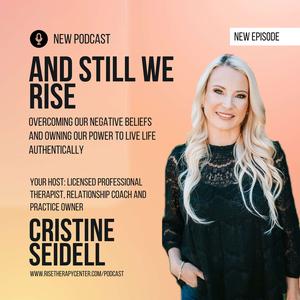
00:00:13.839I'm your host, Christine Seidel, and today we have one of our newer therapists, Mariana Bohm, to come and discuss some fun topics with us today.
00:00:14.000 -->
00:00:15.199So welcome, Mariana.
00:00:15.679 -->
00:00:16.399So good to see you.
00:00:16.800 -->
00:00:17.120Thanks.
00:00:17.359 -->
00:00:24.239If it's okay with you, can I read a little bio about you so all of our listeners can kind of get to know who you are and the work that you do?
00:00:24.399 -->
00:00:27.519So let me tell you a little bit about Marianna.
00:00:27.839 -->
00:00:34.799Mariana is an associate professional counselor who works with children and young adults navigating externalizing behaviors.
00:00:34.960 -->
00:00:44.320This may look like difficulties in specific environments such as school and home, relationship challenges, or patterns of behavior that people are looking to shift.
00:00:44.560 -->
00:00:48.799In her work, she focuses on trust and connection as a foundation for growth.
00:00:49.039 -->
00:01:01.600Mariana's optimism and empathic compassion have allowed her to specialize in working with boys and young men to find ways to communicate their needs and connect with others that align with their natural ways of life.
00:01:01.840 -->
00:01:02.719I love that.
00:01:03.039 -->
00:01:04.079Thank you for joining us.
00:01:04.319 -->
00:01:09.120And I have to say, like Marianna is amazing with young men.
00:01:09.280 -->
00:01:15.280I really love just watching her uh interact with them, especially in and out of the therapeutic setting.
00:01:15.439 -->
00:01:17.359So she's also with our little guys.
00:01:17.519 -->
00:01:18.560So thank you.
00:01:19.120 -->
00:01:19.439Thank you.
00:01:19.680 -->
00:01:20.719Yeah, absolutely.
00:01:20.879 -->
00:01:28.159So Marianna is coming to talk with us today, specifically about some additional topics of attachment.
00:01:28.319 -->
00:01:29.840You know how much we love attachment here.
00:01:30.319 -->
00:01:36.719And so we really it really is kind of the foundation of a lot of the work that we do here as therapists.
00:01:36.879 -->
00:01:57.760But today we specifically want to talk about the very common topic of the anxious and avoidant dynamic, which in so many, I mean, I can't I can't think of a day that goes by in my therapeutic work that I don't have some client kind of presenting with this type of dynamic in their lives, especially if you do any relational work.
00:01:58.079 -->
00:02:02.319So we hear so much about the anxious avoidant dance.
00:02:02.560 -->
00:02:02.879Yeah.
00:02:03.280 -->
00:02:03.599Right?
00:02:03.840 -->
00:02:08.080But what what do you want to kind of talk about in terms of that dance?
00:02:08.159 -->
00:02:15.360You know, what are we really looking at when we see these anxious avoidant dynamics play out in kind of a turbulent way, so to speak?
00:02:15.919 -->
00:02:16.719Yeah, of course.
00:02:16.879 -->
00:02:18.560And first off, thanks for having me.
00:02:18.879 -->
00:02:21.120Honor to be here, you know, as a special guest.
00:02:21.439 -->
00:02:22.080Absolutely.
00:02:22.319 -->
00:02:28.560Um, and I think kind of the the term dance is its very perfect form for what we call it.
00:02:28.639 -->
00:02:33.759Um, it's also sometimes called a trap, which I feel like semantics are always important.
00:02:34.159 -->
00:02:34.479They are.
00:02:34.800 -->
00:02:44.000And when you hear the word trap, I don't know about you, but oftentimes I think like the mouse trap, it's so obvious you see it coming, and you're like, oh my goodness, look out.
00:02:44.159 -->
00:02:44.560Yes.
00:02:44.719 -->
00:02:47.280Um, but in life, it's it's not actually like that.
00:02:47.439 -->
00:02:52.479In reality, it's more of kind of like that that chair at your grandparents' house or something.
00:02:52.639 -->
00:03:05.280It's so comfortable, it's there every time, and you're like, oh, I'm just gonna take a load off and sit in it with no hesitancy, and you all of a sudden your butt's on the floor and you're like, I need help getting out.
00:03:05.520 -->
00:03:06.479I am trapped.
00:03:06.800 -->
00:03:07.120Trapped.
00:03:07.280 -->
00:03:07.520Yeah.
00:03:07.840 -->
00:03:11.360That definitely is a good way of kind of separating, you know.
00:03:11.439 -->
00:03:19.120I think we also want to recognize like not everybody is able to come into this world of relationships with a secure attachment.
00:03:19.280 -->
00:03:32.080So we really are on a spectrum of some facet of attachment wounding, whether we're, you know, a little bit anxious but really working towards secure, or a little bit avoidant, working towards secure.
00:03:32.240 -->
00:03:39.039But I think trap is such a great word to use, the anxious avoidant trap, because that's really recognizing wait a minute.
00:03:39.199 -->
00:03:41.599Like I'm stuck, I don't want to be here.
00:03:41.680 -->
00:03:44.719I don't mind dancing, but I definitely don't want to be trapped.
00:03:45.840 -->
00:03:47.680That's not a good place to be at all.
00:03:47.919 -->
00:03:52.319So tell me, what is the anxious avoidant trap really?
00:03:52.479 -->
00:03:55.599Like, what does this look like in relational dynamics?
00:03:55.840 -->
00:03:59.280Yeah, yeah, that's a really good place to start, honestly.
00:03:59.360 -->
00:04:11.120Um, and it kind of needs this moment of well, what even is like anxious versus avoidant, which um kind of that anxious side is you're moving towards something, right?
00:04:11.280 -->
00:04:16.079And you are seeking connection because you're really afraid of abandonment.
00:04:16.240 -->
00:04:16.480Yeah.
00:04:16.639 -->
00:04:16.959Yeah.
00:04:17.120 -->
00:04:26.319Whereas on that avoidance side, it's you're moving away because you're afraid to lose your independence and you are seeking reliability.
00:04:26.639 -->
00:04:26.959Yeah.
00:04:27.040 -->
00:04:27.439Yeah.
00:04:27.600 -->
00:04:39.199So kind of that's where the dance part comes in of we're moving in opposite directions, but somehow like melding together to almost like point out each other's biggest fears.
00:04:39.439 -->
00:04:39.759Yeah.
00:04:39.920 -->
00:04:40.560Yeah.
00:04:40.879 -->
00:04:51.279So in terms of like the anxious individual, what is kind of going on with them versus the avoidant individual?
00:04:51.439 -->
00:04:57.360What specifically is are they each experiencing in the relationship?
00:04:58.160 -->
00:04:58.480Yeah.
00:04:58.639 -->
00:05:03.279So the that anxious side, it's that need for connection, right?
00:05:03.360 -->
00:05:06.240So they are seeking out, I need connection and I need it now.
00:05:06.399 -->
00:05:13.759I need reassurance and I need to know that whoever I've deemed my partner is here and they are with me, and that's it.
00:05:13.920 -->
00:05:14.240Yeah.
00:05:14.399 -->
00:05:24.000So that may look like, oh, I'm gonna send a couple of texts throughout the day, and maybe one person's version of a couple is like a hundred, another person's version of a couple is like 20.
00:05:24.240 -->
00:05:26.720But it's like that that need for connection.
00:05:26.879 -->
00:05:37.199So sending that text for them is meeting that need of I am feeling connected because I sent that text, because I called them, because I showed up on their front porch with a box of chocolate.
00:05:37.360 -->
00:05:38.560I feel connected.
00:05:38.639 -->
00:05:38.959Yeah.
00:05:39.120 -->
00:05:42.160Because they're so they're they're afraid to be abandoned.
00:05:42.399 -->
00:05:43.040Yeah, yeah.
00:05:43.199 -->
00:05:48.959To be alone and to uh not have that external source of validation.
00:05:49.040 -->
00:05:49.199Yeah.
00:05:49.439 -->
00:05:59.439So they're really kind of pursuing, yes, you know, sometimes even chasing this need for reconnection or validation.
00:05:59.759 -->
00:06:11.360What is the avoidant kind of experiencing or demonstrating in that dance slash trap once it starts getting the trap part?
00:06:11.439 -->
00:06:11.600Yeah.
00:06:12.319 -->
00:06:15.839Um, it's almost like the the perfect opposite.
00:06:16.240 -->
00:06:20.319So they are really seeking reliability.
00:06:20.639 -->
00:06:25.680And somewhere along the way, they have learned others around me are not reliable.
00:06:25.759 -->
00:06:27.279I don't know if I can really trust them.
00:06:27.439 -->
00:06:28.879I don't know if they're consistent.
00:06:29.120 -->
00:06:30.720I know I am consistent.
00:06:30.879 -->
00:06:32.319I know I am reliable.
00:06:32.480 -->
00:06:40.959So then that becomes that kind of turning inward and moving away and seeking that independence because they're needing reliability.
00:06:41.120 -->
00:06:51.360So it's playing into that fear a little bit of instead of losing my independence, I will just not associate with others because that feels better.
00:06:51.439 -->
00:06:53.120It feels safer to me.
00:06:53.680 -->
00:07:04.639Yeah, and I think that like in some of the past conversations we've had, I think oftentimes the anxious, the more anxious attachment person looks more like an externalizer.
00:07:04.720 -->
00:07:13.040Like they are externally, you know, showing a level of discomfort out of a fear of abandonment or rejection or whatever, right?
00:07:13.120 -->
00:07:17.600So I externally need others to give me validation or whatnot.
00:07:17.759 -->
00:07:20.879And the avoidant tends to be more of that internalizer.
00:07:20.959 -->
00:07:24.240You know, I can, you know, do this all on my own.
00:07:24.399 -->
00:07:25.680I don't need anybody else.
00:07:25.839 -->
00:07:30.560When other people are seeking, you know, emotional connection with me, that feels unsafe.
00:07:30.639 -->
00:07:35.199Oftentimes those are the you know, people who in childhood didn't have emotional needs met.
00:07:35.279 -->
00:07:39.279So like that feels really weird and like a little bit of like suffocating.
00:07:39.519 -->
00:07:44.480I'm so used to just relying on myself and you know, I can I can meet all of my needs my on my own.
00:07:44.560 -->
00:08:00.000So I think that that trap you know, narrative or that trap, like you know, example is so important because it really is when each person is having their own experience based upon a fear, right?
00:08:00.480 -->
00:08:05.199So tell me a little bit about like what does that look like somatically?
00:08:05.279 -->
00:08:06.800So within the body, right?
00:08:06.959 -->
00:08:19.360So like we talked about anxious being very, you know, kind of um well, anxious and a little dysregulated, and the avoidant looking kind of cool and aloof.
00:08:19.519 -->
00:08:28.720Yes, both of those clearly the nervous system is not actually like in a in a homeostasis state that we would consider calm and and congruent.
00:08:29.040 -->
00:08:39.360So tell me what does like the nervous system look like and what do people experience somatically, you know, when they are in that anxious state.
00:08:39.679 -->
00:08:40.559Yeah, yeah.
00:08:40.799 -->
00:08:45.759It's kind of a mix between like same but different almost.
00:08:46.000 -->
00:08:52.559So um, if we start with just kind of, which like in somatic processing, you really like dial into what's happening in my body right now.
00:08:52.799 -->
00:08:52.879Yeah.
00:08:53.120 -->
00:08:56.320So if we're dialed into that, it's maybe we feel that racing heart.
00:08:57.039 -->
00:08:59.039That can happen in an anxious or an avoidant person.
00:08:59.120 -->
00:09:00.399You can have that racing heart.
00:09:00.480 -->
00:09:02.320It's more so, okay.
00:09:02.639 -->
00:09:07.440If I am a person who maybe attaches more anxiously, I have this racing heart.
00:09:07.600 -->
00:09:09.200What does my racing heart feel like?
00:09:09.440 -->
00:09:15.679Does it feel like it's like a really fast pitter patter because I feel somebody slipping away from me?
00:09:16.159 -->
00:09:17.759Oh, I feel them slipping away.
00:09:18.000 -->
00:09:20.879What do I need to ensure they don't slip away?
00:09:21.039 -->
00:09:23.759Oh, what I need to do is I need to, I need to show up at their house.
00:09:23.840 -->
00:09:26.000Oh, what I need to do is I need to call them right now.
00:09:26.480 -->
00:09:27.039I love that.
00:09:27.120 -->
00:09:29.759Like, what can I do to make sure they don't?
00:09:30.000 -->
00:09:30.799Yes, yeah.
00:09:31.120 -->
00:09:31.440Yes.
00:09:31.600 -->
00:09:44.480And then on that flip side, if we just stick it with that um analogy of like we've got a racing heart for the avoidant person, they may be experiencing, okay, I've got this racing heart because I'm feeling all this pressure placed upon me.
00:09:44.559 -->
00:09:56.240And oh my goodness, they they're at my house right now, and I was just gonna have the next four days to be by myself because I don't need anybody because I am independent, and this is making me feel like I need them.
00:09:56.639 -->
00:09:57.759I'm losing my independence.
00:09:57.840 -->
00:10:00.320Oh my goodness, I need to slam the door shut and block their phone number.
00:10:00.399 -->
00:10:01.360I'll text them in a week.
00:10:01.600 -->
00:10:02.320Yeah, yeah.
00:10:02.480 -->
00:10:05.039So I I like that you said same but different, right?
00:10:05.279 -->
00:10:18.240Like because that maybe that bid for connection starts just dysregulating the nervous system to a point of like the beating heart or like the looping of thoughts, yeah, right.
00:10:18.480 -->
00:10:25.679And I think that that's really important to recognize like the somatics are really the emotions showing up in a physiological way.
00:10:26.320 -->
00:10:32.960And even though the avoidant may look aloof and like doesn't need anybody, they're still feeling a sense of dysregulation.
00:10:33.360 -->
00:10:33.759For sure.
00:10:34.080 -->
00:10:34.480100%.
00:10:34.879 -->
00:10:43.120Yeah, because it's the I feel like the avoidant is so um it's such like a juicy attachment style almost because it does give off.
00:10:43.360 -->
00:10:44.799Oh, I don't even need to attach.
00:10:44.960 -->
00:10:46.159I'm okay, I'm fine.
00:10:46.399 -->
00:10:57.039But like deep down, it's that they've tried to attach and their needs weren't met and they weren't reliable or they weren't consistent, which left them in a state of survival.
00:10:57.200 -->
00:10:57.519Yeah.
00:10:57.679 -->
00:11:00.559Which is really like all that we are trying to do.
00:11:00.799 -->
00:11:02.720All of us as people are just trying to survive.
00:11:02.799 -->
00:11:03.679We've never done this before.
00:11:03.919 -->
00:11:04.399Yeah, exactly.
00:11:04.720 -->
00:11:06.159So for our first go around, right?
00:11:06.480 -->
00:11:07.039It's the first time.
00:11:07.120 -->
00:11:10.320So then they're like, oh my goodness, I feel like my needs weren't met.
00:11:10.399 -->
00:11:10.480Yeah.
00:11:10.639 -->
00:11:16.480I can meet them myself though, and then I don't have to feel let down or disappointed or like somebody wasn't there for me.
00:11:16.960 -->
00:11:23.759So it's uh it's like it's so interesting because it's like they they want the attachment, it's just so scary.
00:11:23.919 -->
00:11:24.960It is so scary, yeah.
00:11:25.039 -->
00:11:29.120So like that, the somatics of fear is really the dysregulation.
00:11:29.279 -->
00:11:31.519So like that's a great indicator for our listeners.
00:11:31.600 -->
00:11:45.360Like, yeah, if you are trying to come into a place of connection, whether you're making the bid for connection, or you are aware that others are seeking connection and you genuinely want a connection, but it starts dysregulating you.
00:11:45.679 -->
00:11:49.039That somatic experience is a great indicator then.
00:11:49.120 -->
00:11:51.120You might be falling falling into this trap, right?
00:11:51.279 -->
00:11:53.600Yeah, you're sinking into Nana and Papa's chair.
00:11:55.919 -->
00:12:02.879So tell me, what does you know, like calm attachment really look like, right?
00:12:03.039 -->
00:12:06.480Because now we're gonna get into this whole like, yes, but we have great chemistry.
00:12:06.960 -->
00:12:09.360We have a roller coaster, things are so fashioning.
00:12:09.600 -->
00:12:14.240Yeah, like I can't stand them for months, and then the next moment, like we can't keep our hands off each other.
00:12:14.480 -->
00:12:15.759Like it must be love, right?
00:12:15.919 -->
00:12:16.480Exactly.
00:12:17.600 -->
00:12:18.799It must be love, surely, right?
00:12:18.960 -->
00:12:20.000Because what else are you talking about?
00:12:20.480 -->
00:12:20.639Right?
00:12:20.720 -->
00:12:22.320Yeah, it's like couldn't that just be chemistry?
00:12:22.399 -->
00:12:22.480Right.
00:12:22.720 -->
00:12:24.879They're I say, Oh, yeah, right.
00:12:24.960 -->
00:12:26.080That's said all the time.
00:12:26.159 -->
00:12:26.799Yeah, yeah.
00:12:26.960 -->
00:12:35.600So it's that um that it's like the the can't eat, can't sleep type of love, and it's that's the chemistry, you know?
00:12:35.679 -->
00:12:41.759Like, yeah, you need kind of that that tug towards that person, that's very important, or else you're just friends, right?
00:12:41.919 -->
00:12:43.919Then that's kind of the separator aspect.
00:12:44.080 -->
00:12:49.840Um, so it's kind of this idea of these like activation pieces, right?
00:12:49.919 -->
00:12:52.159That's almost puts us on a roller coaster.
00:12:52.480 -->
00:12:59.440Um, usually when people get on a roller coaster, they're not saying, I feel so safe, I feel so comfortable, this is predictable.
00:12:59.600 -->
00:13:02.720Instead, they're like, Okay, I'm afraid, but this is fun.
00:13:02.879 -->
00:13:07.679I like this, a rush, and then it's over, and then you're like, huh, I'll do it again and again.
00:13:07.759 -->
00:13:16.720Yeah, yeah, and kind of moving more into that calm and comfortable energy where it's I use a lot of analogies.
00:13:17.919 -->
00:13:18.879Right, yeah, we like those.
00:13:19.519 -->
00:13:19.840Exactly.
00:13:20.000 -->
00:13:34.080Um it's kind of more like uh a cross-country train ride where you get on at a stop, you know where you're getting on, you know where you're getting off, you know your stops in between, you have your itinerary, you know where the meal cart is, you know where your bedroom is.
00:13:34.240 -->
00:13:47.200Everything is predictable, everything's comfortable, and you have that ability to sit and look ahead and say, Okay, I don't know what Colorado stop has to offer, but I know I'm stopping in Colorado, and at least that feels safe to me.
00:13:47.360 -->
00:13:48.000Yeah, yeah.
00:13:48.159 -->
00:14:02.399So kind of like understanding that it's a journey, yeah, you know, and that you're not like every single stop has to be like the best stop ever, you know, that you're open and willing to see like what there is to experience in this moment.
00:14:02.559 -->
00:14:02.720Yeah.
00:14:02.879 -->
00:14:25.679So and you know, a lot of times I like, and I and I think the anxious and then also kind of like the anxious avoidant combination, which is also called disorganized, tend to really fall into that chemistry confusion because they get into such a push-pull, oftentimes with avoidance, you know, because you know, it can start becoming volatile, right?
00:14:25.759 -->
00:14:30.159Like the anxious is not only just willing to kind of like pursue and be like, look, here I am with flowers.
00:14:30.320 -->
00:14:36.879It's like if I'm not getting my needs met, if I'm not getting that validation, then I'm gonna start attacking.
00:14:37.039 -->
00:14:37.759I'm gonna up it.
00:14:38.080 -->
00:14:40.320I'm gonna up the annie, I'm gonna turn the stove up.
00:14:40.639 -->
00:14:41.360Yeah, yeah.
00:14:41.440 -->
00:14:45.840So, and and then hopefully what I say will trigger something in you to give me my needs, right?
00:14:46.000 -->
00:14:53.679So it can become very volatile, where with avoidance, you know, they might start doing things like ignoring you, right?
00:14:53.919 -->
00:14:57.519And like leaving you on red, and then like unfollowing you, right?
00:14:57.600 -->
00:15:12.720Like ways to punish you that feels very um isolating and abandoning, but you know, that anxious and the anxious avoidant disorganized attachment really do fall into that chemistry complication.
00:15:12.879 -->
00:15:18.399And what I like to tell a lot of my clients is like, you know, we're not seeking just chemistry, right?
00:15:18.720 -->
00:15:19.679And that's kind of hard.
00:15:19.840 -->
00:15:22.720It's hard for the anxious because they're like, it feels so good.
00:15:22.879 -->
00:15:27.200Because it they feel chosen if their needs are messed met in that moment.
00:15:27.279 -->
00:15:30.639So it can be really, you know, can kind of gasp at you a little bit, right?
00:15:30.720 -->
00:15:32.720Right, and so you feel like, oh, my needs are being met.
00:15:32.799 -->
00:15:40.240So they really love the chemistry, yeah, but there's also this level of compatibility that feels really soft, especially for the avoidant.
00:15:40.399 -->
00:15:55.759Like, here's a gentle we like way to expose myself to others meeting my need that feels very comfortable for me to like slowly and softly go into connection with people, but neither one by themselves is really what we're seeking in in healthy relationships.
00:15:55.919 -->
00:16:01.679What we want is that connection, which is like I can go on this journey with my partner.
00:16:02.159 -->
00:16:06.000Some moments are like the wow moments, like that chemistry, right?
00:16:06.159 -->
00:16:11.440And some moments are like, oh, you know, like that's a nice, like, you know, meadow that we're passing through.
00:16:11.519 -->
00:16:13.759But like, you know, they're not mountains, and that's okay.
00:16:13.840 -->
00:16:16.639It's a different, it's a different experience within the relationship.
00:16:16.799 -->
00:16:20.639And you really to have like healthy connection, you need that variety.
00:16:21.039 -->
00:16:25.279And it's good, it's not gonna happen in, you know, every single week, you're not gonna have all of that.
00:16:25.440 -->
00:16:37.840There are seasons within a relationship, but a calm, regulated nervous system in a relationship understands the need for both and understands the boundaries that need to be around both too.
00:16:38.080 -->
00:16:53.440Because if one partner is constantly seeking that high and that chemistry and that passion, and the other partner is only seeking compatibility and like comfort, yeah, then you're gonna end up having a lot of disagreements around unmet needs.
00:16:53.600 -->
00:16:54.960Yes, yes, yes.
00:16:55.279 -->
00:17:04.079Which we oftentimes wanna we want our other people to meet our needs versus really becoming aware of like what's going on within us.
00:17:04.319 -->
00:17:04.559Right.
00:17:04.880 -->
00:17:24.559So can you speak a little bit to what the internal narratives are with like um the anxious attachment and the avoidant attachment, you know, for somebody who's like, I don't know what I am, I just know and a lot of people, you know, listen, they come to therapy oftentimes that are like, I'm this, and I'm like, well, let's unpack that a little bit.
00:17:24.880 -->
00:17:25.200Right, right.
00:17:25.279 -->
00:17:27.119So, you know, again, we're on a spectrum, right?
00:17:27.200 -->
00:17:32.079We can we can have little bits and pieces, you know, as we do our our internal work.
00:17:32.160 -->
00:17:46.319But tell me a little bit of what, and and you gave us a little bit more insight, but can you go a little bit deeper into like what are these internal narratives that begin for the anxious and the avoidant, especially when they feel like their needs are not being met?
00:17:46.559 -->
00:17:46.880Right.
00:17:47.039 -->
00:17:47.440Yeah.
00:17:47.759 -->
00:17:53.759The the anxious, it's a lot of what more can I do?
00:17:54.000 -->
00:18:03.279Um, because if we because attachment style is formed within like first couple months of life, it's like very much something that's like we've got it from like day one, you know.
00:18:03.519 -->
00:18:03.680Yeah.
00:18:03.759 -->
00:18:07.279Um, and then it's cultivated by our environment and by our surroundings.
00:18:07.440 -->
00:18:12.319We learn a behavior and that's how we will act until we learn something different.
00:18:12.480 -->
00:18:12.880Yeah.
00:18:13.039 -->
00:18:18.720Um, so for anxious people, they people that attach more anxiously, that's a nicer way to say it.
00:18:18.880 -->
00:18:23.039Um they tend to figure out well, what more can I offer?
00:18:23.279 -->
00:18:31.759If I'm not getting that reassurance that I'm looking for, I'm not getting that connection, surely if I do a little bit more, I'll get what I'm looking for.
00:18:32.079 -->
00:18:35.119Um, which like in I do a lot of work with kids.
00:18:35.200 -->
00:18:38.720So in kids, what that late look like is I'm looking for that connection with mom.
00:18:38.960 -->
00:18:39.839I'm not getting it.
00:18:39.920 -->
00:18:46.079I'm gonna throw a tantrum right now because I need connection and I'm not having that need.
00:18:46.160 -->
00:18:50.960So if I do more, okay, my tantrum's not loud enough in Kroger right now, fine.
00:18:51.039 -->
00:18:52.240I'll scream louder.
00:18:52.400 -->
00:18:55.839Yeah, and then you're gonna give me my what I'm looking for, which is that connection.
00:18:56.400 -->
00:18:56.640Yeah.
00:18:56.799 -->
00:19:06.640And then in like couples and partners, it may be more of like, okay, I am not getting that connection met right now, so I am going to go to their house.
00:19:06.799 -->
00:19:10.799I they haven't texted me all day, and I need that connection, I need that reassurance.
00:19:10.960 -->
00:19:12.480I'm afraid that they're leaving me.
00:19:12.640 -->
00:19:14.240Yeah, I'm gonna go to their house.
00:19:14.480 -->
00:19:18.799Okay, um, going to their house, they weren't there, so let me look at their location there at work.
00:19:18.960 -->
00:19:19.839I'll go to work.
00:19:20.079 -->
00:19:26.000And so it's always kind of surely I can do a little bit more to get what I'm looking for.
00:19:26.160 -->
00:19:26.319Yeah.
00:19:26.480 -->
00:19:26.720Yeah.
00:19:26.799 -->
00:19:43.200And I think that like, you know, we wanna recognize, and there's some other videos, you know, we can connect at the end of this to go into this a little bit more, but like that anxious attachment is really this uncertainty of how and when their needs are going to be met, you know.
00:19:43.279 -->
00:19:49.440So it's almost like, you know, my partner can meet my needs sometimes, but other times not.
00:19:49.599 -->
00:19:52.960So what do I need to do to get them met in that moment, right?
00:19:53.039 -->
00:19:59.759So that's a child that was growing up that sometimes, you know, the parent was available to meet their needs and sometimes they were not.
00:20:00.160 -->
00:20:04.240And so the child learned what can I do to get the needs met.
00:20:04.400 -->
00:20:10.240And that tends to be more of that externalizing behavior throwing the tantrum, crying, whatever it is, right?
00:20:10.400 -->
00:20:18.400And so that really is rooted in it's it's on me to get others to meet my needs, you know.
00:20:18.480 -->
00:20:21.680And unfortunately, we're not always cognizant of that's what we're doing, right?
00:20:21.920 -->
00:20:22.079Right.
00:20:22.559 -->
00:20:28.799Oftentimes, like the anxious will focus on the other and be like, they're not doing this, they're not doing that, right?
00:20:29.440 -->
00:20:31.519Even though I'm doing all these things, right?
00:20:31.680 -->
00:20:45.359So that's really a lot of where that anxious attachment comes from is just this uncertainty of if and when and how, and then activating to try and constantly get that reassurance.
00:20:45.519 -->
00:20:45.680Right.
00:20:46.000 -->
00:20:49.279So tell me a little bit about the narratives of the avoidant.
00:20:49.440 -->
00:20:49.839Yeah.
00:20:50.000 -->
00:20:57.519It's it's funny that in both attachment styles, it's very much what can I do to meet my need.
00:20:57.680 -->
00:21:03.759Um, so it like you said, Christine, in the anxious, it is that I can do more, let me do more.
00:21:04.240 -->
00:21:14.160In the avoidant, they still have the what can I do, but it's more so because they were in an environment where they learned that others maybe are really not reliable.
00:21:14.319 -->
00:21:15.599I can't trust them.
00:21:15.920 -->
00:21:18.720And in turn, I will rely on me.
00:21:18.880 -->
00:21:20.079I will rely on myself.
00:21:20.240 -->
00:21:22.319I'm consistent, I know who I am.
00:21:22.480 -->
00:21:22.799Yeah.
00:21:23.039 -->
00:21:27.759And it's that kind of glorified independence almost.
00:21:27.839 -->
00:21:31.440Um, because independence is one of those things that's very attractive.
00:21:31.680 -->
00:21:34.079People enjoy when they see somebody who's independent.
00:21:34.160 -->
00:21:34.400Yeah.
00:21:34.559 -->
00:21:40.720And it's when it's kind of taken to that uptick of I'm independent and I am not ever gonna seek out any help.
00:21:40.880 -->
00:21:44.240Then that's where it's like, oh, we get into that dance, we get into that chat.
00:21:44.480 -->
00:21:54.240Because in the moments where you do need support, you need some help, maybe you're having a stressful time at work, your family life is going a little bit crazy, it's the holidays.
00:21:54.960 -->
00:21:57.440You need somebody, you need you still need help.
00:21:57.519 -->
00:22:02.640So then all the pressure starts weighing on you at the Starts building and you're like, I can only rely on me.
00:22:02.799 -->
00:22:03.359Yeah.
00:22:03.680 -->
00:22:07.680And causes you to push everybody else away to go into your little bubble.
00:22:07.759 -->
00:22:13.200So then you're like, all right, I will meet my needs, my needs only, because that is what is safe, that's what's comfortable.
00:22:13.359 -->
00:22:15.359I won't entertain meeting other needs right now.
00:22:15.519 -->
00:22:16.640I don't have the bandwidth for it.
00:22:17.680 -->
00:22:23.279Yeah, I think oftentimes like the avoidant tends to be like I'm all alone.
00:22:23.519 -->
00:22:23.839Yes.
00:22:24.160 -->
00:22:30.240You know, and and that I think that that's an interesting thing because then we see them like isolate, right?
00:22:30.480 -->
00:22:31.039Withdraw.
00:22:31.119 -->
00:22:35.599And I think, you know, for the anxious attachment, it's like I'm too much, right?
00:22:35.920 -->
00:22:40.000And but then we see them really bring in that extra layer, right?
00:22:40.559 -->
00:22:46.319And so that that does show us like this is something that is so rooted in those early years of life.
00:22:46.480 -->
00:22:50.240I mean, we know even now, like even in utero, like we're building attachment.
00:22:50.319 -->
00:23:05.359We work with a lot of um children of adoption, and knowing, you know, even if they're in a in a home that was you know open and warm and welcoming, like if there wasn't a healthy attachment in utero, they can still have some manifestations of attachment wounds, you know.
00:23:05.680 -->
00:23:16.559So I think you know, that anxious is all is oftentimes like I'm too much, and other people like leave me or they're not there, and then the the you know, avoidant is like I'm all alone.
00:23:16.640 -->
00:23:20.000Yeah, and I'm I you know I'm abandoned, I'm alone, you know.
00:23:20.319 -->
00:23:30.960So how can somebody start you know, like recognizing these patterns?
00:23:31.119 -->
00:23:34.000I mean, I know a lot of it is like familiarity, right?
00:23:34.160 -->
00:23:49.839You know, so can can you speak a little bit to like we know this this comes from childhood, but like you know, somebody would tell, somebody could say, hey, you know, you keep chasing somebody or you keep running away, maybe you could try something new, but like that's such a difficult thing to do in those moments.
00:23:50.000 -->
00:23:56.799So what is like what is it about the familiarity and the comfort of those patterns that continues to draw us in?
00:23:58.640 -->
00:24:12.480Funny enough, I feel like it kind of goes back to this idea of homeostasis, which like plants have it, humans have it, every like living, breathing thing has this idea of homeostasis, which is I want to stay where I am.
00:24:12.640 -->
00:24:14.240I am comfortable here.
00:24:14.559 -->
00:24:17.039Change is scary, change looks different.
00:24:17.279 -->
00:24:24.960Um, so for us, like maybe you go to like the same gas station every single time, and you're like, ah, this is safe and comfortable.
00:24:25.039 -->
00:24:30.559And gas at that gas station maybe like four more dollars than the other one, but you're like, I don't care.
00:24:31.119 -->
00:24:32.079I know this one.
00:24:32.160 -->
00:24:36.799Yeah, and this is the safe one, which I think is this the big part there is it's the safety piece of it.
00:24:37.119 -->
00:24:44.160And engaging in something else, it feels unsafe because it is unfamiliar that we don't know it.
00:24:44.240 -->
00:24:51.359So, say an anxious person tries to, when they get this, this you know, the heart starts beating, they get those somatic feelings.
00:24:51.519 -->
00:24:53.359Oh my goodness, I'm feeling them slip away.
00:24:53.440 -->
00:24:55.200Yeah, I feel like they're abandoning me.
00:24:55.359 -->
00:25:08.559Yeah, it feels unfamiliar, scary, and unsafe to sit in that feeling and process what do I need out of this versus what am I gonna do?
00:25:08.799 -->
00:25:09.839Yeah, yeah.
00:25:10.000 -->
00:25:16.480How do I need to be here with myself and be still and allow versus what do I need to do?
00:25:16.559 -->
00:25:18.640That is oh man, working with anxious.
00:25:18.720 -->
00:25:23.759That that is when they're like, I don't want to be, but what can I do?
00:25:23.839 -->
00:25:24.799But I'm gonna do it anyway.
00:25:25.119 -->
00:25:26.559But let me tell you what you can do.
00:25:26.799 -->
00:25:27.759Be silly.
00:25:30.000 -->
00:25:30.160Yeah.
00:25:30.319 -->
00:25:39.200And I love, you know, like bringing up that homeostasis and like the ego doesn't know what's good or bad for us, it only knows what's familiar and it wants to stay in that neuropathway.
00:25:39.599 -->
00:25:53.599What I love about being a therapist now is like so much what we're learning about neuroplasticity and the ability to really like develop new ways of thinking and being and heal through the wounds of attachment.
00:25:53.680 -->
00:25:57.519You know, that's that's so much of the work we do here starts there.
00:25:57.599 -->
00:25:57.759Yes.
00:25:58.000 -->
00:26:08.000Even when we work with adults and couples, is like let's go back to like where was this belief pattern formed and really educating clients that like we can change that.
00:26:08.079 -->
00:26:08.319Yeah.
00:26:08.559 -->
00:26:08.799Yeah.
00:26:08.880 -->
00:26:11.359Some people have been like, oh, this is just the way that I am.
00:26:11.599 -->
00:26:16.400And it's like, no, we have neuroplasticity, our brain can create new neuropathways.
00:26:16.559 -->
00:26:17.680Like, let's do this.
00:26:18.480 -->
00:26:20.160So, where can we start?
00:26:20.240 -->
00:26:30.079Like, what are the steps that some people can take to start working on recognizing attachment, wounding, and doing things differently?
00:26:30.319 -->
00:26:30.960Yeah.
00:26:31.440 -->
00:26:34.319But I'm sorry, anxious people, we already touched on it a little.
00:26:34.640 -->
00:26:48.799But it's just being like step number one is just like to be and to just like look around to process if if you're having those questions of I don't know which camp I fall in, I don't know if I hang out more with avoidant, maybe I'm both, maybe I am more anxious.
00:26:48.960 -->
00:26:50.880It's okay, let's sit with that.
00:26:51.039 -->
00:26:59.279Let's sit with what in your eyes does it feel like to have this more anxious attaching or have this more avoidant attaching?
00:26:59.440 -->
00:27:05.359Because it's we're just two people here, you know, like everybody else kind of experiences it on their own wavelength.
00:27:05.599 -->
00:27:05.759Yeah.
00:27:06.000 -->
00:27:20.319So really having that moment, whether it is like seeking out a therapist and doing it in like the work in the room together with that support, whether it's starting more just like on your own, kind of journaling, figuring out, okay, what have my relationship patterns looked like in the past?
00:27:20.640 -->
00:27:24.079Kind of figuring out these are my behaviors that I've enacted in.
00:27:24.319 -->
00:27:25.519And what did I do?
00:27:25.680 -->
00:27:26.640What was I a part of?
00:27:26.799 -->
00:27:27.839What were they a part of?
00:27:28.079 -->
00:27:28.400Yeah.
00:27:28.559 -->
00:27:30.960I love that you you know say that.
00:27:31.039 -->
00:27:33.279Like, what am I noticing?
00:27:33.440 -->
00:27:37.759You know, because so much I think of our culture as like, let's other everything.
00:27:38.000 -->
00:27:42.880Like, especially, you know, anxious likes to be like, they're doing this and they're doing that.
00:27:43.119 -->
00:27:49.519And you know, the avoidant is like, you know, I'm just not like ready for that, or you know, they they want too much from me.
00:27:49.599 -->
00:28:02.480Like, we tend to other so many other people that we don't actually sit and say, you know what, like I do genuinely want a healthy connection with somebody, and I'm recognizing that's becoming harder and harder.
00:28:03.200 -->
00:28:08.240And I want to understand, like, what am I participating in?
00:28:08.319 -->
00:28:09.519Like, what is my pattern here?
00:28:09.680 -->
00:28:14.720What am I experiencing in this pattern of relationships?
00:28:14.960 -->
00:28:24.720And becoming really curious about yourself and and how you're experiencing relationships is so important because we love the other, yeah, everything else, right?
00:28:24.960 -->
00:28:28.480Yeah, so what was what's the another step you can take?
00:28:28.559 -->
00:28:35.759So once you kind of recognize, okay, this is you know something I'm recognizing is my pattern, what can you do with that?
00:28:36.079 -->
00:28:40.240Because it's not, you know, we're not like Mary Poppins where we're like off we go.
00:28:40.559 -->
00:28:41.200Okay, done.
00:28:41.359 -->
00:28:41.920Okay, yeah.
00:28:42.000 -->
00:28:43.039I attach anxiously.
00:28:43.200 -->
00:28:43.759Yeah, okay.
00:28:44.480 -->
00:28:51.680Um, I feel like it becomes that period of adjustment and that period of growth, which the growing is never easy.
00:28:51.759 -->
00:28:59.119It's hard, it's difficult, and again, it it attacks that familiarity and it attacks what we have created to be safe.
00:28:59.599 -->
00:29:03.920Um, so kind of seeking out how can I adjust?
00:29:04.079 -->
00:29:10.160How can I kind of pivot the patterns that I'm engaging in to better align with what I want?
00:29:10.559 -->
00:29:18.480Because if at the end of the day you are somebody that attaches more avoidantly, you want to be able to rely on others and still have your independence.
00:29:18.640 -->
00:29:19.680You've got your own goal.
00:29:19.759 -->
00:29:19.839Yeah.
00:29:20.079 -->
00:29:30.319Now it's what kind of steps can I take to get me there that all align together versus and I'm taking avoidance steps, I'm taking steps behind, I'm actually running backwards.
00:29:30.400 -->
00:29:32.160And it's like there are goals up here, though.
00:29:32.319 -->
00:29:37.359So it's piecing together ways they can just and that feels natural.
00:29:37.440 -->
00:29:37.680Yeah.
00:29:37.839 -->
00:29:43.839It doesn't attack who we are and it doesn't put us into a place of we're broken and we need to be fixed.
00:29:44.079 -->
00:29:44.799Yeah, yeah.
00:29:44.960 -->
00:29:52.480And I think that's something it's so important to recognize too, is like, you know, when you recognize you you have a pattern, you probably do have some belief there.
00:29:52.640 -->
00:29:57.279You probably have some belief like I'm broken, I'm not lovable, I'm too much.
00:29:57.440 -->
00:30:01.920Like, I think that is really important, you know, as you as you begin to be.
00:30:02.480 -->
00:30:05.119And even avoidance gotta be to be, right?
00:30:05.599 -->
00:30:13.200Before you withdraw, before you run away, like just be in that in that place of somebody's putting a bid for connection there, right?
00:30:13.759 -->
00:30:19.359And and what is that internal belief that you're becoming aware of?
00:30:19.519 -->
00:30:21.519Is it that like I'm not lovable?
00:30:21.839 -->
00:30:24.319Like, or I'm I'm gonna be left alone.
00:30:24.400 -->
00:30:26.799I'm I'm I'm never meant to be with anybody.
00:30:26.960 -->
00:30:32.240Is it that like you know, I'm afraid somebody's gonna reject me, you know, I'm gonna get hurt.
00:30:32.559 -->
00:30:35.200What is that internal narrative?
00:30:35.839 -->
00:30:38.960And then that's your internal narrative, right?
00:30:39.119 -->
00:30:43.119Like that is not theirs to fix.
00:30:43.440 -->
00:30:47.920And that's such a tough thing because we really want others to meet our needs.
00:30:48.400 -->
00:30:53.680And and listen, in healthy connection and relationships, we do have a responsibility, right?
00:30:54.079 -->
00:31:01.359But recognizing what that belief is helps you become aware of what is the need that you have.
00:31:02.000 -->
00:31:17.920And it might be I need to um recognize what about me is lovable, or I need to uh be in, you know, really accepting of like that I have big emotions.
00:31:18.079 -->
00:31:20.640Like I what do I need to receive?
00:31:20.799 -->
00:31:24.880And oftentimes that goes back to like what in childhood was not okay, right?
00:31:25.039 -->
00:31:25.200Right.
00:31:25.359 -->
00:31:28.640So if we had big emotions, maybe it was like shut down, right?
00:31:28.880 -->
00:31:46.799So really recognizing I need validation, I need affirmations, I need attention or love or affection or whatever, yeah, but not they need to give me a what in you know what that's rooted in.
00:31:47.279 -->
00:32:02.079Um, what would you say, you know, you know, if somebody's like done those three kind of things and they're like, okay, I'm on this journey, I'm I'm willing to learn how to readjust, how to do this differently, they kind of are aware of their style, their pattern, their narrative.
00:32:02.960 -->
00:32:10.640Should they just go out into the dating world or go to their partner and be like, okay, this is what I need, this is what I've learned.
00:32:11.759 -->
00:32:13.440Uh no.
00:32:15.119 -->
00:32:15.359No?
00:32:15.759 -->
00:32:16.000Yeah.
00:32:16.240 -->
00:32:23.599I I feel like that will backfire and you'll actually like run more closer towards what's familiar and comfortable.
00:32:23.759 -->
00:32:43.279Um, instead, it's kind of doing a little bit of that uh that exposure therapy um in a way that feels comfortable and safe to practice, which is kind of where therapists become such a huge part because we work incredibly hard to create that safe place for you to come in and try something that feels new and scary.
00:32:43.440 -->
00:32:43.920To come in.
00:32:44.079 -->
00:32:45.759Maybe you've done all the background work.
00:32:45.839 -->
00:32:51.920You will walk into your therapy office and you're like, I know I'm avoidant, I know how to fix it, I know what my needs are.
00:32:52.559 -->
00:32:52.880Okay.
00:32:53.279 -->
00:32:53.519Yeah.
00:32:53.759 -->
00:32:55.440And you you come with everything.
00:32:55.599 -->
00:32:58.400And it's like, okay, that's so great, that's so wonderful.
00:32:58.559 -->
00:33:01.920Let's circle back to what is it gonna feel like?
00:33:02.079 -->
00:33:03.200How is that going to be?
00:33:03.279 -->
00:33:04.559What's gonna happen in our body?
00:33:04.640 -->
00:33:08.960Because at the end of the day, it's gonna be scary and it's gonna be unpredictable at first.
00:33:09.119 -->
00:33:19.519So it's finding somebody that you really connect with in the therapy world that you're able to form that alliance with, form that trust, build that connection to say, I know you're not gonna hurt me.
00:33:19.599 -->
00:33:20.720I can try something new.
00:33:21.440 -->
00:33:37.200Yeah, I think that's a great way to say it because you know, really therapy is such a healthy place of support, especially if you, you know, are really working with somebody who understands attachment because they are that safe space of trial and error for you.
00:33:37.599 -->
00:33:45.839And to also recognize like, what is it that you're maybe not hearing yourself experience or say?
00:33:46.000 -->
00:33:52.240And a therapist can reflect that in such a compassionate way that maybe our partners can't, right?
00:33:52.480 -->
00:34:00.720And you know, yes, like learning this about yourself, being in a healthy therapeutic relationship where you can start exploring this with a level of exposure, right?
00:34:01.039 -->
00:34:13.039And then, you know, being in a healthy support system with a partner who's who understands and maybe working on their own, but they can give you the space to practice, you know, being in that vulnerable place.
00:34:13.199 -->
00:34:28.480But it starts really with the first healthy relationship that you can feel safe in, you know, and and it is sometimes a little too much to start in your own intimate relationship because you know, maybe there's a history of unmet needs between the two of you.
00:34:28.800 -->
00:34:30.400So yeah, excellent.
00:34:31.199 -->
00:34:38.400Well, what else would you kind of suggest, or what else do you think it's important to talk about when we talk about the anxious avoidant trap?
00:34:40.320 -->
00:34:49.920The I feel like if we're like doing, you know, jump into summer type of vibe, it's like uh having that moment of self-awareness, which like you mentioned is scary.
00:34:50.079 -->
00:34:57.679Yeah, it's also super empowering because once you if there's a bug in your house you and you don't know what kind of bug's in your house, what are you gonna do?
00:34:57.760 -->
00:35:01.519Yeah, you're gonna be afraid if you know, okay, it's a flying bug and it's in my kitchen.
00:35:01.679 -->
00:35:04.639You have a little bit of a framework with okay, what do I do with that bug now?
00:35:04.800 -->
00:35:05.119Yeah.
00:35:05.360 -->
00:35:08.880So it's figuring out, okay, where are we jumping off with?
00:35:08.960 -->
00:35:10.000What are we starting with?
00:35:10.159 -->
00:35:13.840And then from there, kind of, how do I meet my needs?
00:35:14.000 -->
00:35:16.000What do I need from others to meet my needs?
00:35:16.079 -->
00:35:17.760What do I need from myself to meet my needs?
00:35:17.840 -->
00:35:22.960How can I get myself to a place of pride in who I am?
00:35:23.039 -->
00:35:26.719And if I am somebody that needs some more assurance, that's okay.
00:35:26.800 -->
00:35:28.159Yeah, that's totally fine.
00:35:28.239 -->
00:35:31.280Now, how do I ask for that in a way that's going to be met?
00:35:31.519 -->
00:35:32.559Yeah, absolutely.
00:35:32.719 -->
00:35:47.119And I think that like learning how to meet your individual needs that are appropriate for you to learn to meet before jumping into something that you're expecting other people to meet, your needs is so important.
00:35:47.760 -->
00:35:55.679And I love that bugging, like it's bugging the bug because it is, is like, what's bugging me about this pattern I'm in?
00:35:55.840 -->
00:35:57.280Like what's really bugging me?
00:35:57.360 -->
00:35:59.519And again, like I said, we tend to other it.
00:35:59.599 -->
00:36:01.519Yeah, but really it's like we're bugging ourselves.
00:36:01.679 -->
00:36:01.840Yeah.
00:36:02.079 -->
00:36:02.719What's the bug?
00:36:02.880 -->
00:36:04.079Are we flying or are we crawling?
00:36:04.400 -->
00:36:05.440Is it big or are we small?
00:36:05.840 -->
00:36:06.480Yeah, exactly.
00:36:06.639 -->
00:36:09.199So well, I so enjoyed our conversation today.
00:36:09.360 -->
00:36:10.320I love your analogies.
00:36:10.480 -->
00:36:33.280I think they're such a great way to like help make something that might feel a little heavy and daunting and you know, overwhelming, and it may make us feel a little hopeless at times to actually like recognize it for something that can be looked at and examined, and we can separate a little bit from it to see that you know, there are ways to navigate through this and adjust.
00:36:33.360 -->
00:36:34.719And so I really appreciate that.
00:36:34.800 -->
00:36:36.000And I appreciate you coming on.
00:36:36.480 -->
00:36:38.480I'm excited to have you for more conversations.
00:36:38.960 -->
00:36:39.679This has been awesome.
00:36:39.840 -->
00:36:46.719Yeah, and I would love to talk to you a little bit more about like boys and men and and especially how they navigate relational dynamics.
00:36:46.800 -->
00:36:56.400And I know Mariana works a lot with like anger and you know, the externalizing and projection of anger, which I think is so important for the men in our society.
00:36:56.559 -->
00:36:58.320So I appreciate you coming on today.
00:36:58.400 -->
00:36:59.840We're gonna have you definitely again.
00:37:00.000 -->
00:37:00.639I'll be back.
00:37:00.800 -->
00:37:01.199Yeah.
00:37:01.519 -->
00:37:04.800And thank you all for watching, listening.
00:37:04.960 -->
00:37:07.280And please like, subscribe, and follow.
00:37:07.360 -->
00:37:14.159There'll be a couple of videos if you're watching this on YouTube that we'll recommend, but we appreciate you supporting us and being part of our community.
00:37:14.320 -->
00:37:16.960Yes, thanks and we'll see you next time.
00:37:17.119 -->
00:37:17.519All right, bye.
00:37:17.679 -->
00:37:18.320Take care.