

ABOUT THIS EPISODE
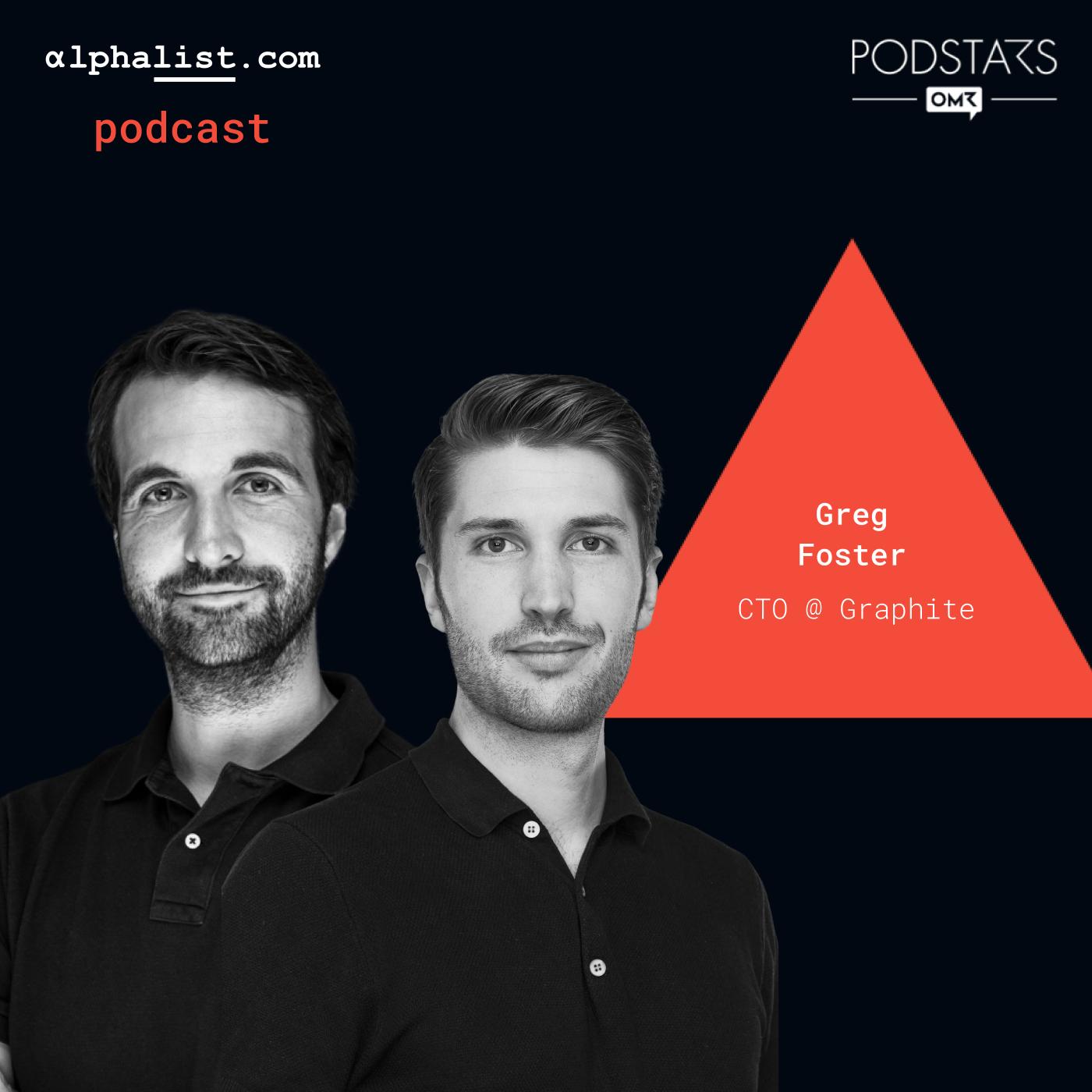
Solving the "Outer Loop" bottleneck: Agentic coding, Stacked PRs, and the future of the CTO role with Graphite's Greg Foster
The "Inner Loop" of coding (typing syntax) has been solved by AI. The new bottleneck is the "Outer Loop"—reviewing, testing, and merging the flood of code that agents generate.
In this episode, Greg Foster (CTO of Graphite, now part of Cursor) explains why this shift drove their merger and what it means for the future of engineering.
We dive into:
- The Outer Loop Crisis: Why fast code generation breaks traditional review processes (and how to fix it).
- Agentic Engineering: The 2029 vision where engineers become "architects of agents" and writing code trends to zero.
- Stacked PRs: Why smaller, dependent changes are the only way to maintain velocity at scale.
- Metrics that Matter: Why "PRs per engineer" is actually a valid proxy for velocity (velocity = speed + vector).
- The Cursor Merger: Combining the best text editor (Inner Loop) with the best review platform (Outer Loop).
- Provenance in Git: The need for storing "prompts" and AI attribution directly in commit history.
- Advice to Young Engineers: Why understanding the business model is as important as reading O'Reilly books.
Chapters:
- [00:00] Intro: Greg's journey from iOS apps to Airbnb infrastructure
- [01:25] Graphite & The Pivot: Bringing "Phabricator-style" tools to GitHub
- [03:52] Reinventing the Pull Request: Stacked PRs and Merge Queues
- [13:20] The Velocity of Dev Tools: When Copilot/Cursor changed the game
- [20:41] Metrics: Is "PRs per engineer" a vanity metric or a velocity proxy?
- [24:22] Jevons Paradox: Why 2x productivity means more engineers, not fewer
- [26:30] The Merger: Why Graphite joined Cursor (Inner + Outer Loop)
- [33:30] Provenance: Storing AI prompts in Git history
- [52:00] The 2029 Vision: Writing code -> Zero. Reviewing Agents -> 100%.
- [56:17] Future of CI: Auto-generated sandboxes with agentic QA
- [59:26] Advice to his younger self: Understand the business, not just the code
English
United States
TRANSCRIPT 🔗
Are you the producer of this podcast?
Add a podcast transcript
Need Audio-to-Text?
Transcribe with Listen411 in Just 60 Seconds
SEARCH PAST EPISODES
Search past episodes of alphalist.CTO Podcast - For CTOs and Technical Leaders.
OTHER EPISODES IN THIS PODCAST
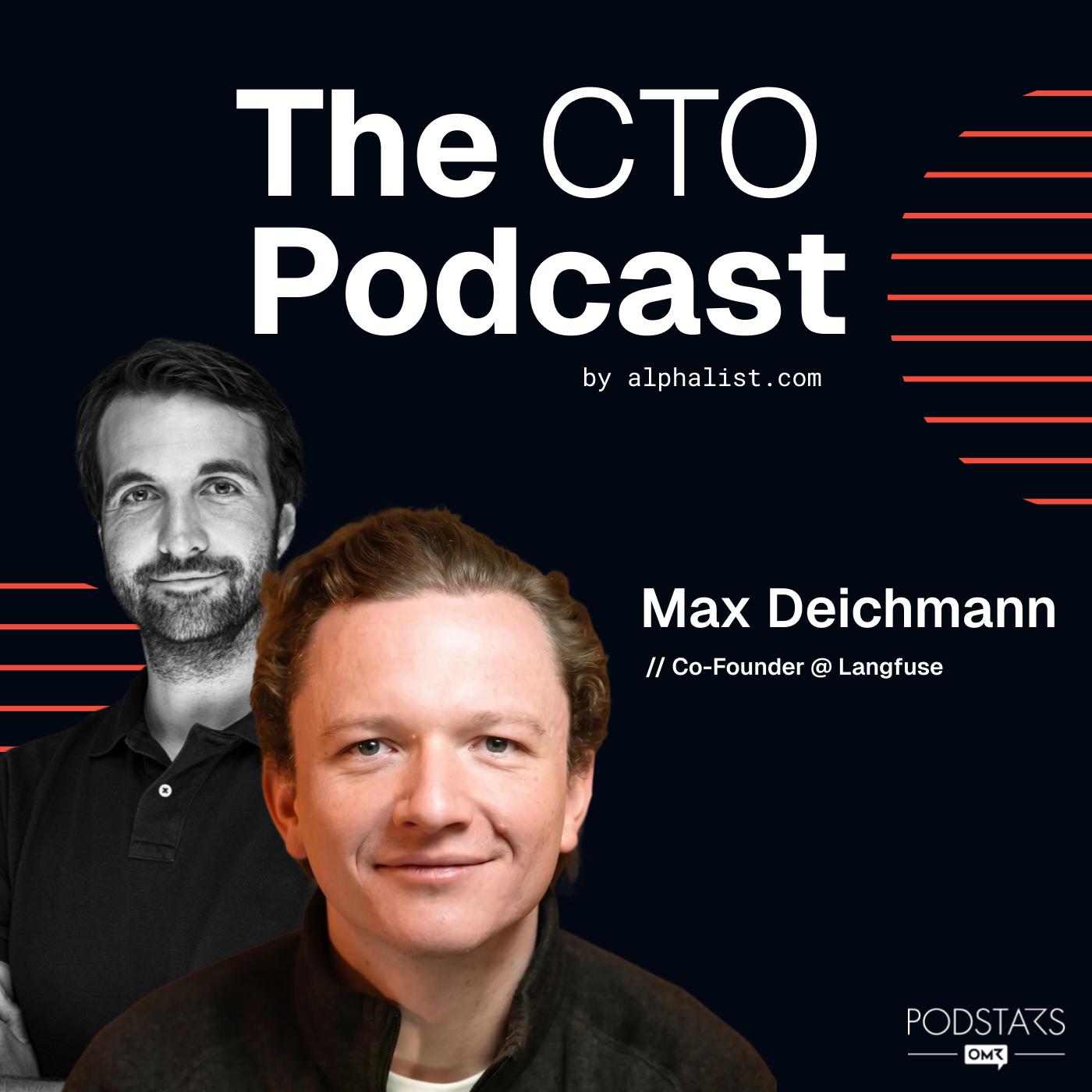
Max Deichmann built Langfuse — the open-source LLM engineering platform acquired by ClickHouse — and explains why the engineer of the future isn't writing code, they're reviewing what agents did overnight.
Max Deichmann didn't set out to build the observability layer for the AI era. He started with…
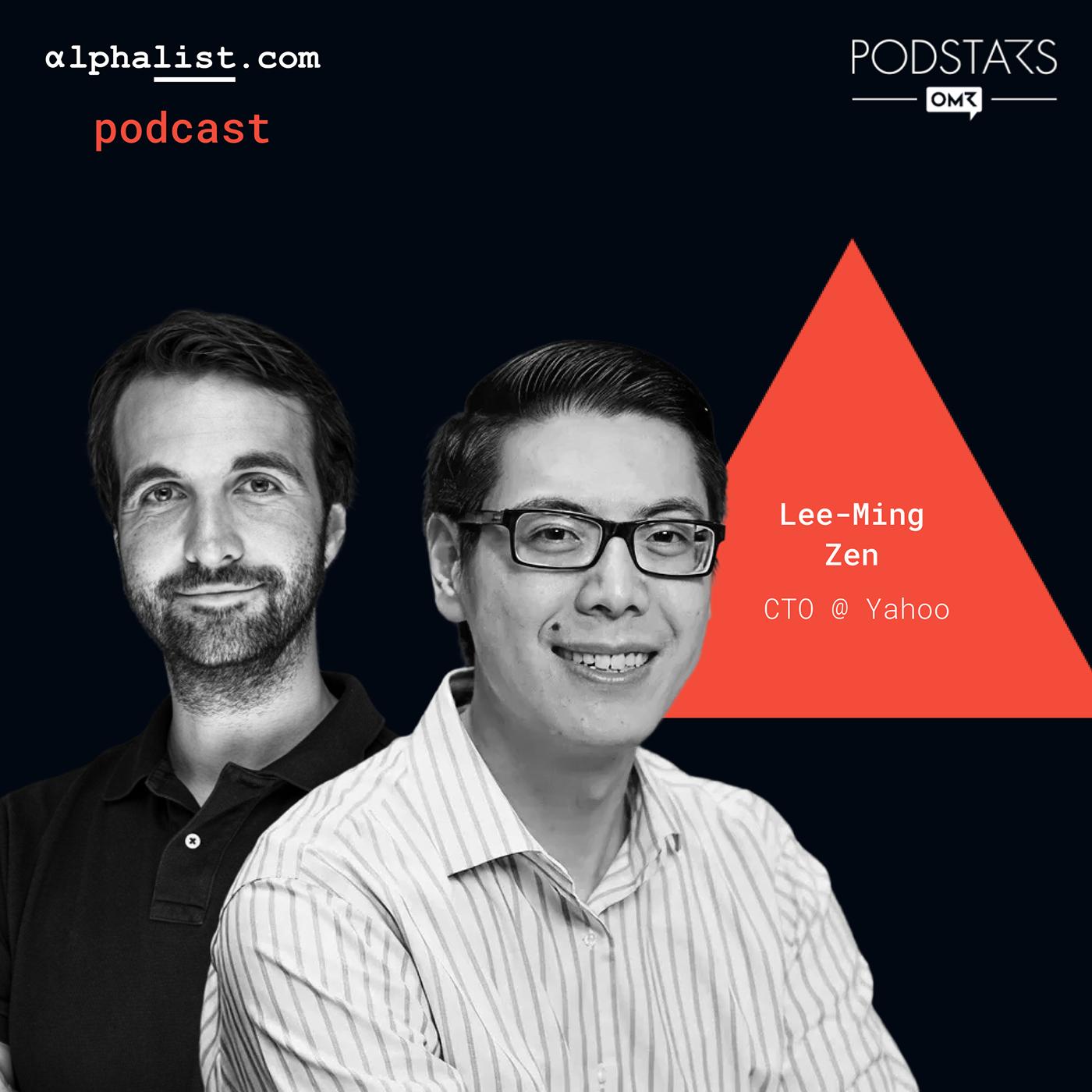
Modernizing Yahoo in the private-equity era: legacy constraints, shipping velocity, and AI-native consumer products
Yahoo is far more than a nostalgia brand—it’s a broad consumer platform operating at huge scale. In this episode, Tobias sits down with Lee Zen (CTO @ Yahoo) to explore how the compan…
How a browser-based fix for an enterprise auth problem became a W3C web standard and what it means for how AI agents will interact with the web.
Alex Nahas, founder of MCP-B and initiator of the WebMCP web standard, joins Tobias to explore one of the most underappreciated shifts happening in AI: th…
Thirty years building search infrastructure — and why the AI industry quietly depends on it.
SHOW NOTES
Jean-Paul Schmetz has been close to search infrastructure for nearly three decades — as founder of Clix, the European search engine that eventually became part of Brave, and now as Chief of Ads …
Fitness functions, agentic guardrails, and why experienced architects matter more than ever in the AI era
Show Notes:
Neal Ford has spent decades thinking about how software systems hold together over time. In this episode, Tobias sits down with Neal to ask the question nobody is asking loudly enou…
Disclaimer: The podcast and artwork embedded on this page are from Tobias Schlottke - alphalist CTO Podcast, which is the property of its owner and not affiliated with or endorsed by Listen Notes, Inc.
EDIT
Thank you for helping to keep the podcast database up to date.
