

ABOUT THIS EPISODE

BUFFALO, NY — October 8, 2026 — A new #commentary was #published in Volume 18 of Aging on September 12, 2026, titled “Complexity, variability, and the behavioral layer of gerophysics: a commentary on Unfried et al. (2026).”
The commentary proposes expanding the emerging field of gerophysics to include behavioral complexity, offering a way to understand how aging affects the ability to adapt to everyday challenges. The authors argue that measuring changes in movement, physiological rhythms and other behavioral patterns could complement molecular and biological markers of aging, potentially helping researchers identify declining resilience and the transition toward frailty.
The commentary was authored by Jean-Jacques Temprado and Rita Sleimen-Malkoun, both affiliated with Aix Marseille Université, CNRS, and the Institute of Movement Sciences (ISM), Marseille, France. Temprado is also the corresponding author.
Gerophysics is an emerging interdisciplinary field that applies concepts from physics, mathematics and complex systems science to the study of aging. It draws on dynamical systems, entropy, network theory and stochastic processes to understand how biological systems change over time. A recent report from the Global Conference on Gerophysics, discussed by Unfried and colleagues, outlined a framework connecting aging processes across biological scales, from individual cells to the whole organism.
Temprado and Sleimen-Malkoun suggest that this framework could be strengthened by explicitly incorporating behavioral dynamics, particularly how people interact with and adapt to their environments. While molecular and physiological measurements reveal important aspects of aging, behavioral patterns may provide additional information about how effectively the body responds to changing demands in everyday life.
The authors build on earlier research suggesting that healthy physiological and behavioral systems exhibit complex fluctuations across multiple time scales. These patterns are neither entirely random nor perfectly regular. Instead, their variability reflects the flexibility needed to respond to different situations. With aging, this complexity may decline, producing patterns that become either more predictable or more random, potentially indicating a reduced capacity for adaptation.
Full press release - https://www.aging-us.com/news-room/behavioral-complexity-could-offer-new-insights-into-aging-and-frailty
DOI - https://doi.org/10.18632/aging.206421
Corresponding author - Jean-Jacques Temprado - jean-jacques.temprado@univ-amu.fr
Video preview - https://www.youtube.com/watch?v=7v2X8axjdgI
Sign up for free Altmetric alerts about this article -
https://aging.altmetric.com/details/email_updates?id=10.18632%2Faging.206421
Subscribe for free publication alerts from Aging - https://www.aging-us.com/subscribe-to-toc-alerts
Keywords - aging, dynamical systems, complexity, behavior
To learn more about the journal, please visit https://www.Aging-US.com and connect with us on social media at:
Bluesky - https://bsky.app/profile/aging-us.bsky.social
ResearchGate - https://www.researchgate.net/journal/Aging-1945-4589
X - https://twitter.com/AgingJrnl
Facebook - https://www.facebook.com/AgingUS/
Instagram - https://www.instagram.com/agingjrnl/
LinkedIn - https://www.linkedin.com/company/aging/
Reddit - https://www.reddit.com/user/AgingUS/
Pinterest - https://www.pinterest.com/AgingUS/
YouTube - https://www.youtube.com/@Aging-US
Spotify - https://open.spotify.com/show/1X4HQQgegjReaf6Mozn6Mc
MEDIA@IMPACTJOURNALS.COM
The commentary proposes expanding the emerging field of gerophysics to include behavioral complexity, offering a way to understand how aging affects the ability to adapt to everyday challenges. The authors argue that measuring changes in movement, physiological rhythms and other behavioral patterns could complement molecular and biological markers of aging, potentially helping researchers identify declining resilience and the transition toward frailty.
The commentary was authored by Jean-Jacques Temprado and Rita Sleimen-Malkoun, both affiliated with Aix Marseille Université, CNRS, and the Institute of Movement Sciences (ISM), Marseille, France. Temprado is also the corresponding author.
Gerophysics is an emerging interdisciplinary field that applies concepts from physics, mathematics and complex systems science to the study of aging. It draws on dynamical systems, entropy, network theory and stochastic processes to understand how biological systems change over time. A recent report from the Global Conference on Gerophysics, discussed by Unfried and colleagues, outlined a framework connecting aging processes across biological scales, from individual cells to the whole organism.
Temprado and Sleimen-Malkoun suggest that this framework could be strengthened by explicitly incorporating behavioral dynamics, particularly how people interact with and adapt to their environments. While molecular and physiological measurements reveal important aspects of aging, behavioral patterns may provide additional information about how effectively the body responds to changing demands in everyday life.
The authors build on earlier research suggesting that healthy physiological and behavioral systems exhibit complex fluctuations across multiple time scales. These patterns are neither entirely random nor perfectly regular. Instead, their variability reflects the flexibility needed to respond to different situations. With aging, this complexity may decline, producing patterns that become either more predictable or more random, potentially indicating a reduced capacity for adaptation.
Full press release - https://www.aging-us.com/news-room/behavioral-complexity-could-offer-new-insights-into-aging-and-frailty
DOI - https://doi.org/10.18632/aging.206421
Corresponding author - Jean-Jacques Temprado - jean-jacques.temprado@univ-amu.fr
Video preview - https://www.youtube.com/watch?v=7v2X8axjdgI
Sign up for free Altmetric alerts about this article -
https://aging.altmetric.com/details/email_updates?id=10.18632%2Faging.206421
Subscribe for free publication alerts from Aging - https://www.aging-us.com/subscribe-to-toc-alerts
Keywords - aging, dynamical systems, complexity, behavior
To learn more about the journal, please visit https://www.Aging-US.com and connect with us on social media at:
Bluesky - https://bsky.app/profile/aging-us.bsky.social
ResearchGate - https://www.researchgate.net/journal/Aging-1945-4589
X - https://twitter.com/AgingJrnl
Facebook - https://www.facebook.com/AgingUS/
Instagram - https://www.instagram.com/agingjrnl/
LinkedIn - https://www.linkedin.com/company/aging/
Reddit - https://www.reddit.com/user/AgingUS/
Pinterest - https://www.pinterest.com/AgingUS/
YouTube - https://www.youtube.com/@Aging-US
Spotify - https://open.spotify.com/show/1X4HQQgegjReaf6Mozn6Mc
MEDIA@IMPACTJOURNALS.COM
English
United States
TRANSCRIPT 🔗
Are you the producer of this podcast?
Add a podcast transcript
Need Audio-to-Text?
Transcribe with Listen411 in Just 60 Seconds
OTHER EPISODES IN THIS PODCAST
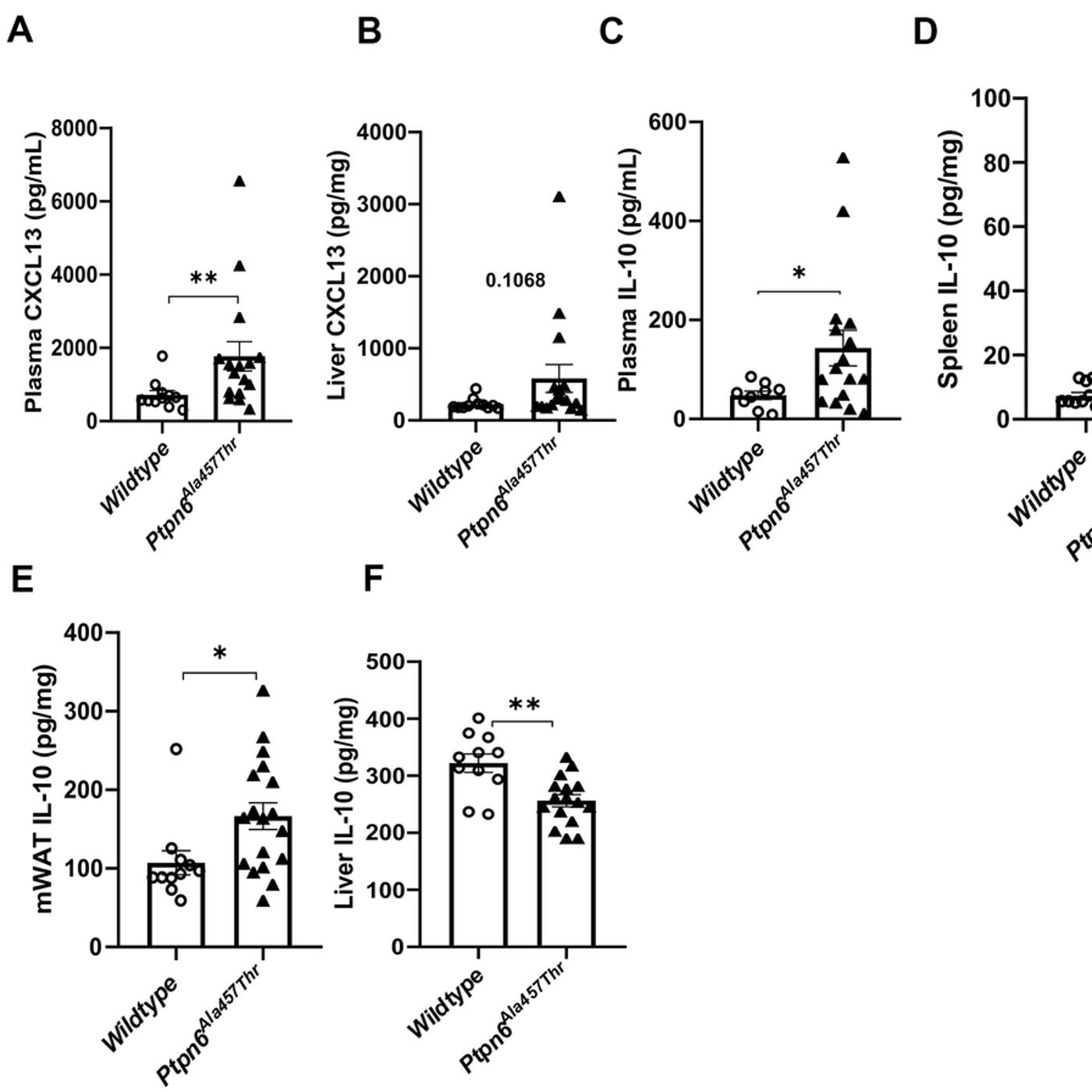
BUFFALO, NY — September 16, 2026 — A new #research paper was #published in Volume 18 of Aging on August 28, 2026, titled “Human-relevant Ptpn6 mutation alters immune and hepatic functions during aging.”
The study examines how a mutation affecting the immune and metabolic regulator SHP-1 reshapes l…
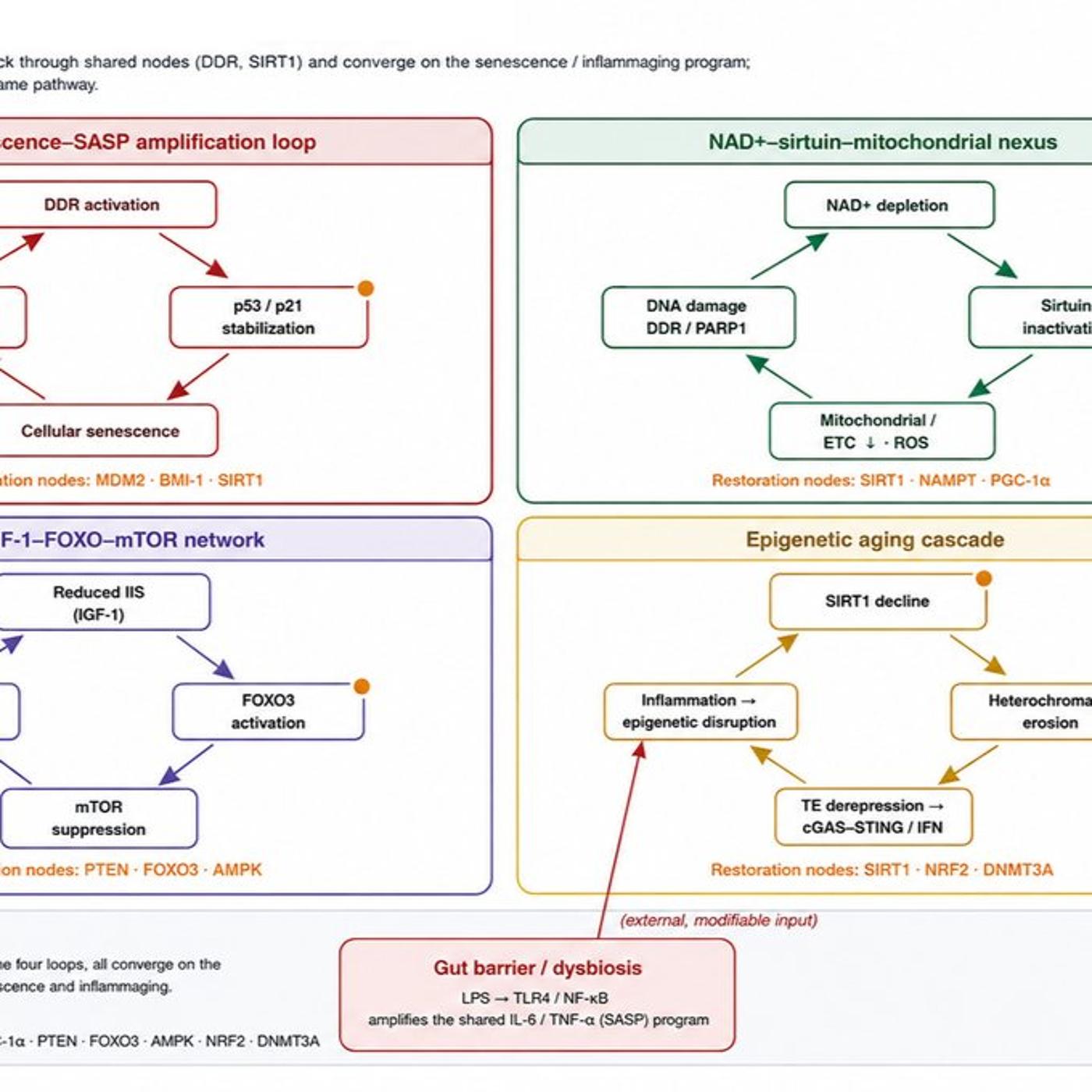
BUFFALO, NY — September 21, 2026 — A new #review was #published in Volume 18 of Aging on August 31, 2026, titled “The guardian paradox: DNA damage response overactivation as an integrative driver of aging – a tumor suppressor–negative regulator framework.”
The review presents a new framework propo…

A research paper recently published in Aging, titled “Human-relevant Ptpn6 mutation alters immune and hepatic functions during aging,” investigated how a human-relevant mutation in the PTPN6 gene, which encodes the immune and metabolic regulator SHP-1, affects immune and liver function during aging…
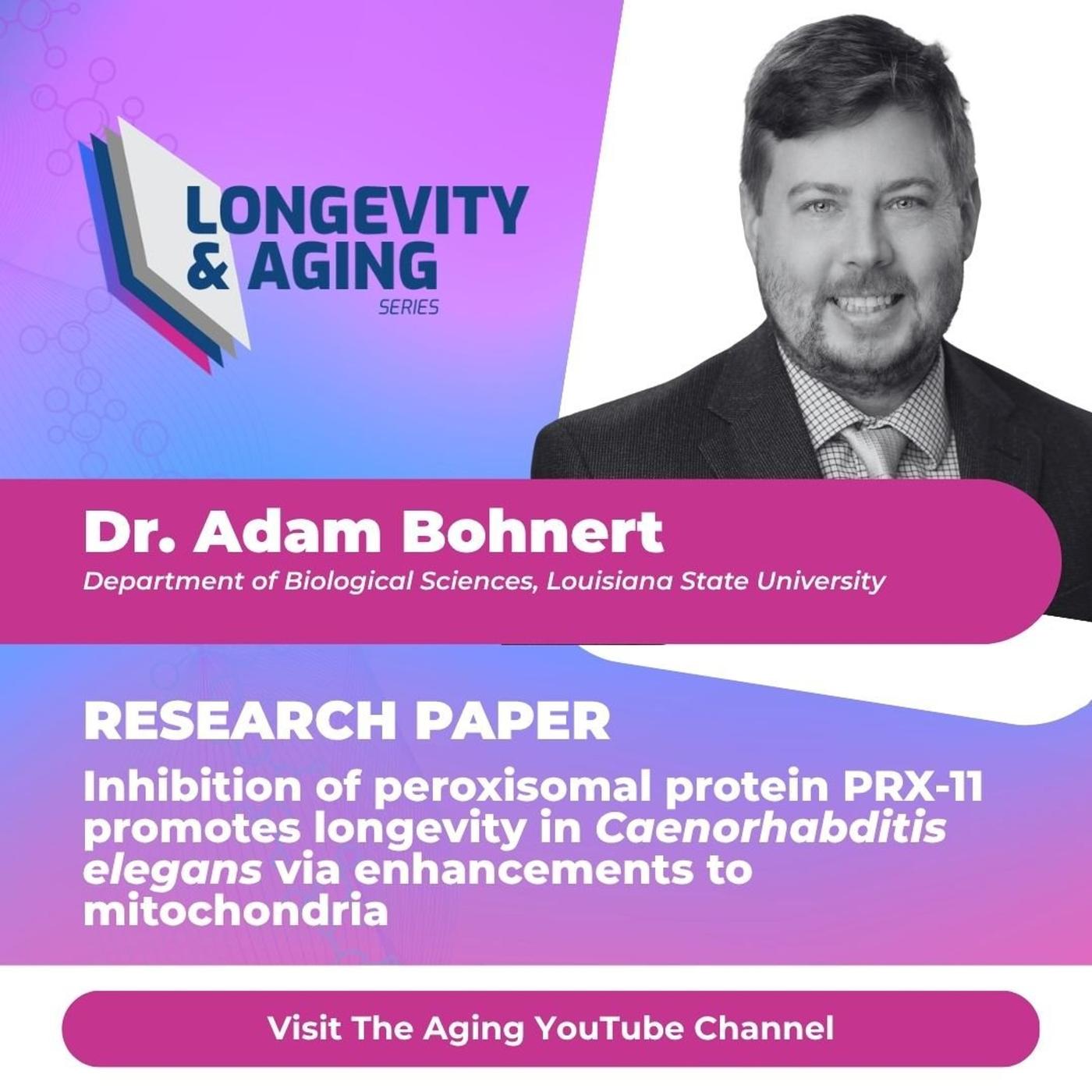
In this episode of the Longevity & Aging Series (S4, E6), Dr. Adam Bohnert from the Department of Biological Sciences at Louisiana State University (Baton Rouge, LA) joins host Dr. Yuan Zhao to discuss the research paper he co-authored in Volume 18 of Aging, titled “Inhibition of peroxisomal pr…
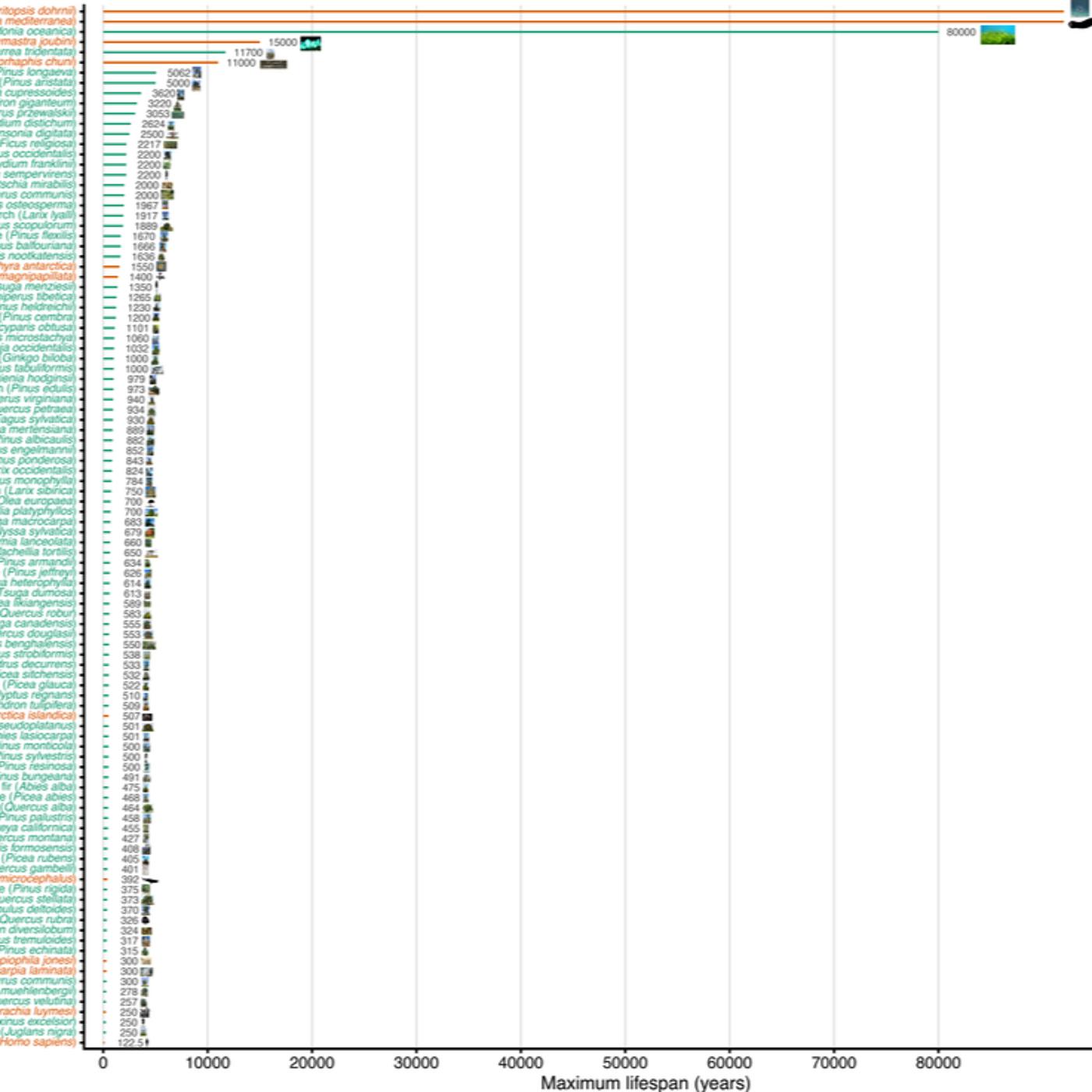
BUFFALO, NY — September 24, 2026 — A new #review was #published in Volume 18 of Aging on September 8, 2026, titled “How to live for centuries: common denominators of organisms with exceptional longevity.”
The review examines what some of the world’s longest-lived organisms may reveal about the bio…
Disclaimer: The podcast and artwork embedded on this page are from Aging Podcast, which is the property of its owner and not affiliated with or endorsed by Listen Notes, Inc.
EDIT
Thank you for helping to keep the podcast database up to date.
