

00:00
welcome to a pastor and philosopher walk
00:02
into a bar
00:03
we're excited to share this time with
00:05
you friends and we're excited about our
00:06
interview tonight
00:07
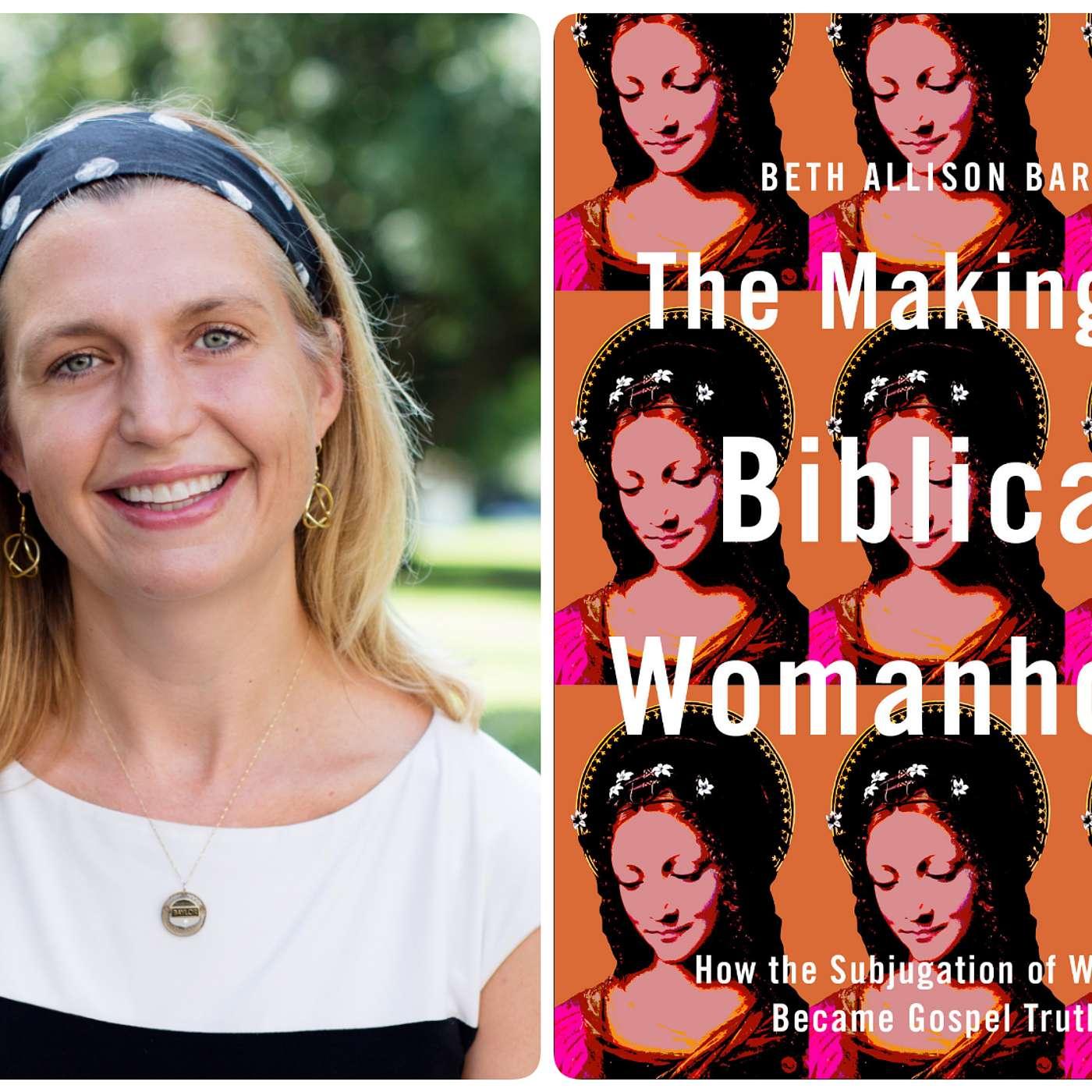
beth allison barr is the associate
00:10
professor of history and associate
00:11
dean of the graduate school at baylor
00:13
university in waco texas and beth
00:16
wrote this pretty remarkable little book
00:18
called the making of biblical womanhood
00:20
and the subtitle is how the subjugation
00:23
of woman became gospel truth and i think
00:25
that subtitle just says it all right
00:27
there
00:28
it's a pretty astute book that mixes
00:31
biblical scholarship in looking into
00:34
what were the writers of the bible
00:35
thinking when they talked about women in
00:37
the bible and then it goes into her area
00:38
of expertise which is
00:39
church history particularly medieval
00:41
church history and then it mixes in just
00:44
our biases and culture and patriarchy is
00:46
everywhere
00:47
and the idea of the book is abolishing
00:50
patriarchy yeah in the church can i get
00:52
an
00:52
amen yeah yeah and this is a really
00:54
great book to get the historical
00:56
perspective on this issue
00:58
i've read a lot about gender
00:59
complementarianism i'm sure you have to
01:01
a lot of biblical scholarship
01:03
a lot of theology about
01:06
complementarianism and that whole debate
01:09
but i hadn't read much history and and
01:11
that's it's a really
01:13
interesting take to contextualize this
01:15
movement and realize
01:17
gender complementarianism is fairly
01:19
young in the history of the church
01:21
and in some ways kind of parochial and
01:24
so seeing
01:25
seeing it in the context of all of
01:27
church history is really really valuable
01:28
and that's what she does here
01:30
yeah yeah it's fun i mean history is
01:32
like peeling back an onion
01:33
and you get to see what really happened
01:35
and we've lo and behold women have been
01:37
serving and leading in the church for a
01:38
long time
01:39
and uh we kind of have a revisionist
01:41
history that we have but we'll let beth
01:43
get into that because that's her
01:44
area of expertise kyle speaking of area
01:47
of expertise
01:48
we have a scotch before us yeah yeah so
01:51
we're trying for only the second time so
01:54
far
01:54
in the history of our podcast a scotch
01:57
whiskey this time
01:58
so i have for you guys one of my
02:01
favorites
02:02
i brought this back from scotland so
02:06
this is i mean instantly how can we not
02:07
like it i know right so this is an oben
02:10
distillers edition oban
02:14
is a little town on the western coast of
02:17
scotland just north of
02:20
most of the big whiskey producing
02:22
islands
02:23
uh and there's that there's a town
02:24
called open and it kind of grew up
02:26
around the distillery it's actually one
02:27
of the smaller distilleries in the
02:28
country they have only got a couple of
02:30
stills
02:31
but they make some some damn good stuff
02:33
uh and this is their distillers edition
02:35
so it's a little extra special it's
02:37
i got a second maturation in sherry
02:39
casks after
02:40
i was about a 14 year maturation and
02:43
ex-bourbon casks
02:44
so that's about a 15-year-old scotch
02:47
the nose is already overwhelming yeah
02:49
just like
02:50
so smokey and complex yes but way more
02:54
nose than amusing so i picked this one
02:56
specifically because i knew you guys
02:57
weren't super on board with the
02:58
smokiness
03:00
and being centrally located in the
03:01
country this is a pretty good midway
03:04
point between the island dry smoky stuff
03:06
and the totally unpeated highland
03:08
sweeter stuff
03:10
this has a very very low peat level so
03:12
you might get a little bit of smokiness
03:14
but but shouldn't be much
03:16
see this is the trouble with doing
03:18
scotch i want i could go for about 15
03:20
minutes i want to hear like what it
03:21
looks like
03:22
could you see the the coast oh yes see
03:24
this so literally
03:26
walk out the door down the street maybe
03:28
a block or two and you're on the bay
03:30
and on the bay uh you can get fresh
03:33
caught
03:33
um langoustines which is like a little
03:36
lobster basically and fresh caught
03:39
scallops that they cook right in front
03:41
of you
03:42
it's the freshest seafood some of it
03:43
i've ever had it was amazing
03:45
wow okay so this is the the
03:48
weirdness here is that the the nose is
03:50
very sweet you get those sherry casks
03:53
it tastes like that dark cherry you get
03:55
some of the brininess of the
03:57
like it almost smells like the ocean a
03:58
little bit and then you taste it
04:00
and you lose the sherry for me yeah it's
04:03
maybe on the after
04:04
after taste but it's it's still you get
04:07
the peat
04:08
you get the leather you get the smoke
04:10
you get the brine
04:12
it tastes like there's this word called
04:14
terroir which i think really matters
04:15
with scotch
04:16
and wine a lot and it tastes like i'm it
04:19
tastes like i imagine it looking
04:21
you know what i mean yeah yeah it's very
04:24
imaginative uh
04:25
setting in a very imaginative feel
04:27
profile
04:29
for me again it's a little bit of berry
04:30
on the end yeah it's really fruity
04:32
to me like pear was another one that
04:34
came to mind
04:36
a little bit uh like licorice mint like
04:39
some of those
04:40
that that's the way my tongue feels
04:43
yeah i mean scotch for me has that this
04:46
sounds terrible but antiseptic
04:48
uh flavor even it's not a negative it's
04:50
just the way i'm trying to describe it
04:52
but you're right it is a good mix of
04:54
lowland and highland i think
04:56
yeah i really enjoy this this is like a
04:57
gateway scotch i think
04:59
i chose scotch for the when when it was
05:01
like scotch or bourbon because
05:03
i'm so much less experienced with scotch
05:07
yeah yeah this is a real treat coming
05:09
from bourbon it's just it's a different
05:10
realm yeah it really is
05:11
it's fun i mean i think scotch is just
05:13
much more sophisticated than bourbon
05:16
and i say that as somebody who prefers
05:18
bourbon in general but yeah
05:19
there's just so much work to do with it
05:21
because they can age it so much longer
05:22
and as randy said the terroir is so
05:24
different like
05:25
there's kentucky and pretty much
05:26
everywhere in kentucky has the same
05:27
basic climate
05:28
but in scotland the climate ranges
05:30
wildly depending on which region you're
05:32
in so
05:32
you can just do so many different things
05:34
do you ever mix with your scotch
05:36
well with like blended stuff yeah but i
05:38
don't mix single malts
05:41
yeah nor should you the peeting process
05:45
tell us briefly about the peeting
05:46
process uh so basically they take the
05:49
barley
05:50
and they take pete which is like
05:53
sod that grows naturally in scotland and
05:56
they burn it
05:57
under the barley and it the smoke rises
06:00
up
06:01
and they burn it okay so do they have
06:04
the barley in like cheesecloth or
06:05
something like how do they contain
06:06
they have floors um that they lay it on
06:08
that are like perforated floors and so
06:10
they burn so it's within the building it
06:12
just rises up through
06:13
when you tour the distilleries they'll
06:14
take you into these
06:16
uh heating floors and you can actually
06:18
see how it works and it just smolders
06:20
right i mean it's not on fire it's just
06:21
smoking
06:22
well yeah the pizza on fire but not the
06:24
not the barley there's actual
06:25
fire like flame it's full on it's like
06:28
bonfires
06:29
yeah there's like stoves that they burn
06:30
the peat in wow okay
06:32
wow so they peat the barley and then
06:36
they distill it
06:37
and they malt it and distill it yeah
06:39
yeah yeah so great and it's just like
06:41
they do it because they have the stuff
06:43
to do it like it's just
06:44
where they are in the world just
06:46
naturally occurring like
06:48
yards thick like square miles
06:51
of just naturally growing peat you gotta
06:54
do something with it yes
06:55
i mean i bet they like tried cooking
06:57
numerous things and then
06:58
we're like this would be good on some
07:00
whiskey and what would happen if we
07:03
yeah right can you get this in the
07:05
states you can
07:06
i just googled before we got on here to
07:09
see if it was
07:09
available locally and apparently total
07:11
wine has it
07:12
it's a little pricier than i remembered
07:14
it being this is a while ago when i
07:15
bought it but
07:16
but it's available all right well tell
07:19
us what it is again kyle
07:20
so this is the oben distillers edition
07:23
check it out cheers
07:32
well welcome beth allison barr thanks
07:34
for being on the podcast we're happy to
07:35
have you yeah thanks for having me
07:37
so i really love this book uh and this
07:40
is a book that comes out in april is
07:41
that right
07:42
that's right april 20th right so if you
07:45
listen to this around that time
07:47
definitely go out and find it the making
07:49
of biblical womanhood
07:51
really excellent i don't know anything
07:52
about history i'm a philosopher
07:54
i read i read history just for the sake
07:55
of finding out what the arguments were
07:58
so it's it's always nice for me to
08:00
immerse myself in some history that i
08:01
don't know anything about
08:03
and contextualize things from my own
08:05
experience which is definitely what this
08:06
book did
08:07
so thanks for writing it it's super
08:09
important you're welcome thank you
08:11
thanks for reading it
08:13
beth this book uh draws from your
08:15
perspective and expertise in a number of
08:17
areas
08:17
your expertise is a church historian
08:19
which comes out loud and clear
08:21
your biblical study and theological
08:23
reflections
08:24
and then your personal experiences so
08:26
much of the book each chapter you
08:28
highlight
08:29
some stories and what you really bring
08:31
us into what it was
08:32
what it felt like to be ostracized from
08:35
the church that you loved and
08:36
you know worked in and sacrificed for so
08:39
could you
08:40
just bring our listeners into
08:43
where this book came out of on a
08:45
personal level in particular let's start
08:46
there
08:47
yes this book came out of the fall
08:50
of 2016 which was a calamitous moment
08:54
for many many women throughout the u.s
08:57
um
08:57
in fact one of the first people that i
09:00
talked with
09:01
the morning of the election was kristen
09:04
we were emailing each other uh but it
09:06
was but it wasn't just that that fall
09:08
that fall was also when my husband and i
09:11
had come to a moment in our ministry we
09:15
had
09:15
been in complementarian churches all of
09:18
our life my husband's an ordained
09:19
southern baptist
09:20
pastor and he had gone to a
09:23
complementarian cemetery
09:25
i mean cemetery a seminary
09:28
yes maybe that was there uh he had gone
09:31
to a complementarian seminary
09:34
um and we had grown up
09:37
in this understanding that women are
09:40
divinely ordained to be under male
09:42
leadership
09:43
and it was sort of a slow evolution for
09:46
us and i
09:47
talk about some of that evolution in the
09:49
book but we had come to a moment
09:51
in our ministry where we realized we
09:53
could no longer
09:54
support completely support
09:56
complementarianism and in fact
09:58
um we realized that for all of the all
10:01
of the women and men that we the young
10:02
women and men that we worked with
10:04
that we needed to show a different way
10:08
and so we had begun to
10:11
see if we could move the needle in our
10:14
very complementarian church
10:16
my husband and i were pretty reasonable
10:19
people
10:20
and logical and so we you know we're
10:22
like well if we just show them the
10:24
evidence
10:25
you know the evidence is just
10:27
overwhelming let's just show them the
10:28
evidence and so
10:29
that was that didn't work out well um
10:32
but we had asked to have a woman teach
10:36
high school sunday school and we
10:39
received a hard no
10:40
on that and we decided that
10:44
we couldn't live with that and we
10:46
decided at that point we were going to
10:48
challenge it our goal was to try to get
10:52
the church to have a
10:53
constructive conversation about male
10:56
female roles
10:57
and ever and actually people in the
10:59
church understand where the church stood
11:01
on this issue because
11:02
it was very hidden where they stood on
11:04
this um lots of people had no idea
11:07
so that was our goal uh didn't work out
11:09
so well three weeks after that my
11:10
husband was fired
11:12
and it was a pretty traumatic event for
11:14
us uh
11:15
partially because we were silenced um
11:18
they held our severance
11:20
f uh our severance pay sort of doled it
11:22
out
11:23
over the month so that with and it was
11:25
told to us that it was
11:26
based upon our good behavior which meant
11:30
we had we couldn't tell anyone what was
11:32
going on
11:33
and in fact any event before we left any
11:36
event that we had
11:37
we would always have you know the the
11:39
guards would come
11:40
to watch us and make sure i mean it was
11:43
it was very
11:44
horrific the way that we were treated by
11:46
the by the leadership
11:48
and it is and we were both in trauma
11:50
because
11:51
we really didn't quite expect it to be
11:54
as bad as it was going to be as it
11:55
turned
11:56
out to be and then in the midst of this
11:59
donald trump gets elected by my friends
12:01
that i go to church with
12:04
and it was really those those events
12:07
that came together and i'm
12:08
i'm not um i would still consider myself
12:10
in the evangelical
12:12
camp people keep trying to push me one
12:14
you know push me out in other ways but
12:16
i this is where i grew up this is this
12:18
is what i'm comfortable with
12:19
my tradition and so i it seems to me
12:23
that for the election to hit somebody
12:25
like me the way that it did
12:27
that it just really shows the trauma
12:29
that this caused and in fact
12:30
beth moore is a really good example of
12:32
the trauma of this
12:34
um but so i
12:37
i had this moment and in fact i start
12:39
the book off
12:40
with the moment where i broke and it's
12:43
the moment that i
12:44
suddenly realized that what was
12:46
happening to us
12:47
was not only wrong but it was damaging
12:50
to the gospel of jesus
12:52
and it contributed to the abuse and harm
12:56
of both women and men
12:57
and something had to be done and i
13:00
didn't really know what i was going to
13:01
do at that point
13:03
but i began writing in fact i posted not
13:06
too long ago
13:07
on the anxious bench where i still write
13:08
i posted uh over christmas i said the
13:11
christmas beginning of the making of
13:12
biblical womanhood and it's the post i
13:14
wrote that day
13:15
when i broke and it was sort of my
13:18
manifesto
13:19
that i stood for jesus
13:22
and i was going to fight for jesus and i
13:25
was not going to
13:27
fight for this church anymore for these
13:29
complementarian roles
13:30
and so i began writing several posts on
13:33
the anxious bench that began
13:35
combating from a historical perspective
13:38
complementarian ideology and that was
13:40
when i got contacted by
13:42
an acquisition editor who asked if i had
13:44
considered writing a book
13:46
and so that was really how how the
13:48
making of biblical womanhood began
13:50
wow let me just pause there for a second
13:52
for our listeners beth said something
13:53
really profound right there she said
13:55
i had to stand for jesus i couldn't
13:57
stand for this church anymore and
13:59
um i want to say listeners many of us
14:02
if not most of us are probably going to
14:03
come if you're a person of faith
14:05
particularly in the evangelical church
14:07
particularly in a more
14:09
i want to say conservative background
14:11
you're probably going to come if you
14:12
haven't
14:12
come already you're going to come to one
14:14
of those points where you have to choose
14:15
between following
14:16
christ and the gospel or following the
14:18
tradition that you've been a part of
14:19
and man we bless you to make that right
14:21
decision because there's only one right
14:23
decision there
14:24
there is no two decisions there is no
14:26
two options there there's
14:28
one decision to make and that's jesus
14:30
and beth let me just as a quick
14:32
follow-up
14:33
one of the most appalling stories to me
14:34
in your book you've got all these
14:35
personal stories which are
14:37
so profound and powerful the one that
14:39
just blew my doors off was when you
14:41
talked about your husband who's the
14:42
youth pastor
14:43
being often some conference and then the
14:46
backup
14:47
to to your husband or something being
14:48
away or sick or something
14:50
and so you were just like hey i can fill
14:51
in you're you're phd
14:53
either student or you could uh
15:04
and you had to convince the pastor to
15:06
let you teach and that couldn't happen
15:08
can you just tell us quickly about that
15:09
story it blew my doors
15:10
yeah so i mean it was pretty standard um
15:14
this was something i'd had to do more
15:16
than once uh it's just this moment
15:18
was at the point in my life where i was
15:20
really beginning to realize how wrong
15:22
complementarian theology was
15:25
and my husband was he was away uh he was
15:27
at it was
15:28
our youth mission trip and usually we
15:30
had we had a teacher who
15:33
taught the youth sunday school there
15:34
weren't very many youth left most of
15:36
them had gone off on the mission trip
15:38
but there were a few and so he was
15:40
supposed to teach
15:41
and he called in sick his whole family
15:43
was sick he called in it was like
15:45
15 minutes before i was on my way to
15:48
church i was driving
15:50
and i was just like i you know there's
15:53
i have to do it there's no one else to
15:54
do it we can't pull anyone else in
15:56
and i'm pretty good at i knew i could
15:59
teach something
16:00
pretty quickly it wasn't a big deal you
16:02
know i could i could handle a classroom
16:04
of students
16:04
uh for 35 minutes uh so i wasn't worried
16:08
about it but i had to call the pastor
16:10
and officially get permission
16:12
to do this because um we had been told
16:16
my husband had been i don't he had been
16:19
reprimanded for allowing i i don't know
16:22
if reprimands the right word he had been
16:24
warned about how often i
16:27
taught and was in the classroom and that
16:30
you know this reminder that this
16:32
wasn't you know we had been given clear
16:34
reminders that this wasn't where this
16:36
church stood
16:37
so i had to call the pastor
16:40
and ask and it was this moment because
16:43
i'm a
16:44
pretty easy going person lose my temper
16:47
all that often i can count on my fingers
16:49
the times that i've really lost my
16:51
temper with people
16:52
and i just had this ball inside of me
16:55
where i was like i can't believe
16:57
i have to do this i can't believe i have
16:59
to call and ask the pastor
17:01
for permission to teach
17:04
to talk about the bible with high school
17:07
students
17:08
because they believe that because i'm
17:11
a woman that i am under the authority of
17:14
13 year old boys
17:16
come on i mean that's essentially it it
17:19
argues i mean if you
17:20
if you think about this is what it says
17:21
it says there is something about the
17:23
body of a 13 year old boy
17:25
that can teach the bible but the body of
17:28
a woman
17:29
can't and i mean this is this is insane
17:32
and if we
17:32
if we think about abuse in the church
17:34
and we think about what young boys are
17:36
being i mean i have a 16 year old son
17:38
so i'm totally i mean if you if my
17:42
16 year old son had grown up in a church
17:44
believing there was something about him
17:47
that enabled him to teach a lesson
17:50
that a his mom couldn't teach
17:53
or that an adult i mean that
17:55
psychological
17:57
impact is just i mean no wonder we've
17:59
had so many abuse scandals in the church
18:01
i mean it just really is it teaches
18:03
boys that women are not as human as they
18:05
are
18:06
yeah and so that moment i think it just
18:09
really i suddenly
18:10
realized that and it was you know i have
18:13
all these moments that i talk about in
18:14
the church where
18:15
it the complementarian world began to
18:18
break for me
18:19
and this was one of those that's just
18:21
really stands out yeah
18:22
and we're not talking about an average
18:25
mom
18:26
even though an average mom would be more
18:28
qualified than to teach
18:29
than a 13 year old boy let's be honest
18:31
but we're talking about a mom
18:32
with a phd in church history who they're
18:35
saying
18:36
a 13 year old boy is more qualified to
18:38
teach i mean and i want to say
18:39
friends for some of you who might be
18:41
listening think this is just an
18:42
aberration this is just this is just a
18:44
little
18:44
minority it's not this is this is
18:47
normal in the baptist denomination in
18:50
many baptist denominations in the
18:52
evangelical church
18:53
in the complementarian world this is not
18:56
an aberration this is way more normal
18:58
than we think and
18:58
this needs to come to the surface it's
19:01
presbyterian
19:02
it's you know opc presidentarian it's
19:05
southern baptist
19:06
it's independent baptist ibf it is bible
19:09
churches bible churches
19:11
really often trend complementarian and
19:14
what's scary about bible churches is
19:15
they have
19:16
absolutely no structures over them
19:19
that help you know that help keep the
19:21
pastors in line
19:22
so bible church is it's really dangerous
19:25
because there's no sort of structure at
19:26
all
19:27
and then uh i what is john macarthur
19:29
whatever john macarthur is i actually
19:31
don't
19:32
some form of baptist that i'm not is he
19:34
baptist anyway so
19:35
pentecostal um it's in pentecostal it's
19:38
also in conservative catholicism
19:40
there's been this sort of odd which to
19:42
me as a catholic historian is
19:43
is really interesting but there's been
19:45
this sort of conservative resurgence
19:47
and um concern conservative catholicism
19:49
too
19:51
yeah so a major strength of your book is
19:54
that it reveals the historical
19:56
contingency of complementarianism
19:58
uh so for example women leaders and you
20:01
point this out with example after
20:02
example in the book women leaders were
20:04
common in early christianity they were
20:06
much more common than i realized in
20:07
medieval christianity
20:09
but this contingency is often hidden
20:11
from the people inside the
20:12
complementarian traditions that you just
20:14
named having grown up in one i had
20:15
no idea that it wasn't just the essence
20:18
of christianity you know
20:19
it's just in the soil so how did this
20:22
history get lost
20:23
to complementarian traditions can you
20:26
say a little bit about the historical
20:27
roots of say a piper grudem style
20:30
of complementarianism or patriarchy
20:33
and maybe another way to put the
20:34
question is what was the most recent
20:36
version of christianity that didn't have
20:38
that
20:40
okay so on the one hand there is not a
20:42
version of christianity that doesn't
20:44
have some sort of patriarchy that has
20:46
infiltrated it because almost from the
20:48
very beginning
20:48
because we live we because patriarchy
20:53
in many ways and part of what i my
20:55
argument is is that it
20:56
it came out of the fall itself this idea
20:59
of building
21:00
hierarchies and one per one simply
21:03
because the way we are born somebody's
21:04
better than somebody else
21:06
which is why complementarians argue that
21:09
their understanding of gender roles
21:11
is written into the stars i'm thinking
21:13
of elizabeth elliott i think she's the
21:14
one who had that metaphor you know it's
21:16
divinely created it's divinely ordained
21:18
but the problem with that is that
21:20
complex even though patriarchy is
21:22
consistent
21:23
in that big thread the way patriarchy is
21:26
implemented is not consistent
21:28
i i'm sorry i have to teach with my arms
21:29
i know people listening can't see it but
21:31
um the way patriarchy is implemented is
21:34
not consistent it depends upon the
21:36
historical factors around it so
21:38
in the in the ancient church the reason
21:40
we start seeing women being pushed out
21:41
of leadership if we look in romans 16
21:44
it's full of women leaders i mean
21:46
there's just when
21:47
once you see it you totally see how
21:49
prevalent women were
21:50
in the early church as leaders teachers
21:53
deacons
21:53
apostles etc the early church also
21:58
lived in this greco-roman world that
22:00
argued that women's bodies are
22:03
not equal to men's bodies and this
22:05
infiltrated the church pretty early on
22:07
and we begin to see some of the early
22:08
councils in the fifth and the sixth
22:10
century start saying that the reason
22:11
women
22:12
can't be priests and officiate at the
22:14
altar anymore is because their bodies
22:16
are inferior to men that there's
22:18
something corrupt about their bodies
22:19
but the loophole with this and this is
22:21
what develops in the medieval tradition
22:23
is that the medieval world um sort of
22:26
different
22:26
understanding of gender and women's
22:29
bodies were seen to be
22:30
corrupt male bodies which aristotle says
22:34
it's a good thing they're corrupt
22:35
because that's how we have procreation
22:36
but nonetheless they're corrupt male
22:38
bodies
22:39
and that women can overcome the
22:42
corruptness of their bodies
22:44
and move closer to god and so women who
22:48
forsake their female bodies forsake
22:52
being a wife and a mother for say child
22:55
bearing
22:55
that they can actually overcome the
22:58
limitations of their bodies
23:00
and speak with the authority of men and
23:03
so this is why we have female preachers
23:05
in the medieval world
23:07
in fact some medieval theologians argued
23:10
that
23:10
that paul's directives when they talked
23:13
about paul they said
23:14
paul's directives don't apply to women
23:16
who aren't wives
23:18
because it's only about sort of that
23:19
legal covering that it has nothing to do
23:22
you know that women outside of that can
23:24
overcome their sex and
23:25
preach and teach like men so
23:28
so this was very prevalent and in fact
23:31
up until the
23:32
the cusp of the reformation the 15th
23:34
century is actually a time period where
23:36
we see a whole lot of women
23:38
living serving leading preaching
23:41
teaching
23:42
playing pretty prominent roles in the
23:44
church even in the ordinary parish we
23:46
see a lot of women who are very
23:47
active and this comes to a relatively
23:51
abrupt
23:52
halt after the reformation and
23:55
part of what you know and what i argue
23:57
is that the
23:58
historical conditions change and
24:01
we have the beginning of a teaching
24:04
emphasizes the authority of the
24:06
household
24:08
and the subordination of women within
24:10
that household
24:11
and even though that as i try to argue
24:15
in the book
24:15
there's a lot of nuance in here it is
24:17
not solely because of reformation
24:19
theology reformation theology really
24:21
should have allowed women to be
24:22
preachers and teachers
24:24
but it was tied to these changes these
24:26
social and economic changes
24:28
that were emphasizing this household
24:31
order and
24:32
which mimicked the order of the state
24:34
and so
24:35
women patriarchy kind of defeats
24:38
theology
24:39
and for modern like piper and grudem
24:42
today
24:43
i don't think they would in fact i know
24:45
this i've read a lot of uh church
24:47
history curriculum
24:48
but most protestants of this nature
24:51
would
24:51
don't really consider catholicism to be
24:54
part of i mean in some ways part of the
24:55
christian tradition or they're a very
24:57
corrupt form of the christian tradition
24:59
so we don't teach about catholicism i
25:01
mean if you look at a lot of sunday
25:03
school material and history
25:04
you know books that are written for the
25:05
church we go through
25:07
like the nicene and the calcidonian era
25:10
and then we kind of have this weird
25:12
there's some monks
25:14
and nuns who maybe knew jesus but nobody
25:16
else really did
25:18
and then we have the reformation and
25:19
then everything else is reformation
25:22
and so that's really a big problem of
25:24
why is because we start our history
25:26
with the male leaders of the reformation
25:29
and the people who wrote that history
25:31
for us were mostly 19th century scholars
25:34
um the history we tell in books today
25:36
the history we tell
25:37
in our seminary textbooks follows almost
25:40
exactly the layout of 19th century
25:43
historians
25:43
i mean 19th century scholars and so i
25:47
mean
25:47
this this is why we because the
25:50
histories we tell now are histories
25:51
written by men
25:53
told about men emphasizing male
25:55
leadership
25:56
and and then we repeat that over and
25:59
over and over again
26:01
so is that help you yeah and and that's
26:05
that's seminary textbooks imagine the
26:07
dumbed down version of that that you're
26:09
getting in a church sunday school class
26:12
yeah i've read some of it and i it's
26:15
it's very hard for me to get through it
26:17
yeah yeah
26:18
can you say a little bit more because
26:20
this part really intrigued me it's it's
26:21
kind of a tangent but i think it's an
26:22
interesting tangent so in chapter three
26:25
you describe some stuff that's happening
26:27
in the medieval church
26:28
and you make the claim that the celibacy
26:30
of the priesthood which was mandated
26:33
at a certain point in the catholic
26:35
church was in a lot of ways
26:37
influenced by or maybe even motivated by
26:41
what we would now call misogyny at least
26:42
like a fear of women's bodies as being
26:44
sexually threatening or something like
26:46
that can you
26:47
explain in a little more detail that
26:48
history yes so that's an interesting um
26:51
convergence
26:52
and it's i tried i can't tell you how
26:55
many times i rewrote that section
26:56
because it's so complicated actually and
26:58
so trying to
26:59
try to explain it in a very concise way
27:03
but essentially what we see happening is
27:05
by the time we get to the 10th and the
27:06
11th
27:07
centuries christianity has taken over
27:10
europe
27:11
and it has become quite a stronghold it
27:13
has allied itself with the political
27:16
powers
27:17
you know and this isn't necessarily a
27:18
bad thing at this time it's it's
27:20
bolstering christianity itself it's
27:23
helping to certainly make it very secure
27:25
and and so it we see the church starting
27:28
to reorganize itself and more tightly
27:30
organize itself
27:31
and anytime we see the church
27:32
reorganizing itself we often
27:35
can predict that women are going to
27:36
start being pushed out and so anytime we
27:38
see leadership
27:39
being clearly defined and so this is
27:42
also the time that we start seeing
27:43
ordination
27:44
being you know ordination wasn't really
27:46
a big deal until now
27:48
where we start defining who gets to be a
27:50
priest
27:51
and part of this is motivated part of it
27:54
is a concern about the female body
27:56
that there's something wrong with the
27:58
female body that we that women's bodies
28:00
are impure
28:01
it's kind of interesting because on the
28:03
one hand it was a woman's body
28:04
that brought jesus into the world but
28:07
yet here we have this
28:08
a woman's body is too impure to handle
28:12
the the eucharist you know the body of
28:14
christ at the altar and so
28:16
it's kind of it's very much we see how
28:18
much this aristotelian idea has snuck
28:20
back into the christian world
28:22
definitely as misogyny but this misogyny
28:24
was
28:25
amplified by a really big problem the
28:28
church was having and
28:30
that was who gets to say
28:33
who's in charge of the church who gets
28:34
to appoint the leaders of the church who
28:36
gets to appoint the bishops and the
28:37
priests
28:38
and up until this time oftentimes the
28:40
bishops and the priests and the leaders
28:42
were appointed by the political
28:44
leaders and this and the church is
28:46
trying to break away from that
28:49
and at the same time the church is also
28:50
having a problem because of many of the
28:52
leaders who are getting appointed
28:54
are actually the children of priests and
28:56
so instead of people being called into
28:58
ministry
28:59
it's you know it's nepotism it's the
29:01
children of
29:03
and and part of this problem is too is
29:05
that the church is wanting to maintain
29:06
control over its property
29:08
and when you have a clerical leader who
29:11
is
29:12
over a parish and has a child who then
29:15
becomes the next leader
29:16
in there that property begins to stay
29:19
with the family
29:20
it does not stay with so you see all of
29:21
these pieces that are tied up in this
29:24
and a really great solution for all this
29:26
was to enforce clerical celibacy
29:28
because what that did is that would make
29:30
it where priests couldn't marry
29:32
their heirs were not legitimate which
29:34
means that they couldn't have control
29:36
over that property it also meant that
29:38
their children
29:40
were less likely to enter the priesthood
29:43
which meant that the church would be
29:44
able to choose the successors
29:47
and then this also enabled the church in
29:49
keeping control over the property
29:51
and establishing that being chosen as a
29:54
priest or a bishop or
29:56
whatever that this is actually something
29:58
ordained by god
30:00
and it is part of the spiritual power
30:02
not the temporal power which is earthly
30:04
power
30:04
that political leaders shouldn't do it
30:06
either so it was a way that the church
30:08
was kind of resting control
30:10
away and getting to appoint its own
30:11
leaders and part of this story
30:14
women got pulled into this story to help
30:17
enforce clerical celibacy and
30:20
it it worked really well
30:24
and clerical celebrities can take a long
30:26
time for it to
30:28
really take root and it doesn't always
30:30
take root in many places
30:32
but women associated with these priests
30:35
and women who have the children
30:37
of these priests are not treated well
30:39
and
30:40
are often always considered you know to
30:42
to be
30:43
i mean i mean they're often referred to
30:45
as as concubines and even as prostitutes
30:48
the status of these women was
30:49
significantly lowered
30:52
do you think that because the the same
30:55
kind of celibacy thing didn't happen in
30:56
the east or
30:57
or in protestantism yeah how is the
31:00
situation of women in those traditions
31:02
comparatively yeah
31:04
so you know it's interesting that you
31:06
bring up and i'm not as much
31:08
when i think about medieval christianity
31:10
i very much am focused on the west but
31:12
what we do know
31:13
in the eastern church we know that
31:15
women's leadership in the church
31:16
actually lasts
31:17
longer and we see a lot more women very
31:20
active in the church we also know that a
31:23
lot you know we can think about people
31:25
like john chrysostom
31:26
who was very much a champ of
31:29
women as leaders i mean he he talks
31:32
about women deacons
31:34
and doesn't i mean he doesn't really
31:35
have a problem with any of these women
31:37
in these types of roles and so we
31:39
certainly see that
31:41
what is happening in the east is not
31:43
being as
31:44
influenced by these greco-roman
31:48
ideals and that is allowing there to be
31:51
more room for women to be in
31:54
leadership positions and to have
31:56
influential positions in the church
31:59
this also is going to begin to disappear
32:02
in in the eastern orthodox church as
32:04
well in byzantium
32:06
so there's a lot of reasons for that but
32:08
it is
32:09
there is more we have a lot of the very
32:11
powerful stories of early female saints
32:14
are from the east and in fact i have a
32:16
student who
32:18
she followed a tradition called the
32:20
golden legend which is a book of saints
32:22
that became very very popular in the
32:24
west and it
32:25
a sort of a version of it it went to
32:28
ethiopia
32:29
and what she began to notice is that
32:32
those ethiopian women
32:34
carried a lot more authority and their
32:36
authority wasn't based upon their
32:37
virginity their authority was based upon
32:39
their motherhood
32:41
and that we have these really powerful
32:43
female
32:44
mothers who become religious leaders
32:48
in africa and so it's a very different
32:51
story
32:52
isn't that some of the same traditions
32:54
that maintained a
32:56
femininity of the holy spirit tradition
32:58
for longer than the others oh yeah
32:59
well and i mean medieval catholicism did
33:02
too in fact that's one of the things
33:03
that we see
33:03
this resurgence this greater emphasis on
33:06
the
33:07
the suffering body of christ and the
33:09
suffering and the suffering body of his
33:11
mother
33:12
and the body of of women and this
33:14
feminine characteristics i mean we see
33:16
this with many of the monastic
33:17
traditions
33:18
that actually would align themselves
33:21
with the feminine side of jesus and even
33:24
the feminine side of paul
33:26
and would associate themselves as the
33:29
brides of christ
33:30
which so yes so there is this strong
33:33
emphasis on the female body
33:35
and there's even these images in the
33:37
late medieval world that i've worked a
33:39
little bit on and they're amazing images
33:41
and they're essentially these statues of
33:43
the virgin
33:45
and they're split down the middle and
33:47
when you open them up the entire trinity
33:49
is in her room
33:51
and i mean they're really they're
33:53
amazing
33:54
because it's sort of it's like the body
33:56
of the body of a woman
33:58
carries the the trinity embodies
34:02
god i mean it's they eventually were
34:05
declared heretical
34:06
because you could see something because
34:07
i was thinking that sounds so much more
34:09
orthodox to me than southern baptists
34:12
well you know it is very but i think
34:14
part of this i mean you can think back
34:16
you can think of um
34:17
one of the things that really got me
34:18
started on this journey and i can't
34:20
remember when it was like 2010 or 2011
34:23
or something but
34:24
john piper was at this men's conference
34:27
i think it was a pastoral leadership
34:28
conference or something and he gave this
34:30
infamous talk where he said christianity
34:33
has a masculine feel
34:35
and that as a medieval historian i was
34:38
like
34:39
if you read medieval texts christianity
34:42
has a
34:43
feminine feel this emphasis on
34:46
mary this emphasis on body of this
34:49
emphasis in fact one of the things that
34:50
i
34:51
see in medieval sermons is that women
34:54
are more receptive
34:55
to the gospel women are more receptive
34:57
to jesus
34:58
this is actually something you also see
35:00
in the gospel accounts and medieval
35:01
people
35:02
picked up on it and so it's just it
35:04
tells us that this emphasis on
35:06
masculinity versus femininity
35:08
is not driven by the bible itself but
35:10
it's a cultural
35:11
it's a cultural thing the shift to the
35:13
masculine idea of jesus
35:20
friends before we continue we want to
35:21
thank story hill bkc for their support
35:24
story hill bkc is a full menu restaurant
35:26
and their food is seriously some of the
35:28
best in milwaukee
35:29
on top of that story hill bkc is a
35:31
full-service liquor store featuring
35:32
growlers of tap available to go
35:35
spirits especially whiskeys and bourbons
35:37
thoughtfully curated regional craft
35:38
beers and 375 selections of wine
35:42
visit story storyhillbkc.com for menu
35:45
and more info
35:46
if you're in milwaukee you'll thank
35:47
yourself for visiting story hill bkc
35:49
and if you're not remember to support
35:51
local one more time that's
35:54
storyhillbkc.com
35:56
just in case we got any listeners who
35:57
are glazing over because we're talking
36:00
history here sorry
36:01
no no no because i know there's a lot of
36:02
listeners who are like yes we're talking
36:04
about history
36:05
but then there are some who are probably
36:06
like wow we're talking about history and
36:07
i'm playing over
36:08
this stuff matters what dr barr is
36:12
talking about is pulling off the lid
36:14
of our very modern church history and
36:16
saying let's look a little bit deeper
36:17
in finding here's the here's a crazy
36:19
thing she's she's speaking to
36:21
the medieval church which was shrouded
36:24
in patriarchy intense patriarchy
36:26
was probably more empowering to women in
36:29
the medieval church
36:30
than many of the churches are in 2021
36:32
today
36:34
that we need to sit with and then she
36:36
just said john chrysostom who is
36:38
probably
36:38
the greatest preacher in the early
36:40
church in the 4th century
36:42
was affirming that women are deacons
36:44
women are when we're in our apostles
36:46
women are leaders in the church
36:47
this is just a thing that he was
36:48
affirming these things matter they do
36:51
and mary magdalene in the medieval
36:53
church was actually called the apostle
36:55
to the apostles
36:56
yeah and was considered you know and
36:58
this doesn't go away
37:00
until like the 17th century where we see
37:02
this where she stops being referenced
37:04
as the apostle to the apostles so you
37:08
know
37:08
i think what happened sort of the shift
37:10
from the medieval world to the early
37:12
modern world even
37:13
in the modern world even though
37:14
patriarchy is a constant there was this
37:17
loophole
37:17
in the medieval world that went away
37:20
after the reformation
37:21
where women were now our highest calling
37:24
instead of
37:25
serving god as our highest calling our
37:27
highest calling was being wives and
37:29
mothers under the authority of men
37:32
and that is really what has given birth
37:34
to modern biblical womanhood yeah
37:36
probably burst out of these
37:37
complementaries and cemeteries right
37:40
oh i totally didn't mean to say that i'm
37:42
not going to leave that down i'm not
37:43
going to live that one down
37:45
as like a sound bite and release it on
37:47
its own
37:48
i'm going to get in trouble for that one
37:50
uh um so randy i'm i've been hogging the
37:53
conversation here but i have one more
37:54
question and then i swear yeah
37:56
so let's think about the bible for a
37:58
little bit i know randy has some things
38:00
to ask about the bible
38:01
i love categorizing things i'm a
38:02
philosopher that's what we do so
38:04
i want to categorize you if i can and
38:06
then you can regulate oh
38:07
yeah wiggle out of it you're gonna have
38:08
a hard time that's fine i'm gonna do my
38:10
best
38:10
um so when i when i look at people
38:13
commenting on issues like gender and the
38:15
bible or race and the bible or lgbtq
38:17
issues in the bible
38:19
seems like to me people generally fall
38:21
into one of four categories right
38:22
so category one would be those who think
38:25
the bible supports let's just call it
38:26
traditional views
38:28
of those topics patriarchy supremacy etc
38:31
and also the bible is authoritative and
38:33
therefore we ought to do what the bible
38:34
says and we should be patriarchal and
38:36
supremacist and whatnot so that's
38:37
category one
38:39
category two would be those who think
38:40
the bible supports progressive views
38:42
on those issues and they agree that the
38:44
bible is authoritative
38:46
so we should do what the bible says and
38:47
we should be progressive category three
38:49
would be those who think the bible
38:50
supports traditional views so they
38:52
agree with category one but they reject
38:54
the authority
38:55
of the bible so we don't need to follow
38:57
it because it's an ancient book
38:58
and then category four would be those
39:00
who think it's both progressive and also
39:02
not authoritative so it's just an
39:03
interesting historical example it's nice
39:05
that it agrees with us but we don't have
39:06
to put any weight in it
39:07
so where would you fall in that schema
39:10
and what do you think of the other ones
39:11
i'll let you categorize me a little bit
39:13
i can tell you what i'm not
39:14
all right i am not four and i'm not
39:16
three okay
39:18
so if that maybe helps you a little bit
39:20
yeah i would have guessed you were
39:21
two based on the book well
39:24
you know i'm i don't know if i'm going
39:26
to let you put me in a box
39:28
and part of this is my personality
39:30
people keep trying to make me do the
39:31
enneagram
39:32
and i just won't do it hold on
39:36
i i am i'm told people are like what's
39:38
your number and i'm like i have no idea
39:39
it doesn't matter
39:40
um i i don't really like and i think
39:43
this is part
39:44
of this where what do i believe i
39:47
believe the bible is completely
39:48
trustworthy
39:49
i believe that the bible is inspired by
39:52
god by r but written by people
39:54
and what's miraculous about the bible is
39:56
that the message of jesus comes through
39:59
despite the fact that human flawed
40:01
people
40:02
wrote the words of god and and i believe
40:06
that you know i think what i think is
40:09
important is this
40:10
what i would consider to be the the
40:12
primary issue that all christians
40:14
can agree upon is what we believe about
40:16
jesus which is also why complementarians
40:19
i think are starting to go outside that
40:20
camp because of their emphasis
40:22
on eternal subordination of the sun
40:24
which makes them not actually orthodox
40:26
christians
40:27
so but beside that so i but at the same
40:30
time
40:32
i'm very comfortable i suppose in what
40:34
you would consider to be the
40:35
you know uh christian i love the way
40:37
kristin dumay does this is the imagined
40:40
evangelical
40:41
i like imagined evangelicalism
40:44
because i like this emphasis on the the
40:47
the crucifixion of jesus the crucifixion
40:50
and resurrection of jesus this
40:51
christocentrism which is also very
40:53
medieval
40:54
which is another reason i like it you
40:55
know this chrysocentrism
40:57
it's a medieval ideal i love it in
40:59
evangelicalism
41:00
i love the emphasis on the bible too i
41:02
think the bible is a
41:04
wonderful miraculous book i don't think
41:07
that
41:07
it is i think human translators over
41:10
time
41:11
have messed some with the text and that
41:13
might get me into trouble but it's but
41:15
it's historically it's very clear that
41:18
that has happened but i think jesus
41:20
still comes through regardless it
41:21
doesn't matter that much
41:23
so i like the biblicism i like the
41:25
christocentrism i like the
41:27
um the the conversionism impulse you
41:30
know even
41:30
like as a medievalist reading a lot of
41:33
augustine i mean here's this fantastic
41:34
conversion moment you know take up and
41:36
read
41:37
and where he says oh my god you know and
41:39
then he converts i love that a lot of
41:41
medieval saints have those same types of
41:42
conversion stories
41:44
so i really like that and then i also
41:46
like telling people you know i
41:48
i'm not ashamed i i like telling i i've
41:51
been a christian all my life
41:53
and so i like the imagined
41:55
evangelicalism
41:56
what i don't like is how encumbered it
41:58
has become
42:00
by cultural issues that keep us from
42:02
doing the work of the gospel
42:04
and the work of the gospel it has seemed
42:06
the same from the old testament to the
42:07
new testament it's caring for those
42:10
who we don't usually care for those
42:12
people who are on the outside of society
42:14
the people that jesus always shows love
42:16
to
42:17
and and so if that social gospel then
42:20
yes
42:20
i do i do bring that into my theology
42:23
but that's because jesus does
42:25
and i don't think we can go away from so
42:26
is that helpful a little bit
42:28
where are you gonna put me oh you
42:30
wriggled out of it
42:31
no you're you're enneagram eight just so
42:34
you know
42:34
[Music]
42:36
you know people have told me that i've
42:37
also been told i'm a one i've been told
42:39
i'm a four
42:40
i've been told i'm a five which i don't
42:42
really understand you're probably
42:45
randy and i just had a recent
42:46
conversation about this then
42:48
if our listeners are interested it's
42:49
available on our patreon
42:51
i might go listen to that to see what
42:53
you'll say about the enneagram
42:55
no so beth a recurring name that comes
42:59
up in
42:59
in your book the making of biblical
43:01
womanhood
43:02
is uh wayne grudem god bless him and
43:06
uh wayne grudem you know is responsible
43:08
for
43:09
the biblical manhood and womanhood with
43:11
john piper and he's also
43:12
in large part responsible for the esv
43:15
translation of the bible which a lot of
43:18
for sure reformed but a lot of people
43:19
who you know hold a
43:21
scare quote's high view of the
43:23
scriptures think that the esv is the
43:25
holy grail
43:26
of translations and you do a lot of
43:28
really good work
43:29
of unearthing some biases within both
43:32
the esv but also numerous
43:34
modern biblical english translations of
43:37
the scriptures
43:38
and talk about how maybe wayne grudem
43:40
and people like him
43:42
translators because of their
43:44
complementary biases
43:46
have kind of just changed some words in
43:48
the scriptures that make a
43:50
big big difference for example we talk
43:53
about the book of romans and how
43:55
paul says phoebe was a deacon and she's
43:58
not only a deacon but she's the one who
43:59
took the book of rome
44:00
the letter to the church of rome takes
44:02
it to them reads it out loud to them
44:04
that's a
44:04
that's a leader in authoritarian
44:06
position then
44:08
or so phoebe then in this in these
44:10
modern translations
44:11
is looked to as a servant or that word
44:13
deacon is turned into servant the only
44:15
time in the
44:16
new testament the word deacon in greek
44:18
is turned into the word servants
44:20
maybe some agenda there then you look at
44:22
junior who it says paul says in romans
44:24
16
44:25
junior is prominent among the apostles
44:27
right so she's an
44:28
all-star among the apostles junior it's
44:31
a woman
44:32
and then all of a sudden in the last i
44:34
don't know 40 years in these modern
44:36
translations all of a sudden junior
44:37
starts becoming junius
44:39
a man out of the blue go figure
44:42
tell us a little bit about the
44:44
translation problem that we find in
44:46
these modern translations that make it
44:47
so that nobody questions
44:49
whether or not there were women leaders
44:50
in the church because obviously there
44:52
wasn't because it was junius was a man
44:54
and phoebe was a servant so i think a
44:57
part of this today is americans
45:02
in western christianity we don't learn
45:04
other people's languages
45:06
so our understanding of how translation
45:09
works
45:10
is very limited if you really think
45:12
about it i mean we might all stumble
45:14
through our high school and college
45:16
classes and get some but very few of us
45:18
actually read
45:19
and can really read so i think that's
45:21
part of it is that we just don't
45:22
understand
45:23
we also have grown up with this idea
45:27
that english
45:28
is the you know everybody should learn
45:29
english because we have english
45:31
english is the most excellent language
45:34
and so
45:35
the bible you know it's like nobody it's
45:38
thinking that maybe english wasn't a
45:40
really great
45:40
language for translating the bible is i
45:43
think is also alien to many of us
45:45
um because all we've ever known and for
45:47
us the reformation
45:48
is this time of celebration where our we
45:51
believe
45:52
this is not true but we believe that
45:54
that's the first time that it became
45:56
available to ordinary people
45:58
in in the english language and so it's
46:00
something that should be celebrated
46:01
but what we don't realize is that the
46:03
english language itself
46:04
by the time that we get you know really
46:07
time of shakespeare moving forward the
46:09
english language itself has become very
46:11
gendered and it's become very gendered
46:13
towards men
46:14
this masculine masculinization of the
46:17
of the english language and so i mean if
46:19
you think about it in the english
46:21
language we don't have
46:22
there's no word the only thing we have
46:25
for both men and women like together are
46:27
like they
46:28
you know there's not a pronoun that we
46:29
can use that's really gender neutral
46:31
except for
46:32
you know saying they and so
46:35
what happened when the when these early
46:38
english translators
46:39
16th 17th century translators when they
46:42
translated the bible they translated it
46:44
using these
46:45
masculine nouns and pronouns they also
46:48
walked to the bible with this assumption
46:50
that men were in charge
46:52
and so they translated the leaders all
46:55
from this
46:55
masculine perspective and this is not
46:58
actually something that's in
47:00
in the greek the greek actually has
47:02
words that are gender inclusive
47:04
that's you know that mean brothers and
47:06
sisters that mean
47:08
men and women and all of these words get
47:11
translated as men
47:13
and gets translated as masculine
47:15
pronouns
47:16
and so some bibles some english bible
47:19
translations it's worse
47:20
than in others they have gotten
47:22
significantly since the 20th century
47:25
there has been many of the translations
47:28
that have come out in the 20th century
47:29
have become significantly more gendered
47:33
where women are really written out of
47:35
the text
47:36
you can see this the esv is a very
47:38
strong example of this
47:40
where even places that most early
47:42
translators would have agreed are
47:44
brothers and sisters
47:45
it gets translated or men and women it
47:48
gets translated
47:49
primarily from a masculine perspective
47:51
we see it's in the 19th century that
47:53
junia
47:54
really starts begins to be translated as
47:57
junious
47:58
we see this actually does start earlier
48:00
there are some folk
48:01
reformation martin luther is very famous
48:03
for this you know it's
48:04
essentially no a woman can't be an
48:06
apostle so therefore it's a man
48:09
and so but it's not common until really
48:12
it's the 19th century where we begin to
48:14
see this
48:14
push to translate her as junius and in
48:17
fact the esv i think it still does i
48:19
haven't looked at the most recent
48:20
version
48:21
but i think it still says junious and
48:23
then it has a footnote that says maybe
48:24
junia
48:25
but who looks at the footnotes the
48:27
problem with that is that
48:29
there is no you know if we look actually
48:32
at the
48:32
at the ancient the first century world
48:34
there's not men running around with the
48:36
name junius
48:37
but there are a whole lot of documented
48:39
juniors
48:40
so there's very little evidence at all
48:42
that this could even be a masculine name
48:44
so i didn't realize the the esv was a
48:47
direct response to the tniv
48:49
yep it is i i remember this because as i
48:52
said it happened at a time when there
48:54
were lots of things going on in my life
48:56
and it sort of embedded itself and part
48:58
of it too was because
48:59
not really even knowing and of this my
49:01
husband got me a tnip i like the niv i
49:03
grew up baptist i grew up reading the
49:05
niv and so he actually got me my first
49:07
gender inclusive language bible and i
49:09
didn't realize
49:10
and i remembered the fur about it all
49:12
the people who were like
49:13
oh my gosh you have a tniv and you know
49:16
i mean it was
49:17
really fascinating to me to see this and
49:20
then of course the esv
49:21
which comes out in 2002 it was created
49:24
as a direct response to reclaim the
49:27
bible
49:27
for its traditional emphasis on male
49:31
leadership
49:31
and as i said as a medievalist this just
49:34
cracked me up
49:36
as long as your tradition only goes back
49:37
like 100 years exactly
49:39
i was like i was like well you know that
49:41
certainly says something um
49:43
maybe let's kick it back to the 15th
49:44
century and let's see what they do there
49:47
and you know gender inclusive language
49:50
yep you you say in it's the chapter
49:54
writing woman out of the english bible
49:56
which is what we're talking about you
49:57
say piper and grudem accuse the
49:58
translators of the tniv
50:00
of intentionally quote obscuring
50:02
biblical texts to make it more gender
50:03
inclusive
50:04
and i know there's the reformed person
50:06
who listens to this
50:08
who's going to write the a bad review
50:09
just because of this so go for it i'm
50:11
going to give you some ammunition right
50:12
now but
50:13
i want to say so what and i want to also
50:17
say
50:17
praise the lord that someone's trying to
50:20
take our faith back to its roots into
50:21
the gender inclusive roots that we have
50:23
like if if somebody said oh man we're
50:26
going
50:26
we're getting too gender inclusive i
50:29
don't want anything to do with that
50:30
faith
50:31
to be honest with you you know this is
50:34
actually really a crazy argument to me
50:36
and i never really
50:37
what was funny to me about it is that
50:39
the argument i'm thinking about the
50:40
world magazine articles which are just
50:42
really really enlightening i encourage
50:45
everybody to go look them up and read
50:46
them
50:47
but their response was is that this
50:50
this is what's crazy to me is that they
50:52
argue that this is a response to the
50:54
feminist
50:54
movement which is trying to eradicate
50:57
differences between men and women
50:59
yet they're arguing that the way to
51:00
combat this feminist movement that's
51:02
trying to eradicate differences between
51:04
men and women
51:05
is by instead of having men and women
51:08
specified
51:08
in the text and gender inclusive we're
51:10
going to eradicate it and make it all
51:12
masculine
51:13
and that i mean i'm just like the logic
51:15
behind that
51:16
is crazy unless your goal
51:19
is actually not to emphasize the
51:22
differences between men and women but to
51:24
emphasize the power
51:25
of the man and that i think is what
51:28
actually is behind the esv
51:31
so i'm going to ask you two questions
51:32
these are strong ones now okay
51:34
offend some people and possibly some
51:36
friends of yours you can
51:37
plead the fifth if you want but you say
51:40
this in your book and i completely agree
51:41
with you over and over again
51:43
it seems like the view of biblical
51:44
inerrancy is at the root of the problem
51:46
to me
51:47
as you read it biblical inerrancy if you
51:50
see the bible as inerrant you find
51:52
yourself having to justify treating
51:54
everyone besides
51:55
males and in our world white males in an
51:58
antiquated and
51:58
oppressive way if we can just be honest
52:01
right
52:02
it wasn't that long ago that inheritance
52:04
were were arguing for a biblically
52:06
endorsed form of slavery it wasn't that
52:08
long ago
52:08
nope not because of the bible so would
52:10
you agree that an
52:12
an inheritance view of the bible forces
52:15
christians to hold oppressive
52:16
unloving and dishonoring views towards
52:18
the human family is that going too far
52:20
so i think you know inerrancy is such a
52:24
loaded word
52:25
and i actually think it's part i mean
52:27
this is also funny to me for people who
52:29
hang our hats
52:30
on the bible the bible alone why do we
52:33
hang our hats
52:34
on an interpretation of the bible called
52:36
inerrancy
52:37
and aaron sees not in the bible it's not
52:39
it's nothing that the bible actually
52:41
claims
52:42
there is not i mean you know god says
52:43
that his word is
52:45
fully trustworthy and that it leads to
52:48
salvation
52:49
which it does but there's nothing in it
52:51
that says
52:52
inerrancy that you have to believe it
52:54
the way that i believe it
52:56
in order to be christian and that's what
52:58
inerrancy does today it's
52:59
you know barry hinkins who's he's a
53:01
friend of mine at baylor he's also a
53:03
really good 20th century scholar
53:05
and he has this great book called uneasy
53:07
in babylon that i would recommend if
53:09
anybody wants to know sort of all of
53:10
this and he talks about
53:11
you know that inerrancy really has a lot
53:13
of different meanings
53:14
but what it came to mean in the 20th
53:17
century
53:18
is that you have to believe that the
53:20
bible is interpreted
53:22
through the lens of these
53:24
fundamentalists
53:25
you know these people arguing this these
53:28
fundamentalists
53:29
and that this you know that it is
53:31
completely without error
53:33
which you know as i said the bible never
53:35
i mean never says this
53:37
it's it's crazy to me but completely
53:39
without error
53:40
in every sense of the word incl you know
53:42
including science
53:44
all of these things and that the way
53:45
that they interpret error
53:47
or not is by how they read the bible
53:50
so if you don't read the bible the way
53:52
they read it then you
53:53
are not an inerrantist and you're
53:55
outside of christian orthodoxy
53:57
reading it that way with that very rigid
54:00
lens
54:01
that makes it very that creates a very
54:03
fragile faith
54:05
yes is oppressive and harms people
54:08
i can speak of this of somebody who
54:10
served in the trenches and youth
54:12
ministry for 20 years
54:13
and the kids that were most likely to
54:16
lose their faith in college
54:18
were the ones whose faith was most
54:20
fragile
54:21
because they believed that if they
54:22
didn't literally believe
54:24
the first three chapters or seven
54:26
chapters of genesis that if there was
54:28
any evidence that
54:29
countered that you know that they saw
54:31
that might shake that
54:33
that that meant nothing else in the
54:34
bible was true
54:36
and that to me was always terrifying
54:38
when i watched those kids
54:40
because i knew i mean their face
54:43
faith was so fragile and it wasn't
54:46
it wasn't going to make it out of their
54:49
parents household
54:50
because you know that that's not the
54:52
gospel
54:54
that's what we have added to the gospel
54:57
yep
54:58
so i'm going to ask you a similar
54:59
question beth and this is about again
55:00
evangelicals and if you're a good
55:02
evangelical listen listening to this
55:04
i hope you don't fit into this 52
55:06
percent here i hope that's not you i
55:07
hope that you're
55:08
you're better than that but you cite the
55:10
barna research group which is a very
55:12
reputable
55:13
research group as saying that
55:15
evangelicals are the most
55:17
quote most hesitant group in america in
55:19
supporting women's work outside of the
55:21
home
55:22
that's saying a lot women evangelicals
55:25
are the most
55:26
hesitant group in america in supporting
55:28
women's work outside the home
55:29
only 52 percent of evangelicals are
55:32
comfortable with the future possibility
55:33
of more women
55:34
than men in the workforce which is a
55:36
full 20
55:37
lower than the general american
55:39
population i mean that's shocking
55:42
it is so here's my question in light of
55:43
all of this
55:45
are is evangelicalism going to have a
55:47
problem that
55:48
evangelicals might be seen as a fringe
55:50
religious group that endorses oppression
55:52
and other
55:53
like other fundamentalist religious
55:54
groups in the world that we can think of
55:57
whether it's fundamentalist islam and
55:59
that we look down upon
56:01
so so strongly could and this is your
56:04
you're identifying as the evangelical
56:06
beth
56:07
could evangelicalism be headed that way
56:09
as a fringe group that supports
56:10
oppression
56:11
yes i definitely think that i think that
56:15
that is if we look at the newspaper
56:18
accounts
56:18
over just the past you know the we think
56:20
about the houston chronicle
56:22
with the southern baptist you know more
56:24
than 700
56:25
i mean abused sexual abuse cases i mean
56:27
that's just horrific
56:29
if and i'm sure there's more you think
56:31
about ravi
56:32
zacharias i mean i mean
56:36
horrible we can't i don't even want to
56:37
read some of those stories and i'm a
56:39
historian
56:40
because they're just so demeaning to
56:42
women and women of
56:44
color so and and
56:47
clearly this is one of the things that i
56:48
love about christian kobez dumas book
56:50
is that it pulls away there is no
56:54
you cannot argue any longer that there
56:56
is not a connection
56:58
between complementarian theology and the
57:02
oppression
57:02
and abuse of women you cannot argue that
57:06
you know i mean i'm thinking about john
57:07
piper went on and had that very
57:10
vigorous sort of that you went on
57:12
youtube i mean not well it went on
57:13
twitter but
57:14
he put it on youtube and where he
57:17
defended where he said
57:18
complementarianism doesn't lead to this
57:20
it's just sin that leads to this and
57:22
he's like well
57:23
yes it is sin that leads to this but it
57:25
is sin that is enabled
57:27
by this particular theology that says
57:29
that some humans
57:30
simply because of the way they are born
57:32
are better than other humans it's
57:34
amazing how sin flourishes easier in
57:36
some contexts than others isn't it
57:38
exactly i mean it enables that and and
57:41
so we're seeing the fruit of that
57:42
and so i think this is also what we're
57:44
seeing like with the backlash like you
57:46
know as i said i'm in a
57:47
i like the imaginary version of
57:48
evangelicalism but if you actually look
57:50
at my husband and i
57:52
you know i think we clearly are not
57:55
identifying
57:56
with the svc with these independent
57:59
baptist
58:00
churches with these with the cbmw
58:03
we're not identifying with any of these
58:05
complementarians and we just watched
58:07
beth moore walk away
58:08
and i mean i think this says yes this
58:11
type of evangelicalism
58:13
is going i think may go the way of
58:16
fringe groups because
58:17
everyone's going to jump ship because
58:20
we're realizing these that this has
58:22
nothing to do with jesus and has more to
58:24
do with power
58:26
yeah yeah yeah we were both wondering at
58:29
the end of this
58:30
knowing that you still identify at least
58:31
in the book
58:33
as proudly baptist yeah
58:36
so over and over in the book you tell
58:38
heartbreaking stories
58:40
like soul-crushing stories about things
58:43
that have happened to you things that
58:44
have happened to your family harms that
58:46
were done to
58:47
the students under your care who didn't
58:49
get to hear from you didn't get you know
58:51
the benefit of your wisdom when they
58:52
should have
58:53
there are many reasons to leave
58:55
oppressive
58:56
structures we could list some right not
58:59
just the harm to yourself
59:01
and to other marginalized groups but
59:04
staying in these structures tends to
59:05
prop them up
59:06
we recently spoke with scott mcknight
59:08
about culture
59:09
and the influence of culture on personal
59:11
formation and how you tend to become
59:13
more like the culture you're a part of
59:14
so this is like threatening to your
59:16
virtue
59:17
to stay all sorts of reasons to leave
59:20
right why do you stay
59:23
yeah so i don't i didn't
59:26
completely stay because we did walk out
59:30
of um we did walk out of the
59:32
complementarian
59:34
part i mean that's one of the things and
59:36
you know part of my story i sort of
59:38
i sort of weaved this end because i i
59:40
try to
59:41
i'm talking about real people and so i'm
59:44
not trying
59:44
i'm not trying to call out real people
59:47
i'm trying to call out a system
59:49
and something that we need to change
59:51
during our whole journey we weren't
59:52
entirely in baptist churches
59:54
we kind of we went from baptist to a
59:56
non-denominational back to a baptist
59:59
and so there was sort of this movement
60:02
in
60:02
our in our ministry and what we found
60:05
what we have done now
60:06
is we have walked out we identify with
60:09
in texas it's called the baptist general
60:10
convention of texas
60:12
which supports women in ministry and
60:15
actually supports what you might
60:16
consider to be a more progressive
60:18
understanding of the bible you know
60:20
there's there's on both spectrums of the
60:22
bgct there are some who are probably
60:24
still
60:24
more conservative and there would be
60:26
some who are more reluctant about
60:27
women's
60:28
roles and then there are also some who
60:29
would be is very progressive
60:32
what we would with the cooperative
60:33
baptist fellowship and so
60:35
the thing is that baptist is a spectrum
60:37
what i love about being a baptist
60:40
is that it's not it's not creedal i mean
60:42
that's the sort of it's one of the funny
60:44
things to me about some of these
60:45
southern baptist churches that have
60:46
become really reformed
60:48
is that they start having creeds that
60:50
people sign and i'm like
60:51
you're not baptist baptists don't sign
60:54
things
60:54
uh you know people i work at a baptist
60:56
institution and people are like oh did
60:58
you have to sign a statement of faith
61:00
and i'm like
61:01
no i'm baptist it was like we don't
61:04
sign things uh so it's sort of funny so
61:07
i think within the baptist tradition
61:09
there actually is a lot
61:10
of room and i think
61:13
by walking away from the sbc
61:16
i mean that is actually saying we will
61:18
not stay in and that's what beth moore
61:19
just did and i am just
61:21
so amazed and so in awe that she
61:25
did this but i mean what she said is she
61:27
said i will not stay in a denomination
61:29
that holds on
61:30
to these oppressive pieces of our past
61:34
and that's not jesus and i would i align
61:36
with her
61:37
and so if the system that we were in now
61:40
if
61:40
it kept aligning if we were forced
61:44
to um to be aligned with some of these
61:46
more oppressive structures then i
61:48
we would we would have to reconsider
61:51
that
61:51
too but one as i said one of the
61:53
wonderful things about being baptist is
61:54
you can still stay
61:55
baptist and still be on there's a wide
61:59
spread
61:59
spectrum of room on on being baptist and
62:02
so
62:03
i think that's one of the things that
62:04
attracts that attracts me to it
62:07
and also the fact that you know it's
62:09
it's where it's where my heart is i
62:11
really
62:12
understand beth moore it's it's where i
62:14
grew up it's where i became a christian
62:16
it's where i went to church with my
62:18
grandparents
62:19
you know this is part of who i am and
62:22
jesus is there it's just we've tried to
62:25
bury him
62:26
and so i'm all about resurrection so i
62:29
think we can resurrect
62:31
so i you know i'm always half full
62:33
person
62:34
despite the things that have happened to
62:35
us and so i'm like let's just
62:37
let's resurrect this broken system
62:40
because that's what jesus does he brings
62:42
the dead back to life
62:44
yep you're an enneagram eight
62:48
i don't know all of my students will be
62:50
happy to know that because they keep
62:52
wanting to make me
62:53
something that's fantastic i don't know
62:55
what that means but i find
62:57
that very hopeful and i have very little
62:59
hope for any aspect of the evangelical
63:01
church these days
63:02
particularly the baptists here's the
63:04
bible here's the baptist cheers yeah
63:06
yeah yeah now now i've made you think a
63:09
little more differently about baptists
63:11
but you know i'm also a historian so you
63:13
know historically
63:14
i like what baptists have stood for
63:17
although i will tell you i made a bunch
63:18
of baptists mad with an article i wrote
63:20
where i argued that catholic women had
63:23
more freedom than early baptist women
63:25
and i got i got a whole lot of emails
63:26
from a lot of upset baptists
63:28
good good well you're talking to a
63:30
couple guys who our favorite kind of
63:31
baptist are anabaptists so
63:33
but we won't go into that yeah um
63:36
yeah do we want to end it here kyle or
63:37
do you want to ask i don't know
63:39
we're doing we've actually kind of sped
63:41
through our outline which is kind of
63:43
amazing would it be okay if you nerded
63:45
out with me about the trinity for a
63:46
minute
63:48
sure and then we can call it call it a
63:50
day before i do that i do want to say
63:52
we're a pastor and a philosopher walking
63:54
to a bar so alcohol is a major theme of
63:56
our podcast
63:57
and it really hurt my heart when you
63:59
talked about how medieval women were
64:01
pushed out of
64:01
the brewing really yes so okay i have a
64:04
funny story for you
64:05
you know i am baptist but i'm also a
64:07
medieval historian
64:09
and we don't have as many hang-ups
64:12
about you know some of those old baptist
64:14
things we don't carry those
64:16
so i my advisor at chapel hill
64:19
worked a lot on brewing women and so i
64:22
actually learned a whole lot about
64:23
medieval
64:24
brewing and even how they did it and all
64:27
sorts of things so i had when i first
64:28
started teaching i had a class
64:30
that i would talk about medieval brewing
64:32
and i would bring to
64:33
my students loved my lecture on beer it
64:35
was my beer i had two days and we talked
64:37
about beer
64:38
they loved it and i brought
64:42
recipes to them on how to make medieval
64:44
beer
64:45
and you know i didn't really think about
64:47
it about
64:49
four or five weeks after one of those
64:50
lectures i had a kid show up at my
64:52
office
64:53
with the thermos and he
64:56
and his roommates had made beer for one
64:59
of the medieval recipes in their bathtub
65:02
how was it how was it you can he
65:05
declined
65:06
you declined oh my gosh i have never
65:10
i i took the specifications out of the
65:13
recipes that i
65:14
handed out after that point so that it
65:16
would it would take more effort to
65:18
actually
65:19
do it so anyway i want some ladies who
65:21
are listening right now to our podcast
65:23
who love beer
65:24
and love jesus to start a podcast called
65:26
the alewives i just want that to happen
65:28
oh
65:28
yeah that's so good that would be
65:30
actually
65:31
really good that would be really funny
65:33
wow absolutely we need to post pandemic
65:35
have you on again
65:36
just to talk about beer and maybe we'll
65:38
get yesterday i have to pull out that
65:40
lecture i haven't taught that in a long
65:42
time but i still have it
65:43
that would be i'm not even kidding that
65:45
would be an amazing special episode
65:49
okay okay so question about the trinity
65:52
so you you make the case in the book
65:54
that complementarianism is
65:56
shockingly unorthodox and you actually
65:59
call it
66:00
aryanism yeah so
66:03
first of all i want you to explain that
66:04
but also are there any complementarians
66:06
that you're aware of who openly own the
66:08
label
66:09
arianism or openly own the fact that
66:11
their eternal subordination view is at
66:13
least heterodox
66:15
so that's part of it but also couldn't
66:18
it be easily enough avoided
66:20
for the complementarian couldn't they
66:22
say something like
66:24
look the son is begotten by the father
66:28
and the son plays his role in processing
66:30
the spirit
66:31
but the son is still co-eternal with the
66:34
father
66:35
consubstantial with the father so we
66:38
avoid the aryanism thing
66:39
but nonetheless subordinate enroll
66:41
that's what i remember elizabeth elliott
66:43
arguing for example
66:44
that seems like an easy enough way to
66:46
avoid the arianism thing
66:48
but you quote somebody in the book as
66:50
saying and this was shocking to me
66:52
a complementarian document that actually
66:54
said
66:55
that the sun is subordinate not only in
66:57
economy but in essence
66:59
yep like what is that that's not
67:02
christian
67:03
that's not christian i'm not an orthodox
67:05
person i don't care at all about
67:06
orthodoxy or trinitarianism but that is
67:09
shocking
67:10
that is not christian i mean it's it is
67:13
it's very shocking
67:14
so okay so let me see which part of your
67:16
question to answer first
67:17
contextualize it for us beth what is
67:20
arianism
67:21
and what is the that root of the
67:23
internal subordination of the sun okay
67:24
so arianism
67:26
arose in the 3rd century and i always
67:28
tell my students the story that it arose
67:30
with a priest in alexandria
67:32
who um begin to convert the sailors when
67:35
they would come to the shore essentially
67:37
by inventing one of the world's first
67:38
jingles
67:39
and there was a time when the sun was
67:41
not is what his little phrase was and
67:44
what he argued is that jesus was a
67:46
created being
67:47
and that jesus was under the authority
67:48
of god the father because jesus was
67:51
created by god the father and so
67:54
essentially what he argued was
67:56
for two gods and this is what got
67:58
everybody upset
67:59
now the thing about arianism is that it
68:01
actually
68:02
caught on because people it made more
68:06
sense than a triune god
68:07
you know people understand hierarchy
68:09
people in the ancient world weren't as
68:11
afraid of polygamy
68:12
i mean i'm yeah you know of um so
68:16
um polytheism i don't know i said
68:18
polygamy but there you go
68:20
you can put that up there with cemetery
68:22
too
68:24
um but anyway so they weren't afraid of
68:27
they weren't as afraid of multiple gods
68:28
so
68:29
it caught on and and really what it came
68:32
down to
68:33
is that if jesus only died on the cross
68:37
because jesus was told by his father who
68:40
was above him in authority and so jesus
68:42
is only obeying
68:44
then what that means is that that
68:46
salvation
68:47
is contingent upon god it's because god
68:51
came and you know gave himself
68:54
up for us that willingness is actually
68:58
what
68:58
brings about salvation opens the door
69:01
for salvation so if
69:03
jesus wasn't actually a willing
69:05
participant in this but was just simply
69:07
being obedient
69:08
completely to this father's will it
69:11
brings salvation into question and so
69:14
this is actually
69:15
what's going on and so everybody got
69:17
very upset
69:18
and they declared they enantiomized they
69:21
said anybody who believes this is
69:22
heretical
69:24
it keeps popping up a little bit
69:25
throughout church history every time it
69:26
pops up
69:27
everybody's like no that's not christian
69:30
it is heretical that's two gods not one
69:32
god
69:33
and then we see it popping up again in
69:35
the 20th century
69:37
and the reason it popped up in the 20th
69:39
century was because
69:40
i really think they were getting
69:42
desperate about gender i mean if you
69:44
look and see what's happening this is
69:45
something too that we've really
69:47
stamped down in evangelical churches
69:50
nobody knows that there were actually a
69:51
lot of women preaching
69:52
in the 60s and the 70s and that we had
69:55
women getting ordained
69:56
if you look outside the white church and
69:59
you look at the black church
70:02
you know i mean it completely changes
70:03
the landscape go read anthea butler
70:06
go re you know go read daughters of
70:07
thunder um i mean so
70:09
there are women preaching and there are
70:12
women leading
70:13
churches so i think in the 60s and 70s
70:16
with the conservative resurgence where
70:17
they're really trying to
70:19
and part of this is connected to world
70:20
war ii where women
70:22
were in men's jobs and so everybody
70:25
tries to like push women out of men's
70:26
jobs so that men
70:27
can psychologically be okay after this
70:29
really hard war
70:31
so we see this sort of concerted effort
70:35
to push women out of places
70:38
and this eternal subordination of the
70:41
sun
70:43
became a way to really push women out
70:47
you know the reason that i think one of
70:50
the things that egalitarians had been
70:51
arguing for a long time
70:53
and i mean we can see this in women's
70:55
writings uh you know in the 19th century
70:58
for for one example is they argued that
71:00
the gender hierarchy was a result of the
71:02
fall that patriarchy was a result of the
71:04
fall
71:05
that that was when when eve was cursed
71:08
with your
71:08
desire will be for your husband and he
71:10
will rule over you not because god
71:12
wanted it that way
71:13
but because of the fall this is now
71:15
what's going to happen is this
71:16
implementation of patriarchy
71:18
so that means that patriarchy is sin
71:21
it's part of the sinful world
71:22
so what the complementarians needed to
71:24
do was push it outside of that
71:27
and so by embedding complementarianism
71:30
into the trinity it makes it now not
71:34
not a result of the fall but actually a
71:37
part of the created order
71:40
so that is why they need it that is why
71:42
i think
71:43
wayne grudem was going to fight for it
71:46
for as long as he could
71:48
because it makes it makes
71:50
complementarianism gospel truth for the
71:52
title of my uh
71:54
my book so is that helpful yeah yeah
71:57
i mean it's easy to subjugate women if
72:00
the sun is subjugated and within the
72:02
exactly
72:02
yeah that's just the way it is yeah and
72:04
it's it's just a plain old heresy
72:06
ethanasius would be screaming and pop
72:09
pounding on tables if he heard what
72:11
these good old boys are saying today
72:13
there are so many
72:14
church um leaders who would be screaming
72:17
and pounding on the table if they knew
72:18
what they were saying
72:19
to be fair aries probably wouldn't love
72:21
it either
72:23
no it's actually different from you know
72:25
arianism
72:26
uh in the way and that's what some
72:27
people argue they're like it's not
72:28
arianism because it's not it you know
72:30
it's not exactly the same
72:32
it's like it's subordination of the sun
72:34
that is what the heresy is
72:36
um you know whether or not because
72:38
complementarians don't argue that
72:40
god created jesus they just argue that
72:42
jesus is supporting it
72:44
but it's simple it's essentially the
72:46
same thing
72:48
well thanks for nerding out with me
72:49
there i appreciate it yeah i hope that
72:51
was enough for you
72:52
oh i could go for hours but that's
72:54
probably enough for our listeners
72:56
yeah well so beth allison barr
72:59
the making of biblical womanhood this
73:01
book is incredible and everyone in the
73:03
church needs to read it it's one of
73:04
those i think we're at a reckoning
73:05
moment we've had
73:06
so many books within the last year
73:08
whether it's jesus and john wayne or a
73:10
church called toe over now
73:11
the making of biblical womanhood that is
73:14
i think
73:15
this breaking point where we're going to
73:17
find people saying i can't do this
73:19
anymore
73:20
i've i've i'm discovering what's under
73:22
the hood
73:23
and i don't want to align myself with it
73:24
and i think this book falls in line with
73:26
it and it's an important book
73:27
thank you for having the courage to
73:29
write it and we're excited to just see
73:30
what happens beth
73:31
thank you for having me
73:34
[Music]
73:36
as i've been reading this book the
73:38
making of biblical womanhood i've had
73:39
this
73:40
conversation with my wife sitting at the
73:42
table we were talking about
73:43
the way christians treat minority groups
73:46
let's say
73:46
and in particular we were talking about
73:48
the lgbtq community here
73:50
and my wife just said why do
73:52
non-christians get to be more loving
73:54
than christians
73:57
and that was it and it's just a question
74:00
that i've had in my head
74:02
since then for about a month and as i
74:04
read the making of biblical womanhood it
74:06
makes me ask the question
74:08
why are non-christians more loving than
74:11
christians
74:12
that's a problem so i want to go into
74:14
this a little bit more i'm going to do
74:15
that on our patreon so if you're
74:17
interested in that idea of why
74:19
do non-christians get to be more loving
74:20
than christians
74:22
subscribe to our patreon and you'll get
74:24
to hear me go on a little bit about that
74:30
thanks for spending this time with us we
74:32
really hope that you're enjoying these
74:33
conversations as much as we are
74:35
and if you are help us get the word out
74:38
before you close your podcast app leave
74:39
a rating or review
74:41
that helps new listeners find us maybe
74:42
for the first time if you'd like to
74:44
share the episode you just heard
74:45
with a friend or a family member you can
74:47
find those links on our social media
74:49
pages
74:49
you can also find us over on patreon at
74:51
patreon.com
74:53
a pastor and a philosopher thanks again
74:55
for listening
74:56
until next time this has been a pastor
74:58
and a philosopher
74:59
walk into a bar
75:12
[Music]
