


ABOUT THIS EPISODE

Some may appreciate the play on the title of a mid-1970s philosophical novel, “Zen and the Art of Motorcycle Maintenance,” others the Eastern twist on Western theology. Regardless, original Zen and the art of integration strategy is the absolutely essential and crucial understanding that cloud-to-cloud integration is a process and a way of life, never something that eventually ends because it will ever finally be perfect. Vendors in HCM that acknowledge and embrace this universal truth will save money, increase sales, and improve their customer retention — all major competitive advantages.
This episode of the video podcast is something we call the #HRTechChat Showcase, a version of #HRTechChat wherein our guests not only chat with us, but also share slide decks or other visual cues to help convey their ideas. So, if you’re listening to us on one of the audio platforms where we syndicate, this time you may want to look for us on YouTube so you can view the video.
My guests were all-around experts in the granularities of cloud integration: Chief Technology Officer Jeff Tremblay and President Pierre Rousseau of The Cloud Connectors, an integration platform-as-a-service (iPaaS) where they and their fellow co-founders invented and use Clouddata™, a native-to-cloud-integrations computer language.
Listening to vendors of software-as-a-service (SaaS) for human capital management (or any other domain of the enterprise, for that matter), a buyer might be forgiven to believe solution providers have solved cloud-to-cloud integration once and for all with application programming interfaces (APIs). But they haven’t — far from it. An HCM technology stack chockful of countless APIs hanging together via no more than a slew of corresponding point-to-point integrations is, as the cliché goes, a recipe for disaster. Vendors experience what TCC calls the Wall Effect, a hockey-stick graph where the cost of integration (TCoI) for maintaining everything suddenly increases exponentially to sap resources and siphon talent away from innovating. The challenges comprise far more than what appears above the waterline of the Integration Iceberg, an apt metaphor TCC invokes.
To use another cliché, Clouddata is a game-changer. To pull from the related research note that we recently published, “Clouddata does for integrations what SQL has done for relational databases. Much like SQL delivered relational database coding from the very complex language CODASYL, Clouddata fulfills the same role for integrations. Clouddata makes it easy to build complex integrations that enable businesses to scale.”
There’s more, of course. Critical as Clouddata is, it takes more than a breakthrough in computer language to make cloud-to-cloud integration better, more manageable and affordable over the long term. And there’s even more, and at this point, I really should just let Pierre and Jeff do the explaining.
I happen to like the concept of #HRTechChat Showcase, by the way. Perhaps you’ve wondered at times what a briefing with an industry analyst is like, for example. Or, you just like seeing slide decks or other props when learning something new. Some don’t like PowerPoint, but we’ve all seen their impact and effectiveness elevate immeasurably when the caliber of presenter is really good. And, in Jeff and Pierre, we have really good, high-caliber presenters for this episode, indeed.
English
United States
TRANSCRIPT 🔗
Are you the producer of this podcast?
Add a podcast transcript
Need Audio-to-Text?
Transcribe with Listen411 in Just 60 Seconds
SEARCH PAST EPISODES
Search past episodes of 3Sixty Insights HRTechChat.
OTHER EPISODES IN THIS PODCAST

In this episode of GTM Innovators, host Kyle James sits down with John Baldino, President of Humareso and co-host of the But First Coffee Podcast, for a candid conversation on the future of AI in the workplace. This discussion explores how organizations must balance innovation with responsibility w…
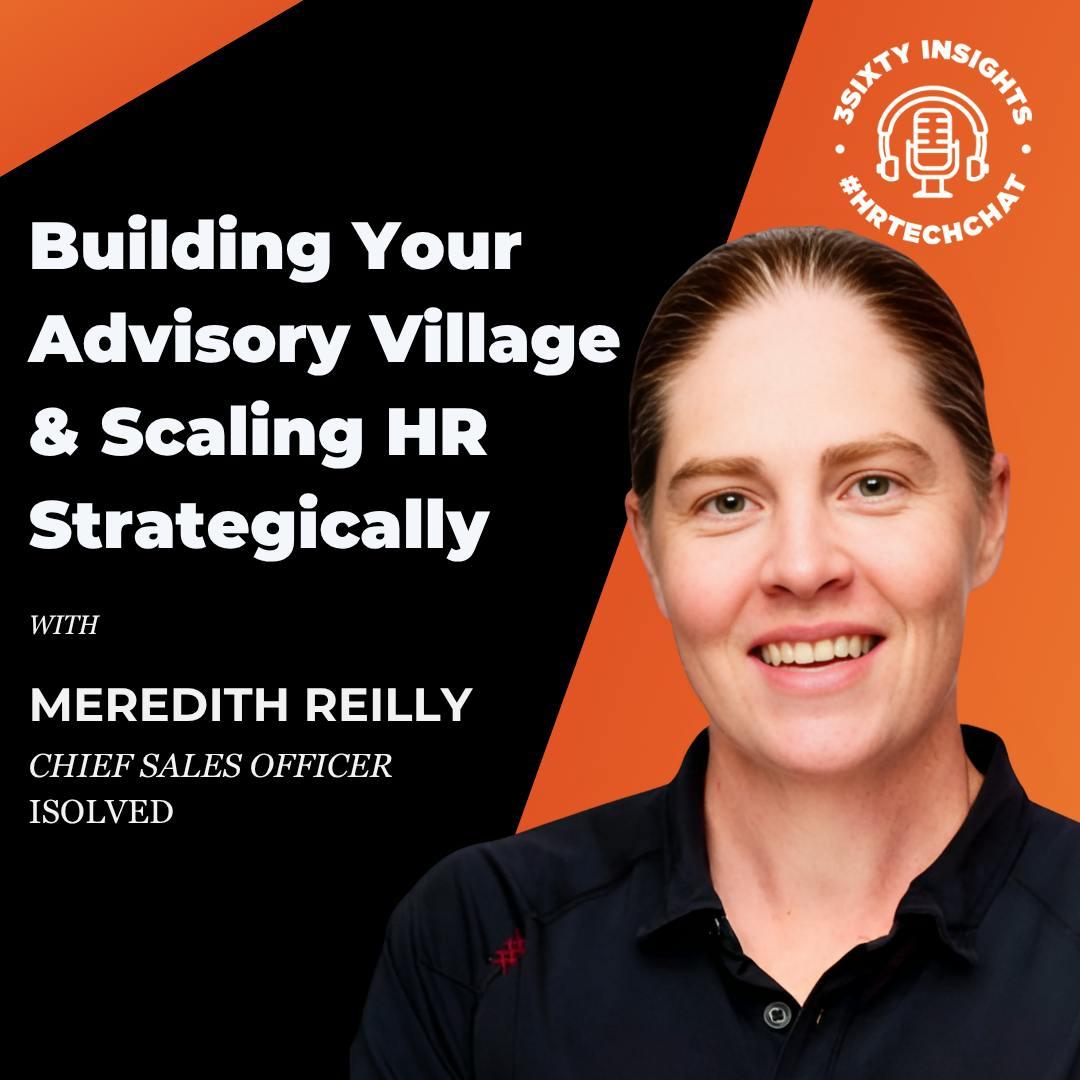
Small businesses face growing complexity in HR, payroll, and benefits—but too often, leaders carry the burden alone. In this episode of #HRTechChat, Dylan Teggart talks with Meredith Reilly, Chief Sales Officer at isolved, about why it’s time to stop going solo.
Meredith shares how modern HR deman…
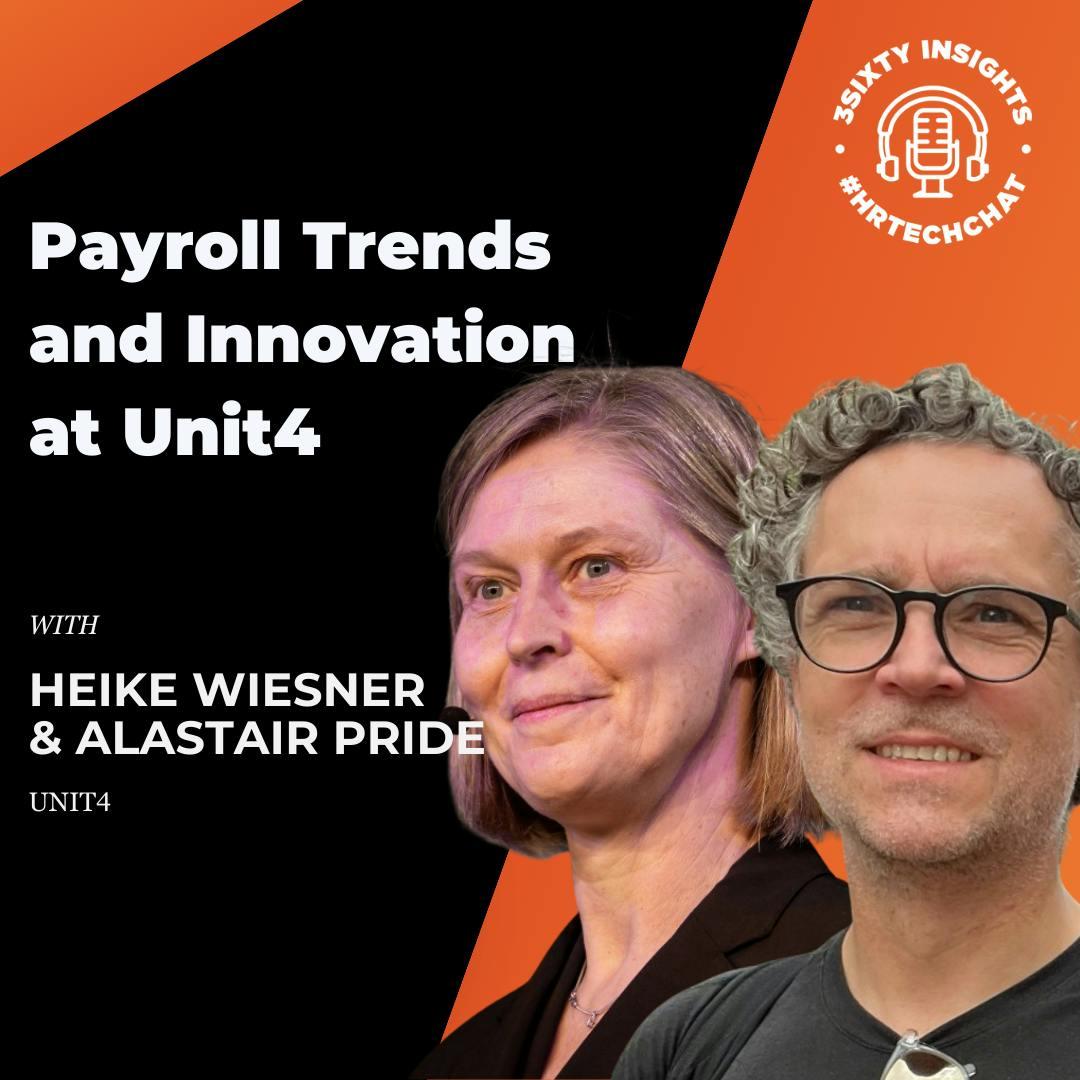
In this episode of #HRTechChat, Dylan Teggart sits down with Heike Wiesner, Global Sales Growth Director HCM, and Alastair Pride, Managing Principal Consultant, of Unit4 to explore the evolving role of payroll as a strategic business driver.
They discuss how cloud migration, integrated ERP systems…
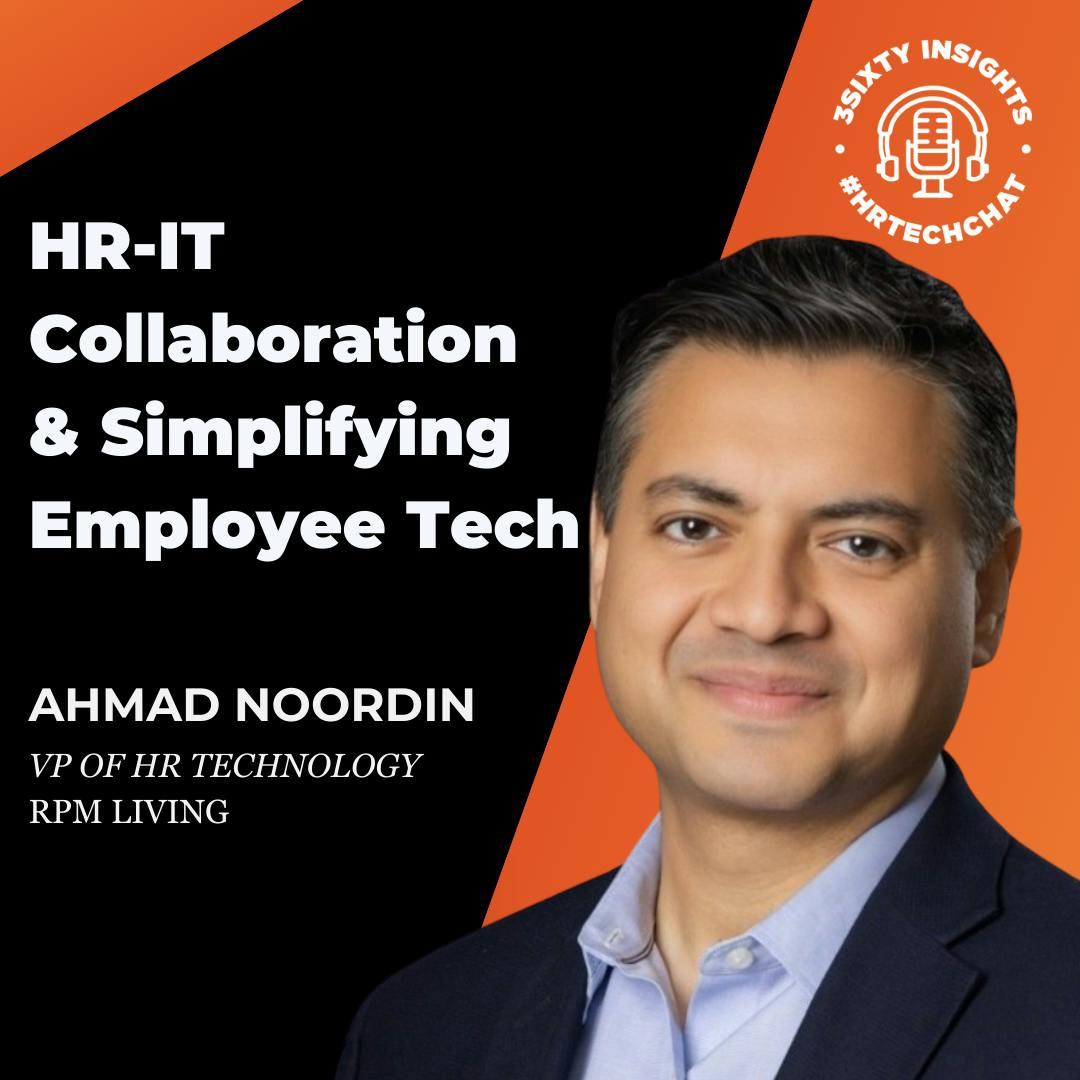
As organizations face growing complexity and rapid change, the need for simple, integrated HR solutions is more urgent than ever—especially in industries where high attrition and operational efficiency collide.
In this episode of #HRTechChat, 3Sixty Insights’ Dylan Teggart sits down with Ahmad Noo…
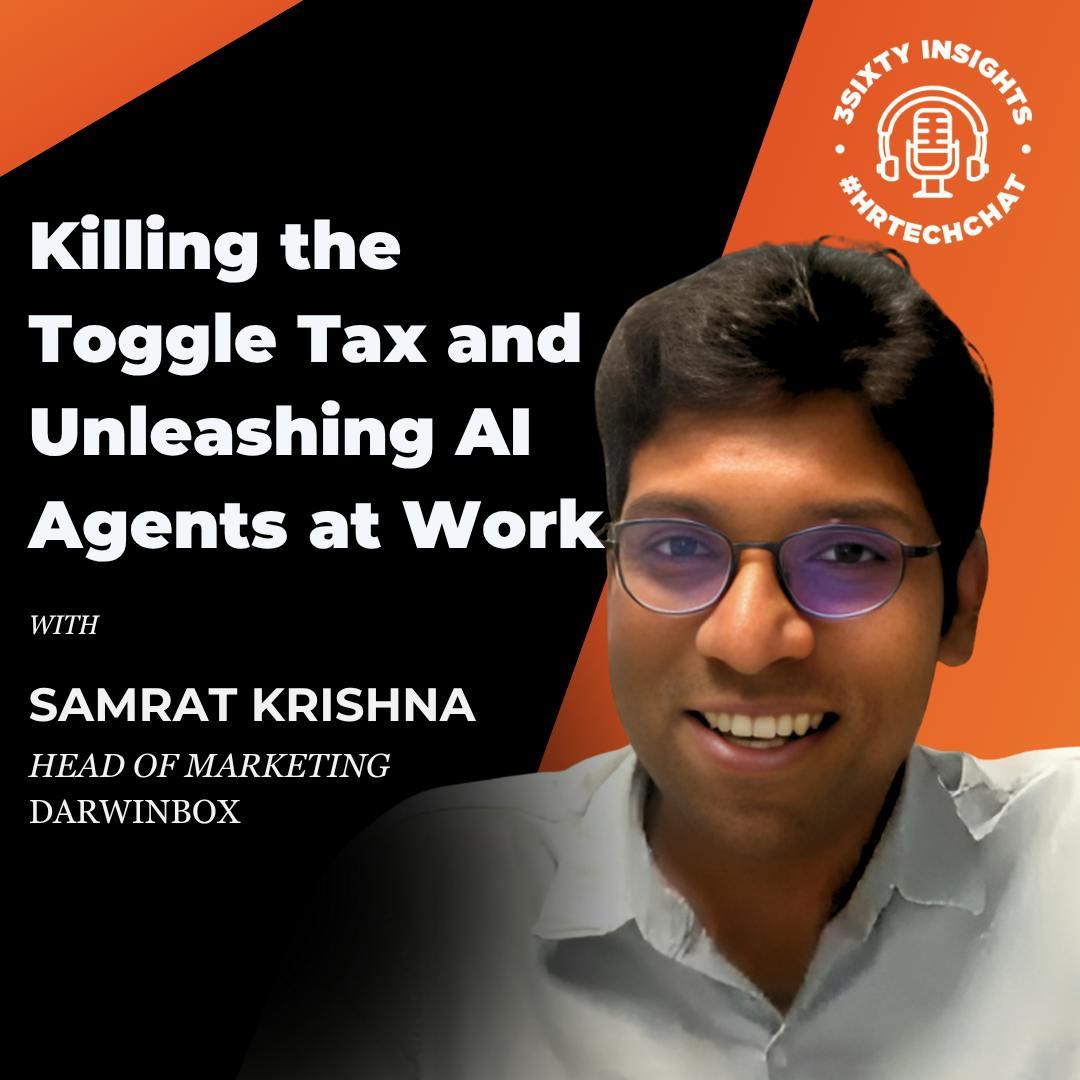
AI is changing the game—but not in the way you think. In this episode of #HRTechChat, we’re sharing a special swapcast from the PeopleTech podcast hosted by Mark Feffer, featuring Samrat Krishna of Darwinbox.
Samrat unpacks how AI agents are killing the “toggle tax” and rethinking enterprise softw…
Disclaimer: The podcast and artwork embedded on this page are from WRKdefined Podcast Network, which is the property of its owner and not affiliated with or endorsed by Listen Notes, Inc.
EDIT
Thank you for helping to keep the podcast database up to date.
