

► Tell us about you and your podcast
I grew up in multiple towns, in the country, in the city, in the suburbs. I went to many schools, and eventually college and a profession. But I was always grounded in the need to create. One day in 2025, I was hit with a memory about my childhood, when my sister took off my snow boot and it fell in the creek and floated away. I was compelled to write the story, and then I set it aside. The act of writing that memory opened a floodgate of other ordinary moments, some funny, some tragic, some absurd, but all of them comprising the chain of events that made up my life. The writing and the remembering have helped me to understand the things I did, and the things people around me did, more clearly. More compassionately. And to find peace in the aftermath. I have found that my listeners tend to remember the events of their own lives that they hear reflected in my stories. Not because they experienced the same things, but because the clarity of remembering is universal.
► Why & how did you start this podcast?
I listen to podcasts that make me think, make me laugh, or cause me to consider things maybe I hadn't had to before. Life is too short to learn everything, but long enough to feel everything.
Once I began writing my memories, they just kept coming. I reached a point where I had hundreds of pages of vignettes that lent themselves into a spoken format. That's when I decided to create a podcast for my mom, my siblings, my friends, and myself. I began to use sound design to help the narrative to flow and to shape the emotional arc. I use 'foley' (sound effects) and music cues to evoke the feeling of the memory, rather than to dramatize it, and sometimes to add a touch of humor.
► How'd you find the time and funding to do this podcast?
Podcasting can be free for some people, but because I have two podcasts, keeping my second podcast on the same RSS platform comes with hosting fees. Many podcasters use Audacity for editing, which is free and surprisingly sophisticated if you take the time to learn its features.
I release an episode every other Monday, and I also work full time. My workflow usually spans two weekends; I record and rough-cut my episode one weekend, then do sound design the next, and schedule it to drop on Monday. My episodes run between 12-20 minutes, and recording, editing, and sound design typically takes around eight to ten hours, all-inclusive. Sometimes more, sometimes less.
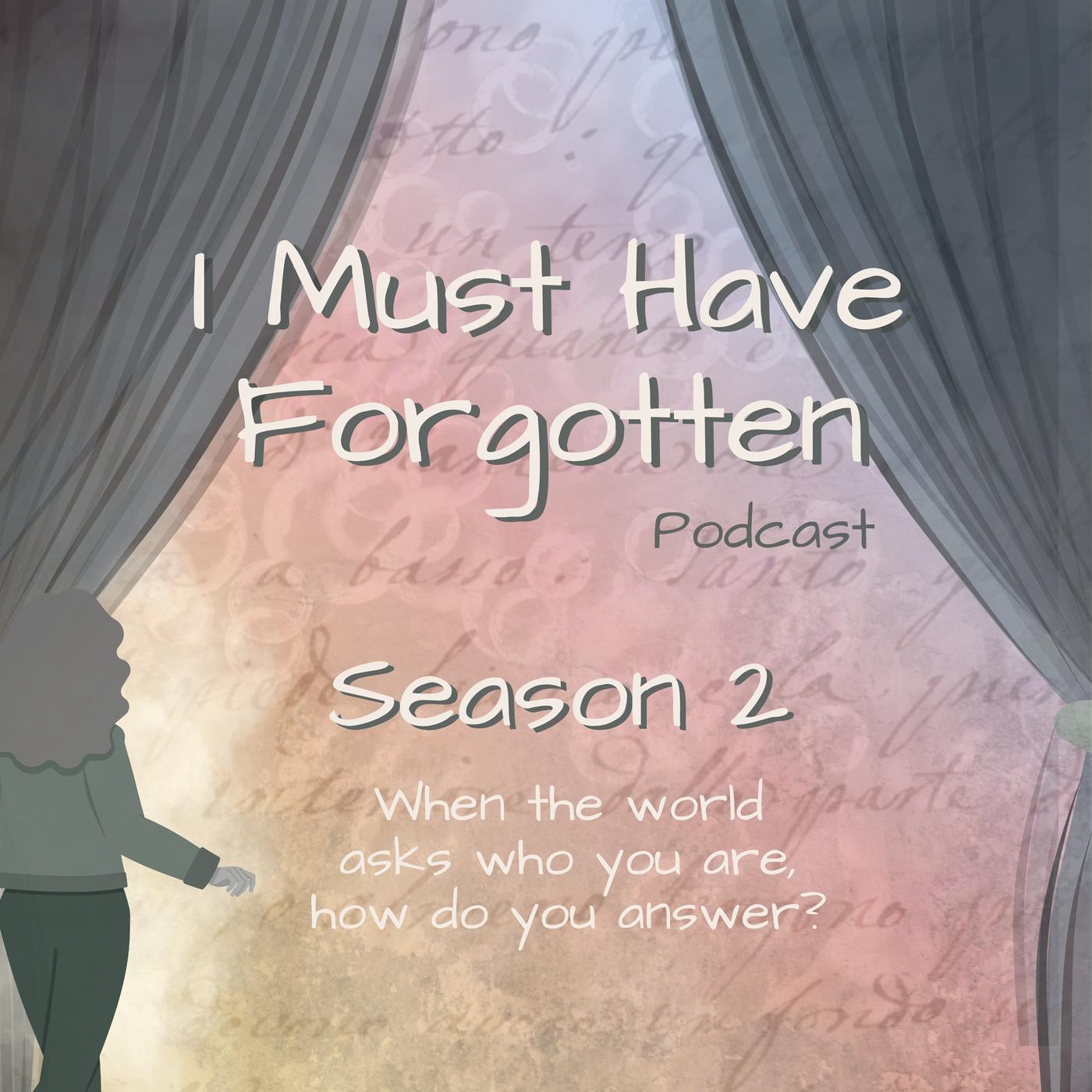
The only reason I can work this into my life is because I genuinely love every part of making this podcast. I also create the original cover art for each episode using Canva, which has a free basic version and is a great tool for people who are looking for a way to put together clean, beautiful visuals.
► What do you gain from podcasting?
Neither of my podcasts have been monetized. The True Crime BnB podcast could realistically take on sponsors, but that was never the reason I created it and I've never wanted to spend my limited time pursuing ads. I Must Have Forgotten is still new and I haven't even considered sponsorships for it-- this show is a labor of love. I'm thrilled when others connect with it, but it doesn't exist for the purpose of income.
What I gain from podcasting is creative clarity. Writing and producing these stories helps me understand my own life with more compassion, and hearing from listeners who see their own memories reflected back is incredibly meaningful. The process itself, the writing, sound design, the storytelling, the cover art, gives me a sense of purpose and connection that's worth far more to me than revenue.
► How does your podcasting process look like?
My episodes come directly from my larger memoir manuscript, usually one chapter at a time, sometimes two if they belong together. I edit each piece into a script that works for audio narration, then record in Audacity using my Shure MV7+ microphone. Good spoken audio really does depend on a good microphone, so that part matters to me and saves me a lot of time in editing.
I do all of my editing in Audacity as well, and I prefer working in the spectrogram view rather than the waveform. It lets me see and remove mouth noises and whistles much more cleanly. After the first editing pass, I add my intro and outro, then go back through the episode to build the sound design. That’s the part that makes the story feel fully realized to me; the subtle cues, the atmosphere, the emotional texture. It’s what turns the episode from a reading into something produced and intentional.
► How do you market your show?
I really haven't done much formal marketing for my show. I originally created this series to help me look back over my own life with more reflection and compassion, and to share those memories with my family and friends. From there, people began sharing it, and the audience has grown slowly and organically.
Most listeners seem to find the show through podcast directories, search results, or by word of mouth. I don't have a detailed breakdown of acquisition sources, but I can see from analytics that people are discovering it in places I've never been. When someone on the far side of the world listens to four episodes in a row, it gives me incredible satisfaction. It tells me that the stories I'm telling, and the theme of finding grace, even in the hard moments, are resonating with people that I don't know, in ways that I never expected.
► What advice would you share with aspiring (new) podcasters?
Don't let people's skepticism deter you. Some people can't imagine creating something from nothing, but that shouldn't stop those of us who feel compelled to make things from trying.
There are plenty of resources to help you become more skilled at recording, at editing, and even sound design. But none of those tools can replace your voice or your perspective, which are the foundation of any podcast. Put yourself into the work without fear of criticism.
As for technical resources, your hosting platform may offer tutorials or videos on how to create or grow your show. Audacity has a thorough, searchable help manual. And even typing "how do I create a new podcast" into Google will lead you down a very useful rabbit hole of hosting platforms, distribution options, and practical guide.
If you have something to say, just begin. I'm proud of the work I've done, but I didn't know anyone else would care until I started making it.
► Where can we learn more about you & your podcasts?
My main link is linktr.ee/bethpods, which serves as the central home for both I Must Have Forgotten and True Crime BnB. It includes links to the shows on all major platforms and my social accounts. I’m on Instagram, Bluesky, and Substack, though I’m not consistently active on social media. The Linktree is the best place to find everything connected to my work