


O TYM ODCINKU
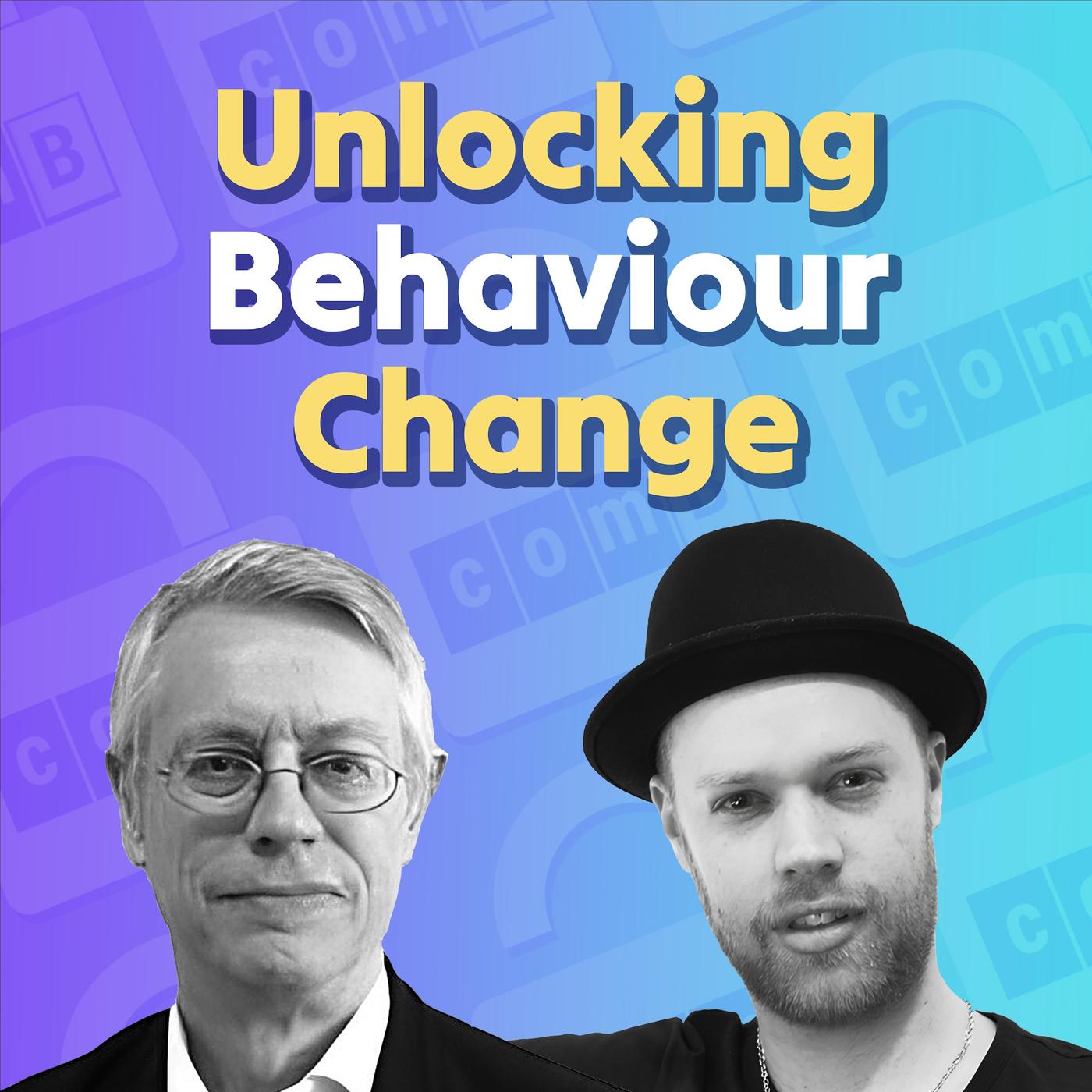
Robert and Jamie discuss various ways in which we understand probability, including a tendency to 'overchunk' probabilities ('possible', 'likely'), and how these can lead to disastrous decisions.
Want more? Check out our latest books:
Energise: The Secrets Of Motivation: https://shorturl.at/bbA7y
React: Harness Your Animal Brain: https://shorturl.at/yiFQ9
Sign up to Robert’s Substack: https://robertwest100.substack.com/
Subscribe to the UBC YouTube channel: https://www.youtube.com/@unlockingbehaviourchange
Język angielski
Stany Zjednoczone
TRANSKRYPCJA 🔗
Are you the producer of this podcast?
Add a podcast transcript
Need Audio-to-Text?
Transcribe with Listen411 in Just 60 Seconds
WYSZUKAJ MINIONE ODCINKI
Wyszukaj minione odcinki Unlocking Behaviour Change.
INNE ODCINKI W TYM PODCASCIE
Robert and Jamie discuss the ubiquitous phenomenon, illustrated by one of the episodes in The Odyssey, that the first priority of our motivational system is not necessarily our best interests, or even what we most enjoy - it's something else. Because humans kind of know this, we are sometimes willi…
In the mini-series on decision fails - common things that we fail to do that result in mistakes when making decisions - this episode covers our failures of imagination. Robert thinks this plays a large part in the well-known phenomenon of 'temporal discounting' - failing adequately to concern ourse…
The COM-B model of behaviour was put forward in 2011 as a comprehensive model of behaviour, capturing influences that lay within individuals (capability and motivation) as well as the outside world (opportunity). It has become popular, with some 17,000 citations to the original paper, but nothing l…
In the second half of a two-parter, Robert explains the limitations of the Theory of Planned Behaviour and how the COM-B model addresses these. The Theory of Planned Behaviour is EXTREMELY widely used and increasingly so despite its age. Among the limitations of the TPB that COM-B addresses are: 1)…
Last but not least in our miniseries on decision fails we have 'I didn't ask'. Even when we think we know it all, we should often ask for another opinion or perspective. And we should always reflect on our own limitations and be willing to consult experts for important decisions that require techni…
Zastrzeżenie: Podcast i grafika osadzone na tej stronie pochodzą z Robert West, który jest własnością jego właściciela i nie jest powiązany ani wspierany przez Listen Notes, Inc.
EDYTUJ
Dziękujemy za pomoc w aktualizowaniu podcastowej bazy danych.
