
O TYM ODCINKU
This week on The Business of Open Source, I spoke with Karthik Ranganathan, founder and co-CEO of Yugabyte. This is the second time Karthik has been on the podcast, but since three years had passed I thought it’d be a good idea to catch up and see what’s changed at Yugabyte and how his perspective on the open source commercial ecosystem has changed.
Some really cool topics came up in this conversation. For example:
- Why engineers don’t choose databases based on features (and how this is related to why so many databases are open source
- This was super interesting, because I’ve seen a lot of conversations in the developer tools space about how developers choose their tools based on the features the tool has, and you should therefore market/sell based on features (unlike marketing/selling to any other market). I think this is bullshit and based on a misunderstanding about the difference between a feature and a benefit. Going back to the database market, we talked about how ultimately database users need to develop an intuition around when a particular database is the best choice, and that it takes time to do so.
- Choosing a database is about choosing what to prioritize for a particular application, and in a way Yugabyte presents its users/customers with a way to prioritize what’s important, simplicity or flexibility. Companies that want more simplicity get something that’s fully managed (and pay for it) companies that prioritize flexibility above all else are a better fit for the open source.
- The database is the same, regardless of whether someone is using the pure open source version or the fully managed service — and it’s important to Yugabyte that everyone gets the same core functionality.
- How the role of open source and it’s value for Yugabyte as a company has changed as the company has matured, and in particular how it’s a way for people to try out Yugabyte first, and then reach out.
- Why Yugabyte has invested in making sure the open source user experience is excellent — because they want users to get value out of the project immediately; no one has time to spend four days figuring out how a new database works. This is part of why they think the open source project has become a lead engine.
- The importance of messaging in helping people understand quickly what to expect from the project and minimizing the amount of time it takes for them to get value out of it.
- Whether or not Yugabyte was a bit early to the cloud native party, and the pros and cons of being early.
And much more!
Język angielski
Stany Zjednoczone
W TYM ODCINKU
TRANSKRYPCJA 🔗
Are you the producer of this podcast?
Add a podcast transcript
Need Audio-to-Text?
Transcribe with Listen411 in Just 60 Seconds
WYSZUKAJ MINIONE ODCINKI
Wyszukaj minione odcinki The Business of Open Source.
INNE ODCINKI W TYM PODCASCIE
There’s a new episode of The Business of Open Source today! It’s been a while.
I talked with Anais Concepcion about a program she’s been testing at Grist to give free activation codes for the enterprise version of Grist to individuals and small businesses that have a revenue under $1 million. The…
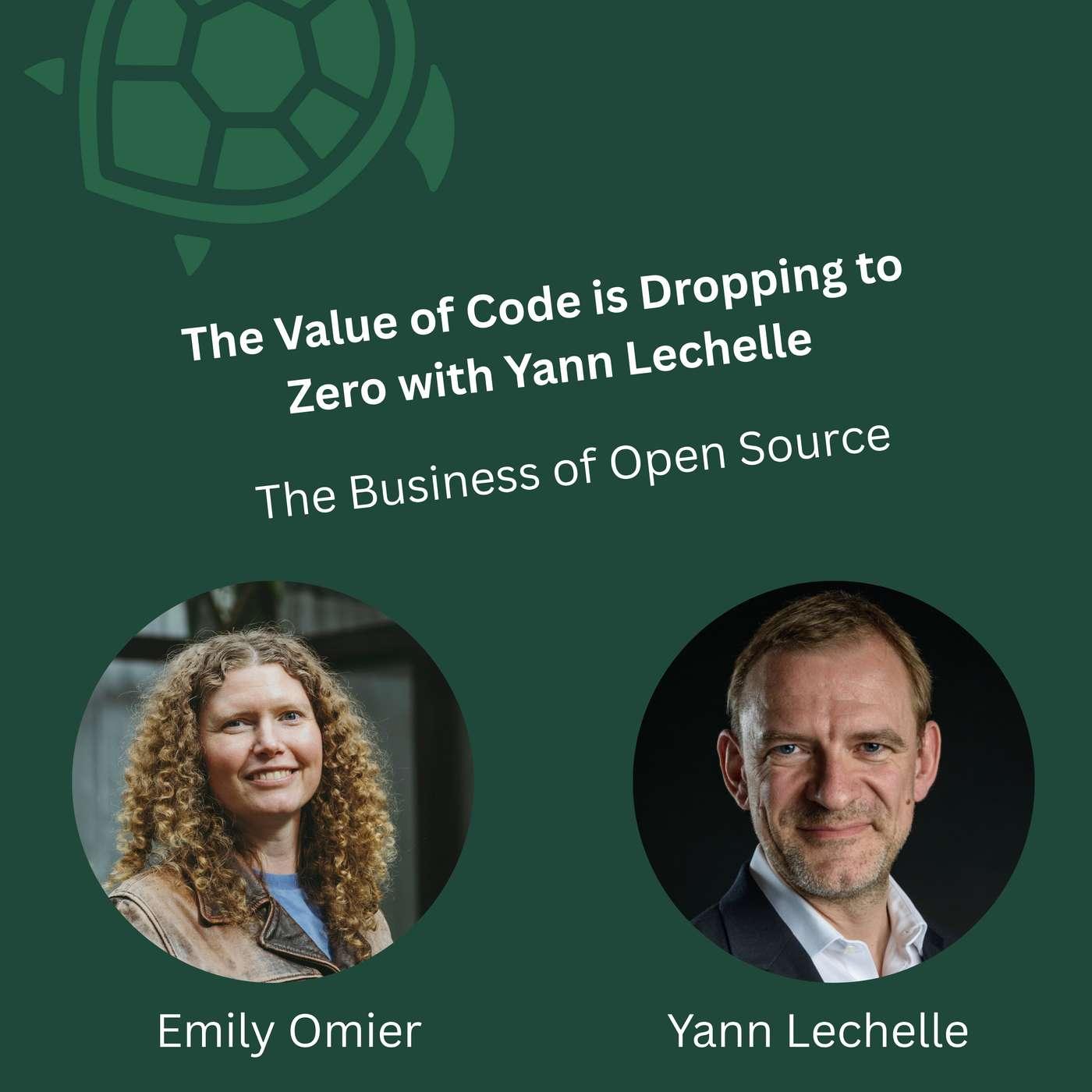
In this episode of The Business of Open Source, I talked with Yann Lechelle, Executive President of :Probabl.
Perhaps the most interesting part of the conversation was about whether or not there is a risk from generative AI being trained on open source code, then generating new open source code an…
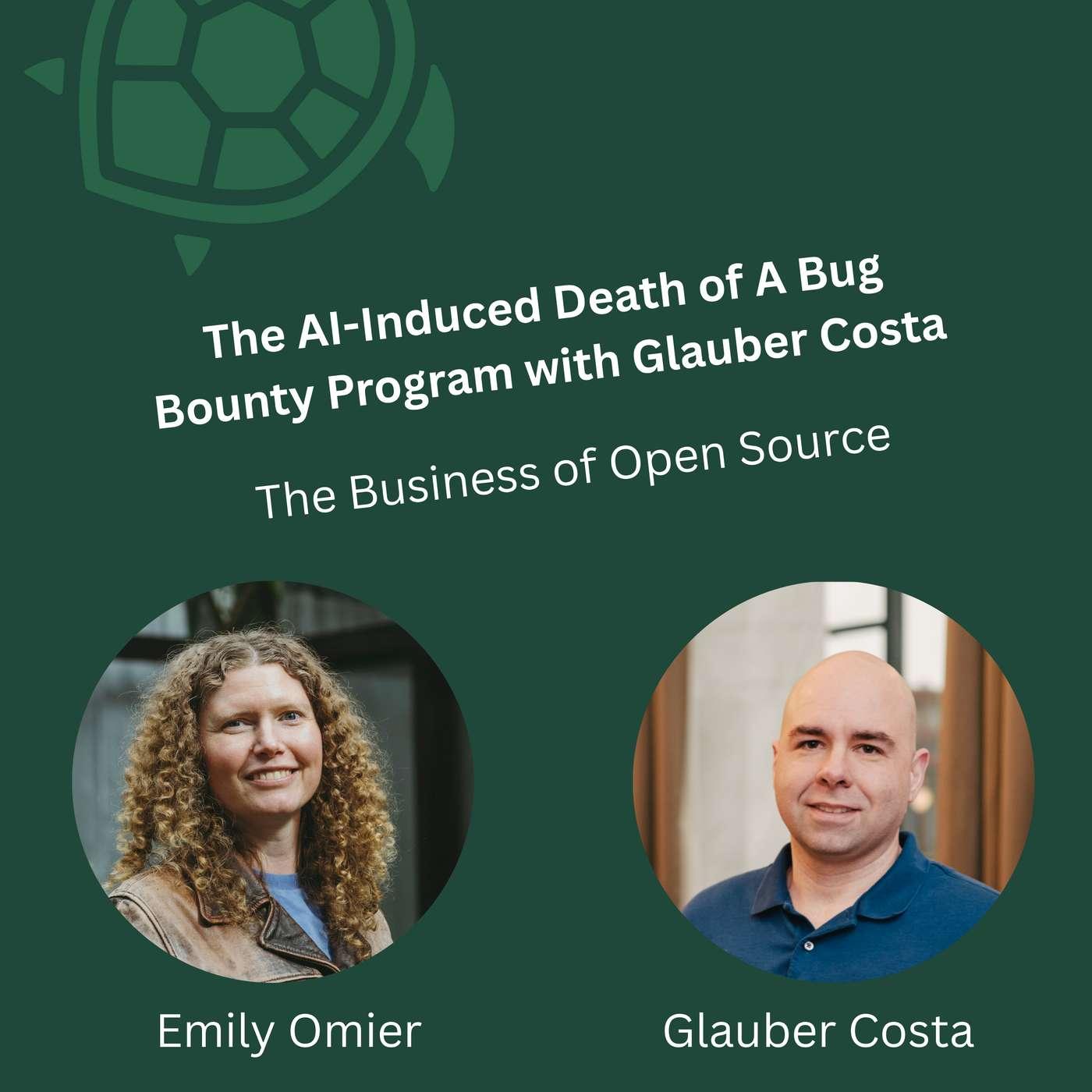
The Business of Open Source is back! I’m starting a series about AI and open source this week.
I reached out to Glauber Costa, founder of Turso, after reading a post of his on LinkedIn about how bot-written PRs for their bug bounty program forced them to discontinue the program completely. In thi…
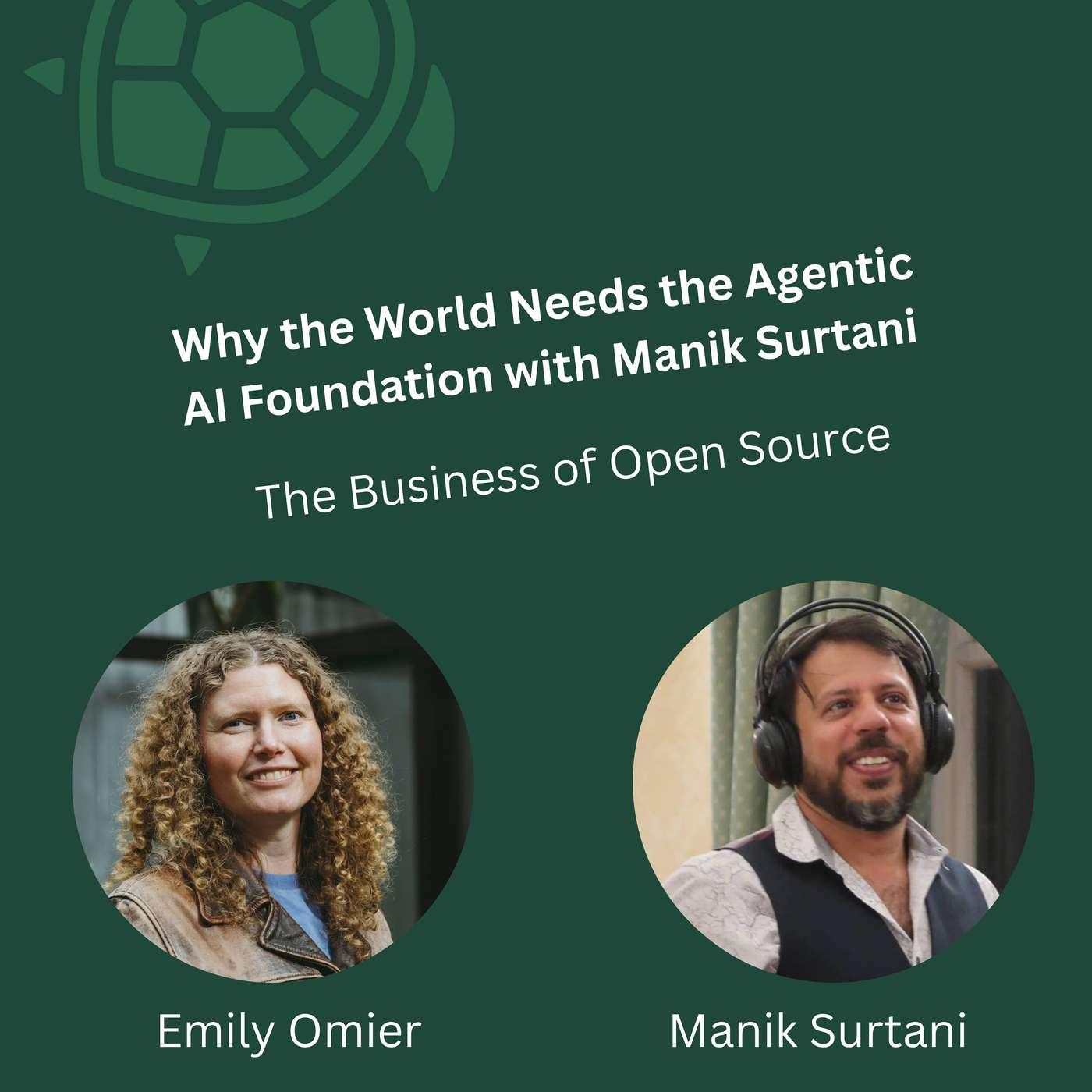
In this episode of The Business of Open Source, I spoke with Manik Surtani, one of the co-founders of the Agentic AI Foundation and the CTO at the foundation. This is part of the series I’m working on about open source and AI, which started last week with a conversation with Glauber Costa about how…
One of the myths that swirl around the open source company ecosystem is that all open source companies started as an open source project that then suddenly got traction, and followed by the founders frantically throwing spaghetti at the wall trying to figure out a business model.
In fact, this is…
Zastrzeżenie: Podcast i grafika osadzone na tej stronie pochodzą z Emily Omier, który jest własnością jego właściciela i nie jest powiązany ani wspierany przez Listen Notes, Inc.
EDYTUJ
Dziękujemy za pomoc w aktualizowaniu podcastowej bazy danych.