

O TYM ODCINKU
Listen to Part 2 here: https://soundcloud.com/outsmartinghumanminds/implicit-revolution-part-2-from-the-lab-to-the-web
40 years ago, memory researchers showed us that patients with amnesia could form new memories… implicitly. This sparked an ongoing revolution in research on the hidden mind: how it learns, how it influences us, and how it can be measured and changed.
For references and related material, visit http://outsmartinghumanminds.org.
------------------------
The Implicit Revolution Part 1 was created and developed by Mahzarin Banaji and Olivia Kang with funding from PwC and Harvard University.
Narration by Olivia Kang, featuring Professor Mahzarin Banaji (Harvard University)
Sound editing and mixing by Evan Younger
Music by Miracles of Modern Science
Artwork by Olivia Kang
©2017 President and Fellows of Harvard College
40 years ago, memory researchers showed us that patients with amnesia could form new memories… implicitly. This sparked an ongoing revolution in research on the hidden mind: how it learns, how it influences us, and how it can be measured and changed.
For references and related material, visit http://outsmartinghumanminds.org.
------------------------
The Implicit Revolution Part 1 was created and developed by Mahzarin Banaji and Olivia Kang with funding from PwC and Harvard University.
Narration by Olivia Kang, featuring Professor Mahzarin Banaji (Harvard University)
Sound editing and mixing by Evan Younger
Music by Miracles of Modern Science
Artwork by Olivia Kang
©2017 President and Fellows of Harvard College
Język angielski
Stany Zjednoczone
TRANSKRYPCJA 🔗
Are you the producer of this podcast?
Add a podcast transcript
Need Audio-to-Text?
Transcribe with Listen411 in Just 60 Seconds
WYSZUKAJ MINIONE ODCINKI
Wyszukaj minione odcinki Outsmarting Implicit Bias.
INNE ODCINKI W TYM PODCASCIE
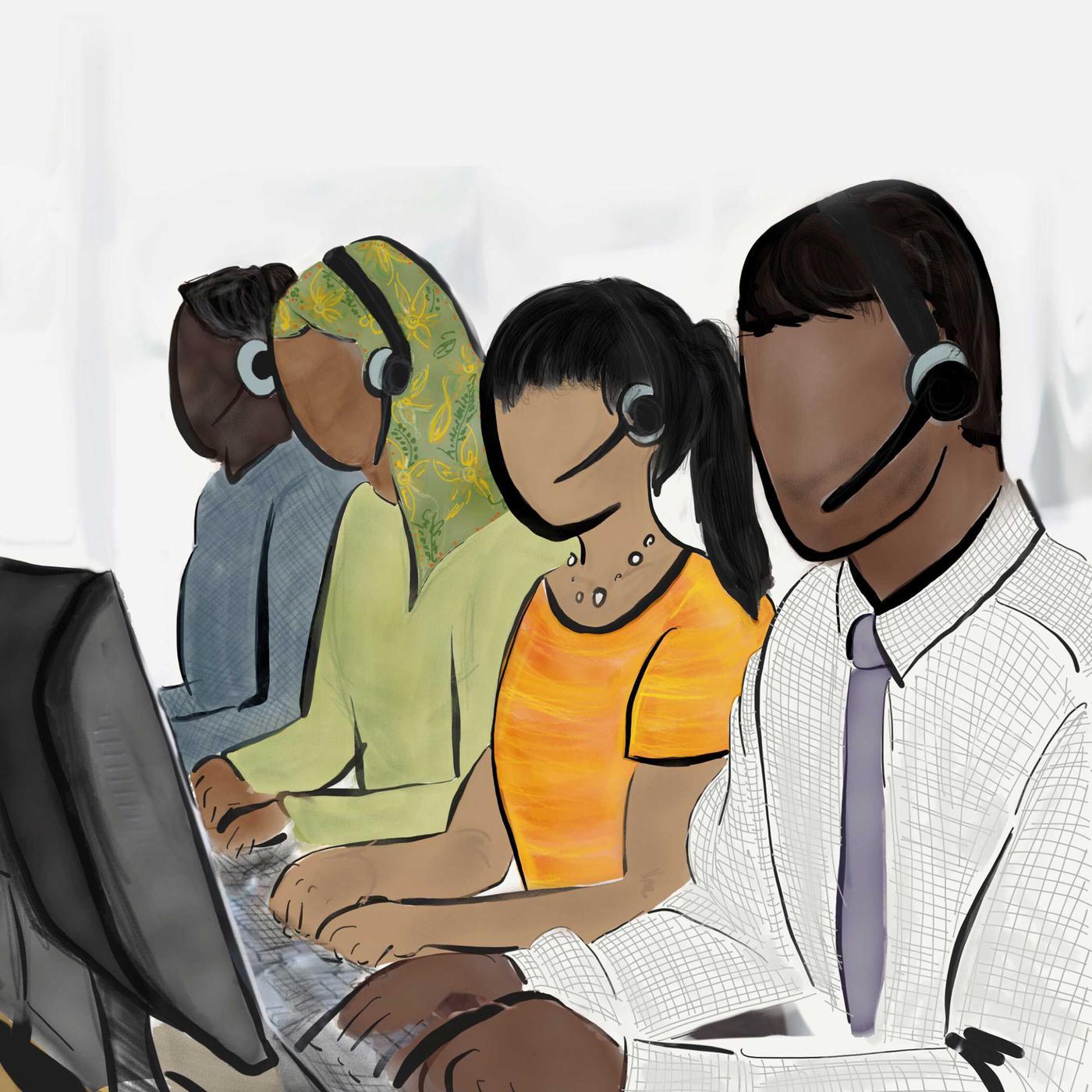
Voices are more than just sounds. They’re auditory faces that can give clues to who we are. In the time it takes to say “hello,” we can identify a person’s ethnic or cultural background as different from ours. Yet this can lead to other impressions that are just...wrong. How might accents influence…
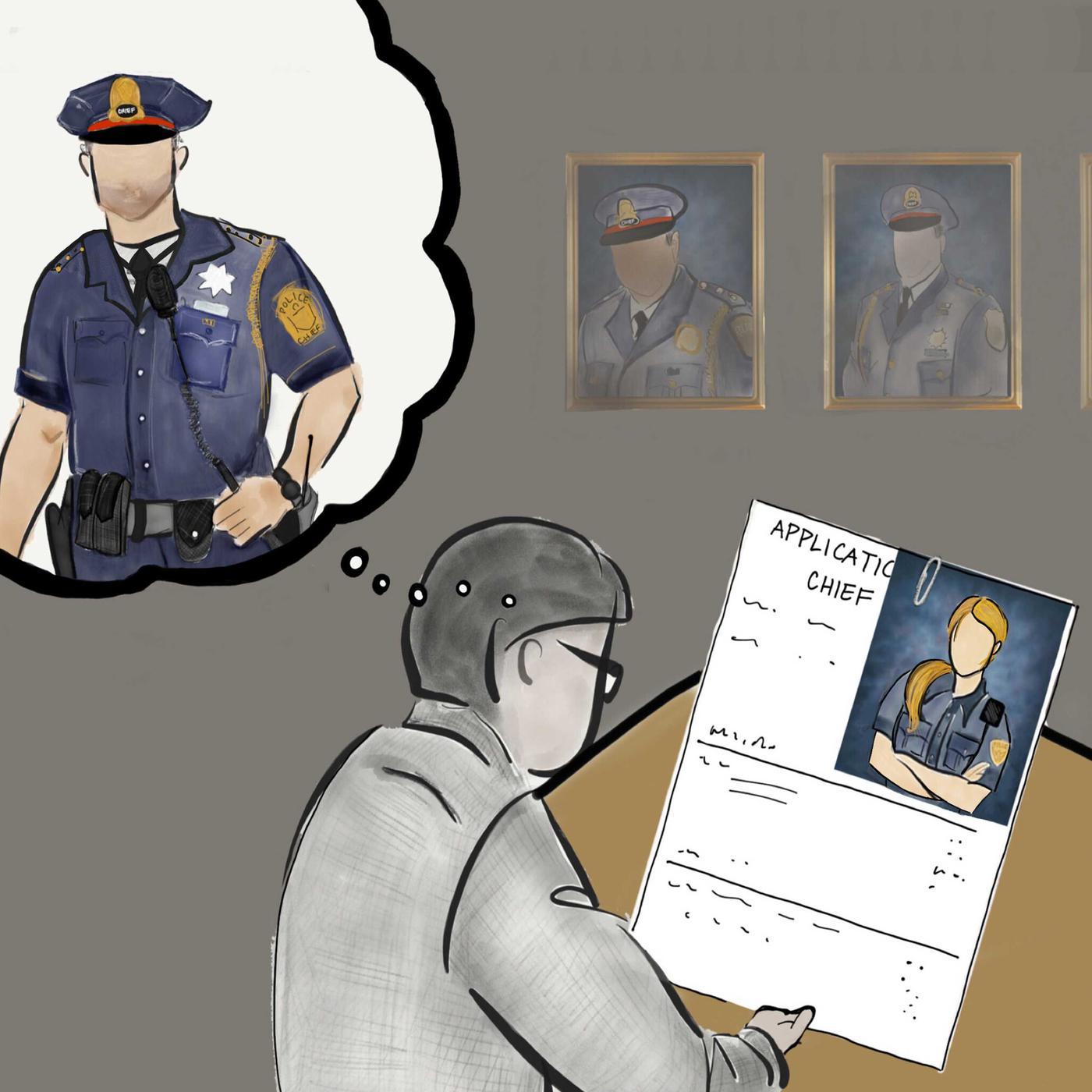
Book-smart or street-smart? Education or experience? We like to think we use objective criteria to make decisions. But what happens when we choose the person first, then use the standard that supports our decision? How might the “pictures in our heads” drive the criteria we choose?
For references …
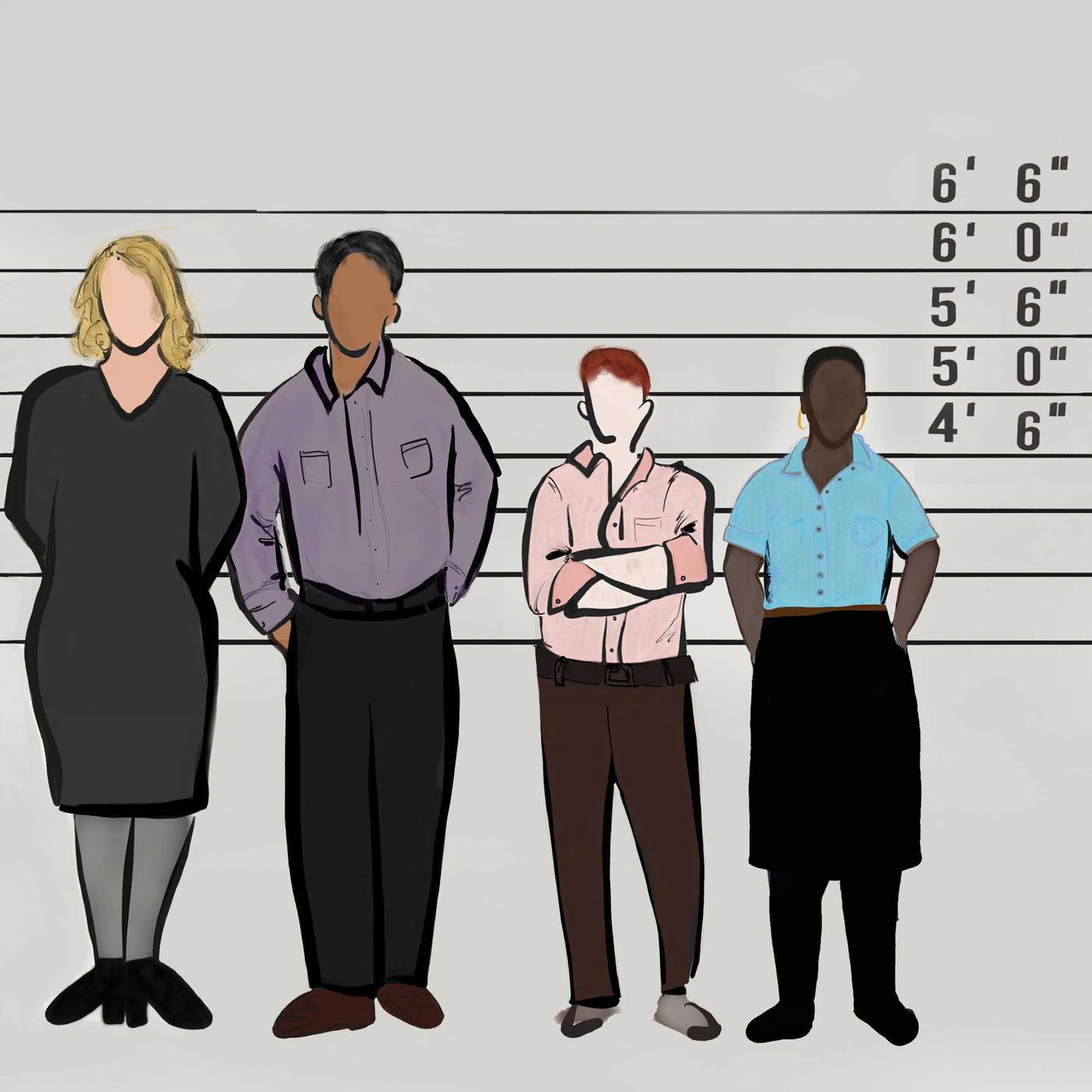
Albert Einstein, we would say, is a genius. Yet we might say the same for a puppy that can open a cabinet to get her snacks. Sometimes it makes sense to shift our standards based on context. But are we raising and lowering the bar when we shouldn’t?
For references and related material, visit http:…

Listen to Part 1 here: https://soundcloud.com/outsmartinghumanminds/implicit-revolution-part-1-from-amnesia-to-associations
40 years ago, memory researchers showed us that patients with amnesia could form new memories… implicitly. This sparked an ongoing revolution in research on the hidden mind: …
Zastrzeżenie: Podcast i grafika osadzone na tej stronie pochodzą z Outsmarting Implicit Bias, który jest własnością jego właściciela i nie jest powiązany ani wspierany przez Listen Notes, Inc.
EDYTUJ
Dziękujemy za pomoc w aktualizowaniu podcastowej bazy danych.
