


O TYM ODCINKU

Human Rights Watch characterizes the Caribbean nation of Cuba thusly:
"The Cuban government continues to repress dissent and deter public criticism. It routinely relies on long and short-term arbitrary detention to harass and intimidate critics, independent activists, artists, protesters, and others. Hundreds of government critics remain behind bars, including many who participated in the landmark July 2021 demonstrations. The US embargo continues to provide the Cuban government with an excuse for its problems, a pretext for its abuses, and a way to garner sympathy abroad with governments that might otherwise have been willing to condemn the country’s repressive practices more vocally."
Ruled by a handful of families circulating in the orbit of the Communist party and Cuban military since 1959 - most notably the Castro family of Fidel Castro and Raúl Castro, who collectively led the country from 1959 until 2019 - since the advent of the second Trump administration, the island has been under punishing coercive economic measures that amount to a kind of collective punishment of the Cuban people as a whole. According to the group Prisoners Defenders, there are currently more than 1,300 political prisoners in Cuba, many of them dating back to the 2021 anti-government protests that rocked the island and, among them some of the island’s leading lights of music, art, literature and journalism, along with feminists, LGBTQ activists and hundreds of ordinary citizens. The rapper Maykel “Osorbo” Castillo Pérez, designated a prisoner of conscience by Amnesty International, is currently serving nine years in prison for “contempt” and “public disorder,” but his real crime was to dare to stand up to the regime’s abuses and hypocrisy in his music, most notably as part of the collective behind the 2021 song “Patria y Vida.” Convicted of “public disorder,” “contempt” and “resistance,” the poet and activist María Cristina Garrido Rodríguez also remains in jail. The Youtuber Sulmira Martínez Pérez, better known as “Salem,” was thrown in jail for “contempt” and “crimes against the constitutional order” for calling for nonviolent protests against the government.
Cuba’s totalitarian government nevertheless remains a cause du jour among some on the international left, as witnessed by a bit of luxury revolutionary tourism undertaken by a cadre of groups like Code Pink, Progressive International and the Democratic Socialists of America to the island earlier this year, where trip participants chartered a plane to Havana operated by World Atlantic Airlines, an entity previously best known for operating deportation flights for Trump’s Department of Homeland Security, and stayed in luxury hotels while praising the regime and its sadism.
What may appear at first as simply more examples of the Communist deluxe, as the Cuban writer Reinaldo Arenas once termed this phenomenon, may however, in fact, be less diffuse and more intentional than it first appears, consisting of overlapping individuals and organizations and an enormous amount of money, its provenance often hidden between layers of “charitable” anonymity.
Susana Molinet is an independent researcher based in Spain who earlier this year co-authored an investigation for the Cuban exile news outlet El Toque which can be read here: https://red.eltoque.com/. Building upon previous work by the New York Times and Newlines Magazine, the report examines how and by whom a great deal of such Cuban solidarity activity is funded - looking particularly at the activities of the American businessman and social activist Neville Roy Singham and Code Pink co-founders Medea Benjamin and Jodi Evans - and the activities of the media outlet Belly of the Beast.
Język angielski
Stany Zjednoczone
W TYM ODCINKU
TRANSKRYPCJA 🔗
Are you the producer of this podcast?
Add a podcast transcript
Need Audio-to-Text?
Transcribe with Listen411 in Just 60 Seconds
WYSZUKAJ MINIONE ODCINKI
Wyszukaj minione odcinki Notes from the World.
INNE ODCINKI W TYM PODCASCIE
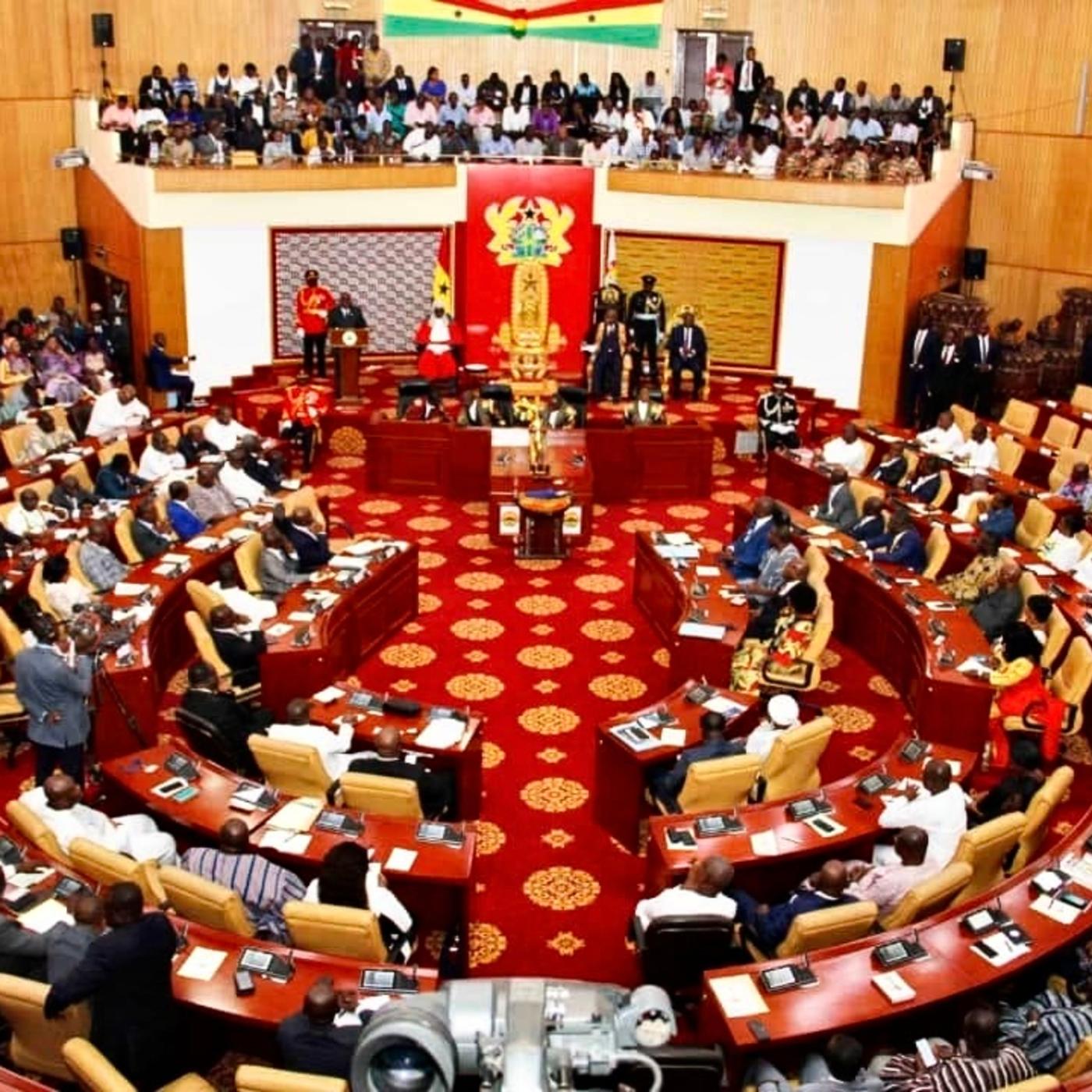
Thus far, 2026 has been a very difficult year for LGBTQ rights in Africa. Homosexuality is illegal in 31 countries on the African continent, representing half of the continent’s states, and in recent years, the adoption of anti-LGBTQ laws has increased dramatically.
Last month, Ghana’s parliament …
When Ecuador’s centre-right president Guillermo Lasso dissolved the country’s National Assembly amid a second impeachment proceeding against him in May 2023, he triggered a general election in which he did not run but which would choose his replacement. Throughout the early part of the campaign, po…
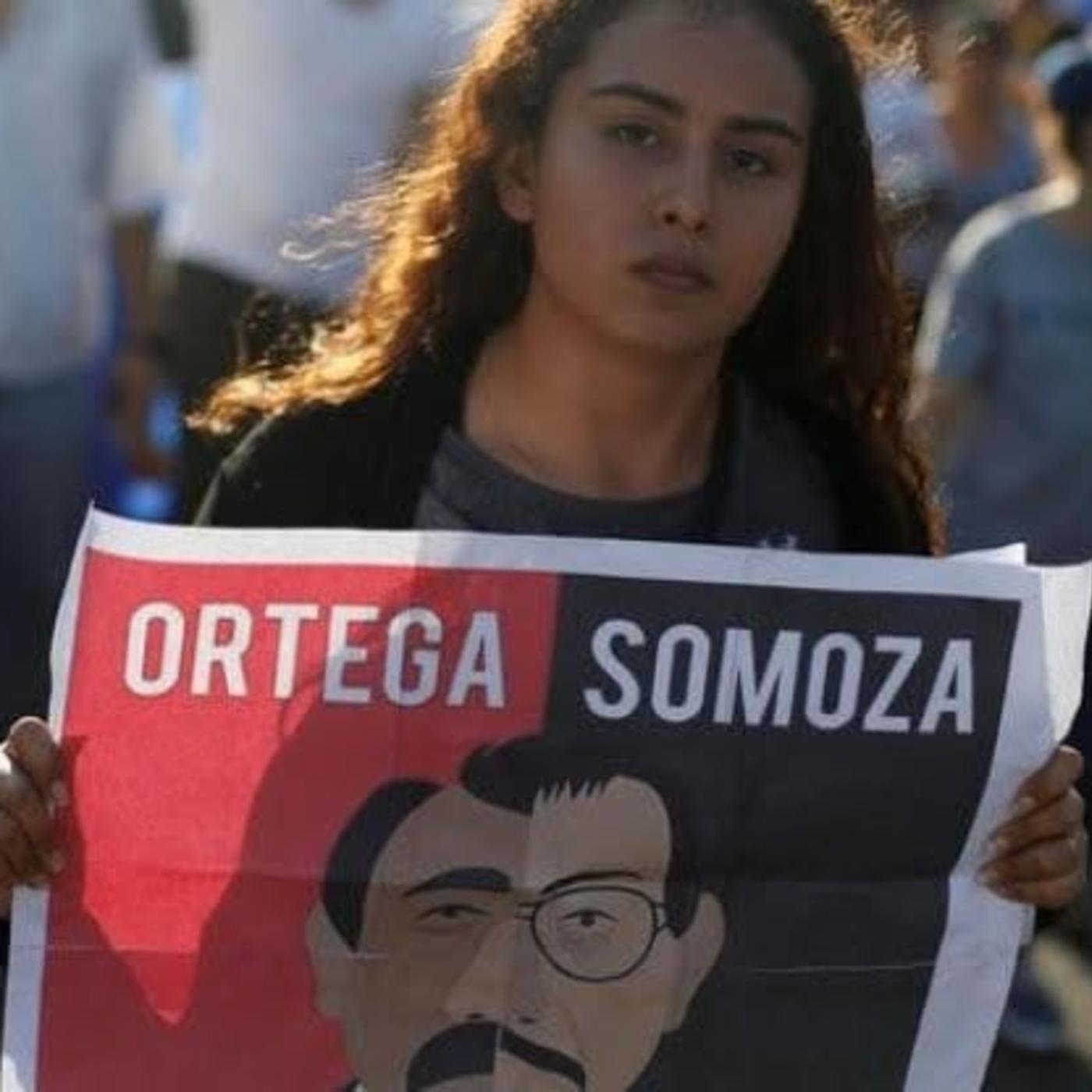
In July 1979, the 43 year dictatorship of the Somoza family in Nicaragua was brought to an end when Anastasio Somoza Debayle was overthrown by a rebel army led by the Frente Sandinista de Liberación Nacional, the FSLN or Sandinistas, as they were widely known. In the 47 years since then, Nicaragua…
Juan Forero is the South America bureau chief for the Wall Street Journal. Based in Bogotá, Colombia, he worked for both the New York Times and National Public Radio before joining the Journal, and he has been reporting on Latin America for more than 20 years. He joined us on Notes From the World t…
Since Donald Trump returned to the White House in January 2025, immigration policy in the United States has undergone profound changes.
Masked, anonymous agents from U.S. Immigration and Customs Enforcement (ICE) and U.S. Customs and Border Protection (CBP), both operating under the purview of th…
Zastrzeżenie: Podcast i grafika osadzone na tej stronie pochodzą z Michael Deibert, który jest własnością jego właściciela i nie jest powiązany ani wspierany przez Listen Notes, Inc.
EDYTUJ
Dziękujemy za pomoc w aktualizowaniu podcastowej bazy danych.
