
O TYM ODCINKU
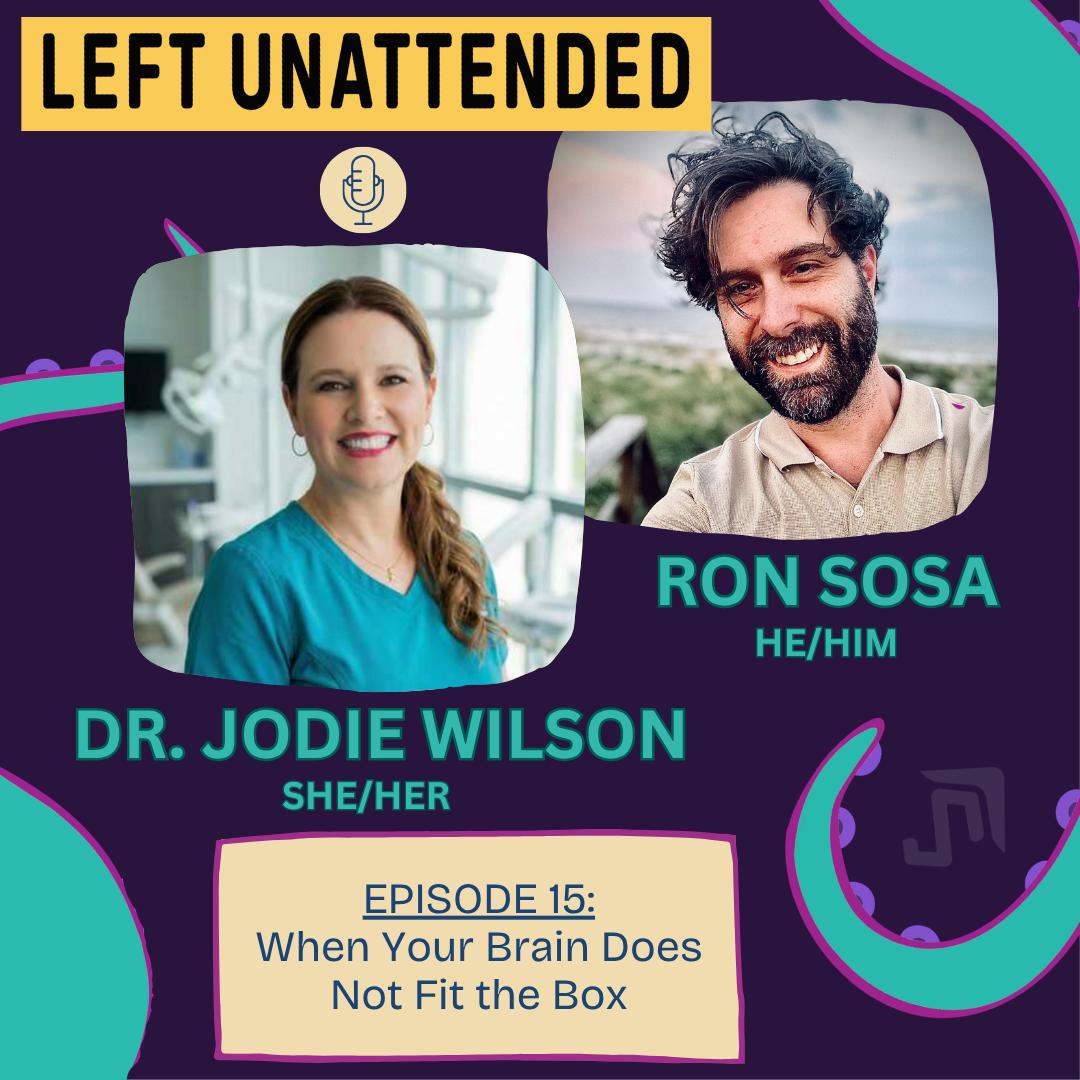
Episode Description: This podcast exists to normalize the real stories of neurodivergence at work — not just the highlight reel, and not just the struggle, but the full human reality in between. In this episode, Ron Sosa is joined by Dr. Amanda Wilson, an orthodontist, consultant, educator, and founder of Straight Smile Solutions, who shares what it looked like to be exceptional with people… and still get completely depleted by the constant interaction of high-volume clinical work. Amanda talks about burning out after years of seeing 80–100 patients a day, getting diagnosed as neurodivergent only recently, and realizing how much masking, overproducing, and “pushing through” was costing her at home. Together they explore boundaries, recovery time, perimenopause and executive function changes, being mislabeled as “difficult,” and the power of reframing your past not as brokenness — but as unsupported brilliance.
What We Cover: Why high-volume, high-interaction work can drain you even when you’re good at it How masking can make you look “fine” while you’re falling apart privately What changed when Amanda finally pursued assessment and got answers Why executive function can shift in midlife and what that can reveal How building boundaries around social intensity protects your capacity What it looks like to be labeled “difficult” when you’re actually pattern-spotting and improving systems Why bottom-up thinking can push you out of traditional career paths and into entrepreneurship
Key Takeaway: Getting the diagnosis didn’t change Amanda’s intelligence, skill, or work ethic — it changed the story she was carrying. When you understand how your brain works, you can stop treating your limits like a character flaw and start building a career that fits. The Shift in Practice If you know your “gas tank” runs out — build around it instead of arguing with it: Notice what actually drains you — often it’s the conversations, not the task Plan recovery like it’s part of the work — one big social day can require multiple quiet days Create a boundary script — “I’m having a neurodivergent day, I’m skipping the dinner” Use supports without apology — noise-canceling, AirPods, hearing aids, or stepping away Advocate with data — you don’t need to prove you’re struggling, just that you function better with structure Design your work model to match your brain — fewer in-person demands, more autonomy, clearer pacing
Who This Episode Is For: This one is for you if you’re high-performing but exhausted, if you’re great with people until you suddenly aren’t, if you’ve been called “too much” or “difficult” for pointing out flaws, or if you’re late-diagnosed and reprocessing your entire career through a new lens.
Connect: If this episode resonated and you want to explore what this pattern looks like for you specifically, https://www.syn-apt.me/coaching-schedule to start a conversation.