

O TYM ODCINKU
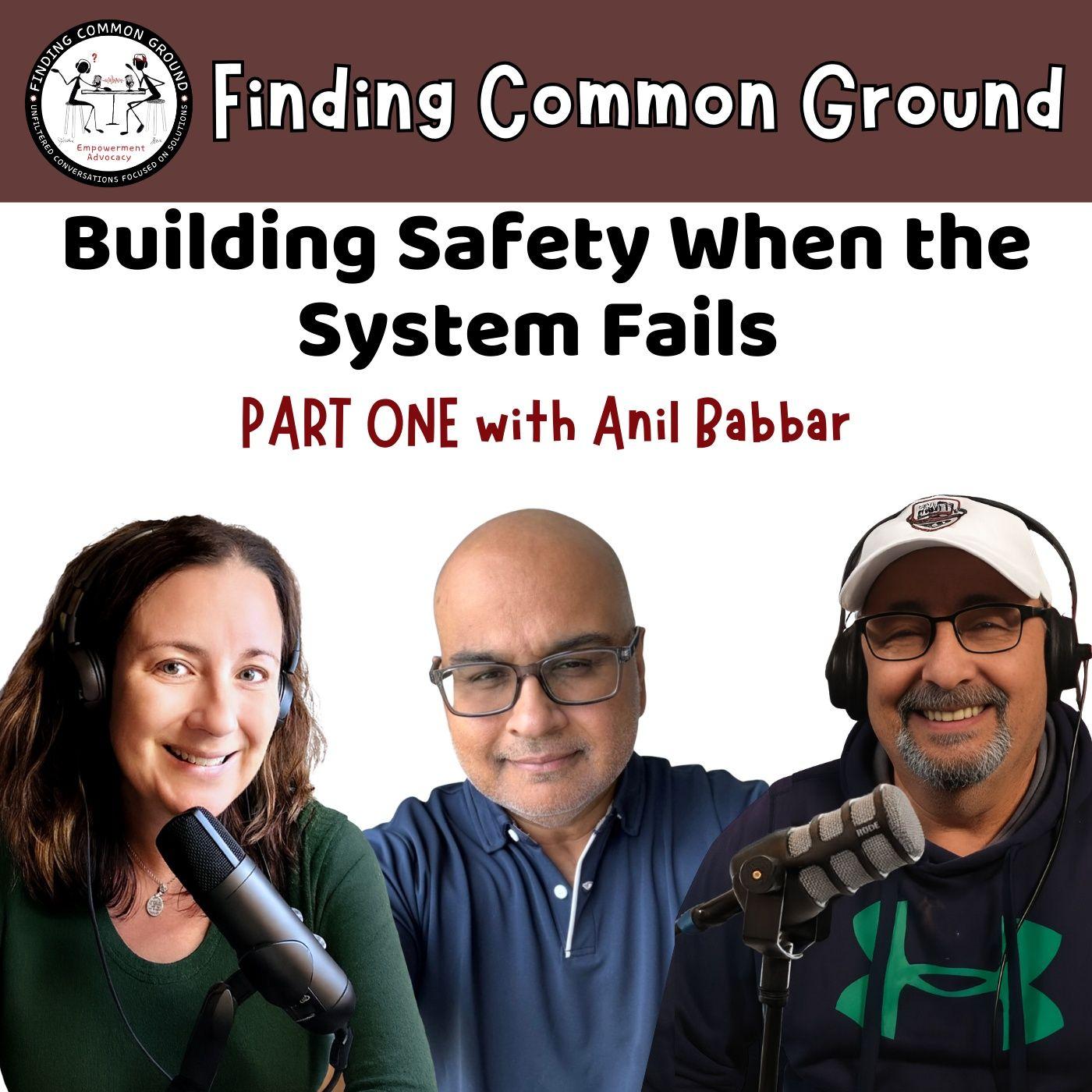
“If the system only works when parents are silent, it was never built to protect our kids.”
What happens after the headlines fade, but the fear doesn’t?
Anil Babbar returns to FCG and we move beyond the shock and into what families are actually forced to do to keep their children safe. This is not about outrage. It is about strategy. We talk about why parents end up thinking like investigators, how documentation becomes protection, and why the words you choose in an email can matter more than the emotions you feel in the moment. Anger might be justified, but evidence wins cases.
This episode is a roadmap:
• What to do when something feels off
• How to document without escalating risk
• How to protect your child and your case at the same time
• When to put people on notice and how to do it effectively
Then we zoom out to the bigger question. What would real safety look like if families helped design the system? We dig into parent-led housing, funding structures, and the economics that keep better models out of reach. Anil shares the vision behind SafeCare, a framework built on transparency, accountability, and partnership with caregivers and DSPs who want to do this work the right way. We also name the tension that often gets ignored. Good DSPs are working inside broken structures. Real reform has to protect them too, not just the people they support.
“We are not just fighting for services. We are fighting for proof that our children are safe when we are not in the room.”
This is a conversation about courage, but also about the long game. Building systems that will still be standing when families are no longer there to oversee them. “This isn’t advocacy for today. This is survival planning for the day we’re gone.”
Connect with Anil: SafeCare: www.safecarecs.com
Additional Media coverage:
NY Times: https://www.nytimes.com/2026/01/21/nyregion/anderson-autism-center-suit.html
FOX 5 investigation: https://www.fox5ny.com/news/autism-facility-faces-abuse-allegations-after-shocking-video-surfaces
Become a supporter of this podcast: https://www.spreaker.com/podcast/finding-common-ground--6199849/support.
Recorded at ROC Vox Recording & Production Studios in Rochester, NY. Learn more at rocvox.com.
What happens after the headlines fade, but the fear doesn’t?
Anil Babbar returns to FCG and we move beyond the shock and into what families are actually forced to do to keep their children safe. This is not about outrage. It is about strategy. We talk about why parents end up thinking like investigators, how documentation becomes protection, and why the words you choose in an email can matter more than the emotions you feel in the moment. Anger might be justified, but evidence wins cases.
This episode is a roadmap:
• What to do when something feels off
• How to document without escalating risk
• How to protect your child and your case at the same time
• When to put people on notice and how to do it effectively
Then we zoom out to the bigger question. What would real safety look like if families helped design the system? We dig into parent-led housing, funding structures, and the economics that keep better models out of reach. Anil shares the vision behind SafeCare, a framework built on transparency, accountability, and partnership with caregivers and DSPs who want to do this work the right way. We also name the tension that often gets ignored. Good DSPs are working inside broken structures. Real reform has to protect them too, not just the people they support.
“We are not just fighting for services. We are fighting for proof that our children are safe when we are not in the room.”
This is a conversation about courage, but also about the long game. Building systems that will still be standing when families are no longer there to oversee them. “This isn’t advocacy for today. This is survival planning for the day we’re gone.”
Connect with Anil: SafeCare: www.safecarecs.com
Additional Media coverage:
NY Times: https://www.nytimes.com/2026/01/21/nyregion/anderson-autism-center-suit.html
FOX 5 investigation: https://www.fox5ny.com/news/autism-facility-faces-abuse-allegations-after-shocking-video-surfaces
Become a supporter of this podcast: https://www.spreaker.com/podcast/finding-common-ground--6199849/support.
Recorded at ROC Vox Recording & Production Studios in Rochester, NY. Learn more at rocvox.com.
Język angielski
Stany Zjednoczone
TRANSKRYPCJA 🔗
Are you the producer of this podcast?
Add a podcast transcript
Need Audio-to-Text?
Transcribe with Listen411 in Just 60 Seconds
WYSZUKAJ MINIONE ODCINKI
Wyszukaj minione odcinki Finding Common Ground.
INNE ODCINKI W TYM PODCASCIE
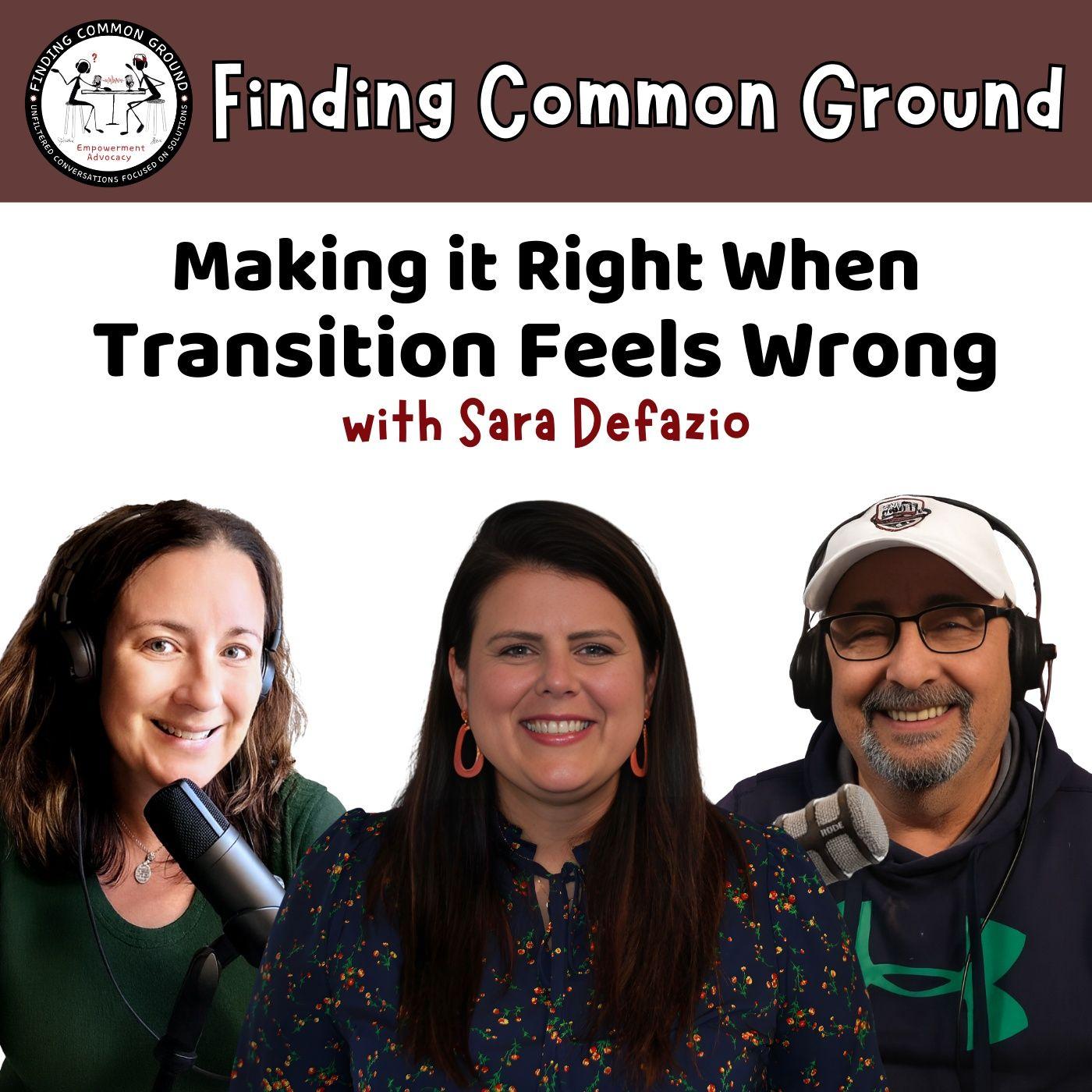
If you have ever walked into a CSE meeting and thought, I don’t even know what to ask for, this episode is for you.Heather and Steve are joined by Sara DeFazio, a Transition Specialist with New York State’s Central Region Partnership Center, and she keeps it real.This is a fast, practical conversat…
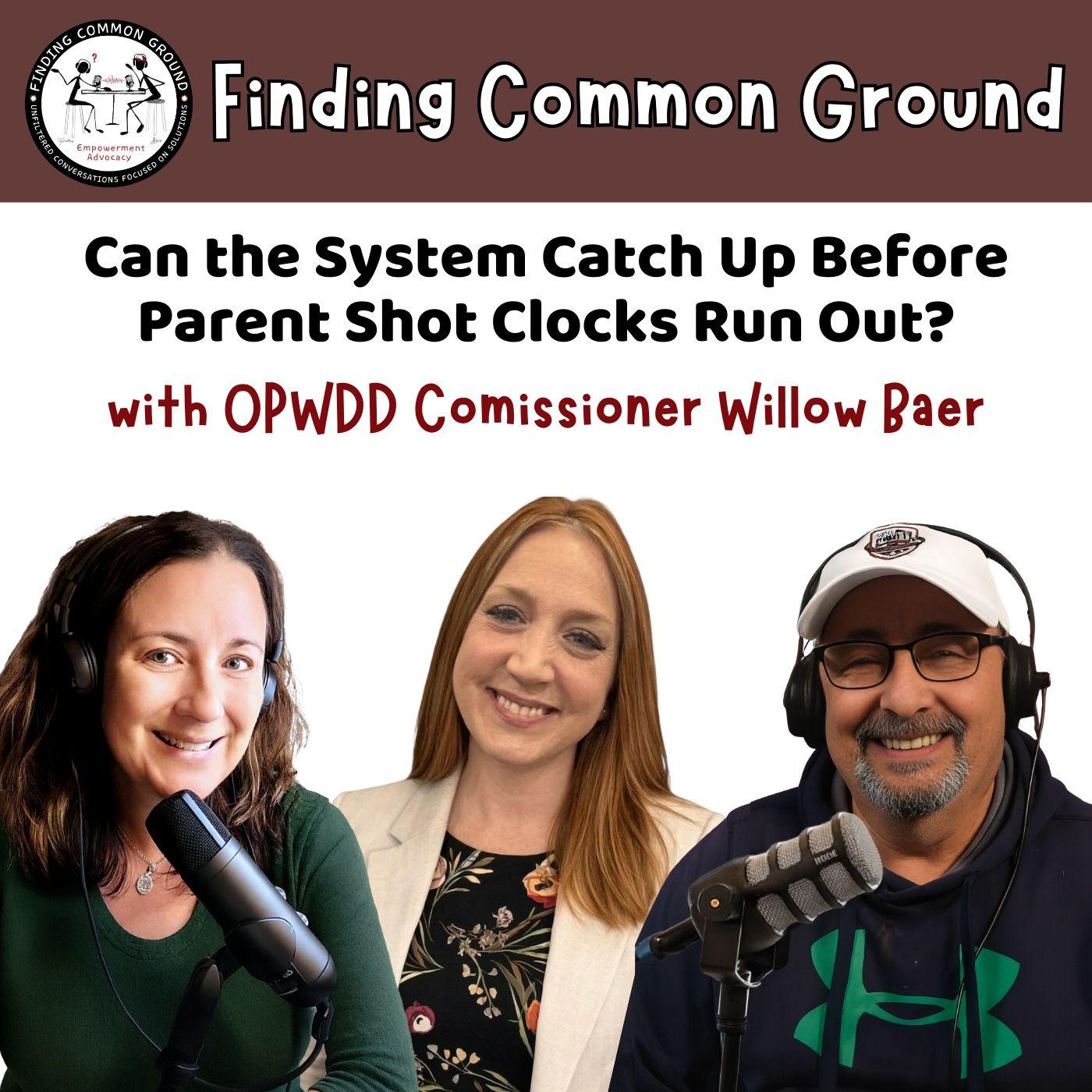
Families are often expected to hold everything together, yet too often they are treated like outsiders instead of experts. In this episode of Finding Common Ground, Steve sits down with OPWDD Commissioner Willow Baer for an honest conversation about what happens when families are carrying modern ch…
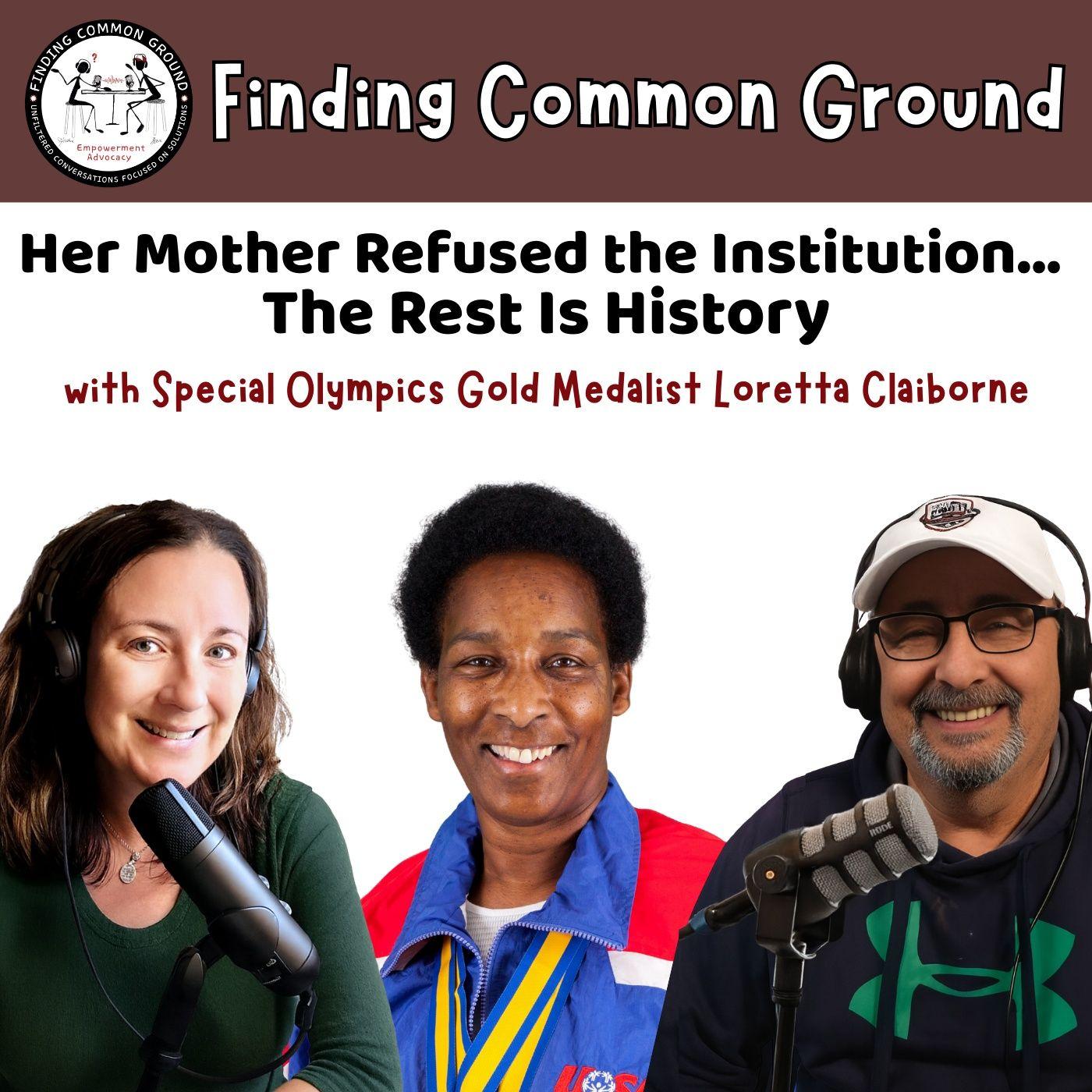
They told Loretta Claiborne’s mother there were places for children like her.Her mother said no.Instead, she raised Loretta with grit, dignity, and sky-high expectations. Even when Loretta struggled with motor skills and had to crawl to the table and pull herself up, her mother insisted on good man…
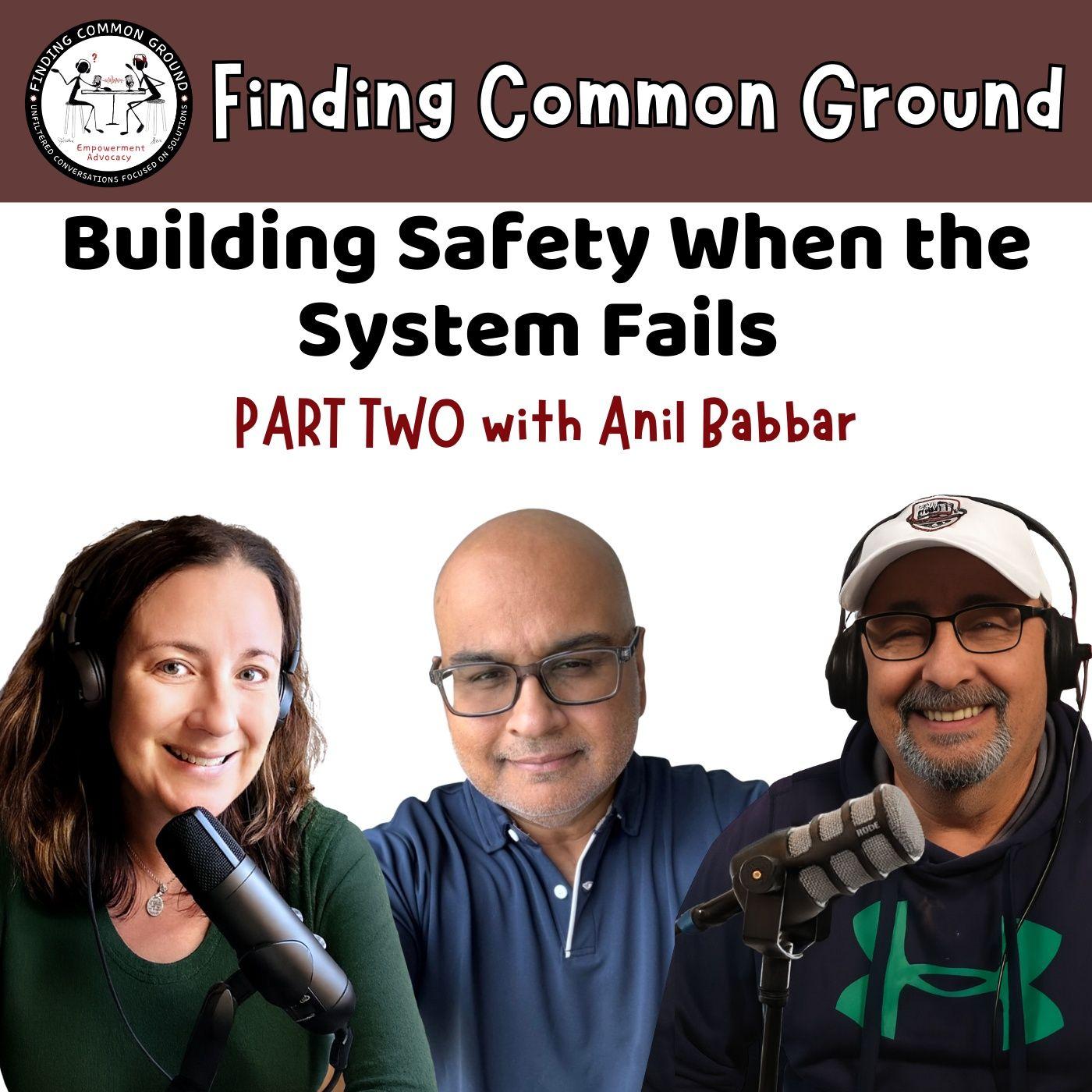
If you suspect abuse, what do you do first, and how do you prove it?Part 2 shifts from systems analysis to step-by-step strategy. This is a must-listen for any family navigating OPWDD services, residential care, or crisis supports.Anil breaks down the practical actions parents can take immediately:…
Zastrzeżenie: Podcast i grafika osadzone na tej stronie pochodzą z ROC Vox Podcast Network, który jest własnością jego właściciela i nie jest powiązany ani wspierany przez Listen Notes, Inc.
EDYTUJ
Dziękujemy za pomoc w aktualizowaniu podcastowej bazy danych.
