

O TYM ODCINKU
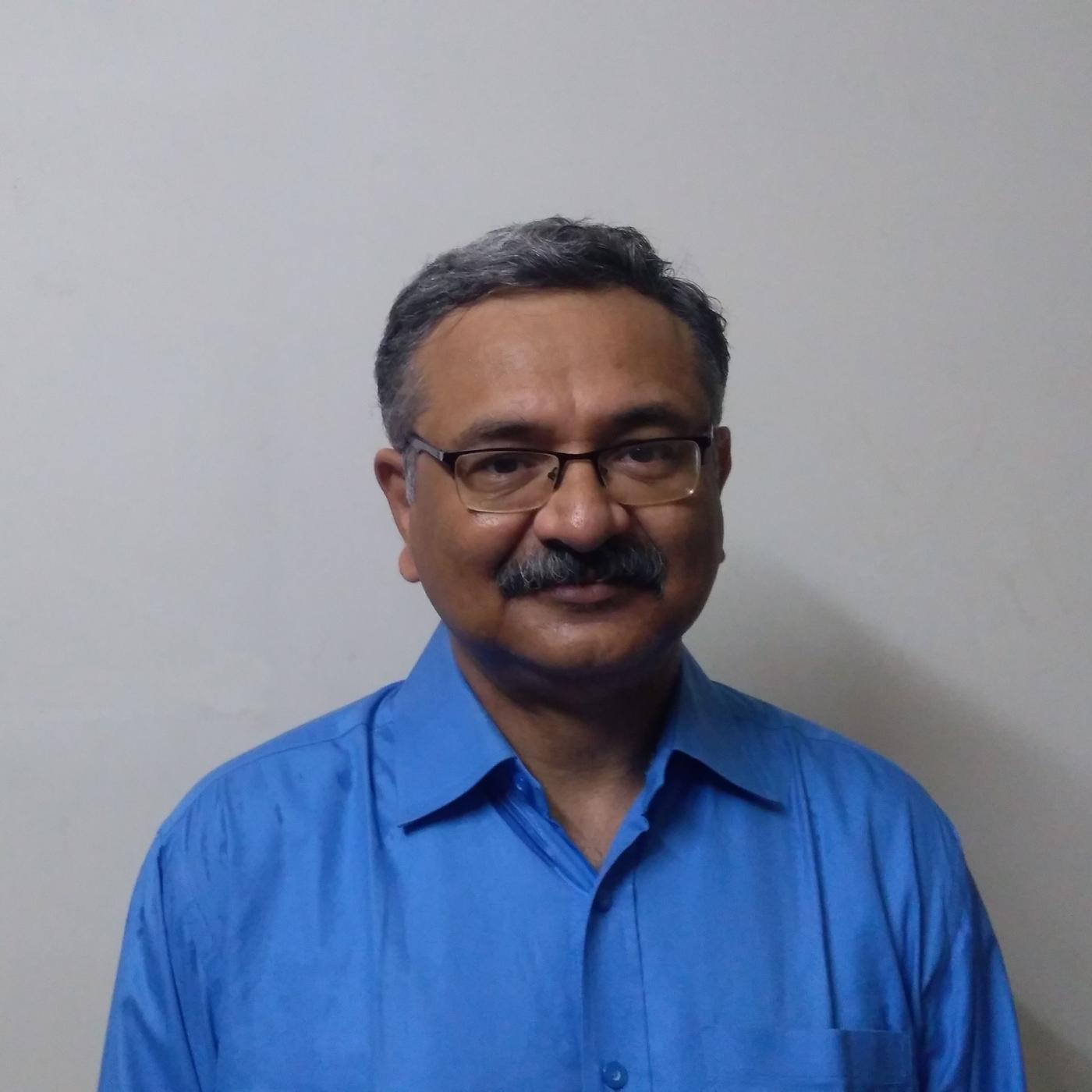
Dr. Sainath Banerjee has been an ISUH Board member over the past year. Being a board member is quite exciting for him because of the scope and nature of the task. He sees his participation in ISUH enabling him to have global impact. He is currently co-leading the community solutions workgroup. This workgroup proposes to share local community solutions for urban health globally and to create opportunities for community-based actions.
Dr. Banerjee started actively working in urban health back in 2002-2003 when he led a small pilot program in India with USAID assistance. His work focused on slums that were not supported by the government of India’s development agenda because they are not “listed.” He used data to show the need for including these communities in the national planning. His work inspired the government to develop a national urban health agenda.
He sees ISUH in 4 areas: (1) advocacy; (2) implementation research; (3) knowledge support; and (4) is networking. Because of its position on the global level, ISUH can be an advocate for the creation of urban health agendas. ISUH should have a field presence and implementation to add to its knowledge base. For knowledge support, ISUH can provide predictor information to support landscape or future predictor of urban health for some countries. For networking ISUH can create partnerships with various institutions to address urban health issues.
Dr. Banerjee wants to help ISUH figure out how to engage and amplify research being conducted by its members and provide a frame for supporting opportunities for members to develop advocacy platforms. He believes that membership engagement in ISUH can be supported through institutional level involvement, not just at the individual level. Members should see ISUH as the source of knowledge information and global initiatives on urban health. ISUH can create a bridge for issues and themes in urban health and provide regional opportunities for collaboration. Each member is an ambassador of ISUH. He thinks it will be a good idea to create regional chapters of ISUH.
Dr. Banerjee started actively working in urban health back in 2002-2003 when he led a small pilot program in India with USAID assistance. His work focused on slums that were not supported by the government of India’s development agenda because they are not “listed.” He used data to show the need for including these communities in the national planning. His work inspired the government to develop a national urban health agenda.
He sees ISUH in 4 areas: (1) advocacy; (2) implementation research; (3) knowledge support; and (4) is networking. Because of its position on the global level, ISUH can be an advocate for the creation of urban health agendas. ISUH should have a field presence and implementation to add to its knowledge base. For knowledge support, ISUH can provide predictor information to support landscape or future predictor of urban health for some countries. For networking ISUH can create partnerships with various institutions to address urban health issues.
Dr. Banerjee wants to help ISUH figure out how to engage and amplify research being conducted by its members and provide a frame for supporting opportunities for members to develop advocacy platforms. He believes that membership engagement in ISUH can be supported through institutional level involvement, not just at the individual level. Members should see ISUH as the source of knowledge information and global initiatives on urban health. ISUH can create a bridge for issues and themes in urban health and provide regional opportunities for collaboration. Each member is an ambassador of ISUH. He thinks it will be a good idea to create regional chapters of ISUH.
Język angielski
Stany Zjednoczone
TRANSKRYPCJA 🔗
Are you the producer of this podcast?
Add a podcast transcript
Need Audio-to-Text?
Transcribe with Listen411 in Just 60 Seconds
WYSZUKAJ MINIONE ODCINKI
Wyszukaj minione odcinki Conversations on Urban Health - Dr Yonette Thomas.
INNE ODCINKI W TYM PODCASCIE
Dr. Tsouros is a leading international expert with 30 years of experience in the fields of health policy, urban health and healthy cities, inter-sectoral governance and health in all policies, social determinants of health and equity and health promotion. His Global Healthy Cities initiative is fo…
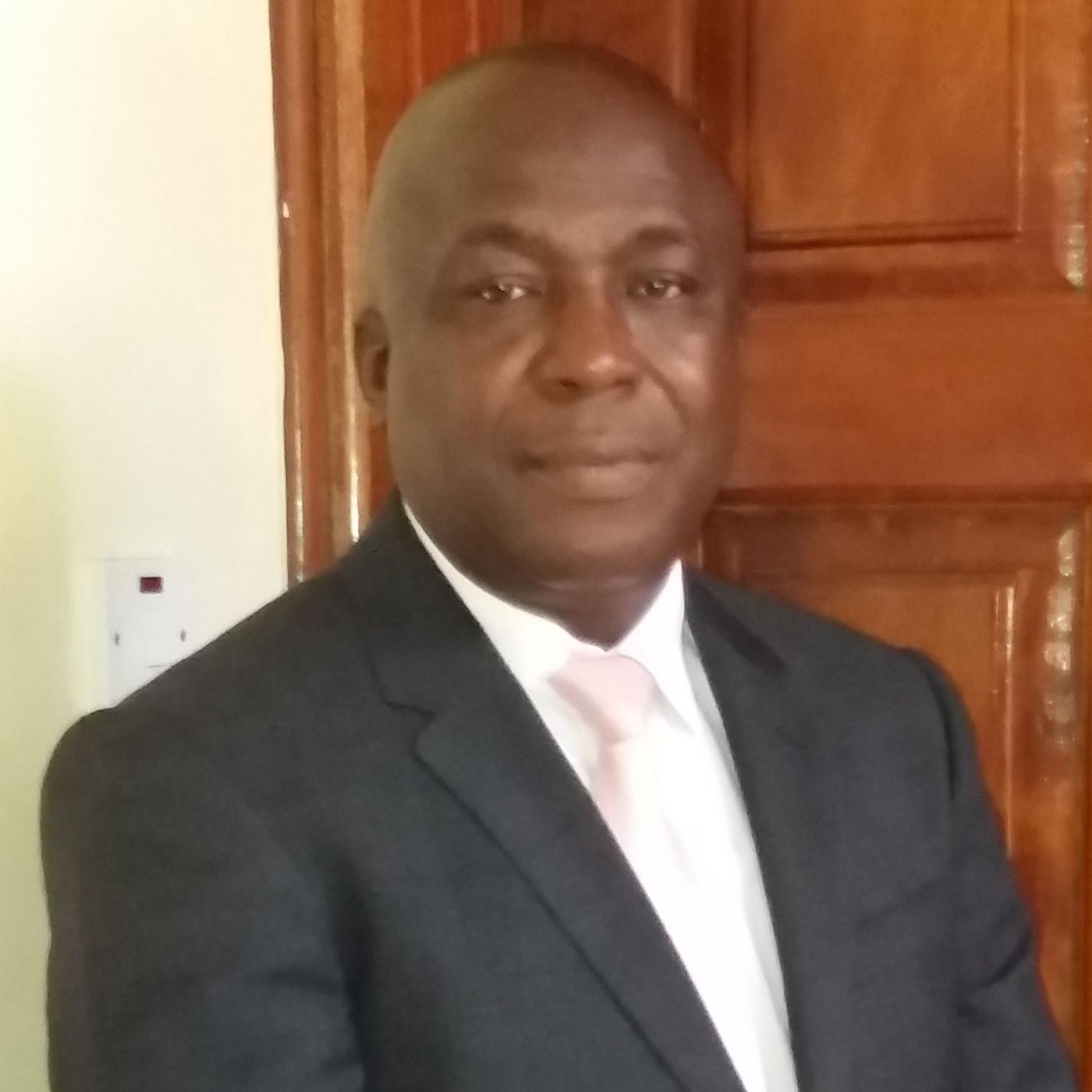
Dr. Blessing MBeru is an ISUH Board member and a lead for the Africa Workgroup. In this podcast, Dr. MBeru believes that his role on the board is to help deepen ISUH’s role and work in Africa where urbanization is a major demographic event that creates many challenging issues related to health. …
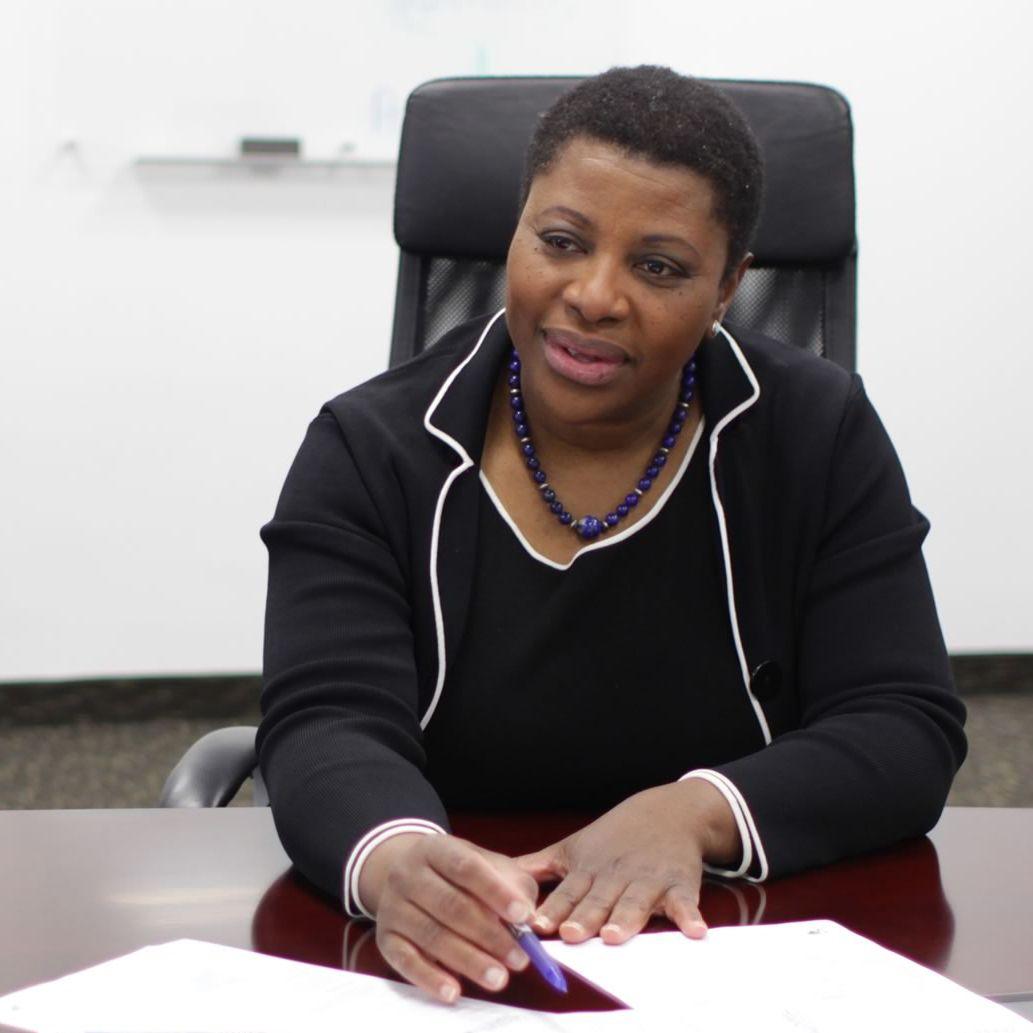
In this closing episode, Dr. Yonette Thomas and Host Mark Sylvester talk about the 11 amazing conversations for Season 1. It is a sampling of what it is to come. Season 1 began with a historical overview of the organization and the progressed into what the ISUH can do and will do going forward. …
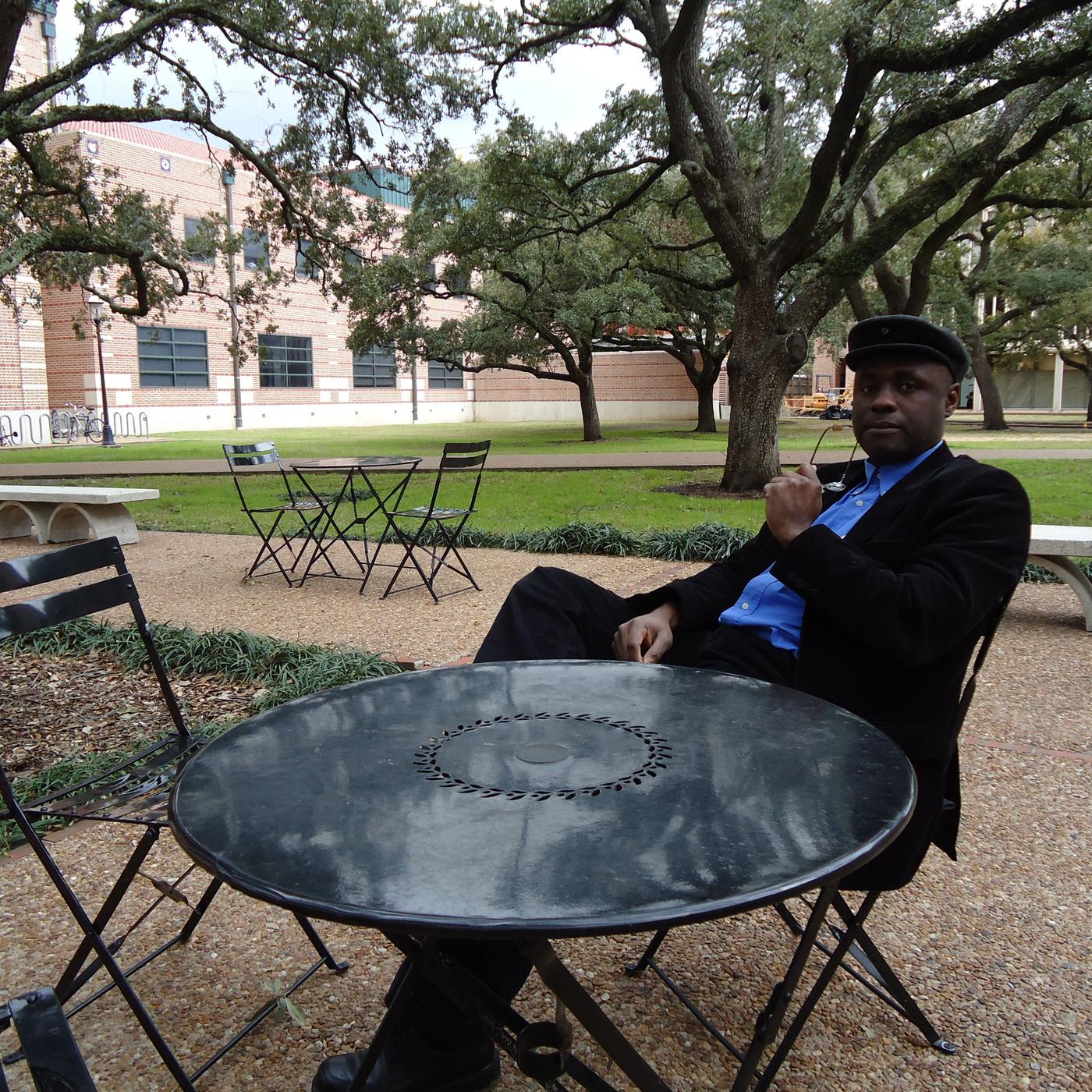
Professor Nguendo-Yongsi is the President-Elect of ISUH. Professor Nguendo-Yongsi is an Urban Health Influencer. He has been involved in the ISUH for several years and will be working with us to lead the organization into a sustainable future. He is a strong advocate for engaging African scholar…
Zastrzeżenie: Podcast i grafika osadzone na tej stronie pochodzą z Conversations on Urban Health - Dr Yonette Thomas, który jest własnością jego właściciela i nie jest powiązany ani wspierany przez Listen Notes, Inc.
EDYTUJ
Dziękujemy za pomoc w aktualizowaniu podcastowej bazy danych.
