

WEBVTT
00:00:00.400 --> 00:00:09.679
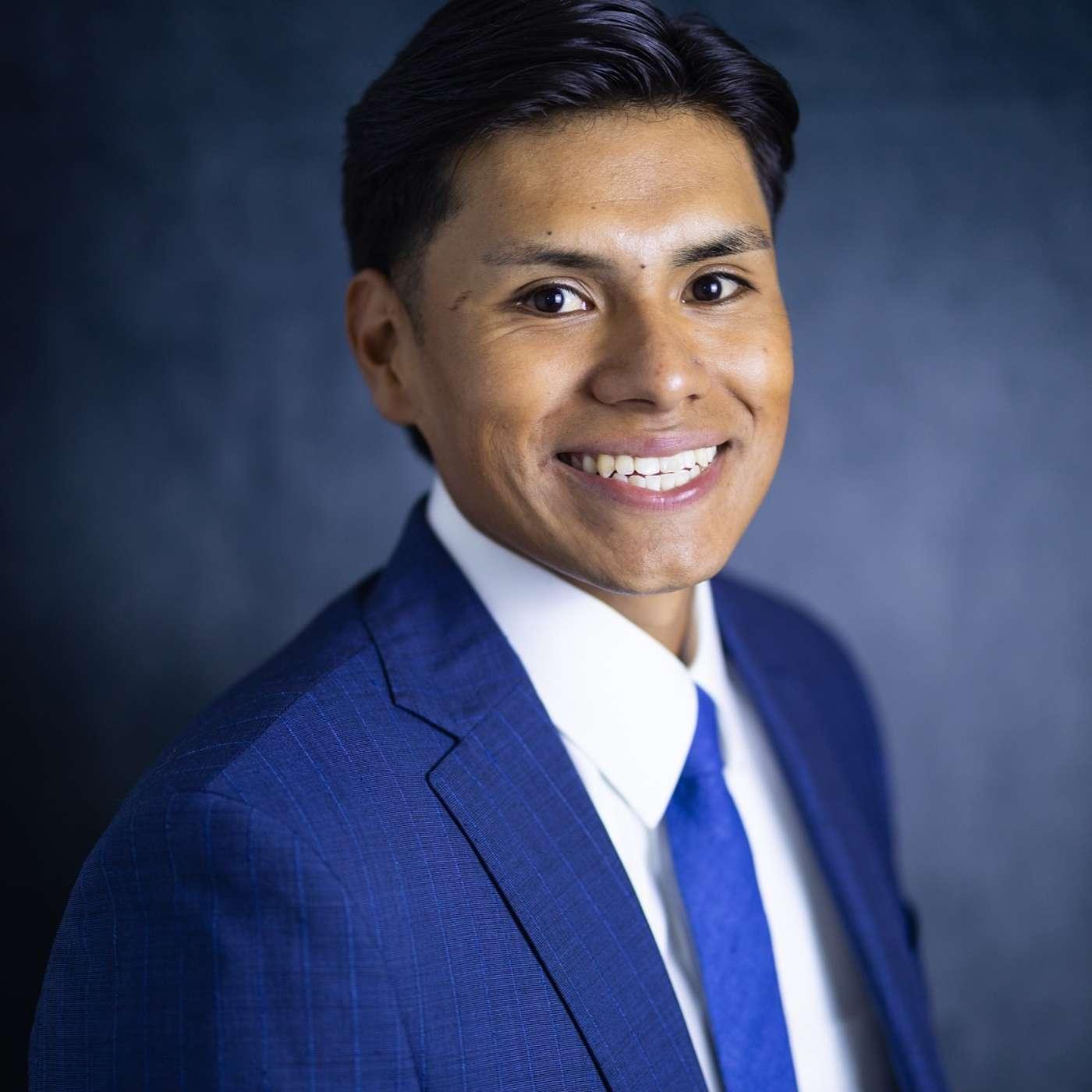
In this episode, my coworker Saul Rodriguez will be discussing how to build and maintain trust in a workplace where two or more languages are spoken.
00:00:09.919 --> 00:00:19.199
Welcome back to Brain Chatter, where we listen past the daily noise and explore topics at the intersection of leadership, workplace culture, profit, and sustainability.
00:00:19.359 --> 00:00:21.280
I'm your host, Derek Brown.
00:00:21.519 --> 00:00:23.120
Welcome to Brain Chatter, Saul.
00:00:23.359 --> 00:00:24.480
Thank you for sharing your time.
00:00:24.800 --> 00:00:26.000
Thank you for having me, Derek.
00:00:26.079 --> 00:00:27.679
I'm a big fan of your podcast.
00:00:28.000 --> 00:00:28.879
Well, thank you.
00:00:29.199 --> 00:00:31.519
Saul, let's start at the beginning.
00:00:31.760 --> 00:00:40.640
What is the connection between being able to communicate with someone and being able to build and maintain trust with that person?
00:00:40.960 --> 00:00:42.479
That's a great place to start.
00:00:42.719 --> 00:00:50.719
Communication or lack of communication and miscommunication is where a lot of problems arise, both at home and at work.
00:00:50.960 --> 00:00:58.560
Let me begin by making the distinction between what most people think communication is and what communication actually is.
00:00:59.039 --> 00:01:07.120
Most people, myself included at times, believe communication is simply announcing what's in our minds to another person or group of people.
00:01:07.359 --> 00:01:10.159
If I say something, I have communicated.
00:01:10.480 --> 00:01:12.319
But that's the wrong assumption.
00:01:12.640 --> 00:01:19.920
Communication, or effective communication for that matter, is the successful transfer of meaning from one person to another.
00:01:20.159 --> 00:01:25.599
As we say in our firm, it is not what I throw, it's what the other person catches.
00:01:26.159 --> 00:01:32.159
And in order to communicate effectively, we must have a shared understanding of the words that are being exchanged.
00:01:32.480 --> 00:01:35.439
This right here is where that trust piece comes in.
00:01:35.760 --> 00:01:49.840
When we have taken the time to build and maintain trust with the people we're trying to communicate with, they know that we have their best interest in mind and that we do not have to dance around each other in order to understand what we're trying to say.
00:01:50.239 --> 00:01:58.400
That right there is the deep connection between building and maintaining trust with someone and the ability to communicate effectively with that person.
00:01:58.799 --> 00:02:02.480
You are fully bilingual in English and Spanish.
00:02:02.640 --> 00:02:12.560
Let's talk about some of the workplaces in which you've worked and the diverse viewpoints you've seen as a result of the diversity of these workplaces.
00:02:12.800 --> 00:02:14.319
You have served in the U.S.
00:02:14.479 --> 00:02:27.919
Army for seven years, including with a humanitarian aid mission in Latin America, as well as military operations in the Middle East, including Operation Enduring Freedom and Operation Inherent Resolve.
00:02:28.159 --> 00:02:41.360
You've worked in a restaurant, you've worked in retail at AutoZone, you've worked as a real estate agent, and you've owned and run your own landscaping business that you built from the ground up.
00:02:42.000 --> 00:03:00.400
Previous to working inside of this industry with us, you interned at a management consulting firm in Arizona years ago, and you've worked in various manufacturing environments with Ken Chapman and Associates Incorporated in various workplace settings across the United States.
00:03:00.960 --> 00:03:13.840
From all of those workplaces and from others that you have observed, will you share some insights about the junction point of communication, language, and trust?
00:03:14.960 --> 00:03:17.039
You've summarized it well, my friend.
00:03:17.280 --> 00:03:23.520
I've been very fortunate to be given the opportunity to start working at a young age and learn many different industries.
00:03:23.759 --> 00:03:28.800
As you know, I came to the United States at the age of 14 not knowing the language.
00:03:28.960 --> 00:03:36.639
That was the first and biggest challenge to integrate into culture, the school system, and the different work settings that I have been through.
00:03:36.879 --> 00:03:44.080
What I found interesting is that from setting to setting, the technical language changes drastically every single time.
00:03:44.240 --> 00:03:47.759
But the thing that never changed was what people needed before they communicated.
00:03:48.000 --> 00:03:50.400
KCNA's founder and our employer, Dr.
00:03:50.479 --> 00:03:54.719
Chapman, likes to say that people are people no matter where you find them.
00:03:54.879 --> 00:04:04.560
What I kept seeing in every one of those work environments was that people will tell you what they think you want to hear long before they actually tell you what's actually true.
00:04:04.800 --> 00:04:12.400
And that gap between what someone says versus what's actually going on is a trust problem, not a language problem.
00:04:12.719 --> 00:04:16.959
So let me do a full introduction of you and take just a moment to do that.
00:04:17.199 --> 00:04:19.600
You were born in Athens, Alabama.
00:04:19.759 --> 00:04:26.800
You were raised in San Miguel del Allende in the state of Guanajuato, Mexico.
00:04:27.040 --> 00:04:28.160
Did I get that close?
00:04:28.480 --> 00:04:29.199
Yes, you did.
00:04:29.439 --> 00:04:30.160
Thank you.
00:04:30.480 --> 00:04:36.319
We've already talked about your vast work experience from various viewpoints in different industries.
00:04:36.639 --> 00:04:41.600
You are a devout follower of Jesus Christ, a husband, a proud U.S.
00:04:41.680 --> 00:04:46.879
Army veteran, a graduate of Grand Canyon University, where you earned a B.S.
00:04:47.040 --> 00:04:54.639
in finance and economics, and you are now a professional consultant passionate about developing the leaders every organization needs.
00:04:54.879 --> 00:04:56.560
Is there anything you'd like to add?
00:04:56.879 --> 00:04:58.959
No, Derek, I think you got it all.
00:04:59.439 --> 00:05:04.079
I asked you to do a podcast, Saul, because I respect you so much.
00:05:04.319 --> 00:05:06.959
However, I did not suggest a topic.
00:05:07.199 --> 00:05:11.439
You chose this one, and it is certainly a very worthy topic.
00:05:11.759 --> 00:05:13.839
So let me ask you this question.
00:05:14.079 --> 00:05:18.000
What makes this topic a point of passion for you?
00:05:19.199 --> 00:05:23.759
I chose this topic specifically because it is near and dear to my heart.
00:05:24.079 --> 00:05:29.600
This is something I experienced firsthand in school and in many different work industries.
00:05:29.920 --> 00:05:38.959
But more recently, working at Ken Chapman Associates, I found out that there is a big trust gap in companies that arises from the language barrier.
00:05:39.199 --> 00:05:44.160
There are so many team members out there in companies waiting to be contributors.
00:05:44.639 --> 00:05:50.160
Organizations need to realize that gap and work intentionally to close it.
00:05:50.399 --> 00:05:56.399
Not only will it benefit the team members, but it will exponentially benefit the organization as well.
00:05:57.680 --> 00:06:00.800
Do you have any good examples of this that come to mind?
00:06:01.120 --> 00:06:03.279
Yes, many examples come to mind.
00:06:03.439 --> 00:06:05.040
The army is where it came clearest.
00:06:05.199 --> 00:06:08.800
First, as you mentioned earlier, I had a humanitarian mission in Guatemala.
00:06:09.040 --> 00:06:11.600
The official language of Guatemala is Spanish.
00:06:11.839 --> 00:06:14.639
I speak Spanish, so that was very helpful.
00:06:14.879 --> 00:06:27.040
But I quickly learned that I couldn't communicate with them effectively because the culture was different and the dialect was different, and even though I could talk to them, we didn't have that connection.
00:06:27.199 --> 00:06:28.800
We didn't have that trust.
00:06:29.040 --> 00:06:34.800
Later, when I went to Syria and Jordan, where I did not know the language, it became clear.
00:06:35.040 --> 00:06:41.279
I worked alongside soldiers and local nationals in environments where a wrong assumption could cost someone their life.
00:06:41.439 --> 00:06:45.839
And I learned fast that someone nodding at you doesn't mean they understand.
00:06:46.079 --> 00:06:47.839
It doesn't even mean they agree.
00:06:48.079 --> 00:06:51.920
What it often means is that they don't feel safe enough to say they're confused.
00:06:52.240 --> 00:06:58.480
In retrospect, that is what I had been doing throughout my first years of high school and my first jobs here in the US.
00:06:58.639 --> 00:07:05.360
I would smile and nod, instead of asking for further explanations or clarification on something I didn't understand.
00:07:05.519 --> 00:07:12.560
The language was the tip of the iceberg, but under the water lay the lack of trust I had in the people who were in charge of me.
00:07:12.879 --> 00:07:21.040
This realization came a little late for me, but I now understand that in a work setting, the quietest people are not the ones who have nothing to say.
00:07:21.199 --> 00:07:24.399
They're the ones who haven't been given a reason to say it yet.
00:07:24.639 --> 00:07:30.959
So when I think about communication, language, and trust together, here's the pattern that I keep coming back to.
00:07:31.279 --> 00:07:33.680
Language gets the words in the room.
00:07:34.000 --> 00:07:36.079
Trust is what makes them real.
00:07:37.120 --> 00:07:39.680
Extremely insightful, Soul, thank you.
00:07:39.920 --> 00:07:41.439
So here's another question.
00:07:41.680 --> 00:07:50.480
Does a leader in a company have to learn the other language fluently in order to actually build the trust that is needed?
00:07:50.800 --> 00:07:55.360
I think that's a noble goal, but fluency is not necessary to build trust.
00:07:55.600 --> 00:07:59.120
As I mentioned, language is just the tip of the problem.
00:07:59.360 --> 00:08:04.879
And that problem can be solved rather easily nowadays, especially with all of the AI tools we have available.
00:08:05.120 --> 00:08:20.399
So if a company leader is not bilingual, but has these tools, and that person does have other people reporting to them at work who are not fluent in the same language, what is your recommendation on what needs to happen first?
00:08:21.040 --> 00:08:25.199
I believe the first thing that needs to happen is simpler and harder than translation.
00:08:25.360 --> 00:08:27.680
The leader needs to be seen trying.
00:08:27.920 --> 00:08:31.519
Not fluent, not perfect, seen trying.
00:08:32.000 --> 00:08:41.759
A word of greeting in someone's language, learning how to say a name correctly, slowing down during a conversation and checking for actual understanding instead of just a nod.
00:08:42.240 --> 00:08:46.960
What that communicates to the team member is something no translated document ever will.
00:08:47.519 --> 00:08:50.879
You matter enough for me to be uncomfortable for a minute.
00:08:51.200 --> 00:09:02.960
This is simpler because it doesn't cost anything and it doesn't require a vendor, but it is harder because it asks a leader to be visively uncomfortable in front of the people who report to them.
00:09:03.440 --> 00:09:12.159
Saul, you have seen leaders successfully build trust in multilingual work environments, and you have seen the failure of that to occur.
00:09:12.320 --> 00:09:20.879
Can you contrast what you've seen that has worked particularly well in comparison to what normally leads to failure?
00:09:21.519 --> 00:09:22.080
Of course.
00:09:22.240 --> 00:09:25.200
I've seen many examples of both of those things.
00:09:25.440 --> 00:09:32.320
The clearest pattern I have observed in leaders who get this right is that they treat communication as a two-way street.
00:09:32.480 --> 00:09:38.720
They don't just push information down, but instead they create conditions to where communication can come back up.
00:09:38.960 --> 00:09:40.000
This isn't simple.
00:09:40.159 --> 00:09:44.879
This takes to deliver effort, especially in industries with hierarchical structures.
00:09:45.039 --> 00:10:03.360
What these leaders do is that they build trust by correcting privately and recognizing publicly, slowing down in conversations, asking follow-up questions instead of accepting the first nod, and by identifying people on the front lines that others already go to with questions and investing in them.
00:10:03.600 --> 00:10:13.600
For example, if you have someone on the shop floor who people already go to with questions and go for help instead of coming to you, that tells you something.
00:10:13.840 --> 00:10:20.480
They trust that person and they don't necessarily trust you or they might think that you're too busy for them.
00:10:20.720 --> 00:10:27.200
So what you have to do is go through that person who they already trust and learn from them.
00:10:27.679 --> 00:10:35.759
Learn what they're doing to build that connection with them and not just learn from them, but also give them the resources to be able to help the rest of the team.
00:10:35.919 --> 00:10:40.720
On the other side of the coin, on the failure side, the pattern is almost always the same.
00:10:40.960 --> 00:10:42.639
It starts with good intentions.
00:10:42.879 --> 00:10:50.000
A company brings in translated materials, maybe a bilingual trainer for onboarding, and they consider the problem handled.
00:10:50.320 --> 00:10:54.960
What they have actually done is addressed the surface and left the culture untouched.
00:10:55.279 --> 00:11:09.279
The team member quickly learns that the translation was a formality, that real decisions, real conversations, and real recognition happen in a language they're unfamiliar with and in a room they don't have access to.
00:11:09.600 --> 00:11:13.120
And when that becomes clear, you don't just lose engagement.
00:11:13.360 --> 00:11:16.240
You lose the information that leaders most need.
00:11:16.720 --> 00:11:22.000
The early warning on a safety issue, the better way to run the line that nobody asked about.
00:11:22.320 --> 00:11:27.279
Silence has a cost, and most companies never trace it back to trust.
00:11:27.759 --> 00:11:43.840
A big part of creating a common vision and motivating everyone in a company to do their part on the road to success, or at least giving them the opportunity to be motivated themselves, it involves community building and team building.
00:11:44.080 --> 00:11:55.440
In other words, connecting people who are willing to make the choice that they want to be a part of something and that they want to be the sort of person who, as Dr.
00:11:55.600 --> 00:12:00.879
Chapman says, wants to live up to the highest opinion of himself or herself.
00:12:01.200 --> 00:12:04.879
This is clearly harder when there is a language barrier.
00:12:05.200 --> 00:12:15.120
What have you seen that helps bridge this potential barrier to common vision and community building inside of a workplace?
00:12:16.080 --> 00:12:20.879
Truth is, living up to the highest opinion of yourself is an internal decision.
00:12:21.039 --> 00:12:24.000
It's a decision that we all have to make for ourselves.
00:12:24.399 --> 00:12:31.039
But people make that decision faster when someone else has already decided to see the best in them first.
00:12:31.600 --> 00:12:41.039
My job as a leader is to go first, to value the people that report to me and to help them make sense out of things regardless of the language they speak.
00:12:41.279 --> 00:12:46.559
Real connection is what helps bridge the barrier to common vision and community building.
00:12:46.720 --> 00:12:52.480
And here, I would like to share a quote that I just read in a book called Leaders Eat Last.
00:12:52.639 --> 00:12:56.399
The quote is: Leadership is not a license to do less.
00:12:56.559 --> 00:12:59.279
It is a responsibility to do more.
00:12:59.759 --> 00:13:02.159
And that is so true, Derek.
00:13:02.320 --> 00:13:05.440
As a leader, as I said, I have to go first.
00:13:06.240 --> 00:13:10.399
It's not a license for me to just sit in my office and do less.
00:13:10.639 --> 00:13:20.559
It is a responsibility for me to put effort and help those around me make sense out of things, feel valued, and reach the highest potential of themselves.
00:13:20.879 --> 00:13:27.440
What are your thoughts about companies offering non-compulsory opt-in classes in both languages?
00:13:27.600 --> 00:13:47.600
So, for instance, in an English and Spanish workplace, maybe English classes for Spanish speakers and Spanish classes for English speakers that are completely open to anyone who wishes to take them, but not required, and doing that as a part of trust building across the differing language speakers.
00:13:47.919 --> 00:13:56.240
Or are translator devices and apps enough to accomplish best outcomes on trust along with what you've described so far.
00:13:56.799 --> 00:13:59.919
I love the idea of those classes, and here's why.
00:14:00.159 --> 00:14:02.879
Voluntary participation tells you something.
00:14:03.120 --> 00:14:11.279
When an English speaker shows up to a Spanish class, or vice versa, you see the person's commitment to the team and to being a true professional.
00:14:11.440 --> 00:14:14.399
Someone who is committed to continuous improvement.
00:14:14.639 --> 00:14:19.759
What I would be careful with is what the company expects to accomplish with these classes though.
00:14:19.919 --> 00:14:22.559
If it's fluency, that takes years.
00:14:22.799 --> 00:14:26.399
But if it's connection, that can happen in the first session.
00:14:26.559 --> 00:14:33.360
Especially if the classes bring English and Spanish speakers into the same room in an environment different from what they're used to.
00:14:33.600 --> 00:14:37.279
Translator devices and apps are tools and should be treated as such.
00:14:37.519 --> 00:14:43.440
I would never tell a company to not use them, but I would advise them to not solely rely on them.
00:14:43.679 --> 00:14:45.519
These tools cannot read the room.
00:14:45.679 --> 00:14:52.240
They cannot read body language, and they cannot tell you that the team member nodding along is actually still confused.
00:14:52.720 --> 00:14:57.759
The bottom line is use the tools, but don't let them replace the effort.
00:14:57.919 --> 00:15:02.000
The opt-in classes, done correctly, are not just language problems.
00:15:02.159 --> 00:15:05.600
They're a trust program with vocabulary on the side.
00:15:06.000 --> 00:15:16.799
As you learned your second language, Saul, primarily in your later teen years, what do you remember most about the process of learning your way to fluency?
00:15:18.159 --> 00:15:21.519
Well, what I remember most is how hard it was.
00:15:21.759 --> 00:15:30.720
And even after I had learned the language, I remember the difficulty of speaking clearly that I still struggle with, as you can tell.
00:15:33.840 --> 00:15:37.039
And now I'm still learning how to communicate.
00:15:37.279 --> 00:15:39.120
Well said, and aren't we all?
00:15:39.440 --> 00:15:43.600
Saul, what else should I have asked you that I have not asked you yet?
00:15:43.919 --> 00:15:48.799
Derek, I would like to add another question and one that I think is a question worth asking.
00:15:49.039 --> 00:15:52.720
What other costs are there when we don't close this gap?
00:15:52.960 --> 00:15:55.440
I would like to share some statistics with you, Derek.
00:15:55.679 --> 00:16:06.320
According to the National Safety Council, in 2024, Hispanic workers had the highest workplace fatality rate of any group at 4.3 per 100,000 workers.
00:16:06.799 --> 00:16:10.399
That is the eighth consecutive year they have held that distinction.
00:16:10.639 --> 00:16:14.960
Those are people who went to work and did not come back home.
00:16:15.360 --> 00:16:23.279
I would argue that a significant part of that gap is a trust and communication problem, not just a safety training problem or a language problem.
00:16:23.440 --> 00:16:36.720
When a team member does not feel safe enough to say they're confused, they tried to figure out on their own, they remain quiet, they don't report accidents or potential hazards, and this ends up costing them permanent injuries or even their lives.
00:16:36.960 --> 00:16:44.960
That conversation, Derek, the one about the true cost of the trust gap across the multilingual workforce, I think deserves its own episode.
00:16:45.440 --> 00:16:47.360
Thank you, and well said, I agree.
00:16:47.679 --> 00:16:53.360
Saul, thank you very much for sharing your insights and expertise with us on this podcast episode.
00:16:53.600 --> 00:16:59.759
Is it okay if I share your LinkedIn in the show notes so that anybody who would like to connect with you can do that directly?
00:17:00.000 --> 00:17:00.960
Absolutely, Derek.
00:17:01.279 --> 00:17:01.679
Thank you.
00:17:01.840 --> 00:17:10.559
I will post resources referenced today in the show notes, which you can find at Brainchatterpodcast.com or at leaderscode.com.
00:17:10.720 --> 00:17:14.799
Brainchatter is a production of Ken Chapman and Associates Incorporated.
00:17:14.960 --> 00:17:34.000
We assist clients across North America and beyond with leadership development, corporate culture transformation initiatives, behavior-based professional development for health and safety issues, individual and team assessments, human resources services, conflict and performance management, succession planning, team building, and others.
00:17:34.319 --> 00:17:40.000
Making a difference in organizations and individuals' lives for over 40 years.
00:17:40.240 --> 00:17:42.960
Learn more at leaderscode.com.
00:17:43.359 --> 00:17:47.279
Please consider ranking and reviewing us wherever you listen to podcasts.
00:17:47.440 --> 00:17:52.880
The more reviews and rankings we receive, the more the algorithms recommend us to new listeners.
00:17:53.200 --> 00:17:55.440
Thank you for your valuable time.
